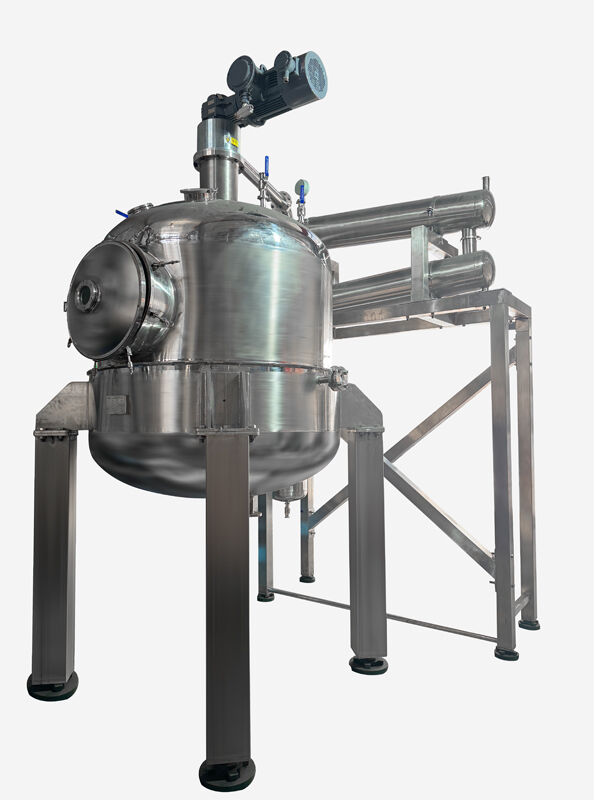
Premium Reactor Stainless Steel Solutions - Superior Corrosion Resistance & Industrial Performance

Get a Free Quote

Our representative will contact you soon.
Email
Name
Contact Number
Company Name
Message
0/1000

reactor stainless steel

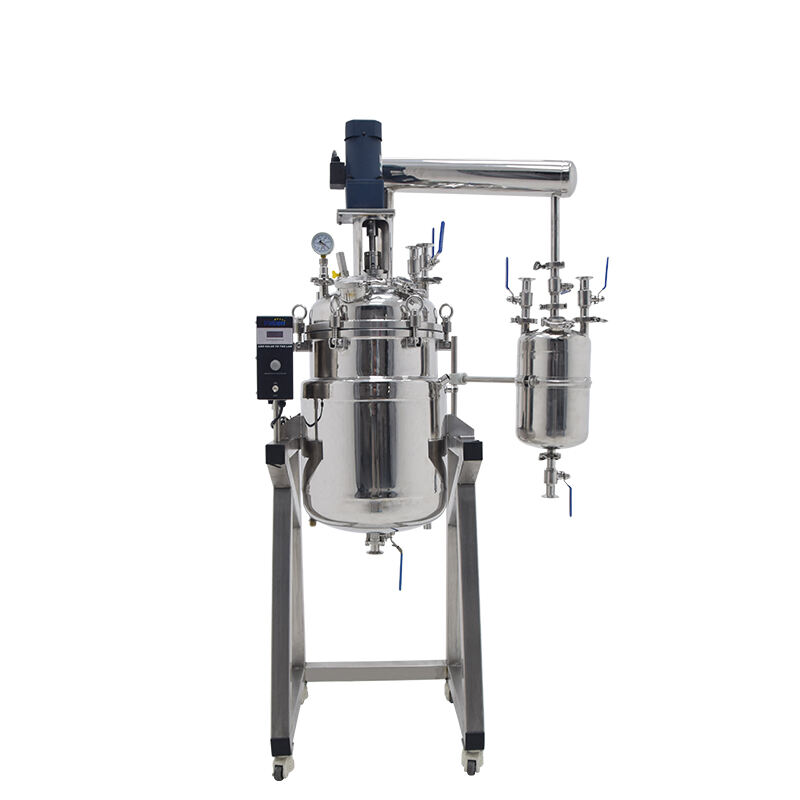
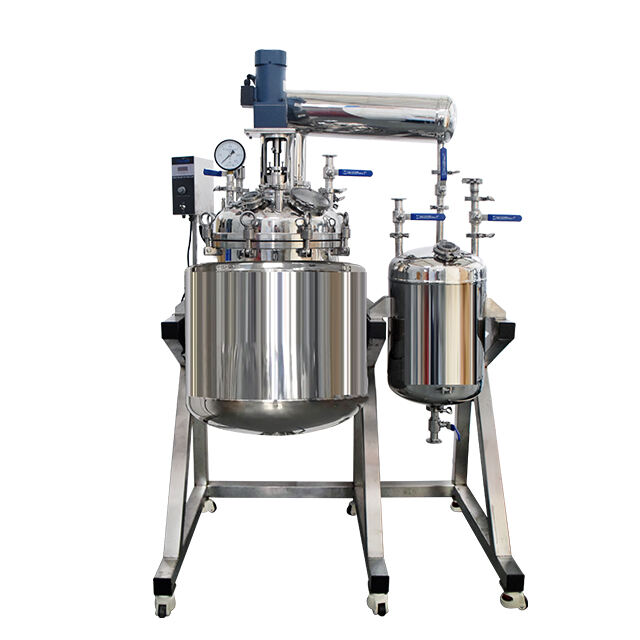
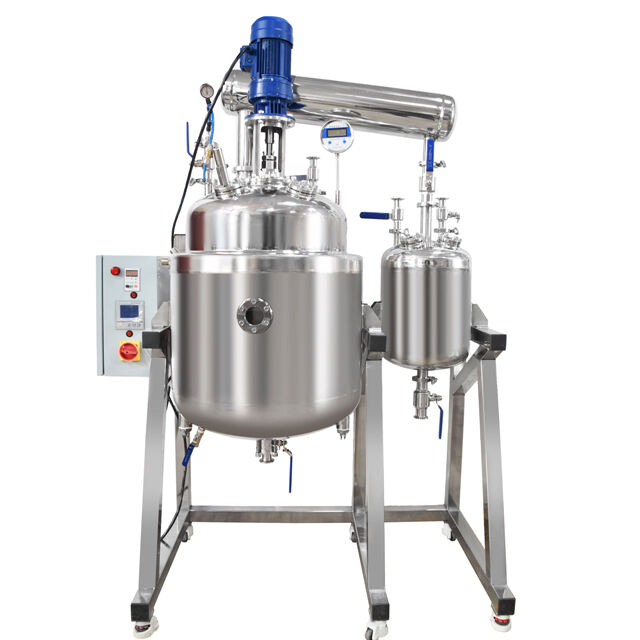
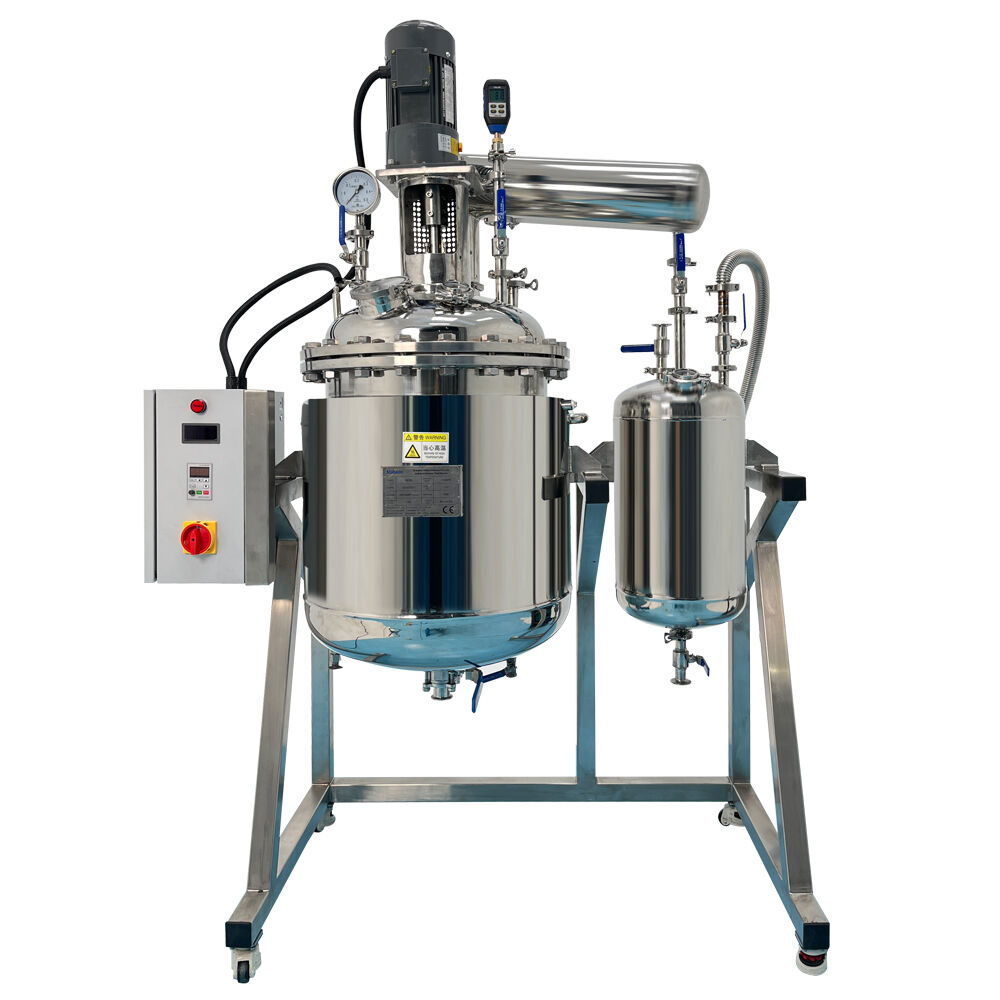
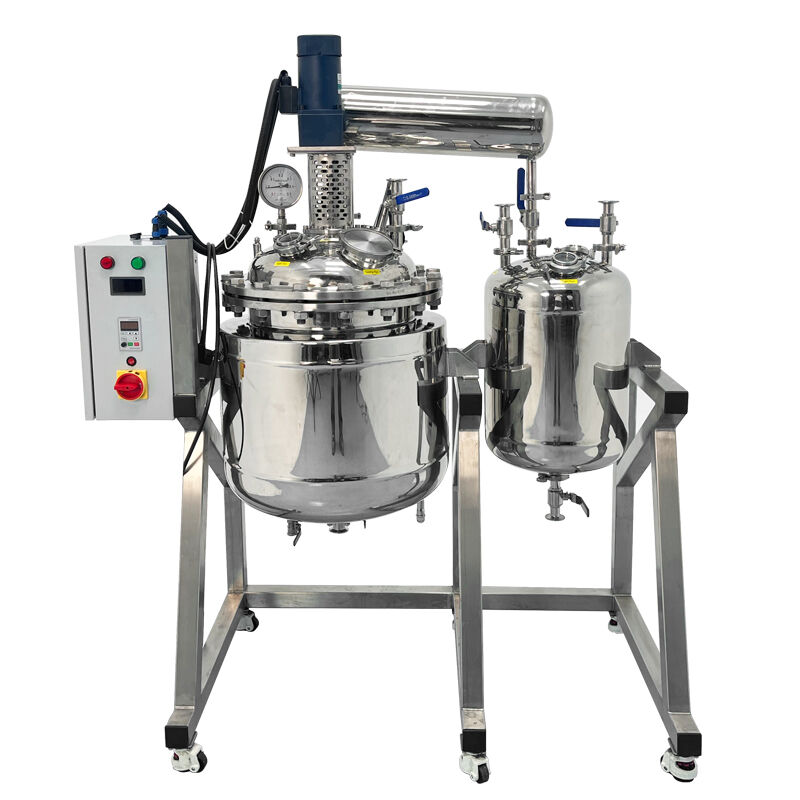
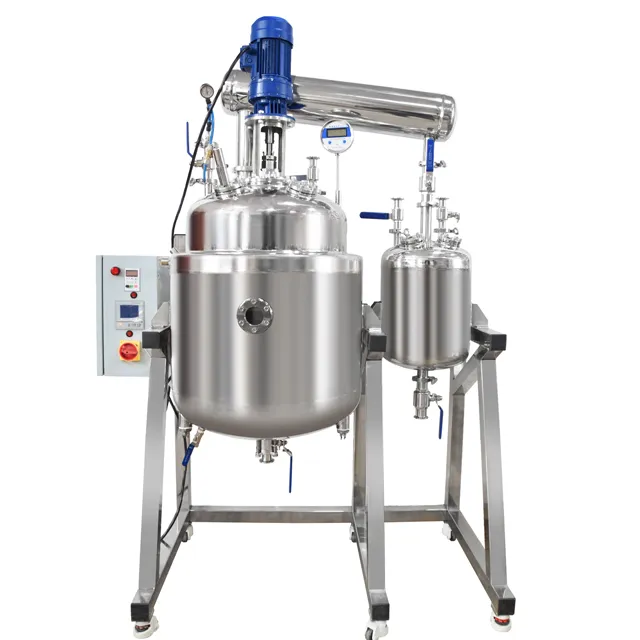
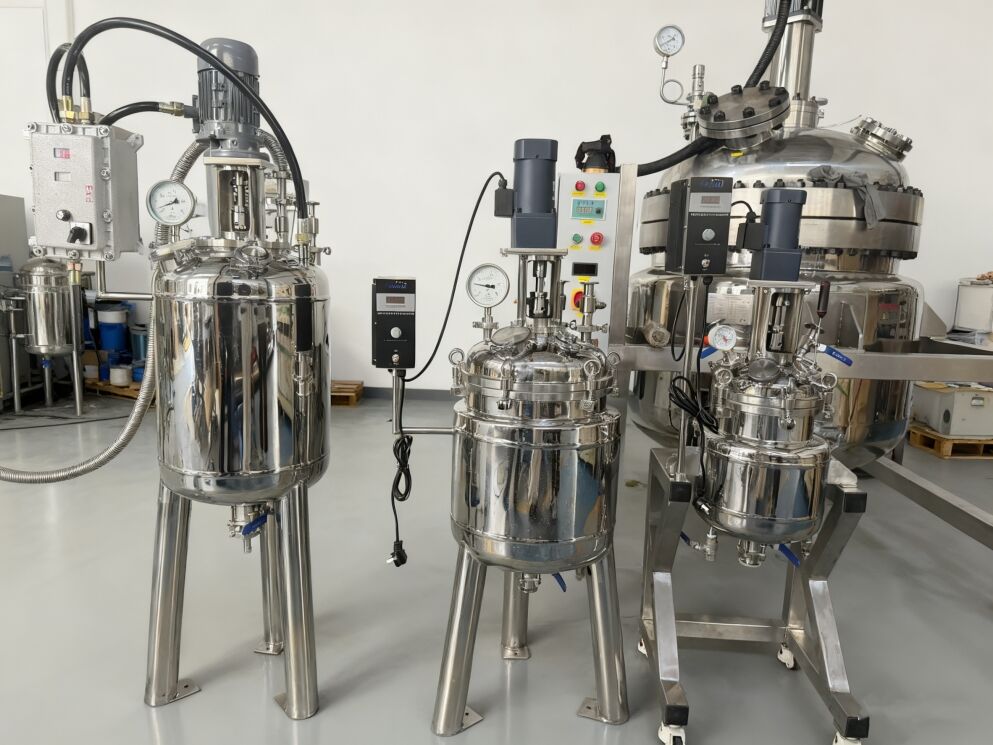
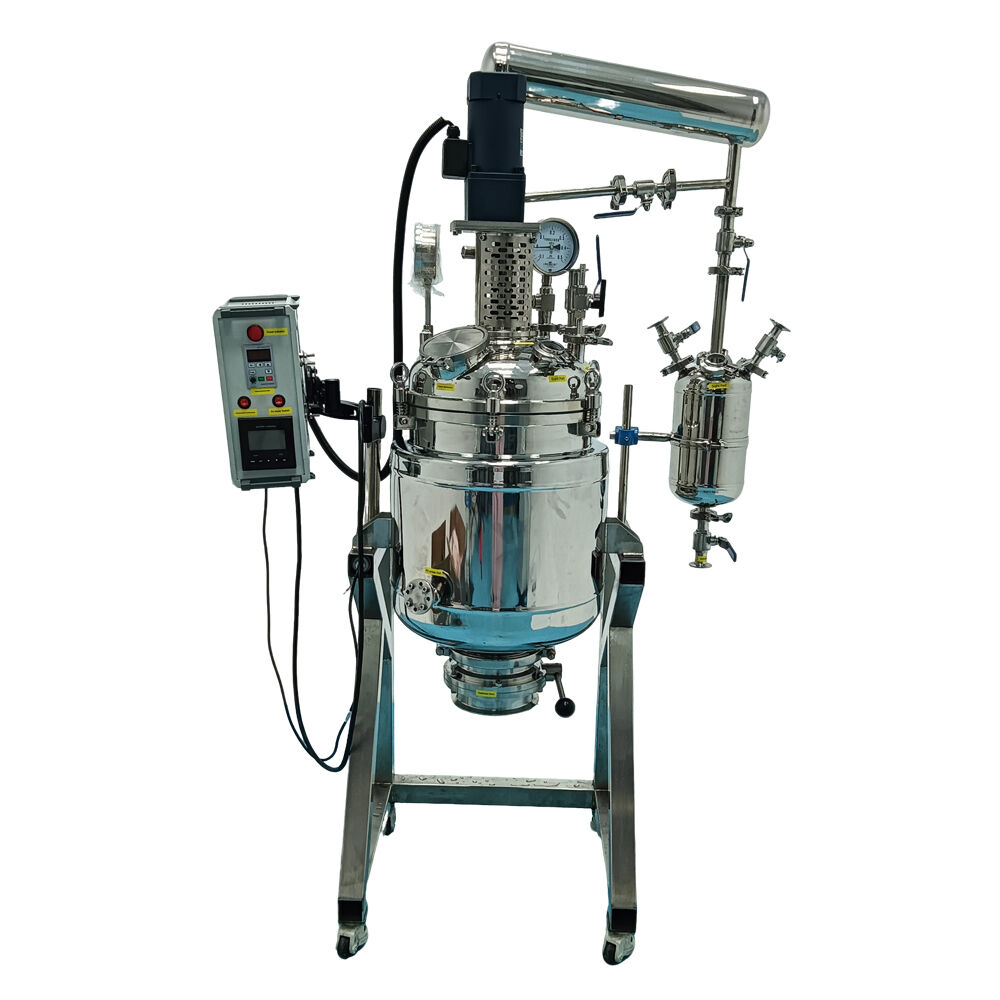
Reactor stainless steel represents a specialized category of high-performance materials engineered specifically for chemical processing environments and industrial reactor applications. These materials combine the inherent corrosion resistance of stainless steel with enhanced mechanical properties and thermal stability required for demanding reactor operations. The primary function of reactor stainless steel involves providing a safe, durable containment system for chemical reactions while maintaining material integrity under extreme conditions including high temperatures, pressures, and exposure to aggressive chemicals. Technological features of reactor stainless steel include superior grain structure refinement through controlled manufacturing processes, enhanced chromium and nickel content for improved corrosion resistance, and specialized heat treatment procedures that optimize mechanical properties. The material exhibits exceptional resistance to pitting, crevice corrosion, and stress corrosion cracking, making it ideal for pharmaceutical, petrochemical, and food processing industries. Manufacturing processes incorporate advanced metallurgical techniques including vacuum melting, controlled cooling rates, and precision machining to achieve optimal surface finishes and dimensional accuracy. Applications span across multiple industries including pharmaceutical manufacturing where sterile conditions are paramount, chemical processing plants requiring resistance to acids and bases, food and beverage production demanding hygienic surfaces, and biotechnology facilities processing sensitive biological materials. The reactor stainless steel construction ensures minimal contamination risk while providing long-term reliability and reduced maintenance requirements. Surface treatments and passivation processes further enhance the natural protective oxide layer, extending service life and maintaining product purity. Quality control measures include comprehensive material testing, dimensional verification, and surface inspection protocols to ensure compliance with industry standards and regulatory requirements for safe reactor operation.

New Product Releases

Reactor stainless steel delivers numerous practical advantages that directly impact operational efficiency and cost-effectiveness for industrial facilities. The material provides exceptional durability that significantly extends equipment lifespan compared to conventional materials, reducing replacement costs and minimizing production downtime. Chemical processing operations benefit from the superior corrosion resistance that prevents material degradation even when exposed to harsh acids, bases, and organic solvents commonly used in industrial reactions. This corrosion resistance translates to consistent product quality since there is no risk of metal contamination affecting final products or compromising batch integrity. Temperature stability represents another crucial advantage, as reactor stainless steel maintains structural integrity across wide temperature ranges from cryogenic conditions to elevated reaction temperatures exceeding 500 degrees Celsius. This thermal performance ensures reliable operation during temperature cycling and prevents thermal stress failures that could lead to costly shutdowns. Maintenance requirements are substantially reduced due to the non-reactive surface properties and resistance to scaling, fouling, and buildup of reaction byproducts. Cleaning procedures become more efficient and require less aggressive chemicals, reducing operational costs and environmental impact. The smooth surface finish achievable with reactor stainless steel facilitates thorough cleaning and sterilization, making it particularly valuable for pharmaceutical and food processing applications where contamination control is critical. Fabrication flexibility allows for complex reactor geometries and configurations to optimize mixing, heat transfer, and reaction kinetics without compromising material performance. Welding characteristics are excellent, enabling reliable joint construction and repair procedures that maintain pressure vessel integrity. Reactor stainless steel components demonstrate superior fatigue resistance under cyclic loading conditions typical in batch processing operations, preventing crack initiation and propagation that could lead to catastrophic failures. Economic benefits include lower total cost of ownership through reduced maintenance, extended service life, and improved process efficiency that increases production throughput while maintaining consistent product specifications.

Latest News

Why Jacketed Glass Reactors are Essential for Your Lab

29

Oct

Why Jacketed Glass Reactors are Essential for Your Lab

Superior Temperature Control for Consistent Reaction ConditionsJacketed glass reactors achieve ±0.5°C temperature stability through their double-wall design, ensuring precise and consistent reaction conditions critical for sensitive chemic...
View More
What Operating Conditions Affect Fractional Distillation Performance?

24

Dec

What Operating Conditions Affect Fractional Distillation Performance?

Fractional distillation represents one of the most critical separation techniques in chemical processing, petrochemical industries, and laboratory applications. The effectiveness of this process depends heavily on various operating conditions that di...
View More
How to Select a High Pressure Reactor for Industrial Chemical Synthesis?

24

Dec

How to Select a High Pressure Reactor for Industrial Chemical Synthesis?

Industrial chemical synthesis often requires precise control over reaction conditions, with pressure being one of the most critical parameters. A high pressure reactor serves as the cornerstone equipment for processes demanding elevated pressures, en...
View More
Explosion-Proof Glass Molecular Distillation System: Principles, Design, and Applications

30

Jan

Explosion-Proof Glass Molecular Distillation System: Principles, Design, and Applications

An explosion-proof glass molecular distillation system is a critical solution for the separation and purification of high-value, heat-sensitive, and solvent-based materials. As industries increasingly demand higher purity, safer operation, and gentle...
View More

Get a Free Quote

Our representative will contact you soon.
Email
Name
Contact Number
Company Name
Message
0/1000

reactor stainless steel

Superior Corrosion Resistance for Long-Term Reliability

Superior Corrosion Resistance for Long-Term Reliability

The most distinctive feature of reactor stainless steel lies in its exceptional corrosion resistance properties that ensure long-term operational reliability in the most challenging chemical environments. This advanced material incorporates carefully balanced alloy compositions with optimized chromium, nickel, and molybdenum content that creates a naturally protective passive layer on the surface. This protective oxide film continuously regenerates when damaged, providing self-healing characteristics that maintain corrosion protection throughout the equipment's service life. The significance of this corrosion resistance becomes apparent when considering the diverse range of chemicals processed in industrial reactors, from concentrated acids and caustic solutions to organic solvents and oxidizing agents that would rapidly degrade ordinary materials. Reactor stainless steel withstands exposure to sulfuric acid, hydrochloric acid, nitric acid, and various organic acids without experiencing pitting, crevice corrosion, or general surface attack that compromises structural integrity. This resistance extends to chloride-containing environments where stress corrosion cracking typically occurs in standard stainless steels, making reactor stainless steel particularly valuable for coastal facilities or processes involving seawater cooling systems. The practical benefits for customers include dramatically reduced maintenance costs since corrosion-related repairs and component replacements are virtually eliminated during normal service conditions. Production reliability improves significantly as unexpected shutdowns due to corrosion failures become rare occurrences rather than costly routine maintenance issues. Product quality remains consistently high since there is no risk of iron contamination or other metallic impurities entering the process stream through corrosion mechanisms. Environmental compliance becomes easier to maintain as there are no corrosion products requiring disposal or treatment, and the equipment maintains its structural integrity without releasing potentially harmful substances into the surrounding environment.
Advanced Thermal Performance and Temperature Stability

Advanced Thermal Performance and Temperature Stability

Reactor stainless steel demonstrates exceptional thermal performance characteristics that enable reliable operation across extreme temperature ranges while maintaining dimensional stability and mechanical properties essential for safe reactor operation. The material's crystalline structure remains stable from cryogenic temperatures below minus 200 degrees Celsius to elevated temperatures exceeding 800 degrees Celsius, providing operational flexibility for diverse chemical processes requiring precise temperature control. Thermal expansion coefficients are carefully controlled through alloy design to minimize thermal stresses during temperature cycling, preventing fatigue failures and maintaining seal integrity in complex reactor assemblies. Heat transfer properties are optimized to ensure efficient thermal management during exothermic and endothermic reactions, enabling better process control and energy efficiency. The significance of this thermal stability extends beyond simple temperature resistance to encompass thermal shock resistance during rapid temperature changes that occur during startup, shutdown, and emergency cooling procedures. Reactor stainless steel maintains its mechanical properties including yield strength, tensile strength, and impact toughness across the entire operating temperature range, ensuring structural integrity under all operating conditions. Customers benefit from increased process flexibility since the same reactor vessel can accommodate multiple chemical processes with different temperature requirements without requiring material changes or equipment modifications. Energy efficiency improves through better heat transfer characteristics that reduce heating and cooling times while maintaining temperature uniformity throughout the reactor volume. Maintenance scheduling becomes more predictable as thermal cycling does not cause material degradation or dimensional changes that affect equipment performance over time. Safety margins increase significantly since the material retains its strength properties even during temperature excursions beyond normal operating conditions, providing additional protection against potential process upsets or emergency situations that could compromise reactor integrity.
Easy Maintenance and Hygienic Design Features

Easy Maintenance and Hygienic Design Features

The maintenance and hygienic advantages of reactor stainless steel create substantial operational benefits that reduce lifecycle costs while ensuring compliance with stringent industry regulations for product purity and process safety. Surface characteristics of reactor stainless steel can be precisely controlled during manufacturing to achieve mirror-like finishes with surface roughness values below 0.5 micrometers, eliminating microscopic crevices where bacteria, contaminants, or product residues could accumulate between processing cycles. This smooth surface topography facilitates complete cleaning using standard cleaning procedures without requiring aggressive chemicals or extensive manual scrubbing that increases labor costs and equipment downtime. The non-porous nature of the material prevents absorption of chemicals, flavors, or odors that could cross-contaminate subsequent production batches, making it particularly valuable for pharmaceutical and food processing applications where product integrity is paramount. Cleaning validation becomes straightforward since the inert surface does not interact chemically with cleaning agents or sanitizing solutions, allowing for rapid verification of cleanliness through standard analytical methods. Sterilization procedures are highly effective on reactor stainless steel surfaces, with steam sterilization, chemical sanitization, and even radiation sterilization methods achieving complete microbial elimination without affecting material properties. Customers experience significant reductions in cleaning time and chemical consumption since the non-stick properties of the properly finished surface prevent buildup of reaction products and fouling deposits that typically require aggressive removal procedures. Regulatory compliance costs decrease as the material meets FDA, USP, and other international standards for direct food and pharmaceutical contact without requiring special coatings or treatments that add complexity and maintenance requirements. Inspection procedures are simplified since the bright, reflective surface allows visual detection of any contamination or surface irregularities that might affect product quality. Long-term appearance is maintained without discoloration, staining, or surface degradation that could indicate potential contamination sources or require cosmetic refurbishment to maintain professional facility appearance.

Get a Free Quote

Our representative will contact you soon.
Email
Name
Contact Number
Company Name
Message
0/1000