Stainless Steel Cooling Reactor: Advanced Temperature Control Solutions for Industrial Applications

Get a Free Quote

Our representative will contact you soon.
Email
Name
Contact Number
Company Name
Message
0/1000

stainless steel cooling reactor

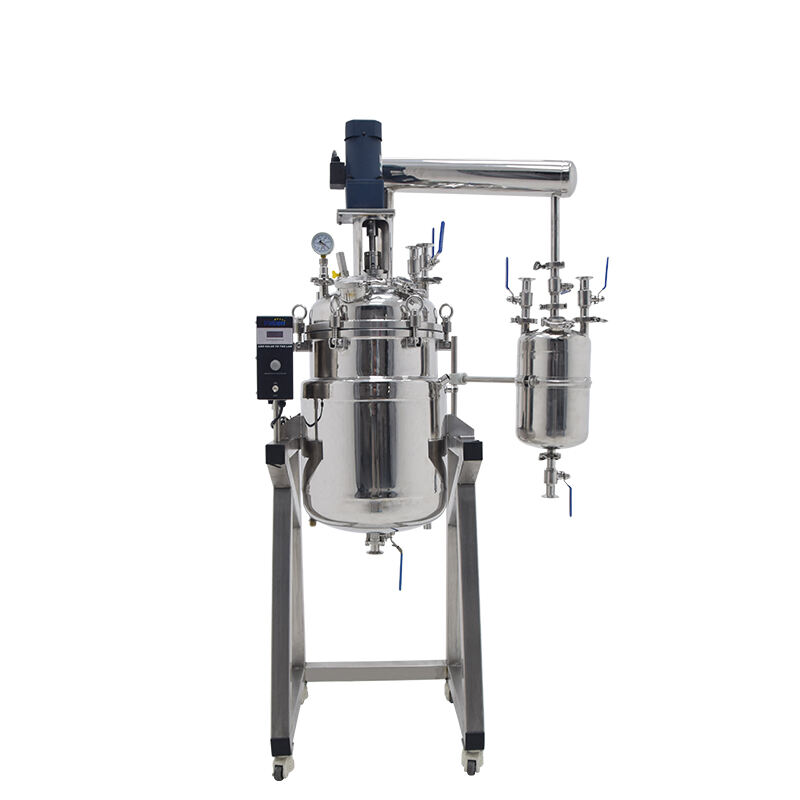
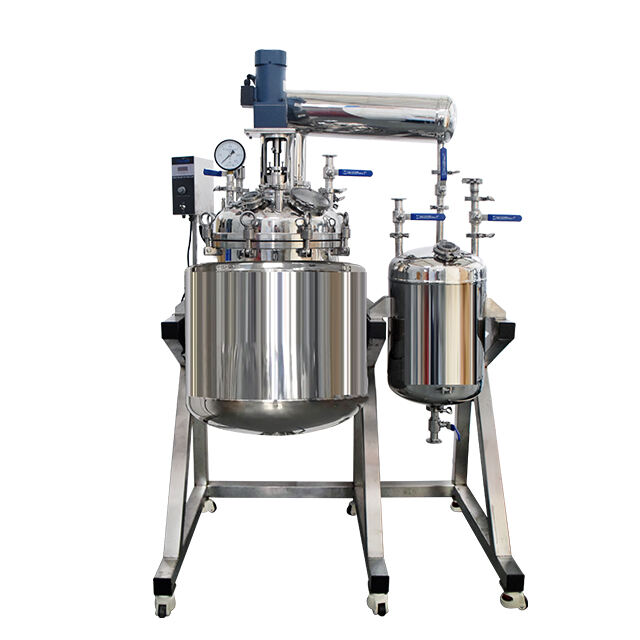
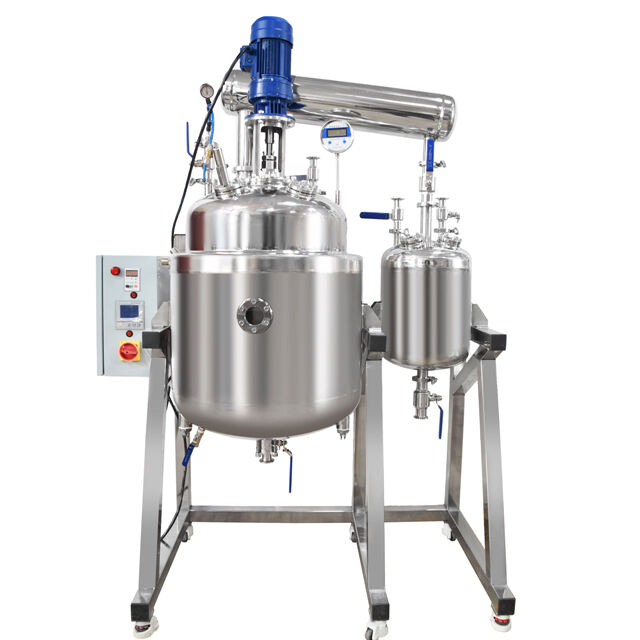
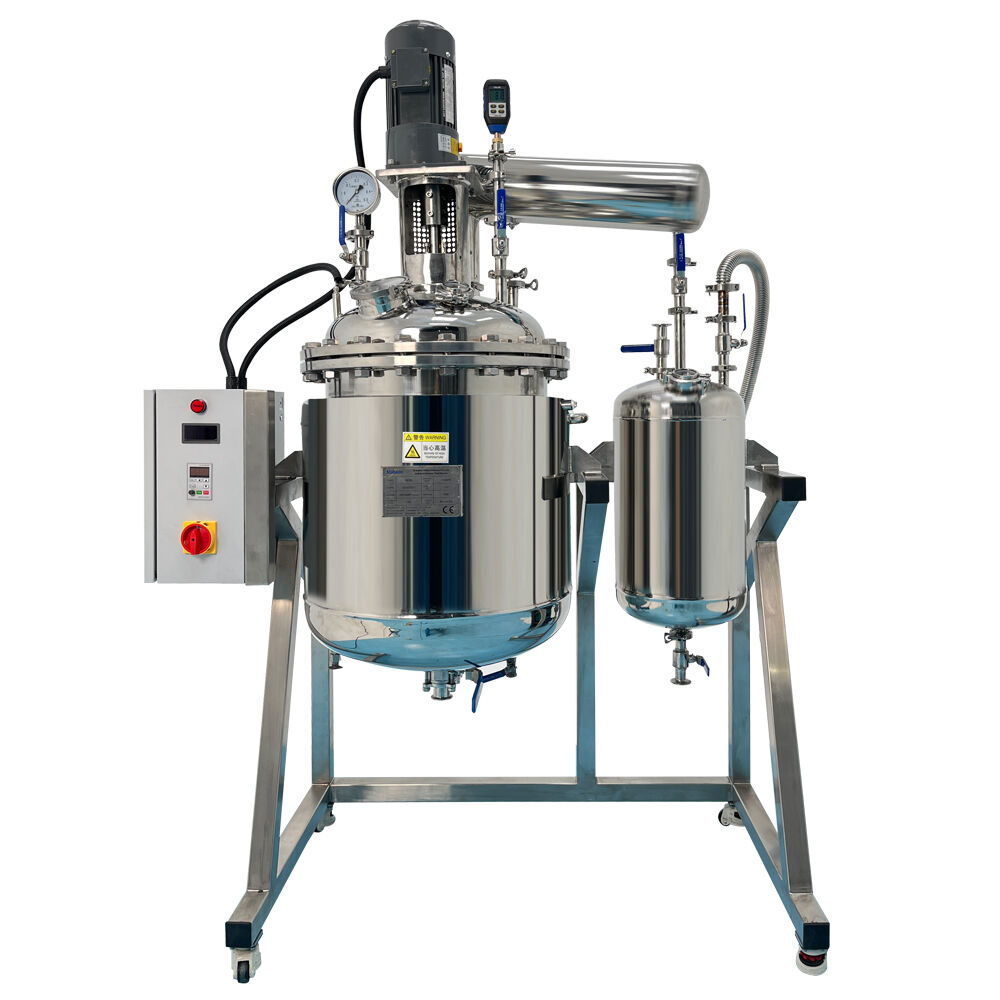
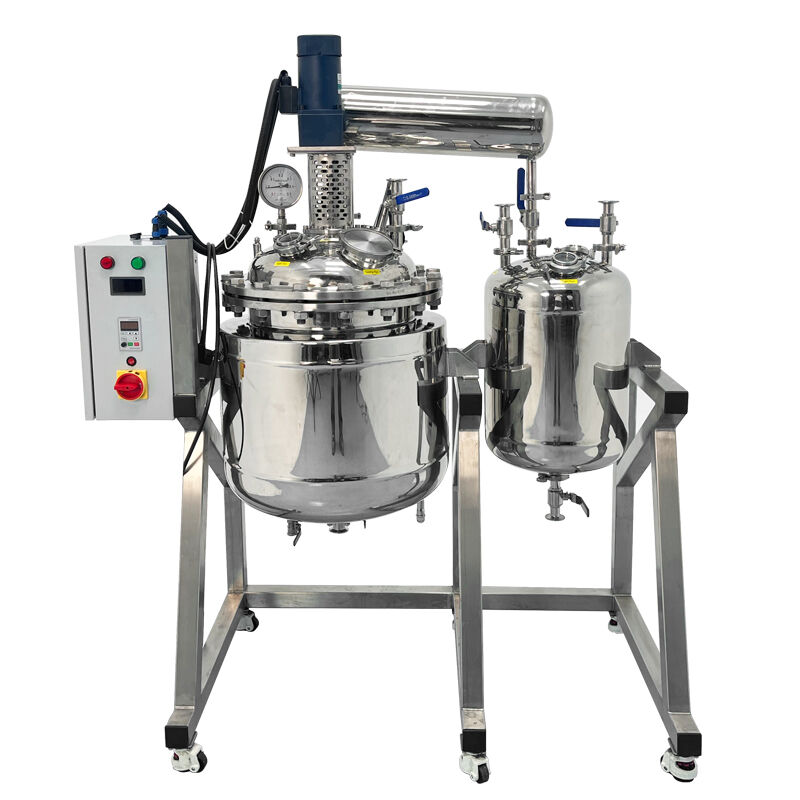
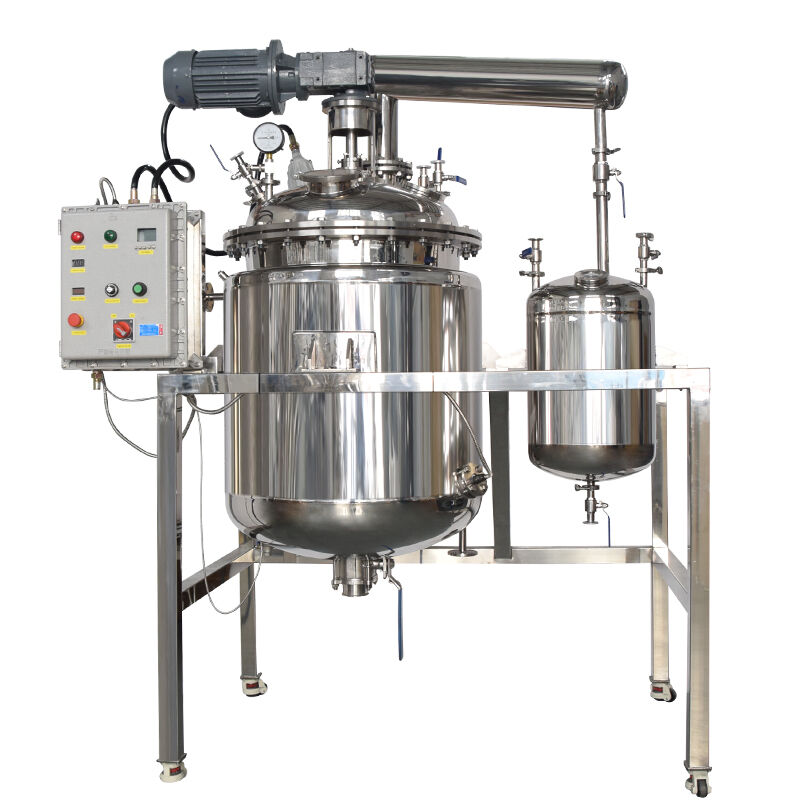
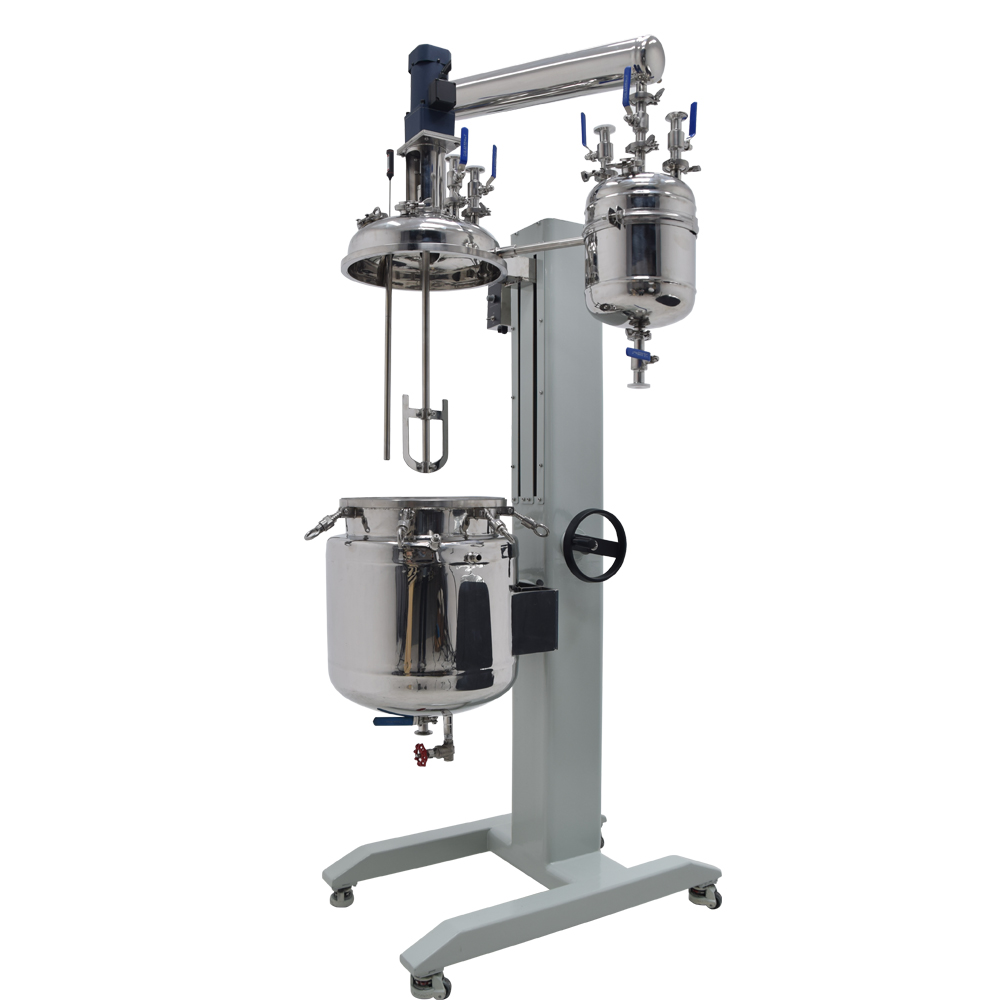
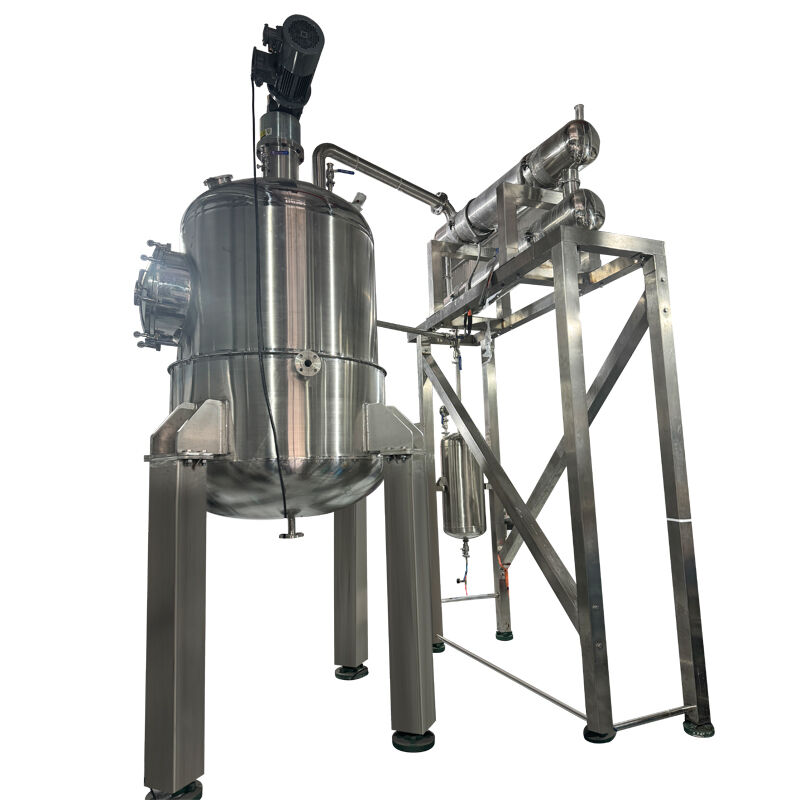
A stainless steel cooling reactor represents a critical piece of industrial equipment designed to facilitate controlled chemical reactions while maintaining optimal temperature conditions through advanced cooling systems. This sophisticated apparatus combines the durability and corrosion resistance of stainless steel construction with precise thermal management capabilities, making it indispensable across various manufacturing sectors. The primary function of a stainless steel cooling reactor involves creating an environment where chemical processes can occur under carefully monitored conditions, with integrated cooling mechanisms preventing overheating and ensuring reaction stability. The reactor's core design incorporates multiple cooling zones, temperature sensors, and automated control systems that work together to maintain consistent operational parameters throughout the entire process cycle. Technological features include advanced heat exchanger configurations, variable flow rate controls, and sophisticated monitoring systems that provide real-time data on temperature fluctuations, pressure variations, and cooling efficiency metrics. The stainless steel construction offers exceptional resistance to chemical corrosion, mechanical stress, and thermal expansion, ensuring long-term operational reliability even under demanding industrial conditions. These reactors find extensive applications in pharmaceutical manufacturing, where precise temperature control is essential for drug synthesis and purification processes. Chemical processing plants utilize stainless steel cooling reactors for polymerization reactions, catalyst preparation, and specialty chemical production. Food and beverage industries employ these systems for fermentation processes, flavor development, and preservation techniques that require controlled cooling phases. Petroleum refining operations depend on cooling reactors for various cracking and reforming processes that generate significant heat. The versatility of stainless steel cooling reactors extends to environmental applications, including waste treatment processes and pollution control systems where temperature management is crucial for optimal performance and regulatory compliance.

Popular Products

The stainless steel cooling reactor delivers exceptional value through its superior temperature control capabilities, which directly translate into improved product quality and increased production efficiency for manufacturing operations. Unlike conventional reactors, this advanced system maintains precise thermal conditions throughout the entire reaction process, eliminating temperature spikes that can damage sensitive materials or compromise final product specifications. The robust stainless steel construction provides unmatched durability, reducing maintenance costs and minimizing downtime associated with equipment failures or corrosion-related issues. This material choice ensures compatibility with a wide range of chemical substances, from highly acidic compounds to alkaline solutions, making the reactor suitable for diverse industrial applications without requiring expensive material upgrades or specialized coatings. Energy efficiency represents another significant advantage, as the integrated cooling system optimizes heat transfer rates while reducing overall energy consumption compared to traditional cooling methods. The reactor's automated control features enable operators to achieve consistent results with minimal manual intervention, reducing labor costs and eliminating human error that can lead to batch failures or safety incidents. Safety enhancements built into the stainless steel cooling reactor include pressure relief systems, emergency shutdown protocols, and fail-safe mechanisms that protect both personnel and equipment during unexpected operational conditions. The system's modular design allows for easy scaling and customization, enabling businesses to adapt the reactor configuration to meet changing production requirements without investing in completely new equipment. Maintenance accessibility has been optimized through strategic component placement and removable panels, allowing technicians to perform routine inspections and repairs quickly and safely. The smooth interior surfaces of stainless steel construction facilitate thorough cleaning and sanitization, which is particularly important for pharmaceutical and food processing applications where contamination prevention is critical. Long-term cost savings result from the reactor's extended service life, reduced maintenance requirements, and improved process efficiency, delivering a superior return on investment compared to alternative reactor technologies. Environmental benefits include reduced waste generation through improved process control and lower energy consumption, helping companies meet sustainability goals while maintaining competitive production costs.

Tips And Tricks

How to Choose the Right Stainless Steel Reactor for Pharmaceutical Production

12

Nov

How to Choose the Right Stainless Steel Reactor for Pharmaceutical Production

Selecting the appropriate stainless steel reactor for pharmaceutical production is a critical decision that directly impacts product quality, manufacturing efficiency, and regulatory compliance. The pharmaceutical industry demands exceptional standar...
View More
What Operating Conditions Affect Fractional Distillation Performance?

24

Dec

What Operating Conditions Affect Fractional Distillation Performance?

Fractional distillation represents one of the most critical separation techniques in chemical processing, petrochemical industries, and laboratory applications. The effectiveness of this process depends heavily on various operating conditions that di...
View More
Rotary and Liftable Stainless Steel Reactor vs Fixed Reactor: Which Is Better?

20

Jan

Rotary and Liftable Stainless Steel Reactor vs Fixed Reactor: Which Is Better?

Modern industrial processing demands precision, efficiency, and adaptability in chemical reactions and material processing. The choice between a rotary and liftable stainless steel reactor versus a traditional fixed reactor represents a critical deci...
View More
Which Industries Benefit Most from Rotary and Liftable Stainless Steel Reactors?

20

Jan

Which Industries Benefit Most from Rotary and Liftable Stainless Steel Reactors?

Modern industrial processes demand equipment that combines durability, versatility, and operational efficiency. Stainless steel reactors have emerged as the cornerstone of numerous manufacturing operations, offering unparalleled performance across di...
View More

Get a Free Quote

Our representative will contact you soon.
Email
Name
Contact Number
Company Name
Message
0/1000

stainless steel cooling reactor

Advanced Temperature Control System

Advanced Temperature Control System

The stainless steel cooling reactor features a state-of-the-art temperature control system that sets new standards for precision and reliability in industrial processing applications. This sophisticated system incorporates multiple cooling circuits strategically positioned throughout the reactor vessel, ensuring uniform temperature distribution and eliminating hot spots that can compromise reaction quality or product consistency. The advanced heat exchanger design maximizes thermal transfer efficiency while minimizing pressure drop, allowing for optimal cooling performance even during high-intensity reactions that generate substantial heat. Programmable logic controllers integrated into the temperature management system provide precise control over cooling rates, enabling operators to implement complex temperature profiles that match specific reaction requirements. Real-time monitoring capabilities deliver continuous feedback on thermal conditions throughout the reactor, with automated adjustments maintaining target temperatures within tight tolerances regardless of external factors or process variations. The cooling system's redundant safety features include backup cooling circuits and emergency temperature control protocols that activate automatically if primary systems experience malfunctions or unexpected conditions. Variable flow rate controls allow operators to fine-tune cooling intensity based on reaction phases, optimizing energy efficiency while maintaining thermal stability during critical process stages. The system's compatibility with various cooling media, including water, glycol solutions, and specialized heat transfer fluids, provides flexibility for different operating conditions and temperature ranges. Advanced insulation materials surrounding the cooling circuits minimize heat loss to the environment, improving overall system efficiency and reducing operational costs. The temperature control system's integration with plant-wide automation systems enables seamless coordination with other process equipment, optimizing overall production efficiency and maintaining consistent quality standards across multiple production runs.
Superior Stainless Steel Construction

Superior Stainless Steel Construction

The exceptional stainless steel construction of this cooling reactor delivers unmatched durability and performance advantages that significantly exceed those of conventional reactor materials. High-grade stainless steel alloys used in the reactor's fabrication provide outstanding resistance to chemical corrosion, mechanical stress, and thermal cycling, ensuring reliable operation even under the most demanding industrial conditions. The material's inherent properties eliminate concerns about contamination from reactor surfaces, making it ideal for pharmaceutical, food processing, and high-purity chemical applications where product integrity cannot be compromised. Advanced welding techniques and quality control procedures ensure seamless joints and uniform material properties throughout the entire reactor structure, preventing weak points that could lead to premature failure or safety hazards. The smooth, non-porous surface finish of stainless steel construction facilitates thorough cleaning and sanitization processes, enabling quick changeovers between different products and maintaining strict hygiene standards required in regulated industries. Thermal expansion characteristics of the selected stainless steel grades are carefully matched to the reactor's design parameters, preventing stress concentrations and maintaining structural integrity across wide temperature ranges typical of cooling reactor operations. The material's excellent heat transfer properties complement the integrated cooling system, enhancing overall thermal management efficiency and reducing energy consumption during normal operations. Stainless steel's natural resistance to oxidation and environmental degradation ensures long-term performance without requiring protective coatings or frequent surface treatments that can add to operational costs. The reactor's modular stainless steel construction allows for easy expansion or modification as production requirements change, providing long-term flexibility and protecting equipment investments. Specialized surface treatments available for critical contact areas further enhance the stainless steel's performance characteristics, optimizing chemical compatibility and extending service life in specific applications where standard grades might face limitations.
Versatile Industrial Applications

Versatile Industrial Applications

The stainless steel cooling reactor's exceptional versatility makes it an invaluable asset across numerous industrial sectors, each benefiting from its unique combination of thermal control precision and robust construction. In pharmaceutical manufacturing, these reactors excel at managing complex synthesis reactions where temperature variations can affect drug efficacy, purity levels, and regulatory compliance, with cooling capabilities ensuring optimal conditions for active pharmaceutical ingredient production and formulation processes. Chemical processing industries leverage the reactor's capabilities for polymerization reactions, where precise temperature control prevents unwanted side reactions and ensures consistent molecular weight distributions in final products. The food and beverage sector utilizes stainless steel cooling reactors for fermentation processes, where maintaining specific temperature ranges is crucial for proper microbial activity and flavor development, while the sanitary construction meets strict food safety regulations. Petroleum refining operations depend on these reactors for catalytic processes and thermal cracking applications, where the ability to rapidly cool reaction products prevents over-processing and maximizes yield of desired compounds. Specialty chemical manufacturers benefit from the reactor's flexibility in handling diverse chemical systems, from highly exothermic organic reactions to temperature-sensitive inorganic processes requiring controlled cooling phases. Environmental applications include wastewater treatment processes where biological reactions must be maintained within specific temperature ranges for optimal microbial activity and pollutant removal efficiency. The reactor's adaptability extends to research and development applications, where its precise control capabilities enable scientists to explore new reaction pathways and optimize process conditions before scaling to commercial production. Biotechnology companies utilize these systems for enzyme reactions and protein processing applications where temperature control directly impacts product yield and quality. The customizable nature of stainless steel cooling reactor systems allows each industry to benefit from configurations optimized for their specific requirements, ensuring maximum performance and return on investment while maintaining the highest safety and quality standards.

Get a Free Quote

Our representative will contact you soon.
Email
Name
Contact Number
Company Name
Message
0/1000