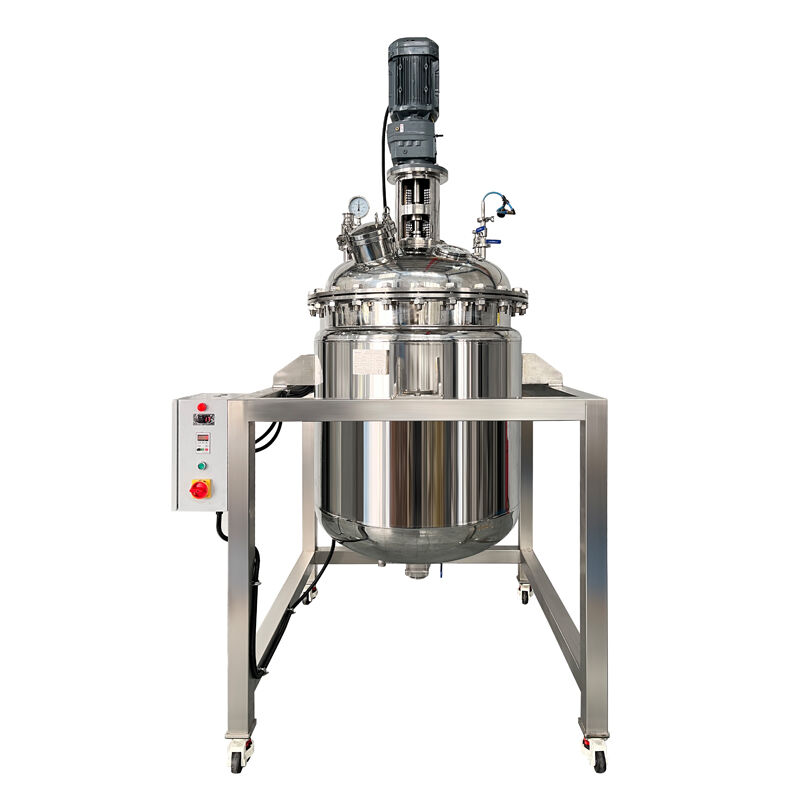
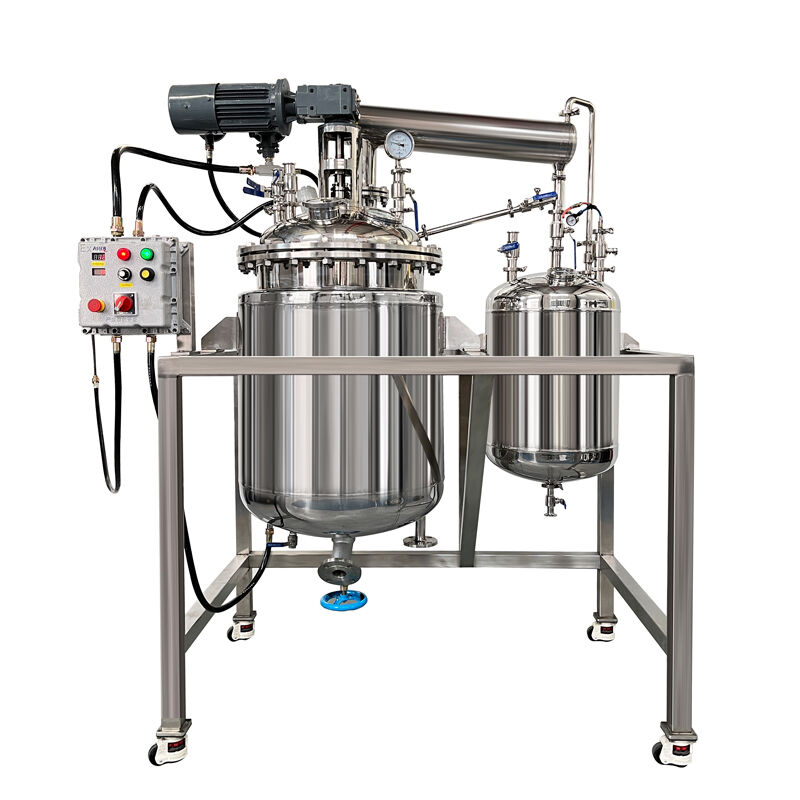
Premium Stainless Steel Single-Layer Reactors - Advanced Chemical Processing Solutions

Get a Free Quote

Our representative will contact you soon.
Email
Name
Contact Number
Company Name
Message
0/1000

stainless steel single-layer reactor

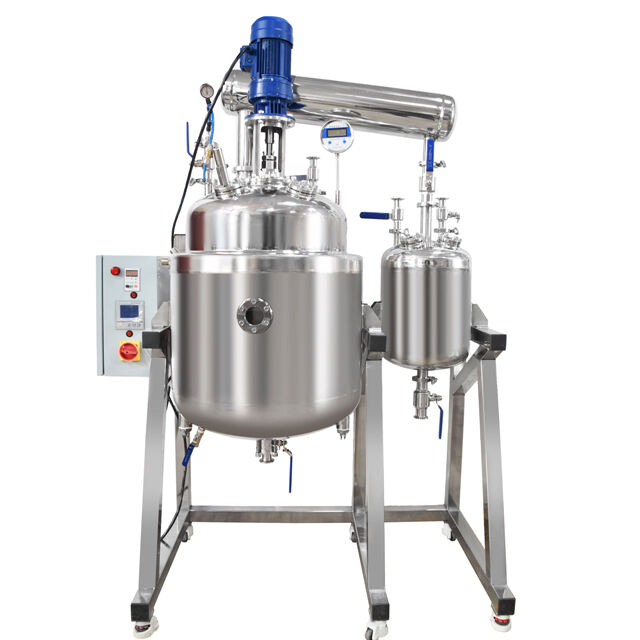
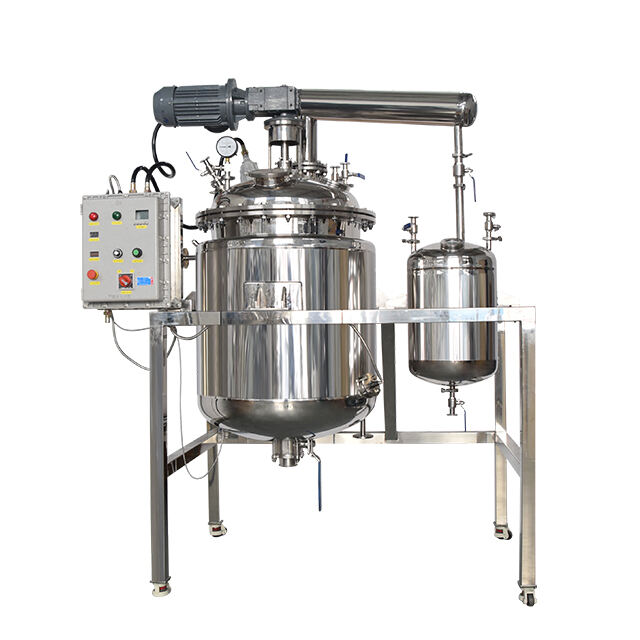
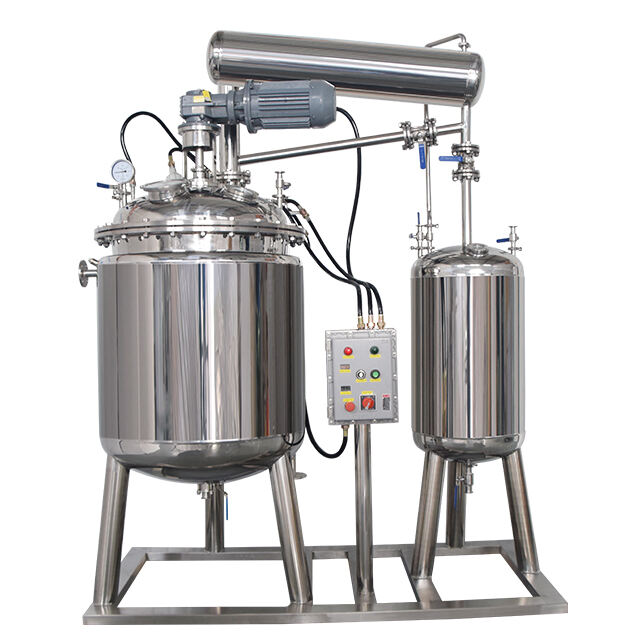
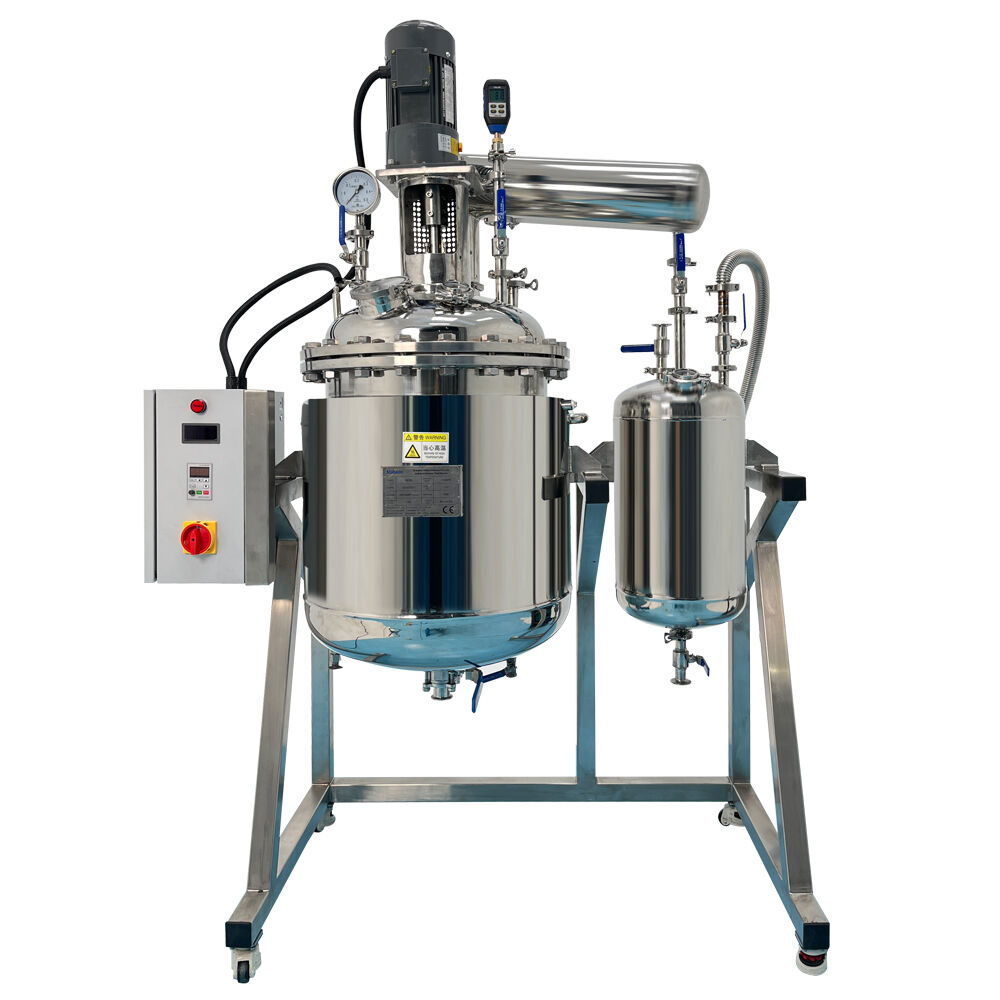
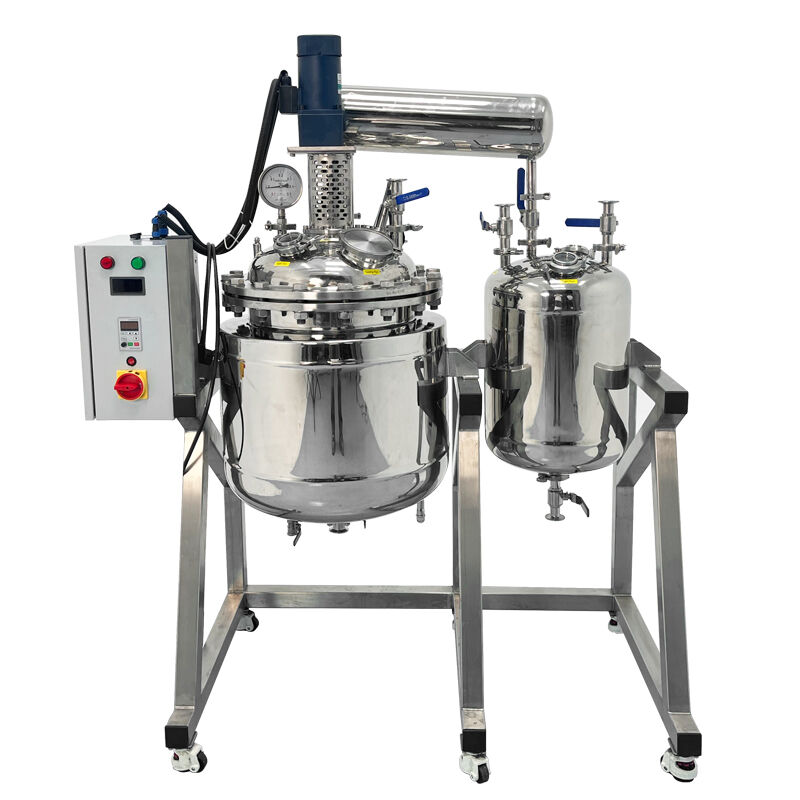
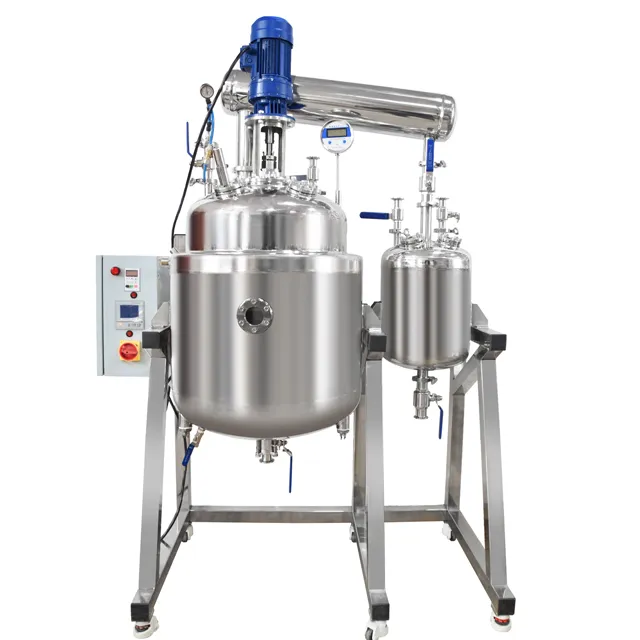
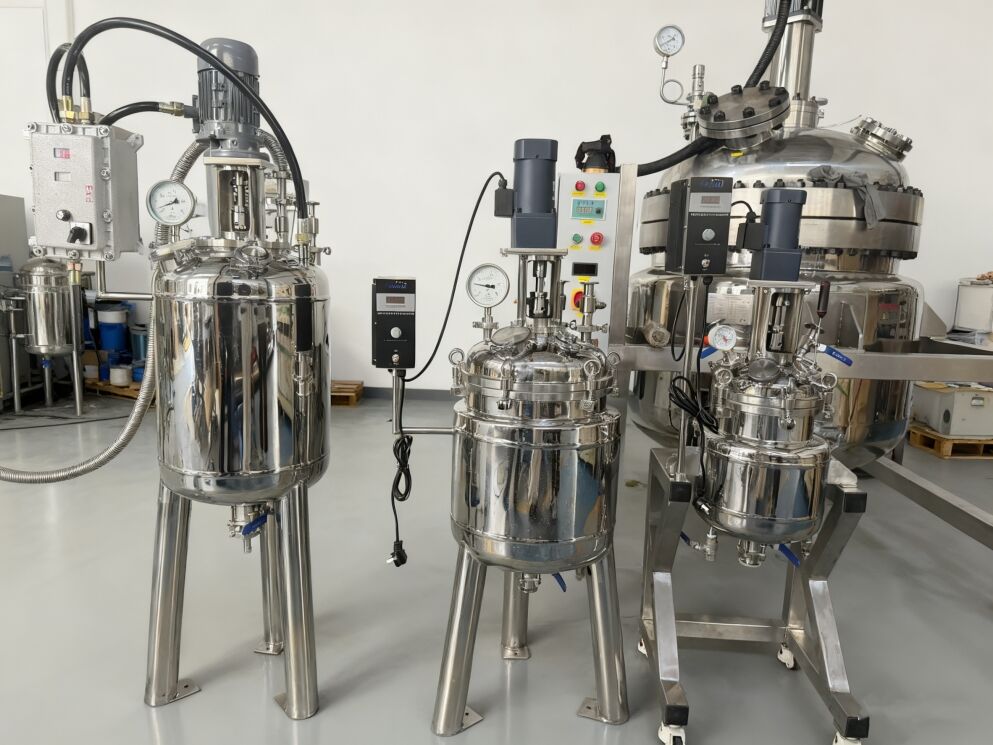
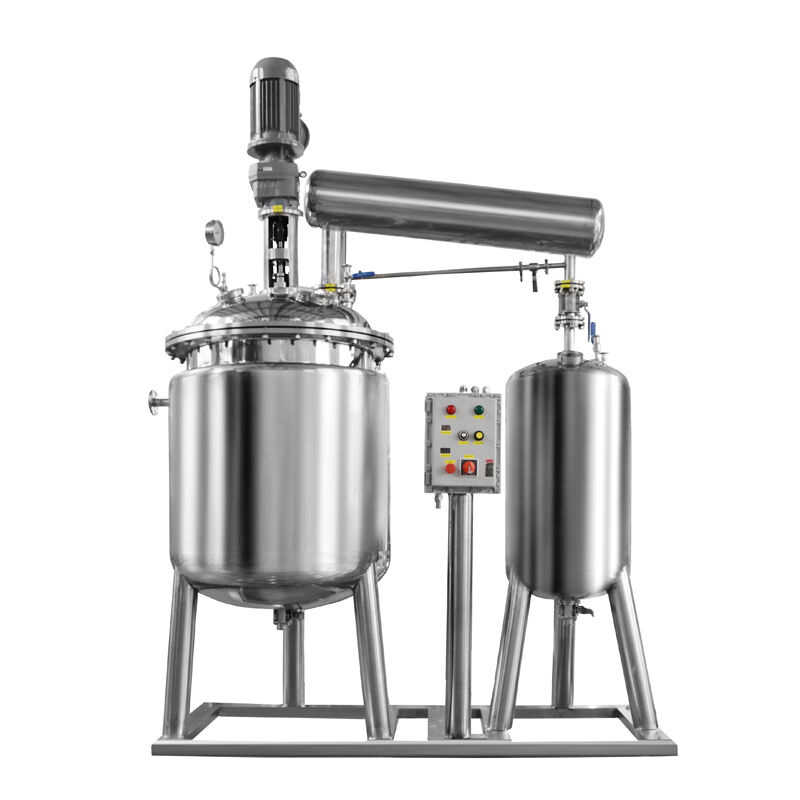
The stainless steel single-layer reactor represents a cornerstone of modern chemical processing equipment, designed to facilitate controlled chemical reactions across diverse industrial applications. This sophisticated vessel combines robust construction with precise engineering to deliver exceptional performance in demanding operational environments. The primary function of a stainless steel single-layer reactor involves containing and controlling chemical processes while maintaining optimal reaction conditions through integrated heating, cooling, and mixing systems. These reactors excel in pharmaceutical manufacturing, chemical synthesis, biotechnology processes, and food production industries where contamination prevention and product purity remain paramount concerns. The technological features of stainless steel single-layer reactors include advanced temperature control mechanisms, efficient mixing capabilities through variable-speed agitation systems, and comprehensive monitoring interfaces that enable precise process control. The single-layer design incorporates direct heating and cooling methods through external jackets or coils, providing rapid temperature adjustments essential for time-sensitive reactions. Modern stainless steel single-layer reactors feature sophisticated control panels with digital displays, programmable logic controllers, and safety interlocks that ensure operational reliability and worker protection. The construction utilizes high-grade stainless steel alloys, typically 316L or 304 grades, offering superior corrosion resistance, mechanical strength, and compatibility with aggressive chemicals. These reactors accommodate various vessel sizes from laboratory-scale units to large industrial installations, with working volumes ranging from several liters to thousands of gallons. The applications span pharmaceutical drug development, specialty chemical production, polymer synthesis, catalytic processes, and biochemical fermentation where precise environmental control determines product quality and yield optimization.

Popular Products

Stainless steel single-layer reactors deliver remarkable durability that translates directly into long-term cost savings for manufacturing operations. The superior corrosion resistance of stainless steel construction eliminates the frequent replacement cycles associated with inferior materials, reducing downtime and maintenance expenses significantly. This durability proves especially valuable when processing acidic solutions, alkaline compounds, or organic solvents that would rapidly degrade alternative materials. The smooth, non-porous surface of stainless steel single-layer reactors prevents contamination buildup and facilitates thorough cleaning between production batches, ensuring consistent product quality and regulatory compliance in pharmaceutical and food processing applications. Temperature control precision represents another major advantage, as the single-layer design enables rapid heat transfer and uniform temperature distribution throughout the reaction mixture. This enhanced thermal efficiency reduces energy consumption while improving reaction kinetics and product yields, directly impacting profitability. The versatility of stainless steel single-layer reactors allows manufacturers to process diverse product ranges within the same equipment, maximizing asset utilization and reducing capital investment requirements. Easy maintenance procedures minimize operational disruptions, as the straightforward single-layer construction provides accessible components and simplified inspection protocols. Operators appreciate the user-friendly control systems that require minimal training while delivering sophisticated process monitoring capabilities. The excellent heat transfer characteristics of stainless steel single-layer reactors enable faster heating and cooling cycles, reducing batch processing times and increasing overall production capacity. Safety benefits include reduced fire hazards due to precise temperature control, minimal risk of vessel failure through robust construction standards, and comprehensive monitoring systems that detect abnormal conditions before they escalate into dangerous situations. These reactors also offer exceptional chemical compatibility, accommodating pH ranges from highly acidic to strongly alkaline conditions without material degradation, expanding their utility across numerous industrial processes and chemical formulations.

Practical Tips

How Does a Stainless Steel Reactor Improve Reaction Efficiency and Safety

12

Nov

How Does a Stainless Steel Reactor Improve Reaction Efficiency and Safety

Chemical processing industries rely heavily on precise reaction control and optimal safety measures to achieve consistent production outcomes. The selection of appropriate reactor materials and design features directly impacts both operational effici...
View More
How Does Fractional Distillation Improve Separation Accuracy in Production?

24

Dec

How Does Fractional Distillation Improve Separation Accuracy in Production?

Modern industrial production demands precise separation techniques to achieve high-purity compounds and maximize operational efficiency. Among various separation methods, fractional distillation stands as a cornerstone technology that significantly e...
View More
Which Industries Benefit Most from Rotary and Liftable Stainless Steel Reactors?

20

Jan

Which Industries Benefit Most from Rotary and Liftable Stainless Steel Reactors?

Modern industrial processes demand equipment that combines durability, versatility, and operational efficiency. Stainless steel reactors have emerged as the cornerstone of numerous manufacturing operations, offering unparalleled performance across di...
View More
Explosion-Proof Glass Molecular Distillation System: Principles, Design, and Applications

30

Jan

Explosion-Proof Glass Molecular Distillation System: Principles, Design, and Applications

An explosion-proof glass molecular distillation system is a critical solution for the separation and purification of high-value, heat-sensitive, and solvent-based materials. As industries increasingly demand higher purity, safer operation, and gentle...
View More

Get a Free Quote

Our representative will contact you soon.
Email
Name
Contact Number
Company Name
Message
0/1000

stainless steel single-layer reactor

Superior Construction Quality and Material Excellence

Superior Construction Quality and Material Excellence

The foundation of every high-performance stainless steel single-layer reactor lies in its exceptional construction quality and premium material selection, which distinguishes these vessels from conventional alternatives in the industrial processing market. Professional manufacturers utilize medical-grade stainless steel alloys, primarily 316L and 304 grades, that undergo rigorous quality testing to ensure compliance with international standards including ASME, FDA, and cGMP requirements. This meticulous material selection process guarantees that each stainless steel single-layer reactor delivers uncompromising performance in challenging operational environments where chemical compatibility and structural integrity remain non-negotiable requirements. The welding processes employed in constructing these reactors utilize advanced techniques such as TIG welding with inert gas shielding, creating seamless joints that eliminate potential contamination points and ensure uniform wall thickness throughout the vessel structure. Surface finishing procedures include electropolishing and passivation treatments that create mirror-like interior surfaces with Ra values below 0.5 micrometers, preventing bacterial adhesion and facilitating complete cleaning validation in pharmaceutical applications. The pressure vessel certification process involves comprehensive testing including hydrostatic pressure tests, non-destructive examinations, and material traceability documentation that provides customers with confidence in operational safety and regulatory compliance. Quality control measures extend beyond material specifications to encompass dimensional accuracy, surface integrity inspections, and performance validation testing that confirms each stainless steel single-layer reactor meets or exceeds design specifications before delivery. This commitment to construction excellence translates into extended operational lifespans, reduced maintenance requirements, and consistent product quality that justifies the initial investment through long-term operational savings and enhanced productivity outcomes.
Advanced Process Control and Automation Capabilities

Advanced Process Control and Automation Capabilities

Modern stainless steel single-layer reactors incorporate sophisticated process control and automation systems that transform complex chemical operations into manageable, repeatable procedures with minimal operator intervention and maximum process consistency. These advanced control systems feature programmable logic controllers integrated with human-machine interfaces that provide real-time monitoring, data logging, and automated response capabilities essential for maintaining optimal reaction conditions throughout processing cycles. The automation architecture includes precision temperature controllers with multiple sensor inputs, variable frequency drives for agitation speed regulation, and pressure monitoring systems that collectively ensure process parameters remain within specified tolerances regardless of external disturbances or operational variations. Recipe management functionality allows operators to store, retrieve, and execute standardized processing procedures, eliminating human error potential while ensuring consistent product quality across multiple production batches. The stainless steel single-layer reactor control systems incorporate safety interlocks and emergency shutdown procedures that protect equipment, personnel, and products from potentially hazardous conditions, including overpressure situations, temperature excursions, and mechanical failures. Data acquisition capabilities enable comprehensive batch documentation, regulatory compliance reporting, and process optimization through historical trend analysis and statistical process control methodologies. Remote monitoring options allow supervisory personnel to oversee multiple stainless steel single-layer reactor operations from centralized control rooms, improving operational efficiency while reducing labor costs associated with continuous on-site supervision. The integration capabilities with existing plant control systems enable seamless communication with upstream and downstream processes, facilitating coordinated production scheduling and inventory management optimization. These automation features significantly reduce the technical expertise required for day-to-day operations while simultaneously improving process repeatability, product consistency, and overall manufacturing efficiency in demanding industrial environments.
Exceptional Thermal Performance and Energy Efficiency

Exceptional Thermal Performance and Energy Efficiency

The thermal performance characteristics of stainless steel single-layer reactors represent a significant competitive advantage that directly impacts operational costs, product quality, and overall manufacturing efficiency in temperature-sensitive chemical processes. The single-layer design philosophy optimizes heat transfer through direct contact between heating or cooling media and the reactor walls, eliminating thermal barriers that compromise efficiency in multi-layer configurations. This design approach enables rapid temperature changes with minimal energy consumption, reducing both utility costs and processing cycle times that translate directly into improved productivity and reduced manufacturing expenses. The thermal conductivity properties of stainless steel construction facilitate uniform heat distribution throughout the reactor contents, preventing hot spots or cold zones that could compromise product quality or create safety hazards during temperature-critical reactions. Advanced jacket design options include full coverage, half-pipe, and dimple jacket configurations that maximize heat transfer surface area while maintaining structural integrity under varying pressure and temperature conditions. The stainless steel single-layer reactor thermal systems incorporate precise temperature control algorithms that maintain reaction temperatures within narrow tolerances, typically plus or minus one degree Celsius, ensuring optimal reaction kinetics and consistent product specifications. Energy recovery systems integrated into modern reactor designs capture waste heat from exothermic reactions or cooling processes, redirecting this energy to support other facility operations and further reducing overall energy consumption. The rapid heating and cooling capabilities enable implementation of sophisticated temperature profiles that optimize reaction yields, minimize byproduct formation, and reduce processing times compared to conventional reactor technologies. Insulation options and heat retention features minimize energy losses to the surrounding environment, maintaining efficient operations even in facilities with significant ambient temperature variations. These thermal performance advantages position stainless steel single-layer reactors as preferred solutions for energy-conscious manufacturers seeking to reduce operating costs while maintaining superior product quality and process reliability.

Get a Free Quote

Our representative will contact you soon.
Email
Name
Contact Number
Company Name
Message
0/1000