 EN
EN

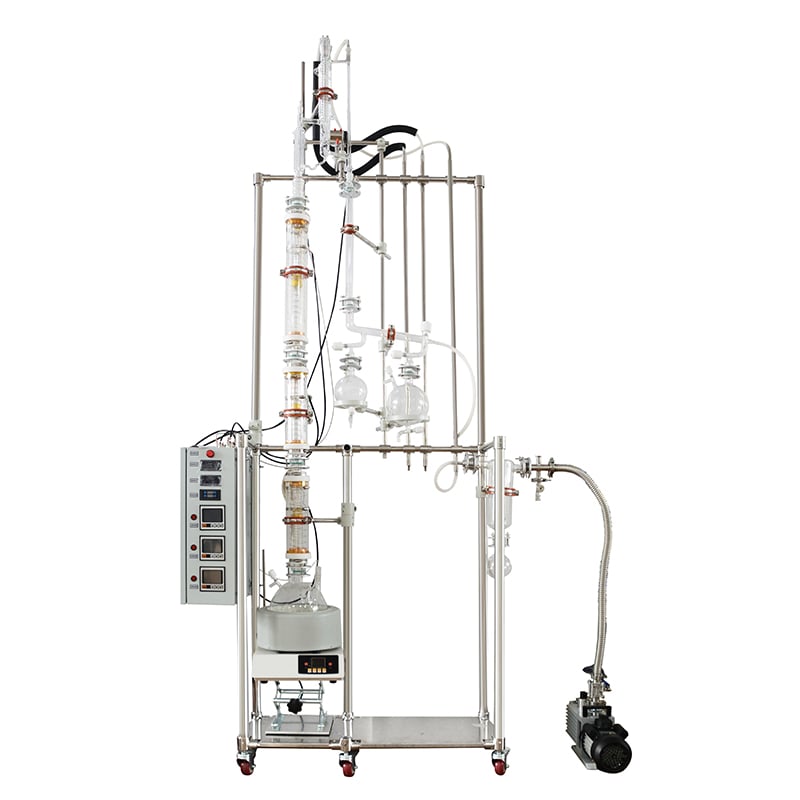
Fractional distillation represents one of the most critical separation techniques in chemical processing, petrochemical industries, and laboratory applications. The effectiveness of this process depends heavily on various operating conditions that directly influence separation efficiency, product purity, and overall system performance. Understanding these parameters is essential for engineers, chemists, and technicians who work with fractional distillation equipment to achieve optimal results in their separation processes.
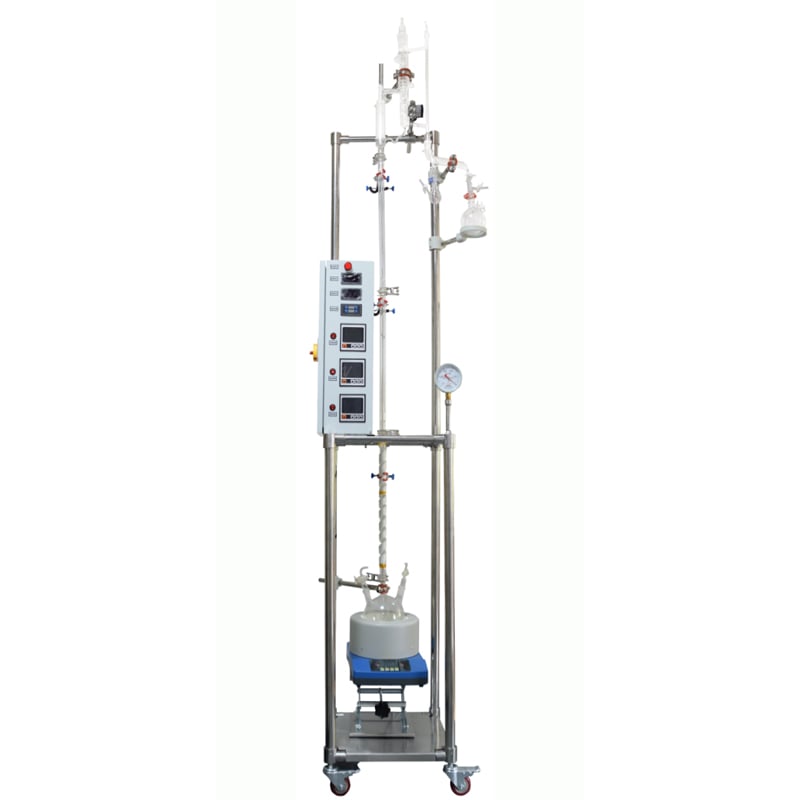
Modern industrial facilities and research laboratories rely on precise control of operating variables to maximize the efficiency of their separation processes. The complexity of fractional distillation systems requires careful attention to multiple interconnected factors that can significantly impact the final product quality. These conditions range from basic thermodynamic parameters to sophisticated control strategies that ensure consistent performance across different operating scenarios.
Temperature Control and Heat Management
Reboiler Temperature Optimization
The reboiler temperature serves as the primary driving force for the entire fractional distillation process. This parameter determines the vapor generation rate and directly affects the separation efficiency of the column. Proper temperature control in the reboiler ensures adequate vapor flow while preventing thermal decomposition of heat-sensitive compounds. Operating temperatures must be carefully selected based on the boiling points of the components being separated and the desired separation factor.
Excessive reboiler temperatures can lead to several operational issues including product degradation, increased energy consumption, and reduced column efficiency. Conversely, insufficient heating results in poor vapor generation, leading to inadequate separation and reduced throughput. Modern fractional distillation equipment incorporates advanced temperature control systems that maintain optimal heating conditions throughout the process cycle.
Condenser Performance and Cooling Systems
The condenser temperature plays a crucial role in determining the reflux ratio and overall column performance. Effective cooling ensures complete condensation of overhead vapors, which is essential for maintaining proper liquid reflux to the column. The temperature difference between the condenser and the top of the column affects the condensation efficiency and ultimately impacts the purity of the distillate product.
Cooling water temperature, ambient conditions, and heat exchanger design all influence condenser performance in fractional distillation equipment. Inadequate cooling can result in incomplete condensation, leading to product losses and reduced separation efficiency. Additionally, proper condenser design ensures stable operation and prevents flooding or other hydraulic issues that can compromise the entire distillation process.
Pressure Dynamics and System Stability
Operating Pressure Selection
System pressure significantly influences the boiling points of components and affects the relative volatility between different substances in the mixture. Lower operating pressures reduce boiling points, which can be advantageous for heat-sensitive materials that might decompose at atmospheric pressure. Vacuum distillation, commonly employed in fractional distillation equipment, allows for gentler separation of thermally labile compounds while maintaining effective separation efficiency.
The selection of appropriate operating pressure requires careful consideration of vapor pressure relationships, equipment limitations, and safety requirements. Higher pressures can improve relative volatility for certain mixtures but may require more robust equipment design and enhanced safety measures. The pressure profile throughout the column must remain stable to ensure consistent separation performance and prevent operational disturbances.
Pressure Drop Management
Pressure drop across the distillation column affects vapor flow patterns, tray efficiency, and overall separation performance. Excessive pressure drop can lead to vapor compression effects that reduce the driving force for separation. Modern fractional distillation equipment designs incorporate optimized internals that minimize pressure drop while maximizing mass transfer efficiency between vapor and liquid phases.
Monitoring and controlling pressure drop becomes particularly important in tall columns or systems operating under vacuum conditions. Changes in pressure drop can indicate fouling, flooding, or other operational issues that require immediate attention. Regular monitoring of pressure profiles helps maintain optimal performance and prevents costly operational disruptions in fractional distillation systems.
Flow Rate Control and Hydraulic Balance
Feed Flow Rate Management
The feed flow rate directly impacts column loading, residence time, and separation efficiency in fractional distillation equipment. Proper feed rate control ensures optimal column utilization without exceeding hydraulic limits that could lead to flooding or entrainment issues. The feed rate must be balanced with vapor and liquid traffic within the column to maintain stable operation and achieve desired separation objectives.
Fluctuations in feed rate can cause significant disturbances in column operation, affecting product quality and system stability. Advanced control systems monitor feed conditions and automatically adjust other operating parameters to compensate for feed rate variations. This integrated approach ensures consistent performance even when dealing with variable feed conditions or changing production requirements.
Reflux Ratio Optimization
The reflux ratio represents one of the most critical operating variables in fractional distillation equipment, determining the degree of separation achievable in the column. Higher reflux ratios generally improve separation efficiency but increase energy consumption and reduce throughput. The optimal reflux ratio balances separation requirements with economic considerations to achieve the best overall process performance.
Dynamic reflux ratio control allows operators to respond to changing feed compositions, product specifications, or operating conditions. This flexibility is particularly important in batch operations or when processing variable feedstocks. Modern fractional distillation systems incorporate sophisticated control algorithms that optimize reflux ratio in real-time based on product quality measurements and process objectives.
Composition Effects and Feed Characteristics
Feed Composition Variability
The composition of the feed mixture significantly affects column performance, required number of theoretical stages, and achievable separation efficiency. Complex mixtures containing multiple components with similar boiling points present greater challenges for fractional distillation equipment. Understanding the thermodynamic behavior of feed components helps optimize operating conditions and predict system performance under different scenarios.
Azeotropic mixtures and close-boiling components require special consideration in column design and operation. These challenging separations may require modified operating strategies, enhanced column internals, or alternative separation techniques. Regular analysis of feed composition enables operators to adjust operating parameters proactively and maintain consistent product quality despite compositional variations.
Physical Properties Impact
Physical properties such as viscosity, density, and surface tension affect mass transfer rates, tray efficiency, and hydraulic performance in fractional distillation equipment. High-viscosity feeds may require modified tray designs or different operating conditions to achieve adequate vapor-liquid contact. Understanding these property effects helps optimize column performance and avoid operational problems.
Temperature-dependent property variations can significantly impact column behavior throughout the operating range. Viscosity changes with temperature affect liquid flow patterns and mass transfer coefficients, while density variations influence vapor velocity limits and flooding characteristics. Proper accounting for these property effects ensures reliable operation across the full range of operating conditions.
Energy Efficiency and Optimization Strategies
Heat Integration Systems
Energy efficiency represents a critical consideration in modern fractional distillation equipment design and operation. Heat integration strategies, such as heat exchangers and thermal coupling, can significantly reduce energy consumption while maintaining separation performance. These systems recover waste heat from product streams and use it to preheat feed or provide supplementary heating to the reboiler system.
Advanced heat integration designs incorporate multiple heat recovery stages that maximize energy utilization throughout the process. Proper heat exchanger network design ensures optimal temperature approaches while maintaining operational flexibility. These energy-efficient systems not only reduce operating costs but also minimize environmental impact by reducing overall energy consumption in fractional distillation operations.
Process Control and Automation
Modern fractional distillation equipment incorporates sophisticated control systems that continuously monitor and adjust operating parameters to maintain optimal performance. Advanced process control strategies use real-time data to predict and prevent operational disturbances before they affect product quality. These systems integrate multiple control loops to manage temperature, pressure, flow rates, and composition simultaneously.
Automated control systems enable consistent operation with minimal operator intervention while maintaining high product quality standards. Machine learning algorithms and artificial intelligence are increasingly being integrated into fractional distillation control systems to optimize performance based on historical data and predictive modeling. This technological advancement represents the future of efficient and reliable distillation operations.
FAQ
How does column pressure affect fractional distillation performance?
Column pressure directly influences component boiling points and relative volatility, which are fundamental to separation efficiency. Lower pressures reduce boiling points, making fractional distillation equipment suitable for heat-sensitive materials, while higher pressures can improve relative volatility for certain mixtures. The optimal pressure depends on the specific components being separated and the desired product specifications.
What is the relationship between reflux ratio and energy consumption?
Higher reflux ratios typically improve separation efficiency but increase energy consumption in the reboiler and condenser systems. The optimal reflux ratio represents a balance between product purity requirements and energy costs. Modern fractional distillation equipment incorporates control systems that automatically optimize reflux ratios to minimize energy consumption while meeting product specifications.
How do feed composition changes affect column operation?
Feed composition variations can significantly impact column performance, requiring adjustments to operating parameters such as temperature, pressure, and reflux ratio. Complex mixtures or close-boiling components may require modified operating strategies or enhanced column internals. Regular monitoring and adaptive control systems help maintain consistent performance despite compositional changes in fractional distillation equipment.
What safety considerations are important in fractional distillation operations?
Safety considerations include proper pressure relief systems, temperature monitoring, fire and explosion prevention, and emergency shutdown procedures. Fractional distillation equipment must be designed with appropriate safety margins and equipped with monitoring systems that detect abnormal conditions. Regular maintenance and operator training are essential for safe operation, particularly when handling flammable or hazardous materials in distillation processes.