 EN
EN

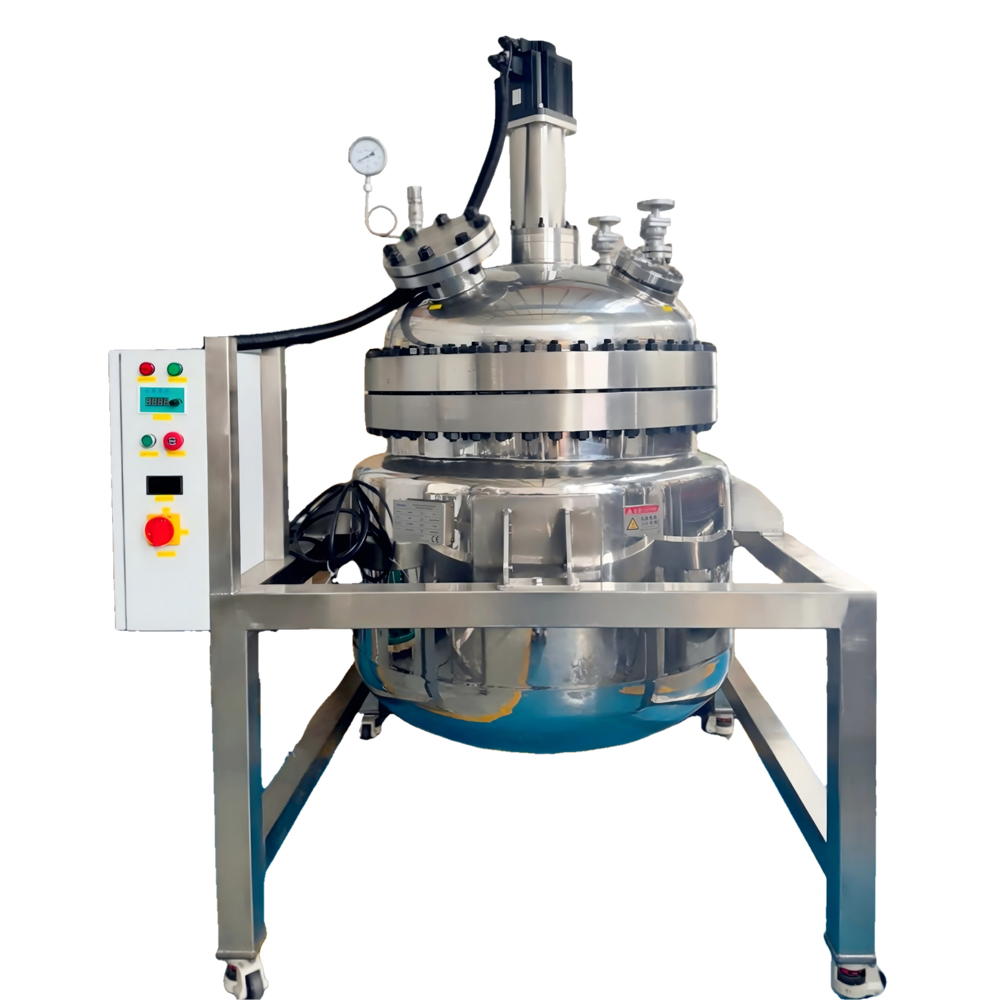
Industrial chemical synthesis often requires precise control over reaction conditions, with pressure being one of the most critical parameters. A high pressure reactor serves as the cornerstone equipment for processes demanding elevated pressures, enabling manufacturers to achieve optimal yields, selectivity, and reaction rates. These sophisticated vessels are engineered to withstand extreme conditions while maintaining safety standards and operational efficiency. Understanding the key factors involved in selecting the right high pressure reactor can significantly impact your production outcomes, cost-effectiveness, and overall process reliability. Whether you're working with hydrogenation reactions, polymerization processes, or catalytic conversions, the choice of reactor design and specifications will determine the success of your chemical synthesis operations.
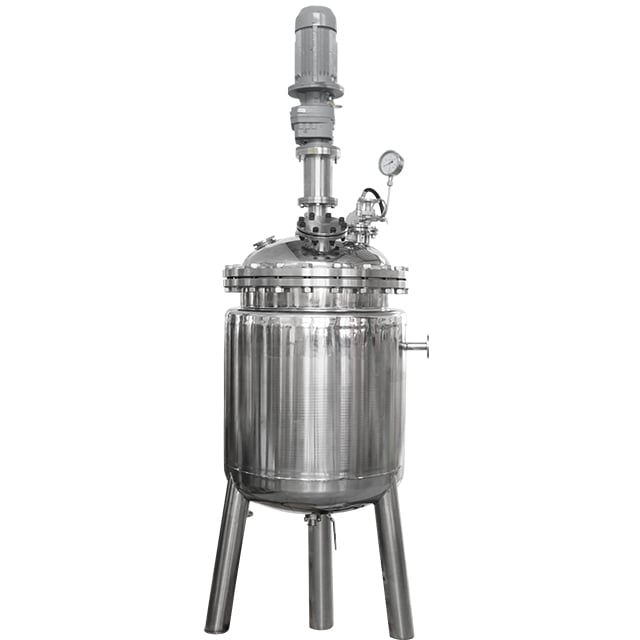
Understanding High Pressure Reactor Fundamentals
Basic Design Principles and Operating Mechanisms
The fundamental design of a high pressure reactor centers around containment, control, and safety. These vessels must accommodate pressures ranging from 10 bar to over 300 bar while maintaining structural integrity throughout extended operation cycles. The reactor shell typically features thick-walled construction using materials like stainless steel, Hastelloy, or specialized alloys depending on the chemical environment. Internal components include stirring mechanisms, heat transfer surfaces, and sampling ports that must all function reliably under extreme conditions. The pressure rating determines wall thickness calculations, flange specifications, and safety system requirements that ensure compliance with international pressure vessel codes.
Temperature control systems work in conjunction with pressure management to create optimal reaction environments. Most industrial high pressure reactors incorporate heating jackets, internal coils, or external heat exchangers to maintain precise temperature profiles. The combination of elevated pressure and controlled temperature accelerates reaction kinetics, improves mass transfer rates, and enables reactions that would be impossible under atmospheric conditions. Understanding these fundamental principles helps engineers specify appropriate reactor configurations for their specific synthesis requirements.
Material Selection and Corrosion Considerations
Material compatibility represents one of the most crucial aspects of high pressure reactor selection. Chemical compatibility between reactor materials and process fluids determines equipment longevity, product purity, and operational safety. Stainless steel grades like 316L provide excellent general corrosion resistance for many organic synthesis applications, while specialized alloys such as Inconel or Monel may be required for highly corrosive environments. The selection process must consider not only the primary reactants but also intermediate compounds, catalysts, and potential degradation products that could form during processing.
Surface treatments and coatings can enhance material performance in challenging chemical environments. Electropolished surfaces reduce particle entrapment and facilitate thorough cleaning between batches, particularly important for pharmaceutical applications. Passivation treatments create protective oxide layers that improve corrosion resistance, while specialized coatings like PTFE or glass lining provide inert surfaces for highly reactive chemicals. The economic balance between material costs and expected service life must be carefully evaluated when specifying reactor construction materials.
Pressure and Temperature Design Specifications
Determining Required Operating Pressures
Accurate pressure requirements form the foundation for proper high pressure reactor selection. Process chemistry dictates minimum operating pressures needed to achieve desired reaction rates, conversions, and selectivity. Gas-phase reactions, hydrogenations, and compressed fluid processes each have distinct pressure profiles that must be accommodated throughout the reaction cycle. Safety margins typically require design pressures 10-25% above maximum operating conditions to account for pressure spikes, thermal expansion, and emergency scenarios.
Dynamic pressure considerations include startup and shutdown procedures, pressure cycling effects, and potential runaway reaction scenarios. Modern high pressure reactors incorporate multiple pressure monitoring points and automated control systems that maintain safe operating envelopes. Relief valve sizing and burst disc specifications must align with reactor design pressures while protecting downstream equipment and personnel. Understanding the complete pressure profile helps optimize reactor sizing and safety system integration for reliable long-term operation.
Temperature Control and Heat Transfer Optimization
Effective temperature management in high pressure reactor systems requires careful consideration of heat transfer mechanisms and thermal cycling effects. Exothermic reactions can generate substantial heat loads that must be removed efficiently to prevent temperature runaway conditions. Heat transfer surface area calculations depend on reaction kinetics, fluid properties, and desired temperature control accuracy. Jacket cooling, internal coils, and external heat exchangers each offer different advantages for specific applications and operating conditions.
Thermal stress analysis becomes critical when designing high pressure reactors for wide temperature ranges. Differential expansion between reactor components can create stress concentrations that compromise structural integrity over repeated thermal cycles. Advanced reactor designs incorporate expansion joints, flexible connections, and stress-relief features that accommodate thermal movements while maintaining pressure containment. Temperature uniformity throughout the reactor volume affects product quality and yield, making mixing and heat transfer optimization essential design considerations.
Reactor Volume and Capacity Planning
Scaling Considerations for Production Requirements
Determining appropriate reactor volume requires careful analysis of production targets, batch sizes, and process efficiency factors. High pressure reactor capacity must accommodate not only the reaction mixture but also vapor space for pressure management and foam generation. Scale-up considerations include heat and mass transfer limitations that may require geometry modifications or processing parameter adjustments when moving from pilot to production scales. Economic factors such as equipment costs, operating expenses, and facility requirements influence optimal reactor sizing decisions.
Flexibility in production capacity often justifies investing in larger high pressure reactor systems that can accommodate varying batch sizes and multiple product lines. Modular reactor designs allow capacity expansion through parallel operation or staged processing approaches. Understanding future production requirements and market growth projections helps avoid costly equipment replacements as business needs evolve. Proper capacity planning balances initial capital investment with long-term operational flexibility and economic performance.
Mixing and Mass Transfer Optimization
Efficient mixing becomes increasingly challenging as reactor size and pressure increase, requiring sophisticated agitation systems designed for high pressure service. Impeller design, shaft sealing, and power transmission must all function reliably under extreme conditions while providing adequate mass transfer rates. The relationship between mixing intensity, power consumption, and reaction performance determines optimal agitation specifications for each application. Gas-liquid reactions particularly benefit from enhanced mass transfer that high pressure reactor designs can provide through specialized impeller configurations and gas sparging systems.
Computational fluid dynamics modeling helps optimize internal reactor geometry and mixing patterns before fabrication. Flow visualization studies can identify dead zones, short-circuiting, and other mixing inefficiencies that compromise reaction performance. Modern high pressure reactor designs incorporate baffles, draft tubes, and multiple impeller configurations that enhance mixing while minimizing power requirements. Understanding the relationship between reactor geometry, mixing patterns, and process performance enables selection of optimal configurations for specific synthesis applications.
Safety Systems and Control Integration
Pressure Relief and Emergency Response Systems
Comprehensive safety systems represent non-negotiable requirements for high pressure reactor installations. Primary protection includes properly sized relief valves that can handle maximum credible overpressure scenarios while directing discharged materials to safe locations. Rupture discs provide backup protection and serve as indicators of abnormal operating conditions that require immediate attention. Emergency quench systems can rapidly reduce reaction rates and temperatures to prevent runaway conditions, while automated shutdown sequences protect equipment and personnel during upset conditions.
Modern high pressure reactor safety systems integrate multiple layers of protection through advanced control systems and instrumentation. Temperature, pressure, and flow monitoring provide early warning of developing problems, while interlocked safety functions prevent unsafe operating conditions. Flame arresters, explosion venting, and fire suppression systems address potential ignition sources and combustible material hazards. Regular safety system testing and maintenance ensures reliable protection throughout the reactor service life, making these systems essential components of responsible high pressure reactor operation.
Process Control and Automation Features
Advanced process control capabilities enhance both safety and performance in modern high pressure reactor systems. Distributed control systems enable precise regulation of temperature, pressure, flow rates, and composition parameters throughout complex reaction sequences. Automated recipe management ensures consistent batch-to-batch operation while reducing operator workload and human error potential. Real-time data logging and trending capabilities support process optimization efforts and regulatory compliance requirements.
Integration with plant-wide control systems enables coordinated operation with upstream and downstream equipment for seamless production workflows. Advanced control algorithms can optimize reaction conditions in real-time based on measured parameters and predictive models. Remote monitoring capabilities allow expert oversight of high pressure reactor operations from centralized control rooms, improving response times and operational efficiency. These sophisticated control features transform high pressure reactors from simple pressure vessels into intelligent processing systems that maximize productivity while maintaining safety standards.
Economic and Operational Considerations
Total Cost of Ownership Analysis
Comprehensive economic evaluation of high pressure reactor options extends far beyond initial purchase price to include installation, commissioning, operating, and maintenance costs over the equipment lifecycle. Energy consumption for heating, cooling, and agitation represents ongoing operational expenses that accumulate significantly over years of operation. High-efficiency designs may justify higher capital costs through reduced utility requirements and improved product yields. Maintenance accessibility, spare parts availability, and service support quality affect long-term operating costs and production reliability.
Productivity factors such as cycle times, yields, and product quality directly impact economic returns from high pressure reactor investments. Advanced reactor designs that enable shorter reaction times or higher conversions can significantly improve plant economics despite higher equipment costs. The ability to process multiple products in the same reactor adds operational flexibility that enhances asset utilization and return on investment. Proper economic analysis considers all these factors to identify the most cost-effective high pressure reactor solution for specific applications and business requirements.
Maintenance and Service Requirements
Regular maintenance programs ensure reliable high pressure reactor performance while extending equipment service life and maintaining safety standards. Inspection schedules must comply with pressure vessel codes and include non-destructive testing of critical components like reactor shells, nozzles, and internal attachments. Preventive maintenance of agitation systems, heat transfer equipment, and control instrumentation prevents unexpected failures that could disrupt production operations. Access provisions for maintenance activities must be incorporated during reactor design to facilitate efficient servicing without extensive disassembly.
Spare parts inventory and supplier support capabilities significantly impact maintenance effectiveness and equipment availability. Critical components like seals, gaskets, and instrumentation sensors should be readily available to minimize downtime during maintenance activities. Supplier technical support and field service capabilities become important factors when selecting high pressure reactor manufacturers, particularly for complex automated systems. Training programs for maintenance personnel ensure proper servicing procedures that maintain equipment integrity and safety performance throughout the operational lifecycle.
FAQ
What pressure range should I consider for my chemical synthesis application
The required pressure range depends entirely on your specific chemical process requirements, reaction thermodynamics, and desired reaction rates. Most industrial high pressure reactors operate between 10-300 bar, with common applications falling in the 50-150 bar range. Hydrogenation reactions typically require 20-100 bar, while polymerization processes may need 100-300 bar or higher. Consult with process engineers and reactor manufacturers to determine optimal pressure specifications based on your reaction chemistry, kinetics, and production targets. Consider future process modifications that might require higher pressures when selecting design specifications.
How do I determine the appropriate reactor volume for my production needs
Reactor volume calculations must account for liquid batch size, vapor space requirements, foam generation, and mixing considerations. Typically, working volume represents 60-80% of total reactor capacity to provide adequate vapor space for pressure management and thermal expansion. Production volume requirements, batch frequency, and desired flexibility influence optimal sizing decisions. Consider scale-up factors when moving from pilot to production scales, as heat and mass transfer characteristics may change with reactor size. Economic analysis comparing different volume options helps identify the most cost-effective solution for your specific production requirements and growth projections.
What materials are best for high pressure reactor construction
Material selection depends on chemical compatibility, operating conditions, and economic considerations specific to your application. Stainless steel 316L provides excellent performance for most organic synthesis applications and offers good cost-effectiveness. Specialized alloys like Hastelloy, Inconel, or Monel may be required for highly corrosive environments or extreme temperature conditions. Consider not only primary reactants but also catalysts, intermediates, and potential corrosion products when evaluating material compatibility. Surface treatments like electropolishing or passivation can enhance performance, while coatings may provide additional protection for challenging chemical environments.
What safety features are essential for high pressure reactor operation
Essential safety features include properly sized pressure relief valves, rupture discs, emergency shutdown systems, and comprehensive instrumentation for monitoring critical parameters. Temperature and pressure interlocks prevent unsafe operating conditions, while emergency quench systems can rapidly control runaway reactions. Fire detection and suppression systems address potential ignition hazards, particularly important when processing flammable materials. Regular inspection and testing programs ensure safety system reliability throughout the equipment lifecycle. Consider explosion-proof electrical equipment and proper ventilation systems when designing high pressure reactor installations for maximum safety performance.