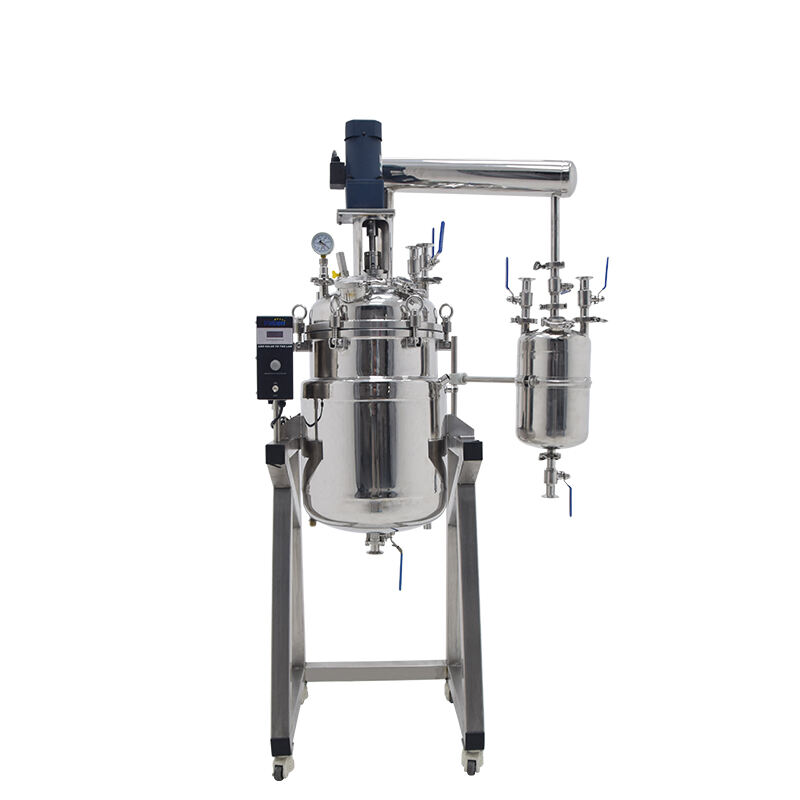
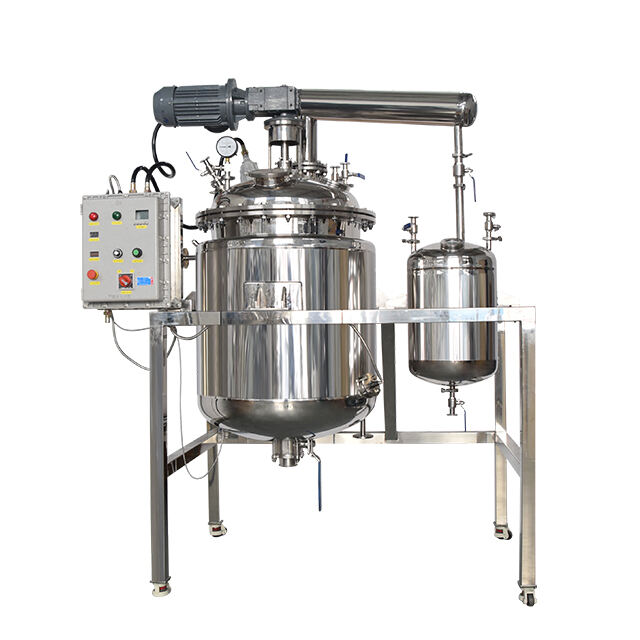
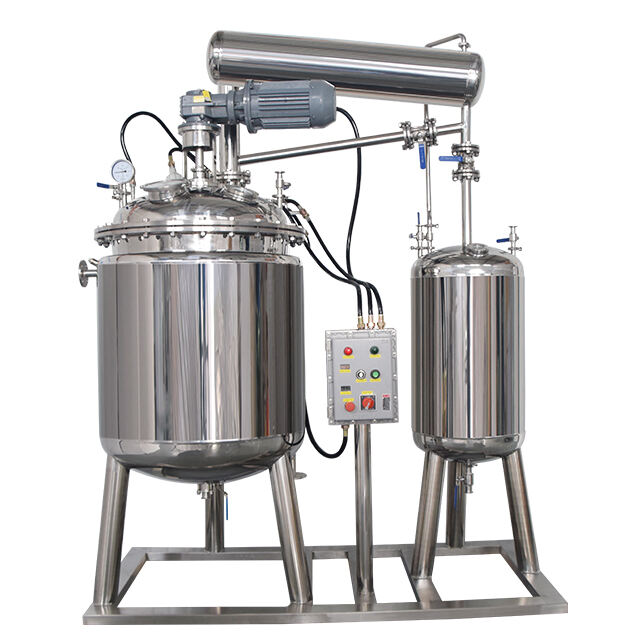
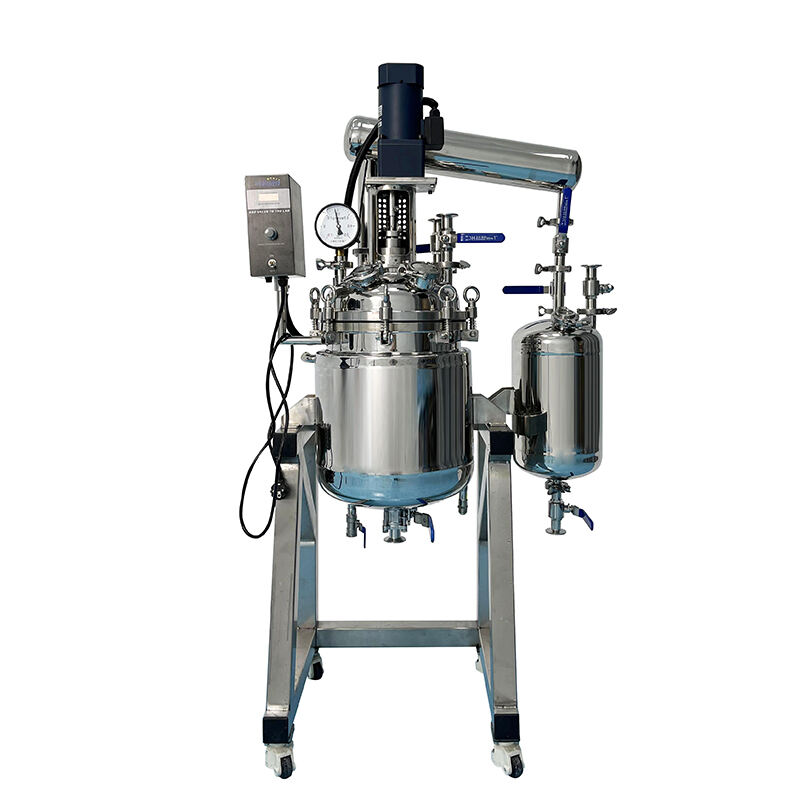
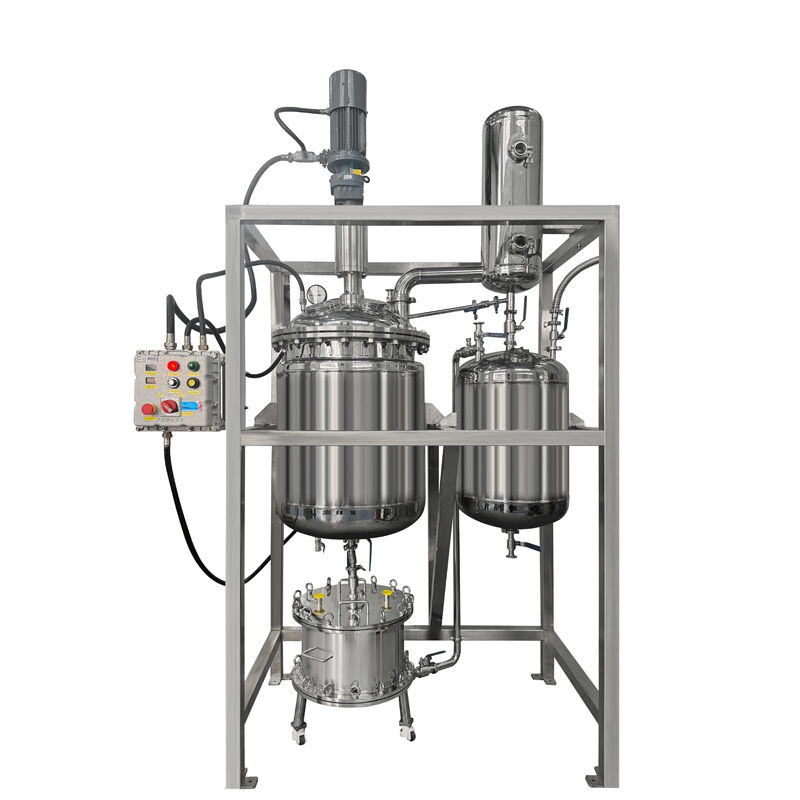
Industrial Stainless Steel Stirred Reactor - Advanced Mixing Solutions for Chemical Processing

Get a Free Quote

Our representative will contact you soon.
Email
Name
Contact Number
Company Name
Message
0/1000

stainless steel stirred reactor

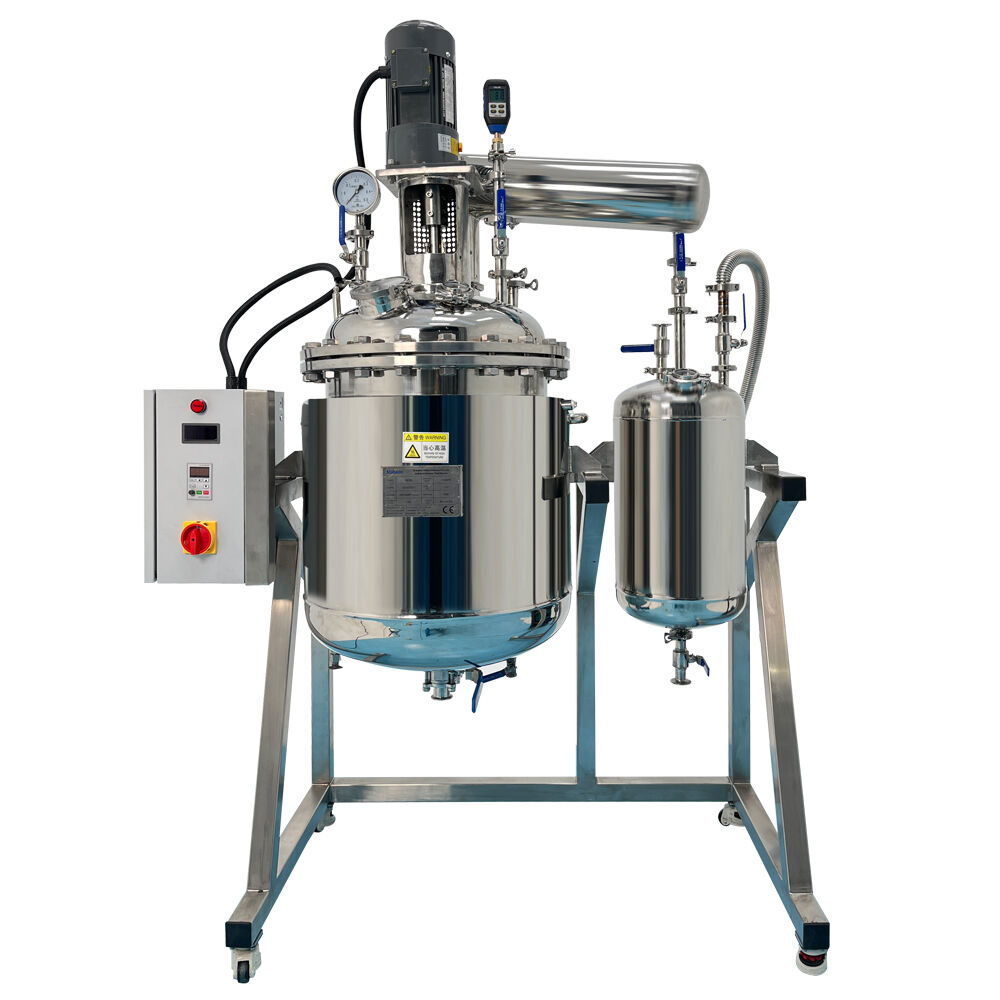
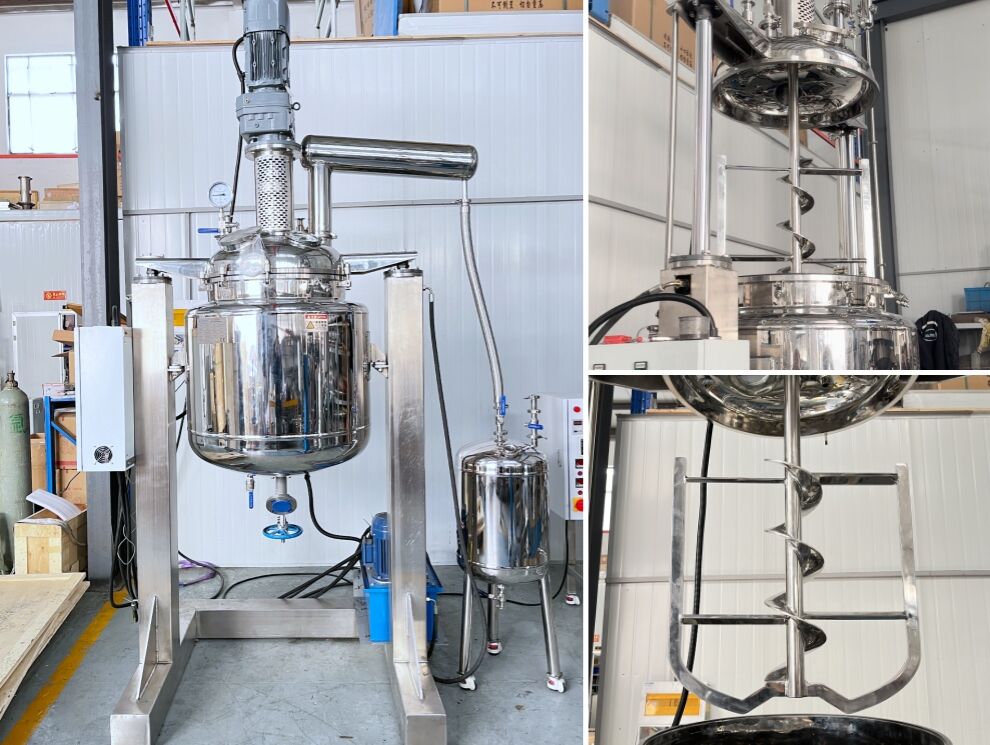
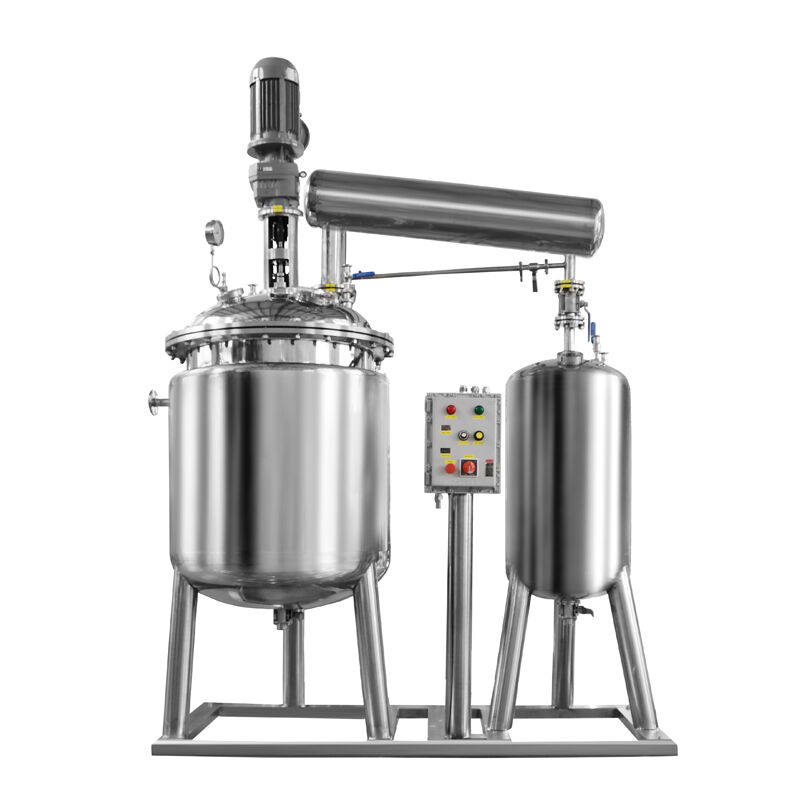
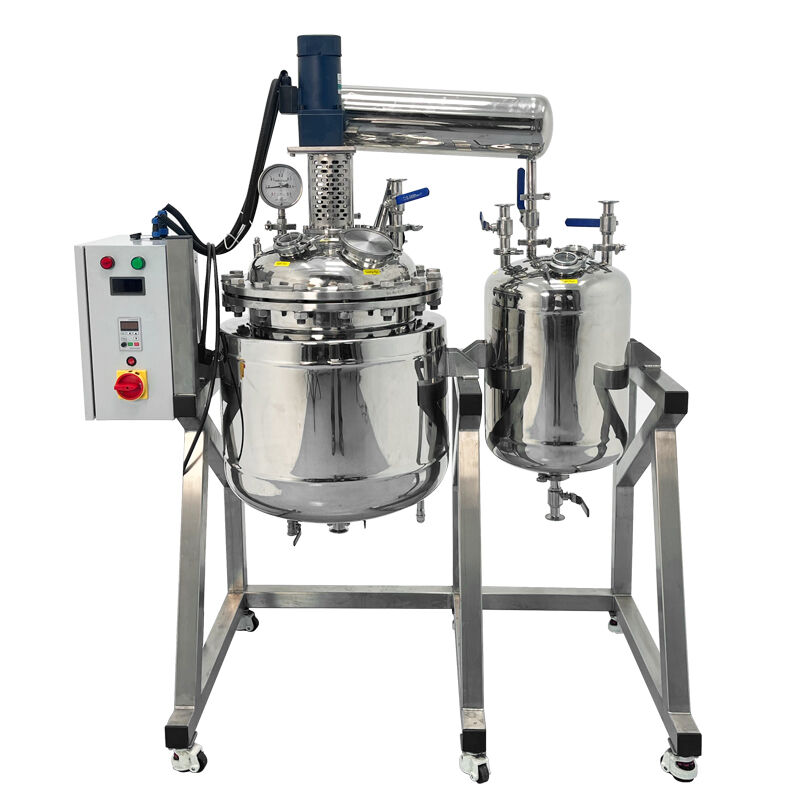
A stainless steel stirred reactor represents a cornerstone of modern industrial processing equipment, engineered to facilitate precise chemical reactions, mixing operations, and material synthesis across diverse manufacturing sectors. This sophisticated vessel combines the exceptional corrosion resistance of stainless steel construction with advanced stirring mechanisms to deliver consistent, reliable performance in demanding production environments. The primary function of a stainless steel stirred reactor centers on creating controlled reaction conditions where raw materials undergo transformation into desired products through carefully managed temperature, pressure, and mixing parameters. The reactor's stainless steel construction ensures compatibility with aggressive chemicals, acids, and bases while maintaining product purity throughout the process cycle. Technological features include precision-engineered stirring systems with variable speed controls, allowing operators to optimize mixing intensity based on specific material properties and reaction requirements. Advanced temperature control systems integrate heating and cooling capabilities, enabling precise thermal management essential for complex chemical processes. Pressure monitoring and control systems maintain safe operating conditions while maximizing reaction efficiency. The reactor's modular design accommodates various stirring configurations, from simple paddle systems to complex multi-stage impellers, adapting to different viscosity ranges and mixing challenges. Applications span pharmaceutical manufacturing, where sterile processing conditions demand exceptional cleanliness and contamination prevention. Chemical processing industries rely on these reactors for polymerization, crystallization, and specialty chemical production. Food and beverage manufacturers utilize stainless steel stirred reactors for fermentation, emulsification, and ingredient blending operations. Cosmetic and personal care product development benefits from the reactor's ability to create uniform mixtures while preserving sensitive active ingredients. Research and development laboratories depend on smaller-scale versions for process optimization and new product formulation. The versatility of stainless steel stirred reactor technology makes it indispensable across industries requiring precise control over mixing, reaction kinetics, and product quality standards.

New Product Recommendations

The stainless steel stirred reactor delivers remarkable operational benefits that directly translate into improved productivity and cost savings for manufacturing operations. Superior corrosion resistance stands as the most significant advantage, protecting your investment from chemical attack and extending equipment lifespan far beyond conventional materials. This durability reduces replacement costs and minimizes production downtime associated with equipment failure or maintenance. The non-reactive nature of stainless steel ensures product purity remains uncompromised, eliminating contamination risks that could result in batch rejection and financial losses. Easy cleaning and sterilization capabilities streamline changeover procedures between different products, reducing turnaround times and increasing overall equipment effectiveness. The smooth interior surfaces of stainless steel stirred reactor units prevent material buildup and facilitate complete product recovery, maximizing yield while minimizing waste generation. Precise temperature control systems integrated into these reactors enable optimal reaction conditions, improving product quality and consistency while reducing energy consumption through efficient heat transfer. Variable speed stirring mechanisms provide complete control over mixing intensity, allowing operators to optimize processing parameters for different materials without compromising product integrity. The robust construction tolerates high-pressure operations, expanding processing capabilities and enabling more aggressive reaction conditions when required. Automated control systems reduce labor requirements while ensuring consistent results, lowering operational costs and minimizing human error potential. Scalability features allow the same stainless steel stirred reactor technology to function effectively from laboratory bench-scale through full production volumes, providing seamless process development and commercialization pathways. Compliance with international quality standards simplifies regulatory approval processes, reducing time-to-market for new products. The hygienic design meets stringent sanitary requirements for pharmaceutical and food applications, eliminating costly validation complications. Energy efficiency improvements result from optimized mixing patterns and heat transfer characteristics, reducing utility costs and environmental impact. Flexible configuration options accommodate diverse processing requirements without requiring multiple specialized equipment pieces, maximizing capital utilization while minimizing facility footprint requirements. These practical advantages combine to deliver measurable improvements in production efficiency, product quality, and operational profitability.

Latest News

Mastering the Art of Chemical Processing with Jacketed Stainless Steel Reactors

29

Oct

Mastering the Art of Chemical Processing with Jacketed Stainless Steel Reactors

Understanding Jacketed Stainless Steel Reactors: Design and Core Functionality What Are Jacketed Stainless Steel Reactors? Jacketed stainless steel reactors consist of a main reaction area inside what's called a jacket or outer shell. Between these ...
View More
How to Choose the Right Stainless Steel Reactor for Pharmaceutical Production

12

Nov

How to Choose the Right Stainless Steel Reactor for Pharmaceutical Production

Selecting the appropriate stainless steel reactor for pharmaceutical production is a critical decision that directly impacts product quality, manufacturing efficiency, and regulatory compliance. The pharmaceutical industry demands exceptional standar...
View More
How Does a Stainless Steel Reactor Improve Reaction Efficiency and Safety

12

Nov

How Does a Stainless Steel Reactor Improve Reaction Efficiency and Safety

Chemical processing industries rely heavily on precise reaction control and optimal safety measures to achieve consistent production outcomes. The selection of appropriate reactor materials and design features directly impacts both operational effici...
View More
Rotary and Liftable Stainless Steel Reactor vs Fixed Reactor: Which Is Better?

20

Jan

Rotary and Liftable Stainless Steel Reactor vs Fixed Reactor: Which Is Better?

Modern industrial processing demands precision, efficiency, and adaptability in chemical reactions and material processing. The choice between a rotary and liftable stainless steel reactor versus a traditional fixed reactor represents a critical deci...
View More

Get a Free Quote

Our representative will contact you soon.
Email
Name
Contact Number
Company Name
Message
0/1000

stainless steel stirred reactor

Advanced Corrosion Resistance and Material Compatibility

Advanced Corrosion Resistance and Material Compatibility

The exceptional corrosion resistance of stainless steel stirred reactor construction provides unparalleled protection against chemical attack, ensuring reliable long-term performance in the most demanding processing environments. This critical advantage stems from the chromium content in stainless steel alloys, which forms a passive oxide layer that self-repairs when damaged, maintaining integrity even under continuous exposure to aggressive chemicals. Unlike carbon steel or other metallic alternatives, stainless steel maintains its structural properties when exposed to acids, bases, solvents, and oxidizing agents commonly encountered in industrial processing. This resistance eliminates the need for protective coatings that can chip, peel, or contaminate products over time. The material compatibility extends to extreme temperature conditions, where thermal cycling and chemical exposure combine to create particularly challenging operating environments. Pharmaceutical manufacturers benefit significantly from this feature, as the stainless steel stirred reactor prevents leaching of metallic ions that could compromise drug safety and efficacy. Food processing applications gain assurance that no metallic taste or contamination will affect product quality, maintaining brand reputation and consumer safety. Chemical manufacturers processing corrosive materials rely on this resistance to prevent catastrophic equipment failure that could result in environmental incidents or production shutdowns. The economic impact proves substantial, as corrosion-resistant construction eliminates frequent replacement costs associated with inferior materials. Maintenance schedules extend significantly, reducing labor costs and production interruptions. The consistent performance over extended periods provides predictable operating costs and reliable production scheduling. Quality control benefits include elimination of contamination sources that could cause batch failures or product recalls. Regulatory compliance becomes more straightforward when using materials with proven compatibility records across multiple applications. The longevity of stainless steel stirred reactor installations provides excellent return on investment, often exceeding twenty years of reliable service when properly maintained. This durability factor becomes particularly valuable in capital-intensive industries where equipment replacement costs significantly impact profitability.
Precision Mixing and Temperature Control Technology

Precision Mixing and Temperature Control Technology

The sophisticated mixing and temperature control systems integrated into stainless steel stirred reactor designs deliver unprecedented precision in process management, enabling manufacturers to achieve consistent product quality while optimizing reaction efficiency. Advanced impeller designs create specific flow patterns tailored to different material characteristics, ensuring complete homogenization regardless of viscosity differences or density variations between components. Variable frequency drives provide infinite speed control, allowing operators to fine-tune mixing intensity throughout different process phases, from initial ingredient incorporation through final product development. Temperature control systems incorporate both heating and cooling capabilities, utilizing jacket designs, internal coils, or external heat exchangers to maintain precise thermal conditions. This dual-capability system responds rapidly to exothermic or endothermic reactions, preventing temperature excursions that could damage sensitive materials or create safety hazards. The stainless steel construction enhances heat transfer efficiency, reducing energy consumption while improving temperature uniformity throughout the reactor volume. Sophisticated control algorithms monitor multiple process parameters simultaneously, automatically adjusting mixing speed and temperature to maintain optimal conditions. This automation reduces operator workload while ensuring consistent results across production batches. Data logging capabilities provide complete process documentation, supporting quality assurance programs and regulatory compliance requirements. The precision control enables processing of temperature-sensitive materials that require narrow operating windows, expanding the range of products that can be manufactured successfully. Pharmaceutical applications benefit from the ability to control crystal formation, particle size distribution, and chemical stability through precise temperature and mixing management. Food processing operations achieve consistent texture, flavor development, and nutritional preservation through controlled processing conditions. Research and development activities gain the flexibility to explore different processing parameters systematically, accelerating product development timelines. Scale-up from laboratory to production becomes more predictable when using equivalent stainless steel stirred reactor technology with similar control capabilities. Energy optimization results from efficient heat transfer and precise control systems that eliminate temperature overshoots and reduce processing times.
Hygienic Design and Easy Maintenance Features

Hygienic Design and Easy Maintenance Features

The hygienic design principles incorporated into stainless steel stirred reactor construction provide exceptional cleanability and maintenance accessibility, ensuring compliance with the most stringent sanitary standards while minimizing operational downtime. Smooth, crevice-free interior surfaces eliminate potential harboring sites for bacteria, contaminants, or residual materials that could compromise product quality or create cross-contamination risks. Sanitary connections, including tri-clamp fittings and specialized gaskets, enable complete disassembly for thorough cleaning and inspection without compromising system integrity upon reassembly. The polished interior finish facilitates complete material recovery and prevents product buildup that could affect subsequent batches or create cleaning challenges. Clean-in-place systems integrate seamlessly with stainless steel stirred reactor designs, utilizing strategically positioned spray balls and circulation systems to achieve validated cleaning results without manual intervention. This automation reduces labor costs while ensuring consistent cleaning effectiveness across all interior surfaces. Sterilization capabilities accommodate steam, chemical, or thermal sterilization protocols, meeting pharmaceutical and biotechnology industry requirements for sterile processing. The robust construction tolerates aggressive cleaning chemicals and high-temperature sterilization cycles without degradation, maintaining hygienic properties throughout extended service life. Quick-disconnect features enable rapid changeover between different products, minimizing production interruptions while ensuring complete cleaning between campaigns. Inspection ports and removable components provide visual verification of cleaning effectiveness, supporting validation protocols and regulatory compliance. Maintenance accessibility receives careful consideration in design layouts, with service points positioned for safe, efficient access during routine inspections and component replacement. Modular construction enables replacement of wearing components without complete system disassembly, reducing maintenance costs and downtime duration. Preventive maintenance programs benefit from predictable wear patterns and readily available replacement parts, enabling scheduled maintenance activities that minimize production impact. Documentation systems track cleaning cycles, maintenance activities, and component history, supporting quality assurance programs and regulatory audits. The combination of hygienic design and maintenance accessibility delivers operational efficiency while ensuring product safety and quality standards remain uncompromised throughout the equipment lifecycle.

Get a Free Quote

Our representative will contact you soon.
Email
Name
Contact Number
Company Name
Message
0/1000