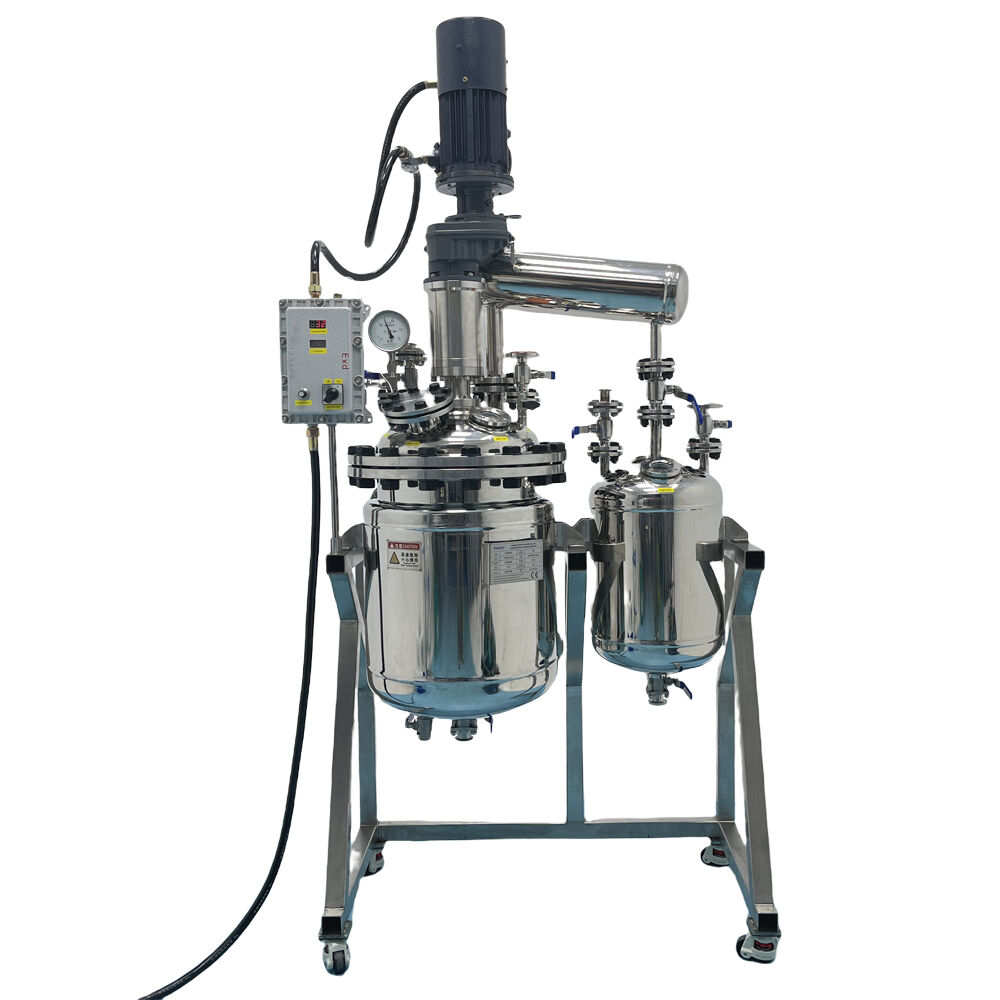
yüksek Basınçlı Paslanmaz Çelik Reaktör
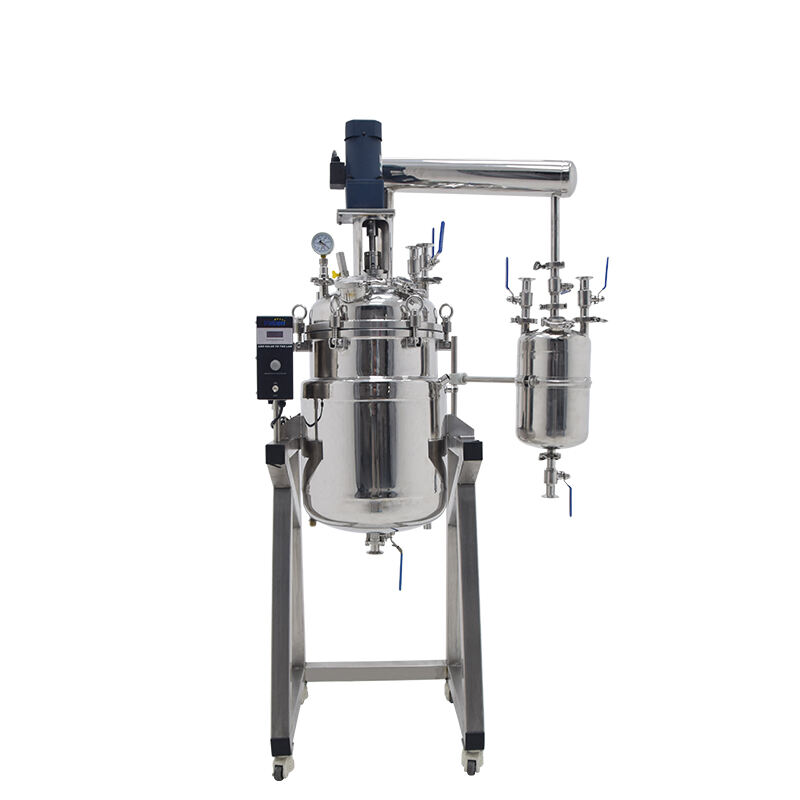
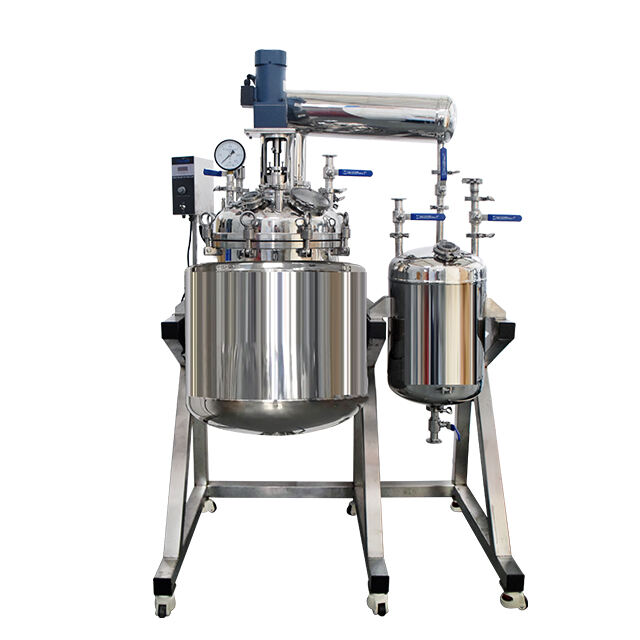
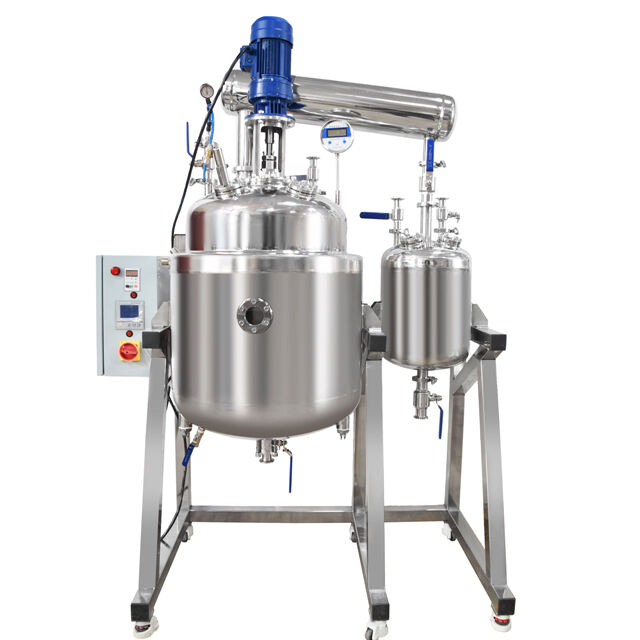
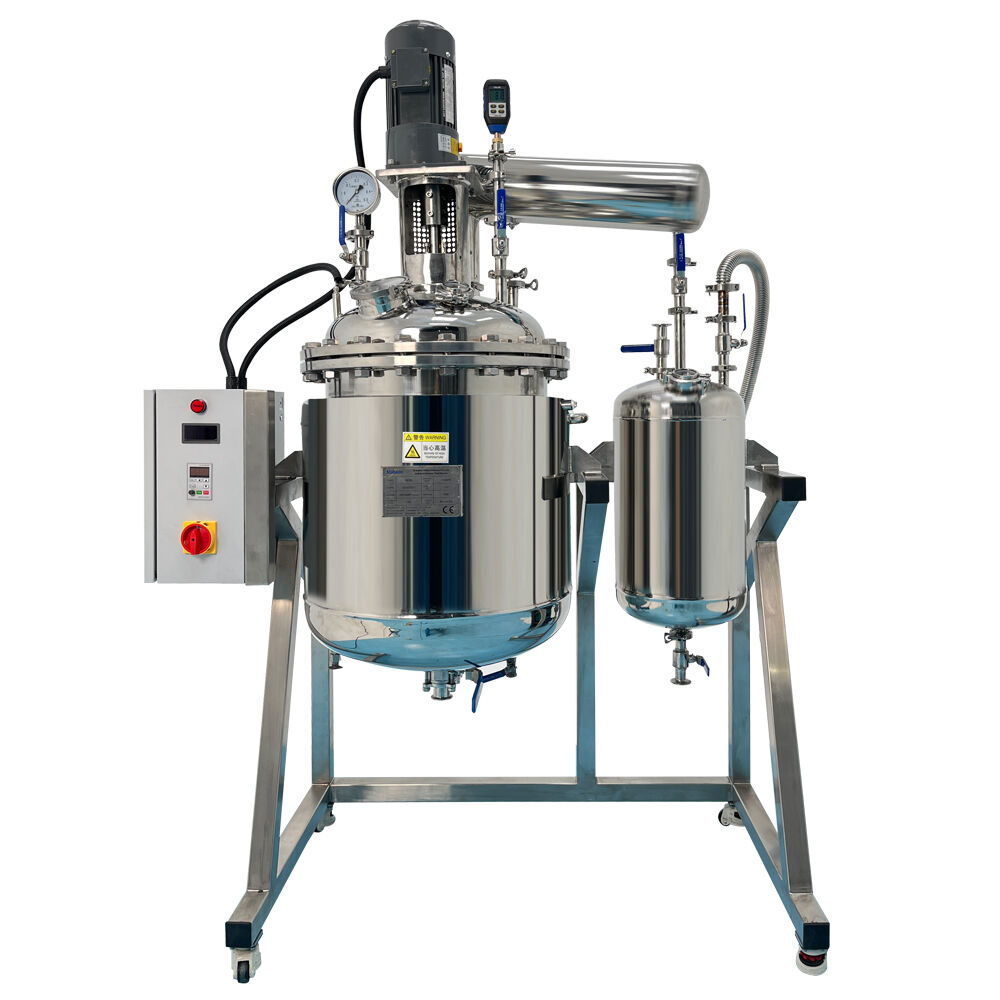
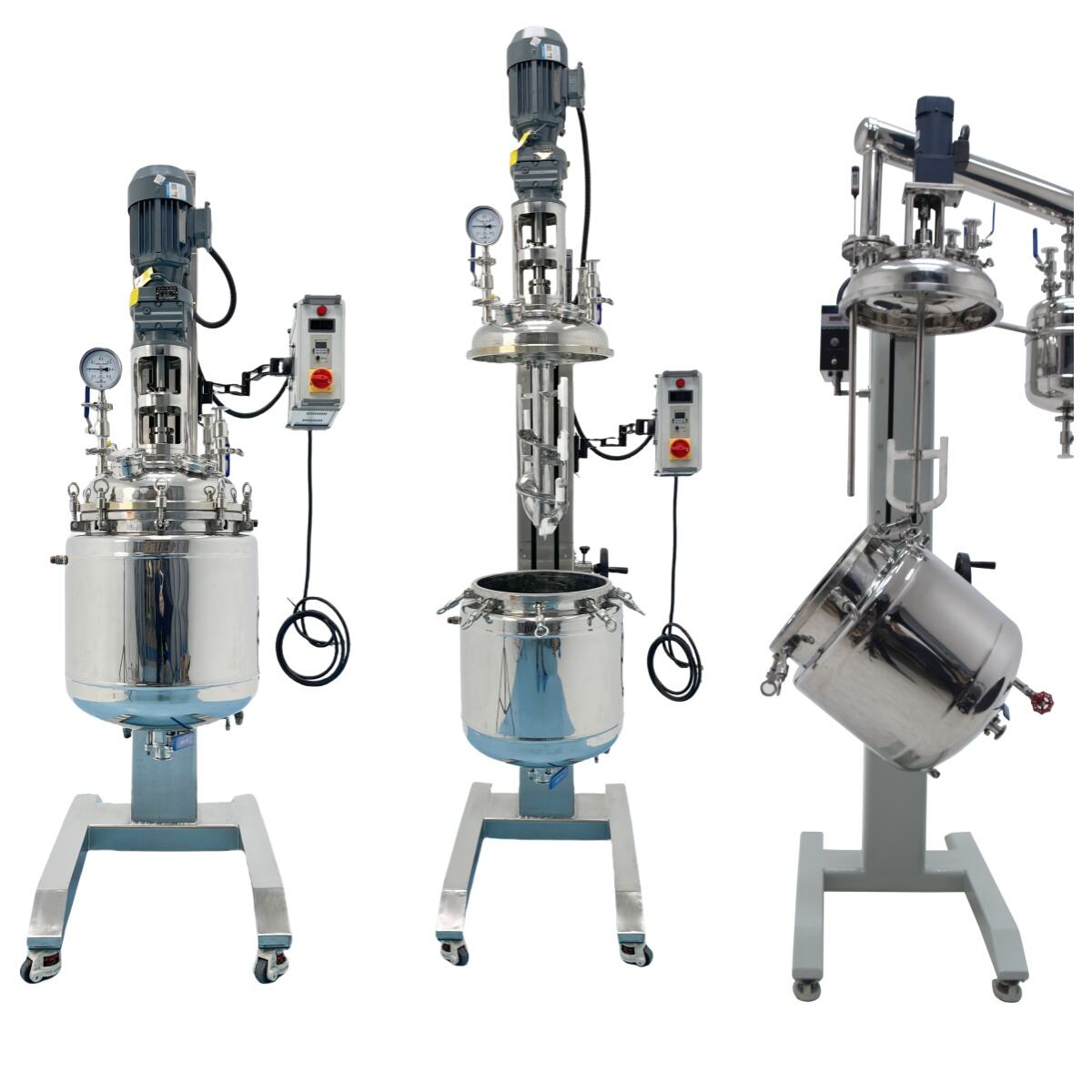
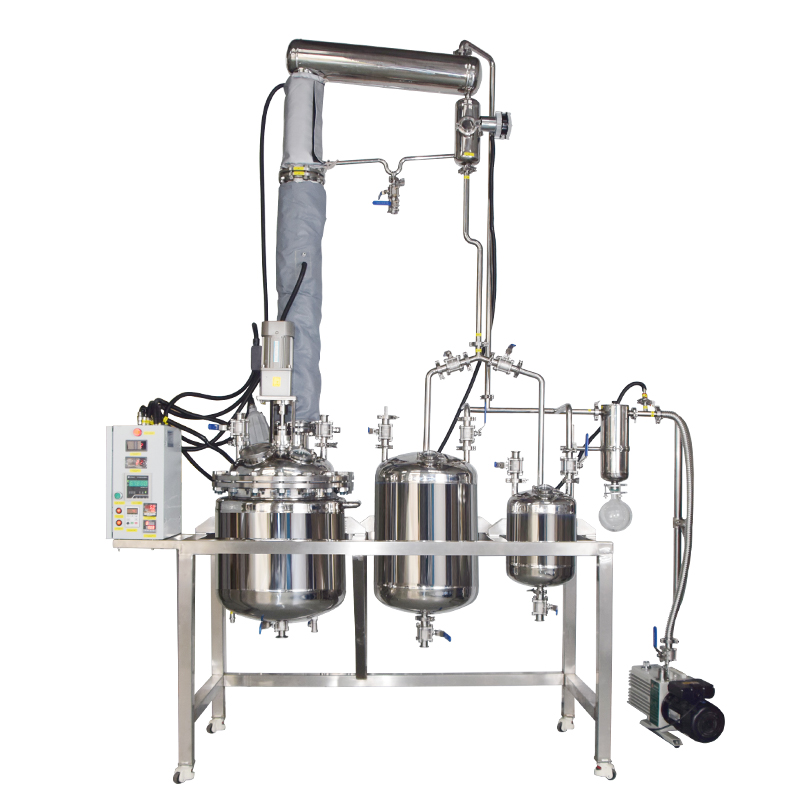
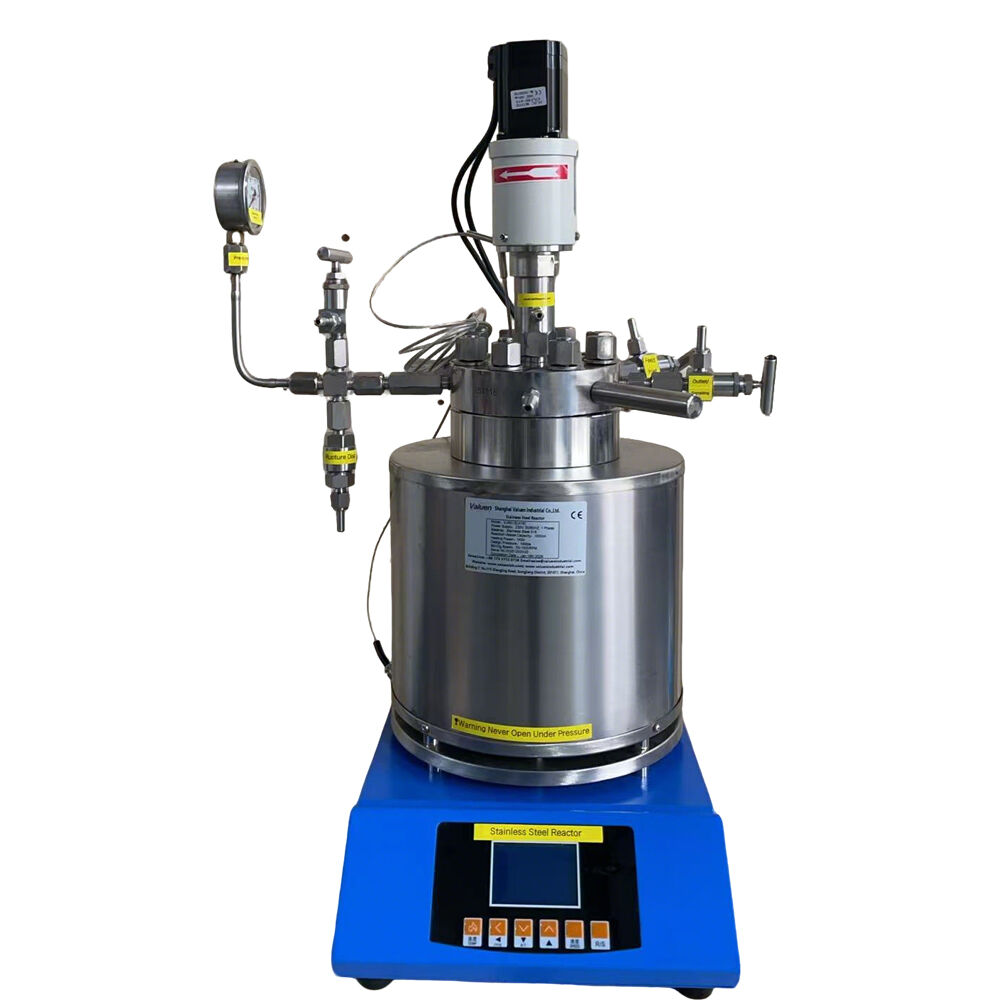
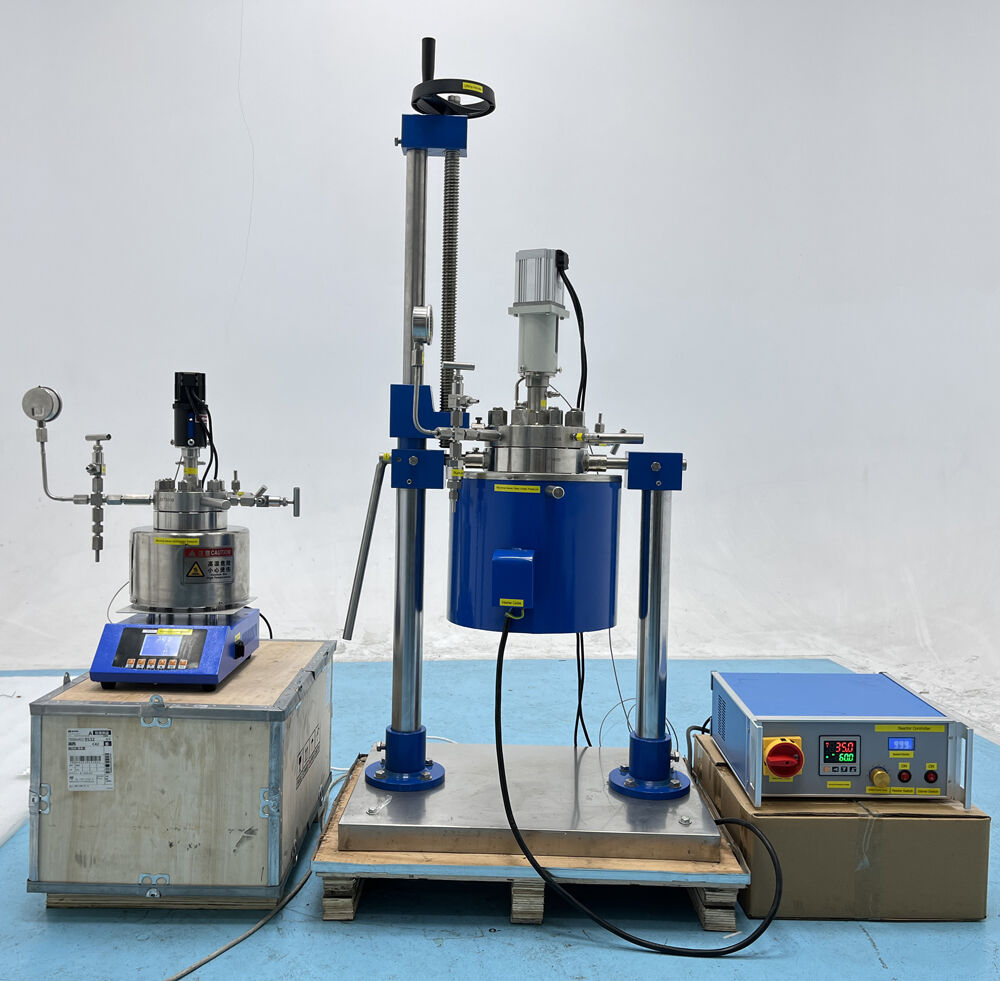
Yüksek basınçlı paslanmaz çelik reaktör, üstün korozyon direnci ve işlevsel güvenlik sağlarken yüksek basınç koşulları altında kimyasal reaksiyonların gerçekleştirilmesini sağlayan karmaşık bir endüstriyel ekipmandır. Bu özel kaplar, genellikle 316L veya 304 paslanmaz çelik gibi üst sınıf paslanmaz çelik alaşımlarından üretilmiştir ve çeşitli işlem ortamlarında olağanüstü dayanıklılık ile kimyasal uyumluluk sunar. Yüksek basınçlı paslanmaz çelik reaktörlerin temel işlevi, orta düzey basınç uygulamalarından 1000 bar’ı aşan aşırı yüksek basınç senaryolarına kadar uzanan basınçlı atmosferler gerektiren kontrollü kimyasal dönüşümleri gerçekleştirmeyi sağlamaktır. Teknolojik yapı, ileri düzey basınç izleme sistemleri, sıcaklık kontrol mekanizmaları ve güvenlik tahliye valflerini içerir; bu bileşenler, optimal reaksiyon parametrelerinin korunmasını sağlamak amacıyla birlikte çalışır. Bu reaktörler, zorlu işletme stresi altında yapısal bütünlüğü garanti eden güçlendirilmiş duvarlı, hassas mühendislikle tasarlanmış basınç kaplarından oluşur. İç tasarım genellikle özel karıştırma sistemlerini, ısıtma veya soğutma ceketlerini ve verimli malzeme taşıma için çoklu giriş ve çıkış portlarını içerir. Temel teknolojik özellikler arasında dijital basınç göstergeleri, otomatik kontrol sistemleri ve sızıntıyı önleyen aynı zamanda süreç verimliliğini koruyan sağlam conta mekanizmaları yer alır. Uygulama alanları, ilaç, petrokimya, özel kimyasallar, gıda işleme ve araştırma laboratuvarları olmak üzere çok sayıda sektörü kapsar. İlaç üretimi alanında bu reaktörler, aktif madde sentezini steril ve kontrollü koşullar altında gerçekleştirmeyi sağlar. Petrokimya tesisleri, bunları hidrojenasyon süreçleri, polimerizasyon reaksiyonları ve katalizör testleri için kullanır. Gıda endüstrisi ise bu kapları ekstraksiyon süreçleri, basınç altında fermantasyon ve koruma teknikleri için tercih eder. Araştırma kurumları, yeni malzemelerin geliştirilmesi, reaksiyon kinetiği çalışmaları yapılması ve yenilikçi sentetik yolların keşfedilmesi amacıyla yüksek basınçlı paslanmaz çelik reaktörlere güvenmektedir. Bu sistemlerin çok yönlülüğü, kimyasal direnç, işlevsel güvenilirlik ve hassas basınç kontrolü gerektiren tüm işlemler için vazgeçilmez hale gelmesini sağlamıştır.
 EN
EN