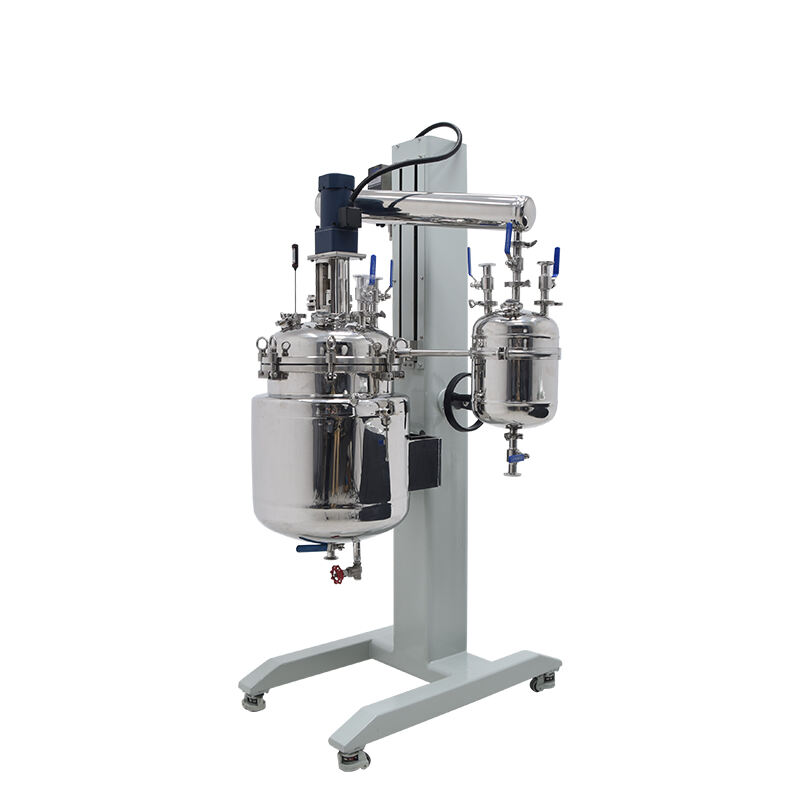
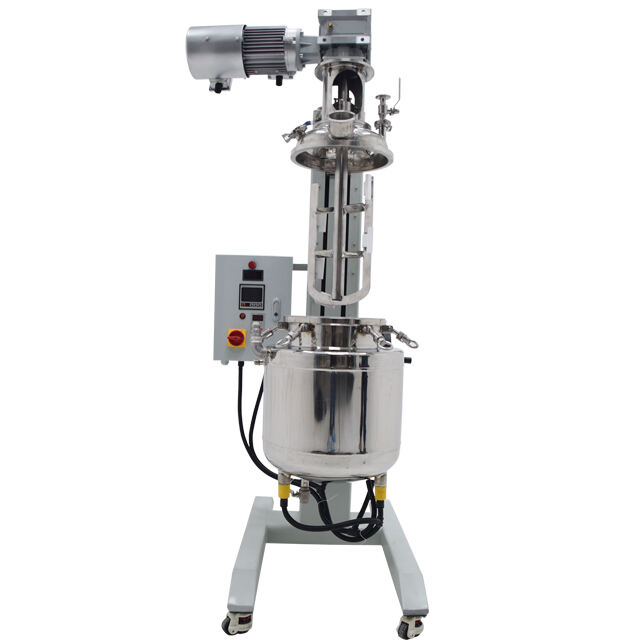
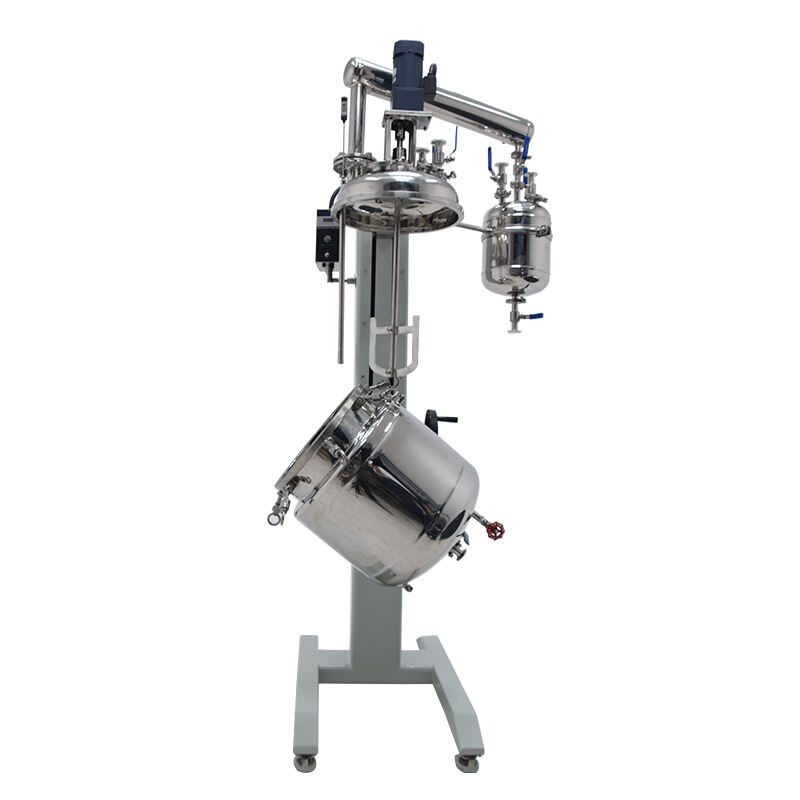
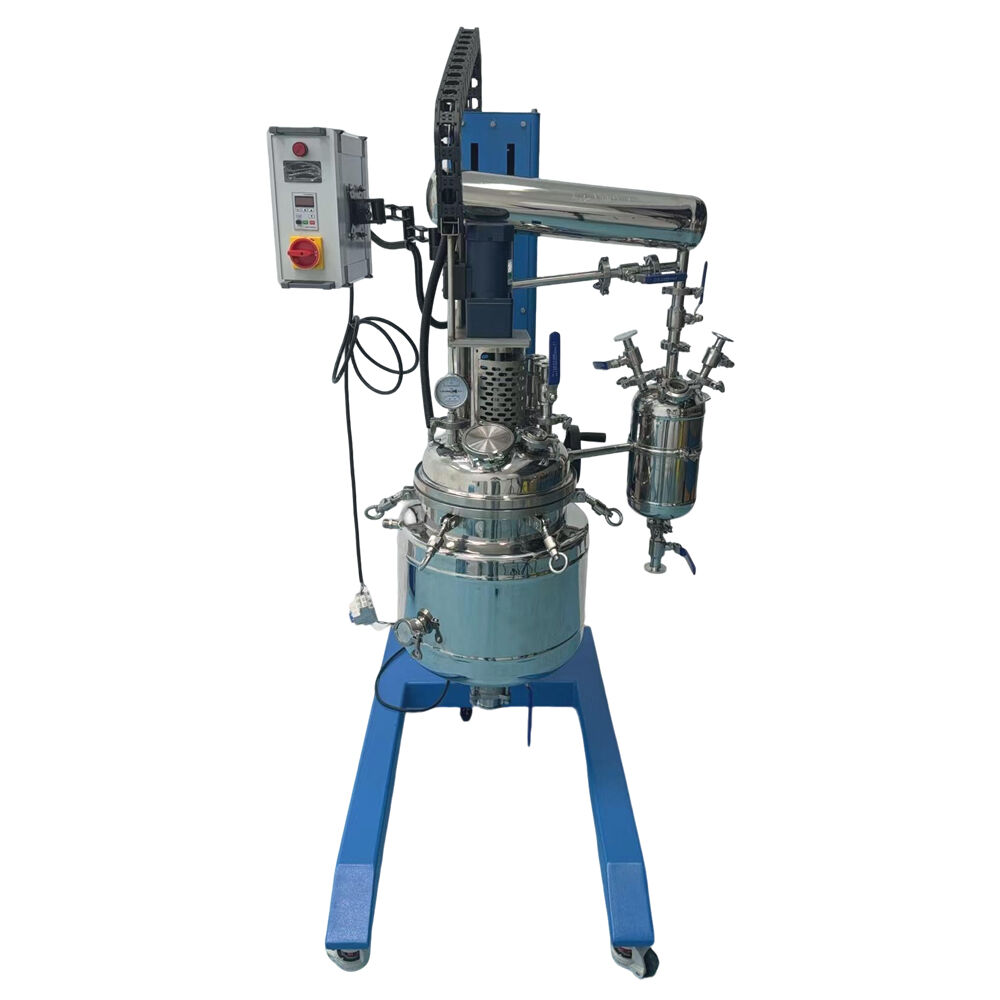
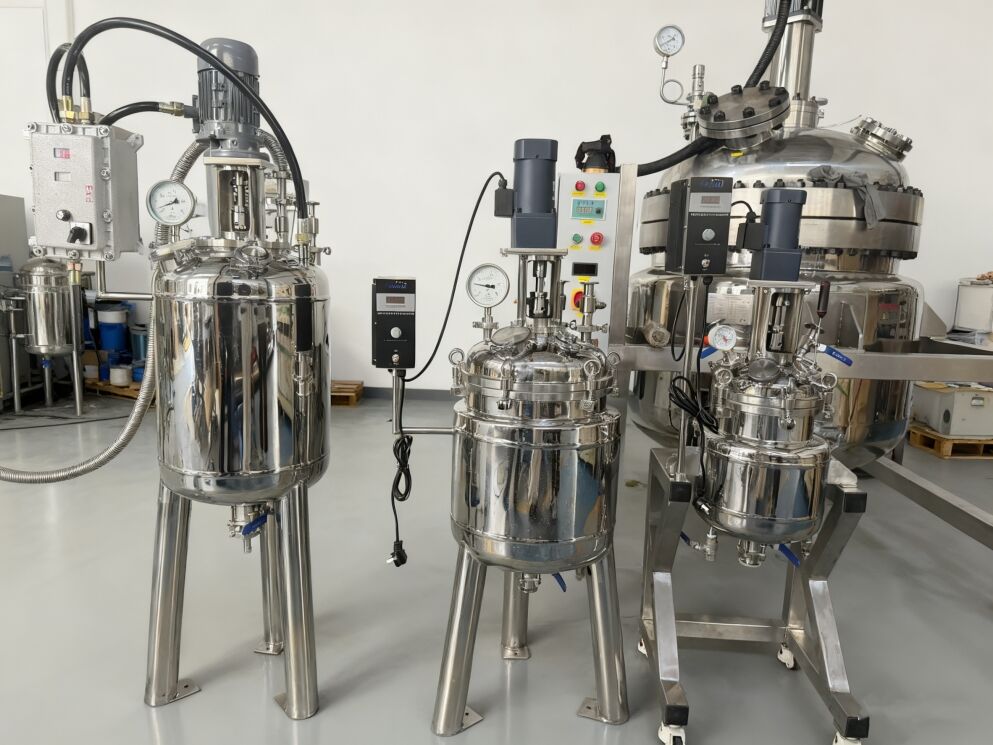
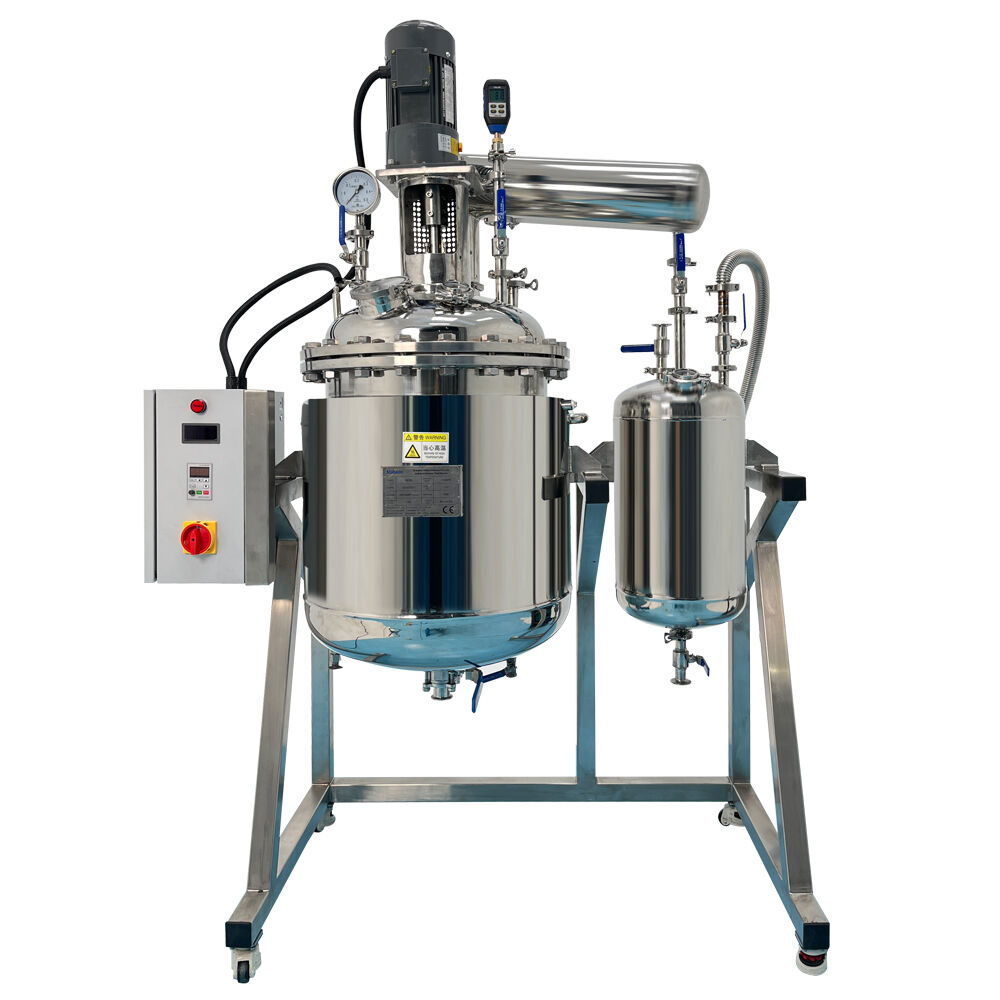
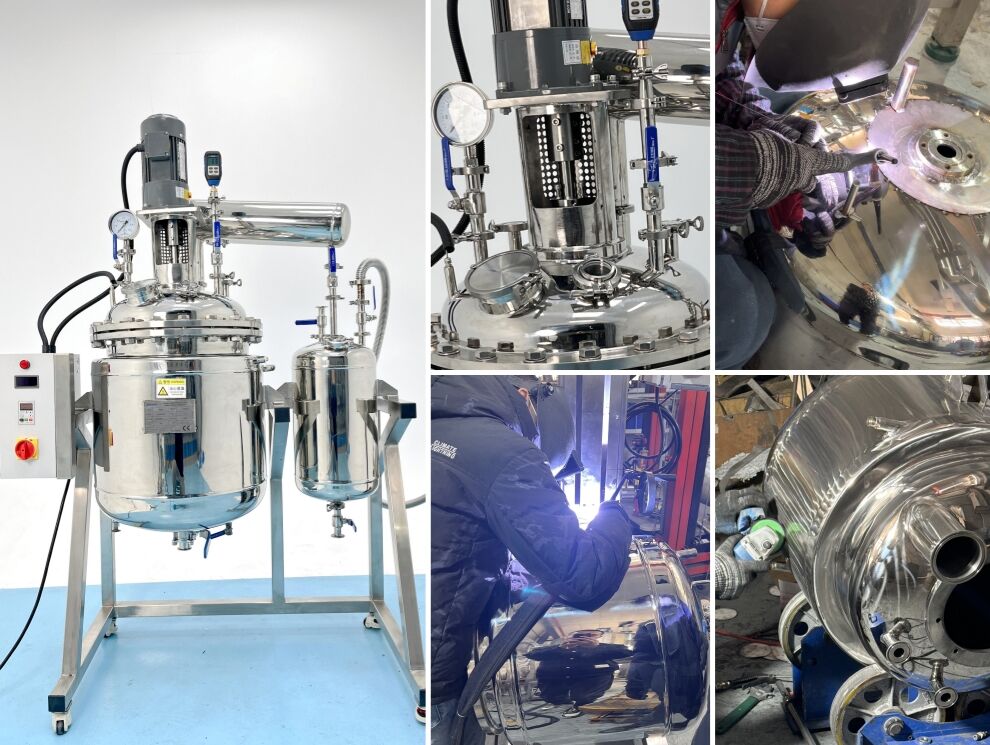
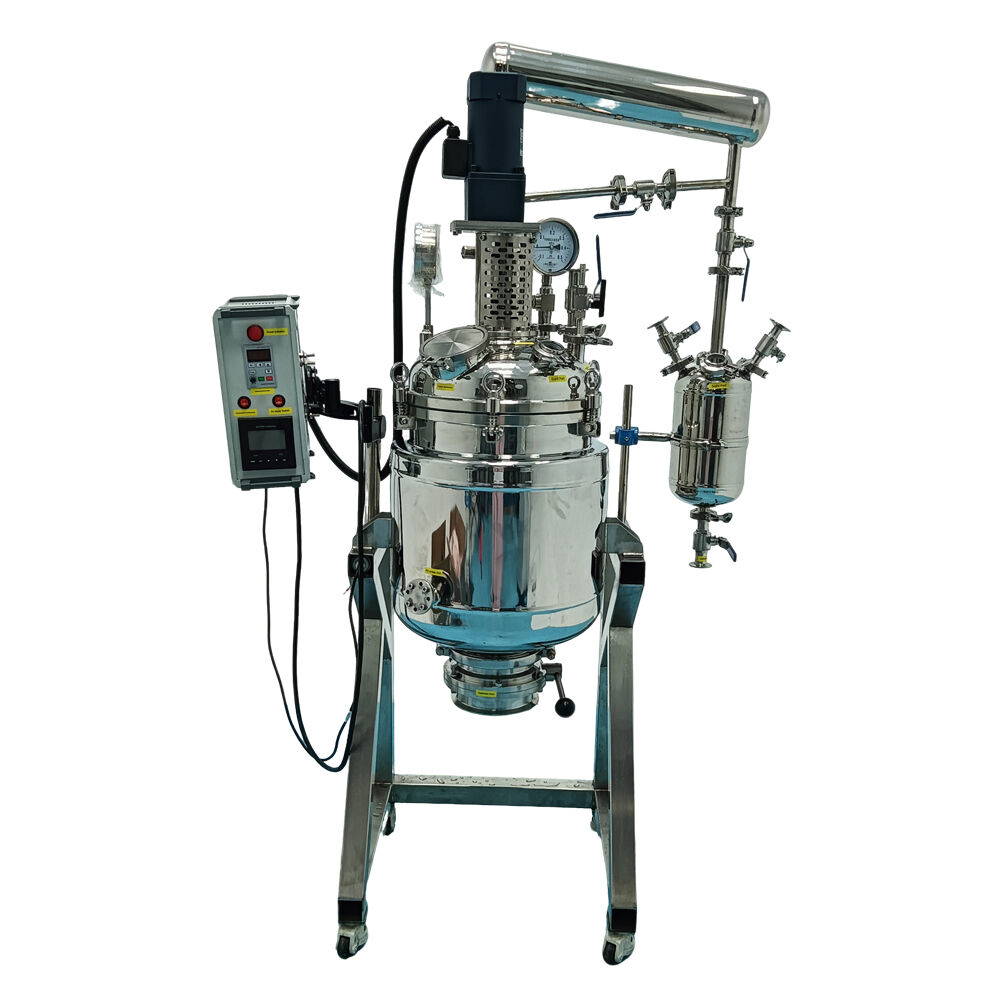
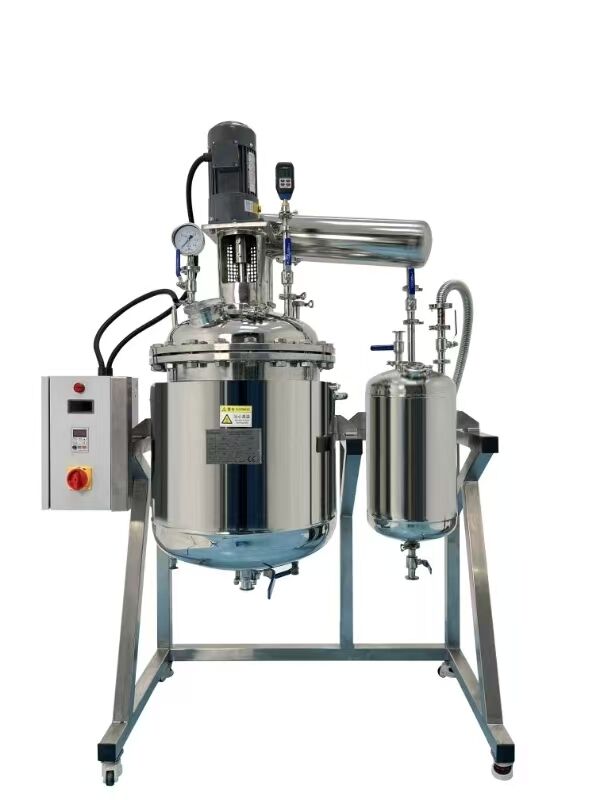
stainless steel agitation reactor
A stainless steel agitation reactor represents a cornerstone of modern industrial processing equipment, designed to facilitate controlled chemical reactions, mixing operations, and material transformations across diverse manufacturing sectors. This sophisticated vessel combines the superior corrosion resistance of stainless steel construction with advanced agitation mechanisms to deliver consistent, reliable performance in demanding operational environments. The stainless steel agitation reactor functions primarily as a controlled environment where raw materials undergo specific chemical or physical transformations through precise mixing, heating, cooling, and reaction processes. The reactor's design incorporates multiple technological features that ensure optimal process control and safety standards. Advanced temperature monitoring systems maintain precise thermal conditions throughout the reaction cycle, while integrated pressure sensors provide real-time feedback for process optimization. The agitation system utilizes specialized impeller designs that create uniform mixing patterns, eliminating dead zones and ensuring complete material interaction. Modern stainless steel agitation reactors feature programmable control interfaces that allow operators to customize reaction parameters based on specific process requirements. These systems can accommodate various batch sizes and processing volumes, making them adaptable to both pilot-scale research applications and full-scale industrial production. The reactor's construction typically includes reinforced vessel walls, precision-machined sealing systems, and strategically positioned inlet and outlet ports for material handling. Applications for stainless steel agitation reactors span numerous industries, including pharmaceuticals, food processing, chemical manufacturing, biotechnology, and specialty materials production. In pharmaceutical applications, these reactors enable controlled synthesis of active ingredients while maintaining sterile conditions and regulatory compliance. Food processing facilities utilize these systems for emulsification, homogenization, and flavor development processes. Chemical manufacturers depend on stainless steel agitation reactors for polymerization reactions, catalyst preparation, and intermediate compound synthesis. The biotechnology sector employs these vessels for fermentation processes, cell culture applications, and enzyme production. Each application benefits from the reactor's ability to maintain precise environmental conditions while ensuring product quality and consistency.
 EN
EN