 EN
EN

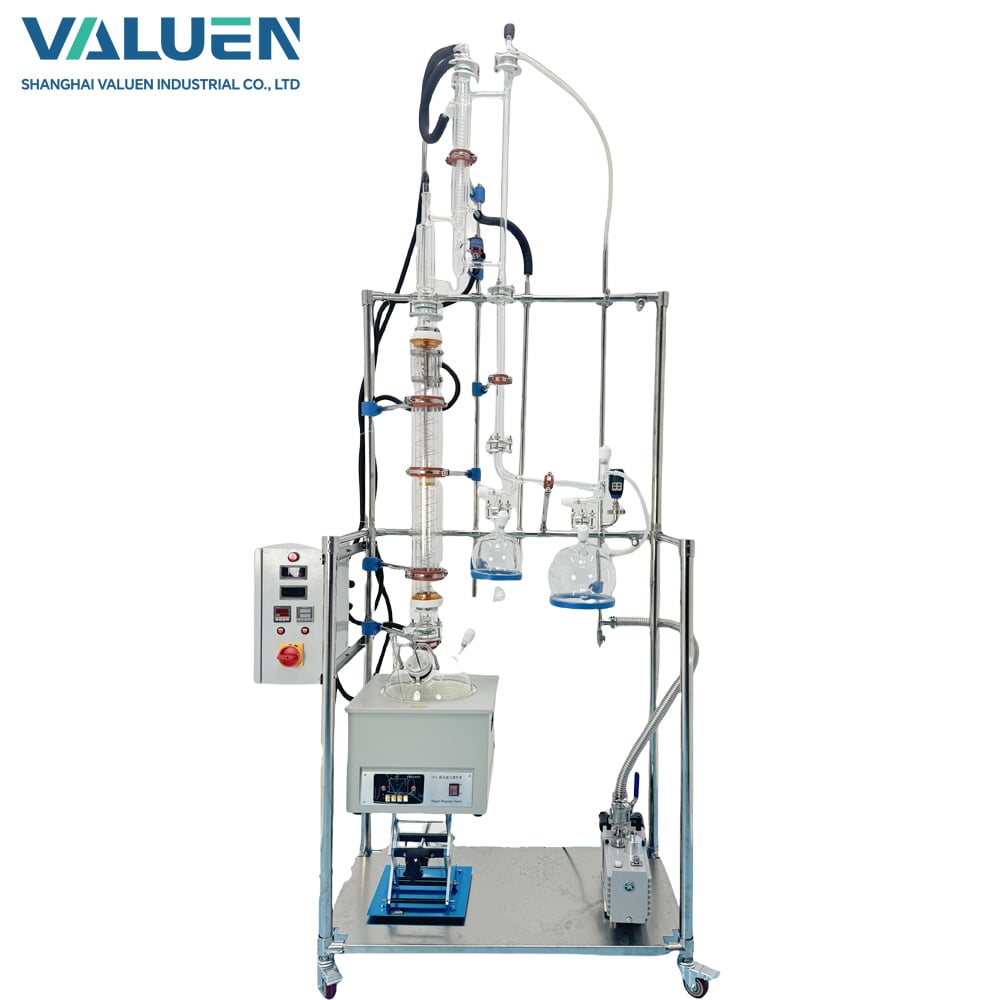
Industrial separation processes have evolved significantly over the past century, with fractional distillation equipment emerging as one of the most critical technologies for achieving high-purity separations. This sophisticated process leverages differences in boiling points to separate complex mixtures into their individual components, making it indispensable across numerous industrial sectors. The precision and efficiency of modern fractional distillation equipment have revolutionized how industries approach chemical separations, enabling the production of ultra-pure compounds essential for advanced applications.
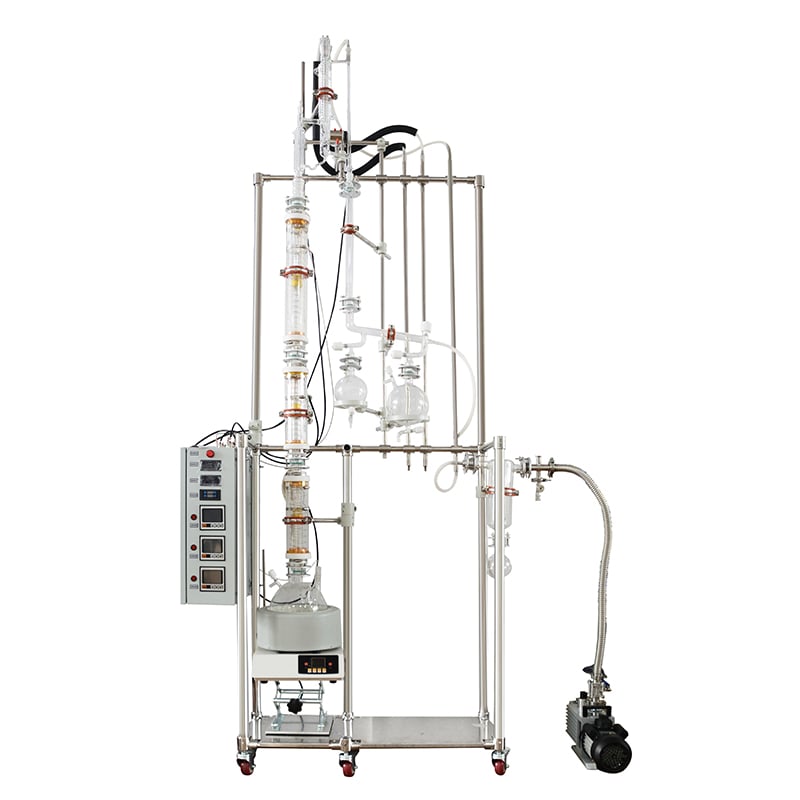
Pharmaceutical and Biotechnology Industries
Drug Manufacturing and Purification
The pharmaceutical industry represents one of the largest consumers of fractional distillation equipment, where purity requirements often exceed 99.9% for active pharmaceutical ingredients. Manufacturing facilities utilize these systems to separate complex organic compounds during drug synthesis, ensuring that final products meet stringent regulatory standards. The ability to achieve precise separations while maintaining product integrity makes fractional distillation equipment essential for producing life-saving medications.
Advanced pharmaceutical applications require sophisticated temperature and pressure control systems integrated with fractional distillation equipment. These systems enable the separation of heat-sensitive compounds that would otherwise decompose under standard distillation conditions. Modern pharmaceutical facilities often employ multiple distillation columns operating in series to achieve the extraordinary purity levels demanded by regulatory agencies worldwide.
Biotechnology and Fine Chemicals
Biotechnology companies rely heavily on fractional distillation equipment for purifying bioactive compounds and specialty chemicals. These applications often involve separating compounds with very similar boiling points, requiring highly efficient column designs and precise operational control. The economic value of biotechnology products justifies the investment in advanced fractional distillation equipment capable of achieving exceptional separation efficiency.
The production of pharmaceutical intermediates and fine chemicals frequently involves multi-step synthesis processes where fractional distillation equipment plays a crucial role at various stages. Each distillation step removes unwanted byproducts and impurities, progressively increasing product purity until pharmaceutical-grade specifications are achieved. This systematic approach to purification has become the industry standard for high-value chemical manufacturing.
Chemical Processing and Petrochemicals
Petroleum Refining Operations
Petroleum refineries operate some of the largest and most complex fractional distillation equipment installations in the world. These massive systems separate crude oil into various fractions including gasoline, diesel, kerosene, and lubricating oils. The scale and sophistication of refinery distillation columns represent decades of engineering advancement in separation technology, processing millions of barrels of crude oil daily.
Modern refineries utilize advanced fractional distillation equipment with multiple side streams and heat integration systems to maximize energy efficiency. These installations often feature columns exceeding 100 theoretical plates, enabling the precise separation of petroleum fractions with overlapping boiling ranges. The economic impact of efficient separation cannot be overstated, as even small improvements in separation efficiency translate to millions of dollars in annual savings.
Specialty Chemical Manufacturing
The specialty chemicals sector depends on fractional distillation equipment for producing high-purity solvents, catalysts, and reaction intermediates. These applications often require custom-designed distillation systems optimized for specific chemical properties and separation challenges. The versatility of fractional distillation equipment makes it suitable for processing everything from commodity chemicals to exotic specialty compounds.
Chemical manufacturers increasingly utilize fractional distillation equipment in continuous processing operations to improve productivity and reduce manufacturing costs. Continuous distillation systems offer superior heat integration opportunities and more consistent product quality compared to batch operations. The ability to maintain steady-state conditions enables precise control over separation parameters, resulting in higher yields and reduced waste generation.
Food and Beverage Processing
Essential Oils and Flavor Compounds
Food and beverage manufacturers utilize fractional distillation equipment for extracting and purifying essential oils, flavor compounds, and aromatic substances. These applications require gentle processing conditions to preserve delicate organic compounds that contribute to taste and aroma profiles. The food industry's emphasis on natural ingredients has driven demand for sophisticated fractional distillation equipment capable of maintaining product integrity during separation.
Steam distillation and vacuum distillation techniques, implemented through specialized fractional distillation equipment, enable the recovery of temperature-sensitive flavor compounds from botanical sources. These processes typically operate at reduced pressures to lower boiling points and prevent thermal degradation of valuable aromatic molecules. The resulting products serve as key ingredients in processed foods, beverages, and consumer products.
Alcohol Production and Purification
Distilled spirits production relies entirely on fractional distillation equipment to achieve desired alcohol concentrations and flavor profiles. Master distillers utilize sophisticated column designs and precise operational parameters to create distinct products ranging from neutral grain spirits to complex whiskeys and brandies. The art and science of distillation continue to evolve with advances in fractional distillation equipment technology.
Industrial ethanol production employs large-scale fractional distillation equipment to achieve fuel-grade purity levels exceeding 99.5% alcohol by volume. These systems incorporate advanced heat recovery networks and energy-efficient designs to minimize production costs while maintaining consistent product quality. The renewable fuels industry has driven significant innovation in ethanol distillation technology over the past two decades.
Environmental and Waste Treatment Applications
Solvent Recovery and Recycling
Environmental sustainability initiatives have increased the importance of fractional distillation equipment in solvent recovery and waste treatment applications. Industries generate substantial quantities of contaminated solvents that can be economically recovered using appropriate distillation technology. This approach reduces both waste disposal costs and the need for virgin solvent purchases, creating significant economic and environmental benefits.
Waste solvent streams often contain multiple contaminants requiring sophisticated separation strategies implemented through advanced fractional distillation equipment. Multi-column distillation systems can sequentially remove different impurity types while recovering high-purity solvents suitable for reuse in manufacturing processes. The circular economy principles driving modern manufacturing have made solvent recovery an essential application for fractional distillation equipment.
Water Treatment and Purification
Specialized applications of fractional distillation equipment include water purification for ultra-high purity applications in electronics manufacturing and pharmaceutical production. These systems utilize multiple distillation effects and sophisticated contamination control measures to achieve water quality levels exceeding traditional purification methods. The semiconductor industry particularly relies on distilled water with extraordinarily low ionic and organic contamination levels.
Fractional distillation equipment also plays important roles in treating industrial wastewater containing volatile organic compounds. These applications require careful system design to prevent cross-contamination and ensure compliance with environmental regulations. The recovered organic compounds can often be reused or disposed of more safely than the original contaminated waste streams.
Emerging Technologies and Applications
Renewable Energy and Biofuels
The renewable energy sector increasingly utilizes fractional distillation equipment for processing biofuels and bio-derived chemicals. Biodiesel production requires precise separation of methyl esters from glycerol and other reaction byproducts using specialized distillation systems. The growing emphasis on carbon-neutral fuels has created new opportunities for fractional distillation equipment manufacturers and users.
Advanced biofuel production processes, including cellulosic ethanol and synthetic biology-derived fuels, require sophisticated fractional distillation equipment capable of handling complex fermentation broths and engineered microorganism products. These emerging applications push the boundaries of traditional distillation technology, requiring innovative approaches to achieve economic viability while maintaining environmental sustainability.
Cannabis and Hemp Processing
The legalization of cannabis and hemp products has created entirely new markets for fractional distillation equipment in botanical extraction applications. Cannabis processors utilize short-path and molecular distillation systems to separate and purify cannabinoids, terpenes, and other bioactive compounds. These applications require precise temperature control and minimal thermal exposure to preserve product potency and quality.
Hemp-derived CBD purification represents a rapidly growing application for fractional distillation equipment, where processors must achieve pharmaceutical-grade purity levels while removing unwanted compounds like pesticides and residual solvents. The regulatory environment surrounding these products demands exceptional attention to quality control and documentation throughout the distillation process.
FAQ
What factors determine the suitability of fractional distillation equipment for different industries
Industry suitability depends on several critical factors including required purity levels, feed composition complexity, thermal sensitivity of products, and economic considerations. Pharmaceutical applications demand extremely high purity levels and gentle processing conditions, while petroleum refining prioritizes throughput and energy efficiency. The choice of fractional distillation equipment must align with specific industry requirements for product quality, regulatory compliance, and economic viability.
How do modern fractional distillation systems improve energy efficiency compared to traditional methods
Advanced fractional distillation equipment incorporates heat integration networks, advanced process control systems, and optimized column internals to significantly reduce energy consumption. Modern systems can achieve energy savings of 30-50% compared to older designs through techniques like heat pump integration, multi-effect configurations, and advanced separation technologies. These improvements are particularly important for large-scale industrial applications where energy costs represent a major portion of operating expenses.
What maintenance considerations are most important for industrial fractional distillation equipment
Regular maintenance of fractional distillation equipment focuses on column internals inspection, heat exchanger cleaning, and control system calibration to maintain separation efficiency and product quality. Preventive maintenance programs should address potential fouling issues, corrosion monitoring, and instrumentation accuracy to prevent costly unplanned shutdowns. The complexity of modern fractional distillation equipment requires specialized technical expertise and comprehensive maintenance protocols to ensure reliable operation.
How do regulatory requirements influence fractional distillation equipment selection and operation
Regulatory compliance significantly impacts equipment design, materials of construction, and operational procedures for fractional distillation equipment in regulated industries. Pharmaceutical and food applications require validation protocols, cleanability standards, and documentation systems that influence both equipment selection and operational practices. Environmental regulations also affect equipment design through emissions control requirements and waste minimization mandates that must be considered during system specification and operation.
Table of Contents
- Pharmaceutical and Biotechnology Industries
- Chemical Processing and Petrochemicals
- Food and Beverage Processing
- Environmental and Waste Treatment Applications
- Emerging Technologies and Applications
-
FAQ
- What factors determine the suitability of fractional distillation equipment for different industries
- How do modern fractional distillation systems improve energy efficiency compared to traditional methods
- What maintenance considerations are most important for industrial fractional distillation equipment
- How do regulatory requirements influence fractional distillation equipment selection and operation