Superior Chemical Resistance and Contamination Prevention
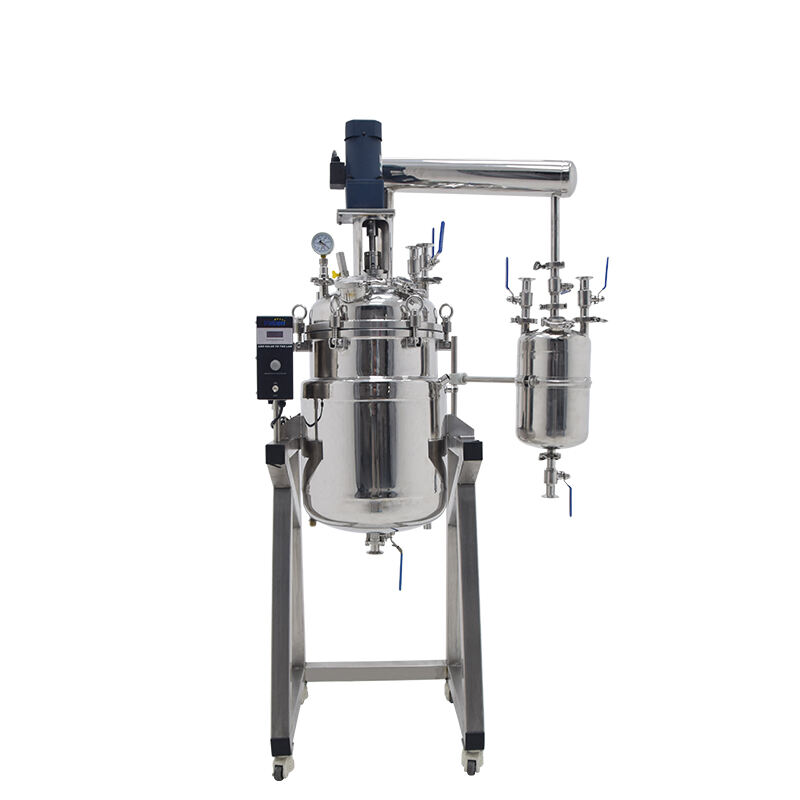
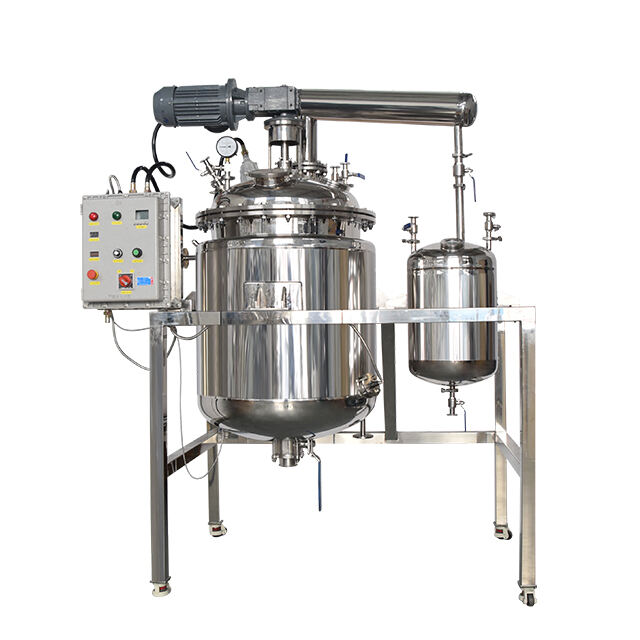
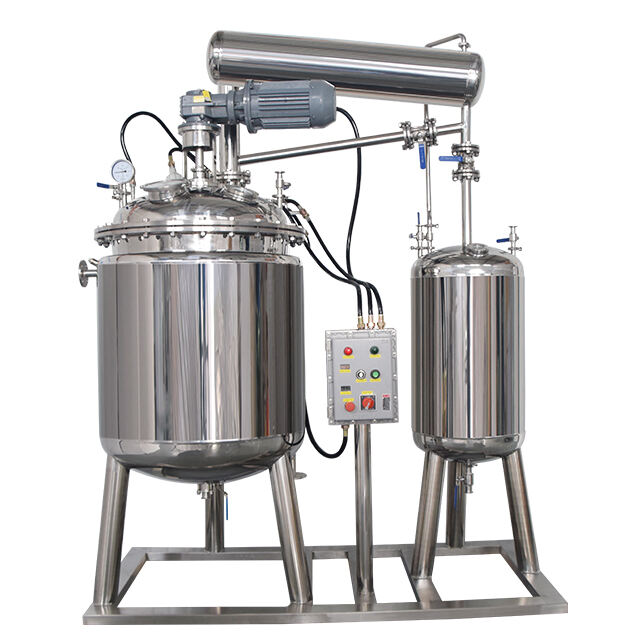
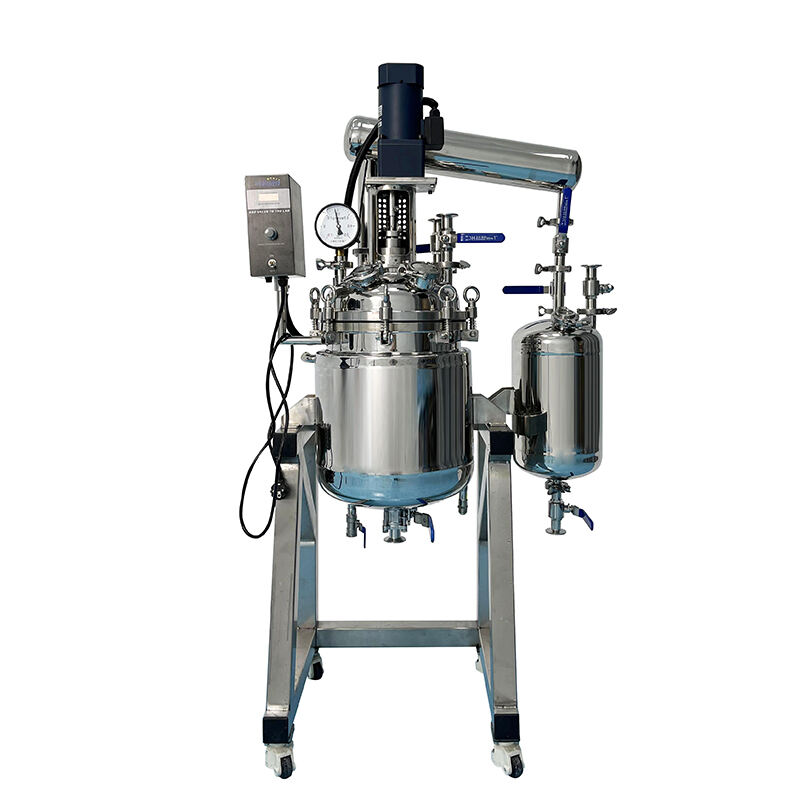
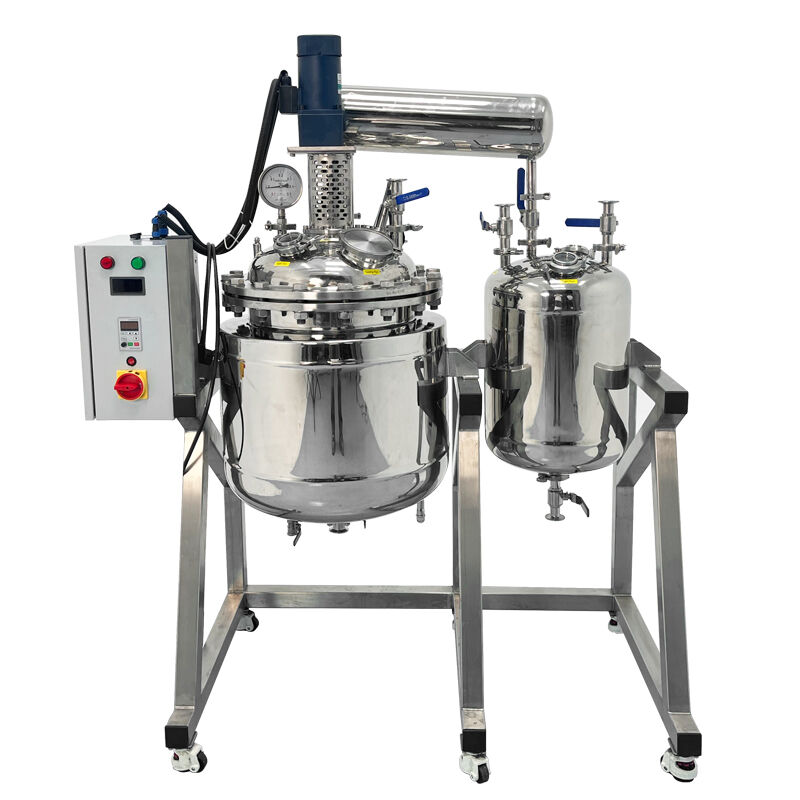
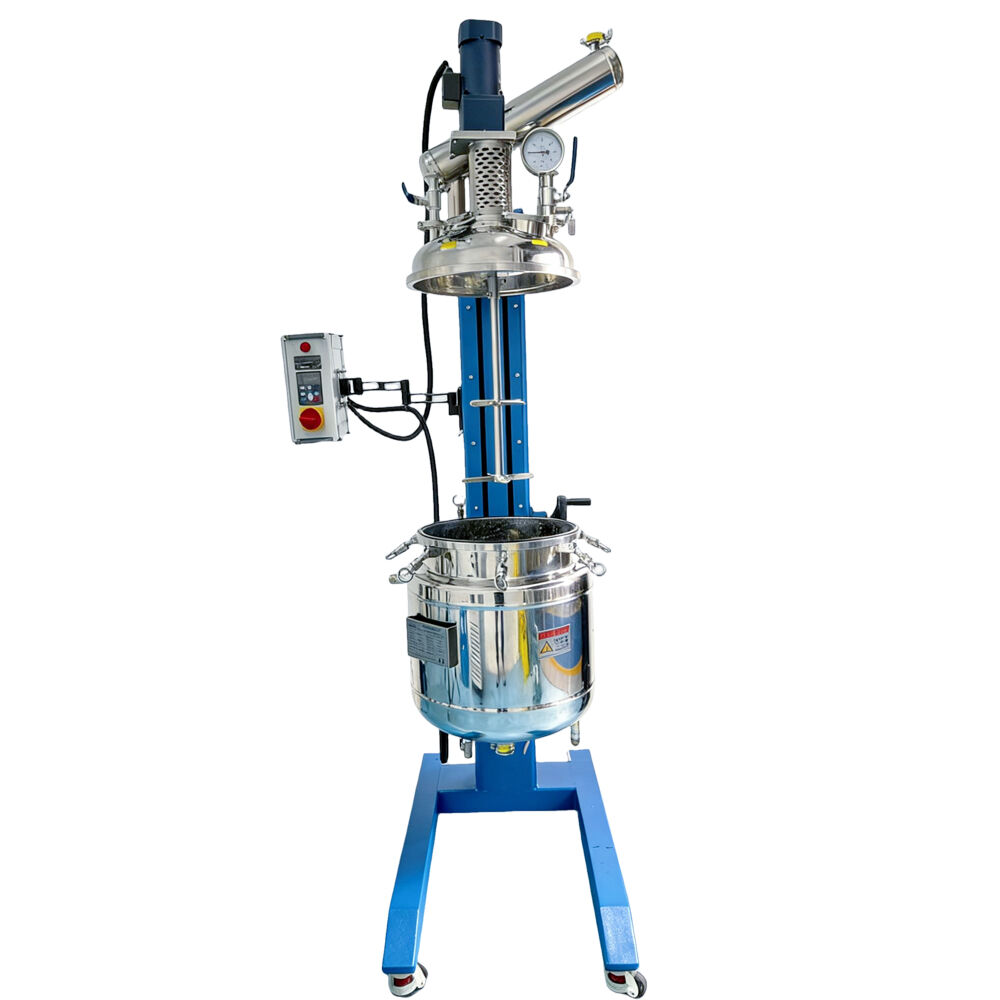
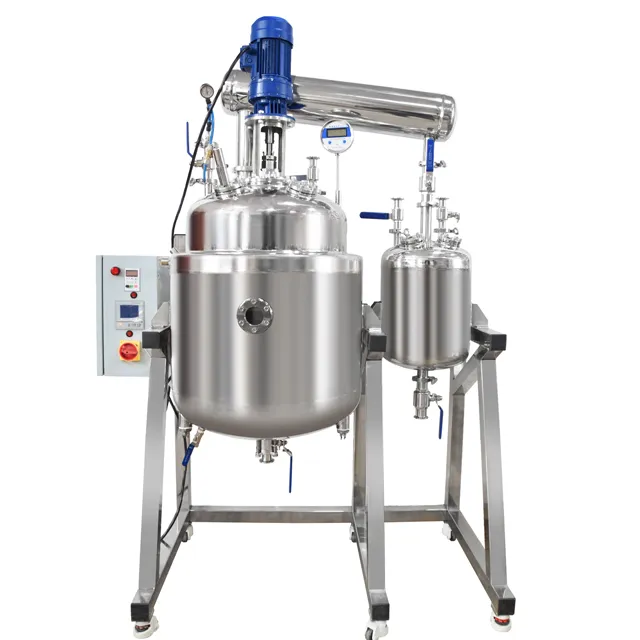
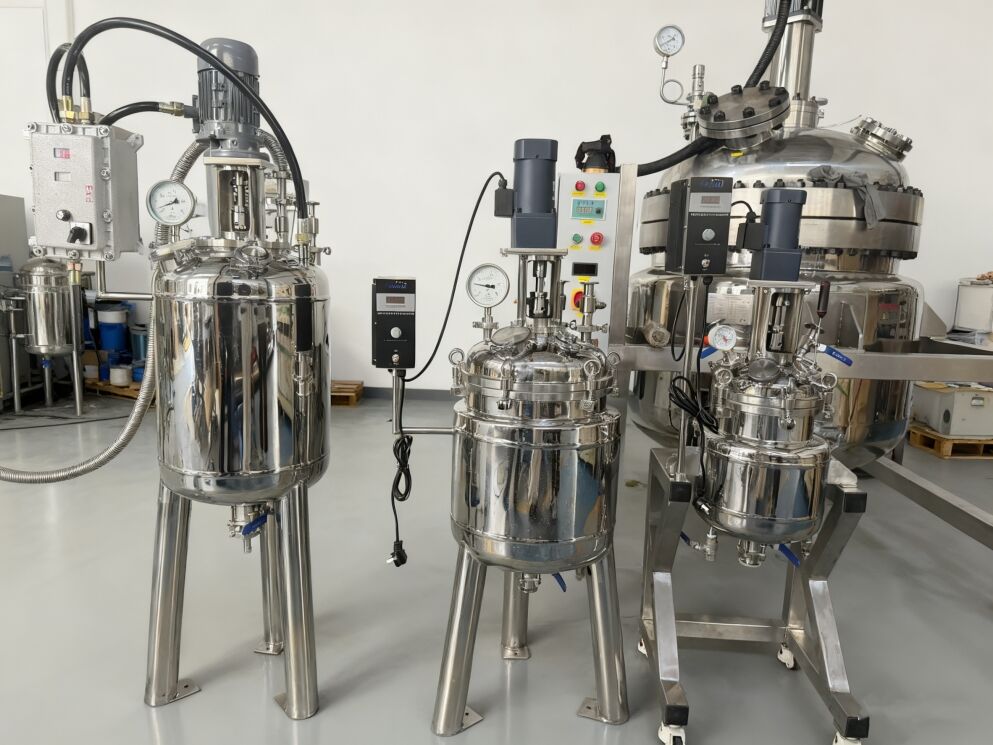
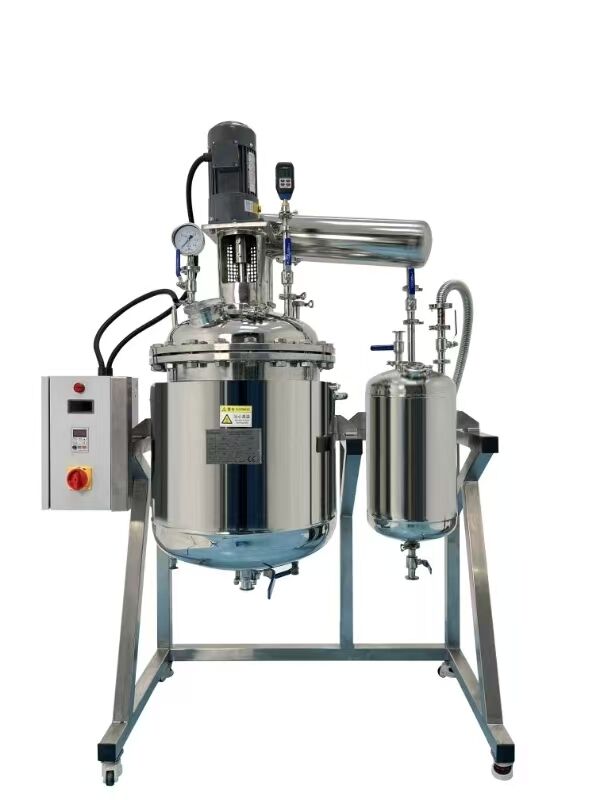
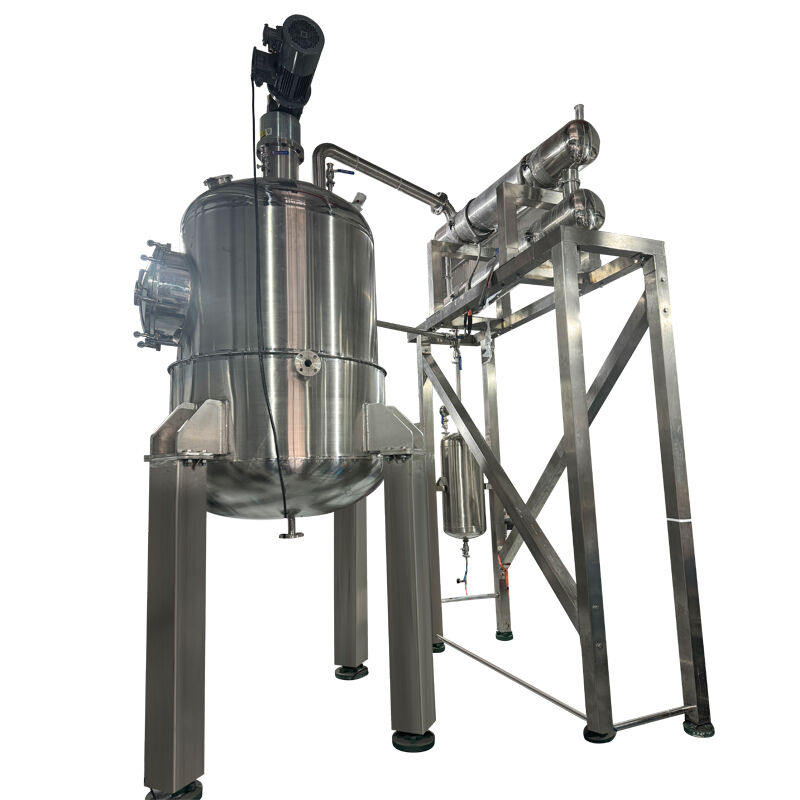
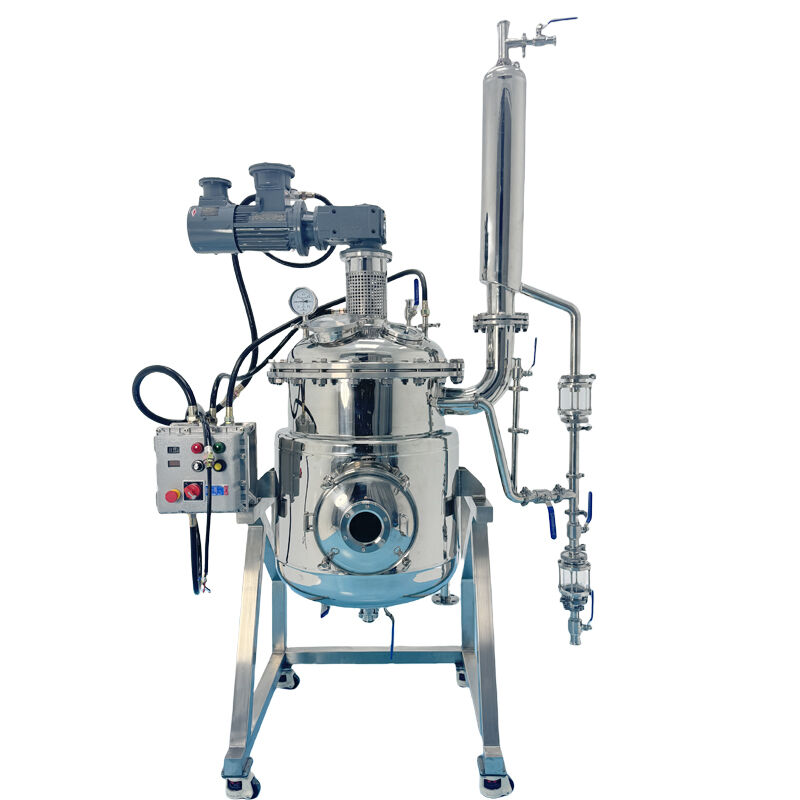
The stainless steel construction of vacuum reactors provides unparalleled chemical resistance that surpasses alternative materials in demanding industrial applications. High-grade stainless steel alloys, particularly 316L stainless steel, contain chromium, nickel, and molybdenum that create a passive oxide layer on the surface, effectively preventing corrosion from acids, bases, and organic solvents commonly used in chemical processing. This protective barrier remains stable even under the extreme conditions created by vacuum environments and temperature fluctuations during processing cycles. The smooth, non-porous surface finish achieved through proper stainless steel fabrication techniques prevents chemical absorption and bacterial growth, eliminating sources of contamination that could compromise product quality. Unlike reactors constructed from carbon steel or other materials that require protective coatings, stainless steel vacuum reactors maintain their integrity without additional surface treatments that can chip, peel, or degrade over time. This inherent resistance extends equipment lifespan significantly, reducing replacement costs and minimizing production downtime associated with equipment failure. The chemical inertness of stainless steel ensures that the reactor vessel does not contribute unwanted ions or compounds to the reaction mixture, maintaining product purity essential for pharmaceutical, food, and high-performance chemical applications. Cleaning validation becomes simpler and more reliable with stainless steel surfaces that can withstand aggressive cleaning agents and sterilization procedures without degradation. The ability to achieve and maintain sterile conditions makes stainless steel vacuum reactors indispensable for biotechnology applications where even trace contamination can compromise entire production batches. Regular maintenance procedures, including passivation treatments, restore and enhance the corrosion resistance of stainless steel surfaces, ensuring consistent performance throughout the reactor's operational lifetime. This combination of durability, cleanliness, and chemical compatibility makes stainless steel vacuum reactors the preferred choice for critical applications where product quality cannot be compromised.
 EN
EN