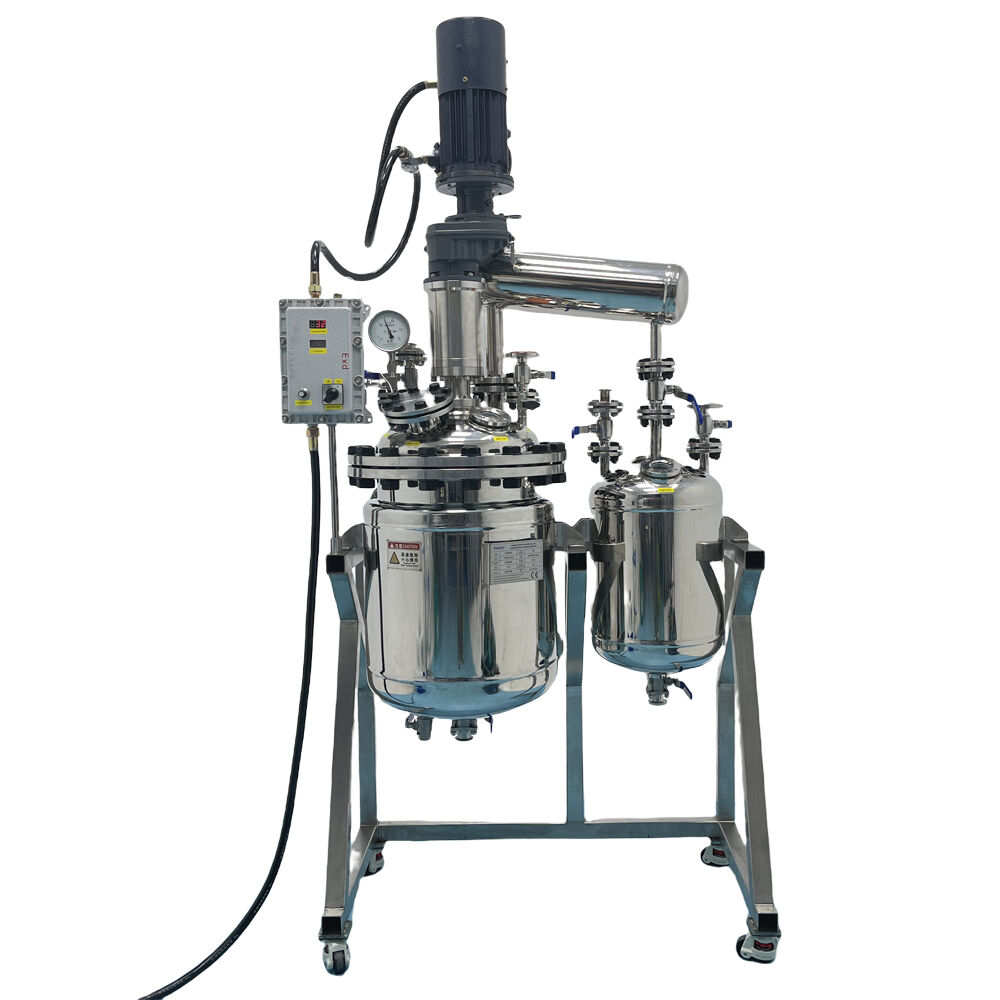
High Pressure Stainless Steel Reactor - Industrial Chemical Processing Equipment

Get a Free Quote

Our representative will contact you soon.
Email
Name
Contact Number
Company Name
Message
0/1000

high pressure stainless steel reactor

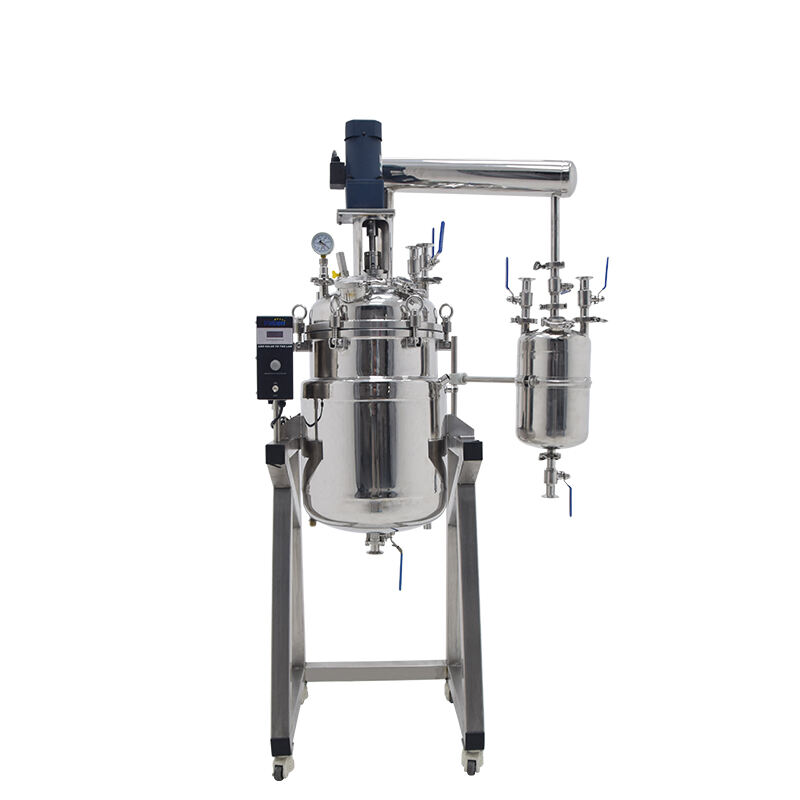
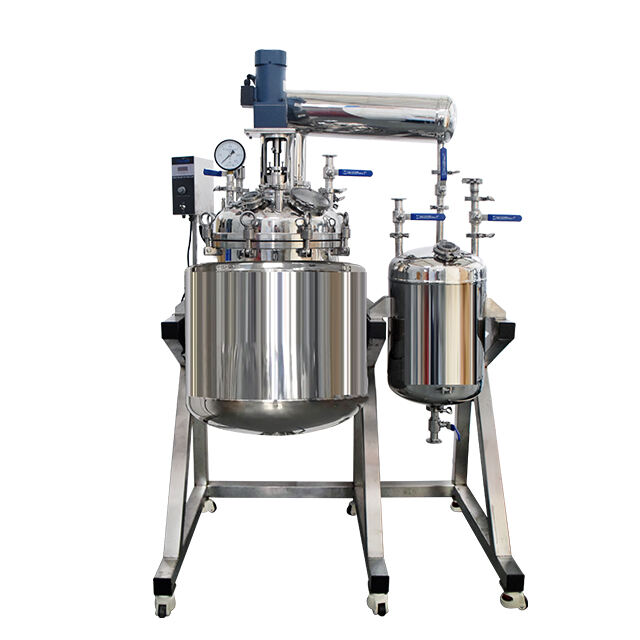
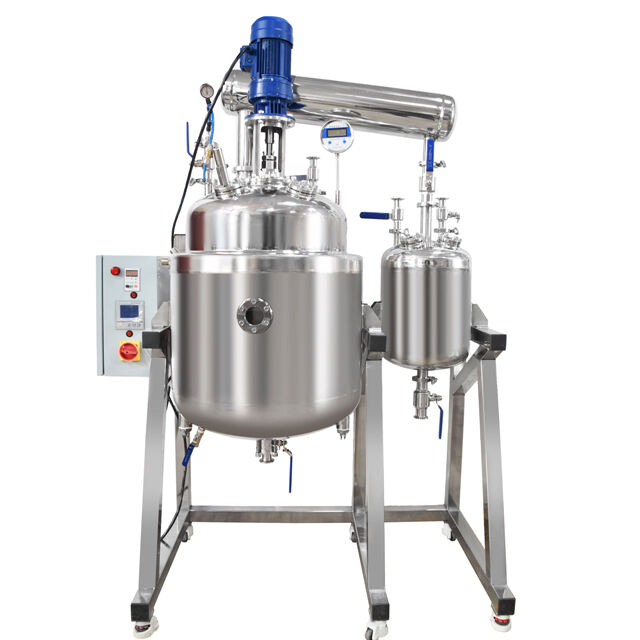
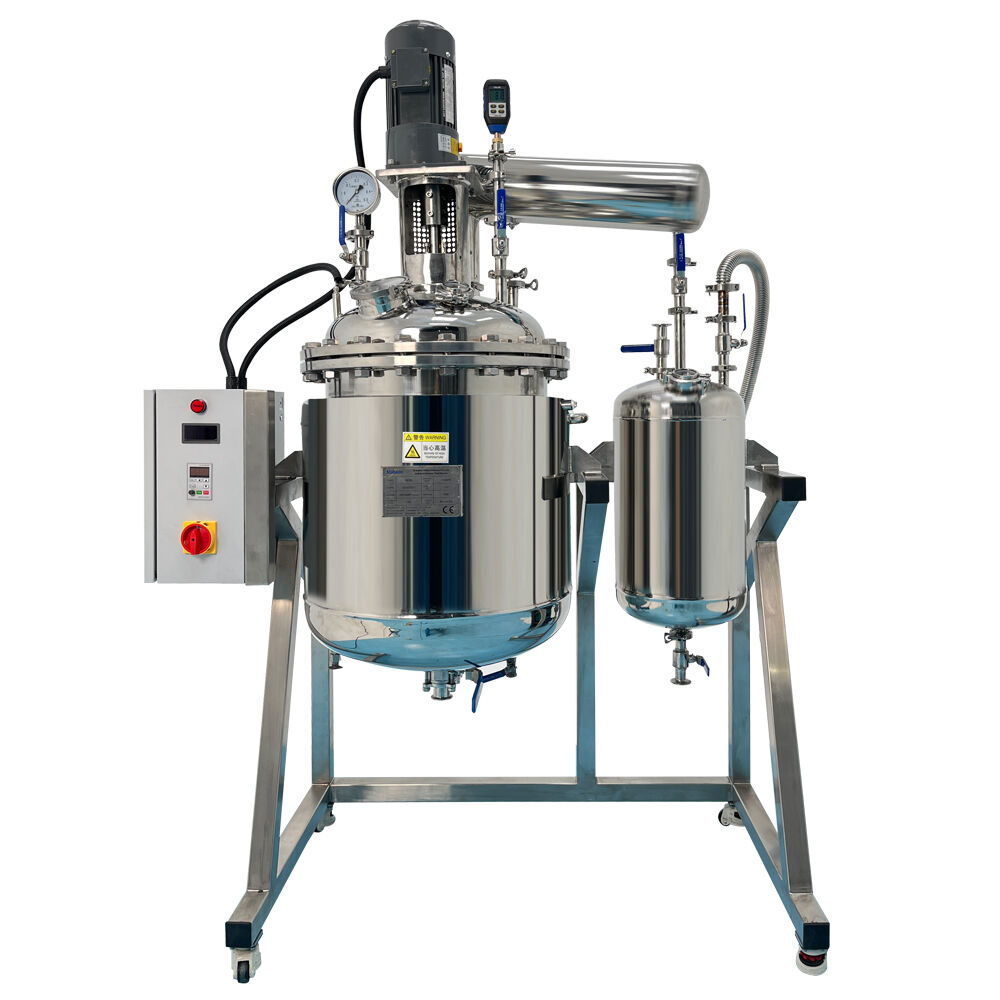
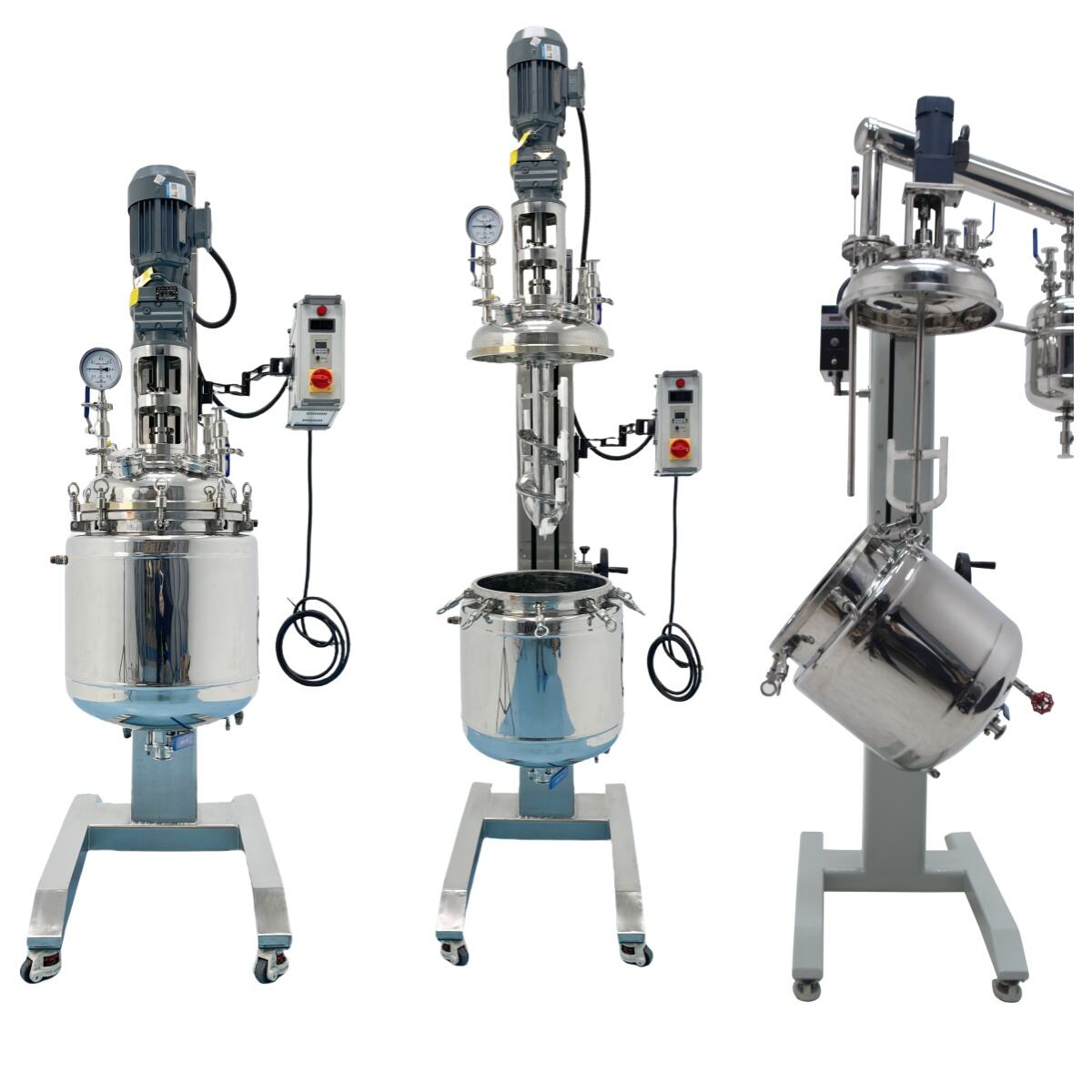
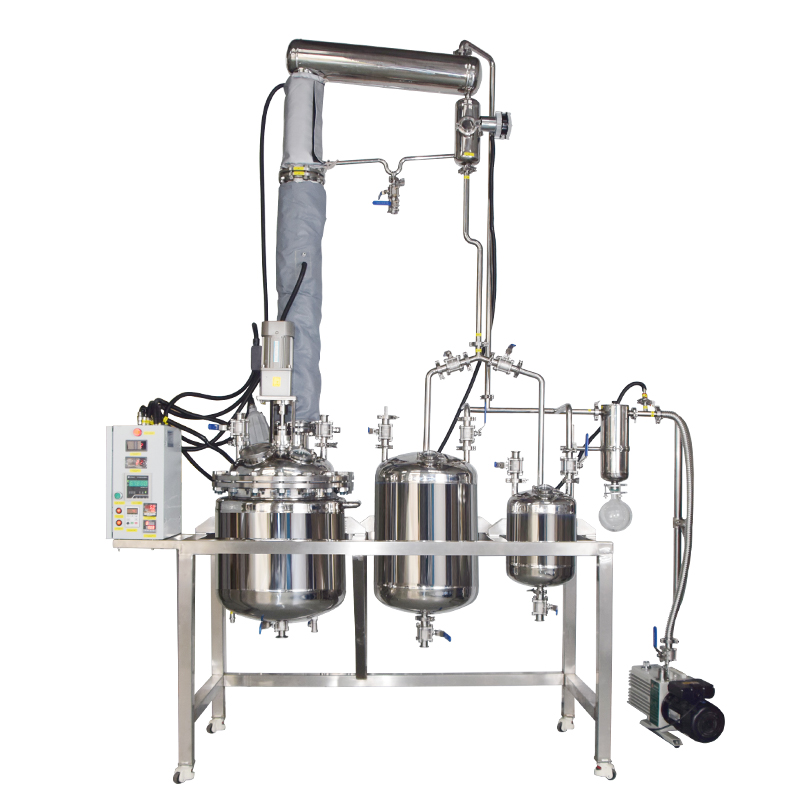
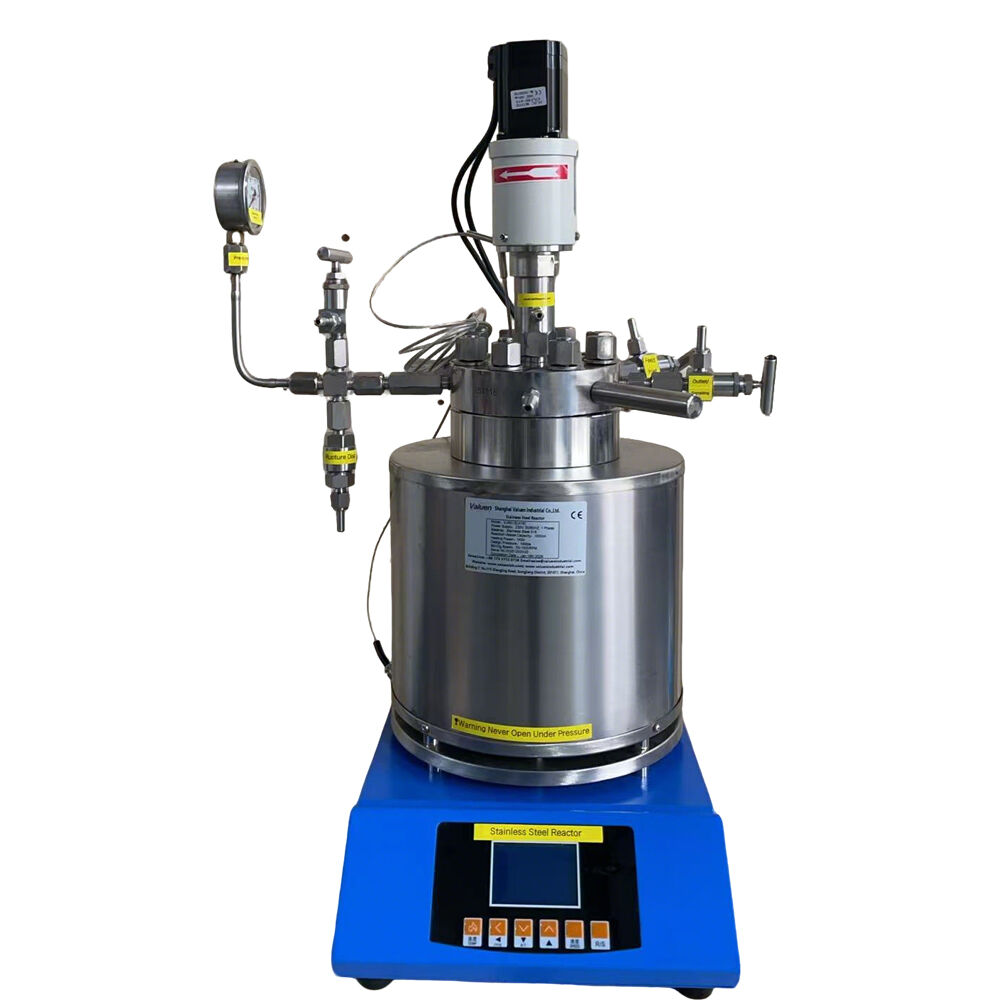
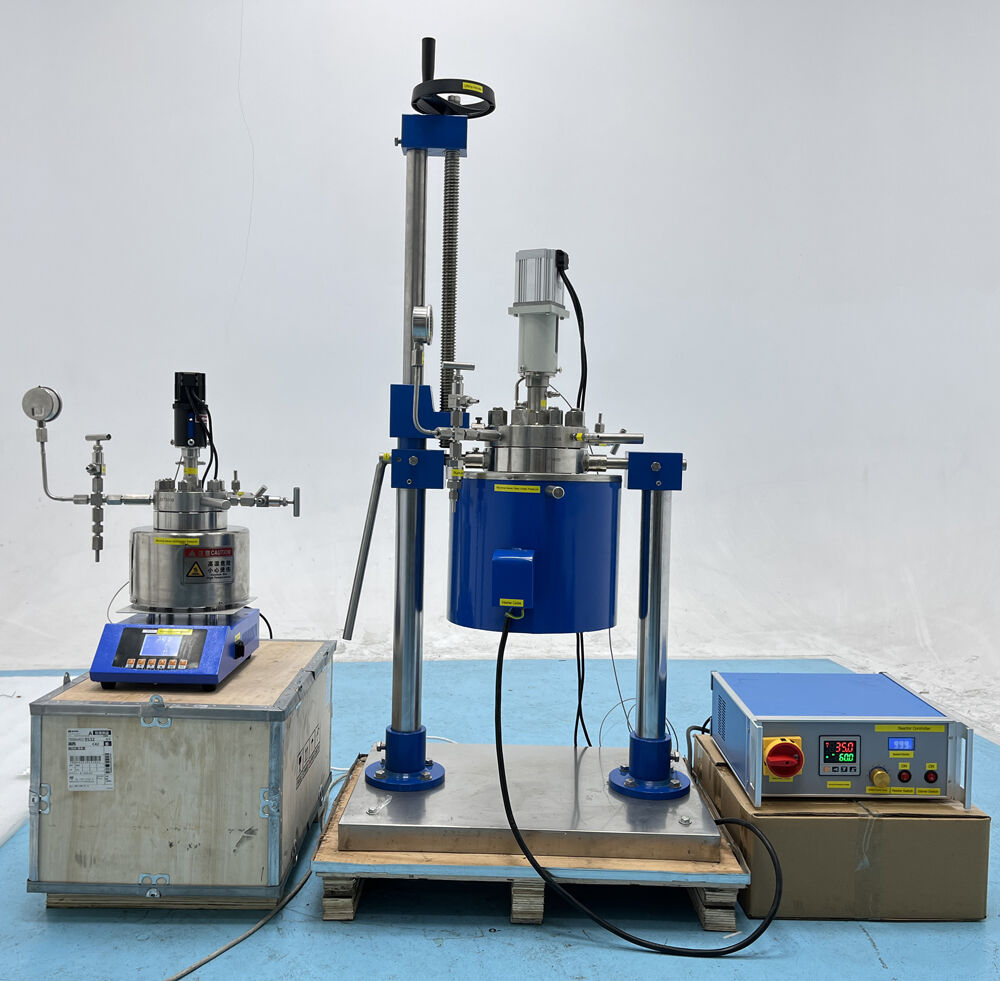
A high pressure stainless steel reactor represents a sophisticated piece of industrial equipment designed to facilitate chemical reactions under elevated pressure conditions while maintaining superior corrosion resistance and operational safety. These specialized vessels are engineered from premium-grade stainless steel alloys, typically 316L or 304 stainless steel, which provide exceptional durability and chemical compatibility across diverse processing environments. The primary function of a high pressure stainless steel reactor centers on enabling controlled chemical transformations that require pressurized atmospheres, ranging from moderate pressure applications to extreme high-pressure scenarios exceeding 1000 bar. The technological framework incorporates advanced pressure monitoring systems, temperature control mechanisms, and safety relief valves that work in unison to maintain optimal reaction parameters. These reactors feature precision-engineered pressure vessels with reinforced wall construction, ensuring structural integrity under demanding operational stress. The internal design typically includes specialized agitation systems, heating or cooling jackets, and multiple inlet and outlet ports for efficient material handling. Key technological features encompass digital pressure gauges, automated control systems, and robust sealing mechanisms that prevent leakage while maintaining process efficiency. Applications span numerous industries including pharmaceuticals, petrochemicals, specialty chemicals, food processing, and research laboratories. In pharmaceutical manufacturing, these reactors enable synthesis of active ingredients under sterile, controlled conditions. Petrochemical facilities utilize them for hydrogenation processes, polymerization reactions, and catalyst testing. The food industry employs these vessels for extraction processes, fermentation under pressure, and preservation techniques. Research institutions rely on high pressure stainless steel reactors for developing new materials, conducting reaction kinetics studies, and exploring novel synthetic pathways. The versatility of these systems makes them indispensable for any operation requiring precise pressure control combined with chemical resistance and operational reliability.

Popular Products

The high pressure stainless steel reactor delivers numerous practical benefits that directly impact operational efficiency, cost-effectiveness, and product quality for businesses across various industries. Superior corrosion resistance stands as a fundamental advantage, ensuring that the reactor maintains its structural integrity and performance even when exposed to aggressive chemicals, acids, and alkaline solutions. This resistance translates into significantly reduced maintenance costs and extended equipment lifespan, often exceeding 15-20 years with proper care. The stainless steel construction eliminates concerns about contamination that might occur with other materials, making it ideal for producing high-purity products in pharmaceutical and food applications. Enhanced safety features provide peace of mind for operators and management teams. These reactors incorporate multiple safety mechanisms including pressure relief systems, emergency venting capabilities, and robust construction that meets or exceeds international safety standards. The pressure rating capabilities allow for processing at elevated pressures that can dramatically improve reaction rates, increase yields, and enable reactions that would be impossible at atmospheric conditions. This capability often results in more efficient production cycles and higher-quality end products. Operational flexibility represents another significant advantage, as these reactors can handle wide temperature ranges, various chemical environments, and different processing scales. The modular design allows for easy customization with additional ports, sensors, or specialized components based on specific application requirements. Energy efficiency benefits emerge from the excellent heat transfer properties of stainless steel construction combined with optional insulation packages that minimize heat loss. This efficiency reduces operating costs and supports sustainable manufacturing practices. The smooth internal surfaces facilitate easy cleaning and reduce the risk of product buildup, which is particularly valuable in applications requiring frequent changeovers between different products. Maintenance requirements remain minimal due to the durable construction and corrosion-resistant properties. When maintenance is needed, the standardized design and readily available components ensure quick turnaround times and reduced downtime. Investment return accelerates through improved product quality, reduced waste, increased production capacity, and lower long-term operating costs. These reactors also maintain their resale value better than alternatives made from other materials, protecting the initial capital investment.

Practical Tips

How to Optimize Reactor Performance with Stainless Steel Material Selection and Mixing Design

12

Nov

How to Optimize Reactor Performance with Stainless Steel Material Selection and Mixing Design

Industrial chemical processing demands precise control over reaction conditions, temperature management, and material compatibility. The selection of appropriate reactor systems significantly impacts product quality, operational efficiency, and long-...
View More
What Industries Benefit Most From Advanced Fractional Distillation Systems?

24

Dec

What Industries Benefit Most From Advanced Fractional Distillation Systems?

Industrial separation processes have evolved significantly over the past century, with fractional distillation equipment emerging as one of the most critical technologies for achieving high-purity separations. This sophisticated process leverages dif...
View More
What Operating Conditions Affect Fractional Distillation Performance?

24

Dec

What Operating Conditions Affect Fractional Distillation Performance?

Fractional distillation represents one of the most critical separation techniques in chemical processing, petrochemical industries, and laboratory applications. The effectiveness of this process depends heavily on various operating conditions that di...
View More
Which Industries Benefit Most from Rotary and Liftable Stainless Steel Reactors?

20

Jan

Which Industries Benefit Most from Rotary and Liftable Stainless Steel Reactors?

Modern industrial processes demand equipment that combines durability, versatility, and operational efficiency. Stainless steel reactors have emerged as the cornerstone of numerous manufacturing operations, offering unparalleled performance across di...
View More

Get a Free Quote

Our representative will contact you soon.
Email
Name
Contact Number
Company Name
Message
0/1000

high pressure stainless steel reactor

Unmatched Pressure Handling Capability with Advanced Safety Systems

Unmatched Pressure Handling Capability with Advanced Safety Systems

The exceptional pressure handling capability of a high pressure stainless steel reactor sets it apart from conventional processing equipment, offering businesses the ability to conduct reactions at pressures ranging from moderate levels to extreme conditions exceeding 1500 bar. This remarkable pressure tolerance opens up entirely new possibilities for chemical processing, enabling reactions that require specific pressure conditions to achieve optimal yields and product quality. The advanced safety systems integrated into these reactors provide comprehensive protection through multiple redundant mechanisms that monitor and control pressure levels continuously. These safety features include precision pressure relief valves calibrated to specific operating parameters, emergency blowdown systems that can rapidly depressurize the vessel when necessary, and sophisticated monitoring equipment that provides real-time data on pressure fluctuations. The robust construction methodology employs thick-walled pressure vessel design principles, utilizing high-grade stainless steel with enhanced mechanical properties that can withstand extreme pressure cycling without fatigue or structural compromise. This capability proves invaluable in applications such as hydrogenation reactions where elevated hydrogen pressure significantly improves reaction kinetics and selectivity. Similarly, polymerization processes benefit from controlled pressure environments that influence polymer chain length and molecular weight distribution. The pressure handling advantage extends to extraction processes where supercritical conditions can be achieved, enabling more efficient separation and purification of valuable compounds. Quality control benefits emerge as reactions conducted under optimal pressure conditions typically produce more consistent results with reduced side product formation. The safety systems not only protect personnel and equipment but also ensure regulatory compliance with international standards such as ASME, CE marking, and various local safety regulations. This compliance is crucial for companies operating in regulated industries where safety documentation and certification are mandatory for operational approval.
Superior Chemical Compatibility and Contamination Prevention

Superior Chemical Compatibility and Contamination Prevention

The chemical compatibility advantages of a high pressure stainless steel reactor provide unparalleled versatility in handling diverse chemical environments, making it the preferred choice for manufacturers dealing with corrosive substances, reactive compounds, and high-purity applications. The inherent properties of pharmaceutical-grade stainless steel, particularly 316L stainless steel, offer exceptional resistance to a wide range of chemicals including organic acids, inorganic acids, alkaline solutions, and various organic solvents commonly used in industrial processes. This compatibility eliminates the risk of unwanted chemical reactions between the reactor material and process chemicals, which could lead to product contamination, equipment degradation, or safety hazards. The smooth, non-porous surface finish achievable with stainless steel construction prevents chemical absorption and facilitates complete cleaning between batches, which is essential for maintaining product quality and preventing cross-contamination. This feature proves particularly valuable in pharmaceutical manufacturing where even trace amounts of contamination can render entire batches unusable, resulting in significant financial losses and regulatory complications. The contamination prevention capabilities extend beyond chemical compatibility to include biological contamination control, as the stainless steel surface can be easily sterilized using various methods including steam sterilization, chemical sanitization, and heat treatment. Food processing applications benefit enormously from these contamination prevention features, as the reactor can maintain the integrity of sensitive ingredients while preventing the growth of harmful microorganisms. The chemical inertness of stainless steel ensures that no metallic ions leach into the product stream, maintaining the purity standards required for high-value applications such as specialty chemicals, active pharmaceutical ingredients, and food additives. Long-term cost benefits emerge from the reduced need for protective coatings, frequent equipment replacement, or extensive cleaning procedures that might be necessary with other materials. The durability against chemical attack means that the reactor maintains its performance characteristics throughout its operational lifetime, providing consistent processing results and reliable operation.
Energy Efficiency and Temperature Control Excellence

Energy Efficiency and Temperature Control Excellence

The energy efficiency and superior temperature control capabilities of a high pressure stainless steel reactor deliver substantial operational cost savings while providing precise control over reaction conditions that directly impact product quality and process optimization. The excellent thermal conductivity properties of stainless steel construction enable rapid and uniform heat transfer throughout the reactor vessel, facilitating quick heating and cooling cycles that improve process efficiency and reduce energy consumption. This thermal responsiveness allows operators to maintain tight temperature control within narrow process windows, which is critical for temperature-sensitive reactions where even small deviations can significantly impact yield, selectivity, and product quality. The integrated jacket systems available with these reactors provide multiple heating and cooling options including steam, hot oil, cooling water, or specialized heat transfer fluids, allowing optimization for specific temperature requirements and available utilities. Advanced insulation packages minimize heat loss to the environment, reducing the energy required to maintain process temperatures and creating more stable operating conditions. This thermal efficiency translates directly into lower utility costs, reduced environmental impact, and improved process sustainability. Temperature uniformity throughout the reactor volume ensures consistent reaction conditions, eliminating hot spots or cold zones that could lead to uneven product quality or unwanted side reactions. The precise temperature control capabilities enable implementation of complex temperature profiles including controlled heating ramps, isothermal holds, and programmed cooling sequences that optimize reaction pathways and product characteristics. Energy recovery opportunities exist through heat integration systems that capture waste heat from cooling operations and utilize it for preheating incoming materials or supporting other plant operations. The rapid temperature response characteristics reduce batch cycle times by minimizing heating and cooling periods, increasing throughput and improving equipment utilization rates. Digital temperature monitoring and control systems provide real-time process data that enables optimization of energy usage patterns and identification of efficiency improvement opportunities. These temperature control advantages prove particularly valuable in applications such as crystallization processes where precise temperature profiles determine crystal size and morphology, or in fermentation applications where temperature control directly impacts biological activity and product formation rates.

Get a Free Quote

Our representative will contact you soon.
Email
Name
Contact Number
Company Name
Message
0/1000