 EN
EN

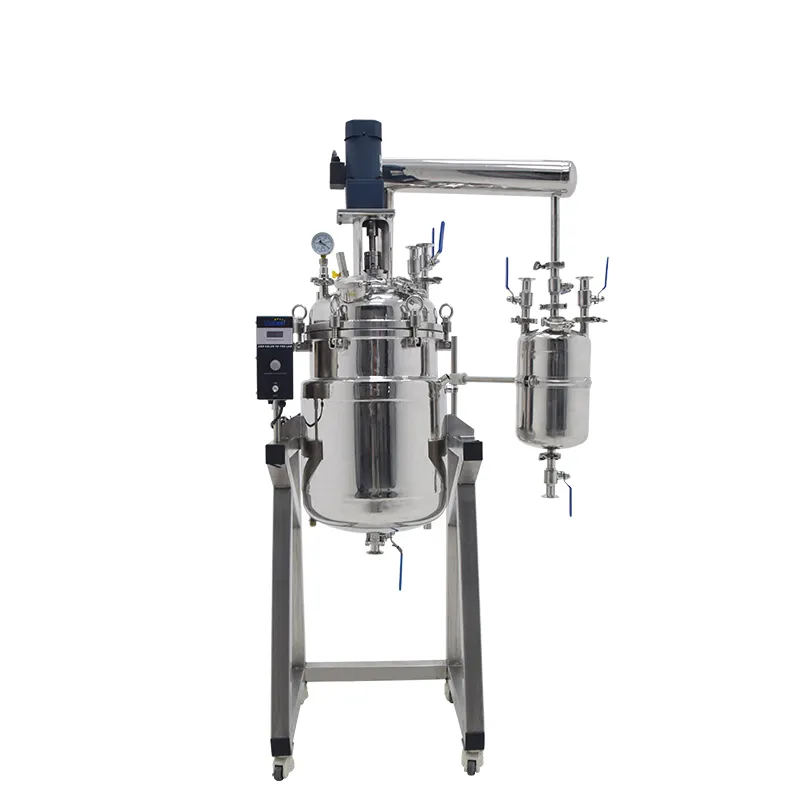
Chemical processing industries rely heavily on precise reaction control and optimal safety measures to achieve consistent production outcomes. The selection of appropriate reactor materials and design features directly impacts both operational efficiency and worker safety protocols. Modern manufacturing demands equipment that can withstand aggressive chemical environments while maintaining precise temperature and pressure control throughout complex reaction processes.
Industrial reactor vessels serve as the cornerstone of pharmaceutical, petrochemical, and specialty chemical manufacturing operations. These critical components must deliver reliable performance under extreme conditions while ensuring product purity and operator safety. Advanced reactor technologies have evolved to meet increasingly stringent regulatory requirements and production efficiency targets across diverse industrial applications.
Material Properties and Corrosion Resistance
Superior Alloy Composition
Stainless steel reactors incorporate chromium, nickel, and molybdenum alloys that provide exceptional resistance to chemical attack and oxidation. The chromium content forms a passive oxide layer that self-repairs when damaged, creating a permanent protective barrier against corrosive substances. This inherent protection mechanism ensures long-term durability and reduces maintenance requirements compared to carbon steel alternatives.
The austenitic structure of high-grade stainless steel maintains mechanical integrity across wide temperature ranges while resisting stress corrosion cracking. Molybdenum additions enhance pitting resistance in chloride environments, making these reactors suitable for halogenated compound processing. The material's non-magnetic properties also prevent interference with magnetic stirring systems and analytical instruments.
Chemical Compatibility
Stainless steel demonstrates excellent compatibility with acids, bases, organic solvents, and oxidizing agents commonly used in chemical synthesis. The material's inert surface prevents catalytic decomposition of sensitive compounds and eliminates metal ion contamination in pharmaceutical applications. This chemical neutrality ensures consistent reaction stoichiometry and product quality across batch cycles.
Surface finishing techniques such as electropolishing create mirror-smooth surfaces that minimize particle adhesion and facilitate complete cleaning between batches. The reduced surface roughness eliminates crevices where bacteria or contaminants could accumulate, supporting stringent hygiene requirements in food and pharmaceutical processing applications.
Heat Transfer Efficiency and Temperature Control
Thermal Conductivity Advantages
The thermal conductivity of stainless steel enables rapid heat transfer between heating/cooling media and reaction mixtures, facilitating precise temperature control during exothermic and endothermic processes. Jacketed reactor designs maximize heat exchange surface area while maintaining uniform temperature distribution throughout the vessel volume. This efficient heat management prevents hot spots that could cause product degradation or runaway reactions.
Advanced stainless steel reactor configurations incorporate internal coils, external jackets, and baffle systems to optimize heat transfer rates. The material's thermal stability allows operation at elevated temperatures without structural deformation or metallurgical changes that could compromise vessel integrity.
Temperature Uniformity
Stainless steel's thermal properties promote even temperature distribution, eliminating temperature gradients that can cause incomplete conversions or unwanted side reactions. The material's expansion characteristics remain predictable across operating temperature ranges, maintaining seal integrity and preventing thermal stress failures. This thermal stability ensures consistent reaction conditions and reproducible results.
Integrated temperature sensing systems provide real-time monitoring and feedback control, enabling automated temperature ramping and isothermal operation. The reactor's thermal mass provides natural damping against temperature fluctuations, improving process stability and reducing the need for aggressive control actions that could disturb reaction equilibrium.
Pressure Handling and Structural Integrity
High-Pressure Capabilities
Stainless steel reactors accommodate high-pressure reactions essential for hydrogenation, carbonylation, and supercritical fluid processing applications. The material's yield strength and fracture toughness support safe operation at pressures exceeding 100 bar while maintaining adequate safety margins. Proper vessel design and fabrication techniques ensure compliance with pressure vessel codes and safety standards.
Forged stainless steel components eliminate weld joints in critical stress areas, reducing failure risks and extending service life. The material's resistance to hydrogen embrittlement makes it suitable for high-pressure hydrogen reactions where carbon steel would become brittle and prone to catastrophic failure.
Fatigue Resistance
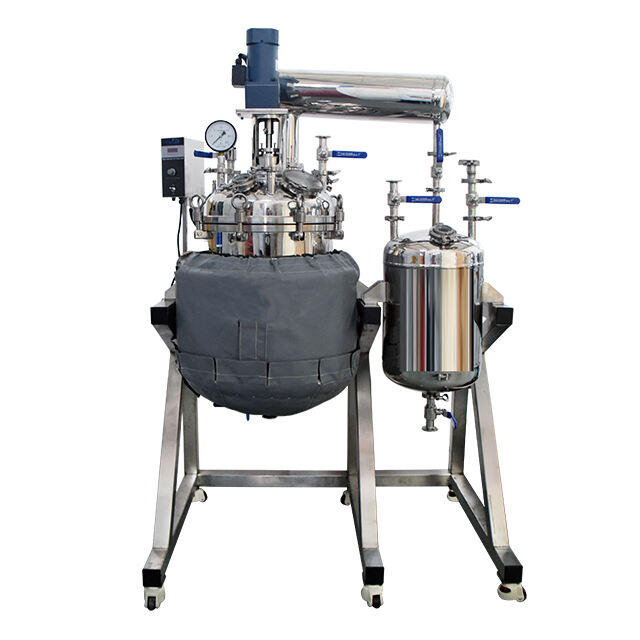
The fatigue properties of stainless steel support repeated pressure cycling without crack initiation or propagation. This durability is crucial for batch reactors that experience frequent pressurization and depressurization cycles throughout their service life. The material's work-hardening characteristics actually improve strength properties during initial operation periods.
Stress analysis and finite element modeling optimize reactor geometry to minimize stress concentrations at nozzle connections and structural discontinuities. Proper stress relief heat treatment eliminates residual stresses from fabrication, ensuring predictable mechanical behavior under operating loads.
Safety Features and Risk Mitigation
Fire and Explosion Prevention
Stainless steel's non-combustible properties eliminate reactor vessel contribution to fire hazards in chemical processing environments. The material maintains structural integrity at elevated temperatures, providing time for emergency response procedures during thermal incidents. This fire resistance is particularly important when processing flammable solvents or reactive chemicals.
The electrical conductivity of stainless steel enables effective grounding systems that prevent static electricity accumulation during powder handling or low-conductivity liquid transfers. Proper grounding eliminates ignition sources that could trigger explosions in volatile atmospheres surrounding the reactor.
Containment and Leak Prevention
Welded stainless steel construction provides superior containment compared to gasketed joints or mechanical connections that may fail under stress. The material's compatibility with elastomeric seals ensures long-term sealing performance without chemical degradation or swelling. This reliability prevents hazardous material releases that could endanger personnel or contaminate the environment.
Secondary containment features such as double-wall construction and leak detection systems provide additional safety layers for toxic or environmentally sensitive materials. The corrosion resistance ensures containment integrity throughout the reactor's design life, preventing gradual deterioration that could compromise safety systems.
Cleaning and Maintenance Advantages
Sanitization Efficiency
The smooth, non-porous surface of stainless steel facilitates thorough cleaning and sanitization between production runs. Clean-in-place (CIP) systems effectively remove product residues, cleaning agents, and microbiological contamination without manual intervention. This automation reduces cleaning time, labor costs, and exposure risks for maintenance personnel.
Steam sterilization capabilities enable high-temperature sanitization that destroys bacterial spores and viruses without chemical disinfectants. The material's thermal shock resistance allows rapid heating and cooling cycles that optimize sterilization effectiveness while minimizing downtime between batches.
Maintenance Requirements
Stainless steel reactors require minimal preventive maintenance compared to alternative materials that may require frequent coating repairs or replacement of corroded components. The material's durability extends service intervals and reduces spare parts inventory requirements. This reliability translates to higher equipment availability and reduced maintenance costs over the reactor's operational lifetime.
Visual inspection techniques easily detect surface defects or damage on stainless steel surfaces, enabling proactive maintenance before problems affect reactor performance. Non-destructive testing methods such as ultrasonic thickness measurement monitor wall thinning and ensure continued safe operation.
FAQ
What grades of stainless steel are commonly used in reactor construction?
The most frequently used grades include 316L for general chemical processing due to its low carbon content and molybdenum addition, 321 for high-temperature applications with its titanium stabilization, and duplex grades like 2205 for aggressive chloride environments. Grade selection depends on specific chemical compatibility requirements, operating temperatures, and pressure conditions of the intended application.
How do stainless steel reactors compare to glass-lined reactors in terms of durability?
Stainless steel reactors offer superior mechanical durability and impact resistance compared to glass-lined vessels, which are susceptible to thermal shock and mechanical damage. While glass linings provide excellent chemical inertness, stainless steel eliminates the risk of coating failure and subsequent substrate corrosion, making it more suitable for high-pressure applications and frequent temperature cycling.
Can stainless steel reactors be used for pharmaceutical manufacturing?
Yes, stainless steel reactors are extensively used in pharmaceutical manufacturing due to their compliance with FDA and cGMP requirements. The material's cleanability, sterilization capability, and lack of product contamination make it ideal for API synthesis, biotechnology processes, and sterile manufacturing. Proper surface finishes and documentation support validation requirements for pharmaceutical applications.
What factors affect the heat transfer efficiency in stainless steel reactors?
Heat transfer efficiency depends on wall thickness, surface area, fluid properties, and heat exchanger design. Thinner walls improve heat transfer but must balance structural requirements, while jacketed designs or internal coils maximize surface area. Proper agitation ensures uniform heat distribution, and fouling prevention maintains heat transfer coefficients throughout the batch cycle.
Table of Contents
- Material Properties and Corrosion Resistance
- Heat Transfer Efficiency and Temperature Control
- Pressure Handling and Structural Integrity
- Safety Features and Risk Mitigation
- Cleaning and Maintenance Advantages
-
FAQ
- What grades of stainless steel are commonly used in reactor construction?
- How do stainless steel reactors compare to glass-lined reactors in terms of durability?
- Can stainless steel reactors be used for pharmaceutical manufacturing?
- What factors affect the heat transfer efficiency in stainless steel reactors?