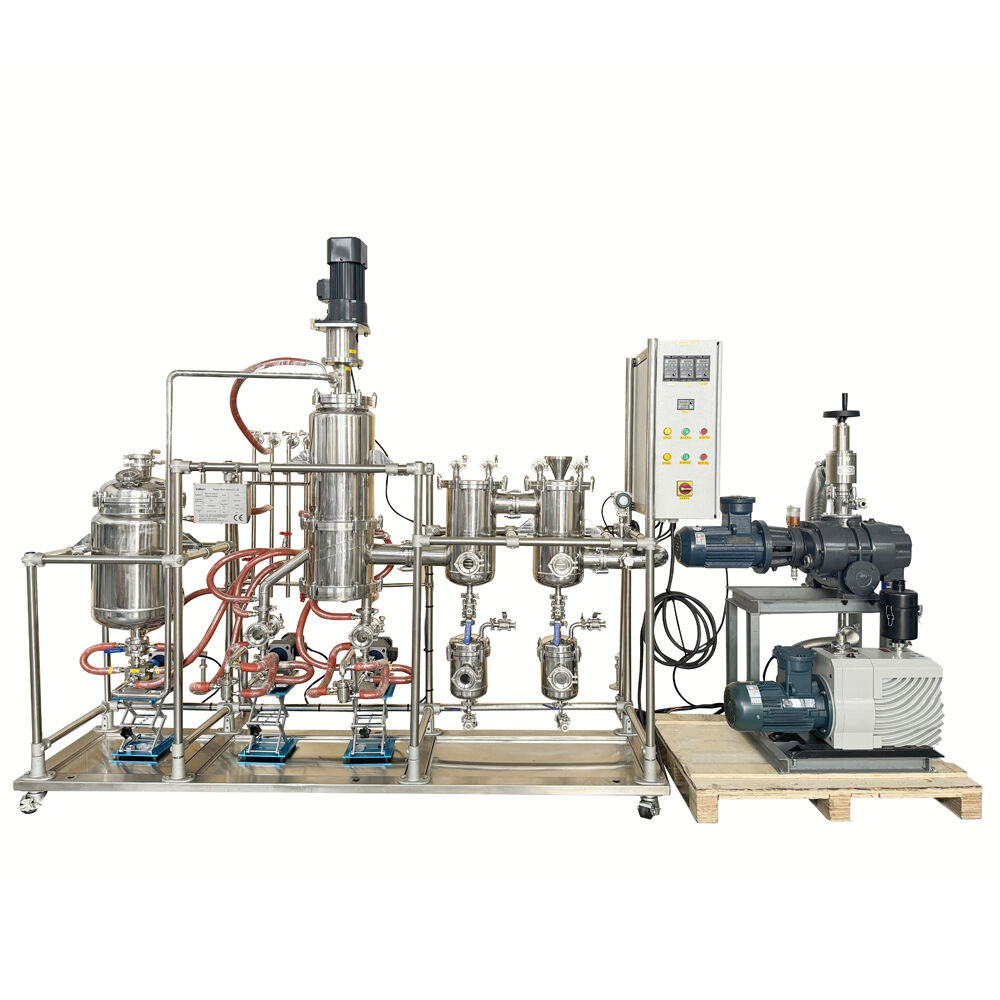
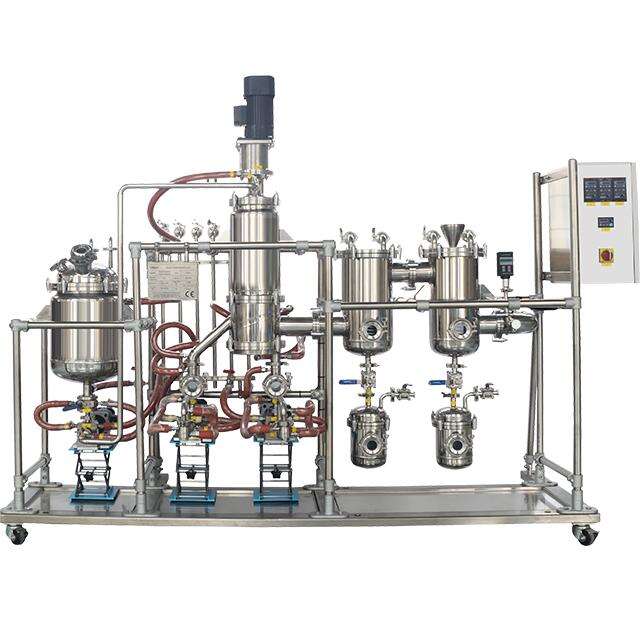
Advanced Pharmaceutical Molecular Distillation Systems - Precision Purification Technology

Get a Free Quote

Our representative will contact you soon.
Email
Name
Contact Number
Company Name
Message
0/1000

pharmaceutical molecular distillation

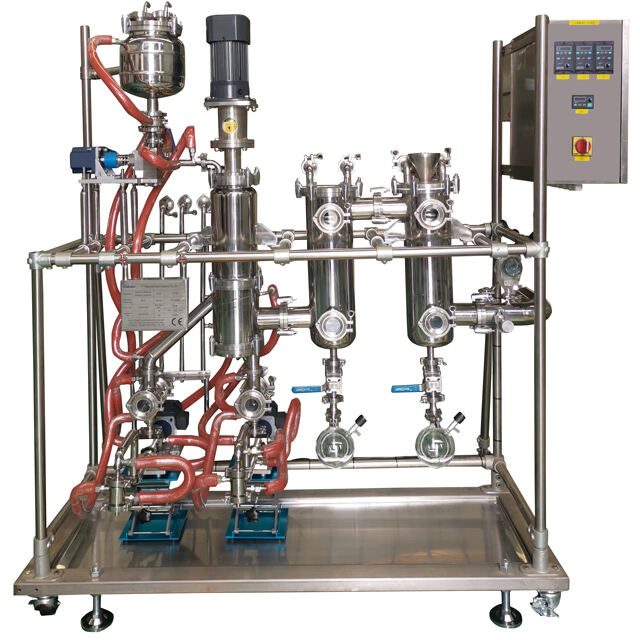
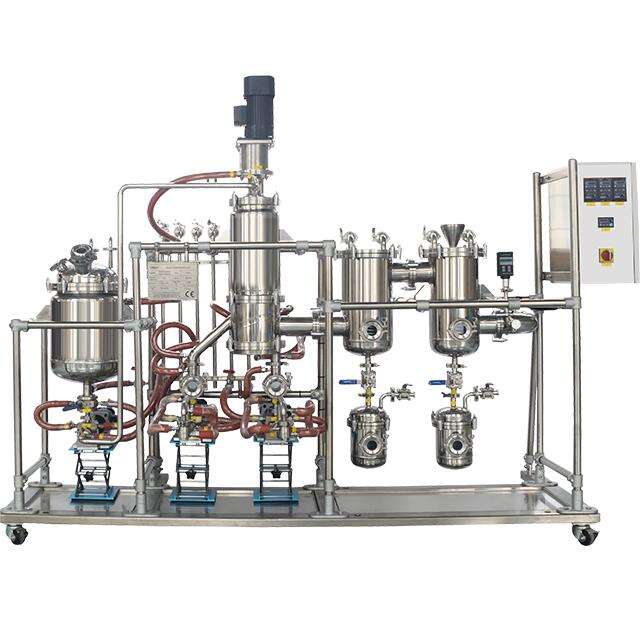
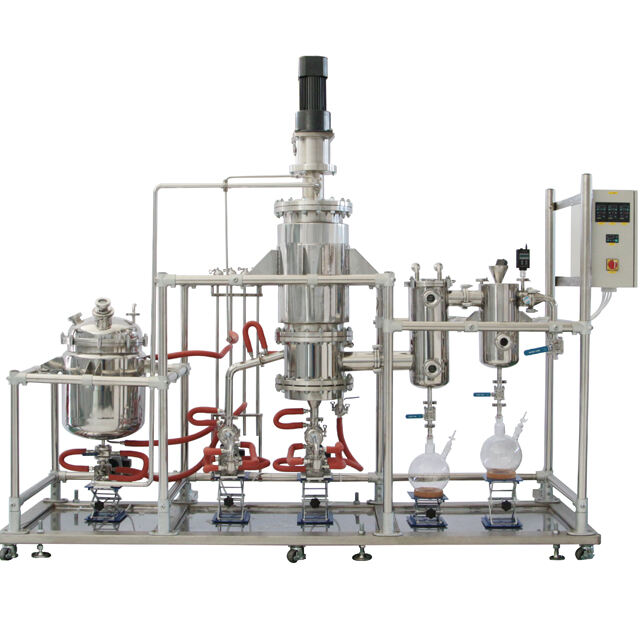
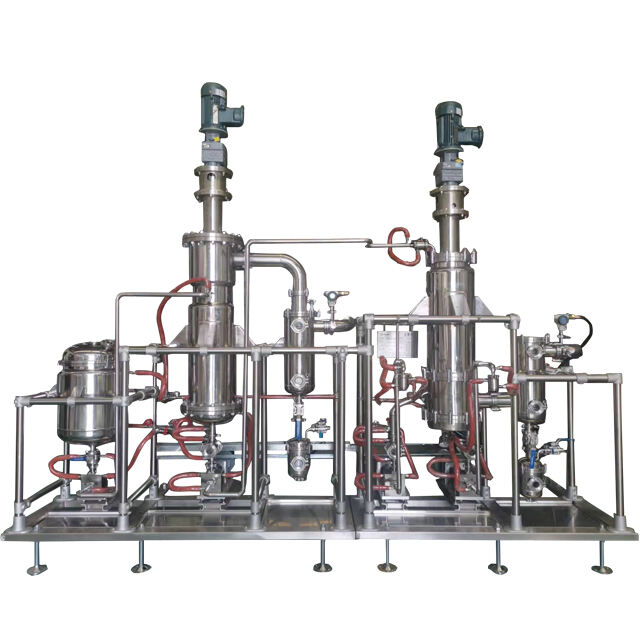
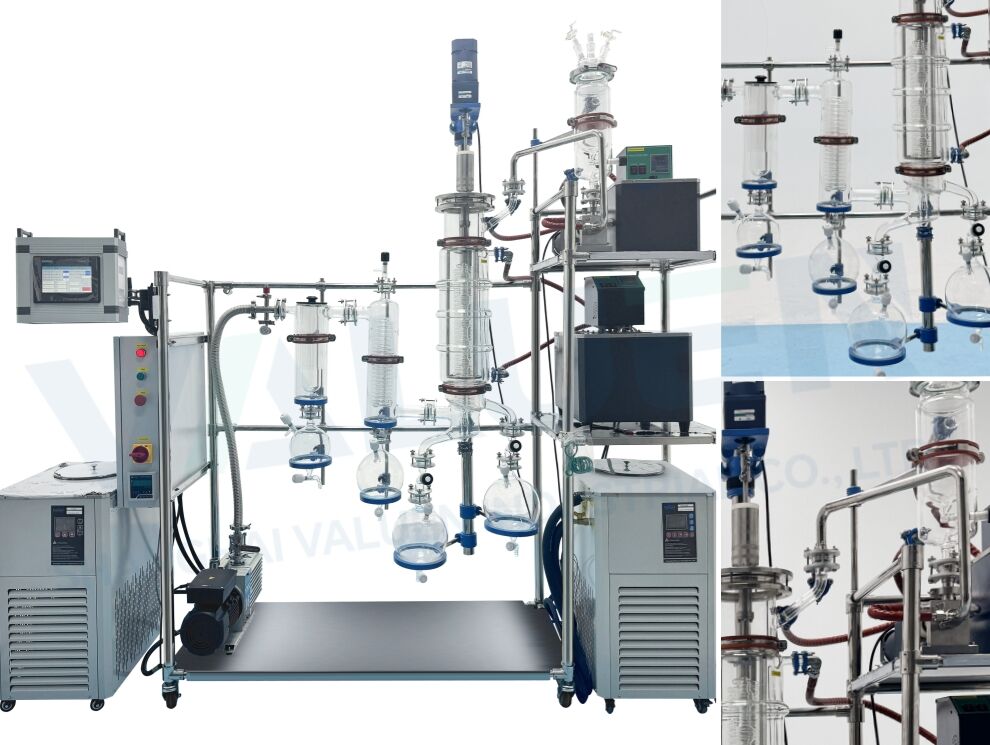
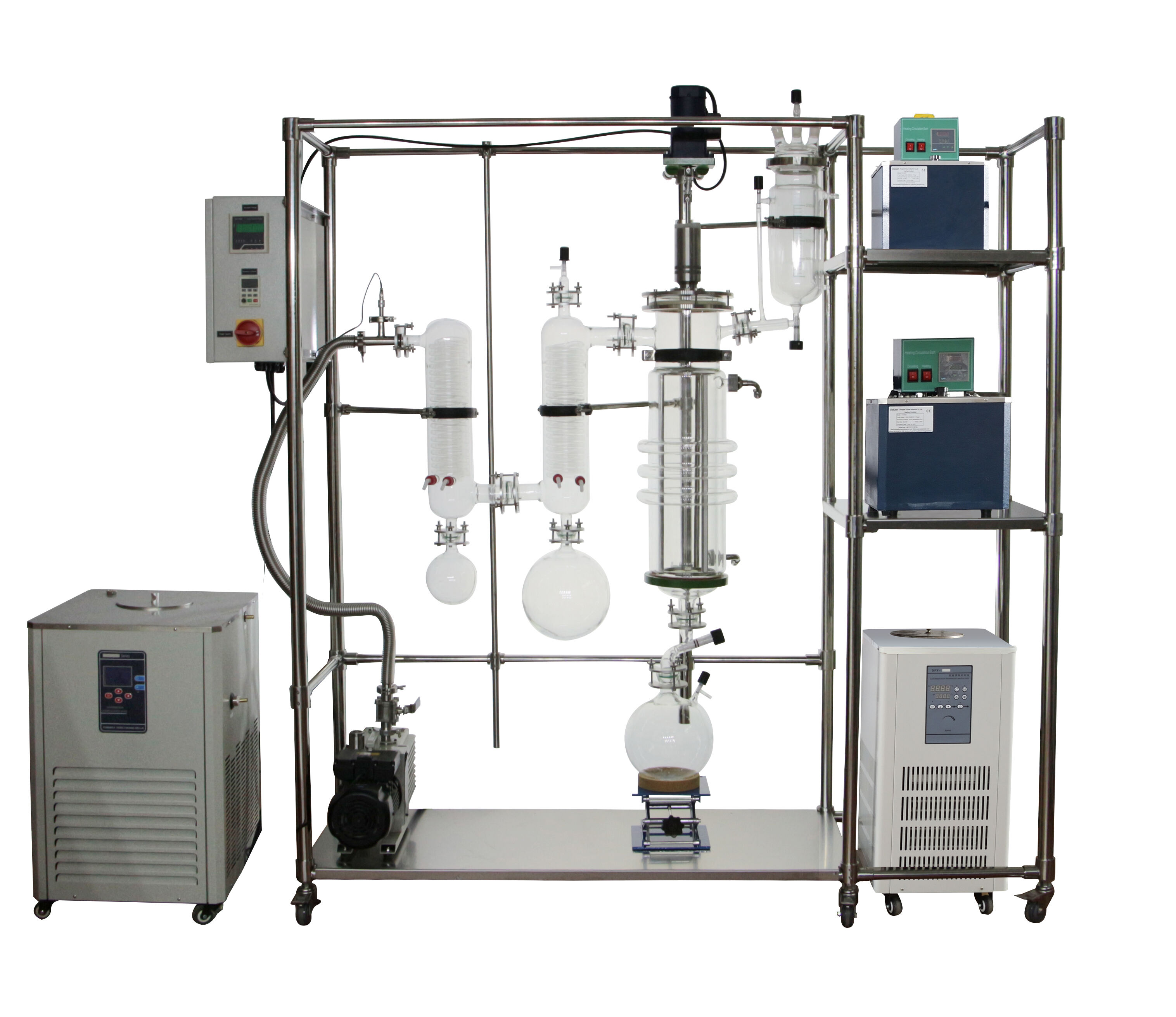
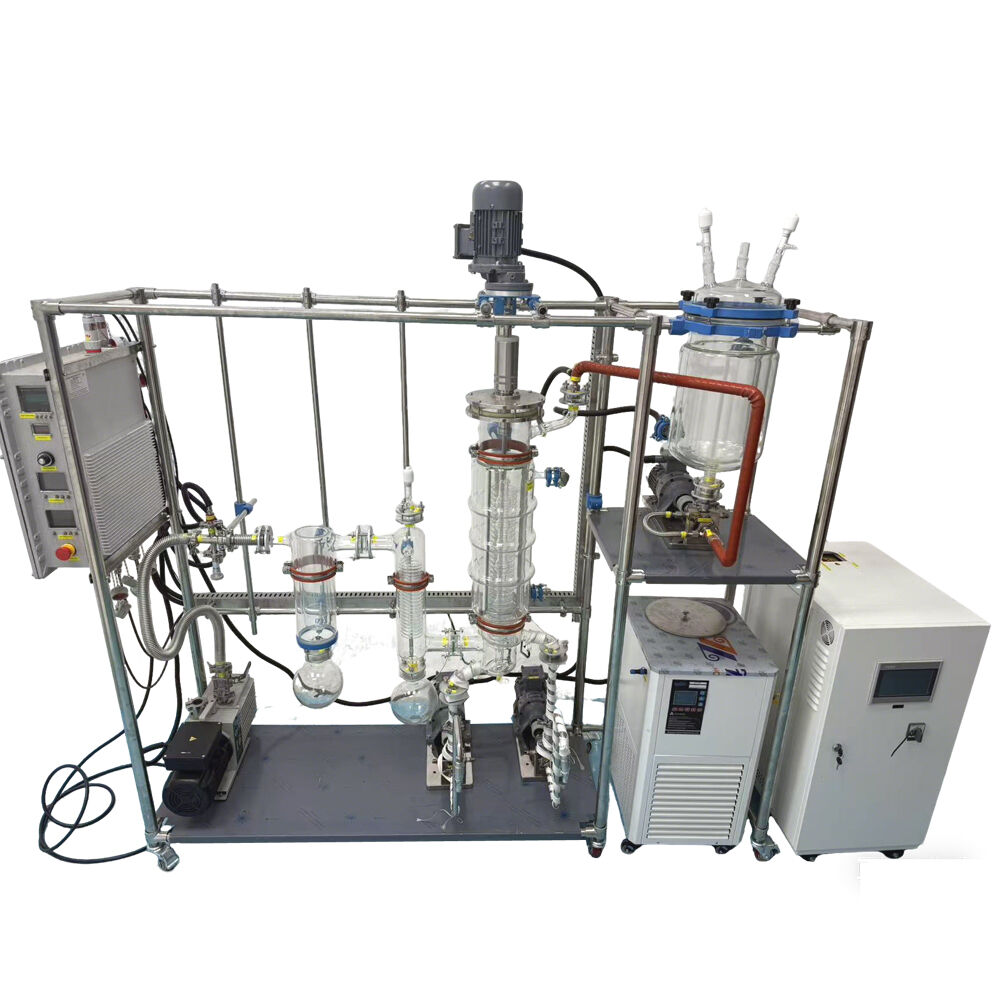
Pharmaceutical molecular distillation represents a cutting-edge separation technology specifically designed for the purification and refinement of heat-sensitive pharmaceutical compounds. This sophisticated process operates under high vacuum conditions at extremely low temperatures, enabling the separation of molecules based on their mean free path differences rather than traditional boiling point variations. The pharmaceutical molecular distillation system utilizes short-path distillation principles, where the distance between the evaporator and condenser surfaces is minimized to reduce thermal exposure and prevent molecular degradation. The main functions of pharmaceutical molecular distillation include the purification of active pharmaceutical ingredients, removal of impurities and contaminants, concentration of valuable compounds, and separation of complex molecular mixtures. The technology features precise temperature control systems, ultra-high vacuum chambers, and specialized evaporator surfaces that ensure optimal separation efficiency. Key technological characteristics include operating pressures as low as 0.001 mbar, evaporator temperatures ranging from 50°C to 300°C, and residence times measured in seconds rather than hours. The pharmaceutical molecular distillation equipment incorporates advanced materials such as stainless steel construction, glass-lined surfaces, and specialized heating elements that maintain product integrity throughout the process. Applications span across various pharmaceutical sectors including vitamin purification, steroid separation, essential oil refinement, and the processing of thermally unstable compounds. The technology proves particularly valuable for producing high-purity pharmaceutical intermediates, isolating bioactive compounds from natural sources, and recovering solvents for reuse in manufacturing processes. Modern pharmaceutical molecular distillation systems feature automated control systems, real-time monitoring capabilities, and compliance with stringent pharmaceutical manufacturing standards including GMP requirements.

New Product Releases

Pharmaceutical molecular distillation offers numerous practical benefits that directly impact manufacturing efficiency and product quality. The technology operates at significantly lower temperatures compared to conventional distillation methods, preventing thermal degradation of sensitive pharmaceutical compounds and maintaining their biological activity. This temperature advantage translates into higher yields of active ingredients and reduced production costs through minimized waste. The short residence time in pharmaceutical molecular distillation systems, typically measured in seconds, drastically reduces the exposure of products to heat stress, preserving molecular integrity and ensuring consistent quality output. Manufacturers benefit from the exceptional purity levels achievable through this process, often reaching 95-99% purity for pharmaceutical ingredients, which eliminates the need for additional purification steps and reduces overall processing time. The gentle separation process maintains the structural integrity of complex molecules, making pharmaceutical molecular distillation ideal for processing vitamins, hormones, and other bioactive compounds that would decompose under traditional distillation conditions. Energy efficiency represents another significant advantage, as the low operating temperatures and short processing times result in reduced energy consumption compared to conventional separation methods. The technology provides excellent separation capability for compounds with similar boiling points, solving challenging separation problems that conventional distillation cannot handle effectively. Pharmaceutical molecular distillation systems offer superior control over the separation process through precise temperature, pressure, and flow rate management, ensuring reproducible results and consistent product quality. The closed-system design prevents contamination and oxidation, maintaining product purity throughout the entire process. Scalability from laboratory to industrial production levels allows manufacturers to implement pharmaceutical molecular distillation across all stages of development and production. The technology supports continuous operation, improving production efficiency and reducing labor costs. Environmental benefits include reduced solvent usage, lower emissions, and the ability to recover and reuse valuable materials, contributing to sustainable manufacturing practices. The compact design of pharmaceutical molecular distillation equipment requires minimal floor space while delivering high throughput, optimizing facility utilization and reducing infrastructure costs.

Practical Tips

Why Jacketed Glass Reactors are Essential for Your Lab

29

Oct

Why Jacketed Glass Reactors are Essential for Your Lab

Superior Temperature Control for Consistent Reaction ConditionsJacketed glass reactors achieve ±0.5°C temperature stability through their double-wall design, ensuring precise and consistent reaction conditions critical for sensitive chemic...
View More
What Are the Key Design Features of a High-Performance Stainless Steel Reactor

12

Nov

What Are the Key Design Features of a High-Performance Stainless Steel Reactor

High-performance stainless steel reactors represent the pinnacle of chemical processing equipment, combining robust construction with precision engineering to deliver reliable results across diverse industrial applications. These sophisticated vessel...
View More
How to Optimize Reactor Performance with Stainless Steel Material Selection and Mixing Design

12

Nov

How to Optimize Reactor Performance with Stainless Steel Material Selection and Mixing Design

Industrial chemical processing demands precise control over reaction conditions, temperature management, and material compatibility. The selection of appropriate reactor systems significantly impacts product quality, operational efficiency, and long-...
View More
How to Select a High Pressure Reactor for Industrial Chemical Synthesis?

24

Dec

How to Select a High Pressure Reactor for Industrial Chemical Synthesis?

Industrial chemical synthesis often requires precise control over reaction conditions, with pressure being one of the most critical parameters. A high pressure reactor serves as the cornerstone equipment for processes demanding elevated pressures, en...
View More

Get a Free Quote

Our representative will contact you soon.
Email
Name
Contact Number
Company Name
Message
0/1000

pharmaceutical molecular distillation

Ultra-Low Temperature Processing Technology

Ultra-Low Temperature Processing Technology

The revolutionary ultra-low temperature processing capability of pharmaceutical molecular distillation sets it apart as the premier choice for handling thermally sensitive pharmaceutical compounds. This advanced technology operates at temperatures significantly below traditional distillation methods, typically ranging from 50°C to 200°C, compared to conventional distillation that often requires temperatures exceeding 300°C. The importance of this low-temperature operation cannot be overstated when dealing with delicate pharmaceutical molecules that readily decompose under elevated thermal conditions. Heat-sensitive vitamins, steroids, essential oils, and complex organic compounds maintain their molecular structure and biological activity throughout the pharmaceutical molecular distillation process. The technology achieves these low operating temperatures through the implementation of high vacuum conditions, often reaching pressures as low as 0.001 mbar, which dramatically reduces the boiling points of target compounds. This vacuum environment eliminates the need for high-temperature processing while maintaining efficient separation performance. The value proposition for pharmaceutical manufacturers is substantial, as this low-temperature capability directly translates to higher product yields, improved quality consistency, and reduced raw material waste. Companies processing expensive active pharmaceutical ingredients benefit from recovery rates often exceeding 95%, compared to 70-80% recovery rates typical in conventional distillation processes. The gentle processing conditions preserve the integrity of complex molecular structures, ensuring that the final products retain their intended therapeutic properties. This technological advantage proves particularly crucial when processing natural extracts, where maintaining the synergistic effects of multiple compounds requires careful temperature control. The pharmaceutical molecular distillation system continuously monitors and adjusts temperature parameters in real-time, preventing thermal spikes that could damage valuable products. The economic impact extends beyond immediate processing benefits, as the preserved product quality reduces the need for costly reprocessing or disposal of degraded materials, ultimately improving the overall profitability of pharmaceutical manufacturing operations.
Precise Molecular Separation Control

Precise Molecular Separation Control

Pharmaceutical molecular distillation delivers unparalleled precision in molecular separation control, enabling manufacturers to achieve separation efficiencies that surpass traditional distillation methods by significant margins. This precision stems from the technology's ability to separate molecules based on their mean free path differences rather than relying solely on boiling point variations, which often prove insufficient for compounds with similar volatilities. The pharmaceutical molecular distillation system incorporates sophisticated control mechanisms that regulate evaporation rates, condensation patterns, and molecular flow paths with exceptional accuracy. The technology utilizes specialized evaporator surfaces, often featuring wiped-film or falling-film designs, that create uniform heat distribution and controlled residence times for optimal separation performance. This level of control proves particularly valuable when processing complex pharmaceutical mixtures containing multiple active ingredients or when removing specific impurities that conventional methods cannot effectively separate. The precision control system continuously monitors key parameters including temperature gradients, pressure variations, and feed rates, making real-time adjustments to maintain optimal separation conditions. Advanced pharmaceutical molecular distillation equipment features multiple separation stages, allowing for sequential purification processes that progressively increase product purity to pharmaceutical-grade standards. The technology can effectively separate compounds with boiling point differences as small as 10°C, a capability that conventional distillation struggles to achieve reliably. This precision translates into significant cost savings for pharmaceutical manufacturers, as it reduces the need for multiple processing steps and minimizes the use of expensive solvents or additives. The controlled separation process ensures consistent product quality batch after batch, meeting the stringent requirements of pharmaceutical manufacturing regulations. Quality control benefits extend to the ability to remove trace contaminants and unwanted byproducts that could affect drug efficacy or safety. The pharmaceutical molecular distillation system provides detailed process data logging and monitoring capabilities, supporting regulatory compliance and quality assurance requirements. Manufacturing flexibility increases through the ability to adjust separation parameters for different products without requiring significant equipment modifications, enabling efficient multi-product processing facilities.
Continuous Operation and Scalability Excellence

Continuous Operation and Scalability Excellence

The continuous operation capability and exceptional scalability of pharmaceutical molecular distillation systems provide manufacturers with unmatched flexibility and efficiency in pharmaceutical production environments. Unlike batch processing methods that require frequent stops and starts, pharmaceutical molecular distillation operates continuously for extended periods, often running 24/7 with minimal interruption for routine maintenance. This continuous operation model dramatically increases overall production capacity while reducing labor costs and improving resource utilization efficiency. The technology scales seamlessly from laboratory research applications processing milligrams of material to full industrial production systems handling tons of pharmaceutical compounds daily. This scalability advantage allows companies to use identical separation principles throughout the entire product development lifecycle, from initial research and development through pilot plant studies to full commercial production. The pharmaceutical molecular distillation equipment design incorporates modular components that enable capacity expansion without requiring complete system replacement, protecting initial capital investments while accommodating growing production demands. The continuous operation design eliminates the time losses associated with heating, cooling, and cleaning cycles typical in batch processes, resulting in significantly higher equipment utilization rates. Process efficiency gains from continuous pharmaceutical molecular distillation often exceed 40% compared to equivalent batch processing systems, directly impacting production costs and delivery schedules. The technology supports multiple feeding strategies including continuous liquid feeding, vapor feeding, and mixed-phase feeding, providing operational flexibility for different pharmaceutical applications. Advanced process control systems maintain optimal operating conditions throughout extended production runs, ensuring consistent product quality regardless of operating duration. The continuous nature of pharmaceutical molecular distillation enables real-time quality monitoring and immediate process adjustments, reducing the risk of producing off-specification materials. Energy efficiency benefits from continuous operation include reduced startup energy requirements and optimized heat recovery systems that capture and reuse thermal energy. The scalability excellence extends to facility requirements, as pharmaceutical molecular distillation systems typically require 50% less floor space than equivalent conventional distillation setups while delivering superior separation performance. Maintenance scheduling becomes more predictable and cost-effective with continuous operation systems, as routine maintenance can be planned during scheduled downtime without impacting overall production capacity. The combination of continuous operation and scalability makes pharmaceutical molecular distillation an ideal technology for companies planning long-term growth in pharmaceutical manufacturing markets.

Get a Free Quote

Our representative will contact you soon.
Email
Name
Contact Number
Company Name
Message
0/1000