Advanced Molecular Distillation Units - High Purity Separation Technology

Get a Free Quote

Our representative will contact you soon.
Email
Name
Contact Number
Company Name
Message
0/1000

molecular distillation unit

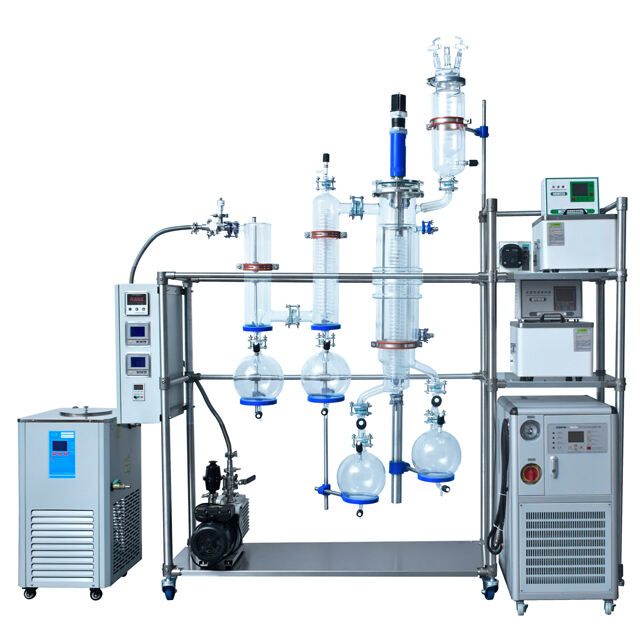
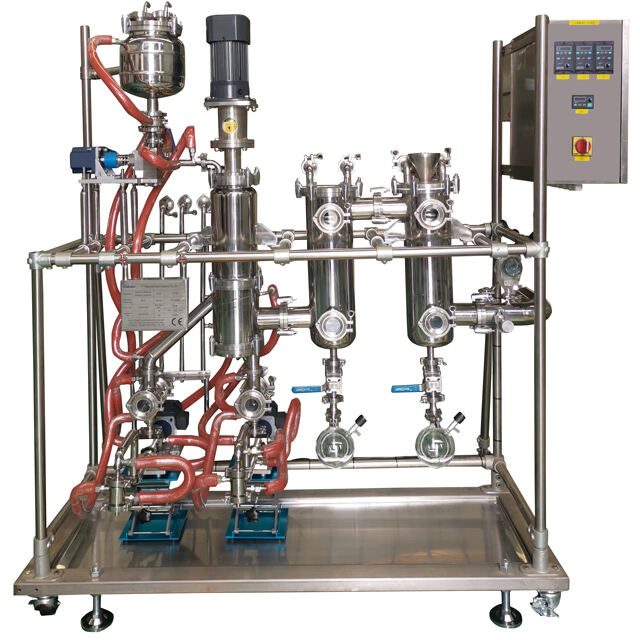
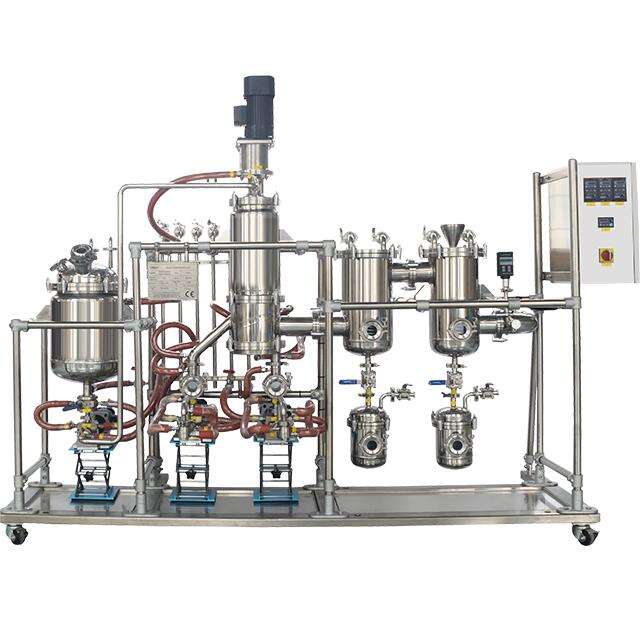
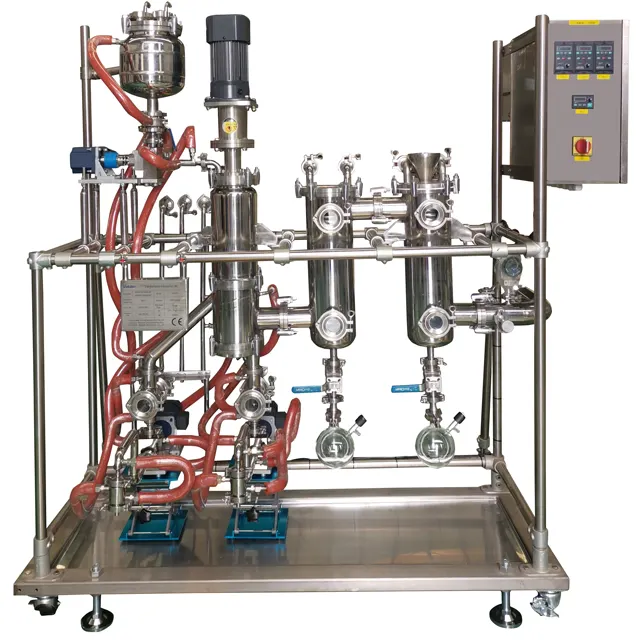
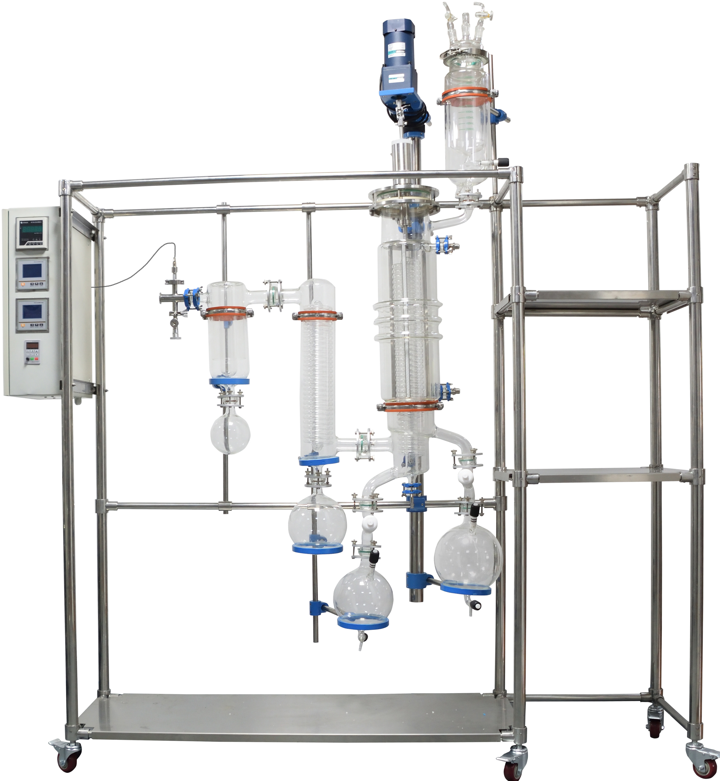
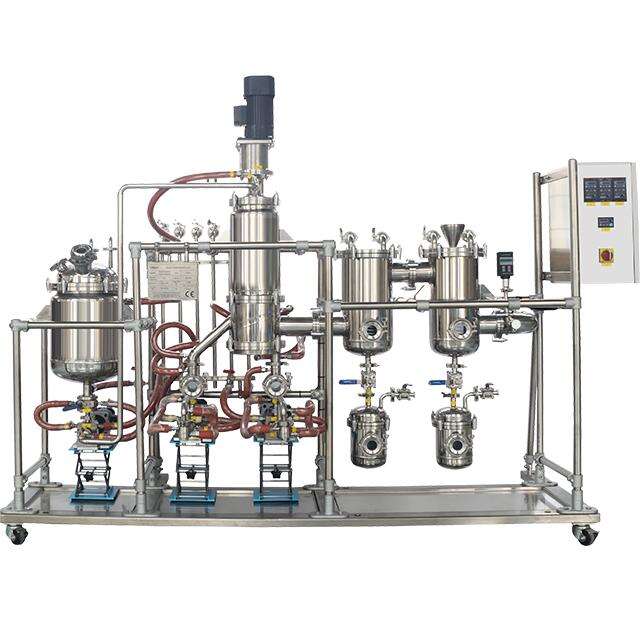
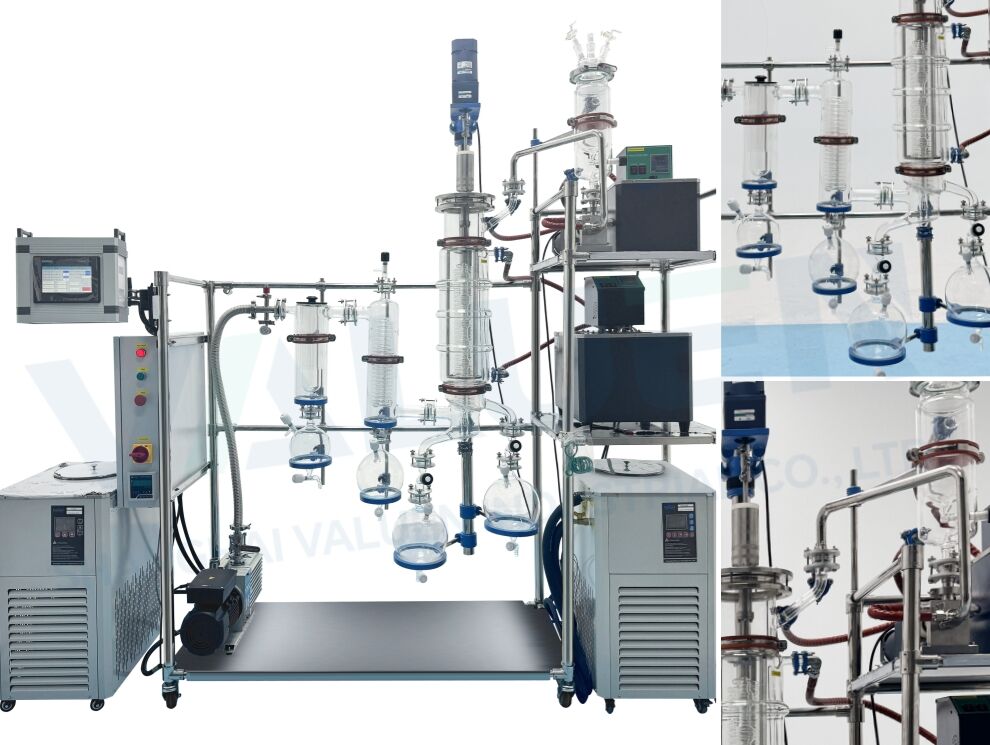
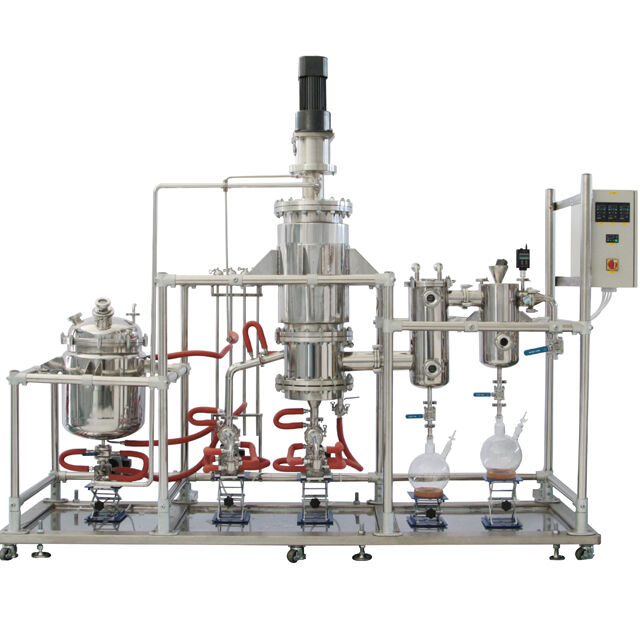
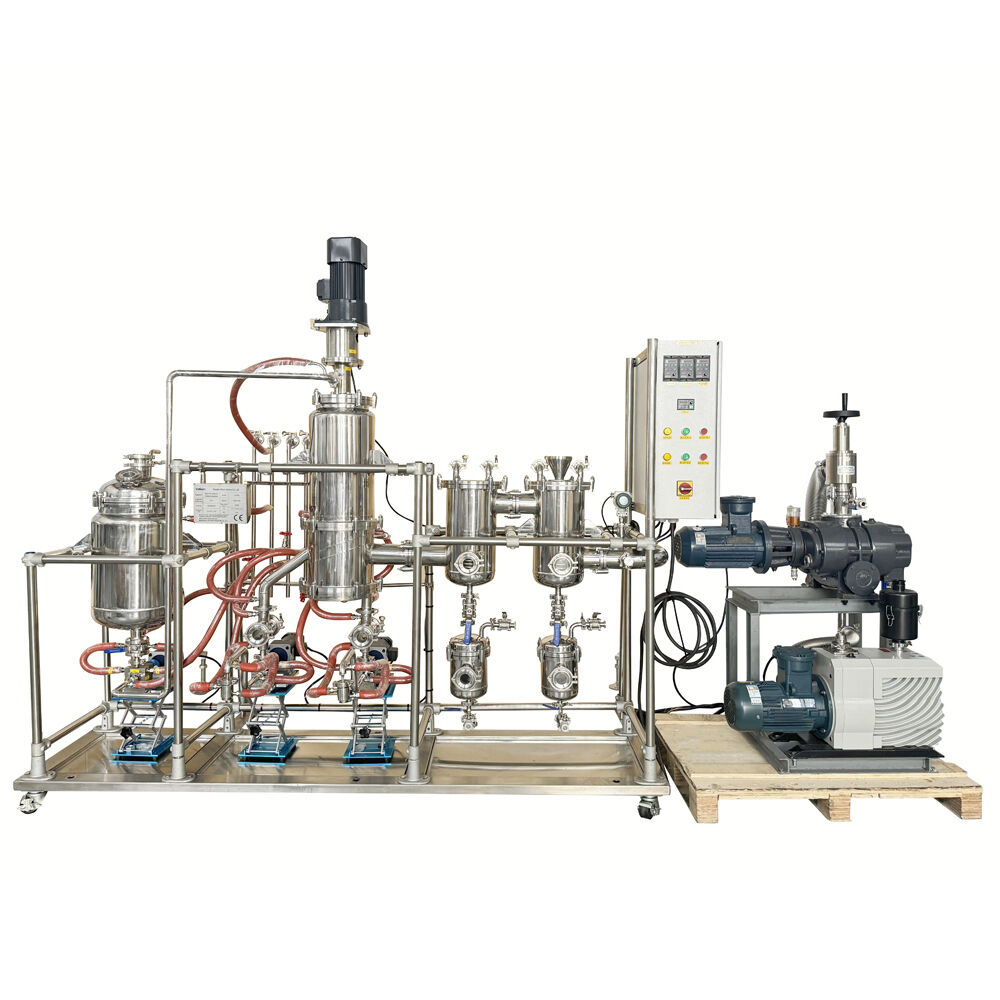
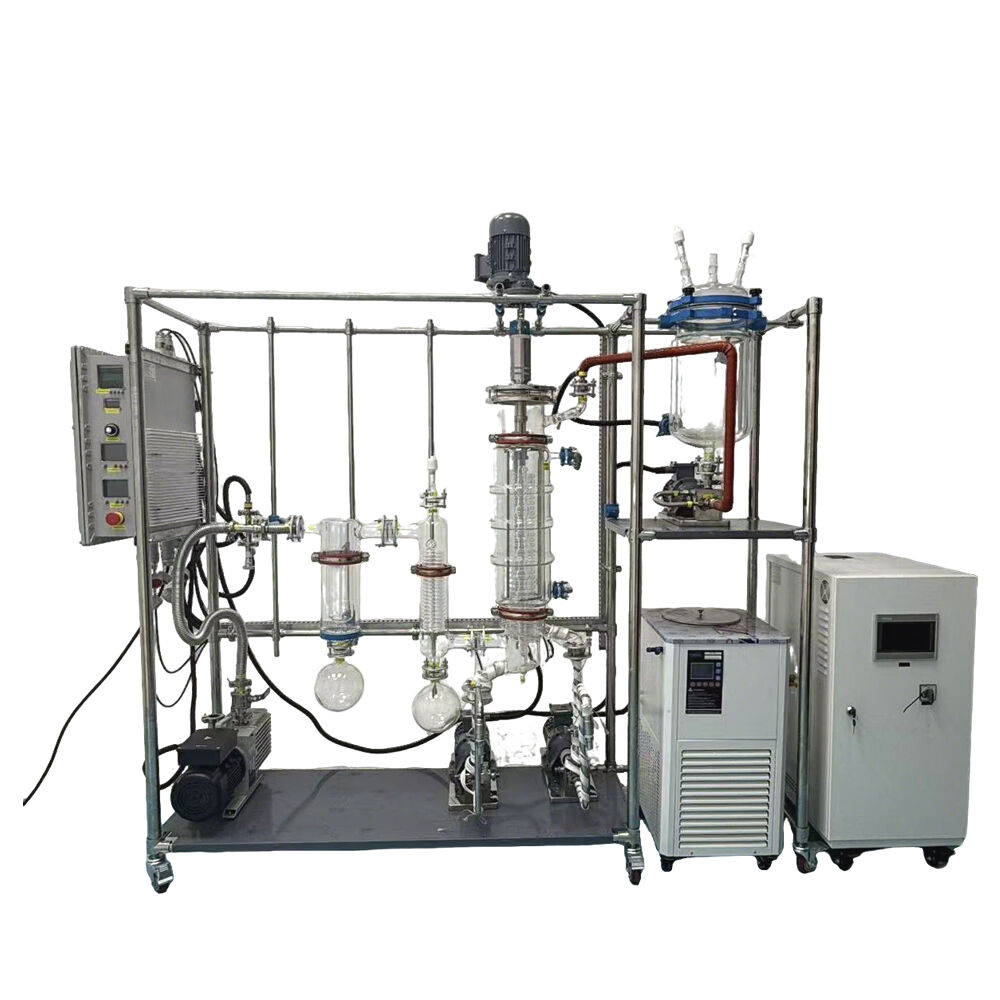
A molecular distillation unit represents an advanced separation technology that operates under extremely high vacuum conditions and low temperatures to purify heat-sensitive materials. This sophisticated equipment utilizes the principle of short-path distillation, where molecules travel minimal distances between the evaporator and condenser surfaces. The molecular distillation unit functions by creating a vacuum environment typically ranging from 0.001 to 0.1 torr, enabling separation at temperatures significantly lower than conventional distillation methods. The technology exploits differences in molecular mean free paths rather than vapor pressure differentials, making it exceptionally effective for processing thermally unstable compounds. Key components include a heated evaporation surface, internal condenser, vacuum system, and product collection chambers. The unit maintains precise temperature control through advanced heating elements and monitoring systems, ensuring optimal separation efficiency while preventing thermal degradation. Modern molecular distillation units incorporate automated control systems that regulate vacuum levels, temperature profiles, and feed rates with remarkable precision. The evaporation surface design varies from wiped film to falling film configurations, each optimized for specific applications and viscosity requirements. Internal condensers positioned close to evaporation surfaces minimize vapor travel distance, reducing residence time and thermal exposure. The molecular distillation unit excels in processing natural products, pharmaceuticals, essential oils, and high-value chemicals where purity and thermal stability are paramount. Applications span industries including cosmetics, food processing, pharmaceutical manufacturing, and specialty chemical production. The technology proves invaluable for concentrating vitamins, purifying fatty acid esters, and refining botanical extracts. Processing capabilities extend to removing residual solvents, eliminating unwanted impurities, and achieving pharmaceutical-grade purity standards. The molecular distillation unit delivers consistent results through reproducible operating parameters and standardized processing protocols.

New Product Recommendations

The molecular distillation unit offers exceptional thermal protection for sensitive materials, operating at temperatures typically 50-100 degrees Celsius lower than conventional distillation methods. This significant temperature reduction prevents thermal decomposition of valuable compounds, maintaining product integrity and maximizing yield recovery. Processing times are dramatically shortened due to the minimal vapor path length, with residence times measured in seconds rather than hours. The reduced thermal exposure preserves molecular structure integrity, particularly crucial for pharmaceutical intermediates and natural product extracts. High vacuum operation eliminates oxygen exposure, preventing oxidation reactions that compromise product quality and shelf life. The molecular distillation unit achieves superior separation efficiency through precise control of operating parameters, delivering purities exceeding 95% in single-pass operations. Energy consumption remains remarkably low compared to traditional distillation systems, reducing operational costs while maintaining processing capacity. The compact design footprint allows installation in limited space environments, making it ideal for laboratory and pilot-scale operations. Automation capabilities minimize operator intervention while ensuring consistent product quality through programmable control systems. The molecular distillation unit handles viscous materials effectively, processing substances that would prove challenging for conventional equipment. Cleaning procedures are simplified through accessible design features, reducing downtime between batch operations and improving overall productivity. Multiple product fractions can be collected simultaneously, enabling efficient separation of complex mixtures into distinct components. The technology demonstrates exceptional scalability, transitioning smoothly from laboratory development to commercial production volumes. Maintenance requirements are minimal due to robust construction and fewer moving parts compared to traditional distillation systems. Environmental benefits include reduced solvent consumption and lower waste generation, supporting sustainable manufacturing practices. The molecular distillation unit provides precise control over product specifications, enabling manufacturers to meet stringent quality standards consistently. Investment returns are realized through improved product yields, reduced processing costs, and enhanced product quality that commands premium market pricing. Operational flexibility allows processing of diverse feedstock materials without extensive equipment modifications, maximizing asset utilization and return on investment.

Tips And Tricks

What Industries Benefit Most From Advanced Fractional Distillation Systems?

24

Dec

What Industries Benefit Most From Advanced Fractional Distillation Systems?

Industrial separation processes have evolved significantly over the past century, with fractional distillation equipment emerging as one of the most critical technologies for achieving high-purity separations. This sophisticated process leverages dif...
View More
Rotary and Liftable Stainless Steel Reactor vs Fixed Reactor: Which Is Better?

20

Jan

Rotary and Liftable Stainless Steel Reactor vs Fixed Reactor: Which Is Better?

Modern industrial processing demands precision, efficiency, and adaptability in chemical reactions and material processing. The choice between a rotary and liftable stainless steel reactor versus a traditional fixed reactor represents a critical deci...
View More
What Design Features Matter in a Rotary and Liftable Stainless Steel Reactor?

20

Jan

What Design Features Matter in a Rotary and Liftable Stainless Steel Reactor?

Modern industrial chemical processing demands precision, efficiency, and reliability in every piece of equipment. Among the most critical components in pharmaceutical, chemical, and biotechnology manufacturing is the rotary and liftable stainless ste...
View More
Explosion-Proof Glass Molecular Distillation System: Principles, Design, and Applications

30

Jan

Explosion-Proof Glass Molecular Distillation System: Principles, Design, and Applications

An explosion-proof glass molecular distillation system is a critical solution for the separation and purification of high-value, heat-sensitive, and solvent-based materials. As industries increasingly demand higher purity, safer operation, and gentle...
View More

Get a Free Quote

Our representative will contact you soon.
Email
Name
Contact Number
Company Name
Message
0/1000

molecular distillation unit

Ultra-High Vacuum Technology for Maximum Purity

Ultra-High Vacuum Technology for Maximum Purity

The molecular distillation unit employs cutting-edge ultra-high vacuum technology that creates processing environments with pressures as low as 0.001 torr, fundamentally transforming how sensitive materials are purified and concentrated. This exceptional vacuum level represents a thousand-fold improvement over conventional distillation systems, enabling separation processes that were previously impossible or economically unfeasible. The advanced vacuum system consists of multiple pumping stages, including rotary vane pumps, roots blowers, and diffusion pumps working in coordinated sequence to achieve and maintain these extreme conditions. Temperature reduction capabilities are the most immediately apparent benefit, allowing heat-sensitive compounds to be processed at temperatures 80-120 degrees Celsius below their normal boiling points. This dramatic temperature reduction prevents thermal degradation of valuable molecules, preserving their chemical structure and biological activity. Pharmaceutical compounds, natural extracts, and specialty chemicals maintain their potency and efficacy throughout the purification process. The molecular distillation unit vacuum technology eliminates atmospheric gases that could interfere with separation efficiency or cause unwanted chemical reactions. Oxygen removal prevents oxidation of sensitive organic compounds, while nitrogen elimination ensures clean separation without interference from inert gas molecules. The ultra-high vacuum environment enables molecular mean free path distances that exceed the physical dimensions between evaporation and condensation surfaces, creating ideal conditions for selective molecular transport. Quality improvements achieved through this technology are measurable and consistent, with purity levels routinely exceeding 98% for many applications. Processing of thermally labile materials becomes economically viable, opening new markets and applications for manufacturers. The molecular distillation unit vacuum system incorporates sophisticated monitoring and control mechanisms that maintain precise pressure levels throughout processing cycles, ensuring reproducible results and consistent product quality. Investment in ultra-high vacuum technology pays dividends through increased product value, reduced waste generation, and expanded processing capabilities that differentiate manufacturers in competitive markets.
Short-Path Design for Minimal Thermal Exposure

Short-Path Design for Minimal Thermal Exposure

The innovative short-path design of the molecular distillation unit revolutionizes separation technology by minimizing the distance molecules must travel from evaporation to condensation surfaces, typically reducing this critical path to mere centimeters rather than the meters required in conventional distillation towers. This breakthrough design philosophy fundamentally changes processing dynamics, creating conditions where valuable compounds spend minimal time in vapor phase, dramatically reducing thermal stress and decomposition risks. The evaporation surface and internal condenser are positioned in close proximity, often separated by distances of 2-5 centimeters, ensuring that evaporated molecules reach condensation surfaces within milliseconds of vaporization. Processing residence times are reduced from hours to seconds, representing a thousand-fold improvement in thermal exposure duration compared to traditional methods. The molecular distillation unit short-path configuration eliminates the need for lengthy vapor transport systems, reducing pressure drops and maintaining optimal vacuum conditions throughout the separation zone. Heat transfer efficiency is maximized through the close proximity design, enabling rapid temperature equilibration and precise thermal control. The internal condenser operates at significantly lower temperatures than the evaporation surface, creating steep temperature gradients that promote efficient condensation and prevent vapor recompression. Multiple product fractions can be collected simultaneously through strategically positioned collection channels, enabling complex mixture separation in single processing steps. The short-path design facilitates easy cleaning and maintenance access, reducing downtime and operational costs while ensuring sanitary processing conditions for pharmaceutical and food applications. Molecular distillation unit operators benefit from visual process monitoring capabilities, as the transparent construction allows real-time observation of separation dynamics and immediate detection of processing anomalies. Scale-up from laboratory to production volumes maintains geometric similarity, ensuring that process parameters developed in small-scale units translate directly to commercial operations. The compact vertical design minimizes floor space requirements while maximizing processing capacity per unit area, providing exceptional space utilization efficiency for manufacturing facilities operating under space constraints.
Advanced Process Control for Consistent Results

Advanced Process Control for Consistent Results

The sophisticated process control system integrated within the molecular distillation unit represents a pinnacle of automation technology, delivering unprecedented precision in temperature regulation, vacuum control, and product quality management through advanced sensor networks and intelligent feedback mechanisms. Real-time monitoring capabilities track dozens of critical process parameters simultaneously, including evaporation surface temperatures, condenser temperatures, vacuum levels, feed rates, and product collection rates with accuracy levels previously unattainable in distillation operations. The molecular distillation unit control system employs cascade control algorithms that automatically adjust heating elements, vacuum pumps, and feed mechanisms to maintain optimal processing conditions despite variations in feedstock composition or external environmental factors. Temperature control precision typically achieves stability within ±1 degree Celsius, ensuring consistent processing conditions that translate directly to reproducible product quality and specifications. Automated vacuum control maintains pressure levels within narrow tolerance bands, preventing the pressure fluctuations that could compromise separation efficiency or product purity. Data logging capabilities capture comprehensive processing histories, enabling quality assurance documentation, process optimization, and regulatory compliance reporting required in pharmaceutical and food processing applications. The control system incorporates predictive maintenance algorithms that monitor equipment performance trends, scheduling maintenance activities before failures occur and minimizing unplanned downtime. Recipe management features allow operators to store and recall optimized processing parameters for different products, ensuring consistent results when switching between production runs. Safety interlocks prevent equipment damage and ensure operator protection through automatic shutdown sequences activated by abnormal operating conditions. The molecular distillation unit process control interface provides intuitive graphical displays that simplify operator training and reduce the likelihood of processing errors. Remote monitoring capabilities enable off-site supervision and troubleshooting, supporting 24-hour operations and rapid response to processing anomalies. Integration with enterprise manufacturing systems facilitates seamless data exchange, supporting supply chain optimization and production planning activities. Quality control benefits extend beyond process consistency to include automated documentation generation, reducing manual record-keeping requirements and ensuring complete traceability from raw materials to finished products.

Get a Free Quote

Our representative will contact you soon.
Email
Name
Contact Number
Company Name
Message
0/1000