Pilot Scale Molecular Distillation Systems - Advanced Thermal Separation Technology for Research and Development

Get a Free Quote

Our representative will contact you soon.
Email
Name
Contact Number
Company Name
Message
0/1000

pilot scale molecular distillation

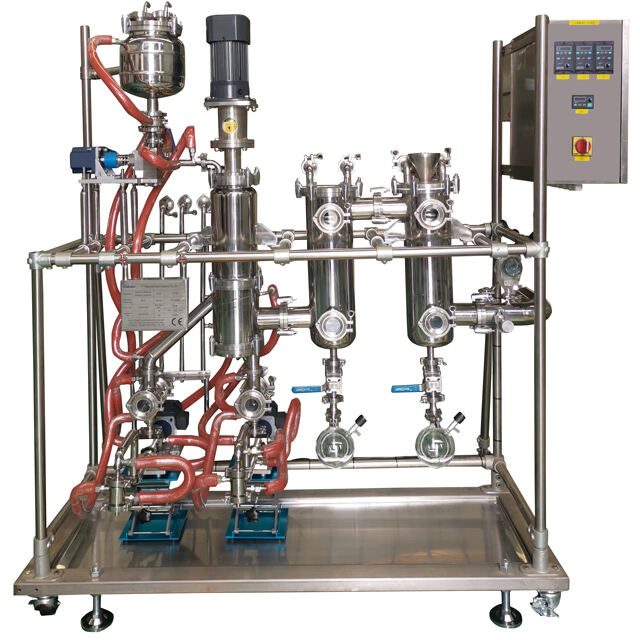
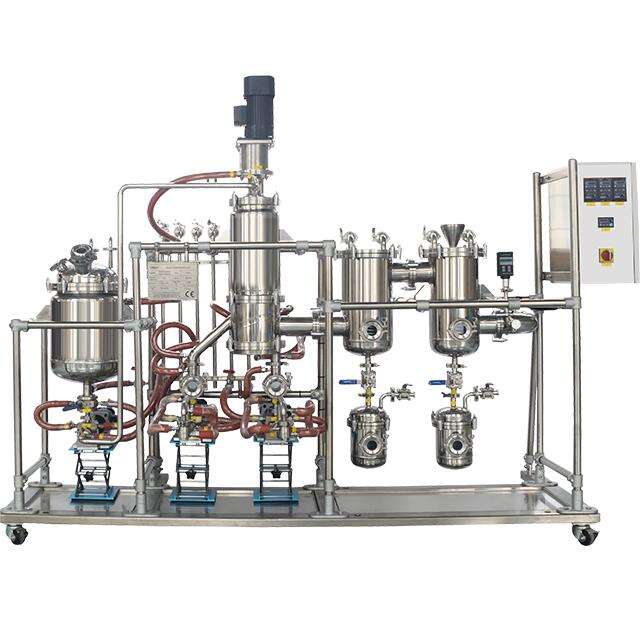
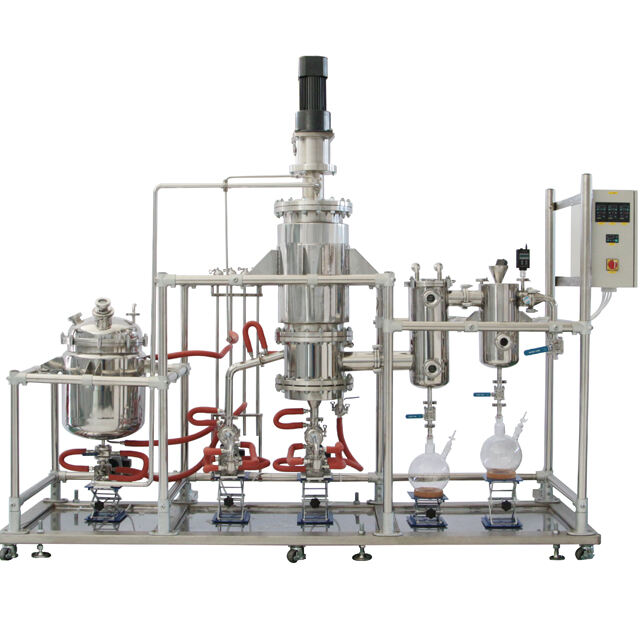
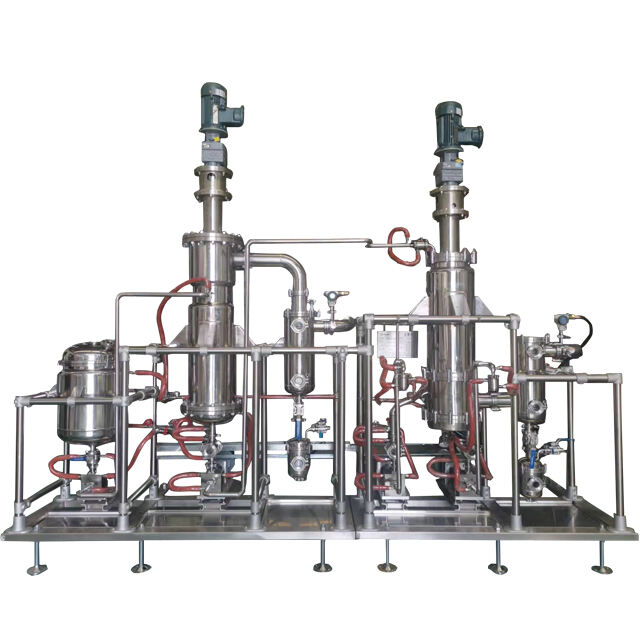
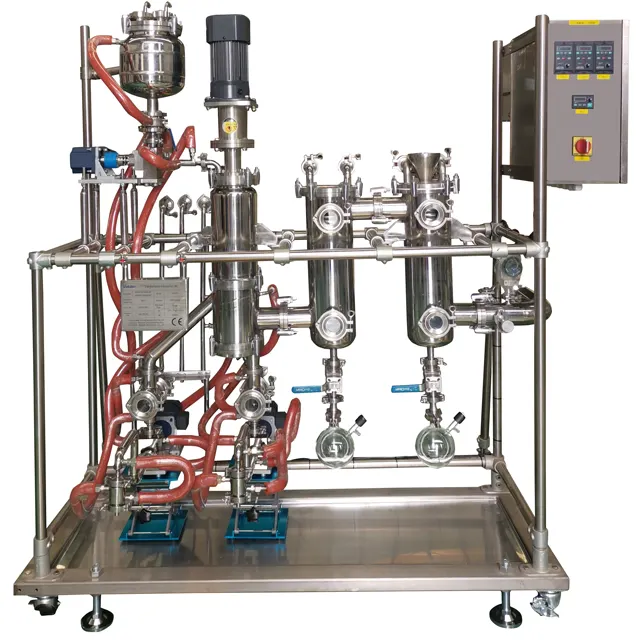
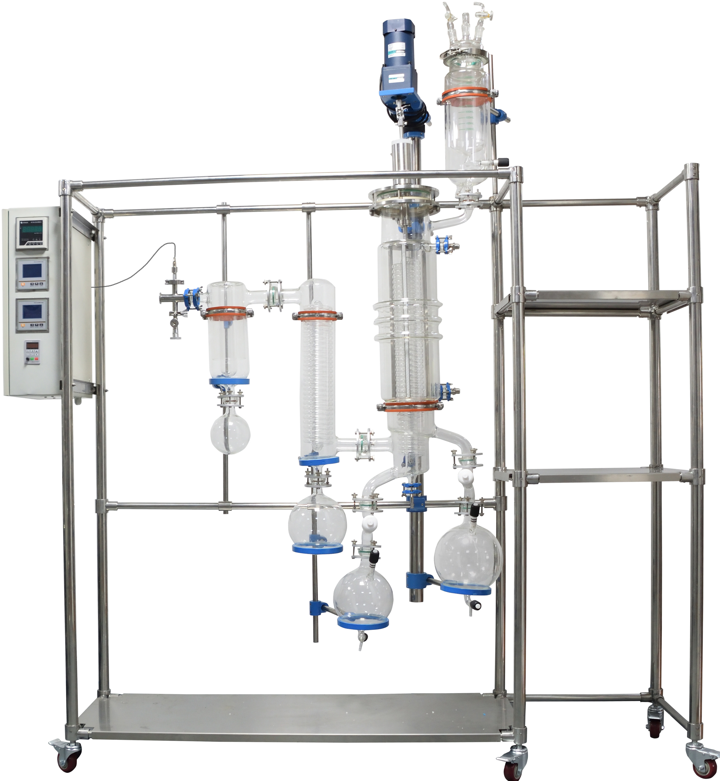
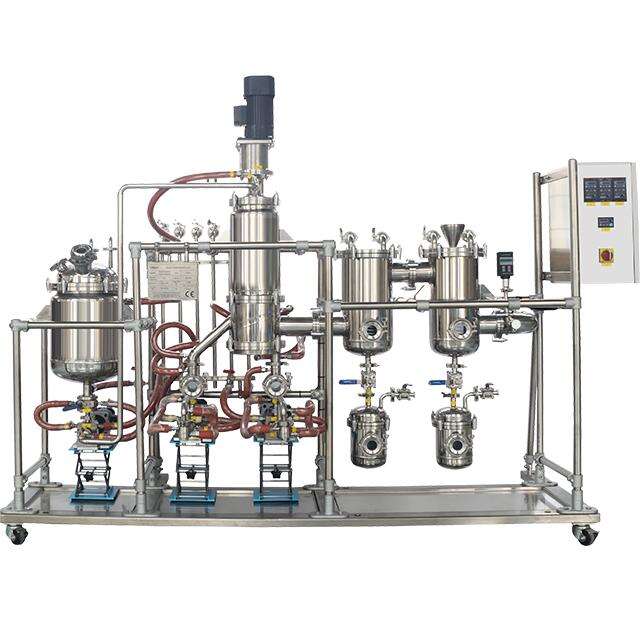
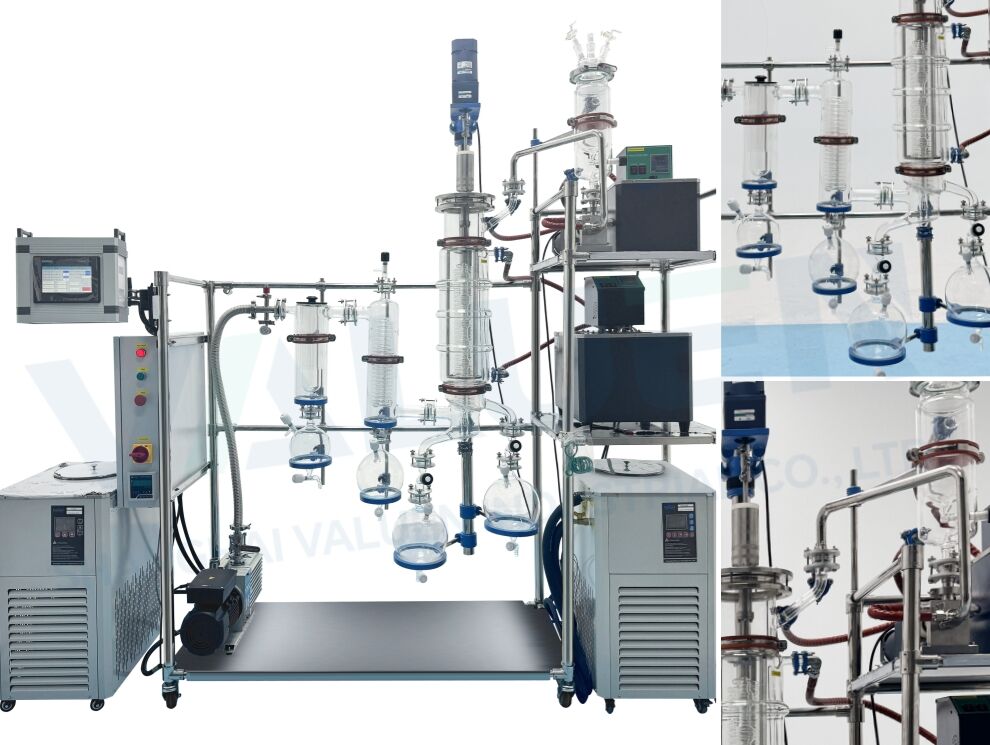
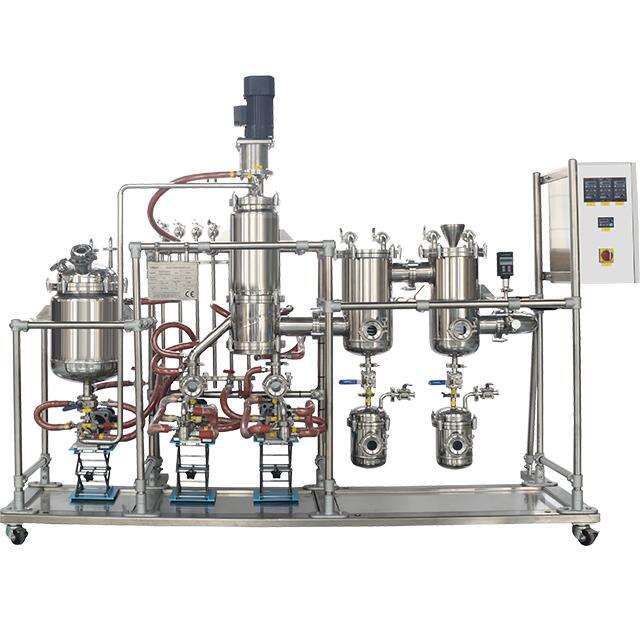
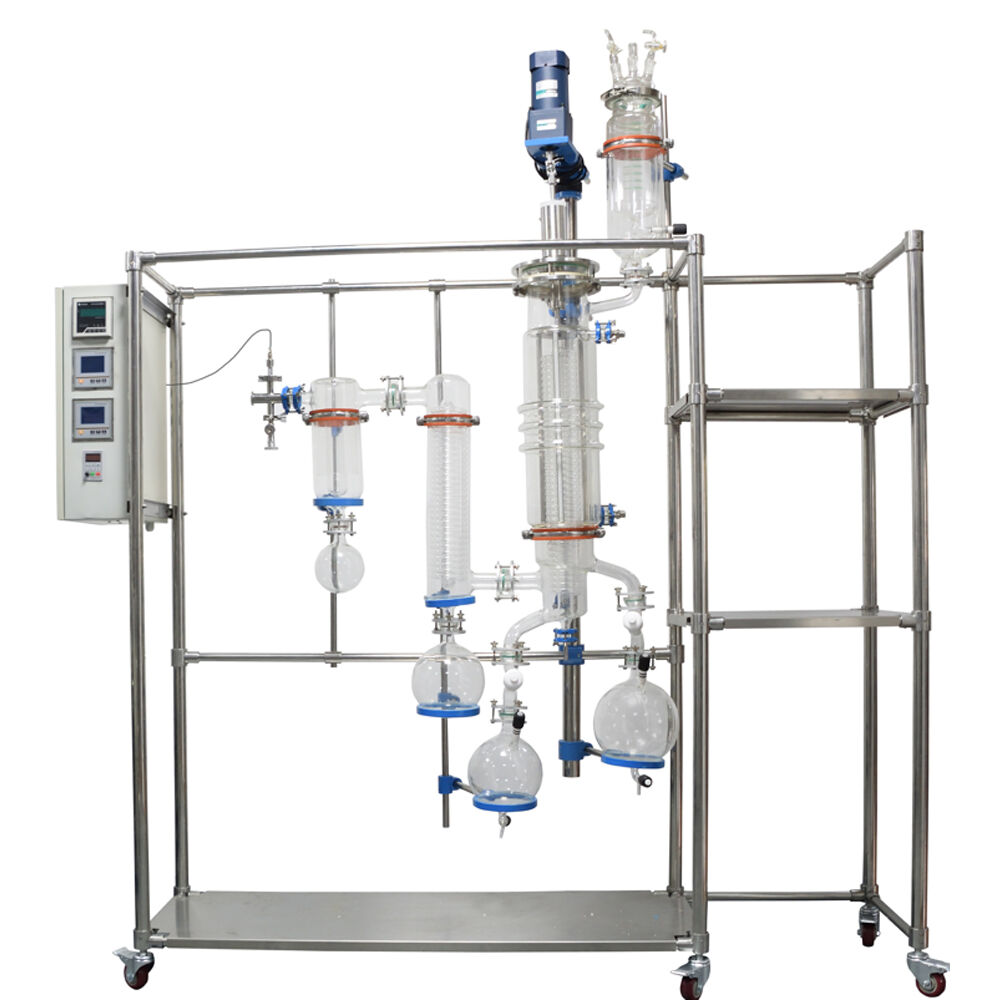
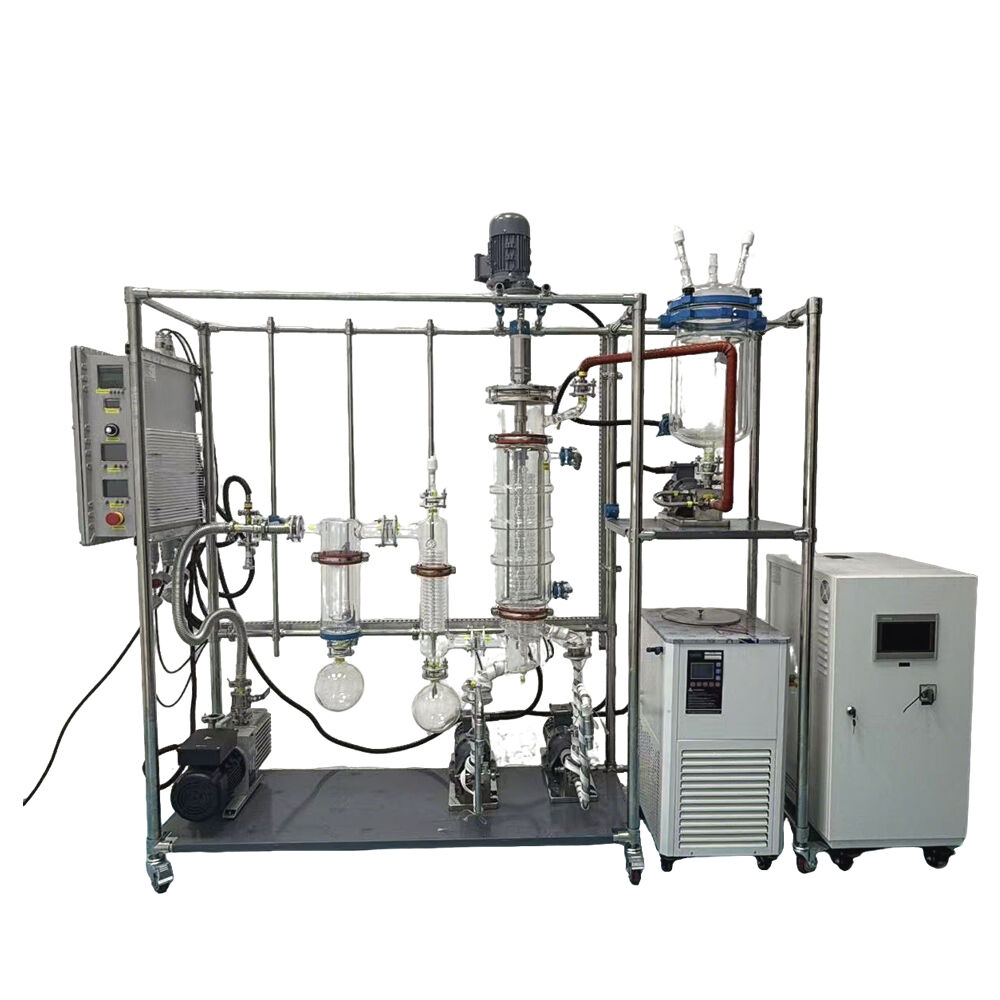
Pilot scale molecular distillation represents a revolutionary thermal separation technology designed specifically for research and development laboratories seeking to refine heat-sensitive materials with exceptional precision. This sophisticated equipment operates under ultra-high vacuum conditions, typically ranging from 0.001 to 10 Pa, enabling distillation at remarkably low temperatures while maintaining product integrity. The pilot scale molecular distillation system functions by creating an environment where molecules can travel freely without collision, allowing for gentle separation based on molecular weight differences rather than boiling point variations. The main functions encompass purifying complex organic compounds, removing unwanted impurities, concentrating valuable components, and preparing high-quality samples for further analysis or production scaling. The technological features include precise temperature control systems with accuracy within ±1°C, advanced vacuum pumping stations capable of achieving molecular flow conditions, specially designed evaporator surfaces with enhanced heat transfer capabilities, and automated condensation systems for efficient product recovery. The equipment incorporates stainless steel construction materials ensuring chemical compatibility and easy cleaning procedures. Modern pilot scale molecular distillation units feature digital control interfaces allowing operators to monitor and adjust process parameters in real-time, including feed rates, temperatures, vacuum levels, and product collection intervals. Applications span across pharmaceutical research for drug purification, nutraceutical development for vitamin concentration, essential oil refinement for cosmetic formulations, polymer processing for specialty chemical production, and biotechnology applications for enzyme purification. The versatility of pilot scale molecular distillation makes it indispensable for organizations requiring high-purity products while maintaining gentle processing conditions that preserve thermally sensitive compounds.

New Product Recommendations

Pilot scale molecular distillation delivers exceptional advantages that directly benefit organizations seeking superior separation technology for their research and development initiatives. The primary advantage lies in its ability to process heat-sensitive materials at remarkably low temperatures, typically 50-150°C below conventional distillation methods, thereby preventing thermal degradation of valuable compounds. This temperature reduction capability proves invaluable when working with pharmaceuticals, natural extracts, or specialty chemicals that would otherwise decompose under traditional distillation conditions. The ultra-high vacuum environment created by pilot scale molecular distillation systems eliminates oxygen exposure, significantly reducing oxidation risks and maintaining product quality throughout the separation process. Operating efficiency represents another compelling advantage, as the technology achieves complete separation in a single pass, eliminating the need for multiple distillation stages and reducing processing time by up to 70 percent compared to conventional methods. The precise control mechanisms integrated into pilot scale molecular distillation equipment enable operators to achieve consistent results with reproducibility rates exceeding 98 percent, ensuring reliable data for research applications and seamless scaling to production levels. Economic benefits emerge through reduced energy consumption, as the lower operating temperatures and efficient heat transfer systems consume approximately 40 percent less energy than traditional distillation equipment of comparable capacity. Product recovery rates consistently exceed 95 percent, maximizing yield from expensive raw materials and minimizing waste generation. The compact design of pilot scale molecular distillation units requires significantly less laboratory space compared to conventional distillation setups, allowing organizations to optimize their facility utilization while maintaining full separation capabilities. Maintenance requirements remain minimal due to the absence of moving parts in the distillation chamber and the corrosion-resistant materials used in construction. The technology offers exceptional versatility, accommodating feed materials with viscosities ranging from low-viscosity solvents to high-viscosity oils and waxes. Safety advantages include reduced fire hazards due to lower operating temperatures, enclosed system design preventing exposure to hazardous vapors, and automated safety interlocks protecting both personnel and equipment. The ability to process small batches ranging from 100ml to several liters makes pilot scale molecular distillation ideal for research applications where material quantities are limited and precise results are essential.

Tips And Tricks

Optimizing Efficiency with Jacketed Stainless Steel Reactors

29

Oct

Optimizing Efficiency with Jacketed Stainless Steel Reactors

Understanding Jacketed Stainless Steel Reactors and Their Industrial Role What Are Jacketed Stainless Steel Reactors and Why They Matter in Chemical Processing Jacketed stainless steel reactors basically consist of two walls with space in between fo...
View More
How to Select a High Pressure Reactor for Industrial Chemical Synthesis?

24

Dec

How to Select a High Pressure Reactor for Industrial Chemical Synthesis?

Industrial chemical synthesis often requires precise control over reaction conditions, with pressure being one of the most critical parameters. A high pressure reactor serves as the cornerstone equipment for processes demanding elevated pressures, en...
View More
Rotary and Liftable Stainless Steel Reactor vs Fixed Reactor: Which Is Better?

20

Jan

Rotary and Liftable Stainless Steel Reactor vs Fixed Reactor: Which Is Better?

Modern industrial processing demands precision, efficiency, and adaptability in chemical reactions and material processing. The choice between a rotary and liftable stainless steel reactor versus a traditional fixed reactor represents a critical deci...
View More
Which Industries Benefit Most from Rotary and Liftable Stainless Steel Reactors?

20

Jan

Which Industries Benefit Most from Rotary and Liftable Stainless Steel Reactors?

Modern industrial processes demand equipment that combines durability, versatility, and operational efficiency. Stainless steel reactors have emerged as the cornerstone of numerous manufacturing operations, offering unparalleled performance across di...
View More

Get a Free Quote

Our representative will contact you soon.
Email
Name
Contact Number
Company Name
Message
0/1000

pilot scale molecular distillation

Ultra-High Vacuum Processing Technology

Ultra-High Vacuum Processing Technology

The ultra-high vacuum processing technology incorporated in pilot scale molecular distillation systems represents a groundbreaking advancement in thermal separation science, delivering unparalleled performance for organizations requiring precision molecular separation capabilities. This sophisticated vacuum technology creates operating pressures as low as 0.001 Pa, establishing conditions where molecular mean free paths exceed the dimensions of the distillation apparatus itself. Under these extreme vacuum conditions, molecules travel directly from the evaporation surface to the condensation surface without intermolecular collisions, enabling separation based purely on molecular weight differences rather than vapor pressure relationships. This fundamental operating principle allows pilot scale molecular distillation to achieve separations impossible with conventional distillation methods, particularly when dealing with compounds having similar boiling points but different molecular weights. The vacuum system comprises multiple stages of mechanical and diffusion pumps working in sequence to achieve and maintain the required operating pressures throughout extended processing periods. Advanced pressure monitoring and control systems continuously adjust pump operation to compensate for process variations, ensuring stable vacuum conditions that directly translate to consistent separation performance. The ultra-high vacuum environment eliminates the presence of oxygen and other reactive gases, creating an inert processing atmosphere that prevents oxidation, polymerization, and other degradation reactions that could compromise product quality. This protective atmosphere proves especially valuable when processing natural products, pharmaceuticals, and specialty chemicals containing unsaturated bonds or other reactive functional groups. Temperature requirements decrease dramatically under ultra-high vacuum conditions, with many materials processing at temperatures 100-200°C below their atmospheric boiling points. This temperature reduction capability preserves the molecular structure and biological activity of thermally sensitive compounds while maintaining efficient separation rates. The vacuum technology also enables continuous operation without the foaming and bumping issues commonly encountered in conventional distillation, resulting in smooth, controllable processing conditions that enhance both safety and product quality. Investment in pilot scale molecular distillation with advanced vacuum technology provides organizations with a competitive advantage in developing high-purity products while maintaining the integrity of valuable compounds throughout the separation process.
Precision Temperature Control Systems

Precision Temperature Control Systems

Precision temperature control systems integrated into pilot scale molecular distillation equipment provide unprecedented accuracy and stability essential for achieving reproducible separation results and maintaining product quality throughout processing operations. These advanced control systems utilize multiple temperature sensors strategically positioned throughout the distillation apparatus, including the evaporation surface, condensation zones, and feed preheating sections, creating a comprehensive thermal monitoring network that ensures optimal operating conditions. The temperature control accuracy of ±0.5°C across the entire operating range enables precise manipulation of molecular volatility differences, allowing operators to fine-tune separation selectivity for challenging feed mixtures containing compounds with similar physical properties. Digital PID controllers continuously monitor temperature variations and automatically adjust heating elements to maintain setpoint values, compensating for heat losses, feed composition changes, and ambient temperature fluctuations that could otherwise affect separation performance. The multi-zone heating system incorporated in pilot scale molecular distillation units allows independent temperature control for different sections of the apparatus, optimizing heat transfer efficiency while preventing thermal stress that could damage sensitive compounds. Programmable temperature profiles enable operators to implement sophisticated heating and cooling sequences tailored to specific feed materials, including gradual temperature increases for thermally sensitive compounds or rapid temperature changes for improved separation efficiency. The precision temperature control systems also incorporate safety features including over-temperature protection, thermal shock prevention, and automatic shutdown procedures that protect both the equipment and processed materials from damage caused by temperature excursions. Advanced data logging capabilities record temperature profiles throughout each distillation run, providing valuable process documentation for quality assurance purposes and enabling process optimization through detailed analysis of thermal behavior patterns. The thermal response characteristics of pilot scale molecular distillation systems allow rapid temperature adjustments without significant lag times, enabling efficient processing of multiple feed materials with different thermal requirements within a single operating session. This temperature control precision proves especially valuable for research applications where small variations in processing conditions can significantly impact experimental results and product quality assessments. Organizations investing in pilot scale molecular distillation with precision temperature control capabilities gain the ability to develop robust separation processes that can be reliably scaled to production levels while maintaining consistent product specifications and quality standards.
Versatile Feed Processing Capabilities

Versatile Feed Processing Capabilities

Versatile feed processing capabilities distinguish pilot scale molecular distillation systems as indispensable tools for organizations working with diverse material types and challenging separation requirements across multiple industry applications. These sophisticated systems accommodate an extraordinary range of feed materials, from low-viscosity organic solvents and essential oils to high-viscosity polymers, waxes, and heavy petroleum fractions, providing researchers and developers with unmatched flexibility in their separation projects. The feed handling systems incorporate variable-speed dosing pumps and precision flow control valves that maintain consistent feed rates regardless of material viscosity, ensuring optimal residence time distribution and separation efficiency for each processed batch. Advanced feed preheating systems gradually warm incoming materials to optimal processing temperatures while preventing thermal degradation, utilizing heat exchangers designed to minimize pressure drop and maintain gentle processing conditions throughout the feed introduction stage. The pilot scale molecular distillation equipment accommodates batch sizes ranging from 100 milliliters for precious research samples to several liters for process development applications, enabling cost-effective processing of both expensive specialty chemicals and larger-scale development batches. Specialized feed introduction systems handle materials with unique properties including moisture-sensitive compounds that require inert atmosphere protection, crystalline materials requiring controlled dissolution, and high-melting-point substances that need elevated feed temperatures. The processing flexibility extends to continuous and semi-continuous operation modes, allowing organizations to select optimal processing strategies based on material characteristics, desired throughput, and product requirements. Multiple product fraction collection systems enable simultaneous recovery of different distillate cuts, maximizing product yield and minimizing waste generation during complex separations involving multiple target compounds. The equipment design accommodates corrosive and reactive materials through specialized construction materials and protective coatings that maintain equipment integrity while ensuring product purity. Processing parameters can be independently optimized for different feed zones, enabling efficient processing of heterogeneous mixtures containing compounds with varying thermal sensitivities and volatility characteristics. Quality control features including inline sampling ports and continuous monitoring systems provide real-time feedback on separation performance, enabling immediate process adjustments to maintain optimal product specifications. The versatile feed processing capabilities of pilot scale molecular distillation systems empower organizations to tackle complex separation challenges that would be impossible or impractical using conventional separation technologies, providing the flexibility needed to support diverse research programs and product development initiatives.

Get a Free Quote

Our representative will contact you soon.
Email
Name
Contact Number
Company Name
Message
0/1000