Batch Distillation Reactor: Advanced Separation Technology for Efficient Chemical Processing

Get a Free Quote

Our representative will contact you soon.
Email
Name
Contact Number
Company Name
Message
0/1000

batch distillation reactor

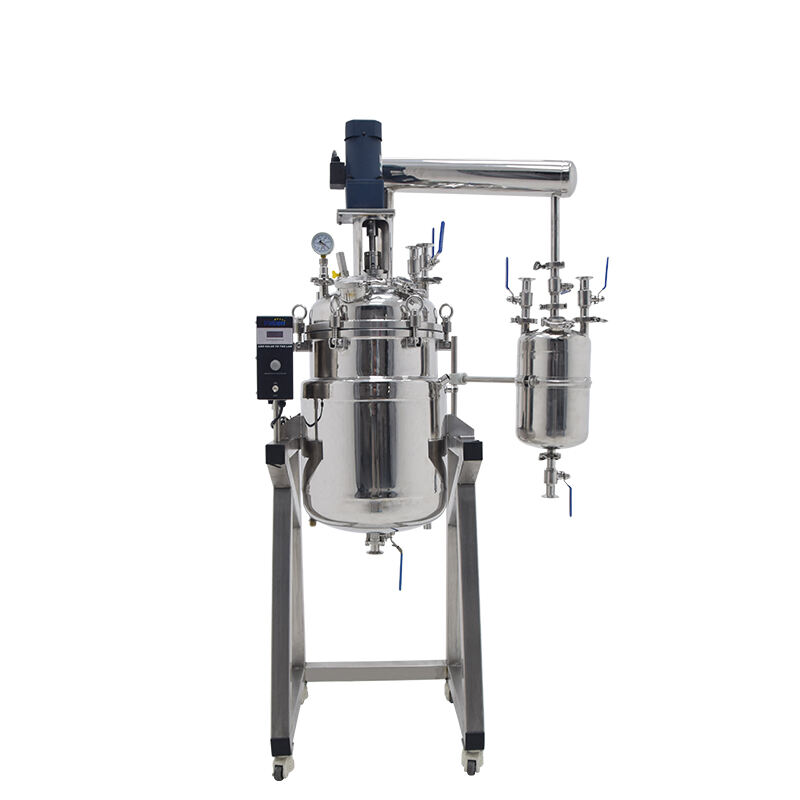
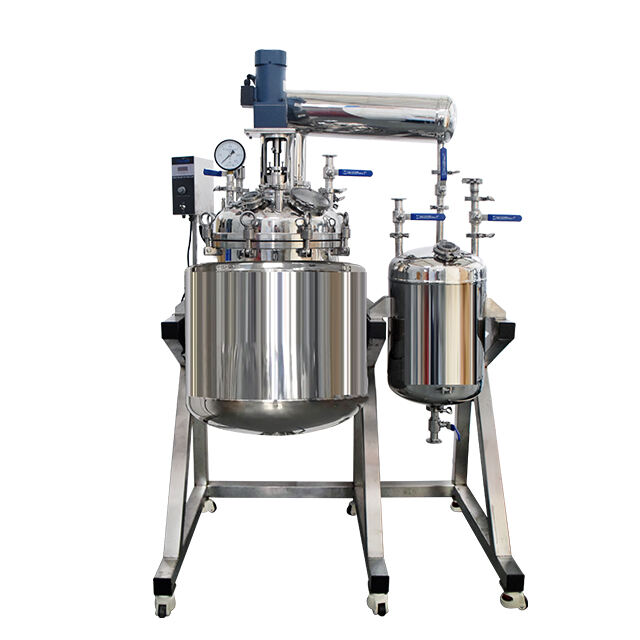
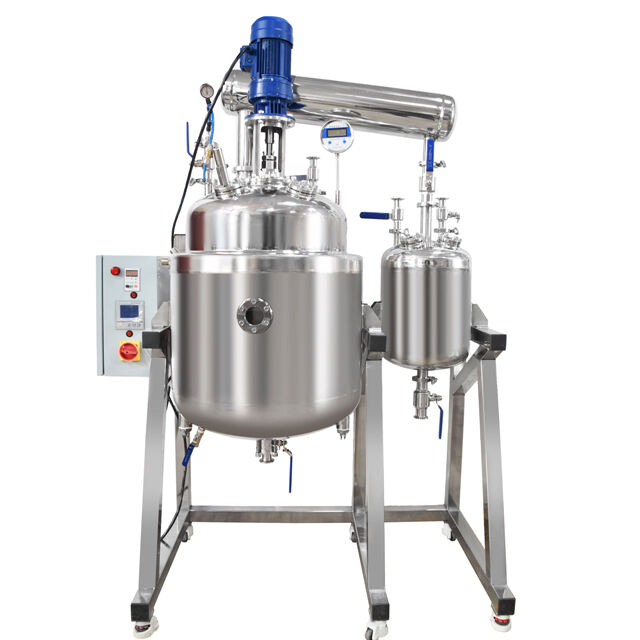
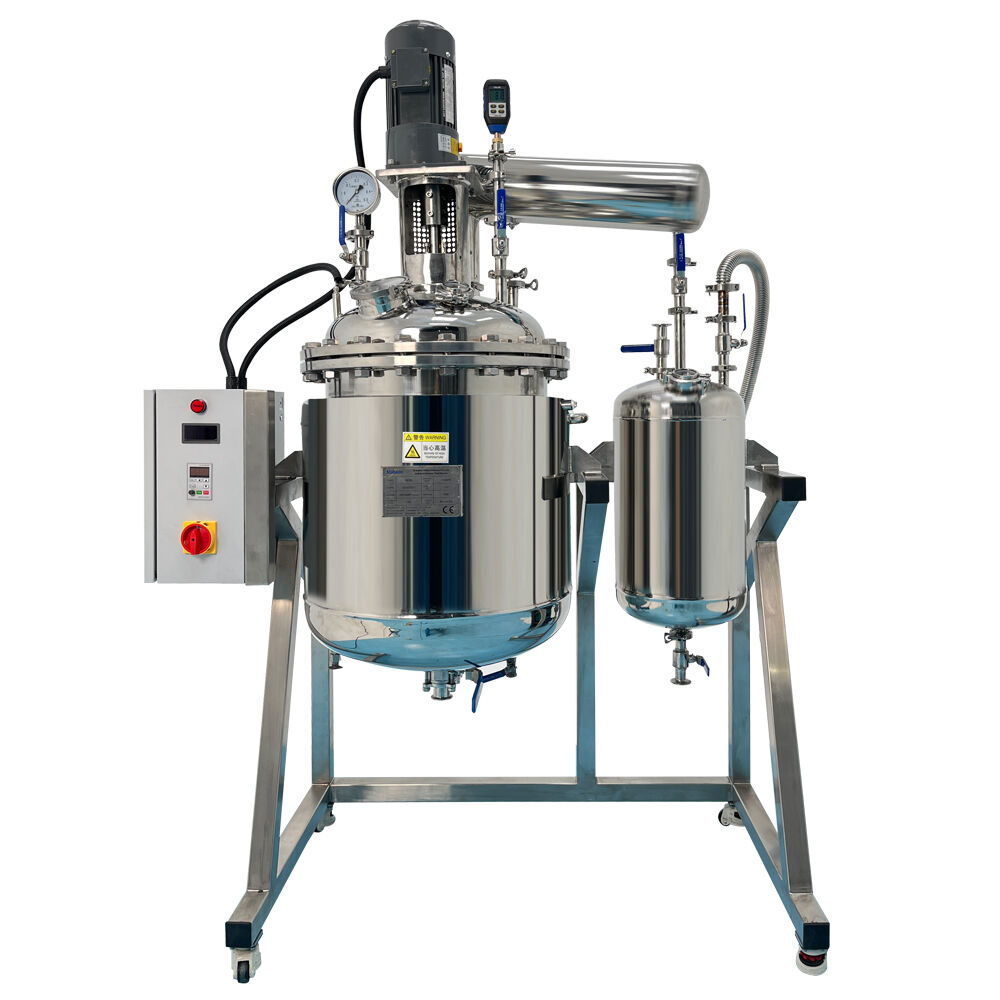
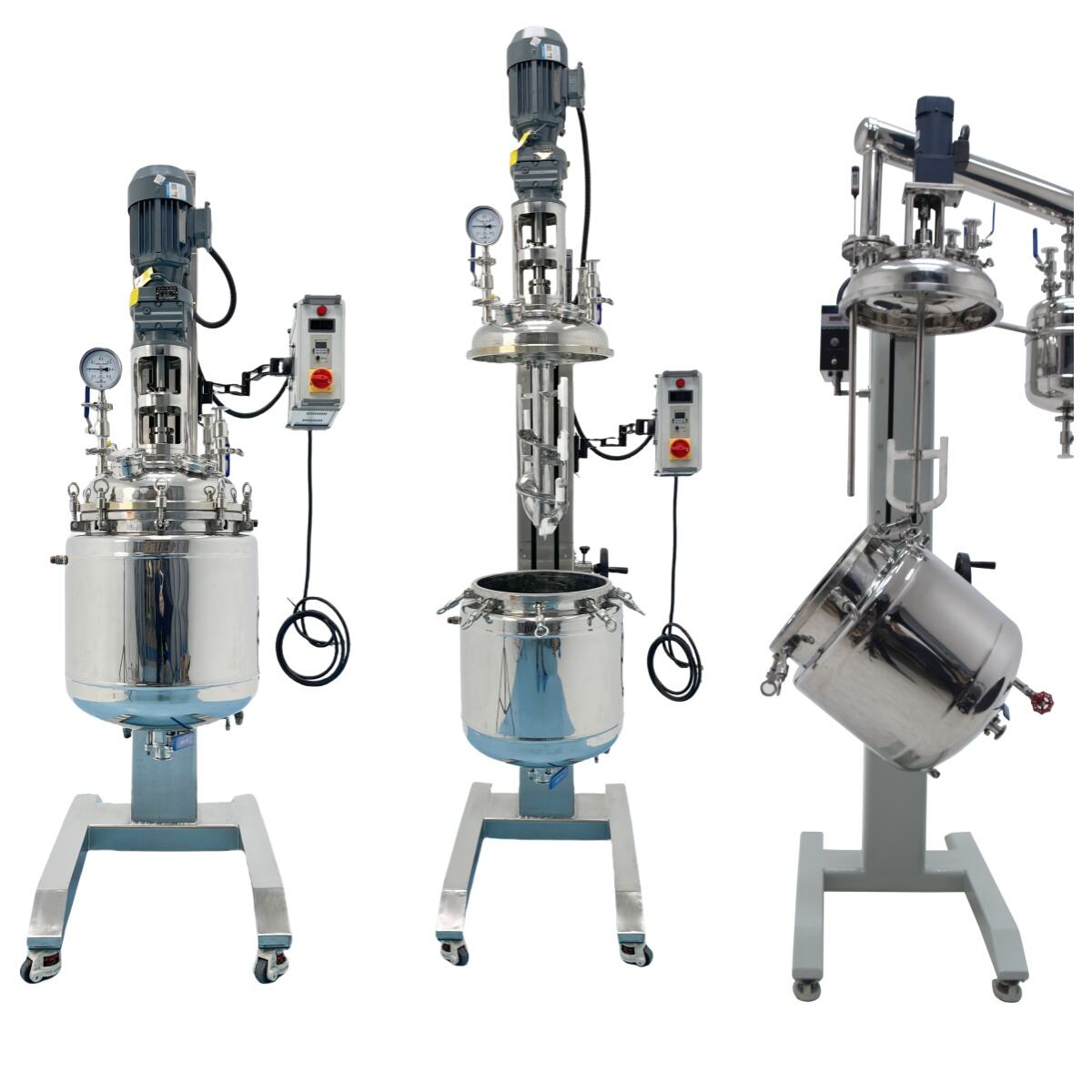
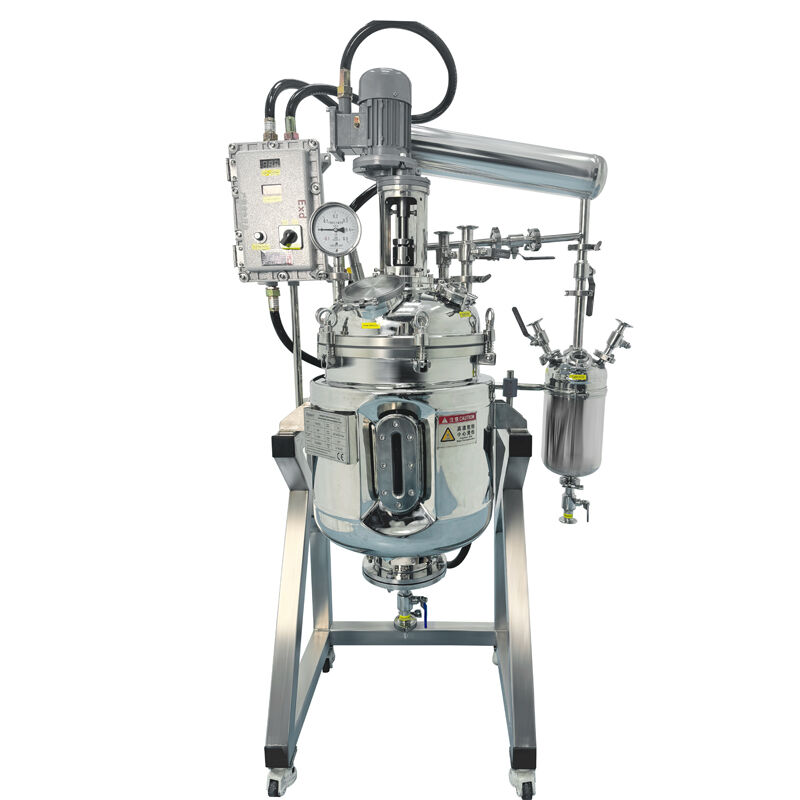
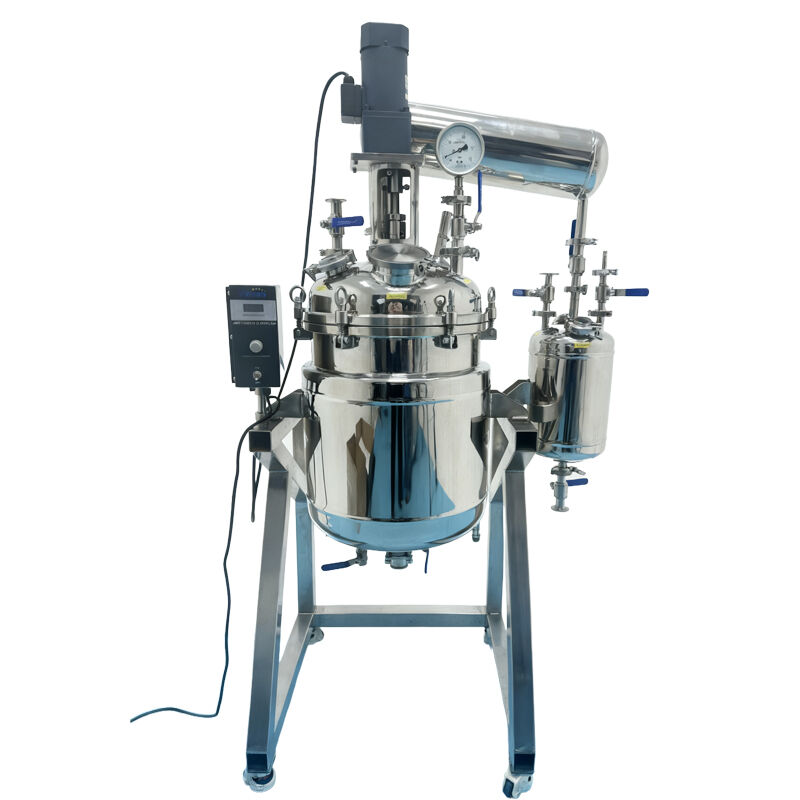
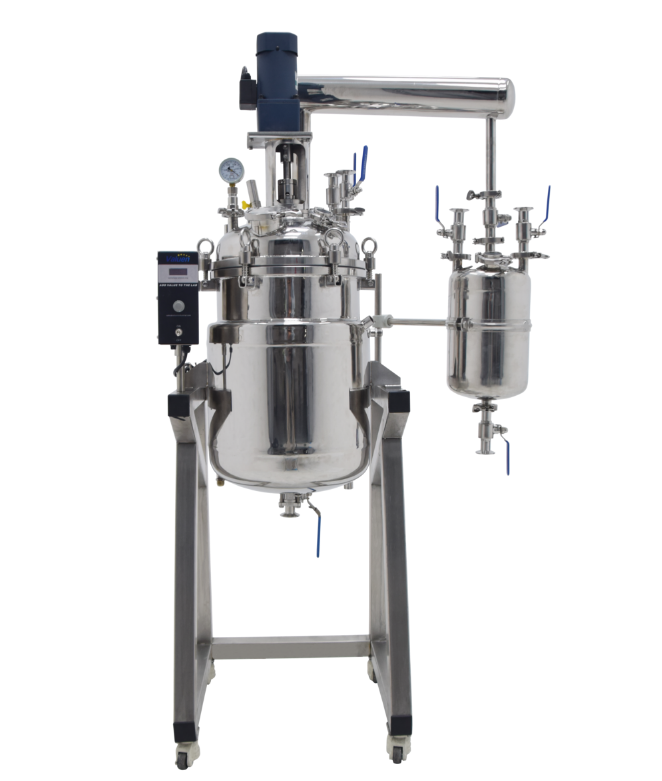
A batch distillation reactor represents a versatile and efficient separation system that combines reaction and distillation processes within a single vessel. This innovative equipment operates by processing discrete batches of material rather than continuous streams, making it ideal for specialty chemical production, pharmaceutical manufacturing, and small-scale operations. The batch distillation reactor functions by heating the liquid mixture to create vapor, which then rises through internal components where separation occurs based on different boiling points of the components. The system features precise temperature control mechanisms, advanced heating systems, and sophisticated monitoring equipment that ensures optimal separation efficiency. Key technological features include programmable logic controllers for automated operation, high-quality stainless steel construction for chemical resistance, and modular design elements that allow for easy maintenance and customization. The reactor incorporates multiple theoretical plates or packing materials to enhance separation performance, while vacuum capabilities enable distillation at lower temperatures for heat-sensitive materials. Advanced instrumentation packages provide real-time monitoring of temperature, pressure, and composition parameters throughout the distillation process. The batch distillation reactor serves numerous applications across various industries, including essential oil extraction, solvent recovery operations, alcohol purification, and chemical intermediate production. Pharmaceutical companies utilize these systems for API purification and solvent recycling programs. Food and beverage industries employ batch distillation reactors for flavor compound isolation and alcohol concentration processes. The equipment proves particularly valuable for research and development applications where flexibility and precise control are paramount. Small to medium-scale production facilities benefit from the batch distillation reactor's ability to handle multiple products using the same equipment, maximizing capital investment returns while maintaining product quality standards.

New Product Recommendations

The batch distillation reactor offers significant operational flexibility that allows manufacturers to process multiple products using the same equipment configuration. This versatility eliminates the need for dedicated production lines, reducing capital investment requirements while maximizing facility utilization rates. Companies can easily switch between different formulations or products by simply adjusting process parameters, making the batch distillation reactor perfect for custom manufacturing operations and specialty chemical production. The system provides exceptional product quality control through precise monitoring and adjustment capabilities throughout each processing cycle. Operators can fine-tune separation parameters in real-time, ensuring consistent output quality that meets strict specifications. The batch distillation reactor delivers superior purity levels compared to traditional separation methods, making it invaluable for pharmaceutical and high-value chemical applications where product integrity is critical. Economic benefits include lower initial investment costs compared to continuous distillation systems, especially for smaller production volumes. The batch distillation reactor requires less complex infrastructure and supporting equipment, reducing installation expenses and ongoing maintenance costs. Energy efficiency features help minimize operating expenses through optimized heating profiles and heat recovery systems. The equipment demonstrates remarkable adaptability to changing production requirements, allowing businesses to respond quickly to market demands without major equipment modifications. Process validation becomes more straightforward with batch distillation reactors since each batch can be individually tested and approved before proceeding to the next cycle. This approach reduces waste generation and improves overall yield optimization. The batch distillation reactor provides enhanced safety features through controlled processing environments and emergency shutdown capabilities. Operators benefit from reduced exposure risks since the system operates as a closed-loop configuration. Training requirements are typically less intensive compared to continuous systems, making workforce development more manageable. The modular design philosophy enables incremental capacity expansion as business grows, providing scalable solutions that evolve with operational needs. Maintenance scheduling becomes more predictable since equipment can be serviced between batches without disrupting production continuity.

Practical Tips

Optimizing Efficiency with Jacketed Stainless Steel Reactors

29

Oct

Optimizing Efficiency with Jacketed Stainless Steel Reactors

Understanding Jacketed Stainless Steel Reactors and Their Industrial Role What Are Jacketed Stainless Steel Reactors and Why They Matter in Chemical Processing Jacketed stainless steel reactors basically consist of two walls with space in between fo...
View More
Why Jacketed Glass Reactors are Essential for Your Lab

29

Oct

Why Jacketed Glass Reactors are Essential for Your Lab

Superior Temperature Control for Consistent Reaction ConditionsJacketed glass reactors achieve ±0.5°C temperature stability through their double-wall design, ensuring precise and consistent reaction conditions critical for sensitive chemic...
View More
What Are the Key Design Features of a High-Performance Stainless Steel Reactor

12

Nov

What Are the Key Design Features of a High-Performance Stainless Steel Reactor

High-performance stainless steel reactors represent the pinnacle of chemical processing equipment, combining robust construction with precision engineering to deliver reliable results across diverse industrial applications. These sophisticated vessel...
View More
Which Industries Benefit Most from Rotary and Liftable Stainless Steel Reactors?

20

Jan

Which Industries Benefit Most from Rotary and Liftable Stainless Steel Reactors?

Modern industrial processes demand equipment that combines durability, versatility, and operational efficiency. Stainless steel reactors have emerged as the cornerstone of numerous manufacturing operations, offering unparalleled performance across di...
View More

Get a Free Quote

Our representative will contact you soon.
Email
Name
Contact Number
Company Name
Message
0/1000

batch distillation reactor

Advanced Process Control Technology

Advanced Process Control Technology

The batch distillation reactor incorporates state-of-the-art process control technology that revolutionizes separation efficiency and operational reliability. This sophisticated control system features programmable logic controllers equipped with advanced algorithms that automatically optimize distillation parameters based on real-time feedback from multiple sensors throughout the system. Temperature sensors provide precise monitoring at various column heights, while pressure transducers ensure optimal vapor flow conditions. The control technology enables automatic reflux ratio adjustments, heating rate optimization, and cut-point determination, eliminating human error and ensuring consistent product quality across all production batches. Operators benefit from intuitive human-machine interfaces that display critical process variables in real-time, enabling quick decision-making and immediate response to process variations. The batch distillation reactor's control system includes comprehensive data logging capabilities that maintain detailed records of each processing cycle, supporting quality assurance programs and regulatory compliance requirements. Recipe management functions allow operators to store and recall proven process parameters for different products, ensuring reproducible results and reducing setup time between different production runs. The control technology integrates seamlessly with existing plant automation systems, enabling centralized monitoring and control from remote locations. Safety interlocks prevent dangerous operating conditions by automatically shutting down the system if parameters exceed predetermined limits. The advanced process control technology also includes predictive maintenance features that monitor equipment performance and alert operators to potential issues before they cause production disruptions. This proactive approach minimizes unscheduled downtime and extends equipment lifespan. The batch distillation reactor's control system supports various communication protocols, ensuring compatibility with different plant management systems and enabling data exchange with enterprise resource planning software. Customizable alarm systems provide immediate notification of process deviations, allowing operators to take corrective action before product quality is compromised.
Superior Energy Efficiency Design

Superior Energy Efficiency Design

The batch distillation reactor features an innovative energy efficiency design that significantly reduces operational costs while maintaining exceptional separation performance. The system incorporates advanced heat integration techniques that capture and reuse thermal energy throughout the distillation process, minimizing external heating requirements and reducing overall energy consumption. Multi-effect distillation capabilities allow the batch distillation reactor to operate multiple separation stages using progressively lower pressure levels, maximizing energy utilization efficiency. The equipment features high-performance insulation materials and optimized vessel geometry that minimize heat losses to the environment, ensuring that applied thermal energy focuses on the separation process rather than heating surrounding areas. Variable frequency drives control pump and fan operations, automatically adjusting power consumption based on actual process requirements rather than operating at constant maximum capacity. The batch distillation reactor includes sophisticated heat recovery systems that capture waste heat from condenser operations and redirect this energy to preheat incoming feed materials. This heat integration approach can reduce energy consumption by up to forty percent compared to conventional distillation systems. Thermal efficiency monitoring systems provide real-time feedback on energy utilization patterns, enabling operators to identify optimization opportunities and implement energy-saving strategies. The equipment design incorporates low-pressure drop internals that minimize compression energy requirements while maintaining high separation efficiency. Advanced vapor management systems ensure optimal vapor-liquid contact without excessive energy consumption. The batch distillation reactor's energy efficiency design includes automatic shutdown features that eliminate unnecessary energy consumption during idle periods between batches. Programmable heating profiles optimize energy application throughout each distillation cycle, applying maximum heat only when needed and reducing energy waste during steady-state operations. The system supports renewable energy integration, allowing facilities to utilize solar thermal or other sustainable energy sources for heating requirements. Energy monitoring and reporting functions help operators track consumption patterns and identify opportunities for further efficiency improvements.
Exceptional Versatility and Scalability

Exceptional Versatility and Scalability

The batch distillation reactor demonstrates exceptional versatility and scalability that makes it suitable for a wide range of applications across multiple industries and production scales. This remarkable flexibility stems from the modular design philosophy that allows operators to configure the system according to specific separation requirements and production volumes. The equipment accommodates various column internals, including structured packing, random packing, and theoretical plates, enabling optimization for different chemical systems and separation challenges. Feed composition variations pose no significant obstacles since the batch distillation reactor can process materials with dramatically different physical properties and chemical characteristics using the same basic equipment configuration. The system handles temperature-sensitive materials through vacuum distillation capabilities, while robust construction materials ensure compatibility with aggressive chemical environments. Capacity scaling becomes straightforward through parallel operation of multiple batch distillation reactors or by selecting larger vessel sizes without fundamental design changes. Production facilities can start with smaller units and expand capacity incrementally as business grows, protecting initial capital investment while providing growth flexibility. The batch distillation reactor adapts easily to seasonal production variations or changing market demands, allowing manufacturers to adjust throughput without major equipment modifications. Research and development applications benefit tremendously from the system's versatility since the same equipment can evaluate multiple formulations and process conditions. Pilot-scale batch distillation reactors provide reliable scale-up data for full-production systems, reducing commercialization risks and development timelines. The equipment supports various operating modes, including total reflux for maximum separation efficiency, minimum reflux for energy conservation, and variable reflux profiles for complex separations. Product changeover procedures are streamlined through automated cleaning-in-place systems that prepare the batch distillation reactor for different materials without manual intervention. The versatile design accommodates specialty applications such as azeotropic distillation, extractive distillation, and reactive distillation through appropriate auxiliary equipment integration. Quality control laboratories utilize smaller batch distillation reactors for sample preparation and analytical testing, while production facilities employ larger systems for commercial manufacturing.

Get a Free Quote

Our representative will contact you soon.
Email
Name
Contact Number
Company Name
Message
0/1000