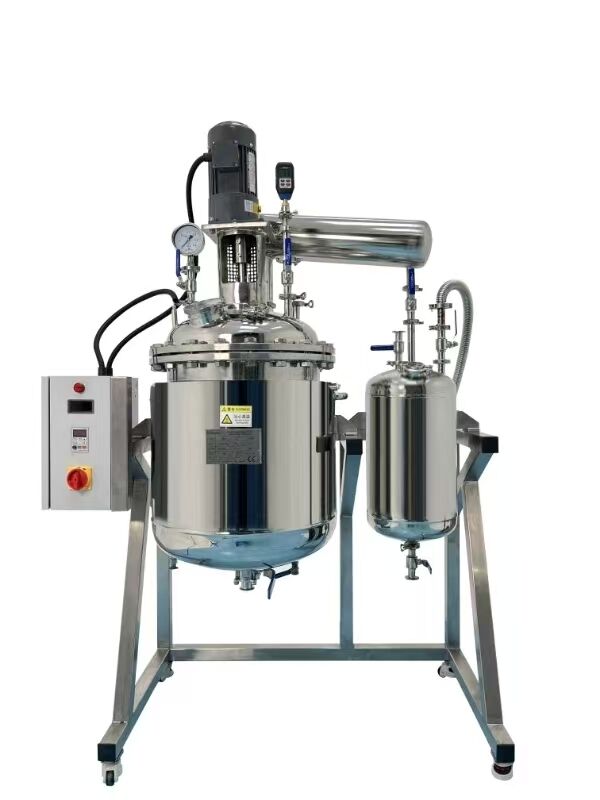
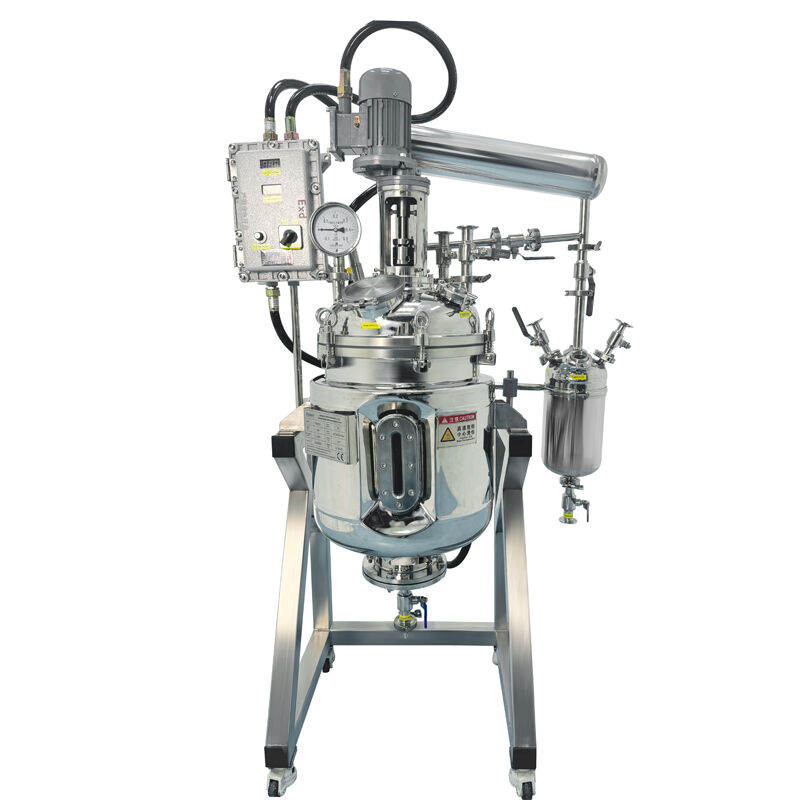
Advanced Distillation Reactor Vessel - Integrated Chemical Processing Solutions

Get a Free Quote

Our representative will contact you soon.
Email
Name
Contact Number
Company Name
Message
0/1000

distillation reactor vessel

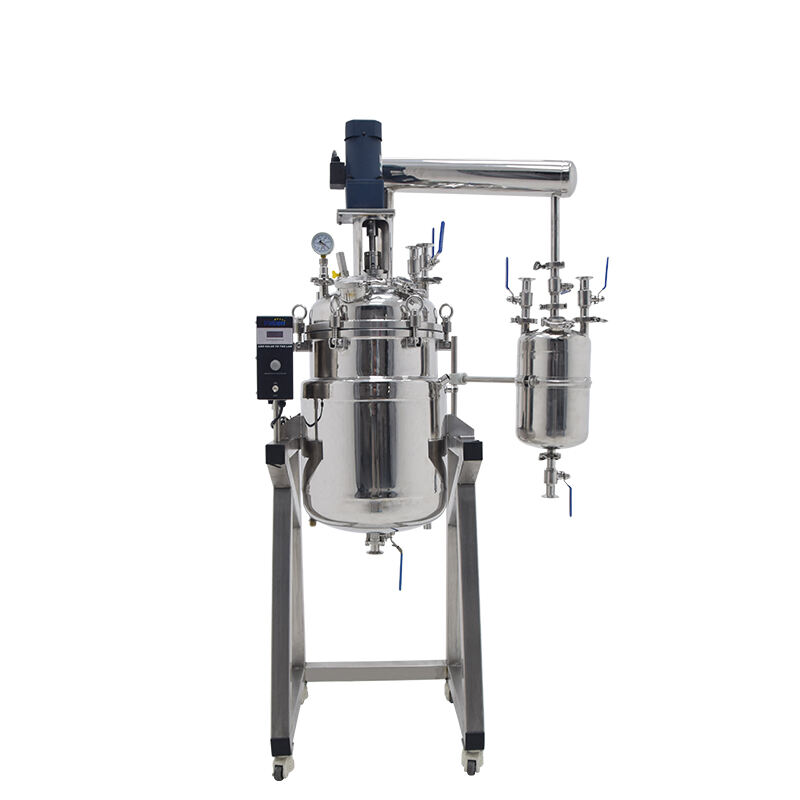
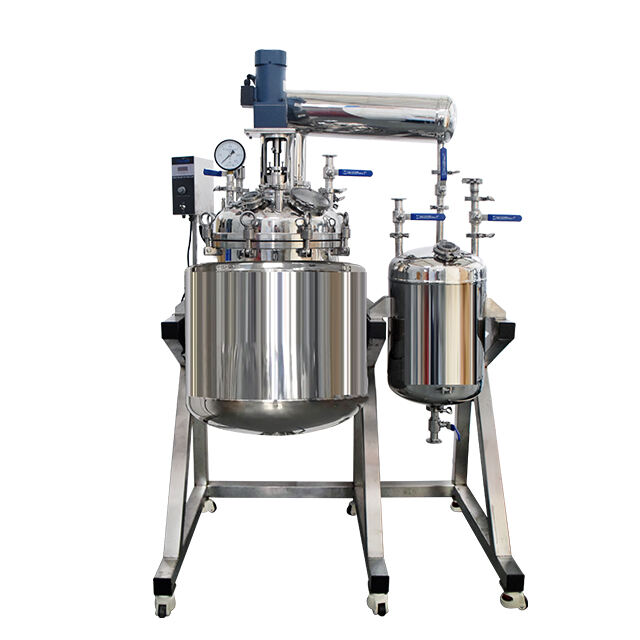
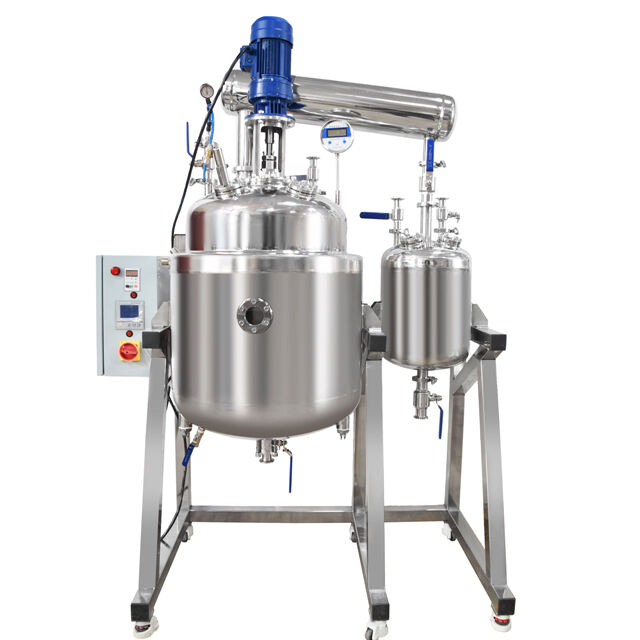
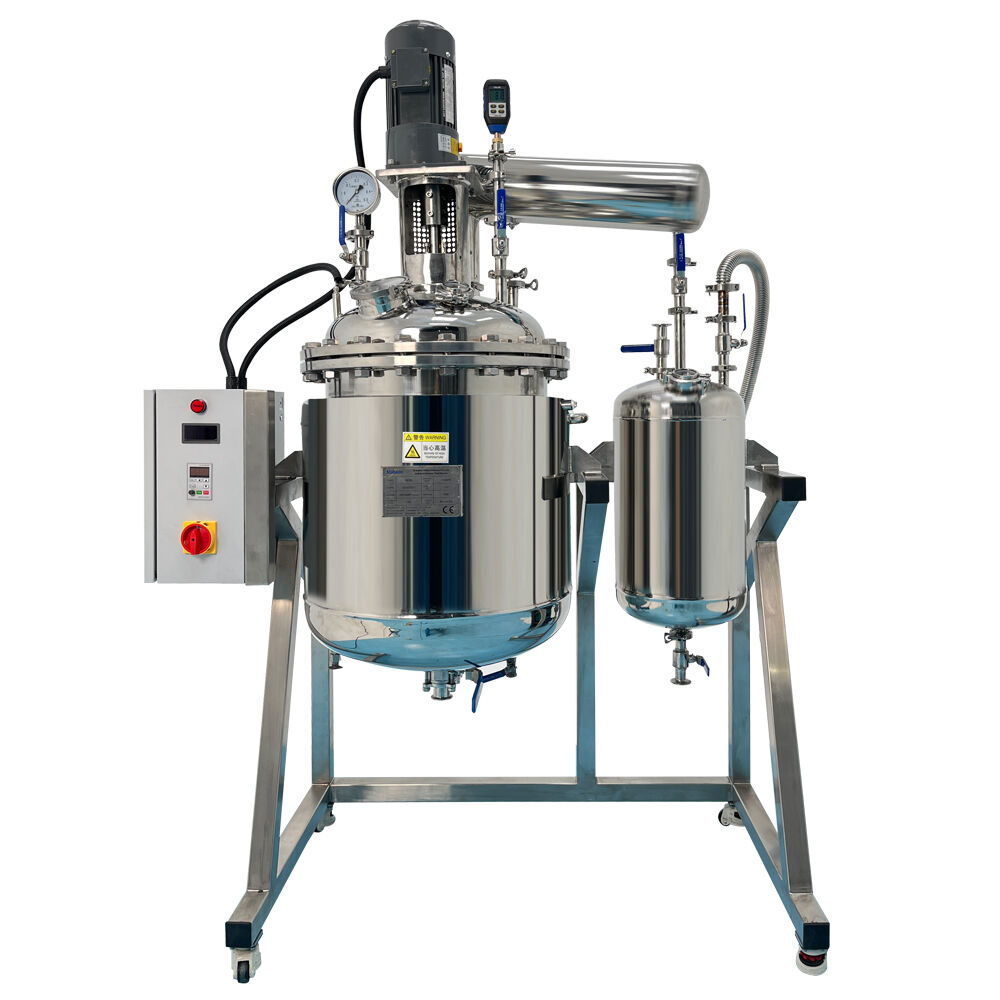
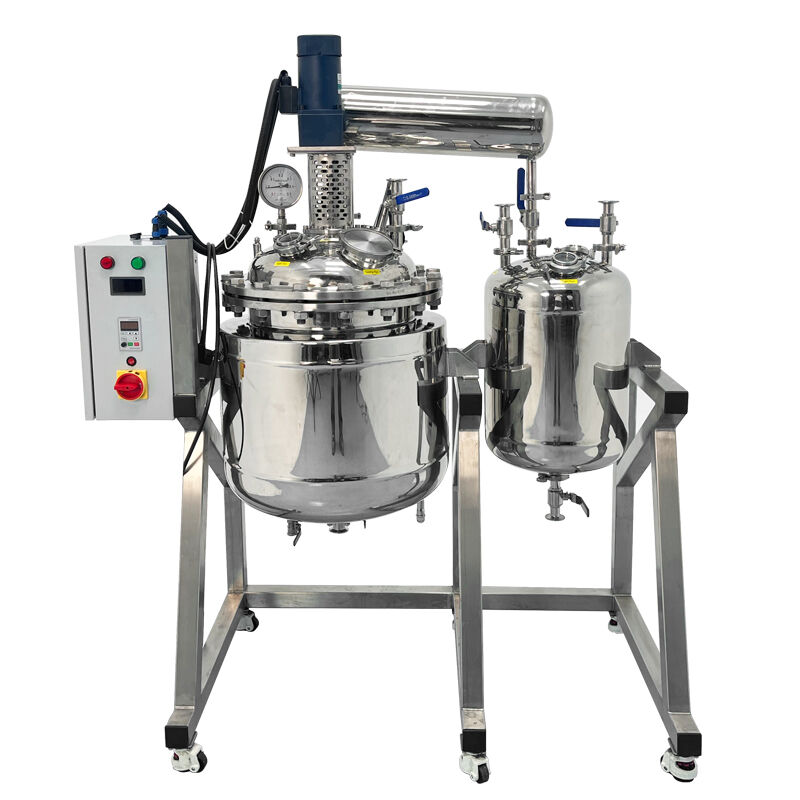
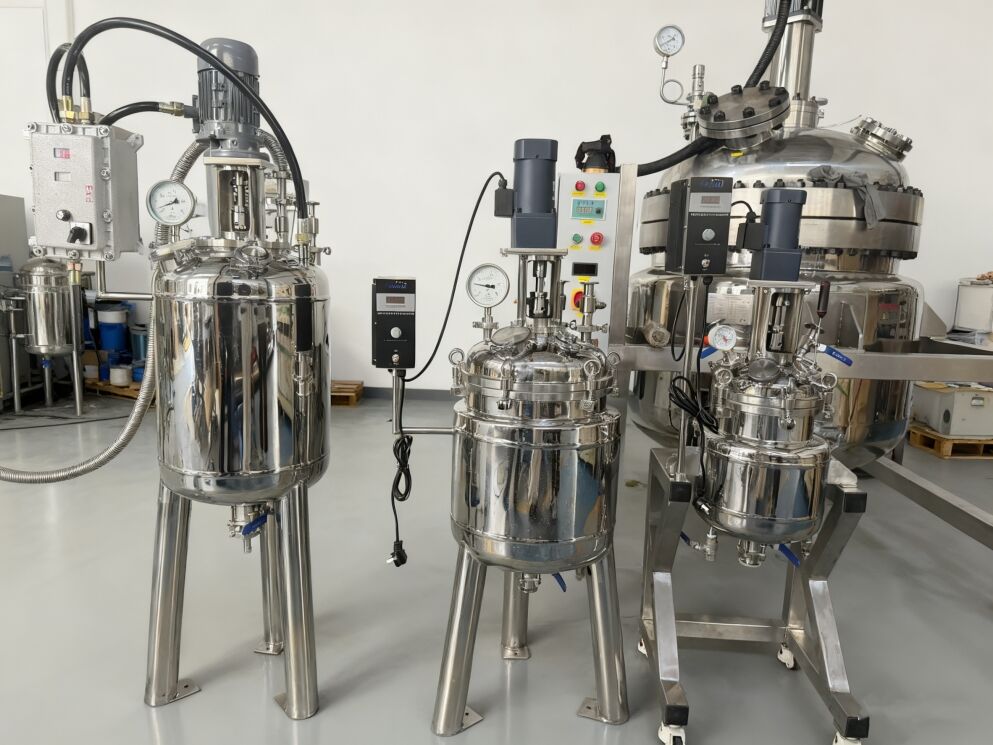
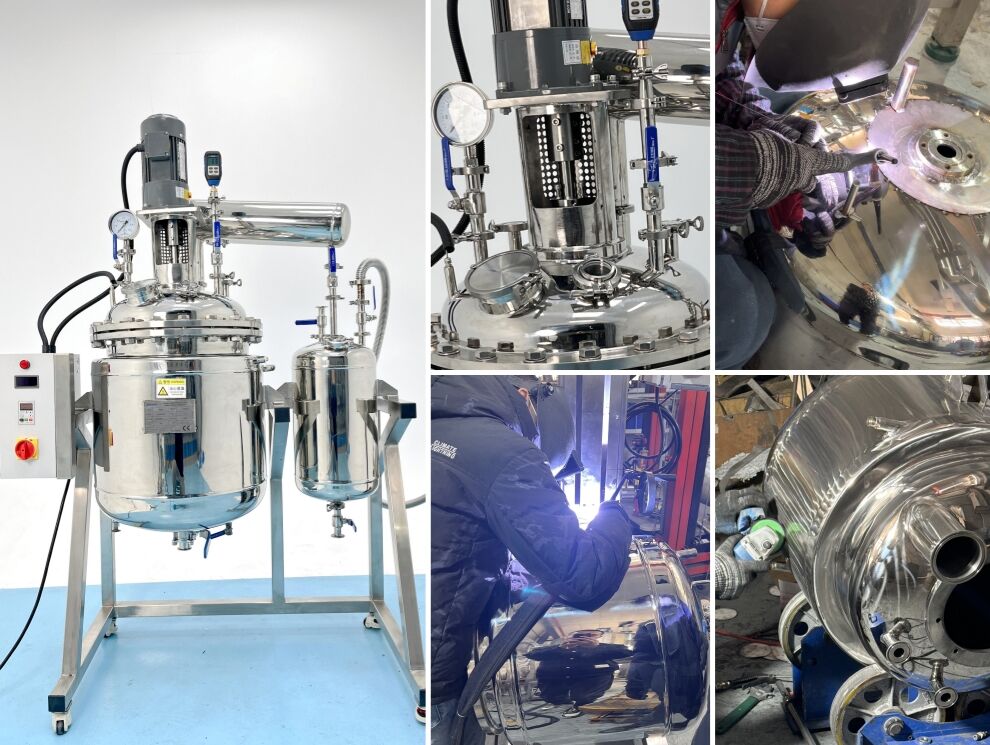
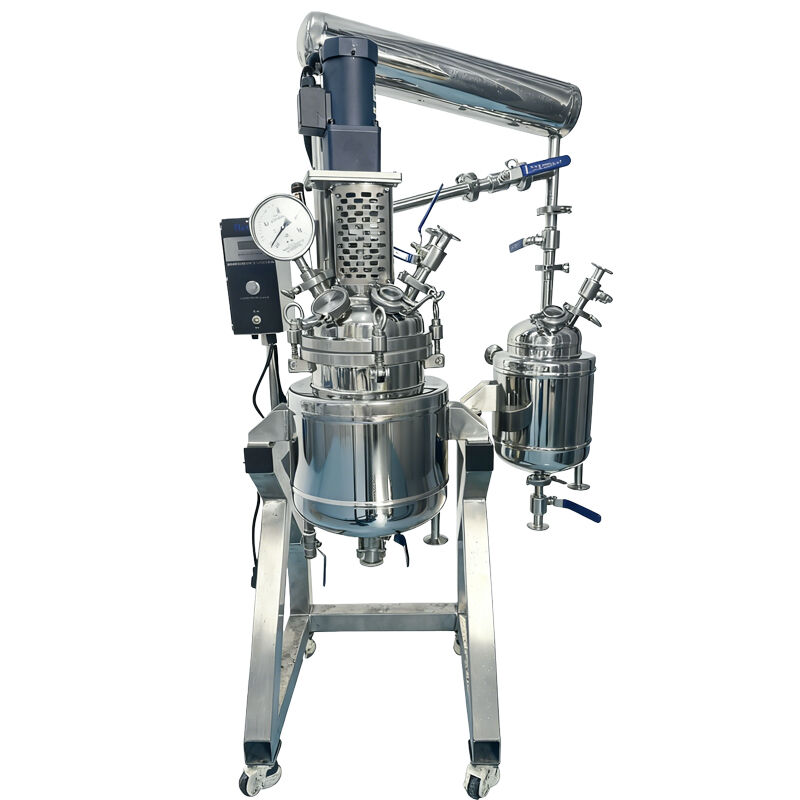
A distillation reactor vessel represents a sophisticated piece of industrial equipment that combines reaction and separation processes within a single, integrated system. This innovative technology serves as both a chemical reactor and a distillation column, enabling simultaneous chemical reactions and product purification through controlled heating, mixing, and vapor-liquid separation. The distillation reactor vessel operates on fundamental principles of mass transfer, heat exchange, and chemical kinetics to achieve optimal process efficiency. The vessel typically features multiple zones including reaction chambers, heating sections, and separation stages that work in harmony to maximize product yield and purity. Modern distillation reactor vessels incorporate advanced control systems that monitor temperature, pressure, flow rates, and composition parameters throughout the entire process. These vessels find extensive use in petrochemical refineries, pharmaceutical manufacturing, specialty chemical production, and biochemical processing facilities. The technology enables continuous operation while maintaining precise control over reaction conditions and separation parameters. Key components include sophisticated heat exchangers, internal packing or tray systems, vapor condensers, and automated control interfaces. The distillation reactor vessel design accommodates various feedstock types and can handle both batch and continuous processing modes. Engineers design these vessels with corrosion-resistant materials such as stainless steel, specialized alloys, or glass-lined surfaces depending on the specific chemical environment. Safety features include pressure relief systems, emergency shutdown protocols, and comprehensive monitoring equipment to ensure safe operation. The vessel configuration can be customized based on specific process requirements, including single-stage or multi-stage designs, reflux capabilities, and integrated catalyst systems. This versatility makes the distillation reactor vessel an indispensable tool for modern chemical processing operations seeking to optimize efficiency, reduce operational costs, and maintain consistent product quality while meeting stringent environmental and safety standards.

New Product Releases

The distillation reactor vessel delivers exceptional operational efficiency by combining multiple process steps into one streamlined system, eliminating the need for separate reaction and separation equipment. This integration significantly reduces capital investment costs while minimizing space requirements in manufacturing facilities. Companies benefit from lower maintenance expenses since fewer pieces of equipment require servicing and monitoring. The unified design reduces energy consumption by utilizing waste heat from chemical reactions to drive the distillation process, creating substantial cost savings in utility expenses. Process control becomes more straightforward with the distillation reactor vessel because operators manage a single integrated system rather than coordinating multiple separate units. This simplification reduces the likelihood of operational errors and improves overall process reliability. The technology enables faster production cycles by eliminating transfer times between separate reaction and separation vessels, allowing manufacturers to increase throughput and meet higher demand schedules. Product quality improves dramatically because the integrated design maintains optimal conditions throughout the entire process, preventing degradation that can occur during material transfers between separate systems. The distillation reactor vessel offers superior heat management capabilities, allowing precise temperature control that enhances reaction selectivity and product purity. Manufacturers can achieve higher conversion rates and better yields compared to traditional multi-step processes. The system provides excellent scalability, making it suitable for both pilot plant applications and large-scale commercial production. Environmental benefits include reduced emissions and waste generation because the integrated design minimizes product losses and eliminates intermediate storage requirements. The distillation reactor vessel supports automated operation, reducing labor costs and improving safety by minimizing human exposure to potentially hazardous chemicals. Flexibility in operation allows manufacturers to process different feedstocks and produce various products using the same equipment with minimal modifications. The technology enables rapid startup and shutdown procedures, providing operational agility to respond quickly to market demands. Overall, the distillation reactor vessel represents a smart investment that delivers long-term economic benefits while improving production efficiency and product quality.

Practical Tips

Mastering the Art of Chemical Processing with Jacketed Stainless Steel Reactors

29

Oct

Mastering the Art of Chemical Processing with Jacketed Stainless Steel Reactors

Understanding Jacketed Stainless Steel Reactors: Design and Core Functionality What Are Jacketed Stainless Steel Reactors? Jacketed stainless steel reactors consist of a main reaction area inside what's called a jacket or outer shell. Between these ...
View More
The Durability Advantage of Stainless Steel Extraction Reactors

29

Oct

The Durability Advantage of Stainless Steel Extraction Reactors

Why Stainless Steel Extraction Reactors Last LongerTypical Lifespan of Stainless Steel Reactors in Industrial ApplicationsIndustrial stainless steel extraction reactors built to last decades in tough environments aren't uncommon these days. The big o...
View More
Why Jacketed Glass Reactors are Essential for Your Lab

29

Oct

Why Jacketed Glass Reactors are Essential for Your Lab

Superior Temperature Control for Consistent Reaction ConditionsJacketed glass reactors achieve ±0.5°C temperature stability through their double-wall design, ensuring precise and consistent reaction conditions critical for sensitive chemic...
View More
How to Choose the Right Stainless Steel Reactor for Pharmaceutical Production

12

Nov

How to Choose the Right Stainless Steel Reactor for Pharmaceutical Production

Selecting the appropriate stainless steel reactor for pharmaceutical production is a critical decision that directly impacts product quality, manufacturing efficiency, and regulatory compliance. The pharmaceutical industry demands exceptional standar...
View More

Get a Free Quote

Our representative will contact you soon.
Email
Name
Contact Number
Company Name
Message
0/1000

distillation reactor vessel

Advanced Heat Integration Technology

Advanced Heat Integration Technology

The distillation reactor vessel features cutting-edge heat integration technology that revolutionizes energy efficiency in chemical processing operations. This innovative system captures and utilizes reaction heat to power the distillation process, creating a self-sustaining thermal cycle that dramatically reduces external energy requirements. The advanced heat exchange network within the distillation reactor vessel includes strategically positioned heating elements, thermal management zones, and heat recovery systems that work together to optimize energy utilization throughout the entire process. Internal heat exchangers transfer thermal energy from exothermic reactions directly to the distillation sections, eliminating energy waste and reducing operational costs by up to 40 percent compared to conventional separate systems. The sophisticated temperature control mechanisms allow operators to maintain precise thermal conditions in different zones of the distillation reactor vessel, ensuring optimal reaction kinetics while achieving efficient separation. Smart thermal sensors continuously monitor temperature profiles and automatically adjust heating and cooling systems to maintain ideal operating conditions. The heat integration technology incorporates advanced insulation materials and thermal barriers that prevent unwanted heat loss while protecting operators from high-temperature surfaces. This thermal management system enables the distillation reactor vessel to achieve superior energy efficiency ratings that meet or exceed current environmental standards. The technology supports variable heat load operations, adapting automatically to changes in feedstock composition or production rates without compromising efficiency. Advanced computational algorithms predict thermal requirements and optimize heat distribution patterns to maximize energy recovery and minimize waste. The integrated heat management system reduces the carbon footprint of chemical processing operations while maintaining consistent product quality. This innovative approach to thermal management makes the distillation reactor vessel an environmentally responsible choice for sustainable manufacturing practices, delivering both economic and environmental benefits that align with modern corporate sustainability goals.
Precision Process Control Systems

Precision Process Control Systems

The distillation reactor vessel incorporates state-of-the-art precision process control systems that provide unparalleled operational accuracy and reliability for complex chemical processing applications. These advanced control systems utilize sophisticated sensors, automated valves, and intelligent software algorithms to maintain optimal operating conditions throughout the entire production cycle. The precision control technology monitors critical parameters including temperature, pressure, flow rates, composition profiles, and reaction progress in real-time, enabling immediate adjustments to maintain product specifications. The distillation reactor vessel features distributed control architecture that manages multiple process variables simultaneously, ensuring consistent product quality while maximizing operational efficiency. Advanced cascade control loops automatically compensate for process disturbances, maintaining stable operation even when feedstock compositions or external conditions change. The intelligent control system incorporates predictive algorithms that anticipate process variations and make proactive adjustments to prevent quality deviations. Operators benefit from intuitive human-machine interfaces that display comprehensive process information in easy-to-understand graphical formats, enabling quick decision-making and efficient troubleshooting. The precision control systems include advanced safety interlocks that automatically implement protective measures if operating parameters approach critical limits, ensuring safe operation while protecting equipment and personnel. Data logging capabilities capture detailed process information that supports quality assurance programs and regulatory compliance requirements. The control system architecture supports remote monitoring and control capabilities, allowing experienced operators to oversee multiple distillation reactor vessels from centralized control rooms. Advanced diagnostic features continuously assess system performance and provide early warnings of potential maintenance needs, reducing unexpected downtime and extending equipment life. The precision control technology enables the distillation reactor vessel to achieve tight product specifications consistently, reducing waste and improving customer satisfaction. Integration with enterprise resource planning systems provides seamless data flow for production planning and inventory management, enhancing overall operational efficiency and business performance.
Modular Design Flexibility

Modular Design Flexibility

The distillation reactor vessel showcases exceptional modular design flexibility that enables manufacturers to adapt the system to diverse processing requirements and changing production needs. This innovative modular architecture allows companies to configure the distillation reactor vessel with specific components and capabilities that match their unique operational requirements. The flexible design incorporates interchangeable processing modules, adjustable separation stages, and scalable capacity options that can be modified or upgraded without replacing the entire system. Manufacturing facilities benefit from the ability to reconfigure the distillation reactor vessel for different products or processes, maximizing equipment utilization and return on investment. The modular approach enables phased implementation strategies where companies can start with basic configurations and add advanced features as production volumes and requirements grow. Standardized connection interfaces between modules ensure compatibility and simplify modification procedures, reducing downtime during configuration changes. The distillation reactor vessel design accommodates various process intensities, from gentle pharmaceutical applications to robust petrochemical operations, through appropriate module selection and arrangement. Flexible internal configurations support different separation mechanisms including packed columns, tray systems, and structured packing arrangements to optimize performance for specific applications. The modular design philosophy extends to auxiliary systems including heating, cooling, and control components that can be customized to match specific utility requirements and constraints. Manufacturers can optimize the distillation reactor vessel configuration for available floor space, ceiling height, and infrastructure limitations through modular component arrangement. The flexible design supports future expansion possibilities, allowing companies to increase capacity or add new capabilities without major capital investments in completely new equipment. Maintenance procedures benefit from modular design because individual components can be serviced or replaced without affecting other system elements, minimizing production interruptions. The modular flexibility enables the distillation reactor vessel to serve multiple product lines within a single facility, increasing operational efficiency and reducing per-unit production costs through shared infrastructure utilization.

Get a Free Quote

Our representative will contact you soon.
Email
Name
Contact Number
Company Name
Message
0/1000