High Vacuum Distillation Reactor: Advanced Industrial Separation Technology for Superior Product Quality

Get a Free Quote

Our representative will contact you soon.
Email
Name
Contact Number
Company Name
Message
0/1000

high vacuum distillation reactor

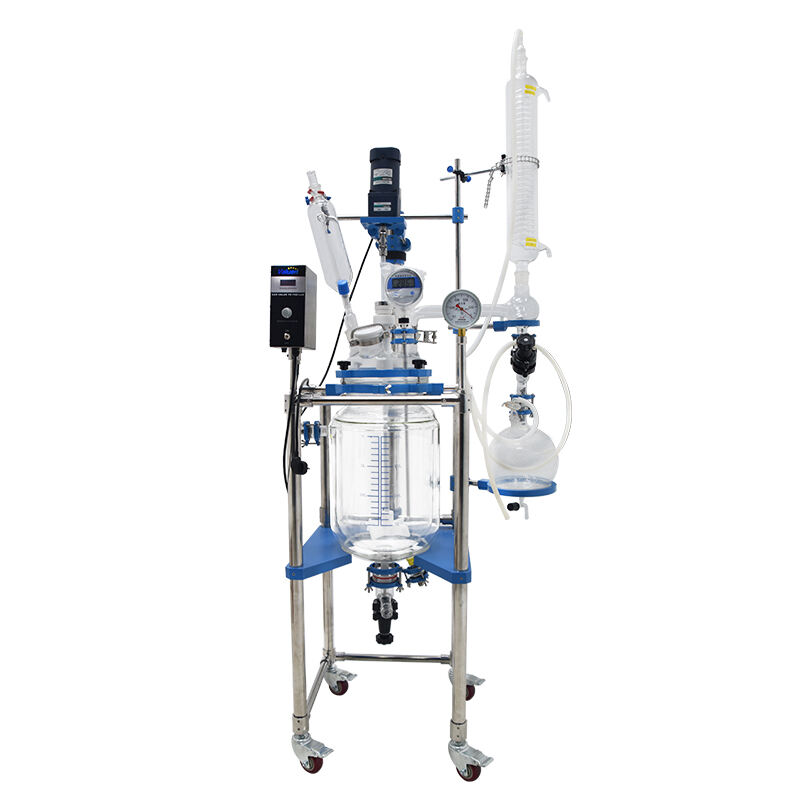
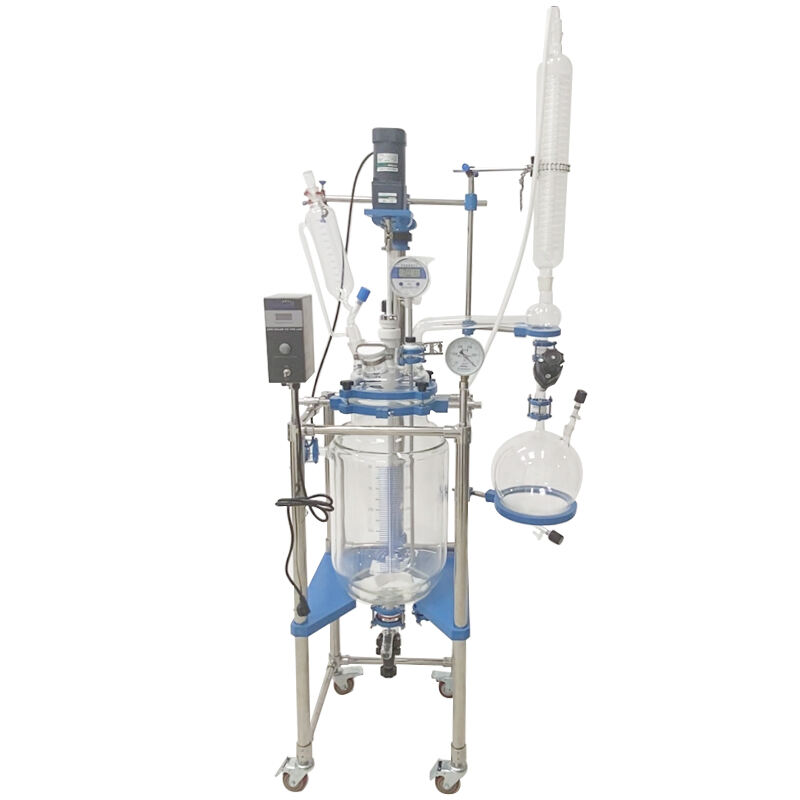
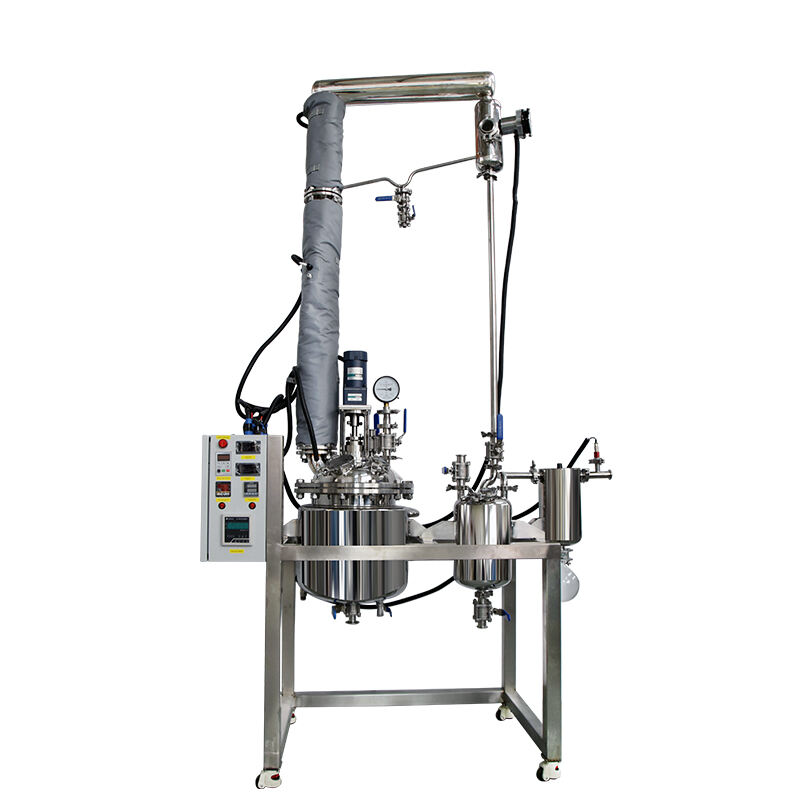
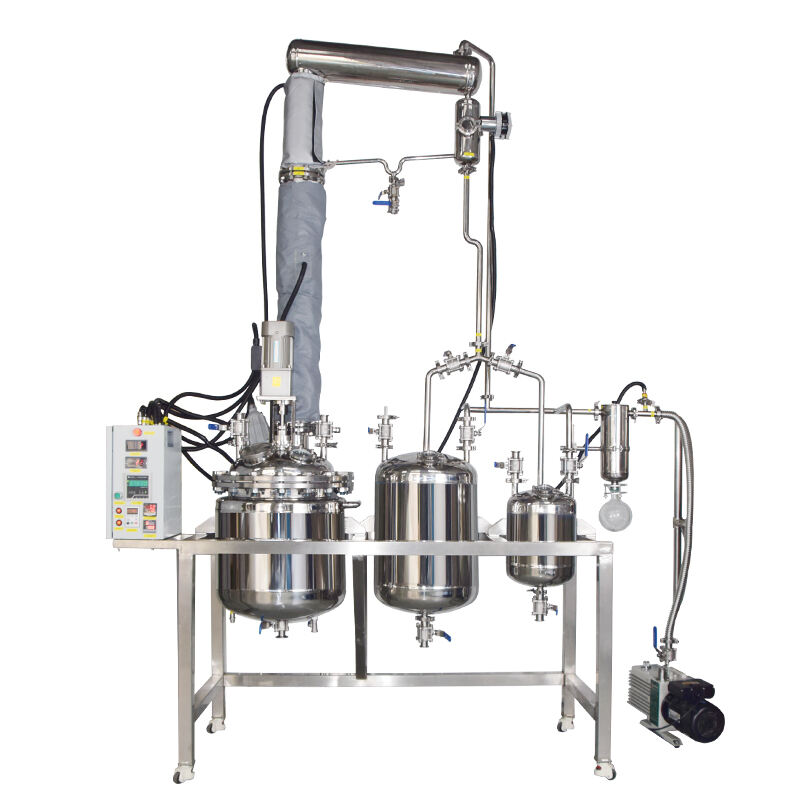
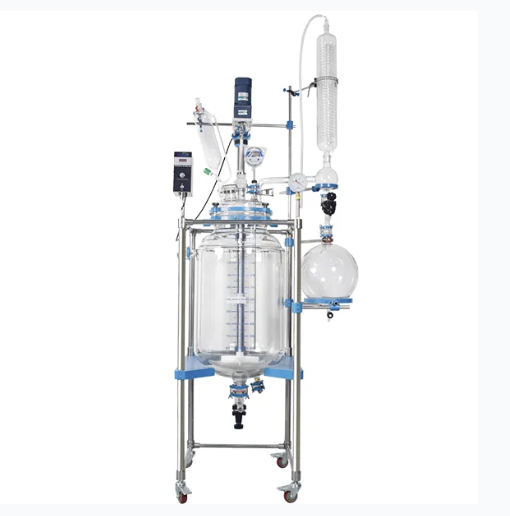
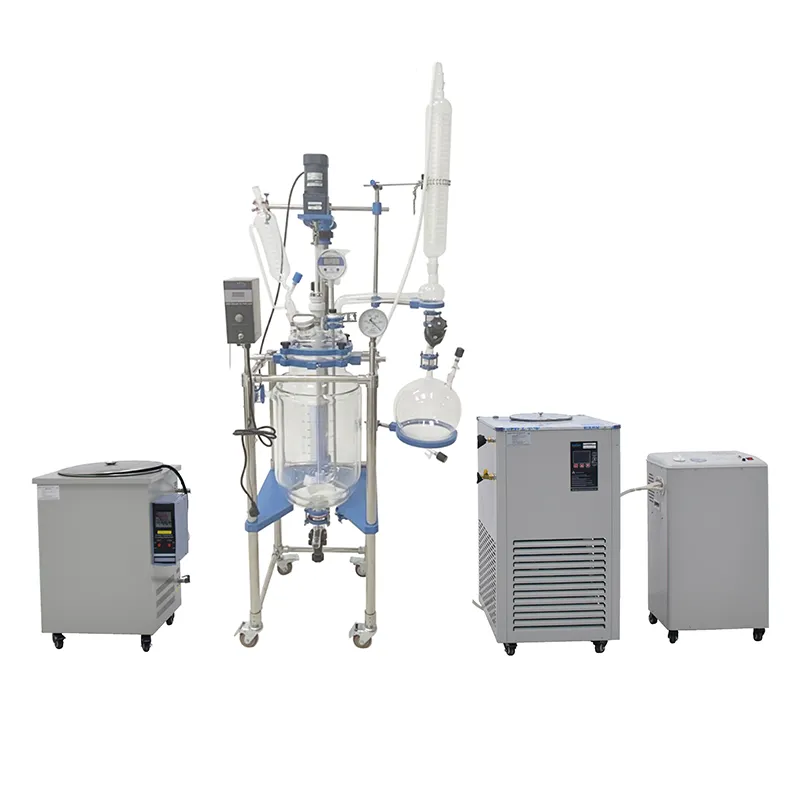
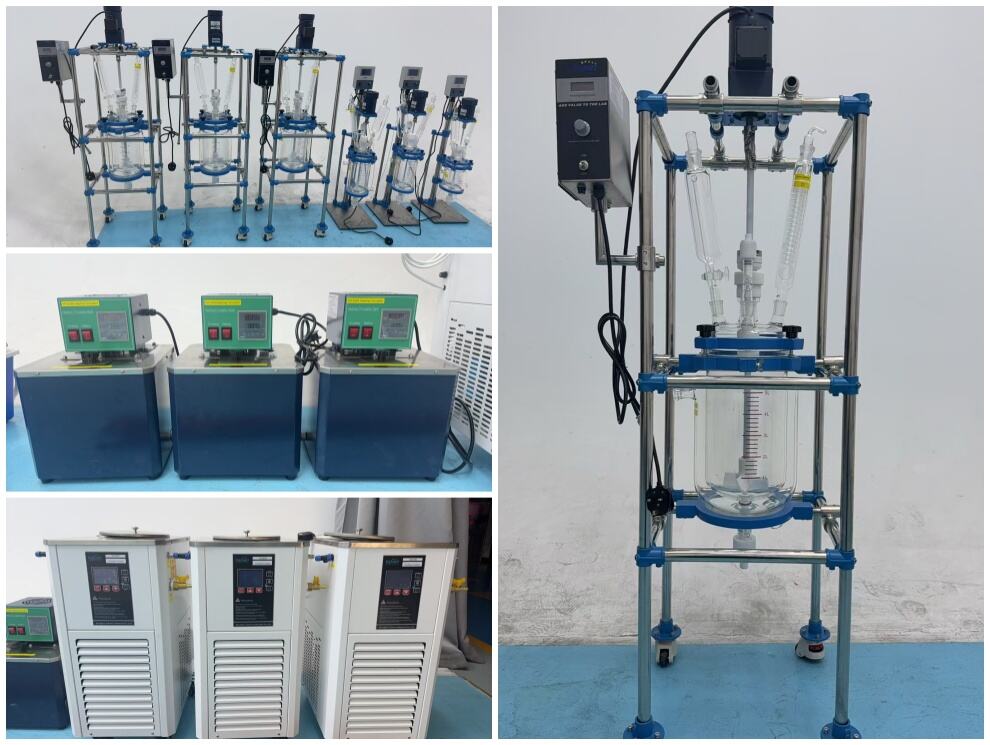
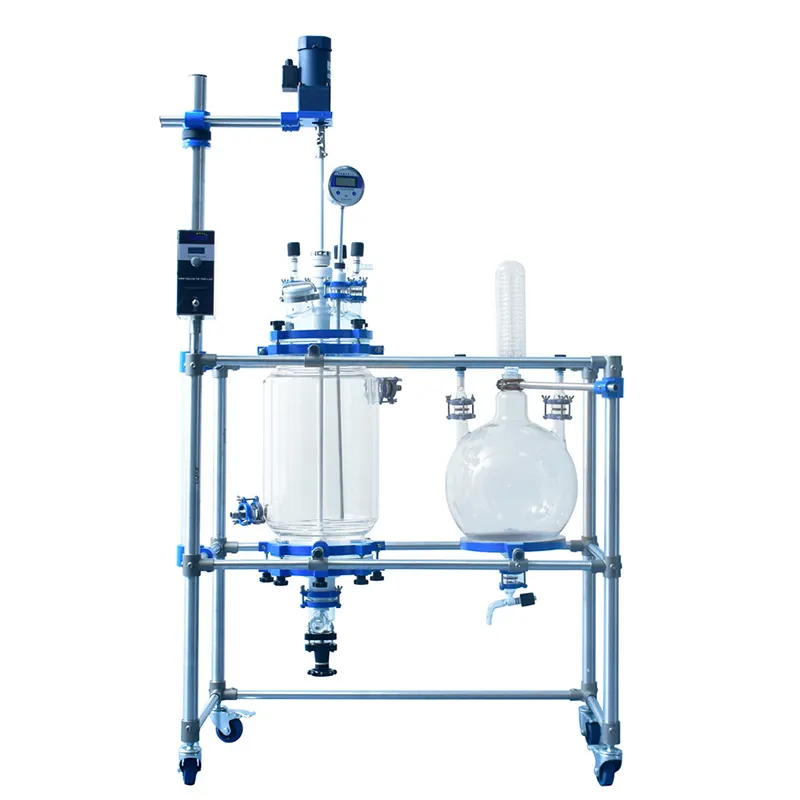
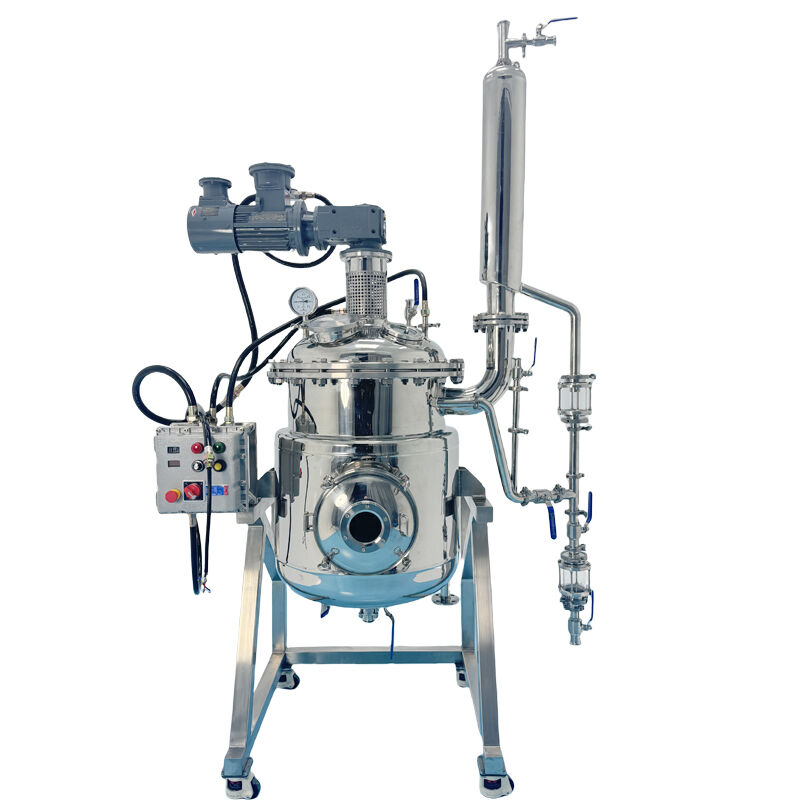
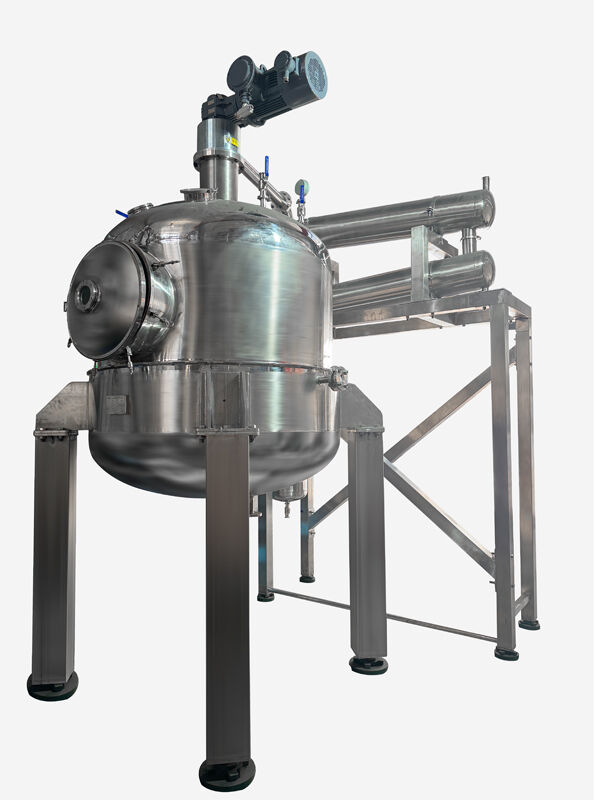
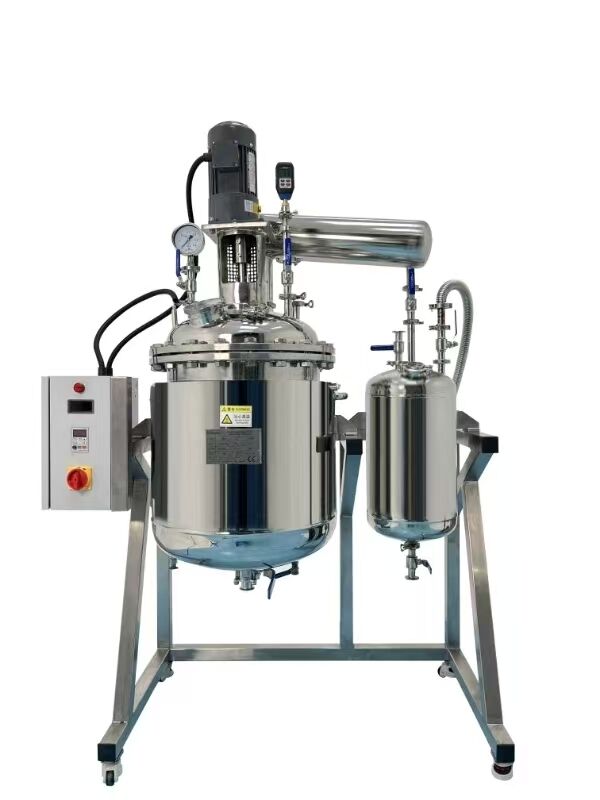
The high vacuum distillation reactor stands as a sophisticated industrial equipment designed to perform precise separation and purification processes under extremely low-pressure conditions. This specialized reactor operates by reducing atmospheric pressure to create an environment where substances can be distilled at significantly lower temperatures than traditional distillation methods. The core functionality revolves around the principle that reducing pressure lowers the boiling points of materials, enabling gentle separation without thermal degradation. The high vacuum distillation reactor incorporates advanced vacuum systems capable of achieving pressures as low as 0.1 mbar, making it ideal for processing heat-sensitive compounds, pharmaceutical intermediates, and high-value chemicals. The reactor features a robust design with specialized heating systems that provide uniform temperature distribution throughout the vessel. Modern units include sophisticated control systems that monitor and adjust vacuum levels, temperature gradients, and residence times automatically. The internal structure typically consists of multiple theoretical plates or structured packing materials that enhance separation efficiency. These reactors are equipped with advanced condensation systems featuring multiple condensers operating at different temperature levels to maximize product recovery. The vacuum system integration includes mechanical pumps, diffusion pumps, and molecular pumps working in tandem to maintain consistent low-pressure conditions. Safety features are paramount, incorporating pressure relief systems, emergency venting mechanisms, and inert gas purging capabilities. The high vacuum distillation reactor serves critical roles in pharmaceutical manufacturing, petrochemical processing, fine chemical production, and research laboratories. Its versatility extends to processing various materials including organic solvents, essential oils, synthetic intermediates, and specialty chemicals. The equipment demonstrates exceptional performance in molecular distillation applications where conventional methods prove inadequate. Temperature-sensitive materials benefit significantly from the reduced processing temperatures, preserving product quality and yield. The reactor design accommodates both batch and continuous processing modes, providing operational flexibility for diverse production requirements.

Popular Products

The high vacuum distillation reactor delivers substantial operational benefits that directly impact production efficiency and product quality. Lower operating temperatures represent the most significant advantage, as the reduced pressure environment allows distillation to occur at temperatures 50-100 degrees Celsius below normal atmospheric conditions. This temperature reduction prevents thermal decomposition of sensitive compounds, ensuring higher product purity and yield rates. Manufacturers experience reduced energy consumption because lower heating requirements translate to decreased utility costs and improved sustainability metrics. The enhanced separation efficiency achieved through vacuum conditions enables processing of materials with minimal boiling point differences that would be impossible under atmospheric pressure. Product quality improvements are consistently observed as the gentle processing conditions preserve molecular integrity and prevent unwanted side reactions. The high vacuum distillation reactor minimizes residence time at elevated temperatures, reducing the risk of product degradation and color formation. Operational flexibility stands out as another key benefit, allowing processors to handle diverse feedstock compositions and adjust operating parameters to optimize specific separation requirements. The equipment supports continuous operation with minimal downtime, contributing to increased production capacity and throughput. Maintenance requirements are typically lower compared to high-temperature alternatives because reduced thermal stress extends equipment lifespan and decreases component wear. Safety enhancements include reduced fire and explosion risks due to lower operating temperatures and controlled atmospheric conditions. The reactor enables processing of materials that would otherwise be unsuitable for conventional distillation methods, expanding the range of feasible production processes. Economic advantages accumulate through improved yields, reduced waste generation, and decreased raw material consumption. Environmental benefits emerge from lower emissions and reduced thermal pollution. The precise control capabilities allow operators to achieve consistent product specifications and reduce batch-to-batch variations. Investment returns are typically favorable due to the combination of improved product quality, increased yields, and operational cost reductions. The technology enables manufacturers to access premium market segments that demand high-purity products. Process intensification occurs naturally as the enhanced mass transfer rates under vacuum conditions allow smaller equipment to achieve equivalent throughput compared to atmospheric distillation systems.

Practical Tips

The Durability Advantage of Stainless Steel Extraction Reactors

29

Oct

The Durability Advantage of Stainless Steel Extraction Reactors

Why Stainless Steel Extraction Reactors Last LongerTypical Lifespan of Stainless Steel Reactors in Industrial ApplicationsIndustrial stainless steel extraction reactors built to last decades in tough environments aren't uncommon these days. The big o...
View More
What Industries Benefit Most From Advanced Fractional Distillation Systems?

24

Dec

What Industries Benefit Most From Advanced Fractional Distillation Systems?

Industrial separation processes have evolved significantly over the past century, with fractional distillation equipment emerging as one of the most critical technologies for achieving high-purity separations. This sophisticated process leverages dif...
View More
What Operating Conditions Affect Fractional Distillation Performance?

24

Dec

What Operating Conditions Affect Fractional Distillation Performance?

Fractional distillation represents one of the most critical separation techniques in chemical processing, petrochemical industries, and laboratory applications. The effectiveness of this process depends heavily on various operating conditions that di...
View More
How Does a Stainless Steel Reactor Support Customization and Scale-Up?

20

Jan

How Does a Stainless Steel Reactor Support Customization and Scale-Up?

The chemical processing industry faces constant pressure to optimize production while maintaining safety and quality standards. A stainless steel reactor serves as the cornerstone of countless manufacturing operations, providing the durability and ve...
View More

Get a Free Quote

Our representative will contact you soon.
Email
Name
Contact Number
Company Name
Message
0/1000

high vacuum distillation reactor

Advanced Vacuum Technology Integration

Advanced Vacuum Technology Integration

The high vacuum distillation reactor incorporates state-of-the-art vacuum technology that sets new standards for industrial separation processes. The sophisticated vacuum system design combines multiple pump stages, including rotary vane pumps for initial evacuation, roots blowers for intermediate pressure ranges, and turbomolecular pumps for achieving ultimate vacuum levels below 0.01 mbar. This multi-stage approach ensures rapid pumpdown times and maintains stable vacuum conditions throughout extended operating periods. The vacuum system features automatic leak detection capabilities that continuously monitor system integrity and alert operators to potential issues before they impact production. Advanced control algorithms automatically adjust pump speeds and valve positions to maintain optimal vacuum levels while minimizing energy consumption. The reactor design incorporates specialized vacuum-compatible materials and sealing systems that prevent contamination and ensure long-term reliability. Cold traps strategically positioned within the vacuum line prevent volatile compounds from reaching sensitive pump components, extending maintenance intervals and protecting equipment investments. The vacuum measurement system employs multiple gauge types including Pirani, thermocouple, and ionization gauges to provide accurate pressure readings across the entire operating range. Automated valve sequencing prevents oil backstreaming and maintains system cleanliness during startup and shutdown procedures. The vacuum system design includes redundant components and backup systems to ensure continuous operation even during maintenance activities. Specialized vacuum-compatible heating systems provide uniform temperature distribution without compromising vacuum integrity. The integration includes sophisticated software that logs vacuum performance data, enabling predictive maintenance scheduling and process optimization. Emergency vacuum breaking systems incorporate inert gas injection to prevent atmospheric contamination during unexpected shutdowns. The vacuum technology enables processing applications previously considered impossible, including molecular distillation of thermally unstable compounds and separation of materials with extremely close boiling points. This advanced integration delivers measurable improvements in product purity, processing efficiency, and operational reliability while reducing overall production costs and environmental impact.
Precision Temperature Control Systems

Precision Temperature Control Systems

The high vacuum distillation reactor features an exceptionally sophisticated temperature control system designed to maintain precise thermal conditions throughout the entire processing cycle. The advanced heating system utilizes multiple independent heating zones with individual temperature sensors and controllers, enabling creation of optimal temperature profiles for specific separation requirements. Each heating element incorporates rapid response characteristics that allow quick adjustments to maintain target temperatures within tight tolerances, typically ±1°C or better. The temperature control architecture includes predictive algorithms that anticipate thermal changes and make proactive adjustments to prevent temperature overshoots or undershoots that could compromise product quality. Specialized heat transfer fluids circulate through jacketed reactor walls, providing uniform heat distribution and eliminating hot spots that might cause localized overheating. The system incorporates both heating and cooling capabilities, allowing precise temperature ramping for complex distillation profiles and rapid cooling for process termination. Advanced thermal mapping technology ensures temperature uniformity across the reactor volume, with multiple measurement points providing comprehensive monitoring coverage. The control system features cascade control loops that coordinate heating zone operations to maintain optimal temperature gradients for enhanced separation efficiency. Safety interlocks prevent operation outside predetermined temperature ranges and automatically initiate emergency cooling procedures if temperature excursions occur. The temperature control system integrates seamlessly with the vacuum system to optimize the relationship between pressure and temperature for maximum separation efficiency. Data logging capabilities capture detailed temperature profiles for quality assurance documentation and process optimization analysis. The heating system design incorporates energy recovery features that capture waste heat for preheating incoming materials, improving overall energy efficiency. Thermal insulation systems minimize heat loss and reduce external surface temperatures for improved operator safety and energy conservation. The temperature control precision enables processing of extremely heat-sensitive materials that would decompose under conventional distillation conditions. This precise control capability allows manufacturers to achieve superior product quality while minimizing energy consumption and processing time. The system adaptability accommodates various processing modes including isothermal operation, programmed temperature ramping, and complex multi-step thermal profiles tailored to specific separation challenges.
Enhanced Mass Transfer Performance

Enhanced Mass Transfer Performance

The high vacuum distillation reactor delivers exceptional mass transfer performance through innovative internal design features that maximize separation efficiency and minimize processing time. The reactor incorporates advanced internals including structured packing, random packing, or theoretical plates specifically engineered to optimize vapor-liquid contact under vacuum conditions. These internal components create extensive interfacial area for mass transfer while maintaining low pressure drop characteristics essential for vacuum operation. The enhanced surface area design promotes rapid equilibrium achievement between vapor and liquid phases, resulting in superior separation performance compared to conventional distillation systems. Specialized distributor systems ensure uniform liquid distribution across packing surfaces, preventing channeling and dead zones that could reduce separation efficiency. The reactor geometry incorporates optimized vapor space design that minimizes entrainment and provides adequate disengaging area for clean vapor separation. Advanced computational fluid dynamics modeling guides the internal design to ensure optimal flow patterns and maximize mass transfer coefficients. The high vacuum distillation reactor features multiple feed introduction points that allow strategic feeding to optimize concentration profiles and improve overall separation performance. Vapor withdrawal systems are designed to minimize pressure drop while ensuring complete vapor collection from the reaction zone. The enhanced mass transfer performance enables processing of difficult separations including close-boiling mixtures, azeotropic systems, and thermally sensitive materials that cannot be processed using conventional methods. Side stream withdrawal capabilities allow intermediate product collection and enable complex separation sequences within a single reactor unit. The internal design accommodates both batch and continuous operation modes with optimized residence time distributions for each application. Heat integration features recover latent heat from condensing vapors to provide reboiler duty, improving energy efficiency and reducing operating costs. The mass transfer enhancement results in reduced theoretical stage requirements, allowing smaller equipment to achieve equivalent separation performance. Quality control benefits include more consistent product specifications and reduced batch-to-batch variations due to improved mass transfer efficiency. The reactor design enables processing at higher throughput rates while maintaining separation quality, providing significant economic advantages through increased production capacity. Environmental benefits emerge from reduced energy consumption and improved yield rates that minimize waste generation. The enhanced performance characteristics enable manufacturers to achieve separation objectives that would be technically or economically unfeasible using alternative technologies.

Get a Free Quote

Our representative will contact you soon.
Email
Name
Contact Number
Company Name
Message
0/1000