 EN
EN

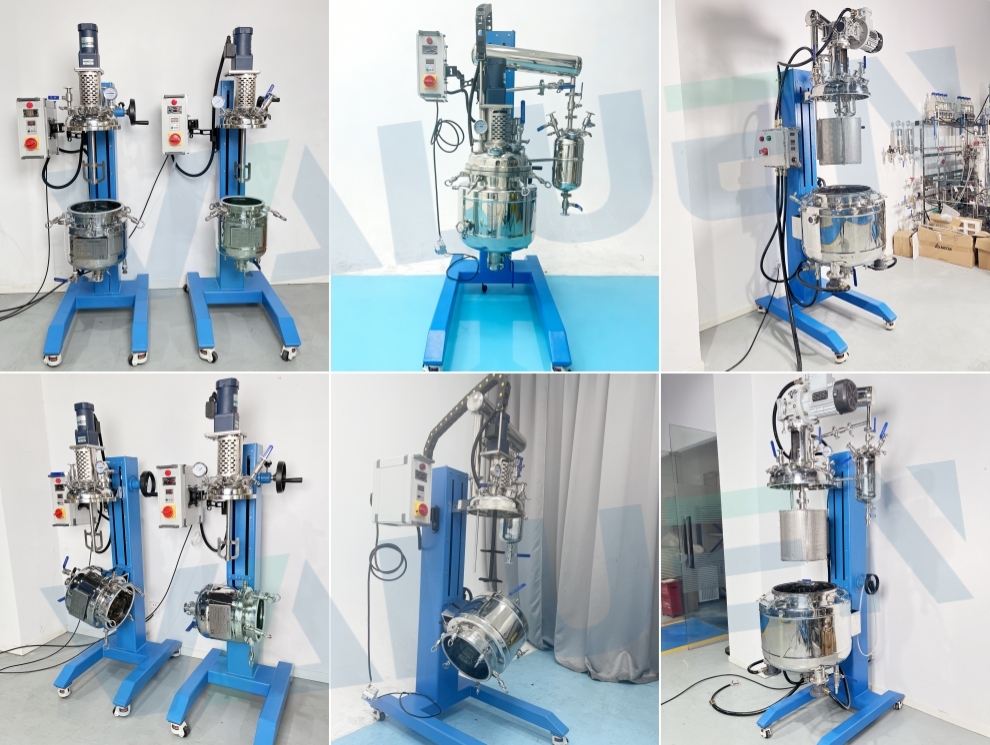
Modern industrial chemical processing demands precision, efficiency, and reliability in every piece of equipment. Among the most critical components in pharmaceutical, chemical, and biotechnology manufacturing is the rotary and liftable stainless steel reactor, which serves as the cornerstone for countless synthesis and reaction processes. These sophisticated vessels combine mechanical agitation capabilities with ergonomic handling features, enabling operators to achieve optimal reaction conditions while maintaining safety and operational flexibility. Understanding the key design features that distinguish superior reactor systems is essential for process engineers, facility managers, and manufacturing professionals who seek to optimize their production capabilities.
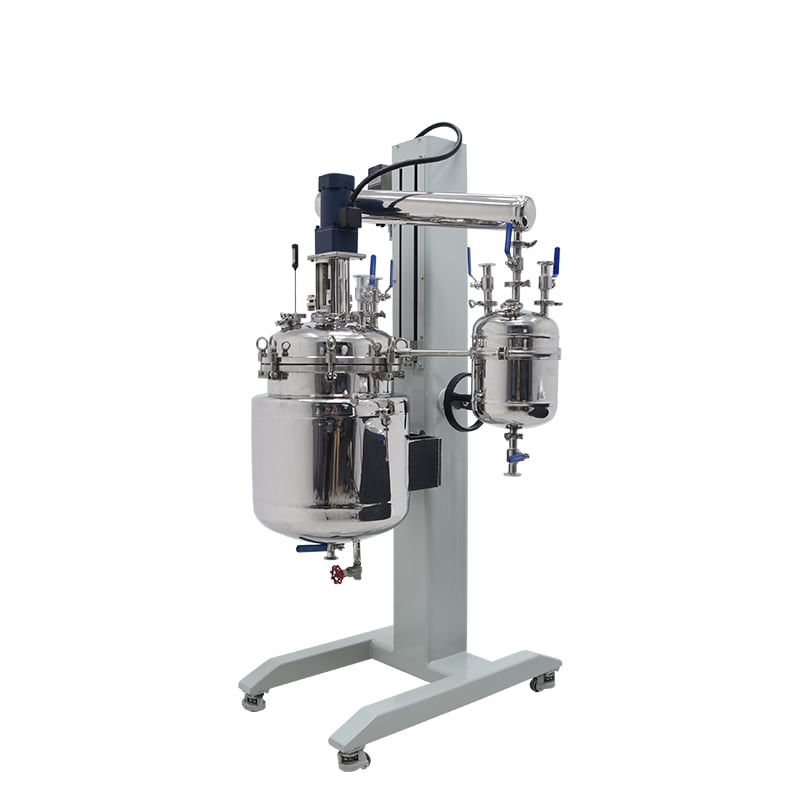
Material Construction and Grade Selection
Stainless Steel Grades and Their Applications
The selection of appropriate stainless steel grades forms the foundation of any high-performance rotary and liftable stainless steel reactor system. Grade 316L stainless steel represents the industry standard for pharmaceutical and food-grade applications, offering exceptional corrosion resistance and low carbon content that prevents carbide precipitation during welding processes. This austenitic stainless steel grade provides superior resistance to chloride-induced stress corrosion cracking, making it ideal for processes involving halogenated compounds or acidic media. The material's non-magnetic properties and excellent cleanability characteristics ensure compatibility with stringent hygiene requirements common in pharmaceutical manufacturing environments.
Advanced applications may require specialized grades such as 316Ti or 317L, which offer enhanced resistance to specific corrosive environments. Grade 316Ti incorporates titanium stabilization to prevent intergranular corrosion in high-temperature applications, while 317L provides increased molybdenum content for superior pitting and crevice corrosion resistance. The choice between these grades significantly impacts the long-term durability and maintenance requirements of the rotary and liftable stainless steel reactor, particularly in aggressive chemical environments or processes involving elevated temperatures and pressures.
Surface Finish Requirements and Standards
Surface finish quality directly affects the cleanability, contamination resistance, and overall performance of industrial reactor systems. Electropolishing represents the gold standard for pharmaceutical-grade equipment, creating a smooth, passive surface layer that minimizes bacterial adhesion and facilitates thorough cleaning validation. This process removes embedded iron particles and creates a chromium-rich surface oxide layer that enhances corrosion resistance. The typical surface roughness achievable through electropolishing ranges from 0.25 to 0.38 microns Ra, significantly smoother than mechanical polishing alone.
Mechanical polishing techniques, including successive grit progression up to 400-grit or higher, provide cost-effective surface preparation for general industrial applications. However, the microscopic surface irregularities inherent in mechanical finishes can harbor contaminants and create cleaning challenges in critical applications. For rotary and liftable stainless steel reactor applications requiring the highest hygiene standards, the combination of mechanical polishing followed by electropolishing delivers optimal results, ensuring both aesthetic appeal and functional performance.
Agitation System Design and Performance
Impeller Configuration and Selection Criteria
The agitation system represents the heart of any rotary and liftable stainless steel reactor, with impeller design directly influencing mixing efficiency, heat transfer rates, and reaction kinetics. Pitched blade turbines offer excellent axial flow characteristics, making them ideal for applications requiring efficient top-to-bottom mixing or solid suspension. These impellers generate strong circulation patterns that prevent stratification and ensure uniform temperature distribution throughout the reactor volume. The typical blade angle of 45 degrees provides an optimal balance between axial and radial flow components.
Flat blade turbines excel in high-shear applications where intensive mixing and dispersing actions are required. These radial flow impellers create strong pumping action and high energy dissipation rates, making them suitable for emulsification, particle size reduction, and gas-liquid mass transfer operations. The power consumption characteristics of different impeller types vary significantly, with flat blade turbines typically requiring 20-30% higher power input compared to pitched blade designs for equivalent mixing performance in most applications.
Drive System Integration and Control
Modern drive systems for industrial reactors incorporate variable frequency drives (VFDs) that provide precise speed control and energy efficiency optimization. These electronic control systems allow operators to adjust agitation rates in real-time, responding to changing process conditions or recipe requirements. The integration of torque monitoring capabilities enables early detection of process deviations, such as increasing viscosity or solid formation, providing valuable process insight and protecting equipment from overload conditions.
Magnetic coupling systems eliminate the need for mechanical seals in the rotary and liftable stainless steel reactor design, preventing contamination risks and reducing maintenance requirements. These hermetically sealed drive arrangements use magnetic fields to transmit rotational force through the reactor wall, maintaining complete process isolation while providing reliable power transmission. The absence of dynamic seals eliminates potential leak points and reduces the risk of product contamination or operator exposure to hazardous materials.
Lifting and Positioning Mechanisms
Hydraulic Lift Systems and Safety Features
Hydraulic lifting mechanisms provide smooth, controlled vertical movement for rotary and liftable stainless steel reactor systems, enabling easy access for maintenance, cleaning, and product discharge operations. These systems typically incorporate dual-cylinder designs with synchronized operation to ensure level lifting and prevent binding or mechanical stress on the reactor vessel. Emergency stop functions and position feedback systems enhance operational safety by preventing uncontrolled movement and providing precise positioning capabilities.
Safety interlocks integrated into the hydraulic control system prevent lifting operations when the reactor is under pressure or when agitation systems are active. Load monitoring sensors continuously verify the weight distribution and detect any abnormal conditions that might indicate mechanical failure or improper loading. These safety features protect both personnel and equipment while ensuring compliance with industrial safety regulations and standards.
Manual and Electric Positioning Options
Manual positioning systems offer cost-effective solutions for smaller capacity reactors or applications with infrequent repositioning requirements. Crank-operated lifting mechanisms provide precise height adjustment while maintaining operator control throughout the positioning process. These systems typically incorporate self-locking gear reduction drives that prevent unintentional movement and provide mechanical advantage for lifting heavy reactor assemblies.
Electric actuator systems deliver automated positioning capabilities with programmable height settings and remote operation features. These systems integrate seamlessly with process control systems, enabling automated recipes that include specific reactor positioning sequences. The combination of electric positioning with the rotary and liftable stainless steel reactor design creates highly flexible processing platforms capable of adapting to diverse production requirements.
Thermal Management and Heat Transfer
Jacket Design and Heat Transfer Optimization
Effective thermal management requires carefully engineered jacket systems that provide uniform heat distribution and efficient energy transfer. Dimpled plate jackets offer superior heat transfer coefficients compared to conventional welded jackets, creating turbulent flow patterns that enhance convective heat transfer. The dimpled surface geometry increases the effective heat transfer area while promoting mixing of the heating or cooling medium, resulting in more uniform temperature control and reduced thermal gradients.
Half-pipe coil jackets provide excellent flexibility for applications requiring precise temperature control or multiple heating zones. These systems allow for independent control of different reactor sections, enabling complex temperature profiles and improved process control. The spiral configuration of half-pipe coils ensures consistent heat transfer rates regardless of the fill level, making them particularly suitable for batch processes with varying volumes in rotary and liftable stainless steel reactor applications.
Insulation Systems and Energy Efficiency
High-performance insulation systems significantly impact the energy efficiency and temperature stability of industrial reactor systems. Removable insulation jackets provide accessibility for maintenance while maintaining thermal performance during operation. These systems typically employ multi-layer insulation materials with vapor barriers to prevent moisture infiltration and maintain insulating properties over extended service periods.
Vacuum jacketed designs offer superior insulation performance for applications requiring extreme temperature control or energy conservation. These systems create an insulating vacuum space between inner and outer walls, virtually eliminating convective and conductive heat transfer. The result is exceptional temperature stability and minimal energy consumption, particularly beneficial for long-duration processes or when maintaining specific temperature ranges is critical to product quality.
Process Monitoring and Control Integration
Sensor Integration and Data Acquisition
Modern industrial reactors require comprehensive monitoring systems that provide real-time process data and enable precise control of reaction conditions. Temperature sensors strategically positioned throughout the rotary and liftable stainless steel reactor provide detailed thermal profiles and enable detection of hot spots or temperature variations that could affect product quality. RTD (Resistance Temperature Detector) sensors offer excellent accuracy and stability for pharmaceutical applications, while thermocouples provide cost-effective monitoring for general industrial processes.
Pressure monitoring systems incorporate both analog gauges for visual reference and digital transmitters for process control integration. These dual monitoring approaches ensure operational safety while providing precise pressure feedback for automated control systems. Advanced pressure sensors can detect minute pressure changes that indicate phase transitions, reaction progression, or equipment anomalies, enabling proactive process management and quality assurance.
Automation and Recipe Management
Integrated control systems enable automated recipe execution with precise timing, temperature ramping, and agitation speed control. These systems store multiple recipes and provide batch tracking capabilities that ensure consistency and traceability in production operations. User-friendly interfaces allow operators to monitor process parameters, adjust setpoints, and respond to alarm conditions while maintaining detailed production records for quality assurance and regulatory compliance.
Data logging capabilities capture process parameters at user-defined intervals, creating comprehensive batch records that support process optimization and troubleshooting activities. These systems often include statistical analysis tools that identify trends and variations in process performance, enabling continuous improvement initiatives and predictive maintenance strategies for the rotary and liftable stainless steel reactor system.
Maintenance Access and Serviceability
Design Features for Easy Maintenance
Accessibility represents a critical design consideration for industrial reactor systems, as routine maintenance and cleaning operations directly impact production efficiency and equipment longevity. Removable agitator assemblies simplify shaft seal replacement and impeller maintenance without requiring extensive disassembly of the entire system. Quick-disconnect couplings and standardized connection interfaces reduce maintenance time and minimize the risk of improper reassembly.
Strategic placement of inspection ports and service connections enables thorough cleaning validation and routine maintenance without compromising the structural integrity of the reactor vessel. These access points typically incorporate sanitary fittings and gasket systems that maintain hygienic conditions while providing necessary maintenance access. The positioning of these features considers both operational convenience and cleaning protocol requirements specific to the intended application environment.
Component Standardization and Replacement
Standardized component designs facilitate inventory management and reduce spare parts costs for rotary and liftable stainless steel reactor systems. Common bearing sizes, seal configurations, and fastener specifications across equipment lines simplify maintenance procedures and reduce technician training requirements. This standardization approach also enables bulk purchasing of maintenance items and reduces the risk of downtime due to unavailable spare parts.
Modular design concepts allow for component upgrades and capacity modifications without replacing the entire reactor system. This approach provides long-term flexibility as production requirements evolve and enables incremental improvements in performance or efficiency. The ability to upgrade individual components, such as agitation systems or control interfaces, extends equipment life and protects capital investments while maintaining operational capabilities.
Quality Assurance and Regulatory Compliance
Documentation and Validation Support
Comprehensive documentation packages support regulatory compliance and validation activities required in pharmaceutical and biotechnology applications. These packages typically include material certifications, weld records, pressure test certificates, and surface finish verification reports. Detailed fabrication drawings and bills of materials enable thorough design reviews and provide essential information for maintenance planning and spare parts identification.
Installation qualification (IQ) and operational qualification (OQ) protocols specific to the rotary and liftable stainless steel reactor configuration streamline validation processes and reduce project timelines. Pre-qualified test procedures and acceptance criteria based on industry standards ensure consistent validation outcomes and minimize regulatory review cycles. These standardized approaches particularly benefit organizations implementing multiple reactor systems or expanding production capabilities.
Cleaning and Sanitization Features
Clean-in-place (CIP) capabilities integrated into the reactor design enable automated cleaning cycles without manual disassembly. Spray ball systems and strategically positioned nozzles ensure complete coverage of all internal surfaces, including areas typically difficult to reach during manual cleaning. The design of CIP systems considers fluid dynamics and flow patterns to achieve effective cleaning while minimizing water and chemical consumption.
Steam-in-place (SIP) systems provide thermal sanitization capabilities for applications requiring sterile processing conditions. These systems integrate with the reactor heating systems to achieve and maintain sterilization temperatures throughout the vessel and associated piping. Condensate removal systems prevent accumulation of sterile water that could compromise the sanitization process or create contamination risks during subsequent processing operations.
FAQ
What capacity ranges are available for rotary and liftable stainless steel reactors
Rotary and liftable stainless steel reactor systems are typically available in capacities ranging from 10 liters for laboratory applications up to 5000 liters for industrial production. The most common industrial sizes range from 100 to 2000 liters, with custom configurations available for specialized applications. The lifting mechanism capacity and structural design are engineered specifically for each size range to ensure safe operation and optimal performance characteristics.
How do I determine the appropriate agitation speed for my process
Agitation speed selection depends on several factors including viscosity, reaction kinetics, heat transfer requirements, and mixing objectives. Generally, speeds range from 50-500 RPM, with lower speeds suitable for high-viscosity materials and higher speeds for gas-liquid mass transfer applications. Pilot testing or computational fluid dynamics modeling can optimize agitation parameters for specific processes, ensuring efficient mixing while minimizing power consumption and mechanical stress on the rotary and liftable stainless steel reactor components.
What safety certifications should I expect with industrial reactor systems
Industrial reactor systems should comply with relevant pressure vessel codes such as ASME Section VIII for the United States or PED (Pressure Equipment Directive) for European applications. Electrical components should meet appropriate UL, CE, or other regional safety standards. Additionally, many pharmaceutical applications require cGMP compliance and may need specific certifications such as FDA 21 CFR Part 11 for electronic records and signatures when integrated with automated control systems.
How often should maintenance be performed on lifting mechanisms
Hydraulic lifting systems typically require monthly visual inspections and annual comprehensive service including fluid changes and seal inspections. Mechanical lifting systems need periodic lubrication every 6-12 months and annual inspection of wear components such as gears and cables. The frequency may increase based on usage intensity and environmental conditions. Proper maintenance scheduling prevents unexpected failures and ensures operator safety while extending the service life of the rotary and liftable stainless steel reactor system.