Advanced Distillation Reactor Technology - Integrated Chemical Processing Solutions

Get a Free Quote

Our representative will contact you soon.
Email
Name
Contact Number
Company Name
Message
0/1000

distillation reactor

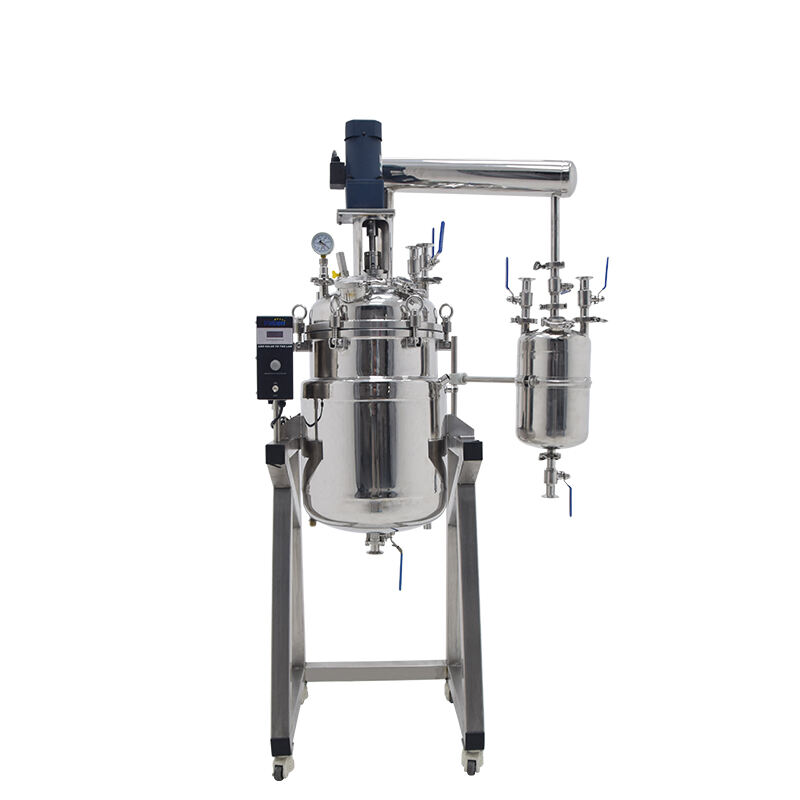
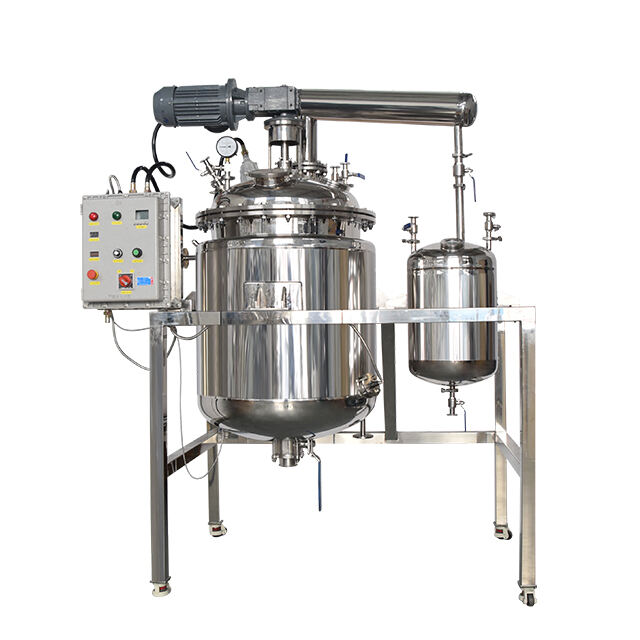
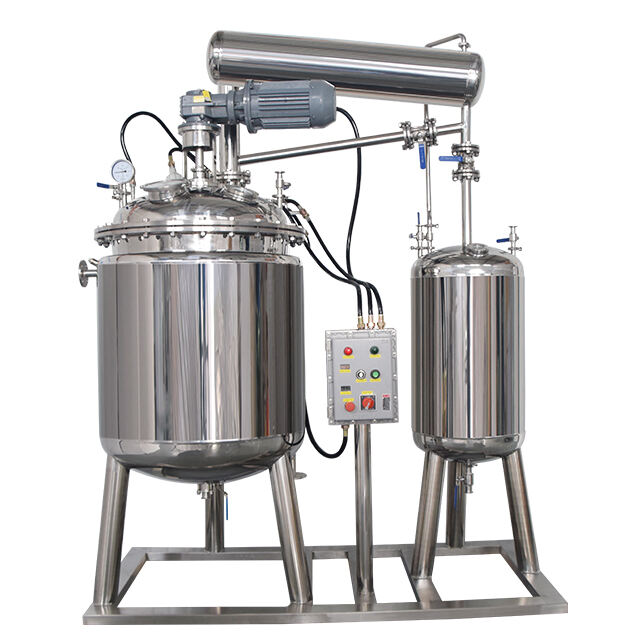
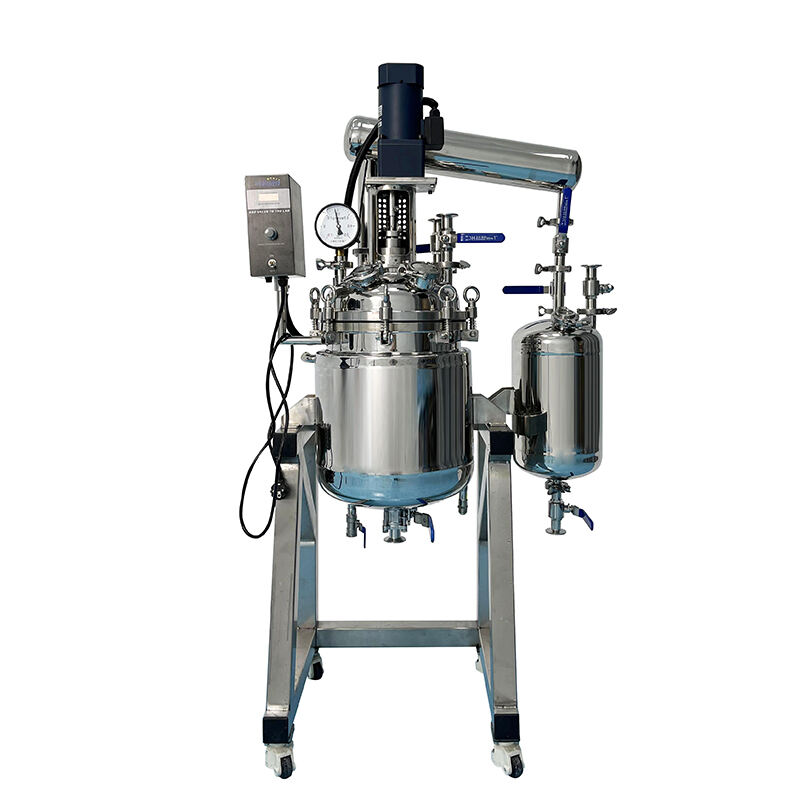
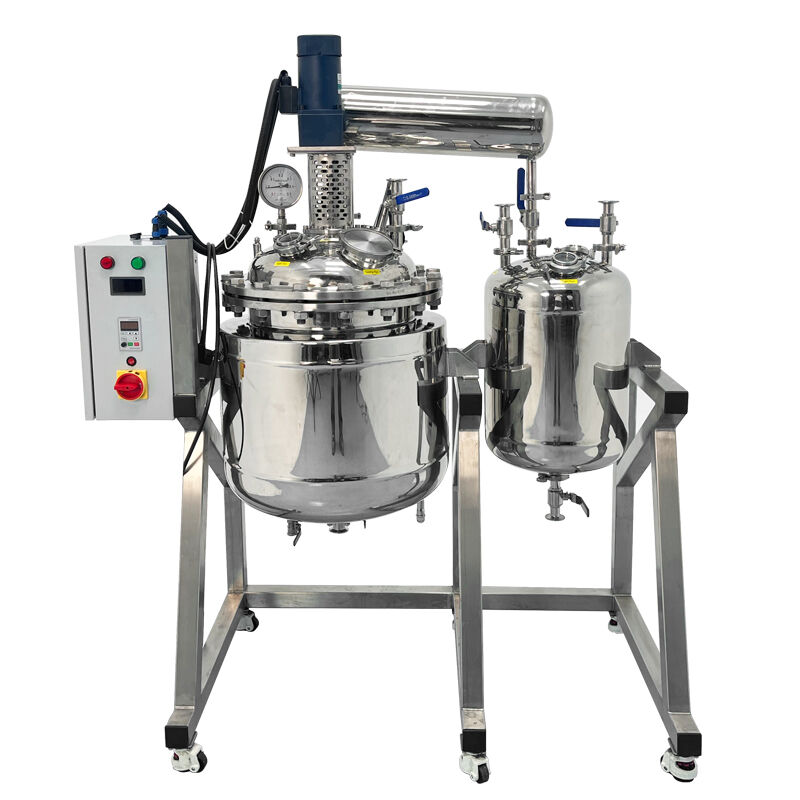
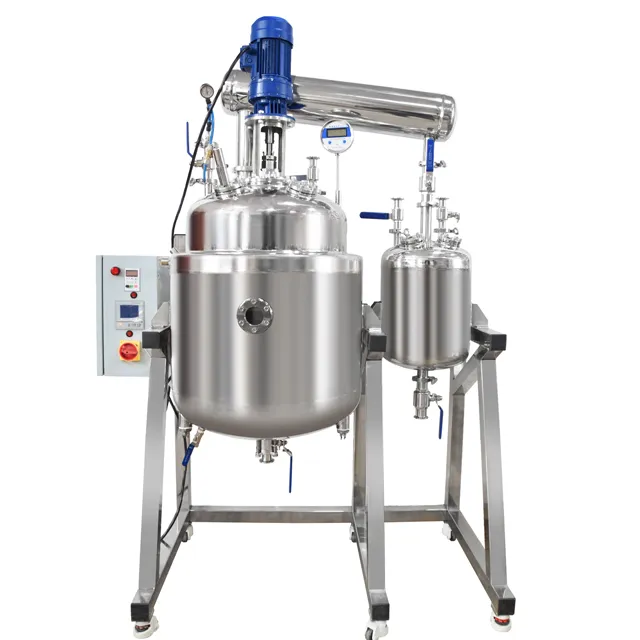
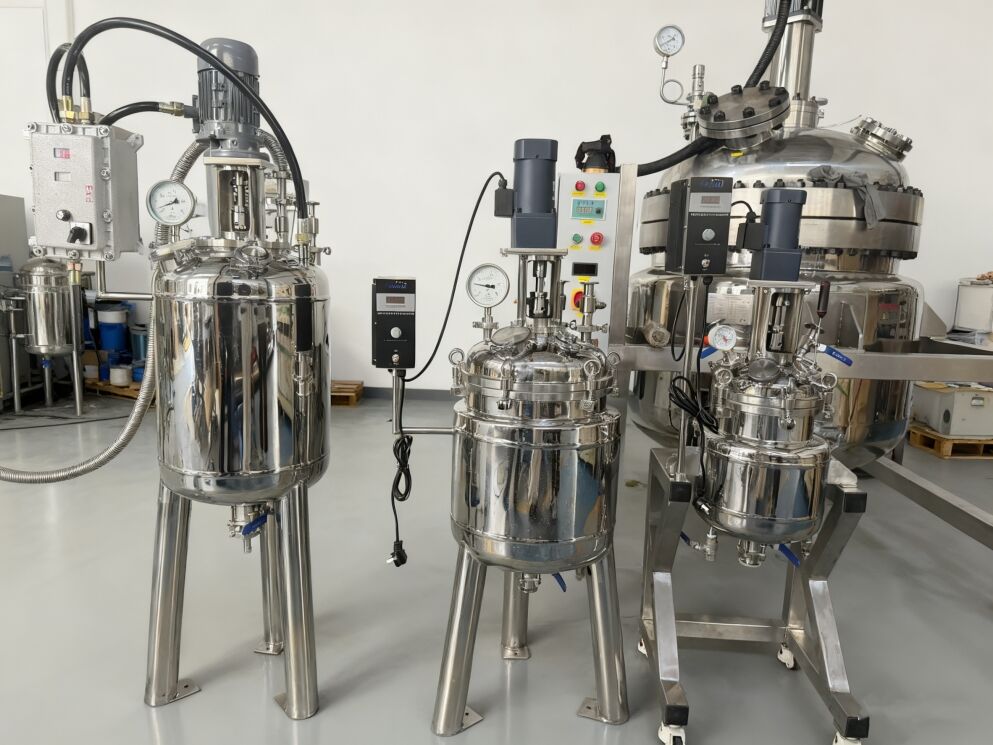
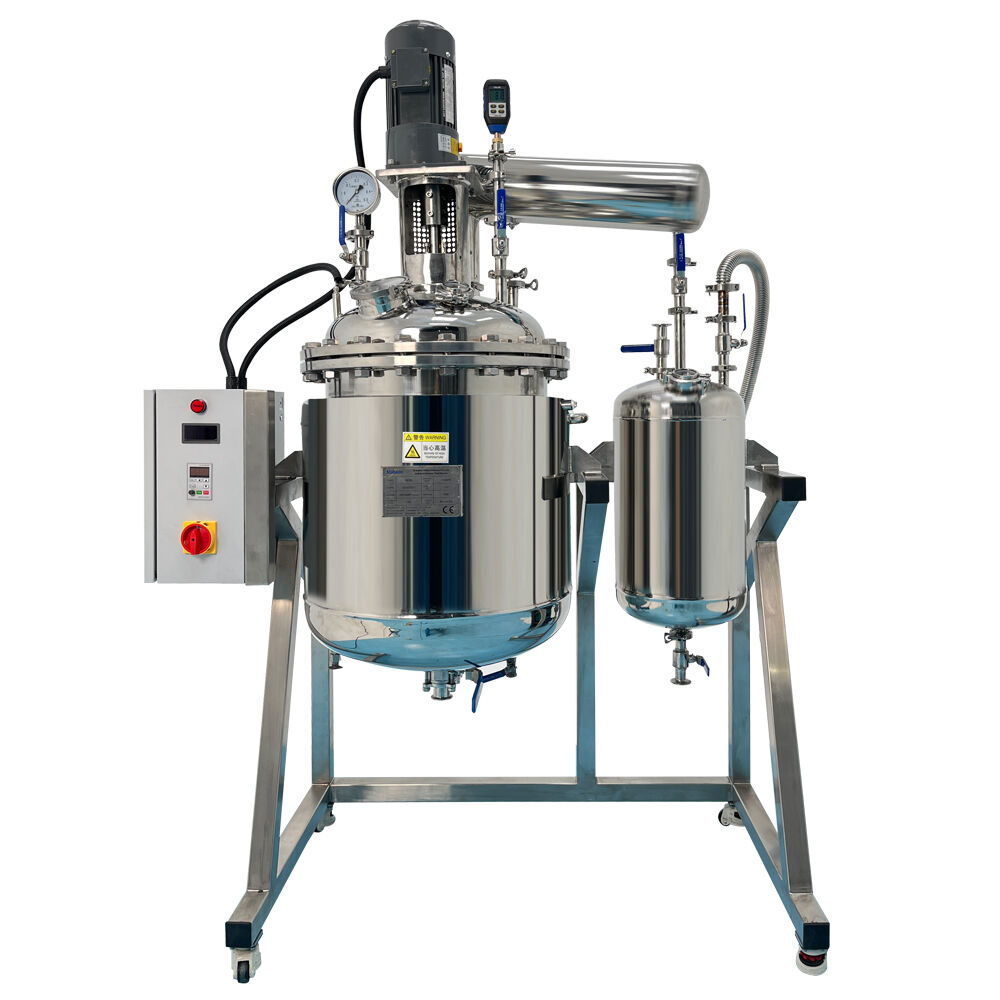
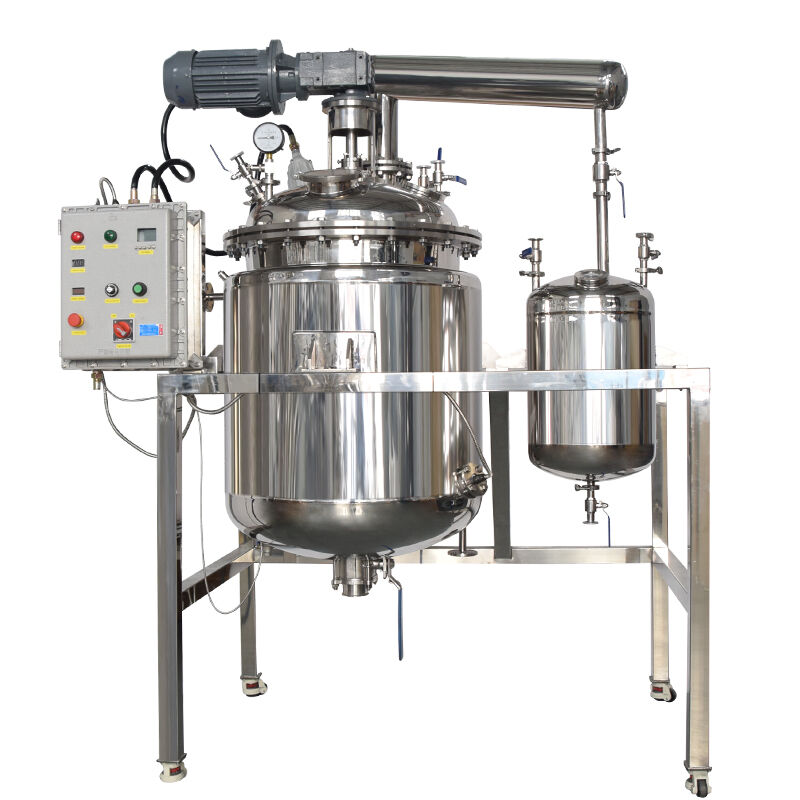
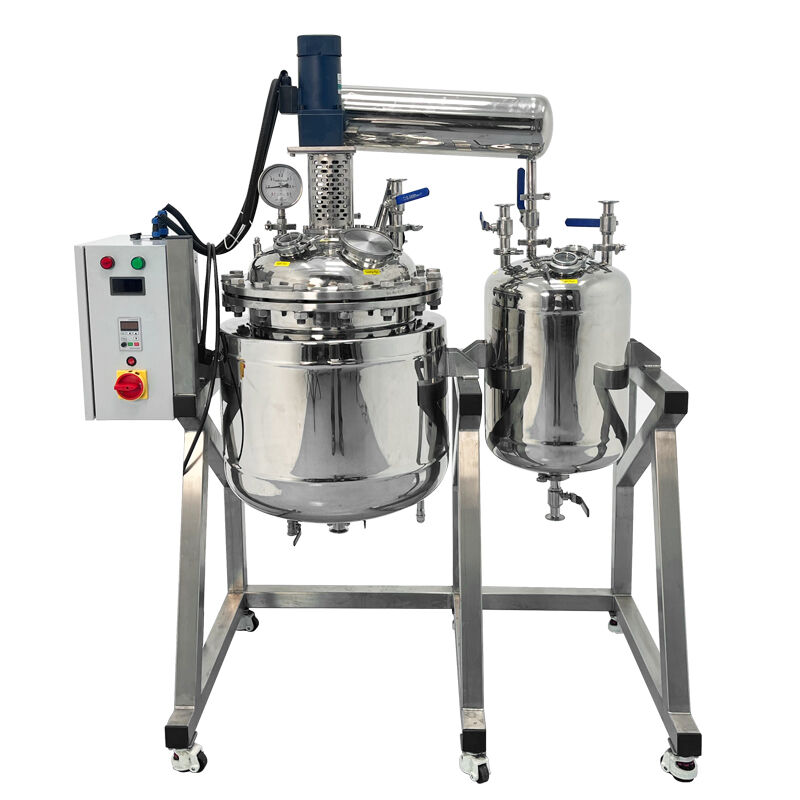
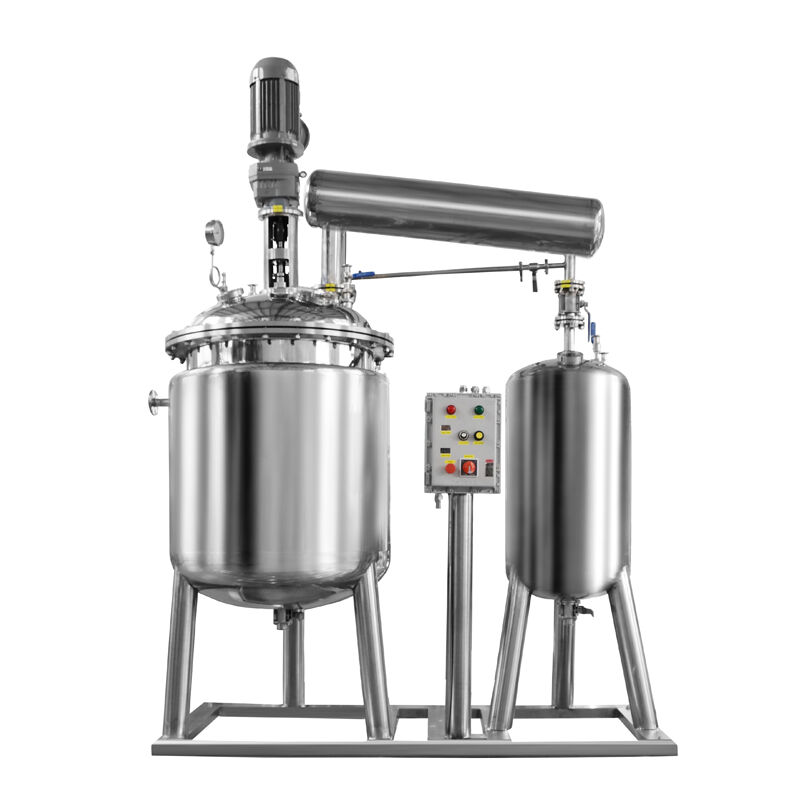
A distillation reactor represents a sophisticated piece of industrial equipment that combines the fundamental processes of chemical reaction and separation within a single integrated system. This innovative technology serves as the cornerstone for numerous manufacturing operations across chemical, petrochemical, pharmaceutical, and specialty chemical industries. The distillation reactor operates by facilitating controlled chemical reactions while simultaneously separating products through distillation principles, creating an efficient and streamlined production process. The primary function of a distillation reactor involves managing complex chemical transformations under precise temperature and pressure conditions. During operation, reactants are introduced into the reactor vessel where they undergo controlled chemical reactions. As these reactions progress, the resulting products are continuously separated through distillation mechanisms built into the reactor design. This simultaneous reaction-separation approach eliminates the need for separate processing units, significantly reducing capital investment requirements and operational complexity. The technological features of modern distillation reactors include advanced heating and cooling systems that maintain optimal temperature profiles throughout the reaction zone. Sophisticated control systems monitor and adjust process parameters in real-time, ensuring consistent product quality and maximizing conversion efficiency. The reactor design incorporates specialized internals such as structured packing or distillation trays that enhance mass transfer and separation performance. Safety systems including pressure relief valves, emergency shutdown capabilities, and comprehensive monitoring instrumentation protect both personnel and equipment during operation. Applications for distillation reactors span multiple industries and processes. In the pharmaceutical sector, these systems produce active pharmaceutical ingredients through controlled synthesis reactions while purifying products to meet stringent quality standards. Chemical manufacturers utilize distillation reactors for producing specialty chemicals, solvents, and intermediate compounds. The petrochemical industry employs these systems for refining processes, catalyst regeneration, and product purification. Environmental applications include waste treatment processes where hazardous materials are safely processed and converted into less harmful compounds through controlled reactions and subsequent separation.

New Product Releases

The distillation reactor delivers exceptional operational efficiency by combining multiple processing steps into a single integrated system. This consolidation eliminates the need for separate reaction vessels and distillation columns, reducing equipment costs and minimizing facility footprint requirements. Manufacturing facilities benefit from streamlined operations that require fewer operators and simplified maintenance procedures. The integrated design reduces material handling requirements between processing steps, minimizing product loss and contamination risks while improving overall yield performance. Energy efficiency represents another significant advantage of distillation reactor technology. The system recovers and reuses heat generated during chemical reactions for distillation processes, substantially reducing external energy requirements. This thermal integration capability results in lower utility costs and improved environmental performance through reduced energy consumption. The continuous nature of the process eliminates the energy losses associated with batch heating and cooling cycles, further enhancing overall energy efficiency compared to traditional separate processing approaches. Quality control benefits emerge from the controlled environment provided by distillation reactor systems. The integrated design maintains consistent processing conditions throughout the reaction and separation phases, resulting in superior product uniformity and reduced batch-to-batch variation. Real-time monitoring capabilities enable immediate adjustments to process parameters, ensuring optimal product specifications are maintained continuously. The elimination of intermediate storage and handling steps reduces contamination opportunities and preserves product integrity from reaction initiation through final separation. Economic advantages include reduced capital investment requirements compared to installing separate reaction and distillation equipment. Operating costs decrease through improved energy efficiency, reduced labor requirements, and minimized maintenance needs. The continuous processing capability increases production capacity while reducing per-unit manufacturing costs. Faster processing times and improved yields translate directly into enhanced profitability for manufacturing operations. Safety benefits result from the reduced number of process units and transfer operations required. Fewer equipment connections and material handling steps minimize potential leak points and reduce exposure risks for operational personnel. The integrated control systems provide comprehensive monitoring and emergency response capabilities that enhance overall process safety. Environmental compliance becomes easier to achieve through improved process control and reduced emissions from fewer equipment items and transfer operations. The distillation reactor technology supports sustainable manufacturing practices by optimizing resource utilization and minimizing waste generation through improved conversion efficiency and product recovery rates.

Practical Tips

Mastering the Art of Chemical Processing with Jacketed Stainless Steel Reactors

29

Oct

Mastering the Art of Chemical Processing with Jacketed Stainless Steel Reactors

Understanding Jacketed Stainless Steel Reactors: Design and Core Functionality What Are Jacketed Stainless Steel Reactors? Jacketed stainless steel reactors consist of a main reaction area inside what's called a jacket or outer shell. Between these ...
View More
Optimizing Efficiency with Jacketed Stainless Steel Reactors

29

Oct

Optimizing Efficiency with Jacketed Stainless Steel Reactors

Understanding Jacketed Stainless Steel Reactors and Their Industrial Role What Are Jacketed Stainless Steel Reactors and Why They Matter in Chemical Processing Jacketed stainless steel reactors basically consist of two walls with space in between fo...
View More
How to Choose the Right Stainless Steel Reactor for Pharmaceutical Production

12

Nov

How to Choose the Right Stainless Steel Reactor for Pharmaceutical Production

Selecting the appropriate stainless steel reactor for pharmaceutical production is a critical decision that directly impacts product quality, manufacturing efficiency, and regulatory compliance. The pharmaceutical industry demands exceptional standar...
View More
What Industries Benefit Most From Advanced Fractional Distillation Systems?

24

Dec

What Industries Benefit Most From Advanced Fractional Distillation Systems?

Industrial separation processes have evolved significantly over the past century, with fractional distillation equipment emerging as one of the most critical technologies for achieving high-purity separations. This sophisticated process leverages dif...
View More

Get a Free Quote

Our representative will contact you soon.
Email
Name
Contact Number
Company Name
Message
0/1000

distillation reactor

Advanced Process Integration Technology

Advanced Process Integration Technology

The distillation reactor features cutting-edge process integration technology that revolutionizes traditional chemical manufacturing approaches by seamlessly combining reaction and separation operations within a single vessel. This innovative design philosophy eliminates the conventional requirement for multiple processing units, creating a streamlined production environment that maximizes operational efficiency while minimizing complexity. The integration technology incorporates sophisticated internal components including specialized reaction zones, integrated distillation sections, and advanced heat exchange systems that work together to optimize both chemical conversion and product separation simultaneously. The reaction zone utilizes precisely engineered catalyst beds or mixing systems that promote optimal chemical kinetics while maintaining uniform temperature and concentration profiles throughout the process. Advanced materials of construction ensure long-term durability and resistance to corrosive process conditions, extending equipment lifespan and reducing maintenance requirements. The integrated distillation section features high-performance separation internals such as structured packing or specialized tray designs that maximize mass transfer efficiency while minimizing pressure drop and energy consumption. The heat integration system captures thermal energy from exothermic reactions and redirects it to support distillation operations, creating a thermally efficient process that significantly reduces external utility requirements. This thermal coupling between reaction and separation operations represents a major technological advancement that delivers substantial economic and environmental benefits. Control system integration provides real-time monitoring and adjustment capabilities for all process parameters, ensuring optimal performance across both reaction and separation functions. The advanced process control algorithms automatically optimize operating conditions to maintain product quality specifications while maximizing throughput and energy efficiency. This level of automation reduces operator workload and minimizes the potential for human error, contributing to consistent product quality and safe operation. The modular design approach allows for easy customization to meet specific process requirements while maintaining the core integration benefits that make this technology superior to traditional separate processing approaches.
Superior Energy Efficiency and Thermal Management

Superior Energy Efficiency and Thermal Management

The distillation reactor demonstrates exceptional energy efficiency through its innovative thermal management system that optimizes heat utilization across all process operations. This sophisticated approach to energy management represents a significant advancement over traditional processing methods that typically waste substantial amounts of thermal energy through inefficient heat recovery and utilization practices. The thermal management system captures heat generated from chemical reactions and strategically redirects this energy to support distillation operations, creating a highly efficient thermal loop that minimizes external heating requirements and reduces overall energy consumption by up to forty percent compared to conventional separate processing systems. The heat integration design incorporates advanced heat exchanger networks that maximize thermal recovery while maintaining precise temperature control throughout the process. These heat exchangers utilize high-performance materials and optimized geometries that ensure efficient heat transfer while resisting fouling and corrosion that can degrade performance over time. The system includes multiple heat integration points that capture thermal energy at various process stages, ensuring maximum utilization of available heat sources including reaction heat, condensation heat, and sensible heat from process streams. Intelligent thermal control systems monitor temperature profiles throughout the reactor and automatically adjust heating and cooling operations to maintain optimal conditions while minimizing energy consumption. The control algorithms continuously optimize heat distribution patterns based on real-time process conditions, ensuring that thermal energy is utilized most effectively for both reaction and separation requirements. This dynamic thermal management capability adapts to varying feed compositions, throughput rates, and product specifications while maintaining energy efficiency performance. Advanced insulation systems minimize heat losses to the environment, further enhancing overall energy efficiency and reducing operating costs. The insulation design incorporates multiple layers of high-performance materials that provide excellent thermal resistance while maintaining accessibility for maintenance and inspection activities. Energy recovery systems capture low-grade heat that would otherwise be wasted and upgrade it for useful applications within the process or facility heating systems. This comprehensive approach to energy management delivers substantial cost savings while supporting environmental sustainability objectives through reduced energy consumption and lower greenhouse gas emissions associated with utility generation.
Enhanced Product Quality and Process Control

Enhanced Product Quality and Process Control

The distillation reactor delivers superior product quality through its advanced process control systems that maintain precise operating conditions throughout both reaction and separation phases of the manufacturing process. This comprehensive approach to quality control represents a significant improvement over traditional processing methods that often struggle with consistency due to the complexity of coordinating multiple separate processing units with varying response characteristics and control requirements. The integrated control system monitors critical process parameters including temperature, pressure, flow rates, composition, and reaction conversion in real-time, providing immediate feedback for process optimization and quality assurance purposes. Advanced analytical instrumentation continuously measures product composition and purity levels, enabling automatic adjustments to maintain specifications within tight tolerance ranges that exceed industry standards for product quality consistency. The control system architecture incorporates redundant sensors and backup systems that ensure reliable operation even in the event of individual component failures, maintaining product quality and process safety under all operating conditions. Sophisticated process modeling capabilities predict optimal operating conditions based on feed characteristics, desired product specifications, and current process status, enabling proactive adjustments that prevent quality deviations before they occur. The integrated design eliminates many sources of quality variation that plague traditional multi-unit processing systems, including composition changes during inter-unit transfers, temperature fluctuations during material handling, and contamination risks associated with intermediate storage operations. The continuous nature of the distillation reactor process maintains steady-state conditions that promote consistent product quality, while the elimination of batch-to-batch variations ensures uniform product characteristics across all production runs. Advanced separation technology within the reactor achieves higher purity levels than conventional distillation systems through optimized internal configurations and enhanced mass transfer performance. The specialized internals create ideal conditions for efficient separation while minimizing product degradation and unwanted side reactions that can compromise quality. Quality assurance features include automated sampling systems, online analytical capabilities, and statistical process control functions that track quality trends and identify potential issues before they impact product specifications. Documentation systems automatically record all process parameters and quality measurements, providing comprehensive batch records that support regulatory compliance requirements and enable detailed process analysis for continuous improvement initiatives. The enhanced process control capabilities reduce product variability, increase yield performance, and minimize off-specification production, delivering substantial economic benefits while ensuring consistent customer satisfaction through reliable product quality performance.

Get a Free Quote

Our representative will contact you soon.
Email
Name
Contact Number
Company Name
Message
0/1000