Premium Stainless Steel Distillation Reactors - Industrial Separation Solutions

Get a Free Quote

Our representative will contact you soon.
Email
Name
Contact Number
Company Name
Message
0/1000

stainless steel distillation reactor

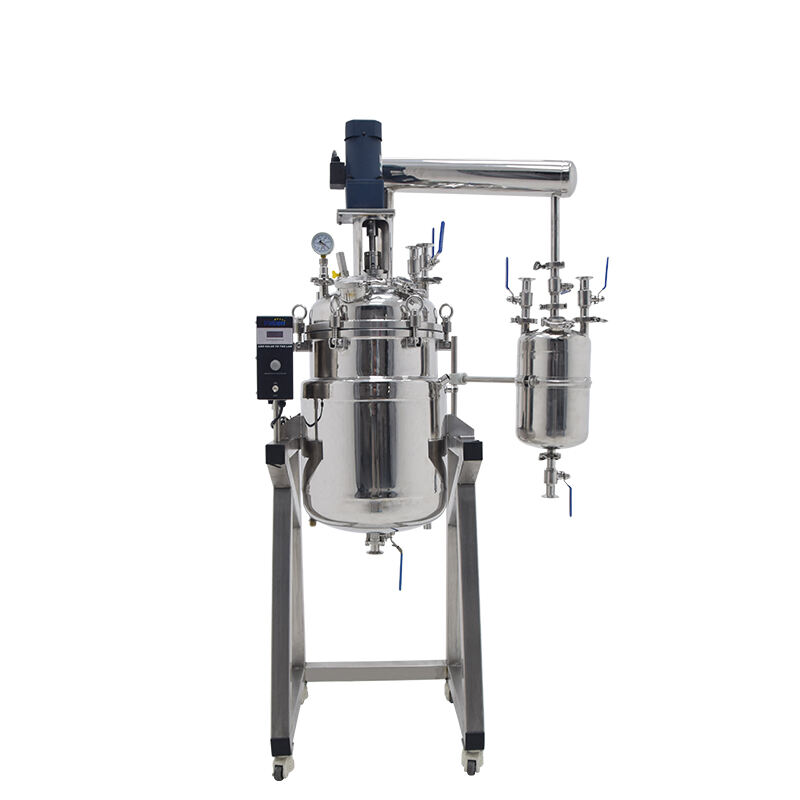
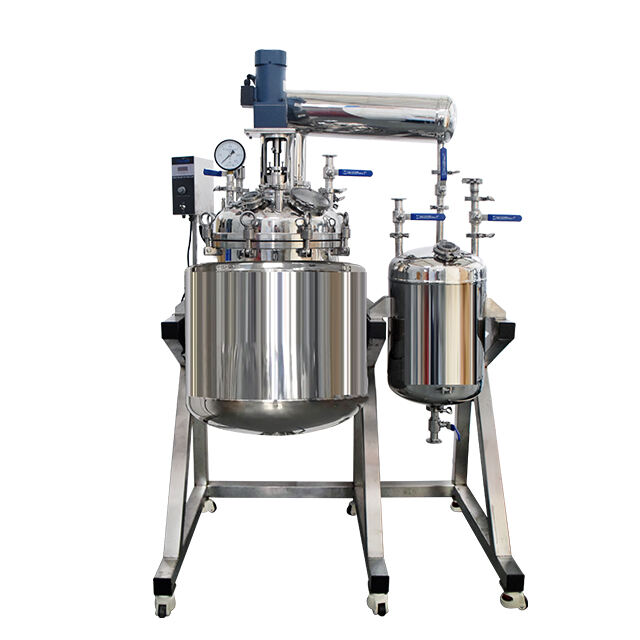
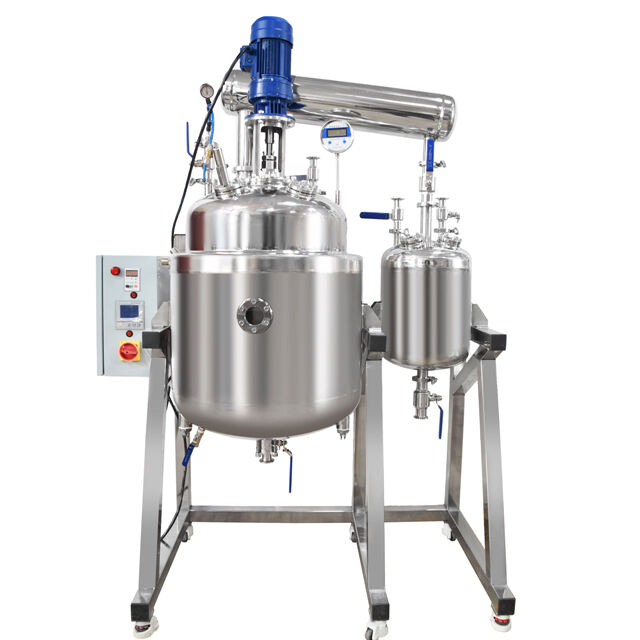
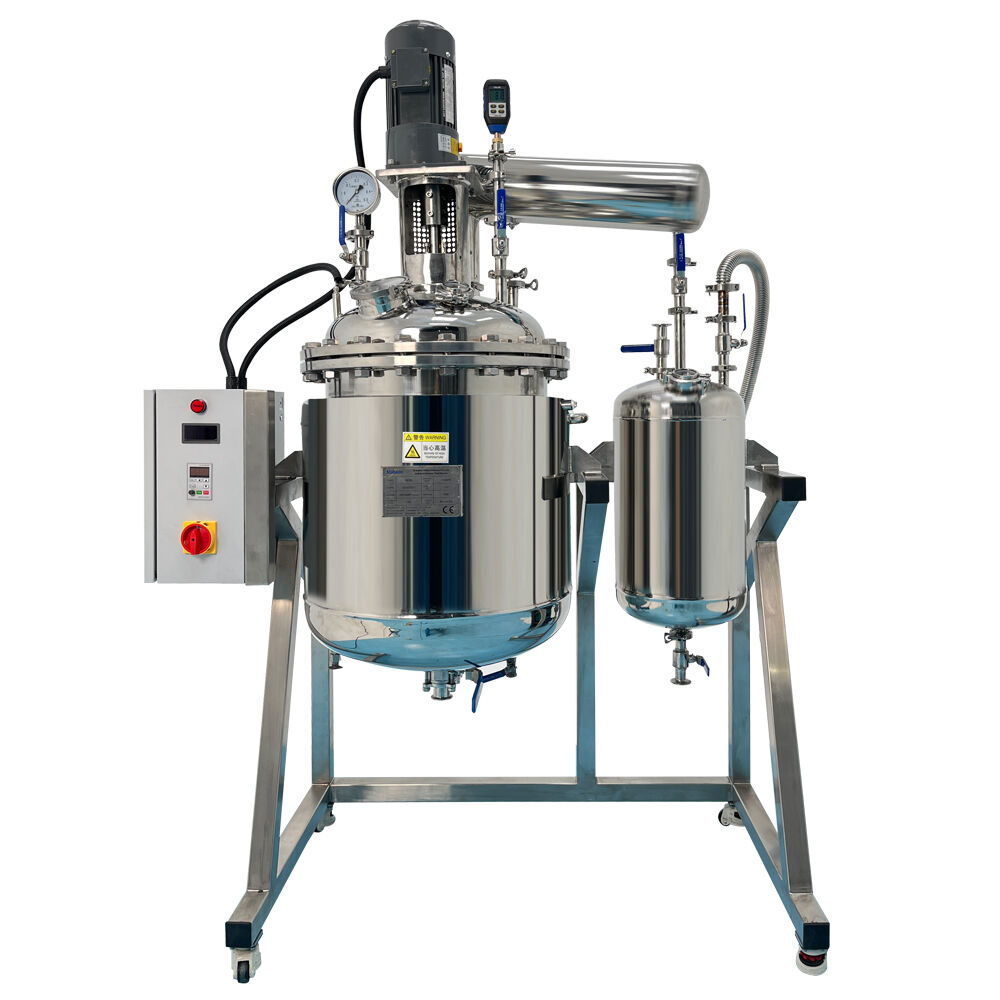
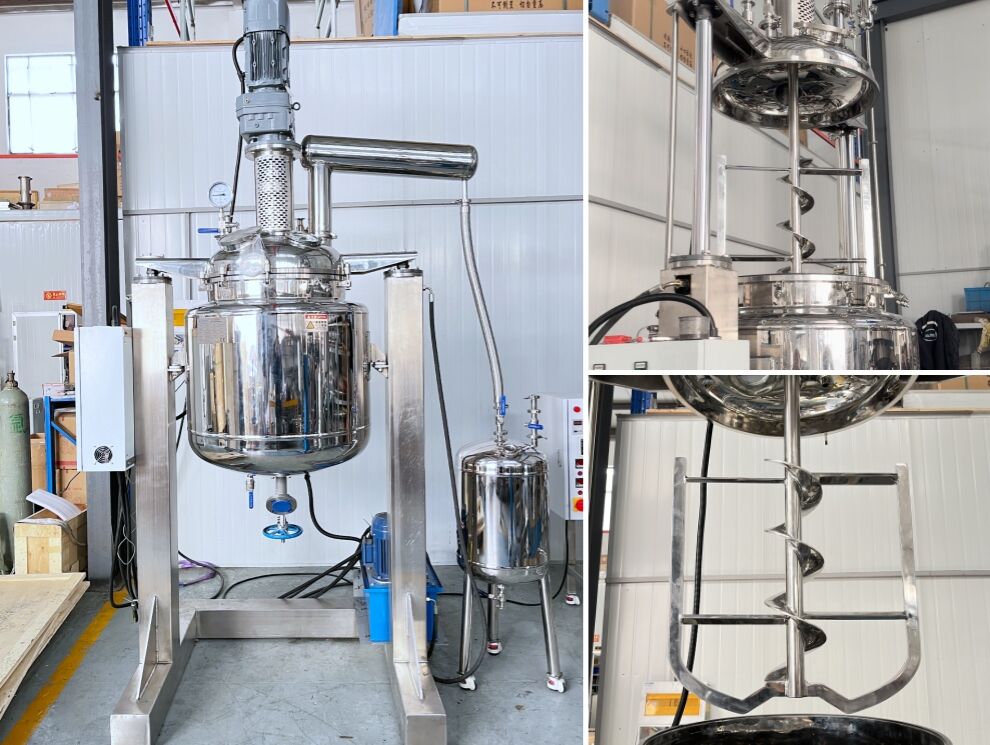
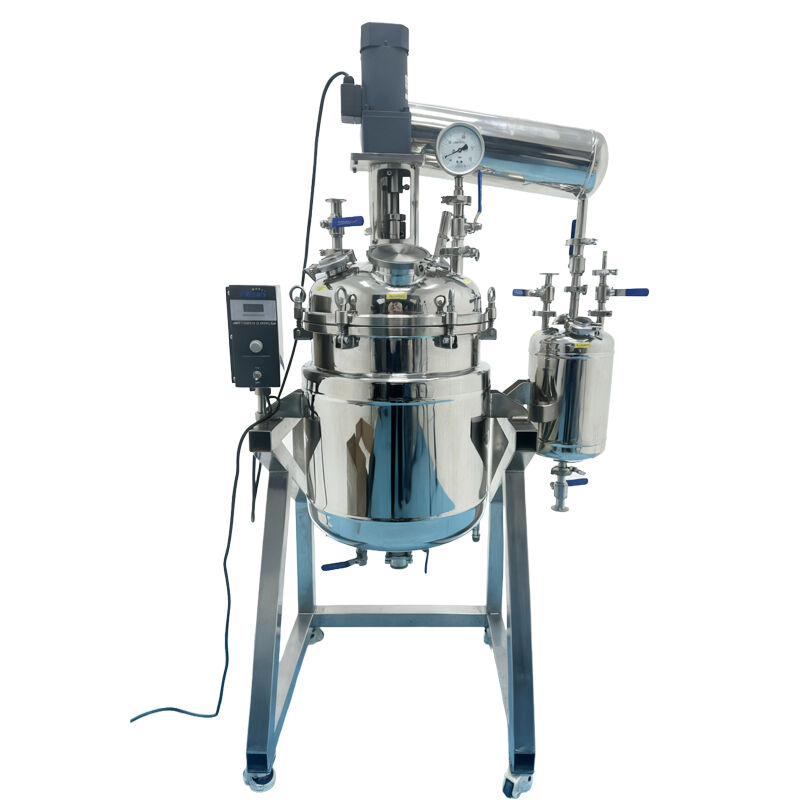
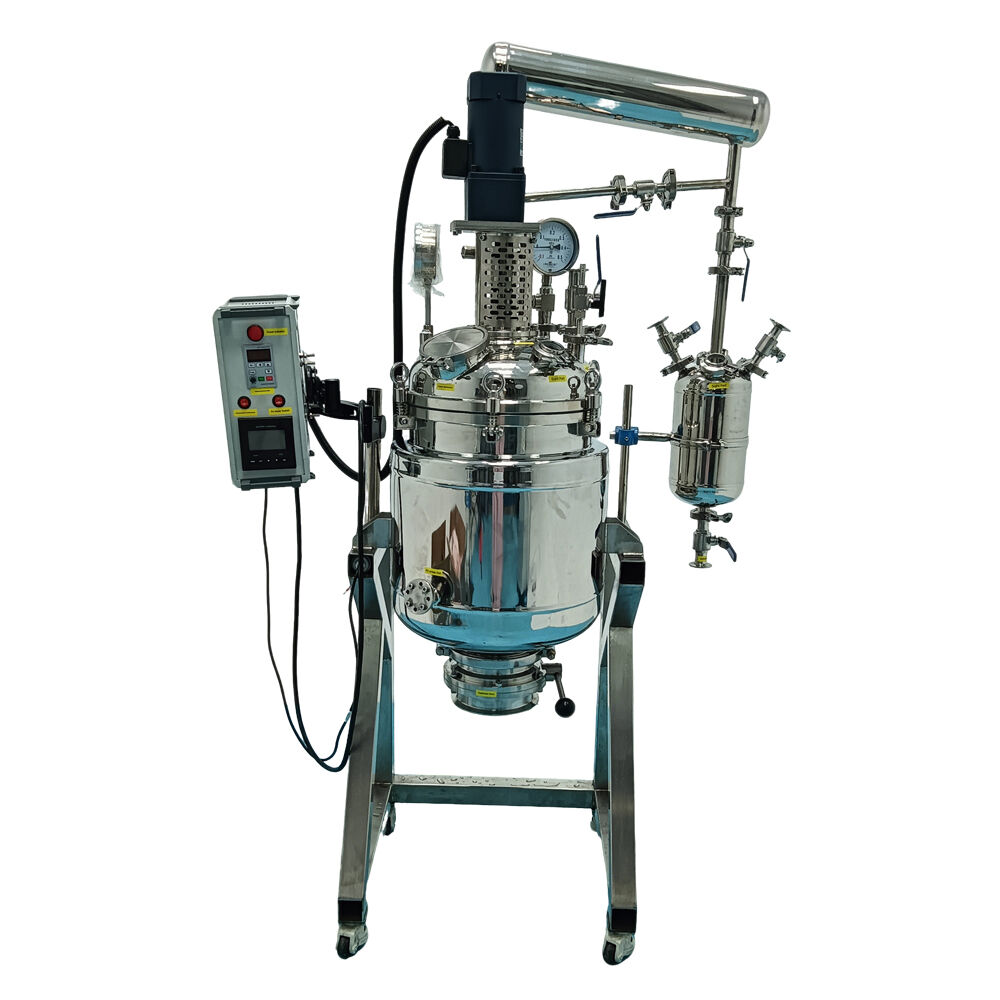
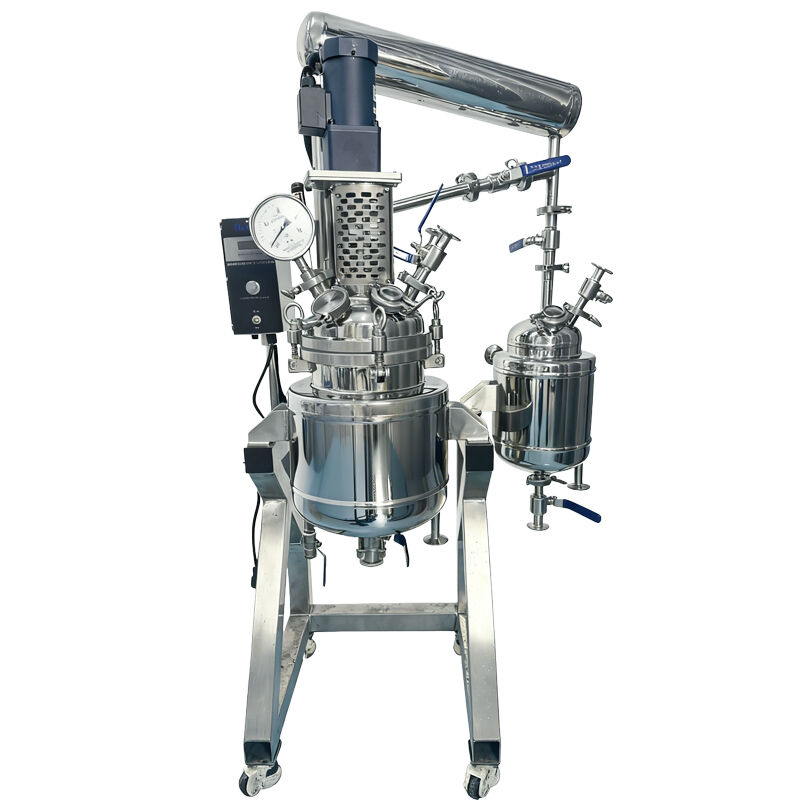
A stainless steel distillation reactor represents a sophisticated chemical processing vessel designed to facilitate separation and purification processes through controlled heating and condensation cycles. This advanced equipment combines the durability of stainless steel construction with precision engineering to deliver exceptional performance in various industrial applications. The reactor features multiple components including a heating chamber, distillation column, condenser system, and collection vessels, all seamlessly integrated to create an efficient distillation environment. The primary function of a stainless steel distillation reactor involves separating liquid mixtures based on differences in boiling points, enabling manufacturers to extract pure compounds from complex solutions. The technological framework incorporates advanced temperature control systems, pressure regulation mechanisms, and automated monitoring capabilities that ensure consistent product quality. Modern stainless steel distillation reactors utilize sophisticated heat exchange technology to maximize energy efficiency while maintaining precise thermal gradients throughout the separation process. The equipment's design allows for continuous or batch processing operations, providing flexibility for different production requirements. Key technological features include corrosion-resistant surfaces, vacuum capabilities for low-temperature distillations, and modular construction that facilitates easy maintenance and component replacement. The reactor's applications span across pharmaceutical manufacturing, chemical processing, food and beverage production, essential oil extraction, and petrochemical refining. In pharmaceutical applications, these reactors ensure high-purity compound isolation critical for drug development and manufacturing compliance. Chemical industries rely on stainless steel distillation reactors for solvent recovery, product purification, and waste treatment processes. The food industry employs these systems for alcohol production, flavor extraction, and concentration of liquid products. Essential oil manufacturers utilize specialized distillation reactors to extract aromatic compounds from plant materials while preserving delicate molecular structures. The versatility and reliability of stainless steel distillation reactors make them indispensable equipment for industries requiring precise separation and purification capabilities.

Popular Products

Stainless steel distillation reactors offer numerous compelling advantages that make them superior choices for industrial separation processes. The corrosion resistance of stainless steel construction eliminates contamination risks and ensures product purity throughout extended operational periods. This material durability translates directly into reduced maintenance costs and longer equipment lifespan compared to alternative materials. The non-reactive nature of stainless steel surfaces prevents unwanted chemical interactions that could compromise product quality or create safety hazards during processing operations. Temperature stability represents another significant advantage, as stainless steel maintains structural integrity across wide temperature ranges encountered in various distillation applications. This thermal resilience enables operators to process diverse materials without equipment degradation concerns. Energy efficiency improvements result from optimized heat transfer properties inherent in stainless steel construction, reducing operational costs while maintaining consistent processing temperatures. The smooth interior surfaces of stainless steel distillation reactors minimize fouling and deposit formation, ensuring consistent flow patterns and heat transfer rates throughout processing cycles. Cleaning and sterilization procedures become simplified due to the non-porous nature of stainless steel surfaces, enabling thorough sanitization between different product batches. This feature proves particularly valuable in pharmaceutical and food processing applications where contamination prevention is paramount. Flexibility in design allows manufacturers to customize stainless steel distillation reactors for specific processing requirements, including specialized heating systems, unique column configurations, and integrated automation controls. The modular construction approach facilitates easy expansion or modification of existing systems as production demands evolve. Safety enhancements include pressure relief systems, emergency shutdown capabilities, and explosion-proof electrical components that protect operators and facilities from potential hazards. Quality control benefits emerge from precise temperature and pressure monitoring systems that ensure consistent product specifications and regulatory compliance. The investment value of stainless steel distillation reactors becomes evident through reduced replacement frequency, lower maintenance requirements, and improved product yields compared to less durable alternatives. Environmental benefits include reduced waste generation through efficient solvent recovery capabilities and energy conservation features that minimize carbon footprint impacts.

Practical Tips

Why Jacketed Glass Reactors are Essential for Your Lab

29

Oct

Why Jacketed Glass Reactors are Essential for Your Lab

Superior Temperature Control for Consistent Reaction ConditionsJacketed glass reactors achieve ±0.5°C temperature stability through their double-wall design, ensuring precise and consistent reaction conditions critical for sensitive chemic...
View More
How to Select a High Pressure Reactor for Industrial Chemical Synthesis?

24

Dec

How to Select a High Pressure Reactor for Industrial Chemical Synthesis?

Industrial chemical synthesis often requires precise control over reaction conditions, with pressure being one of the most critical parameters. A high pressure reactor serves as the cornerstone equipment for processes demanding elevated pressures, en...
View More
What Are the Key Advantages of a Rotary and Liftable Stainless Steel Reactor?

20

Jan

What Are the Key Advantages of a Rotary and Liftable Stainless Steel Reactor?

Modern industrial processing demands equipment that combines efficiency, versatility, and durability. A rotary and liftable stainless steel reactor represents a significant advancement in chemical processing technology, offering manufacturers the fle...
View More
Explosion-Proof Glass Molecular Distillation System: Principles, Design, and Applications

30

Jan

Explosion-Proof Glass Molecular Distillation System: Principles, Design, and Applications

An explosion-proof glass molecular distillation system is a critical solution for the separation and purification of high-value, heat-sensitive, and solvent-based materials. As industries increasingly demand higher purity, safer operation, and gentle...
View More

Get a Free Quote

Our representative will contact you soon.
Email
Name
Contact Number
Company Name
Message
0/1000

stainless steel distillation reactor

Superior Corrosion Resistance and Material Durability

Superior Corrosion Resistance and Material Durability

The exceptional corrosion resistance of stainless steel distillation reactors represents a fundamental advantage that directly impacts operational efficiency, product quality, and long-term cost effectiveness. Unlike carbon steel or other metallic alternatives, stainless steel contains chromium and other alloying elements that form a passive oxide layer on the surface, providing natural protection against corrosive chemicals, acids, bases, and solvents commonly encountered in distillation processes. This inherent resistance prevents metal ion contamination that could compromise product purity, making stainless steel distillation reactors particularly valuable in pharmaceutical, food, and high-purity chemical applications where even trace contamination is unacceptable. The material durability extends beyond simple corrosion resistance to include resistance to stress corrosion cracking, pitting, and crevice corrosion that can plague other materials in harsh chemical environments. This comprehensive protection ensures consistent performance over years of continuous operation, reducing the frequency of equipment replacement and associated capital expenditures. The non-porous surface characteristics of stainless steel prevent bacterial growth and facilitate thorough cleaning procedures, essential for maintaining sanitary conditions in food and pharmaceutical processing environments. Maintenance requirements decrease significantly due to the material's resistance to degradation, eliminating the need for protective coatings, frequent inspections for corrosion damage, and premature component replacement. The structural integrity of stainless steel remains stable across temperature fluctuations and pressure variations typical in distillation operations, preventing equipment failure that could result in costly production disruptions or safety incidents. Quality assurance benefits include consistent product specifications without metallic contamination, improved batch-to-batch reproducibility, and compliance with stringent regulatory requirements in controlled industries. The economic advantages compound over time as reduced maintenance costs, extended service life, and improved product quality contribute to enhanced return on investment for stainless steel distillation reactor installations.
Advanced Thermal Management and Energy Efficiency

Advanced Thermal Management and Energy Efficiency

Advanced thermal management capabilities distinguish stainless steel distillation reactors as premier equipment for efficient separation processes, delivering superior heat transfer performance while maintaining precise temperature control throughout complex distillation operations. The thermal conductivity properties of stainless steel, combined with engineered heat exchange surfaces, optimize energy transfer between heating elements and process materials, ensuring uniform temperature distribution and eliminating hot spots that could degrade sensitive compounds. Modern stainless steel distillation reactors incorporate sophisticated insulation systems that minimize heat loss to the environment, reducing energy consumption and improving overall process efficiency. The thermal mass characteristics of stainless steel construction provide stable temperature control by dampening temperature fluctuations and maintaining consistent heating conditions during batch processing operations. Integrated heat recovery systems capture and reuse thermal energy from condensation processes, further enhancing energy efficiency and reducing operational costs. Precision temperature control systems enable operators to maintain optimal separation conditions for different compounds, maximizing product yield and purity while minimizing energy waste. The thermal expansion compatibility of stainless steel components prevents stress-related failures during heating and cooling cycles, ensuring reliable operation across varying temperature ranges. Multi-zone heating capabilities allow for different temperature profiles along distillation columns, optimizing separation efficiency for complex mixtures containing multiple components with varying boiling points. Automated temperature monitoring and control systems provide real-time feedback and adjustment capabilities, maintaining optimal processing conditions while reducing operator intervention requirements. The thermal shock resistance of stainless steel enables rapid temperature changes when necessary for process optimization or emergency situations without compromising equipment integrity. Heat distribution uniformity prevents product degradation or unwanted side reactions that can occur with uneven heating patterns found in less sophisticated systems. Energy efficiency improvements translate directly into reduced utility costs, lower carbon footprint, and improved environmental compliance for manufacturing operations. The combination of superior thermal management and energy efficiency makes stainless steel distillation reactors ideal for high-volume production environments where energy costs represent significant operational expenses.
Versatile Design Flexibility and Process Optimization

Versatile Design Flexibility and Process Optimization

The versatile design flexibility of stainless steel distillation reactors enables customization and optimization for diverse processing requirements, making these systems adaptable to virtually any separation challenge across multiple industries. Modular construction approaches allow manufacturers to configure reactors with specific column heights, diameter specifications, and internal components tailored to unique separation requirements and production volumes. Custom tray designs, packing materials, and internal configurations optimize mass transfer efficiency for specific compound combinations, ensuring maximum separation performance for targeted applications. Variable capacity options accommodate different production scales, from laboratory research units to large industrial installations, providing scalability as business requirements evolve. Specialized heating systems can be integrated, including steam coils, electric heating elements, thermal oil circulation, or direct heating methods, depending on process requirements and safety considerations. Vacuum distillation capabilities enable low-temperature processing of heat-sensitive materials, preserving molecular integrity while achieving effective separation. Automation integration possibilities include programmable logic controllers, distributed control systems, and supervisory control systems that enhance process repeatability and reduce labor requirements. Multi-purpose functionality allows single units to handle various products or processing modes, maximizing equipment utilization and return on investment. Sampling ports, observation windows, and monitoring access points facilitate process monitoring and quality control procedures without interrupting operations. Cleaning-in-place systems can be incorporated to streamline sanitation procedures and reduce downtime between different product campaigns. Material compatibility assessments ensure that specific stainless steel grades and surface finishes match chemical compatibility requirements for particular applications. Pressure rating options accommodate both atmospheric and high-pressure operations, expanding the range of possible applications and processing conditions. The adaptability extends to retrofit applications where existing systems can be upgraded or modified to incorporate new capabilities or meet changing regulatory requirements. Safety system integration includes emergency shutdown capabilities, pressure relief systems, and hazardous area electrical classifications that ensure compliance with industrial safety standards. Process optimization features such as reflux ratio control, feed preheating, and vapor-liquid equilibrium monitoring enhance separation efficiency and product quality. This comprehensive design flexibility ensures that stainless steel distillation reactors can meet specific performance objectives while providing long-term adaptability for evolving process requirements.

Get a Free Quote

Our representative will contact you soon.
Email
Name
Contact Number
Company Name
Message
0/1000