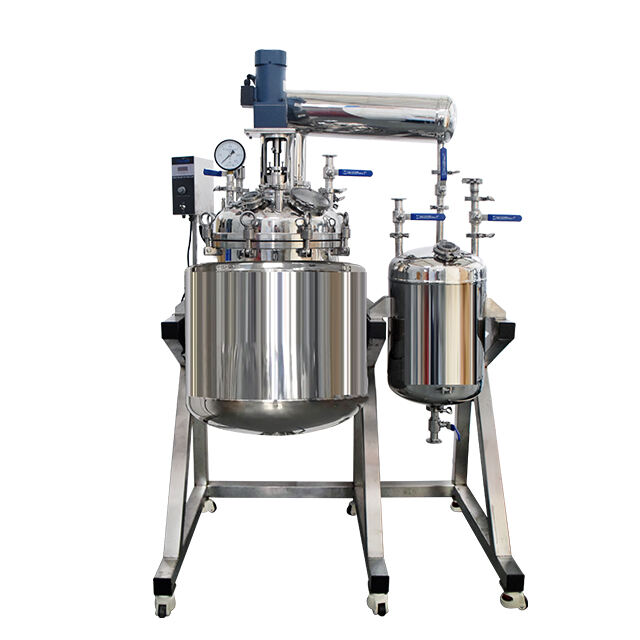
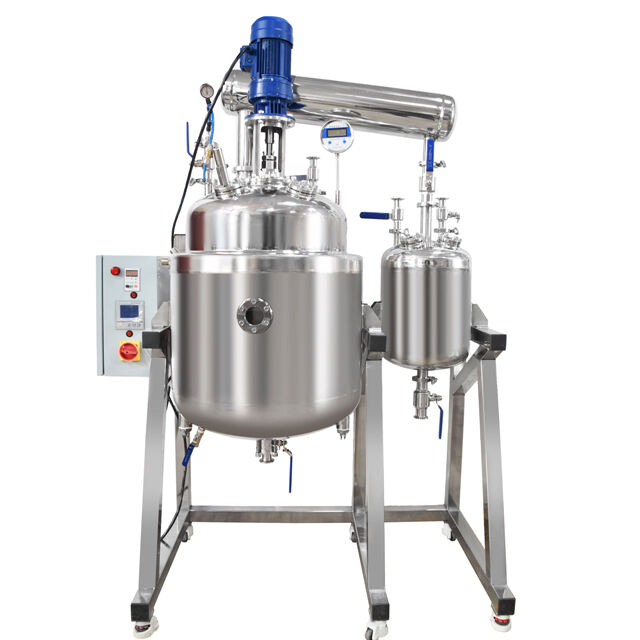
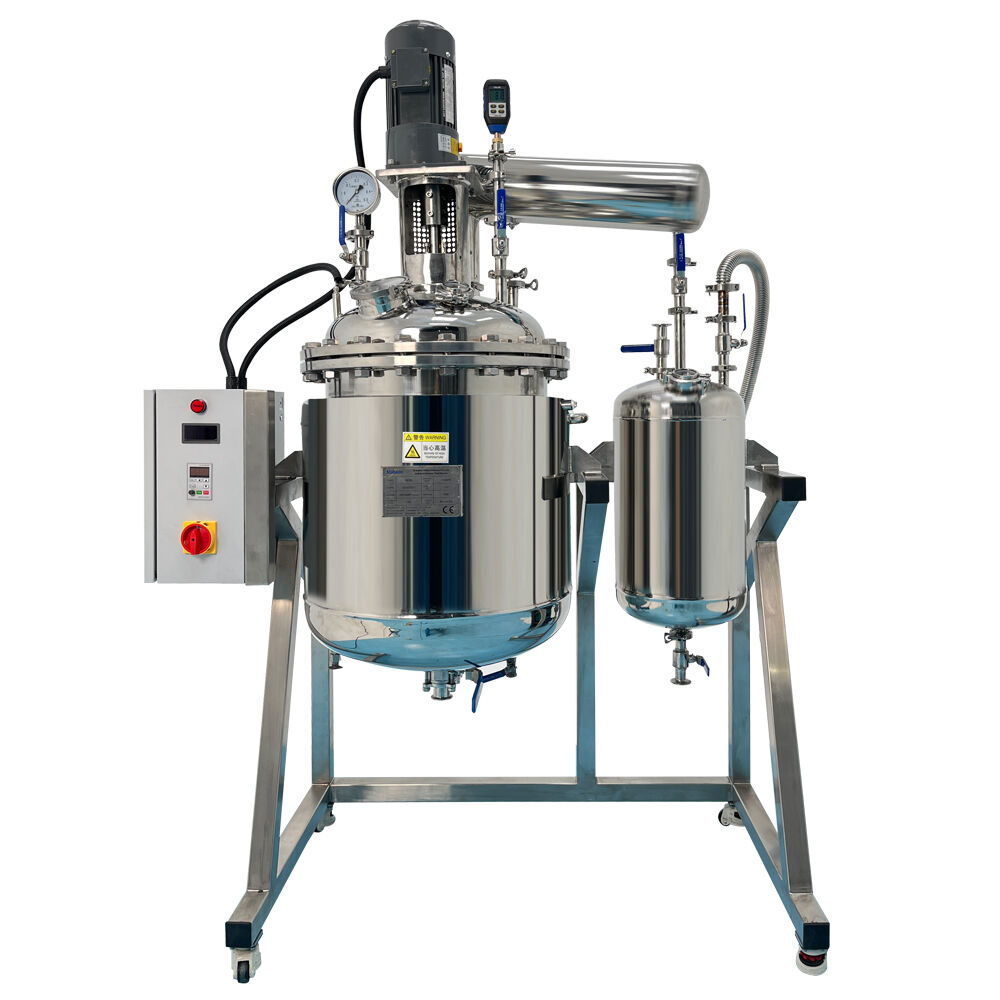
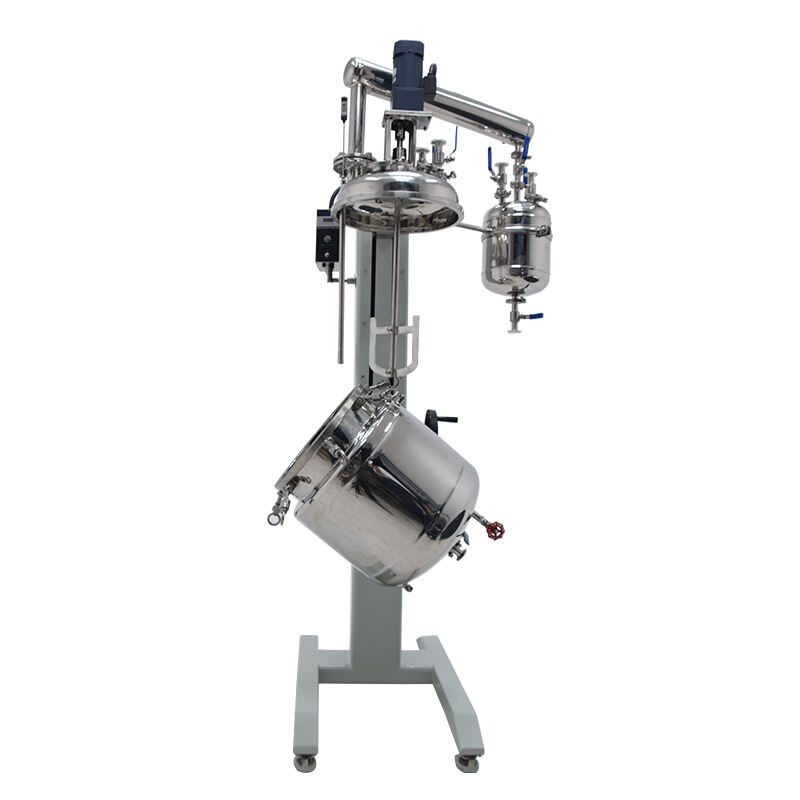
Stainless Steel Polymerization Reactor - Advanced Chemical Processing Equipment for Industrial Manufacturing

Get a Free Quote

Our representative will contact you soon.
Email
Name
Contact Number
Company Name
Message
0/1000

stainless steel polymerization reactor

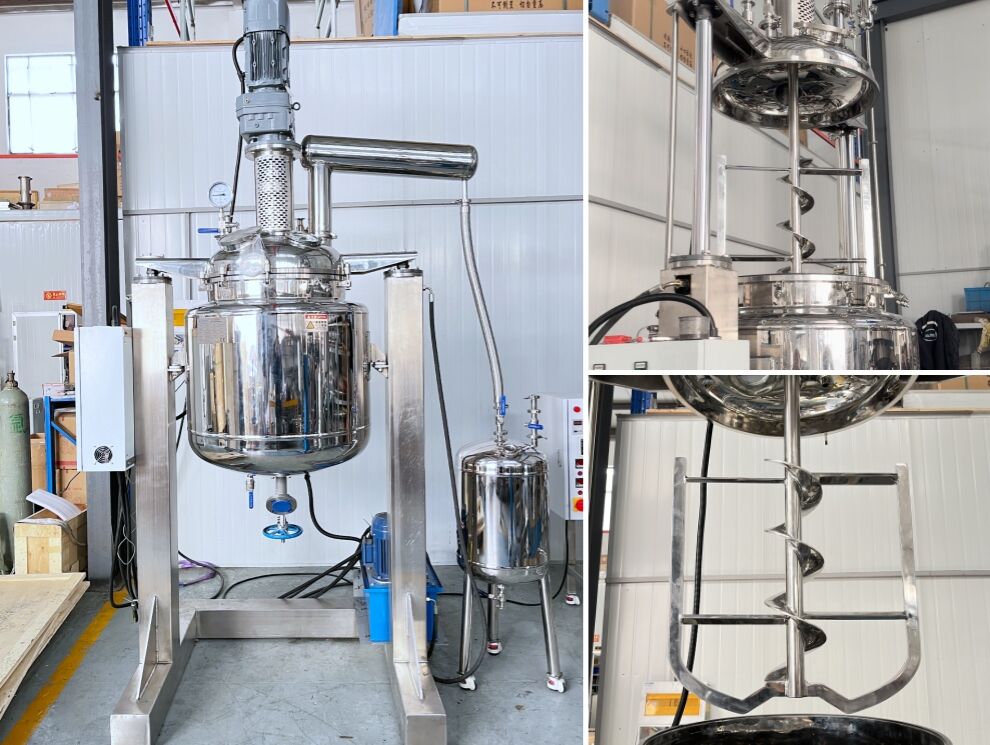
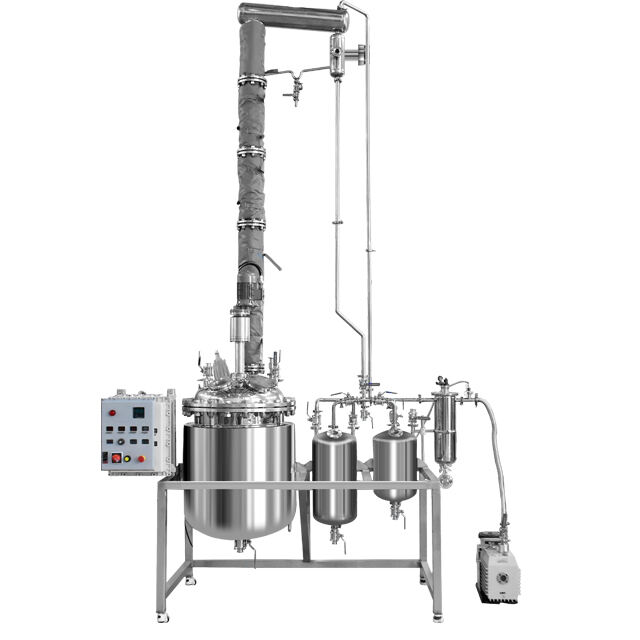
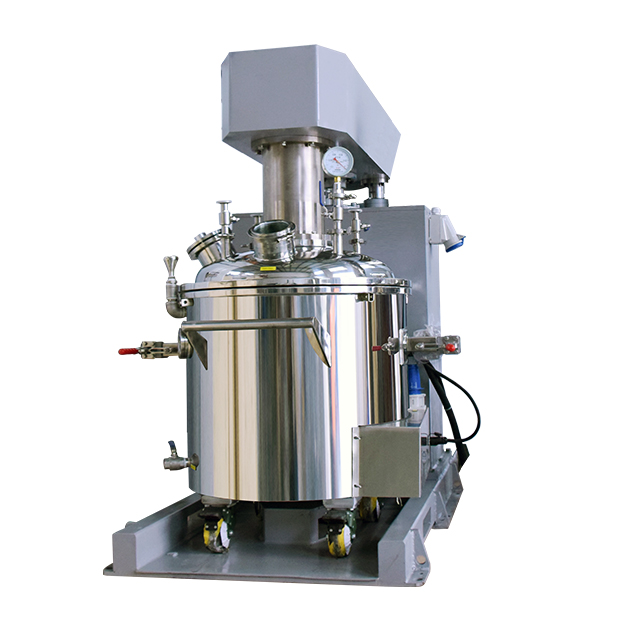
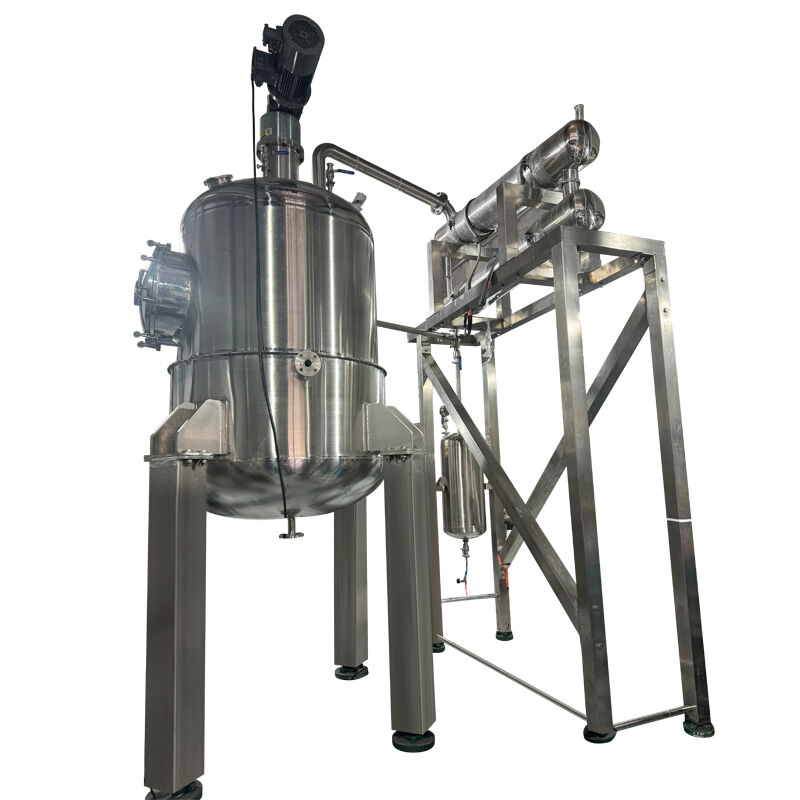
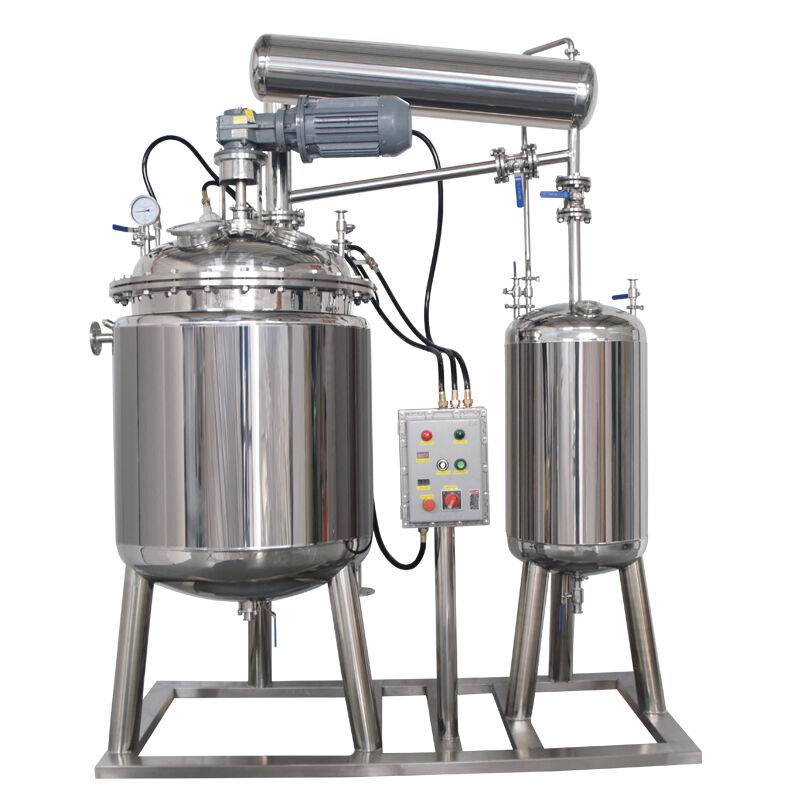
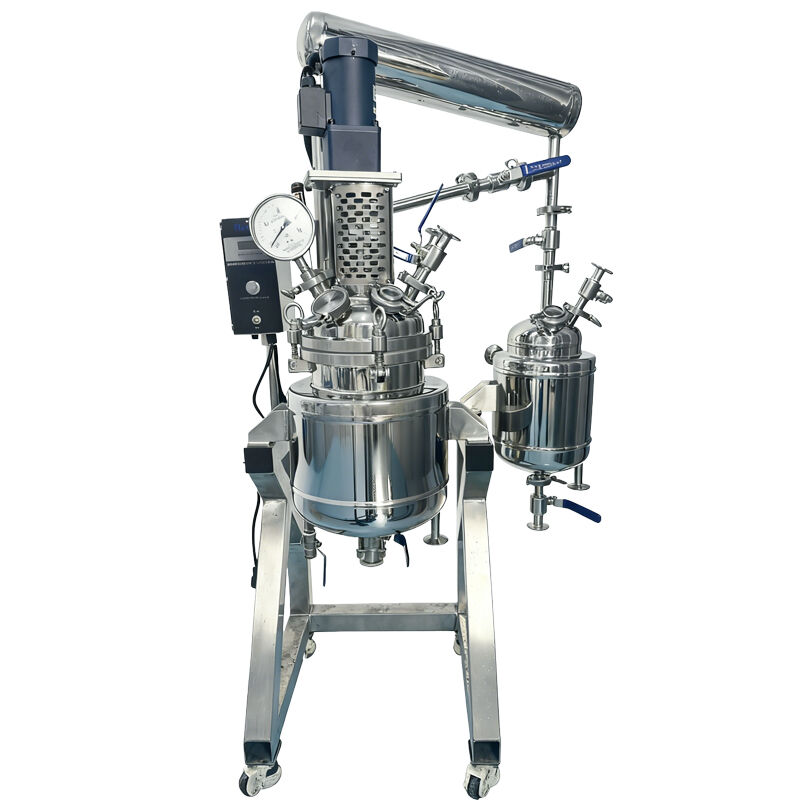
A stainless steel polymerization reactor represents a sophisticated chemical processing vessel designed specifically for conducting polymerization reactions under controlled conditions. This essential equipment serves as the heart of polymer manufacturing operations, where monomers transform into complex polymer chains through carefully managed chemical processes. The reactor's robust stainless steel construction ensures exceptional durability, corrosion resistance, and chemical compatibility across diverse industrial applications. The primary function of a stainless steel polymerization reactor involves facilitating the controlled conversion of monomers into polymers through various mechanisms including addition polymerization, condensation polymerization, and radical polymerization processes. These reactors maintain precise temperature control, pressure regulation, and mixing efficiency to ensure optimal reaction conditions and consistent product quality. Advanced technological features distinguish modern stainless steel polymerization reactors from conventional processing equipment. The vessels incorporate sophisticated temperature control systems with heating and cooling capabilities, allowing operators to manage exothermic and endothermic reactions effectively. Pressure monitoring systems ensure safe operation while maintaining optimal reaction conditions. High-efficiency agitation systems provide uniform mixing, preventing hot spots and ensuring homogeneous reaction environments. The stainless steel construction offers superior chemical inertness, preventing contamination and maintaining product purity throughout the polymerization process. Applications for stainless steel polymerization reactors span numerous industries including pharmaceuticals, plastics manufacturing, adhesives production, coatings development, and specialty chemicals synthesis. These versatile vessels accommodate batch processing, semi-batch operations, and continuous production modes depending on specific manufacturing requirements. The pharmaceutical industry relies on these reactors for producing drug delivery systems, biocompatible polymers, and controlled-release formulations. Plastics manufacturers utilize stainless steel polymerization reactors for creating engineering plastics, thermoplastics, and specialty polymer compounds. The equipment's versatility extends to producing emulsion polymers, suspension polymers, and solution polymers, making it indispensable for modern chemical manufacturing operations requiring precise control and consistent results.

Popular Products

Stainless steel polymerization reactors deliver remarkable durability that significantly reduces maintenance costs and extends operational lifespan compared to alternative materials. The inherent corrosion resistance of stainless steel ensures consistent performance even when processing aggressive chemicals, acids, or bases commonly encountered in polymerization reactions. This superior material choice eliminates concerns about vessel degradation, contamination risks, and frequent replacement expenses that plague facilities using inferior reactor materials. The exceptional temperature stability of stainless steel polymerization reactors enables precise thermal management throughout complex reaction cycles. Operators can confidently execute temperature-sensitive polymerization processes without worrying about material expansion, contraction, or thermal stress that could compromise reaction integrity or vessel safety. This thermal reliability translates directly into improved product consistency, reduced batch failures, and enhanced overall manufacturing efficiency. Safety advantages represent another compelling benefit of stainless steel polymerization reactors. The material's proven track record in high-pressure applications provides peace of mind during operations involving elevated pressures or volatile reaction conditions. Built-in safety features including pressure relief systems, temperature monitoring, and emergency shutdown capabilities protect both personnel and equipment investments. These safety enhancements reduce insurance costs, minimize liability risks, and ensure compliance with stringent industrial safety regulations. Economic benefits extend beyond initial equipment costs to encompass long-term operational savings. Stainless steel polymerization reactors require minimal specialized maintenance, reducing downtime and associated production losses. The equipment's longevity means facilities can amortize capital investments over extended periods, improving return on investment calculations. Energy efficiency features inherent in modern stainless steel reactor designs reduce utility consumption, lowering operational expenses while supporting sustainability initiatives. Versatility advantages make stainless steel polymerization reactors suitable for diverse product portfolios without requiring multiple specialized vessels. Manufacturers can process different polymer types, molecular weights, and reaction chemistries using the same equipment with appropriate recipe adjustments. This flexibility reduces capital requirements, simplifies training programs, and enables rapid product development cycles. The ability to handle both research-scale development and full-scale production within similar reactor designs streamlines technology transfer processes. Quality control advantages stem from the inert nature of stainless steel surfaces that prevent unwanted catalytic reactions or chemical interactions. This material compatibility ensures product purity, eliminates off-flavors or discoloration issues, and maintains consistent polymer properties across production batches. The smooth surface finish of stainless steel reactors facilitates thorough cleaning between batches, preventing cross-contamination and enabling multi-product manufacturing capabilities.

Practical Tips

What Makes a Stainless Steel Reactor Ideal for Chemical Processing Industries?

10

Nov

What Makes a Stainless Steel Reactor Ideal for Chemical Processing Industries?

Chemical processing industries demand equipment that delivers exceptional performance, durability, and safety standards. Among the various types of reactors available, the stainless steel reactor has emerged as the preferred choice for countless appl...
View More
How Does a Stainless Steel Reactor Improve Reaction Efficiency and Safety

12

Nov

How Does a Stainless Steel Reactor Improve Reaction Efficiency and Safety

Chemical processing industries rely heavily on precise reaction control and optimal safety measures to achieve consistent production outcomes. The selection of appropriate reactor materials and design features directly impacts both operational effici...
View More
How Does Fractional Distillation Improve Separation Accuracy in Production?

24

Dec

How Does Fractional Distillation Improve Separation Accuracy in Production?

Modern industrial production demands precise separation techniques to achieve high-purity compounds and maximize operational efficiency. Among various separation methods, fractional distillation stands as a cornerstone technology that significantly e...
View More
How to Select a Crystallization Reactor for Pharmaceutical Crystallization?

24

Dec

How to Select a Crystallization Reactor for Pharmaceutical Crystallization?

Selecting the right crystallization reactor for pharmaceutical manufacturing requires careful consideration of multiple technical and operational factors that directly impact product quality, yield, and process efficiency. The pharmaceutical industry...
View More

Get a Free Quote

Our representative will contact you soon.
Email
Name
Contact Number
Company Name
Message
0/1000

stainless steel polymerization reactor

Advanced Temperature Control Technology

Advanced Temperature Control Technology

The sophisticated temperature control technology integrated into stainless steel polymerization reactors represents a game-changing advancement that revolutionizes polymer manufacturing precision and efficiency. This cutting-edge thermal management system incorporates multiple heating and cooling zones throughout the reactor vessel, enabling operators to create and maintain precise temperature gradients essential for controlling polymerization kinetics and achieving desired molecular weight distributions. The advanced control algorithms continuously monitor reaction temperatures through strategically placed sensors, automatically adjusting heating and cooling inputs to maintain optimal conditions regardless of reaction exotherm variations or ambient temperature fluctuations. The temperature control system's rapid response capabilities prove invaluable when managing fast-reacting polymer systems where temperature excursions could lead to runaway reactions, gel formation, or product degradation. Professional-grade controllers integrate with facility automation systems, providing real-time data logging, trend analysis, and predictive maintenance alerts that help operators optimize processes and prevent costly production disruptions. The system's ability to execute complex temperature profiles enables sophisticated polymerization techniques including controlled radical polymerization, living polymerization, and block copolymer synthesis that require precise thermal cycling. Heat transfer efficiency improvements achieved through innovative jacket designs and internal heat exchange surfaces ensure uniform temperature distribution throughout the reaction mass, eliminating hot spots that could cause localized overheating or uneven polymer formation. This thermal uniformity directly translates into consistent product quality, reduced batch-to-batch variation, and improved yields that enhance overall manufacturing profitability. The temperature control technology also supports energy optimization initiatives through heat recovery systems that capture and reuse thermal energy from exothermic reactions, reducing overall utility consumption and supporting environmental sustainability goals. Safety interlocks prevent temperature excursions beyond safe operating limits, automatically initiating cooling procedures or emergency shutdown sequences when necessary to protect personnel and equipment.
Superior Corrosion Resistance Properties

Superior Corrosion Resistance Properties

The exceptional corrosion resistance properties of stainless steel polymerization reactors provide unmatched reliability and longevity that significantly outperforms alternative reactor materials in demanding chemical processing environments. This superior corrosion resistance stems from the chromium content in stainless steel alloys, which forms a passive oxide layer that continuously regenerates and protects the underlying metal from chemical attack by aggressive polymerization reagents, catalysts, and reaction byproducts. The passive layer's self-healing properties ensure continuous protection even when exposed to abrasive conditions, temperature cycling, or mechanical stress that might compromise other protective coatings or material treatments. Different stainless steel grades available for polymerization reactor construction offer tailored corrosion resistance for specific chemical environments, enabling manufacturers to select optimal materials based on their particular process requirements and chemical compatibility needs. Austenitic stainless steels provide excellent general corrosion resistance, while duplex and super-duplex grades offer enhanced performance in chloride-containing environments or high-temperature applications commonly encountered in specialized polymerization processes. The corrosion resistance extends equipment operational life significantly beyond carbon steel or other metallic alternatives, reducing replacement costs and minimizing unplanned maintenance shutdowns that disrupt production schedules. This durability advantage becomes particularly valuable in continuous production facilities where equipment reliability directly impacts manufacturing efficiency and profitability. The inert nature of stainless steel surfaces prevents catalytic reactions that could interfere with polymerization chemistry or introduce unwanted side reactions leading to product quality issues. This chemical compatibility ensures consistent polymer properties, eliminates metal ion contamination risks, and maintains product purity standards essential for pharmaceutical, food-grade, or high-performance applications. Maintenance requirements remain minimal due to the material's resistance to pitting, crevice corrosion, and stress corrosion cracking that commonly affect other reactor materials. The smooth, non-porous surface finish achieved with stainless steel construction facilitates thorough cleaning and sanitization procedures, supporting multi-product manufacturing operations and meeting stringent regulatory requirements for industries with strict contamination control standards.
Exceptional Mixing and Agitation Efficiency

Exceptional Mixing and Agitation Efficiency

The exceptional mixing and agitation efficiency achieved in stainless steel polymerization reactors represents a critical performance advantage that directly impacts reaction kinetics, product quality, and manufacturing productivity through optimized mass and heat transfer characteristics. Advanced impeller designs specifically engineered for polymerization applications create complex flow patterns that ensure thorough blending of reactants, efficient heat dissipation, and uniform distribution of catalysts or initiators throughout the reaction volume. The robust stainless steel construction enables higher agitation speeds and greater mechanical stress tolerance compared to glass-lined or polymer-coated alternatives, allowing for more intensive mixing when processing high-viscosity polymer solutions or managing reactions with significant viscosity increases during polymerization progression. Variable speed agitation systems provide precise control over mixing intensity throughout different reaction phases, enabling operators to optimize shear rates for specific polymerization mechanisms while preventing mechanical degradation of growing polymer chains. The sophisticated agitation technology incorporates multiple impeller configurations including axial flow propellers for bulk mixing, radial flow turbines for high shear applications, and specialized designs for gas-liquid contacting in emulsion polymerization processes. Computational fluid dynamics modeling guides impeller placement and geometry optimization to eliminate dead zones, minimize power consumption, and maximize mixing effectiveness within the reactor volume. The efficient mixing capabilities prove especially valuable for managing temperature-sensitive polymerizations where rapid heat removal prevents thermal runaway conditions or molecular weight degradation. Enhanced mass transfer achieved through optimized agitation accelerates reaction rates, reduces cycle times, and improves overall process efficiency while maintaining product consistency across production batches. The mechanical reliability of stainless steel agitation systems ensures consistent mixing performance over extended operational periods without bearing wear, shaft deflection, or seal failures that could compromise process control or create safety hazards. Integration with process control systems enables automated adjustment of agitation parameters based on real-time viscosity measurements, temperature feedback, or reaction progression indicators, optimizing mixing efficiency throughout complete polymerization cycles while minimizing energy consumption and mechanical stress on equipment components.

Get a Free Quote

Our representative will contact you soon.
Email
Name
Contact Number
Company Name
Message
0/1000