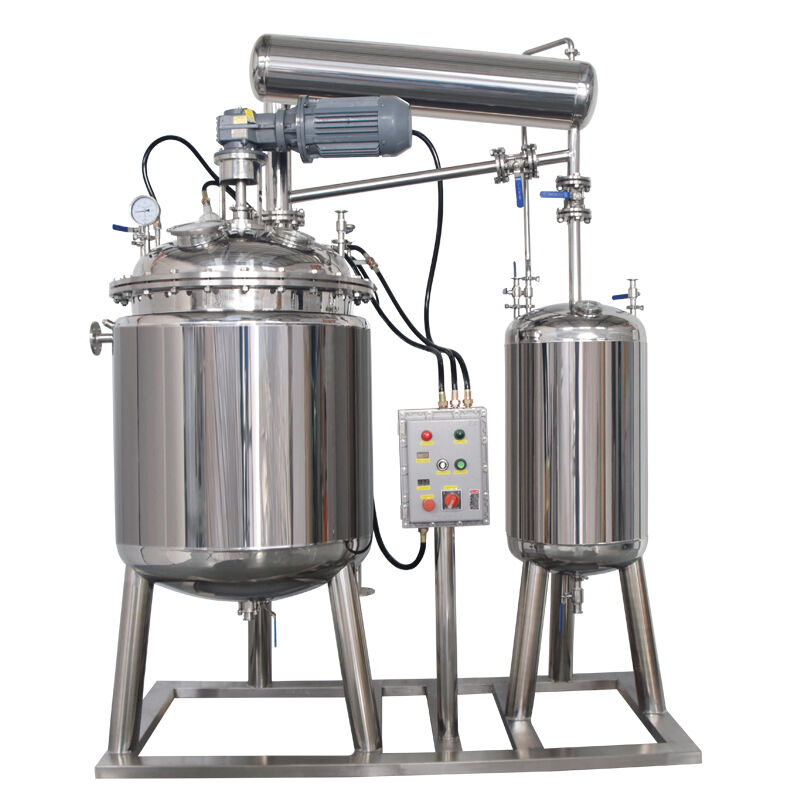
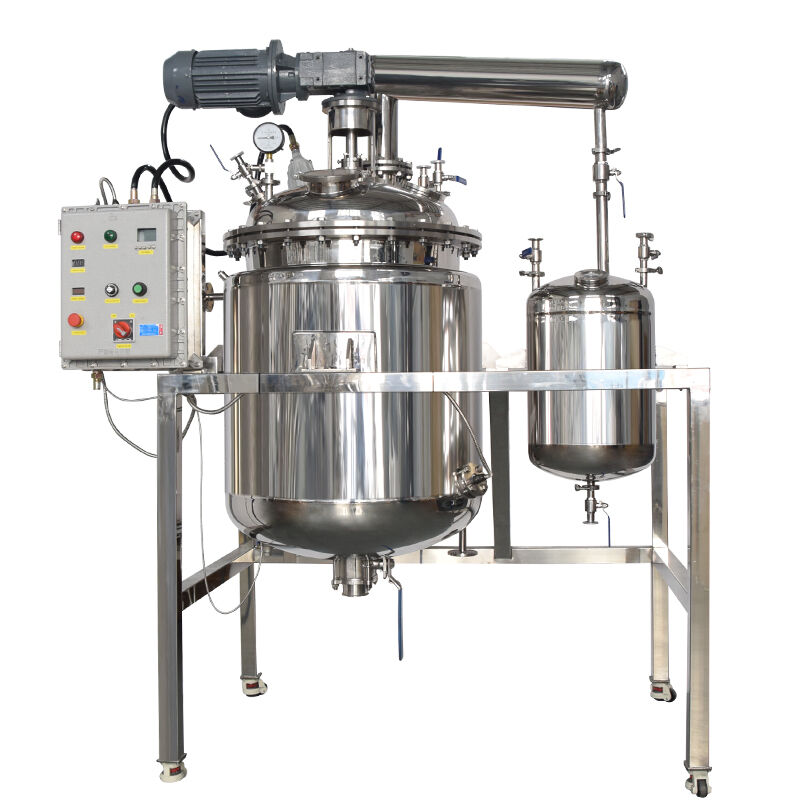
Stainless Steel Industrial Reactor: Advanced Chemical Processing Equipment for Manufacturing Excellence

Get a Free Quote

Our representative will contact you soon.
Email
Name
Contact Number
Company Name
Message
0/1000

stainless steel industrial reactor

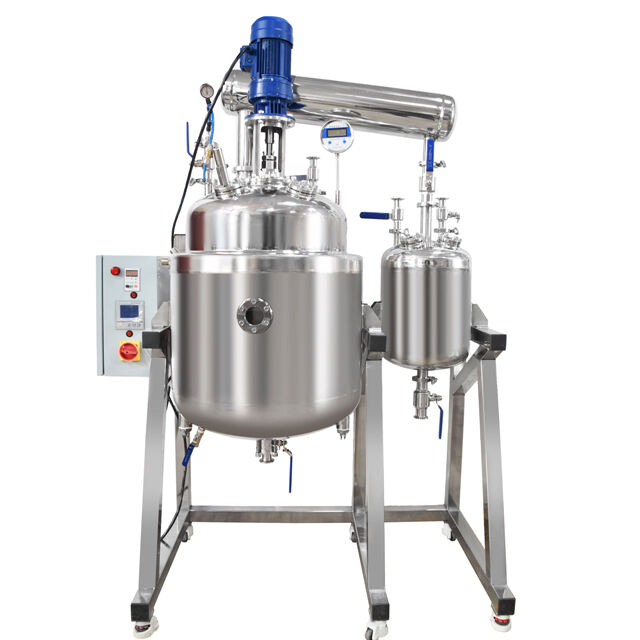
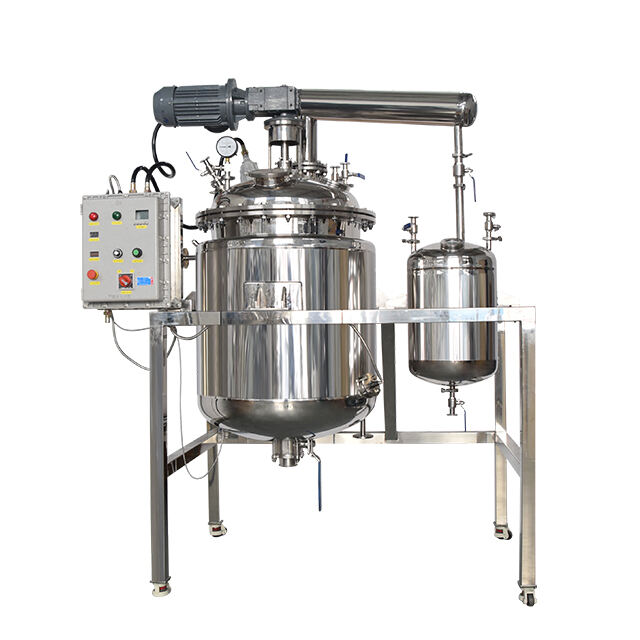
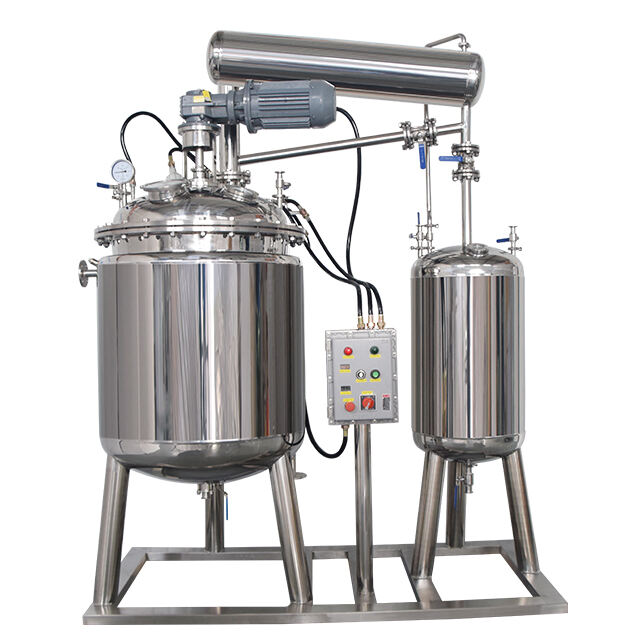
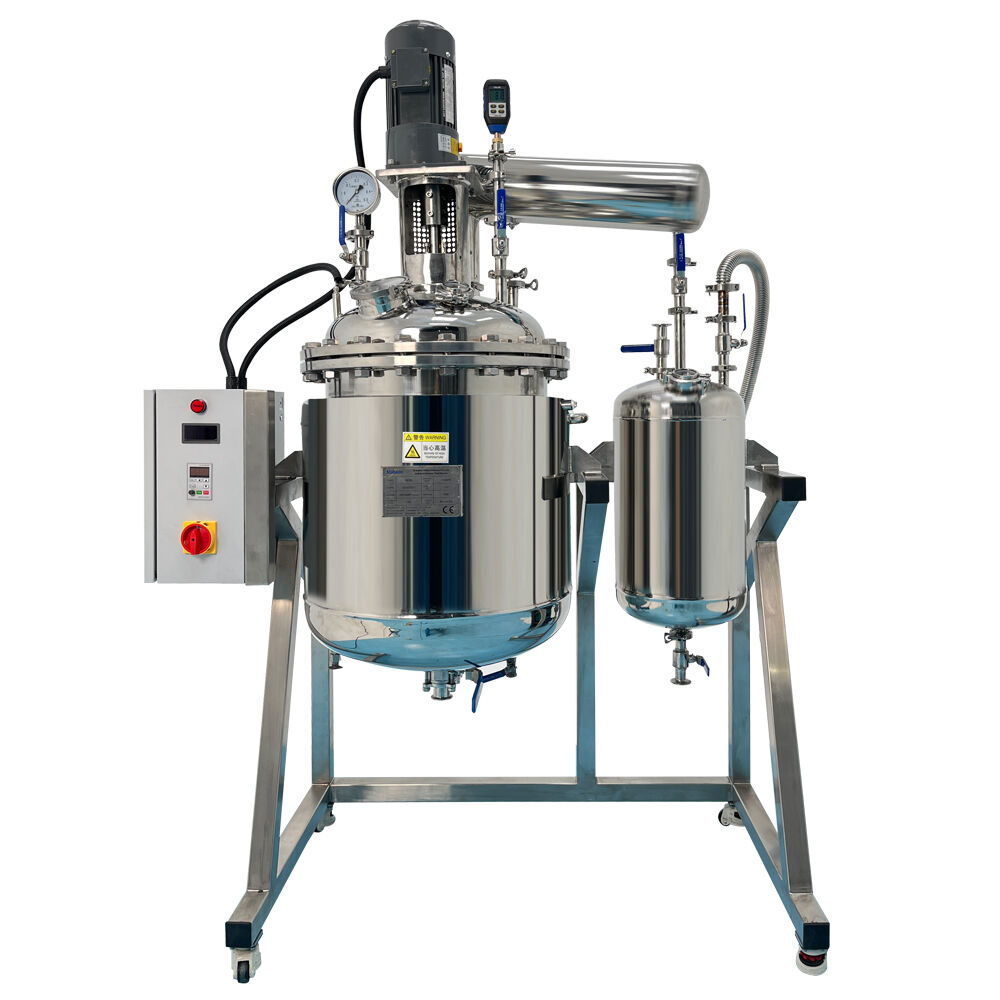
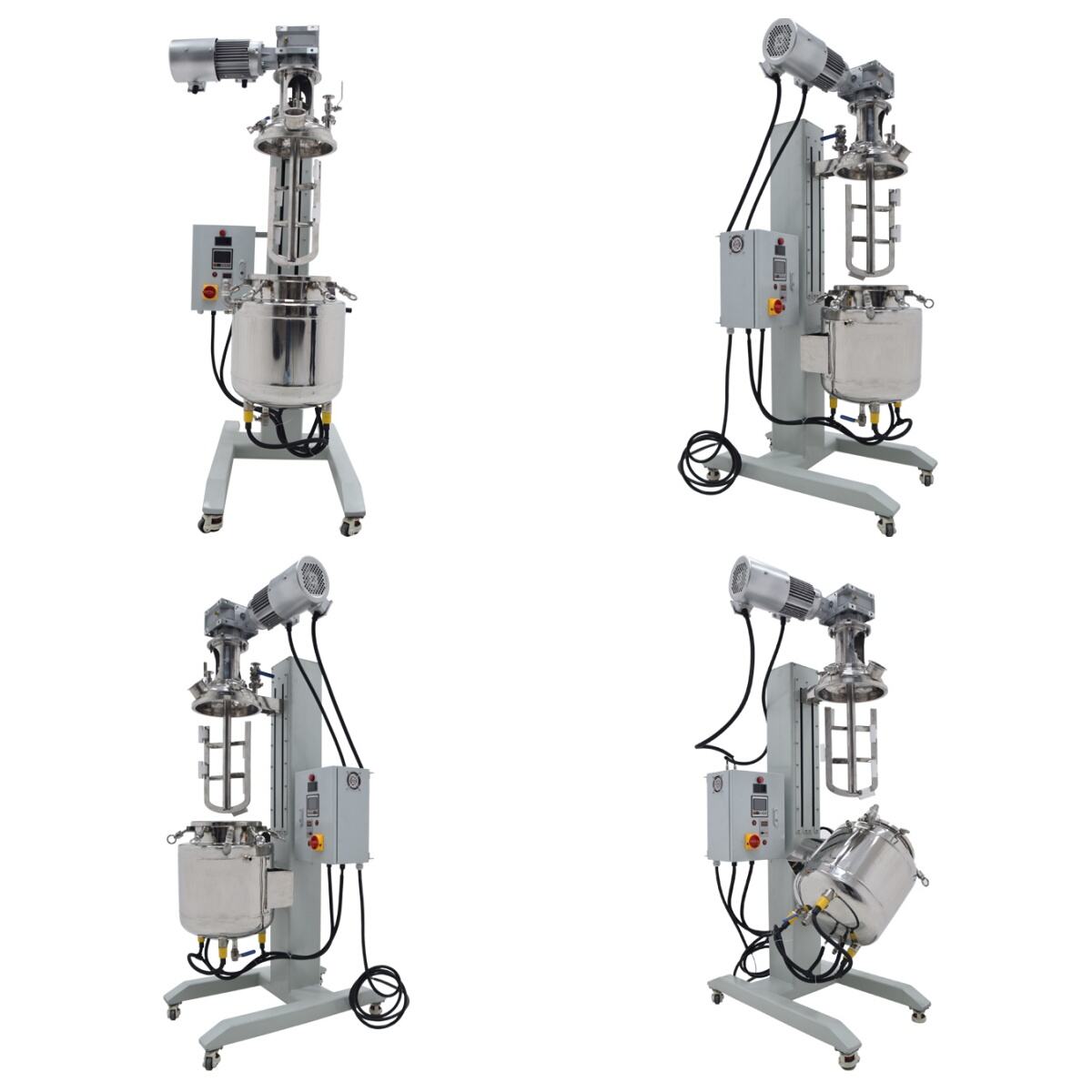
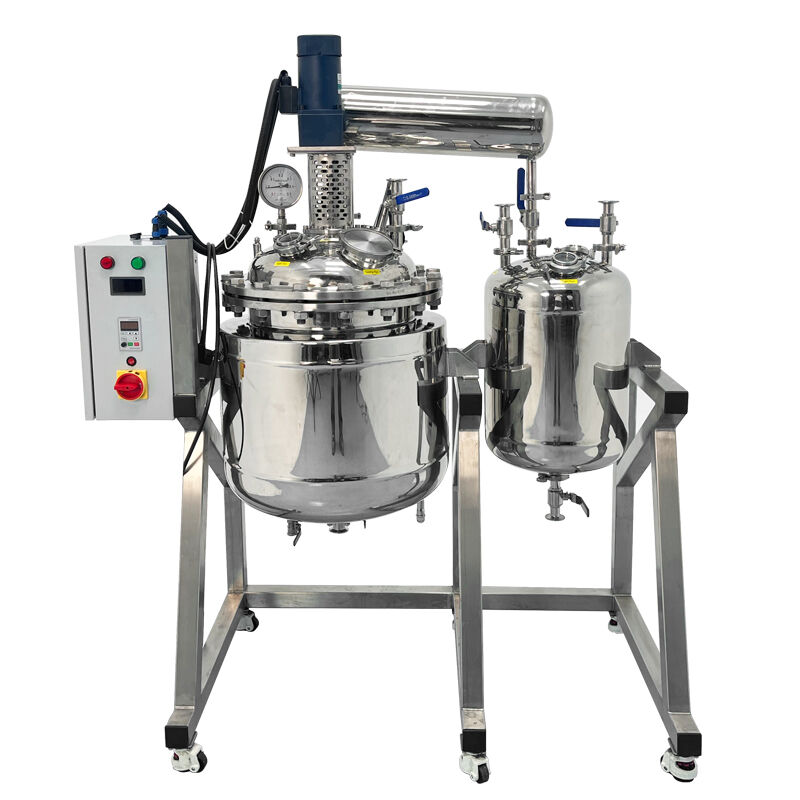
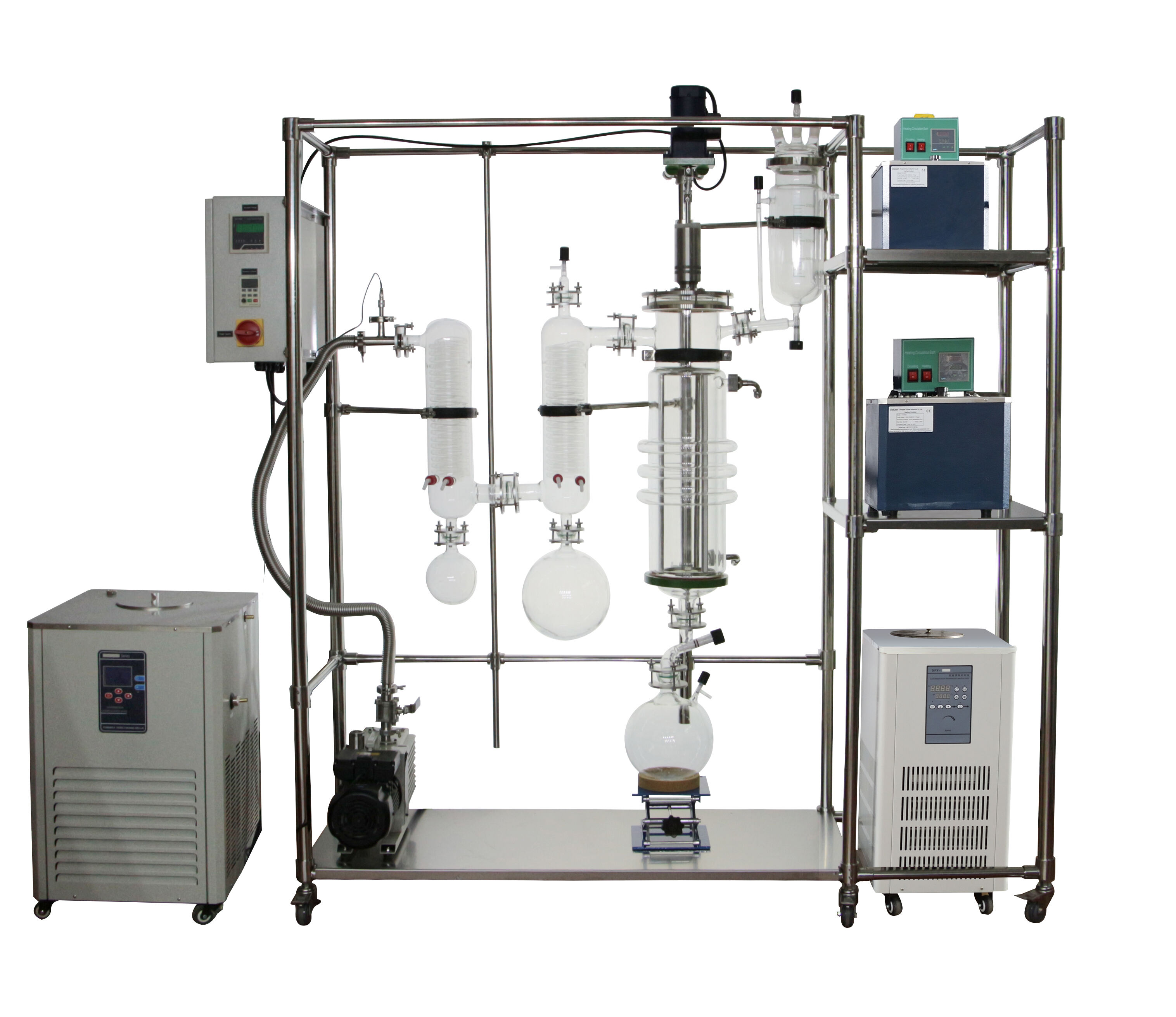
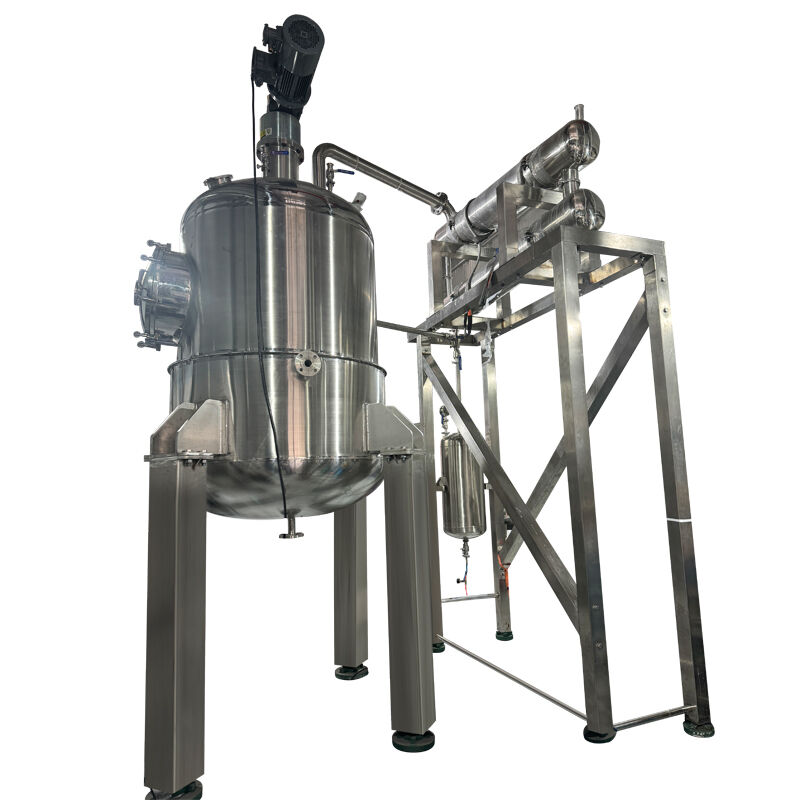
The stainless steel industrial reactor represents a cornerstone of modern chemical processing equipment, designed to facilitate controlled chemical reactions in manufacturing environments. These sophisticated vessels serve as the primary workhorses in pharmaceutical, petrochemical, food processing, and specialty chemical industries. The stainless steel industrial reactor operates by providing a controlled environment where raw materials undergo transformation through various chemical processes including synthesis, polymerization, crystallization, and purification procedures. The reactor's primary functions encompass mixing, heating, cooling, and pressure regulation to maintain optimal reaction conditions. Advanced temperature control systems ensure precise thermal management throughout the entire process cycle, while integrated agitation mechanisms guarantee uniform mixing of reactants. The stainless steel industrial reactor incorporates sophisticated monitoring systems that track critical parameters such as temperature, pressure, pH levels, and reaction progress in real-time. These technological features enable operators to maintain consistent product quality while maximizing yield efficiency. Modern reactor designs include automated control panels that allow for remote operation and data logging capabilities, enhancing both safety and productivity. The applications of stainless steel industrial reactors span numerous industries, from pharmaceutical synthesis where precise conditions are crucial for drug manufacturing, to food processing where sanitary conditions must be maintained. In the petrochemical sector, these reactors handle complex hydrocarbon transformations, while in specialty chemicals production, they enable the creation of advanced materials and compounds. The versatility of the stainless steel industrial reactor makes it indispensable for batch processing, continuous operations, and pilot-scale development work. Safety features integrated into these systems include pressure relief valves, emergency shutdown protocols, and leak detection systems that protect both personnel and equipment during operation.

New Products

The stainless steel industrial reactor delivers exceptional performance benefits that directly translate to improved operational efficiency and cost savings for manufacturing facilities. Corrosion resistance stands as the foremost advantage, as stainless steel construction withstands aggressive chemicals, high temperatures, and varying pH conditions without degradation. This durability eliminates frequent equipment replacement costs and reduces maintenance downtime significantly. The non-reactive surface of stainless steel prevents contamination of products, ensuring consistent quality and purity standards essential for pharmaceutical and food applications. Easy cleaning and sterilization capabilities make the stainless steel industrial reactor ideal for multi-product facilities where cross-contamination must be prevented. The smooth interior surfaces facilitate thorough cleaning protocols, including CIP (Clean-in-Place) and SIP (Sterilize-in-Place) procedures that save time and labor costs. Temperature stability represents another crucial advantage, as stainless steel efficiently conducts heat while maintaining structural integrity under thermal cycling conditions. This thermal performance enables precise reaction control and faster heating/cooling cycles, increasing throughput and energy efficiency. The stainless steel industrial reactor offers superior pressure handling capabilities, allowing for high-pressure reactions that expand process possibilities and improve reaction kinetics. Mechanical strength ensures safe operation under demanding conditions while minimizing the risk of equipment failure. Flexibility in design allows customization for specific applications, with various agitator types, heating/cooling systems, and port configurations available to meet unique process requirements. The stainless steel industrial reactor supports both atmospheric and vacuum operations, providing versatility for different reaction types. Regulatory compliance becomes straightforward with stainless steel construction, as these materials meet FDA, ASME, and other international standards for food, pharmaceutical, and chemical processing. Long-term reliability reduces total cost of ownership through extended service life and minimal maintenance requirements. Energy efficiency benefits arise from excellent heat transfer properties and insulation options that reduce operating costs. The stainless steel industrial reactor maintains consistent performance over years of operation, providing reliable return on investment for industrial facilities seeking dependable processing equipment.

Tips And Tricks

How Does a Stainless Steel Reactor Improve Reaction Efficiency and Safety

12

Nov

How Does a Stainless Steel Reactor Improve Reaction Efficiency and Safety

Chemical processing industries rely heavily on precise reaction control and optimal safety measures to achieve consistent production outcomes. The selection of appropriate reactor materials and design features directly impacts both operational effici...
View More
What Are the Key Design Features of a High-Performance Stainless Steel Reactor

12

Nov

What Are the Key Design Features of a High-Performance Stainless Steel Reactor

High-performance stainless steel reactors represent the pinnacle of chemical processing equipment, combining robust construction with precision engineering to deliver reliable results across diverse industrial applications. These sophisticated vessel...
View More
Rotary and Liftable Stainless Steel Reactor vs Fixed Reactor: Which Is Better?

20

Jan

Rotary and Liftable Stainless Steel Reactor vs Fixed Reactor: Which Is Better?

Modern industrial processing demands precision, efficiency, and adaptability in chemical reactions and material processing. The choice between a rotary and liftable stainless steel reactor versus a traditional fixed reactor represents a critical deci...
View More
What Design Features Matter in a Rotary and Liftable Stainless Steel Reactor?

20

Jan

What Design Features Matter in a Rotary and Liftable Stainless Steel Reactor?

Modern industrial chemical processing demands precision, efficiency, and reliability in every piece of equipment. Among the most critical components in pharmaceutical, chemical, and biotechnology manufacturing is the rotary and liftable stainless ste...
View More

Get a Free Quote

Our representative will contact you soon.
Email
Name
Contact Number
Company Name
Message
0/1000

stainless steel industrial reactor

Superior Corrosion Resistance and Material Durability

Superior Corrosion Resistance and Material Durability

The stainless steel industrial reactor excels in environments where corrosive chemicals, extreme temperatures, and harsh operating conditions would quickly degrade lesser materials. This exceptional corrosion resistance stems from the chromium content in stainless steel, which forms a protective oxide layer that self-repairs when damaged. Unlike carbon steel or other metallic alternatives, the stainless steel industrial reactor maintains its structural integrity and surface quality even when exposed to acids, bases, salts, and organic solvents commonly used in industrial processes. This durability translates to significant cost savings over the equipment's operational lifetime, as facilities avoid frequent replacements, repairs, and associated production downtime. The material's resistance extends beyond chemical attack to include oxidation resistance at elevated temperatures, making the stainless steel industrial reactor suitable for high-temperature processes that would compromise other materials. Additionally, the non-porous surface prevents bacterial growth and contamination, crucial factors in pharmaceutical and food processing applications where product purity directly impacts consumer safety and regulatory compliance. The stainless steel industrial reactor's ability to withstand thermal cycling without cracking or warping ensures consistent performance throughout varying operational conditions. This reliability becomes particularly valuable in continuous processing environments where equipment failure can result in substantial financial losses and safety hazards. The material's strength-to-weight ratio allows for robust construction without excessive bulk, enabling easier installation and maintenance procedures. Furthermore, the aesthetic appeal and professional appearance of stainless steel construction enhance facility image and demonstrate commitment to quality standards, important considerations for companies hosting client visits or regulatory inspections.
Advanced Process Control and Monitoring Capabilities

Advanced Process Control and Monitoring Capabilities

The stainless steel industrial reactor incorporates state-of-the-art process control systems that provide unprecedented precision and monitoring capabilities for complex chemical reactions. These advanced control features include programmable logic controllers (PLCs) that automatically adjust operating parameters based on real-time feedback from multiple sensors positioned throughout the reactor system. Temperature sensors provide accurate thermal monitoring across different zones within the stainless steel industrial reactor, enabling precise control of exothermic and endothermic reactions while preventing hotspots that could compromise product quality or safety. Pressure transducers continuously monitor internal conditions, automatically triggering safety protocols if parameters exceed predetermined limits. The integration of pH sensors and conductivity meters allows for real-time chemical composition monitoring, essential for maintaining optimal reaction conditions and detecting process deviations before they impact final product specifications. Modern stainless steel industrial reactor systems feature human-machine interfaces (HMIs) with intuitive touchscreen controls that simplify operation while providing comprehensive data visualization and trending capabilities. These interfaces display critical process information in real-time, including temperature profiles, pressure readings, agitation speeds, and reaction progress indicators. Historical data logging capabilities enable process optimization through trend analysis and facilitate regulatory compliance documentation. Remote monitoring options allow supervisory personnel to oversee multiple reactor operations from centralized control rooms, improving operational efficiency and response times. The stainless steel industrial reactor's control systems often include predictive maintenance features that monitor equipment performance indicators and alert operators to potential issues before they result in unplanned downtime. Safety interlocks prevent unsafe operating conditions by automatically shutting down systems when predetermined parameters are exceeded, protecting both personnel and equipment from dangerous situations.
Exceptional Hygiene Standards and Easy Maintenance Protocols

Exceptional Hygiene Standards and Easy Maintenance Protocols

The stainless steel industrial reactor sets industry standards for hygiene and cleanliness through its inherent material properties and thoughtful design features that facilitate thorough cleaning and sanitization procedures. The smooth, non-porous surface of stainless steel prevents bacterial adhesion and eliminates microscopic crevices where contaminants could accumulate, making it the preferred choice for pharmaceutical manufacturing and food processing applications where sterile conditions are mandatory. The stainless steel industrial reactor's surface finish can be polished to mirror-like quality, further reducing surface roughness and enhancing cleanability to meet the most stringent sanitary requirements. Clean-in-Place (CIP) systems integrate seamlessly with stainless steel reactor designs, allowing automated cleaning cycles that use heated cleaning solutions, detergents, and sanitizers circulated through spray balls and strategically positioned nozzles to reach all internal surfaces. This automation reduces labor costs while ensuring consistent cleaning results that manual methods cannot achieve. Sterilize-in-Place (SIP) capabilities enable steam sterilization at temperatures exceeding 121°C, effectively eliminating all microorganisms without requiring reactor disassembly or manual intervention. The stainless steel industrial reactor's construction materials withstand repeated exposure to aggressive cleaning chemicals and high-temperature sterilization cycles without degradation, maintaining surface integrity throughout countless cleaning operations. Drain systems incorporate sanitary tri-clamp connections and sloped bottoms that prevent product retention and facilitate complete emptying, eliminating potential contamination sources. Inspection ports with sight glasses allow visual verification of cleaning effectiveness, while sample ports enable microbiological testing to confirm sterility levels. The modular design of modern stainless steel industrial reactor systems permits easy access to internal components for inspection and maintenance without compromising system integrity. Gaskets and seals use FDA-approved materials that resist chemical attack and maintain flexibility through repeated cleaning cycles, ensuring reliable containment while supporting rigorous hygiene protocols essential for regulated industries.

Get a Free Quote

Our representative will contact you soon.
Email
Name
Contact Number
Company Name
Message
0/1000