 EN
EN

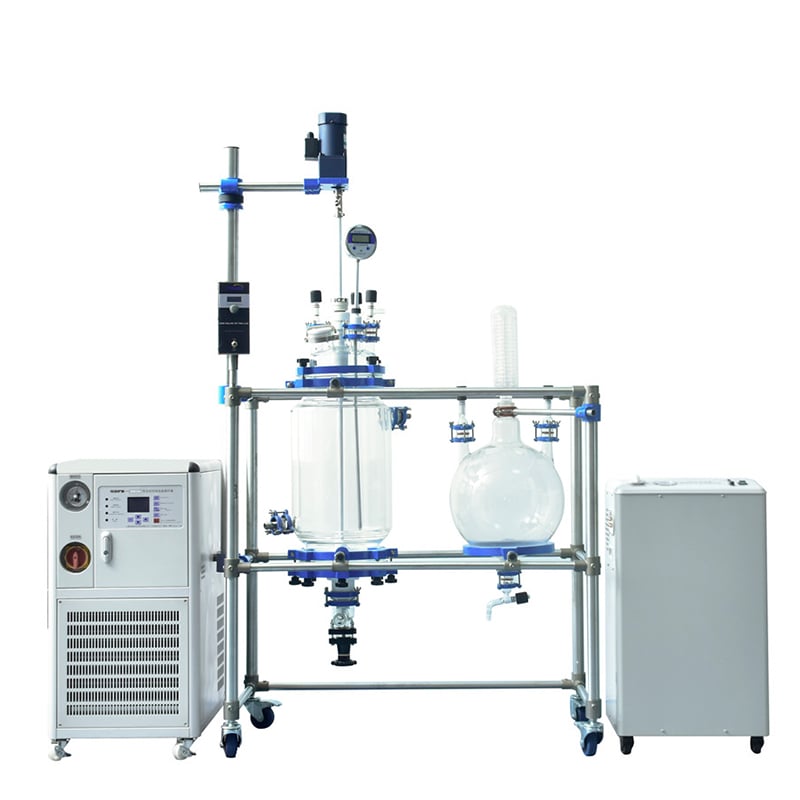
Selecting the right crystallization reactor for pharmaceutical manufacturing requires careful consideration of multiple technical and operational factors that directly impact product quality, yield, and process efficiency. The pharmaceutical industry's stringent requirements for purity, consistency, and regulatory compliance make the choice of crystallization equipment a critical decision that can influence the success of drug development and commercial production. Understanding the fundamental principles of crystallization processes and how different reactor designs affect crystal formation is essential for pharmaceutical engineers and process development teams.
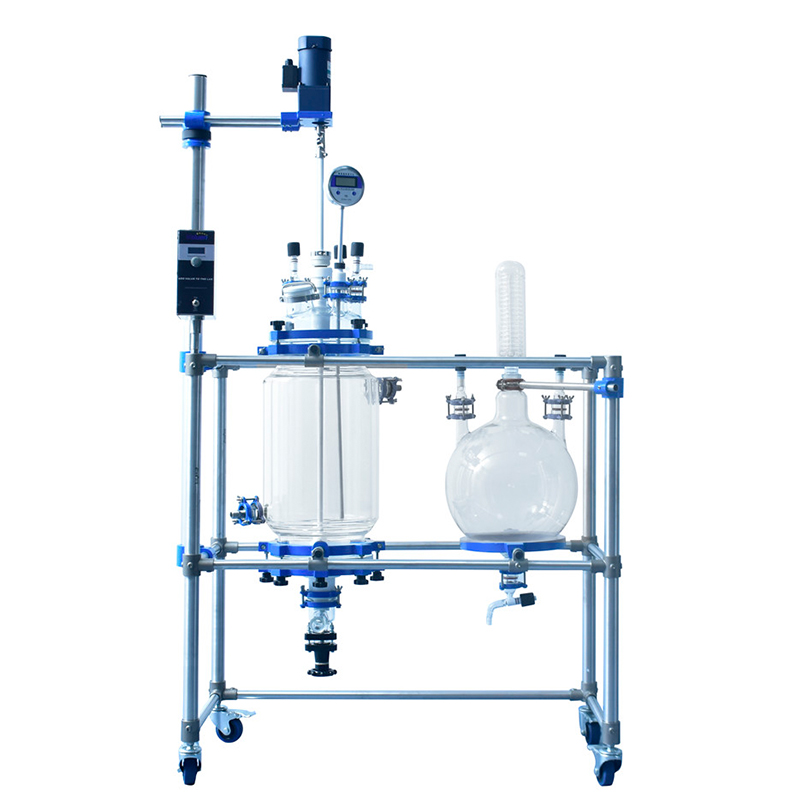
The selection process involves evaluating reactor materials, heat transfer capabilities, mixing efficiency, and scalability requirements to ensure optimal crystallization conditions. Modern pharmaceutical crystallization demands precise control over temperature, supersaturation, and nucleation rates to achieve desired crystal morphology and particle size distribution. A well-chosen crystallization reactor system can significantly reduce downstream processing requirements, minimize impurities, and enhance overall process robustness while maintaining compliance with Good Manufacturing Practices.
Understanding Crystallization Reactor Types and Configurations
Batch Crystallization Reactors
Batch crystallization reactors remain the most common choice for pharmaceutical applications due to their flexibility and ease of operation. These systems allow for precise control over crystallization parameters and enable operators to monitor the process closely throughout each production cycle. The batch approach facilitates quality control measures and provides opportunities for in-process adjustments when necessary. Most pharmaceutical companies prefer batch systems for their ability to handle multiple products in the same equipment with proper cleaning validation protocols.
The design of batch crystallization reactors typically incorporates jacketed vessels for temperature control, efficient agitation systems, and multiple ports for sampling and instrumentation. Temperature programming capabilities are essential for implementing cooling crystallization strategies that optimize crystal quality and yield. The reactor volume must be carefully selected based on batch size requirements, with consideration for headspace needed during crystallization and potential foaming issues. Proper sizing ensures adequate heat transfer rates and uniform mixing throughout the crystallization process.
Continuous Crystallization Systems
Continuous crystallization reactors are gaining popularity in pharmaceutical manufacturing due to their potential for improved process control, reduced footprint, and enhanced product consistency. These systems maintain steady-state conditions that can lead to more uniform crystal properties compared to batch operations. Continuous crystallization reactor designs often incorporate multiple stages or zones with different temperature and mixing conditions to optimize nucleation and growth phases separately.
The implementation of continuous crystallization requires sophisticated process control systems and real-time monitoring capabilities to maintain optimal operating conditions. Residence time distribution, mixing patterns, and heat transfer characteristics must be carefully engineered to achieve desired crystallization outcomes. While continuous systems offer advantages in terms of process intensification and reduced operating costs, they require more complex validation procedures and may be less suitable for multi-product facilities without dedicated equipment.
Material Selection and Construction Considerations
Reactor Material Compatibility
The choice of construction materials for a crystallization reactor significantly impacts both process performance and regulatory compliance in pharmaceutical applications. Stainless steel grades such as 316L are commonly used due to their corrosion resistance and compatibility with cleaning and sterilization procedures. However, certain pharmaceutical compounds may require specialized materials like Hastelloy or glass-lined steel to prevent unwanted reactions or contamination that could affect product quality.
Glass crystallization reactors offer excellent chemical inertness and visual observation capabilities, making them particularly valuable for research and development applications. The transparency allows operators to monitor crystal formation directly and observe any unusual phenomena during the crystallization process. However, glass reactors may have limitations in terms of pressure ratings and temperature cycling capabilities compared to metal alternatives. The selection must balance chemical compatibility requirements with mechanical strength and operational flexibility needs.
Surface Finish and Cleaning Requirements
Pharmaceutical crystallization reactors require specific surface finishes to facilitate thorough cleaning and prevent product cross-contamination. Electropolished stainless steel surfaces with low surface roughness values are typically specified to minimize particle adhesion and enable complete cleaning validation. The reactor design should incorporate smooth transitions, minimize dead zones, and provide adequate accessibility for cleaning procedures and inspection.
Cleaning-in-place capabilities are essential for pharmaceutical crystallization reactors to maintain hygiene standards and reduce downtime between batches. The reactor design must accommodate spray balls or other cleaning devices that can reach all internal surfaces effectively. Documentation of cleaning validation studies and establishment of cleaning procedures are critical aspects of reactor selection that impact regulatory approval and operational efficiency. The crystallization reactor system should support automated cleaning cycles with appropriate monitoring and recording capabilities.
Heat Transfer and Temperature Control Systems
Jacket Design and Heat Transfer Efficiency
Effective temperature control is fundamental to successful crystallization processes, making heat transfer design a critical aspect of crystallization reactor selection. Jacket configurations such as dimple jackets, half-pipe coils, or conventional jackets each offer different heat transfer characteristics and temperature uniformity. The choice depends on the specific crystallization requirements, including cooling rates, temperature precision, and vessel geometry considerations.
Heat transfer calculations must account for the crystallization reactor size, desired cooling rates, and thermal properties of the crystallizing solution. Adequate heat transfer area and appropriate temperature differential capabilities ensure that the crystallization process can achieve the required supersaturation profiles. Advanced jacket designs may incorporate multiple zones with independent temperature control to enable complex temperature programming strategies that optimize crystal quality and process robustness.
Temperature Uniformity and Control Precision
Temperature uniformity within the crystallization reactor is crucial for consistent crystal formation and product quality. Temperature gradients can lead to localized variations in supersaturation levels, resulting in non-uniform nucleation and growth patterns that affect final crystal properties. The reactor design should minimize temperature variations through proper heat transfer surface distribution and effective mixing strategies that promote thermal homogeneity throughout the crystallization volume.
Modern crystallization reactor control systems incorporate multiple temperature sensors and advanced control algorithms to maintain precise temperature profiles during crystallization. The ability to implement complex temperature ramps, holds, and cycling patterns enables optimization of nucleation and growth kinetics for specific pharmaceutical compounds. Temperature control precision typically requires accuracy within ±0.1°C or better for pharmaceutical applications, necessitating high-quality instrumentation and control system design.
Mixing and Agitation System Design
Impeller Selection and Mixing Efficiency
The agitation system in a crystallization reactor plays a vital role in controlling mass transfer, heat transfer, and crystal breakage during the crystallization process. Impeller design must balance the need for adequate mixing with the requirement to minimize crystal attrition that could affect particle size distribution and crystal morphology. Low-shear impellers such as anchor, paddle, or pitched blade turbines are commonly used in pharmaceutical crystallization applications to maintain gentle mixing conditions.
Mixing intensity affects both nucleation and growth rates during crystallization, making agitation speed control an important process parameter. The crystallization reactor design should provide variable speed capability with precise control and monitoring of agitation rates. Power consumption calculations help determine appropriate motor sizing and can indicate changes in solution properties during crystallization. The agitation system must also accommodate the changing rheology that occurs as crystals form and grow throughout the process.
Fluid Dynamics and Suspension Quality
Proper fluid dynamics within the crystallization reactor ensure uniform distribution of crystals and prevent settling or dead zones that could lead to product quality issues. Computational fluid dynamics modeling can help optimize impeller positioning, baffle arrangements, and vessel geometry to achieve desired mixing patterns. The suspension quality must be maintained throughout the crystallization process to ensure consistent heat and mass transfer rates and prevent localized concentration variations.
Bottom-mounted agitators are often preferred in crystallization reactor applications to minimize shaft sealing challenges and reduce the risk of contamination. However, top-mounted systems may be necessary for certain reactor configurations or when additional equipment such as dip pipes or probes must be accommodated. The agitation system design should consider maintenance requirements, seal reliability, and the potential impact of shaft deflection on mixing performance and equipment longevity.
Instrumentation and Process Control Requirements
Critical Process Parameters Monitoring
Modern pharmaceutical crystallization reactor systems require comprehensive instrumentation to monitor and control critical process parameters that affect product quality and process consistency. Temperature, pressure, agitation speed, and solution concentration are fundamental measurements that must be accurately monitored throughout the crystallization process. Advanced analytical techniques such as focused beam reflectance measurement, particle vision and measurement, and attenuated total reflectance spectroscopy provide real-time insights into crystal formation and growth kinetics.
The crystallization reactor instrumentation package should include redundant sensors for critical measurements and appropriate alarm systems to alert operators to deviations from normal operating conditions. Data logging capabilities are essential for process validation, troubleshooting, and regulatory compliance documentation. Integration with plant-wide control systems enables coordination with upstream and downstream processes and facilitates automated batch reporting and record keeping requirements.
Automated Control and Safety Systems
Automated control systems for crystallization reactors enhance process reproducibility and reduce operator variability that could impact product quality. Programmable logic controllers or distributed control systems can implement complex crystallization recipes that include multiple temperature ramps, hold periods, and agitation speed changes. Safety interlocks and emergency shutdown procedures must be incorporated to protect personnel and equipment while preventing product loss in case of system failures.
The control system design should accommodate future process improvements and modifications without requiring major hardware changes. Flexible programming capabilities allow optimization of crystallization parameters as process understanding improves through development and manufacturing experience. Integration with laboratory information management systems and manufacturing execution systems provides traceability and supports quality assurance functions essential for pharmaceutical production.
Scalability and Technology Transfer Considerations
Scale-Up Methodology and Design Rules
Successful scale-up of crystallization processes from laboratory to commercial production requires careful consideration of how crystallization reactor design parameters change with scale. Heat transfer coefficients, mixing intensity, and residence times must be evaluated to ensure that critical process parameters remain within acceptable ranges at different scales. The crystallization reactor selection should consider both current production requirements and potential future capacity needs to minimize technology transfer challenges.
Scale-up methodology typically focuses on maintaining consistent supersaturation profiles, mixing conditions, and heat transfer rates across different reactor sizes. Geometric similarity may not always be feasible, requiring process parameter adjustments to compensate for scale effects. The crystallization reactor design should incorporate sufficient flexibility to accommodate these adjustments through variable agitation speeds, multiple heat transfer zones, and flexible control system programming capabilities.
Multi-Purpose Design Flexibility
Pharmaceutical manufacturing facilities often require crystallization reactors that can handle multiple products with different processing requirements. Multi-purpose reactor design considerations include changeover procedures, cleaning validation requirements, and the ability to accommodate different crystallization strategies within the same equipment. Modular designs that allow component replacement or modification can extend equipment lifetime and adapt to changing product portfolios.
The crystallization reactor selection should evaluate the trade-offs between specialized optimization for specific products and the flexibility needed for multi-product operations. Standardized designs that can handle a range of crystallization processes may be more cost-effective for facilities with diverse product lines, while dedicated equipment may be justified for high-volume products with critical quality requirements. The decision must consider both technical performance and economic factors including equipment utilization and changeover costs.
FAQ
What factors determine the appropriate size for a pharmaceutical crystallization reactor?
The appropriate size for a pharmaceutical crystallization reactor depends on batch size requirements, production capacity needs, heat transfer considerations, and mixing effectiveness. Larger reactors may have reduced heat transfer coefficients and longer mixing times, potentially affecting crystallization kinetics and product quality. The reactor volume should provide adequate headspace for crystallization expansion and foaming while maintaining effective heat transfer and mixing performance. Scale-up considerations and future capacity requirements should also influence size selection decisions.
How important is material compatibility when selecting a crystallization reactor for pharmaceutical use?
Material compatibility is critically important for pharmaceutical crystallization reactor selection as incompatible materials can introduce impurities, cause corrosion, or create safety hazards. The reactor material must resist corrosion from the crystallization medium, cleaning agents, and sterilization procedures while maintaining surface integrity throughout the equipment lifetime. Extractable and leachable studies may be required to demonstrate material suitability for pharmaceutical applications, and material selection directly impacts cleaning validation and regulatory approval processes.
What role does temperature control precision play in crystallization reactor performance?
Temperature control precision is fundamental to crystallization reactor performance as small temperature variations can significantly affect nucleation rates, growth kinetics, and final crystal properties. Precise temperature control enables implementation of optimized cooling profiles that maximize yield and product quality while minimizing impurities and undesired polymorphs. Poor temperature control can lead to batch-to-batch variability, reduced process robustness, and potential regulatory compliance issues in pharmaceutical manufacturing applications.
How do continuous and batch crystallization reactors compare for pharmaceutical applications?
Batch crystallization reactors offer greater flexibility for multi-product facilities and easier quality control procedures but may have higher operating costs and larger footprints. Continuous crystallization reactors can provide improved process control, reduced variability, and lower operating costs but require more complex control systems and validation procedures. The choice depends on production volume requirements, product portfolio diversity, regulatory considerations, and facility constraints. Many pharmaceutical companies are evaluating continuous crystallization for high-volume products while maintaining batch systems for development and specialty applications.
Table of Contents
- Understanding Crystallization Reactor Types and Configurations
- Material Selection and Construction Considerations
- Heat Transfer and Temperature Control Systems
- Mixing and Agitation System Design
- Instrumentation and Process Control Requirements
- Scalability and Technology Transfer Considerations
-
FAQ
- What factors determine the appropriate size for a pharmaceutical crystallization reactor?
- How important is material compatibility when selecting a crystallization reactor for pharmaceutical use?
- What role does temperature control precision play in crystallization reactor performance?
- How do continuous and batch crystallization reactors compare for pharmaceutical applications?