Professional Stainless Steel Mixing Reactors - Industrial Grade Chemical Processing Equipment

Get a Free Quote

Our representative will contact you soon.
Email
Name
Contact Number
Company Name
Message
0/1000

stainless steel mixing reactor

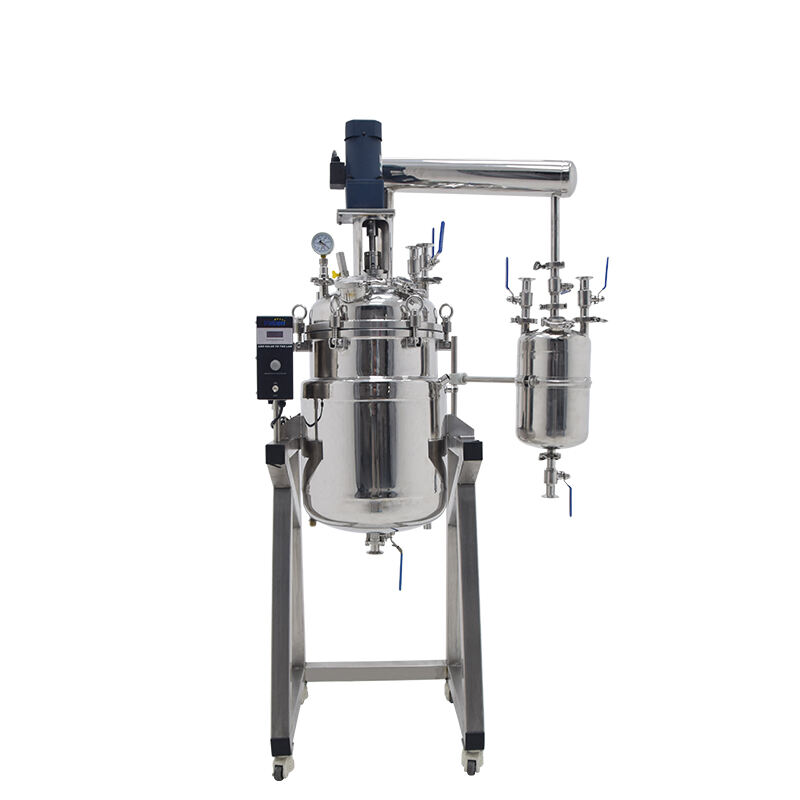
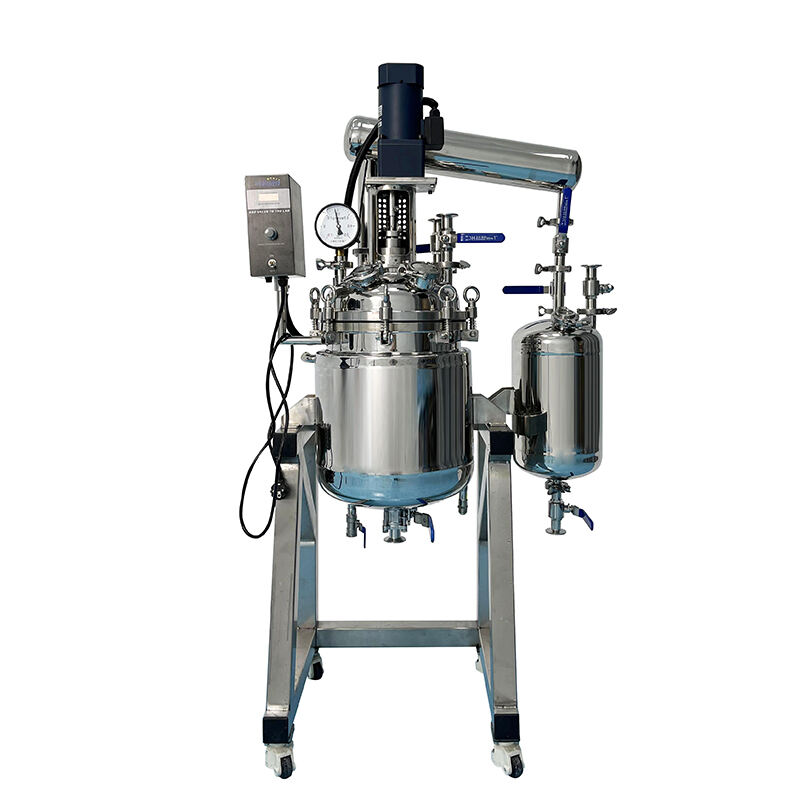
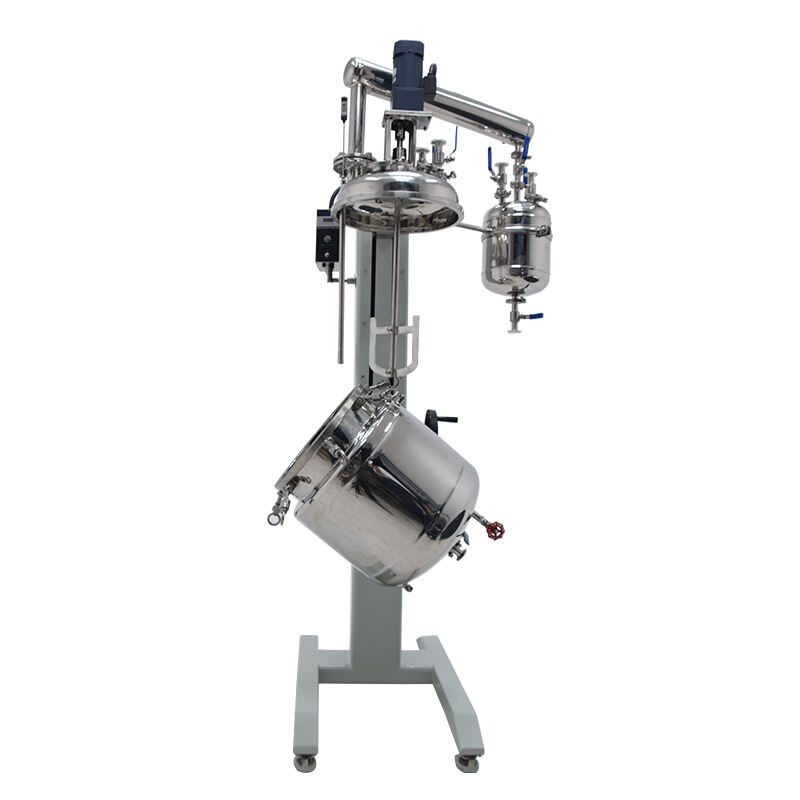
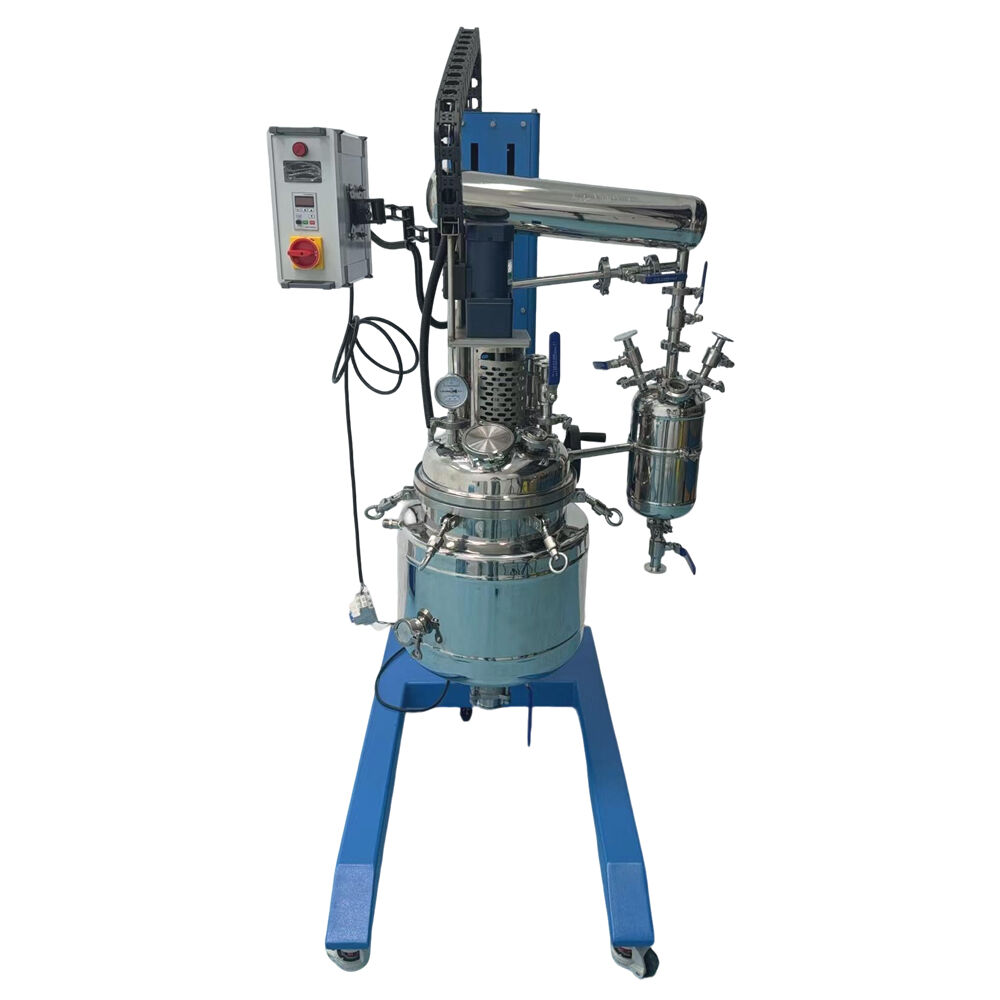
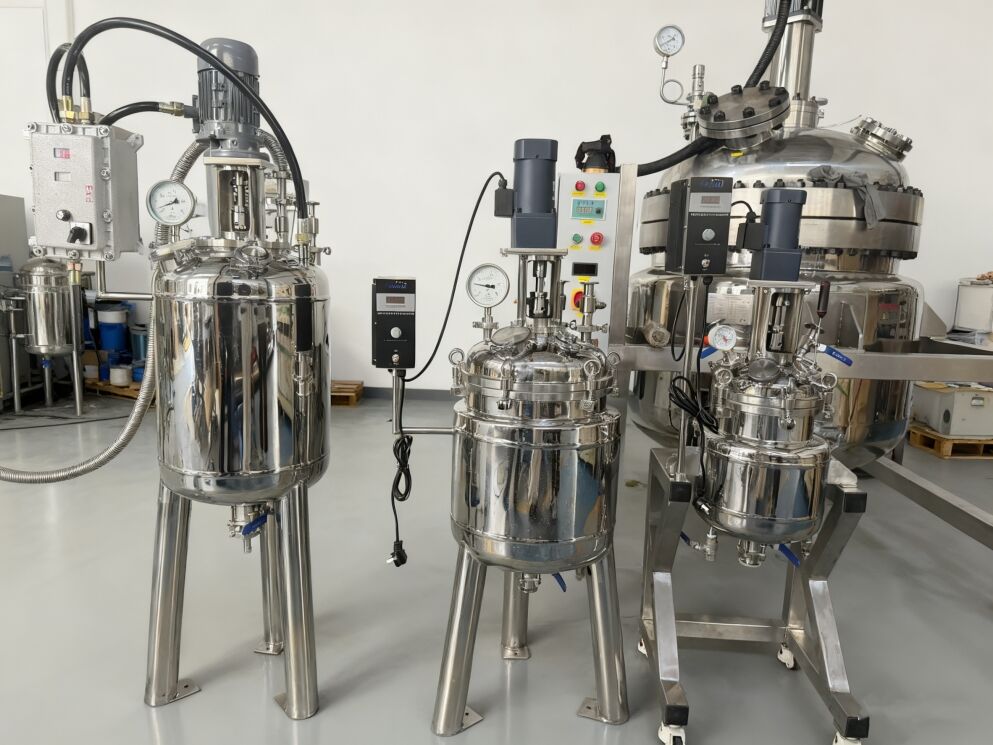
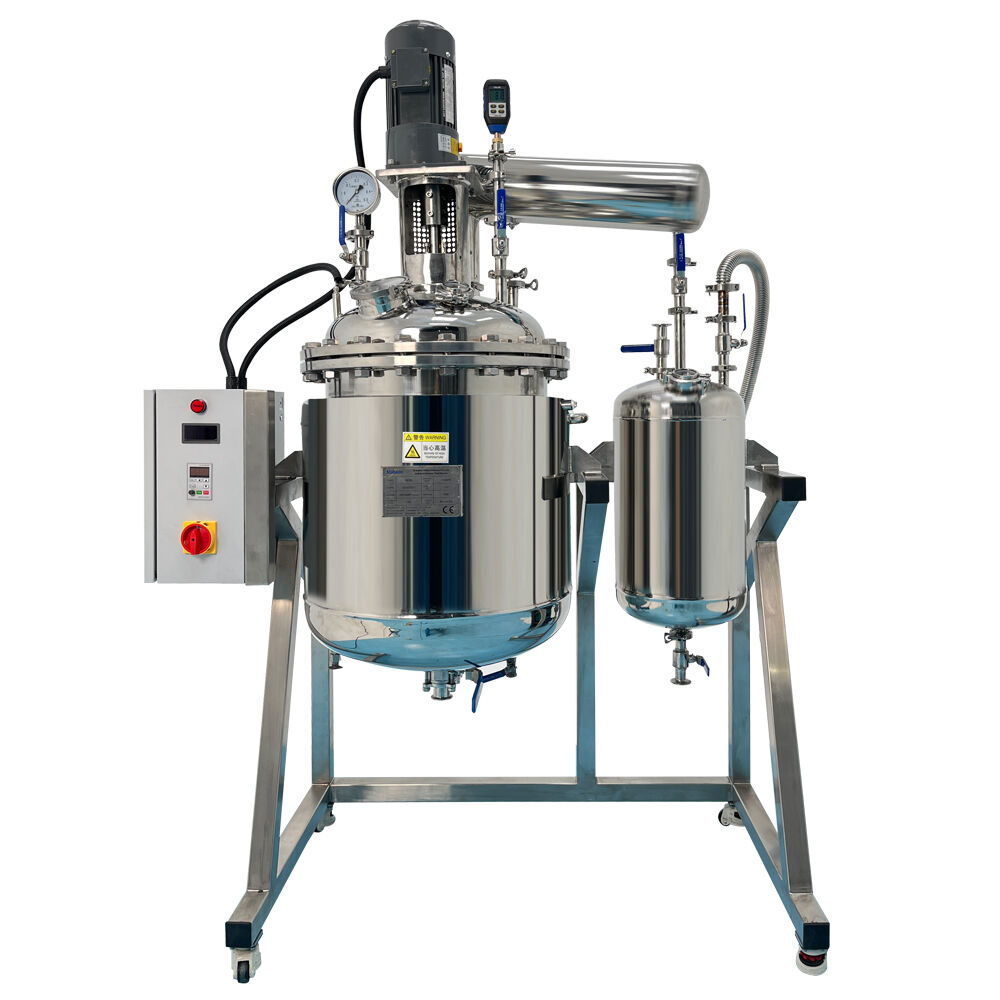
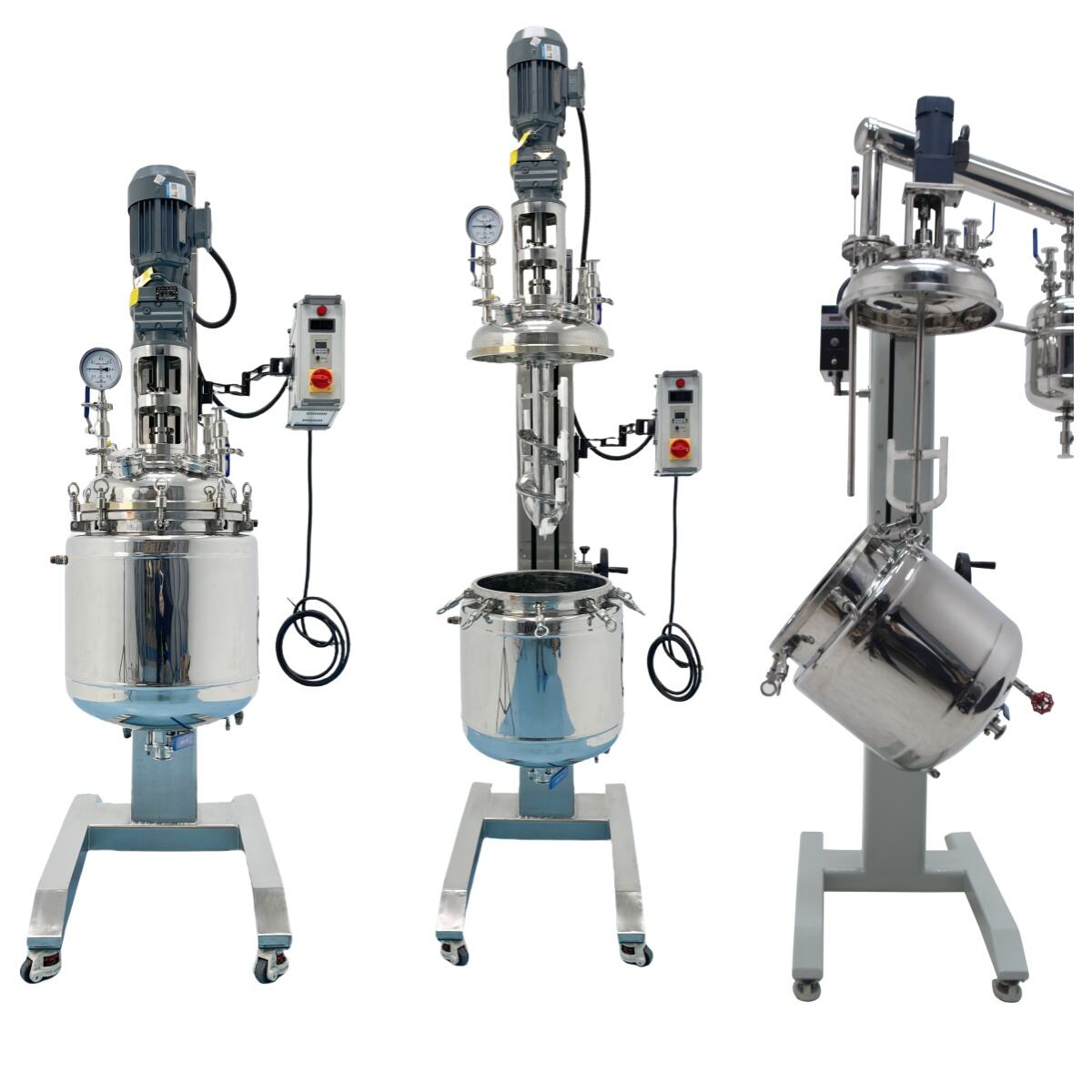
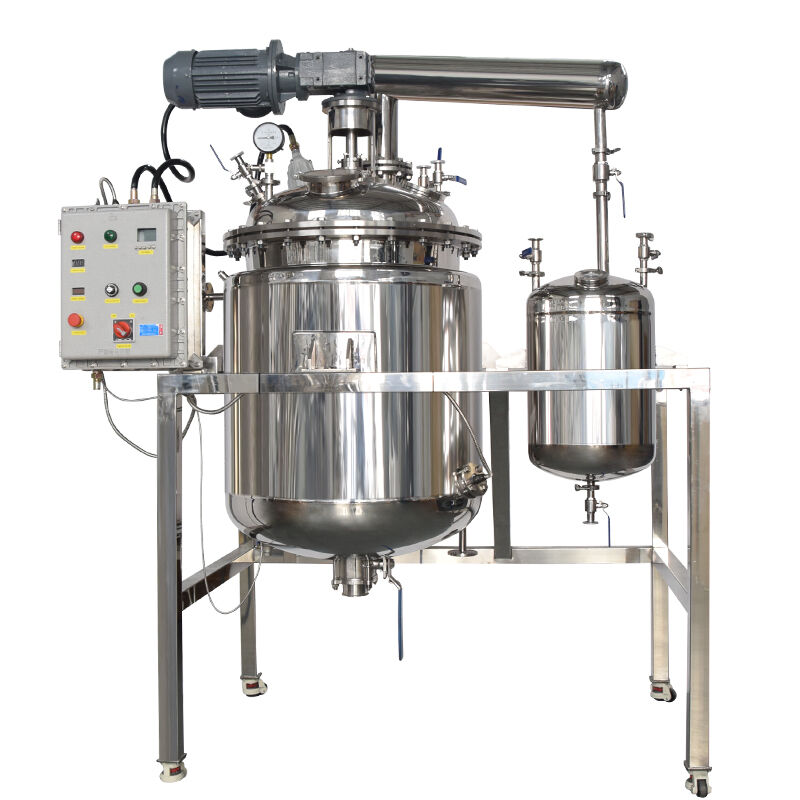
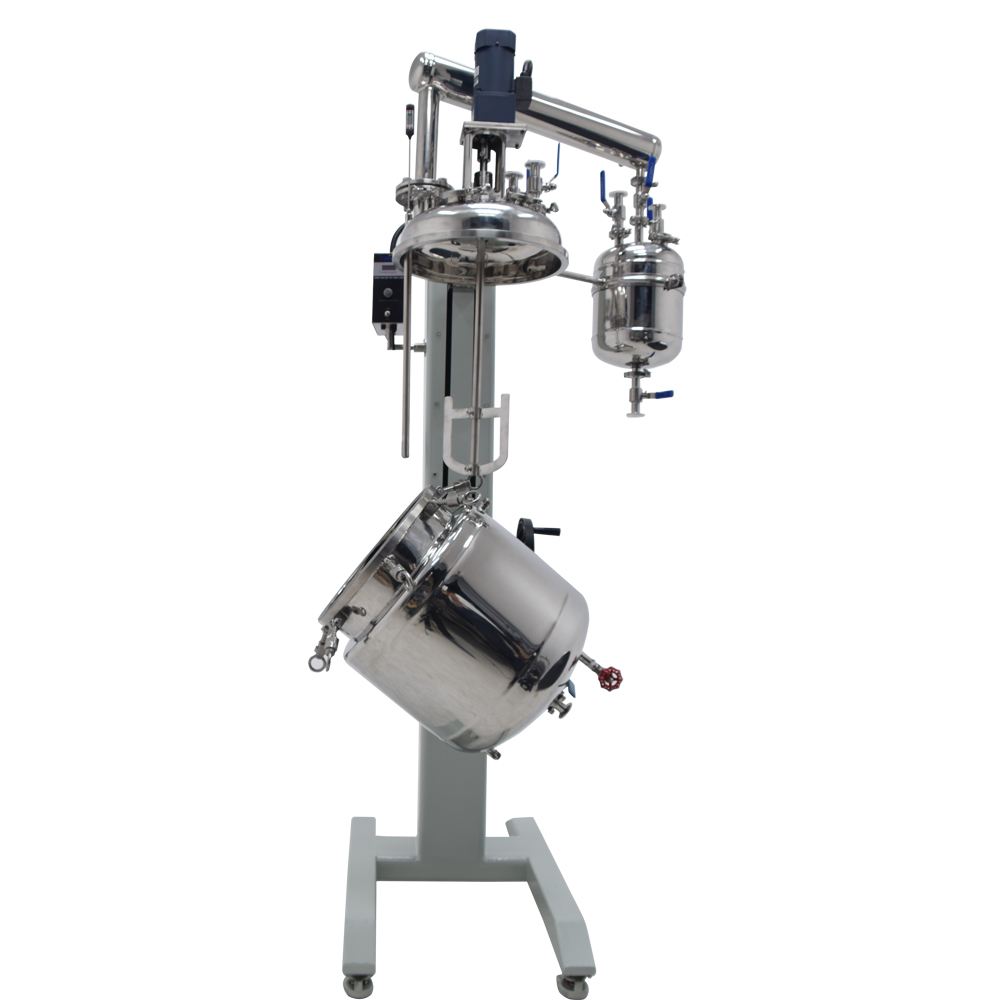
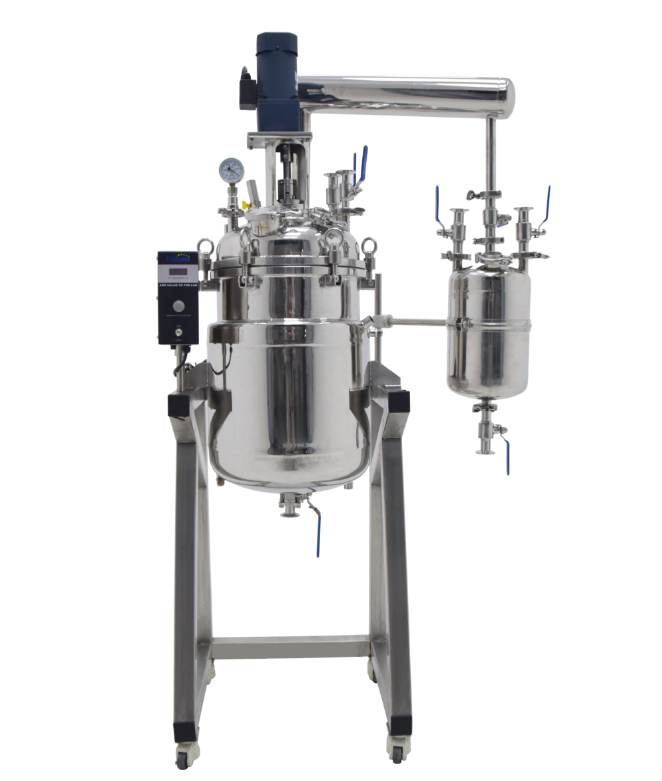
The stainless steel mixing reactor represents a cornerstone of modern industrial processing equipment, designed to facilitate controlled chemical reactions while ensuring superior product quality and operational safety. This sophisticated vessel combines robust construction with advanced mixing technology to deliver consistent results across diverse industrial applications. Built from high-grade stainless steel materials, these reactors offer exceptional resistance to corrosion, chemical attack, and temperature fluctuations, making them indispensable in pharmaceutical, chemical, food processing, and biotechnology industries. The primary function of a stainless steel mixing reactor involves creating homogeneous mixtures through precise agitation systems while maintaining optimal reaction conditions. These vessels incorporate multiple technological features including variable speed drives, temperature control systems, pressure monitoring capabilities, and customizable mixing configurations. The reactor design typically includes jacketed walls for heating or cooling applications, multiple inlet and outlet ports for raw material addition and product discharge, and comprehensive instrumentation for process monitoring and control. Advanced models feature programmable logic controllers that automate mixing sequences, ensuring reproducible batch quality and reducing operator intervention. The versatility of stainless steel mixing reactors extends to various processing scenarios, from simple blending operations to complex multi-phase reactions requiring precise environmental control. Their applications span pharmaceutical synthesis, polymer production, specialty chemical manufacturing, cosmetic formulation, and food ingredient processing. The seamless interior surfaces prevent product contamination while facilitating thorough cleaning procedures essential for maintaining sterile processing conditions. Modern stainless steel mixing reactor designs incorporate ergonomic features such as accessible maintenance points, easy-to-clean geometries, and modular component systems that simplify servicing and reduce downtime. These reactors serve as critical infrastructure for industries requiring consistent product quality, regulatory compliance, and operational efficiency in their manufacturing processes.

New Product Recommendations

Stainless steel mixing reactors deliver numerous compelling advantages that directly translate into enhanced operational efficiency and cost savings for manufacturing facilities. The corrosion resistance inherent in stainless steel construction eliminates concerns about material degradation, ensuring consistent product purity while extending equipment lifespan significantly beyond alternative materials. This durability translates into reduced replacement costs and minimized maintenance requirements, providing substantial long-term financial benefits for operations. The non-reactive surface properties of stainless steel prevent unwanted chemical interactions that could compromise product quality or introduce contaminants, making these reactors ideal for sensitive pharmaceutical and food applications where purity standards are paramount. Temperature management capabilities represent another significant advantage, as the excellent heat transfer properties of stainless steel enable precise thermal control throughout mixing processes. This thermal efficiency reduces energy consumption while ensuring optimal reaction conditions, resulting in improved yield rates and consistent product characteristics. The smooth interior surfaces of stainless steel mixing reactors facilitate complete discharge of processed materials, minimizing product waste and maximizing manufacturing efficiency. Cleaning procedures become straightforward due to the non-porous nature of stainless steel, which resists bacterial growth and allows for thorough sanitization using standard cleaning protocols. This ease of maintenance reduces downtime between production runs and supports compliance with strict hygiene regulations. Versatility stands out as a key operational advantage, as stainless steel mixing reactors can handle diverse materials ranging from aggressive chemicals to delicate biological compounds without performance degradation. The scalability of these systems allows manufacturers to adapt production volumes efficiently, supporting both small-batch specialized products and large-scale commercial manufacturing. Safety features integrated into stainless steel mixing reactor designs protect personnel while ensuring reliable operation under demanding conditions. The robust construction withstands high pressures and temperatures, providing operational security that reduces insurance costs and liability concerns. Investment in stainless steel mixing reactors demonstrates commitment to quality manufacturing while delivering measurable returns through improved productivity, reduced operating costs, and enhanced product consistency that strengthens market competitiveness and customer satisfaction.

Practical Tips

Why Jacketed Glass Reactors are Essential for Your Lab

29

Oct

Why Jacketed Glass Reactors are Essential for Your Lab

Superior Temperature Control for Consistent Reaction ConditionsJacketed glass reactors achieve ±0.5°C temperature stability through their double-wall design, ensuring precise and consistent reaction conditions critical for sensitive chemic...
View More
How to Choose the Right Stainless Steel Reactor for Pharmaceutical Production

12

Nov

How to Choose the Right Stainless Steel Reactor for Pharmaceutical Production

Selecting the appropriate stainless steel reactor for pharmaceutical production is a critical decision that directly impacts product quality, manufacturing efficiency, and regulatory compliance. The pharmaceutical industry demands exceptional standar...
View More
How to Select a High Pressure Reactor for Industrial Chemical Synthesis?

24

Dec

How to Select a High Pressure Reactor for Industrial Chemical Synthesis?

Industrial chemical synthesis often requires precise control over reaction conditions, with pressure being one of the most critical parameters. A high pressure reactor serves as the cornerstone equipment for processes demanding elevated pressures, en...
View More
What Are the Key Advantages of a Rotary and Liftable Stainless Steel Reactor?

20

Jan

What Are the Key Advantages of a Rotary and Liftable Stainless Steel Reactor?

Modern industrial processing demands equipment that combines efficiency, versatility, and durability. A rotary and liftable stainless steel reactor represents a significant advancement in chemical processing technology, offering manufacturers the fle...
View More

Get a Free Quote

Our representative will contact you soon.
Email
Name
Contact Number
Company Name
Message
0/1000

stainless steel mixing reactor

Superior Material Construction and Longevity

Superior Material Construction and Longevity

The exceptional material properties of stainless steel mixing reactors establish the foundation for reliable, long-term industrial performance that surpasses conventional alternatives in multiple critical areas. High-grade stainless steel alloys, typically 316L or 304 variants, provide outstanding resistance to chemical corrosion, oxidation, and stress-induced cracking that commonly affects lesser materials over time. This superior resistance ensures that the stainless steel mixing reactor maintains structural integrity even when processing aggressive chemicals, acidic solutions, or high-temperature reactions that would rapidly degrade carbon steel or plastic alternatives. The molecular structure of stainless steel creates a passive protective layer that regenerates automatically when damaged, providing self-healing properties that extend operational life significantly. Manufacturing facilities benefit from reduced replacement frequency, as properly maintained stainless steel mixing reactors can operate effectively for decades without material degradation affecting performance. The economic impact of this longevity extends beyond equipment costs to include reduced downtime, lower maintenance expenses, and decreased replacement part requirements. Stainless steel construction also eliminates concerns about material contamination leaching into processed products, ensuring consistent quality that meets stringent regulatory standards across pharmaceutical, food, and chemical industries. The thermal properties of stainless steel enable efficient heat distribution throughout the reactor vessel, supporting precise temperature control essential for sensitive chemical processes. This thermal efficiency reduces energy consumption while maintaining optimal reaction conditions, contributing to both cost savings and environmental sustainability. The mechanical strength of stainless steel allows these reactors to operate under high-pressure conditions safely, expanding their application range to include demanding processes that require elevated operating parameters. Surface finish options available with stainless steel mixing reactors range from standard mill finishes to highly polished surfaces that prevent particle adhesion and facilitate complete product recovery, maximizing yield while minimizing waste generation that impacts profitability and environmental compliance.
Advanced Mixing Technology and Process Control

Advanced Mixing Technology and Process Control

The sophisticated mixing technology integrated within stainless steel mixing reactors delivers precise control over blending parameters that directly influence product quality, reaction efficiency, and manufacturing consistency across diverse industrial applications. Modern mixing systems incorporate variable speed drives that provide infinitely adjustable agitation rates, enabling operators to optimize mixing intensity for specific materials and process requirements. This flexibility proves essential when processing shear-sensitive products that require gentle mixing or high-viscosity materials demanding aggressive agitation for proper homogenization. The stainless steel mixing reactor design accommodates multiple impeller configurations, including axial flow propellers for low-viscosity liquids, radial flow turbines for high-shear applications, and specialized designs for gas dispersion or solid suspension requirements. Advanced control systems integrated with these reactors monitor critical parameters such as temperature, pressure, pH levels, and mixing speed continuously, providing real-time feedback that ensures optimal process conditions throughout production cycles. Automated control capabilities reduce operator intervention while maintaining consistent batch quality, minimizing human error that could compromise product specifications or safety protocols. The programmable logic controllers commonly installed in stainless steel mixing reactors enable complex mixing sequences with precise timing, supporting sophisticated manufacturing processes that require multiple addition points, temperature ramps, or mixing speed variations. Data logging capabilities provide comprehensive documentation of processing conditions, supporting quality assurance programs and regulatory compliance requirements essential in regulated industries. The mixing efficiency achieved through optimized impeller design and vessel geometry reduces processing time while ensuring complete homogenization, improving throughput and reducing energy consumption per unit of product manufactured. Heat transfer optimization through jacketed construction allows simultaneous mixing and temperature control, enabling complex reactions that require precise thermal management throughout the process cycle. The scalability of mixing technology ensures consistent performance across different batch sizes, supporting flexible production schedules that respond to market demands efficiently while maintaining product quality standards that protect brand reputation and customer satisfaction.
Hygienic Design and Regulatory Compliance

Hygienic Design and Regulatory Compliance

The hygienic design principles incorporated into stainless steel mixing reactor construction address critical requirements for industries operating under strict sanitary standards, ensuring compliance with regulatory frameworks while maintaining superior product safety and quality. Smooth, crevice-free interior surfaces eliminate potential contamination harboring points that could compromise product purity or introduce unwanted microorganisms during processing operations. The electropolished finish commonly applied to pharmaceutical-grade stainless steel mixing reactors creates an ultra-smooth surface with minimal surface roughness, facilitating thorough cleaning while preventing bacterial adhesion that could lead to contamination issues. Sanitary design features include sloped bottom configurations that promote complete drainage, eliminating dead zones where residual materials might accumulate and potentially cause cross-contamination between production batches. All internal connections utilize sanitary fittings with smooth bore construction, maintaining the hygienic integrity throughout the mixing system while providing reliable sealing under operating conditions. The cleanability of stainless steel mixing reactors supports Clean-in-Place systems that enable automated cleaning cycles without disassembling equipment, reducing cleaning time while ensuring consistent sanitation results that meet validation requirements. Documentation capabilities built into modern reactor control systems provide complete audit trails of cleaning procedures, processing parameters, and quality checkpoints, supporting regulatory inspections and quality assurance programs essential for maintaining manufacturing licenses. The non-porous nature of stainless steel prevents absorption of cleaning chemicals, flavors, or odors that could transfer to subsequent batches, ensuring product integrity across diverse manufacturing campaigns. Validation support features include calibrated instrumentation, documented design specifications, and material certifications that streamline regulatory approval processes for new products or facility expansions. The chemical compatibility of stainless steel with standard cleaning and sanitizing agents enables effective decontamination without material degradation, maintaining equipment performance while ensuring thorough sanitation. Temperature resistance allows steam sterilization procedures that provide the highest level of microbial control, essential for sterile product manufacturing or biotechnology applications where contamination prevention is paramount for product efficacy and patient safety.

Get a Free Quote

Our representative will contact you soon.
Email
Name
Contact Number
Company Name
Message
0/1000