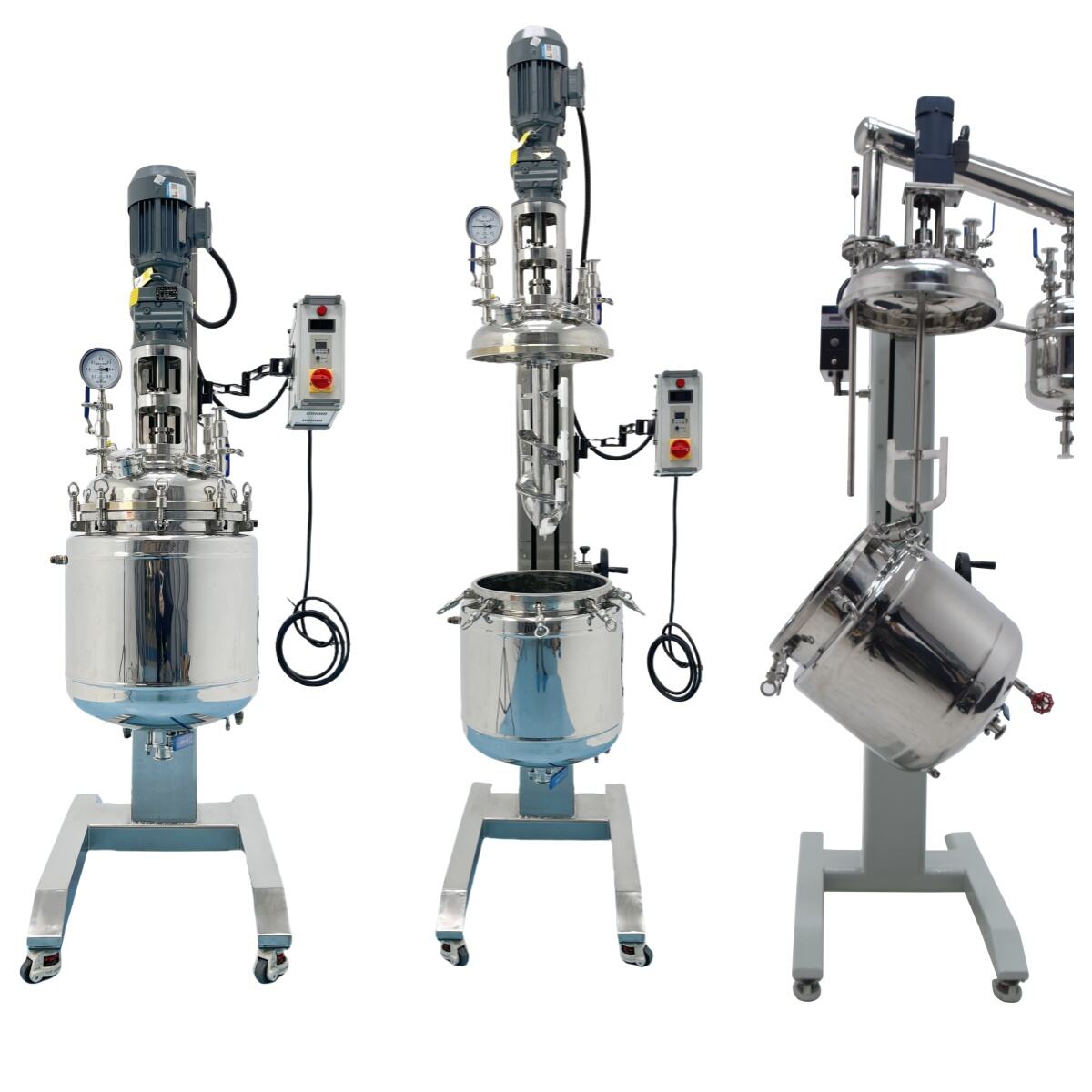
High-Performance Stainless Steel Chemical Reactor: Industrial Processing Solutions

Get a Free Quote

Our representative will contact you soon.
Email
Name
Contact Number
Company Name
Message
0/1000

stainless steel chemical reactor

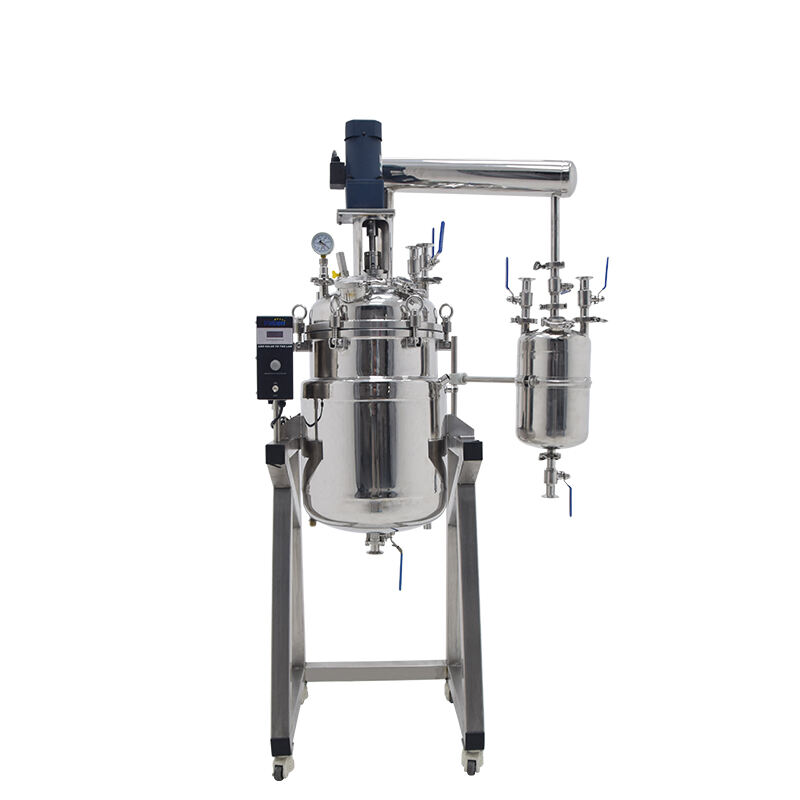
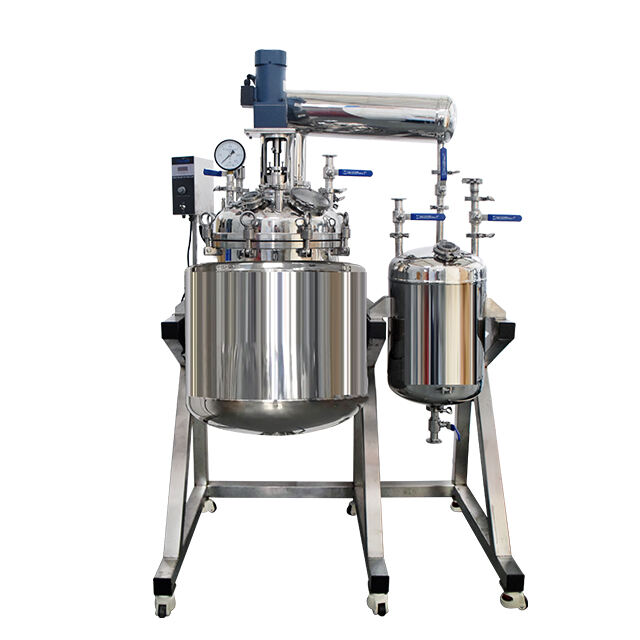
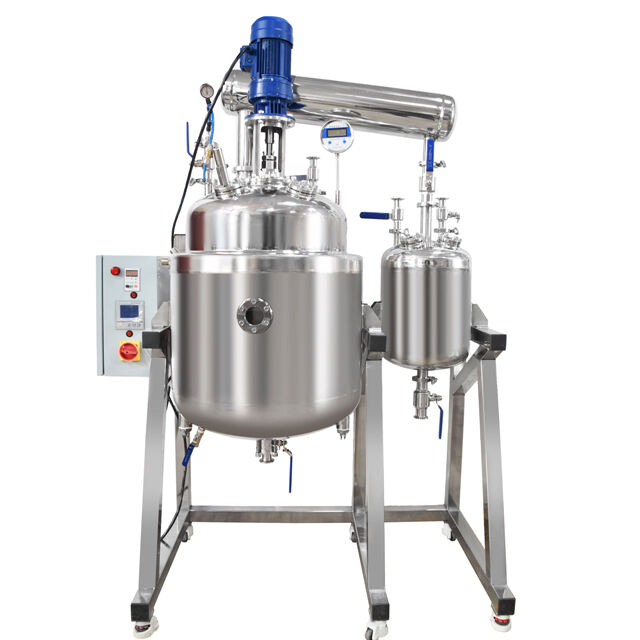
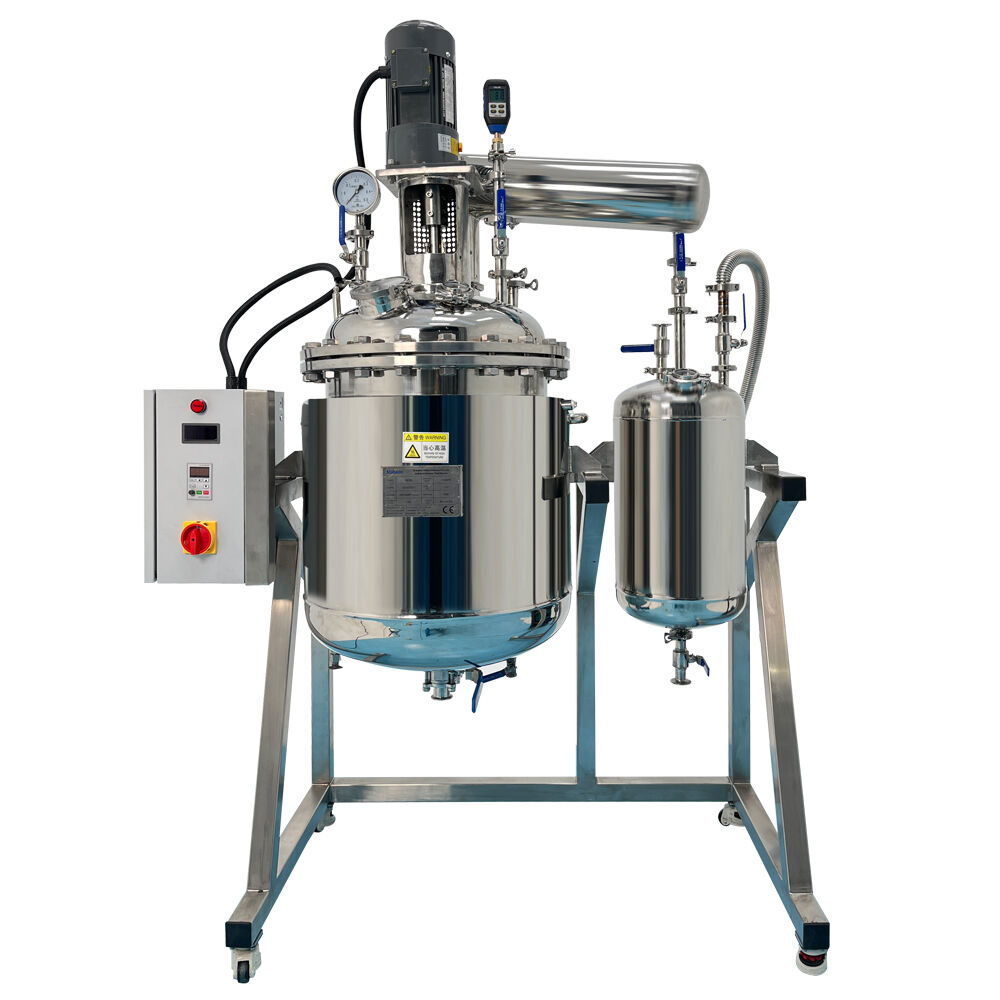
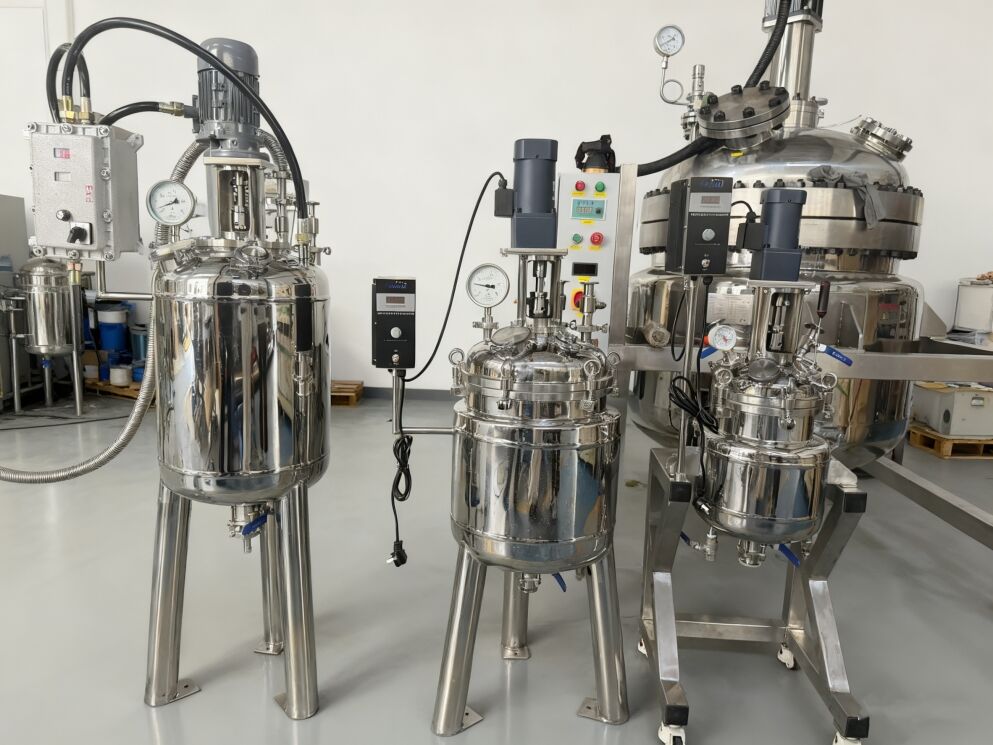
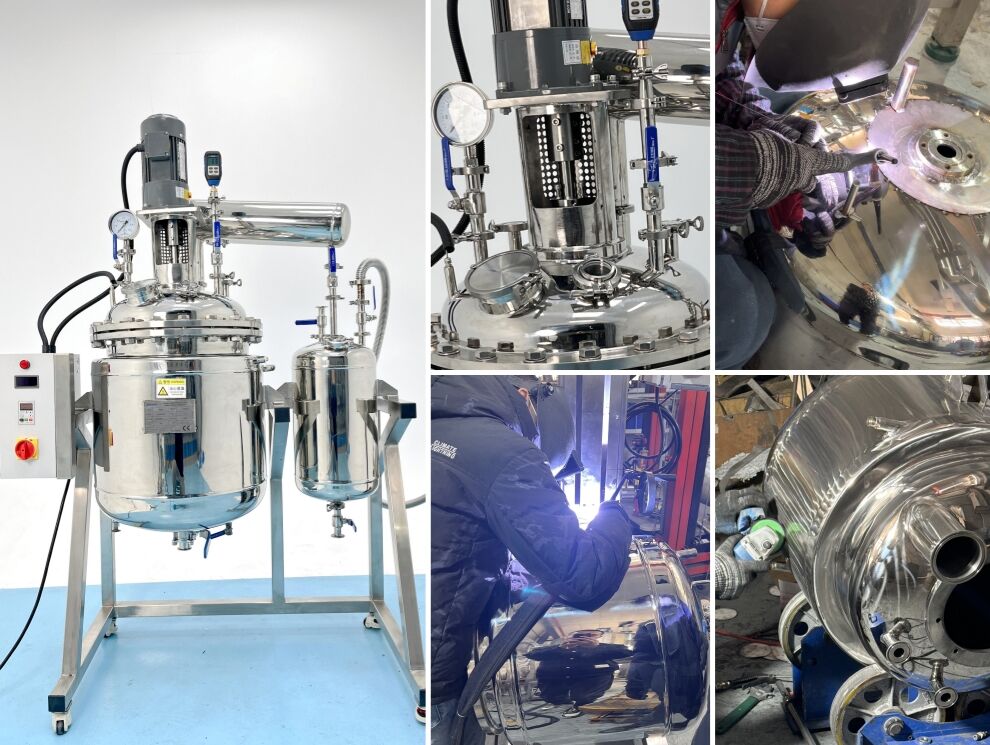
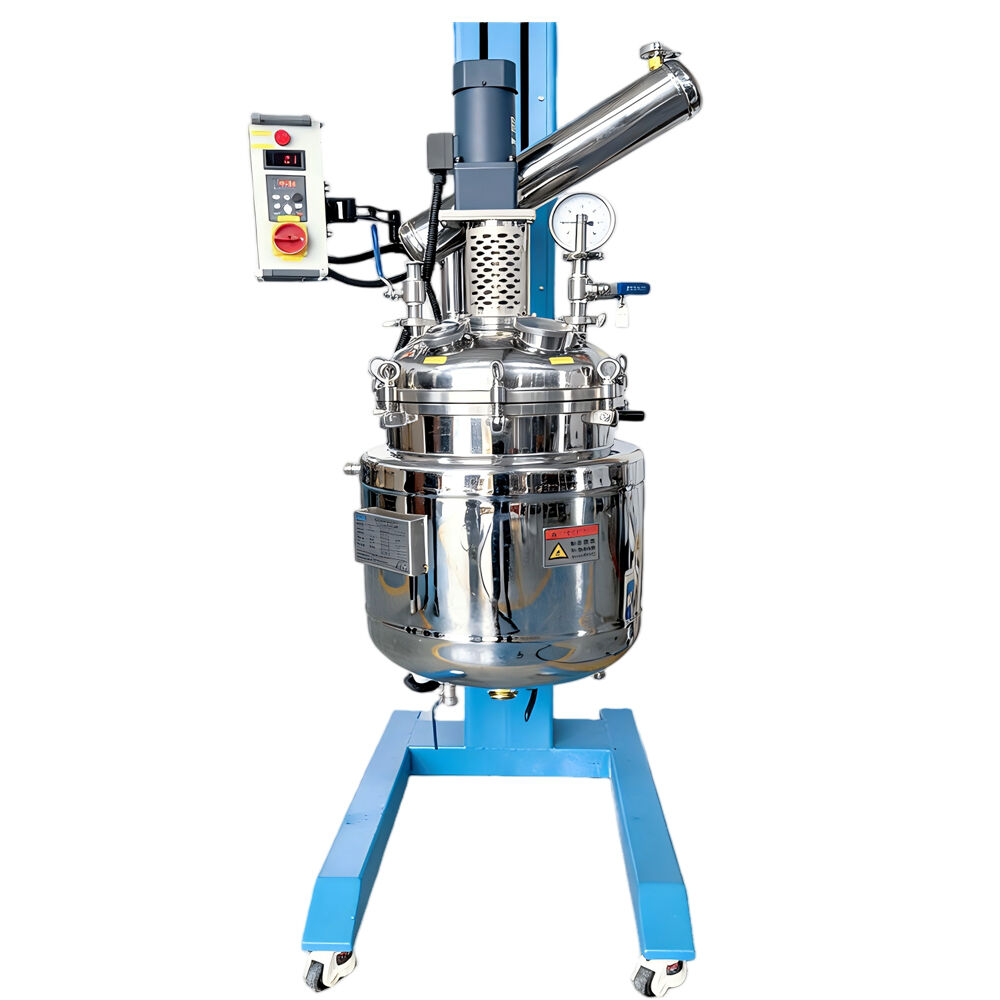
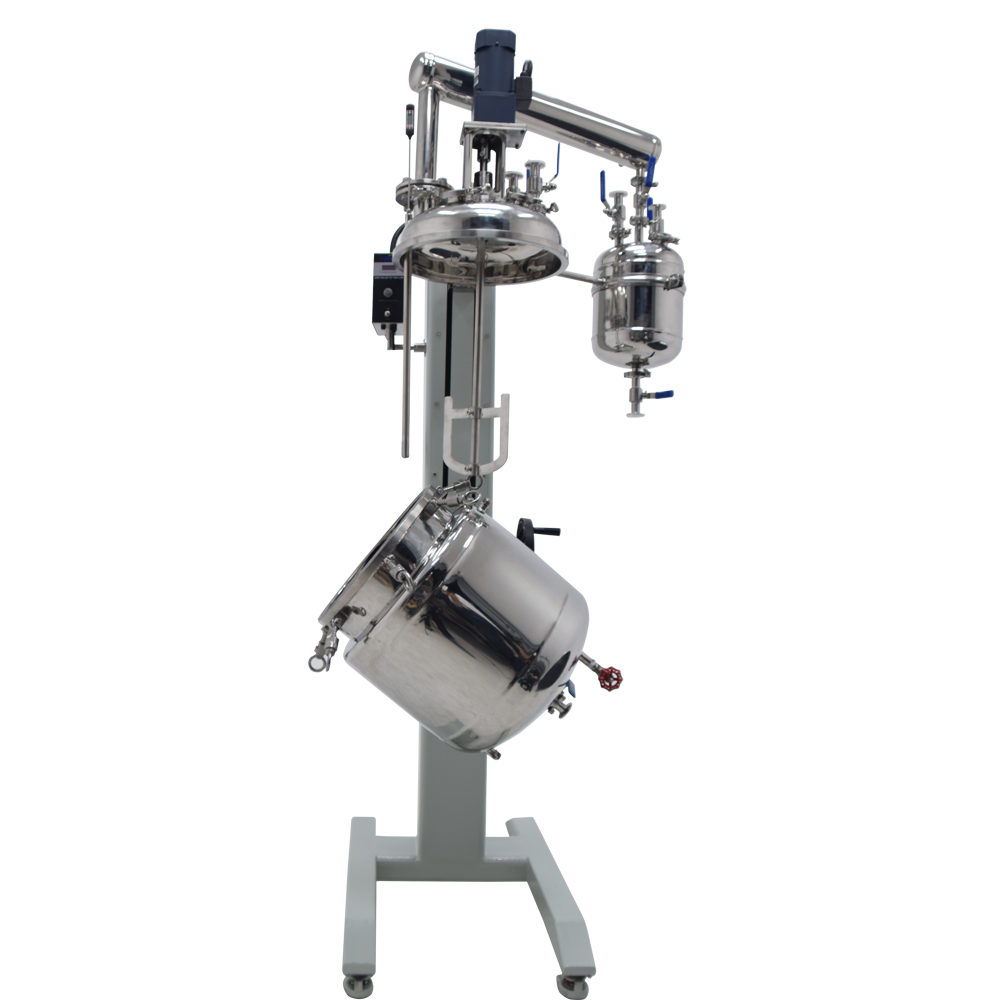
A stainless steel chemical reactor represents a cornerstone of modern industrial processing, designed to facilitate controlled chemical reactions across diverse manufacturing sectors. These sophisticated vessels combine robust construction with precision engineering to create optimal environments for chemical transformations. The primary function of a stainless steel chemical reactor centers on providing a contained space where reactants can interact under carefully monitored conditions, including temperature, pressure, and mixing parameters. The reactor's stainless steel construction offers exceptional resistance to corrosion, ensuring long-term reliability even when handling aggressive chemicals or operating under extreme conditions. Technological features of the stainless steel chemical reactor include advanced heating and cooling systems, precise temperature control mechanisms, variable speed agitation systems, and comprehensive monitoring capabilities. These reactors typically incorporate jacketed designs that allow for efficient heat transfer, enabling rapid temperature adjustments during critical reaction phases. The mixing systems feature specially designed impellers that ensure uniform distribution of reactants while minimizing energy consumption. Modern stainless steel chemical reactors also integrate sophisticated control systems that monitor real-time parameters and automatically adjust operating conditions to maintain optimal reaction environments. Applications for stainless steel chemical reactors span numerous industries, including pharmaceuticals, petrochemicals, food processing, specialty chemicals, and biotechnology. In pharmaceutical manufacturing, these reactors facilitate the synthesis of active ingredients under sterile conditions. The petrochemical industry relies on stainless steel chemical reactors for refining processes and the production of various chemical intermediates. Food processing applications utilize these reactors for fermentation, extraction, and other biochemical processes that require hygienic conditions. The versatility of stainless steel chemical reactors makes them indispensable tools for research and development facilities, where scientists develop new formulations and scale up laboratory processes to industrial production levels.

Popular Products

The stainless steel chemical reactor delivers numerous practical benefits that directly impact operational efficiency and product quality for manufacturing facilities. First, the corrosion resistance properties of stainless steel construction ensure extended equipment lifespan, reducing replacement costs and minimizing unexpected downtime. This durability translates into significant cost savings over time, as operators avoid frequent equipment replacements and extensive maintenance procedures. The hygienic properties of stainless steel surfaces make cleaning and sanitization processes straightforward and effective, which proves essential for industries requiring strict quality standards. Temperature control capabilities represent another major advantage, allowing operators to maintain precise thermal conditions throughout reaction cycles. This control enables consistent product quality and helps optimize reaction rates, leading to improved productivity. The efficient heat transfer characteristics of stainless steel construction facilitate rapid heating and cooling, reducing cycle times and increasing throughput capacity. Versatility stands out as a key benefit, as stainless steel chemical reactors accommodate various reaction types, from simple mixing operations to complex multi-step synthesis processes. This flexibility allows facilities to adapt equipment for different product lines without major capital investments. Safety features integrated into stainless steel chemical reactor designs protect personnel and equipment from potential hazards. Pressure relief systems, emergency shutdown capabilities, and robust containment structures minimize risks associated with chemical processing operations. The non-reactive nature of stainless steel surfaces prevents unwanted interactions between the reactor material and processed chemicals, ensuring product purity and consistency. Energy efficiency represents another significant advantage, as modern stainless steel chemical reactors incorporate insulation systems and optimized heating designs that reduce energy consumption. This efficiency translates into lower operating costs and improved environmental performance. Maintenance requirements remain minimal due to the inherent properties of stainless steel, which resists wear, scaling, and degradation under normal operating conditions. The smooth surface finish of stainless steel reactors prevents product buildup and facilitates thorough cleaning between batches, reducing cross-contamination risks and ensuring consistent product quality across production runs.

Practical Tips

What Makes a Stainless Steel Reactor Ideal for Chemical Processing Industries?

10

Nov

What Makes a Stainless Steel Reactor Ideal for Chemical Processing Industries?

Chemical processing industries demand equipment that delivers exceptional performance, durability, and safety standards. Among the various types of reactors available, the stainless steel reactor has emerged as the preferred choice for countless appl...
View More
How Does a Stainless Steel Reactor Improve Reaction Efficiency and Safety

12

Nov

How Does a Stainless Steel Reactor Improve Reaction Efficiency and Safety

Chemical processing industries rely heavily on precise reaction control and optimal safety measures to achieve consistent production outcomes. The selection of appropriate reactor materials and design features directly impacts both operational effici...
View More
What Are the Key Advantages of a Rotary and Liftable Stainless Steel Reactor?

20

Jan

What Are the Key Advantages of a Rotary and Liftable Stainless Steel Reactor?

Modern industrial processing demands equipment that combines efficiency, versatility, and durability. A rotary and liftable stainless steel reactor represents a significant advancement in chemical processing technology, offering manufacturers the fle...
View More
Which Industries Benefit Most from Rotary and Liftable Stainless Steel Reactors?

20

Jan

Which Industries Benefit Most from Rotary and Liftable Stainless Steel Reactors?

Modern industrial processes demand equipment that combines durability, versatility, and operational efficiency. Stainless steel reactors have emerged as the cornerstone of numerous manufacturing operations, offering unparalleled performance across di...
View More

Get a Free Quote

Our representative will contact you soon.
Email
Name
Contact Number
Company Name
Message
0/1000

stainless steel chemical reactor

Superior Corrosion Resistance and Longevity

Superior Corrosion Resistance and Longevity

The exceptional corrosion resistance of stainless steel chemical reactors represents a fundamental advantage that sets them apart from alternative materials in industrial processing applications. This superior resistance stems from the chromium content in stainless steel, which forms a passive oxide layer on the surface that protects against chemical attack from acids, bases, and other aggressive substances commonly encountered in chemical processing. This protective barrier remains stable across wide temperature ranges and resists degradation even under continuous exposure to harsh chemicals. The longevity benefits of this corrosion resistance extend far beyond simple material preservation, creating substantial economic value for facility operators. Equipment that maintains structural integrity and performance characteristics over extended periods reduces total cost of ownership through decreased replacement frequency and lower maintenance requirements. The stainless steel chemical reactor construction ensures that internal surfaces remain smooth and free from pitting, scaling, or other forms of corrosion-related deterioration that could compromise product quality or create contamination risks. This durability proves particularly valuable in pharmaceutical and food processing applications, where product purity requirements demand equipment that maintains hygienic conditions throughout its operational lifespan. The resistance to stress corrosion cracking, a common failure mode in high-pressure chemical processing environments, provides additional reliability assurance for critical production processes. Operators benefit from predictable equipment performance and reduced risks of unexpected failures that could disrupt production schedules or create safety hazards. The stainless steel chemical reactor material properties also resist oxidation and maintain surface integrity even when exposed to elevated temperatures, ensuring consistent performance across diverse operating conditions.
Precise Temperature Control and Heat Transfer Efficiency

Precise Temperature Control and Heat Transfer Efficiency

Advanced temperature control capabilities distinguish the stainless steel chemical reactor as an essential tool for achieving optimal reaction conditions and maintaining consistent product quality across production batches. The thermal conductivity properties of stainless steel, combined with sophisticated jacket designs, enable rapid and uniform heat distribution throughout the reactor vessel, eliminating temperature gradients that could compromise reaction efficiency or product consistency. This precise thermal management proves critical for temperature-sensitive reactions, where slight variations can significantly impact yield, selectivity, or product characteristics. The stainless steel chemical reactor heating and cooling systems respond quickly to control inputs, allowing operators to implement complex temperature profiles that optimize reaction kinetics and minimize side reactions. Heat transfer efficiency translates directly into reduced cycle times, enabling higher throughput and improved production capacity without compromising quality standards. The jacketed design typical of stainless steel chemical reactors provides multiple zones for independent temperature control, accommodating reactions that require different thermal conditions at various stages. This zonal control capability proves invaluable for multi-step synthesis processes or reactions involving temperature-sensitive intermediates. Energy efficiency benefits emerge from the excellent heat transfer characteristics, as less energy input achieves desired temperature changes compared to less efficient heating systems. The thermal mass properties of stainless steel construction provide thermal stability that helps maintain consistent temperatures even during exothermic or endothermic reaction phases. Advanced insulation systems integrated with stainless steel chemical reactor designs further enhance energy efficiency while maintaining precise temperature control capabilities essential for successful chemical processing operations.
Exceptional Versatility and Process Flexibility

Exceptional Versatility and Process Flexibility

The remarkable versatility of stainless steel chemical reactors enables facilities to adapt their processing capabilities to diverse product requirements and changing market demands without substantial equipment investments. This flexibility stems from the chemical inertness of stainless steel surfaces, which prevents unwanted reactions between the reactor material and processed chemicals, ensuring compatibility with a wide range of substances from highly acidic solutions to alkaline formulations. The stainless steel chemical reactor design accommodates various operating pressures and temperatures, making it suitable for applications ranging from atmospheric pressure mixing to high-pressure synthesis reactions. Modular component systems allow operators to customize reactor configurations for specific processes, incorporating different agitator designs, heating systems, and monitoring equipment as needed. This adaptability proves particularly valuable for contract manufacturing facilities that process multiple product types or research organizations developing new formulations. The smooth, non-porous surface of stainless steel construction facilitates thorough cleaning between batches, preventing cross-contamination and enabling rapid product changeovers essential for flexible manufacturing operations. Scale-up capabilities represent another dimension of versatility, as stainless steel chemical reactor designs translate effectively from laboratory to pilot plant to full production scales while maintaining consistent performance characteristics. Process optimization benefits emerge from the ability to modify operating parameters within broad ranges, allowing operators to fine-tune conditions for maximum efficiency or product quality. The stainless steel chemical reactor construction supports various mixing mechanisms, from simple stirring to complex multi-impeller systems, accommodating different viscosity ranges and mixing requirements. This versatility extends to auxiliary systems, as stainless steel reactors integrate easily with downstream processing equipment, analytical instrumentation, and process control systems essential for modern manufacturing operations.

Get a Free Quote

Our representative will contact you soon.
Email
Name
Contact Number
Company Name
Message
0/1000