Fractional Distillation of Fatty Acids: Advanced Separation Technology for Pure Fatty Acid Production

Get a Free Quote

Our representative will contact you soon.
Email
Name
Contact Number
Company Name
Message
0/1000

fractional distillation of fatty acids

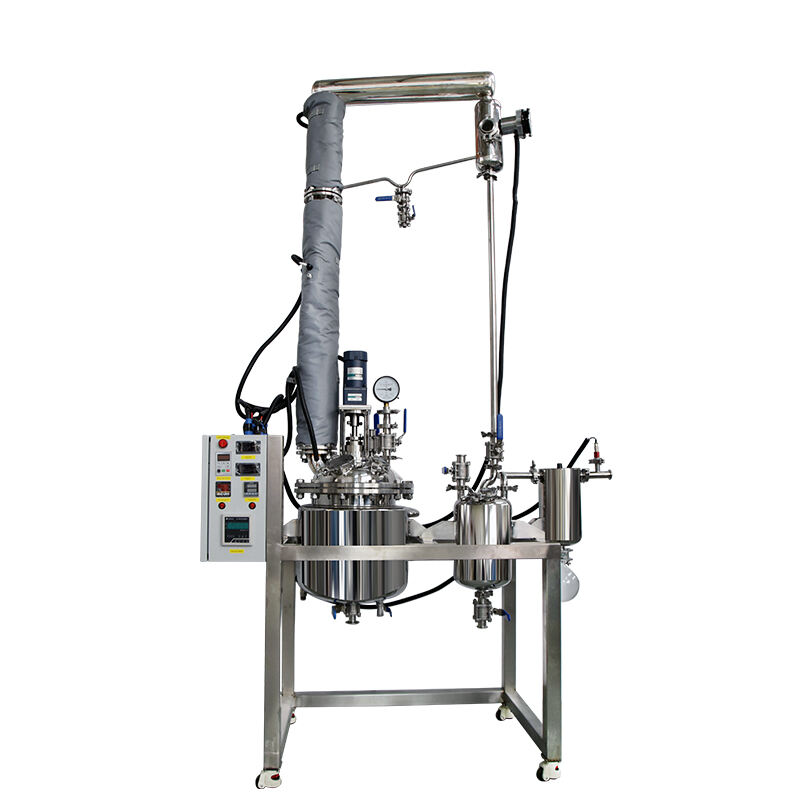
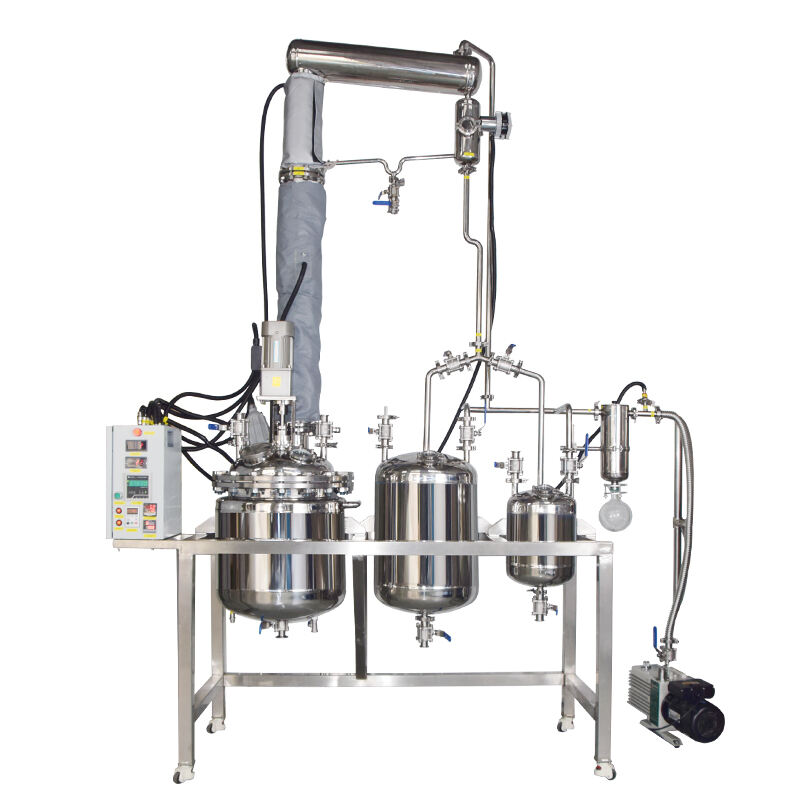
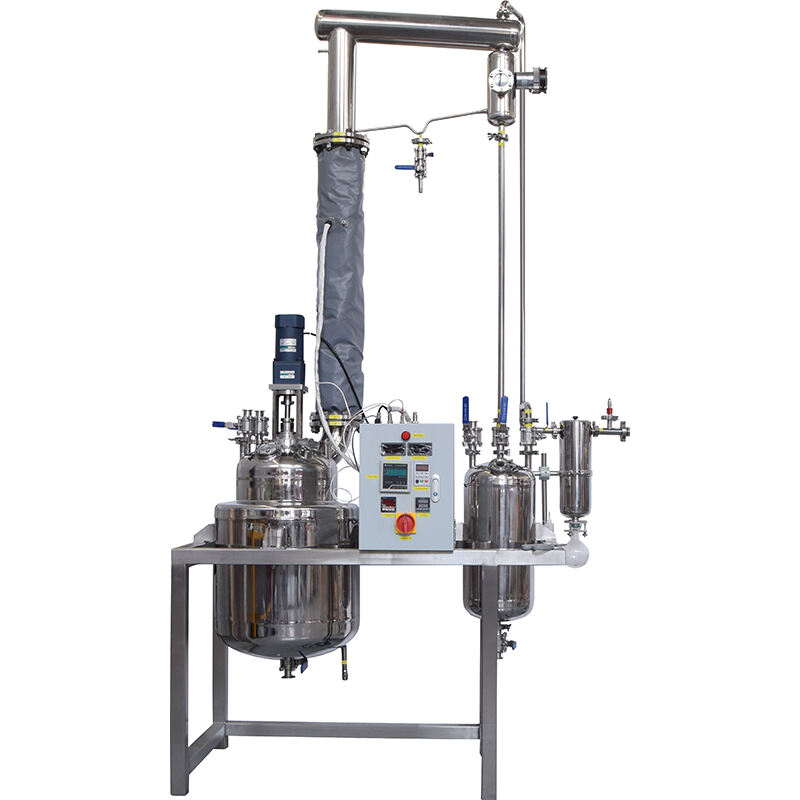
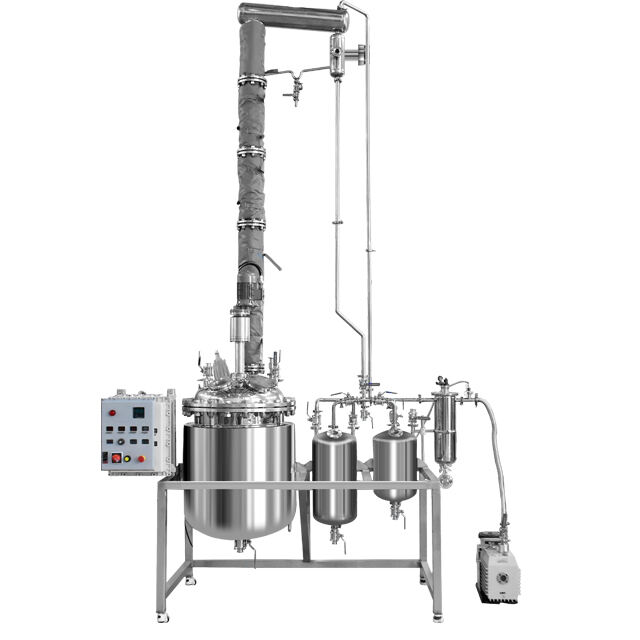
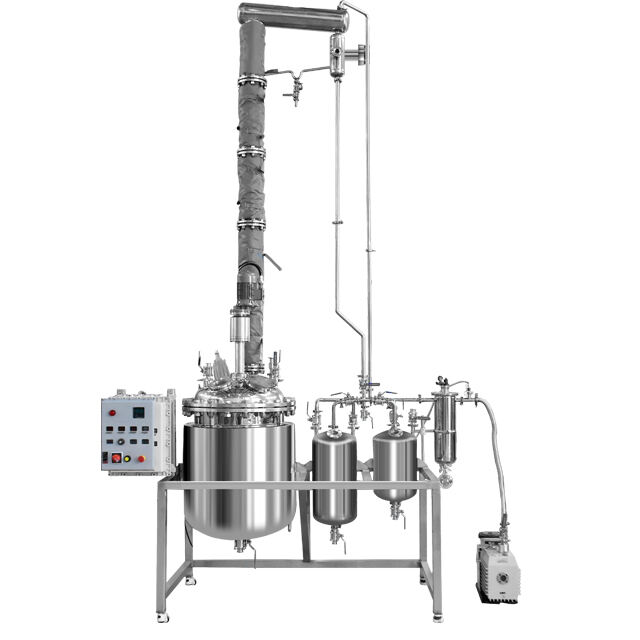
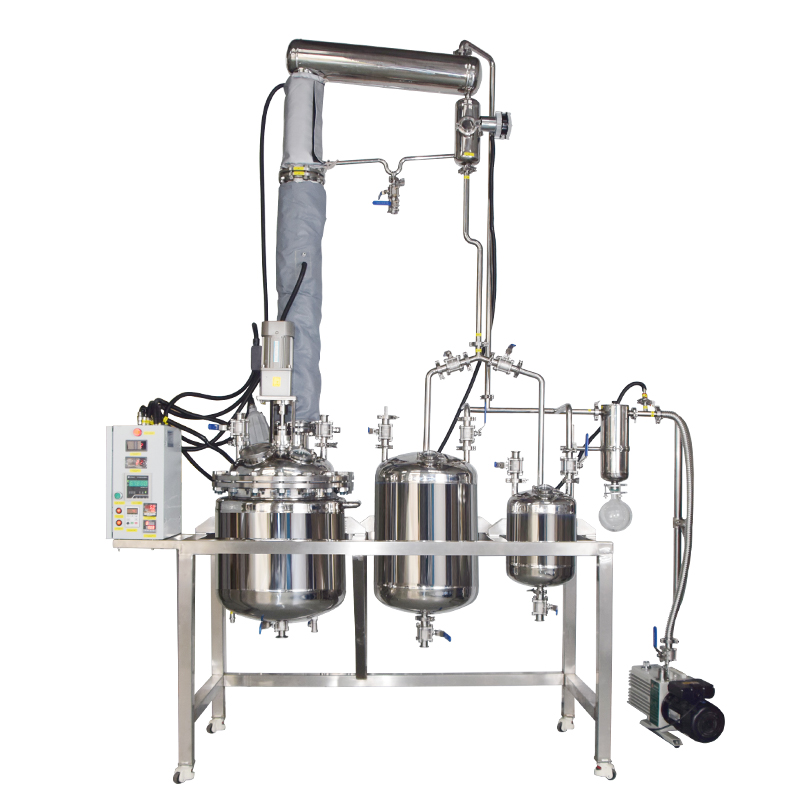
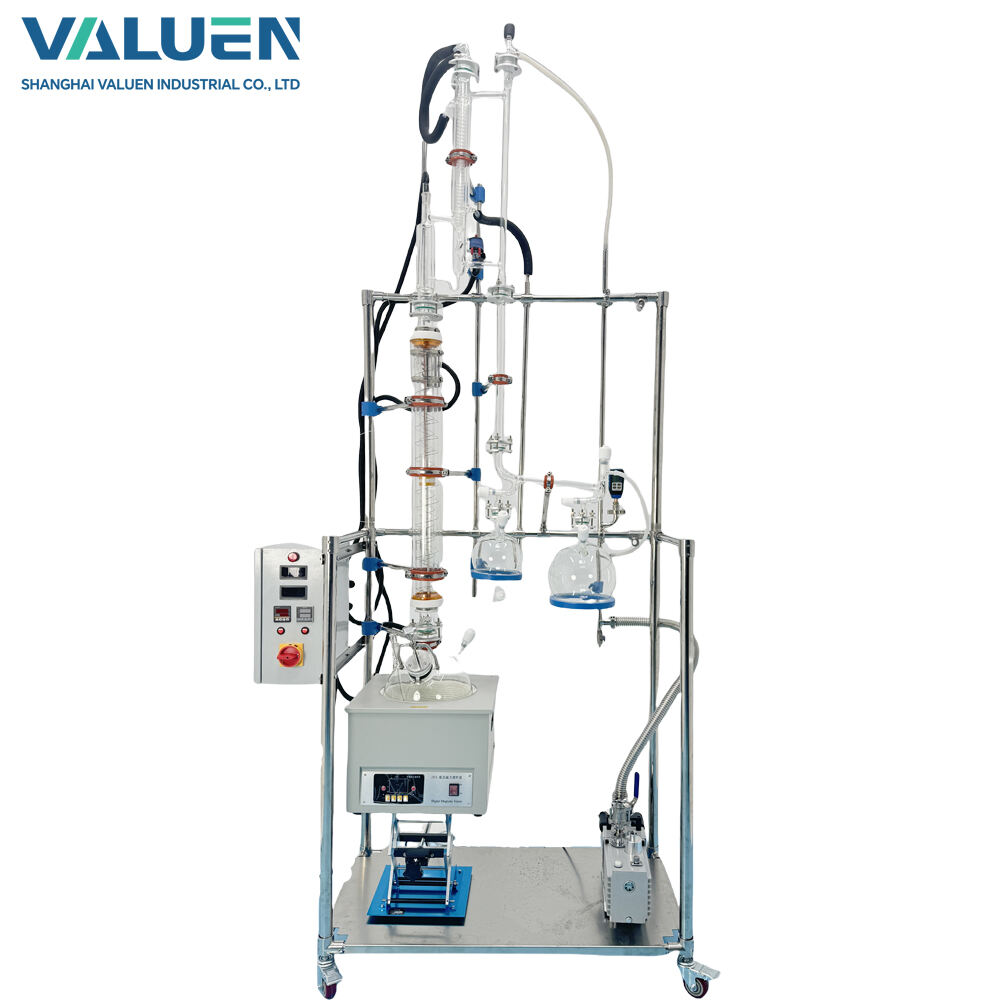
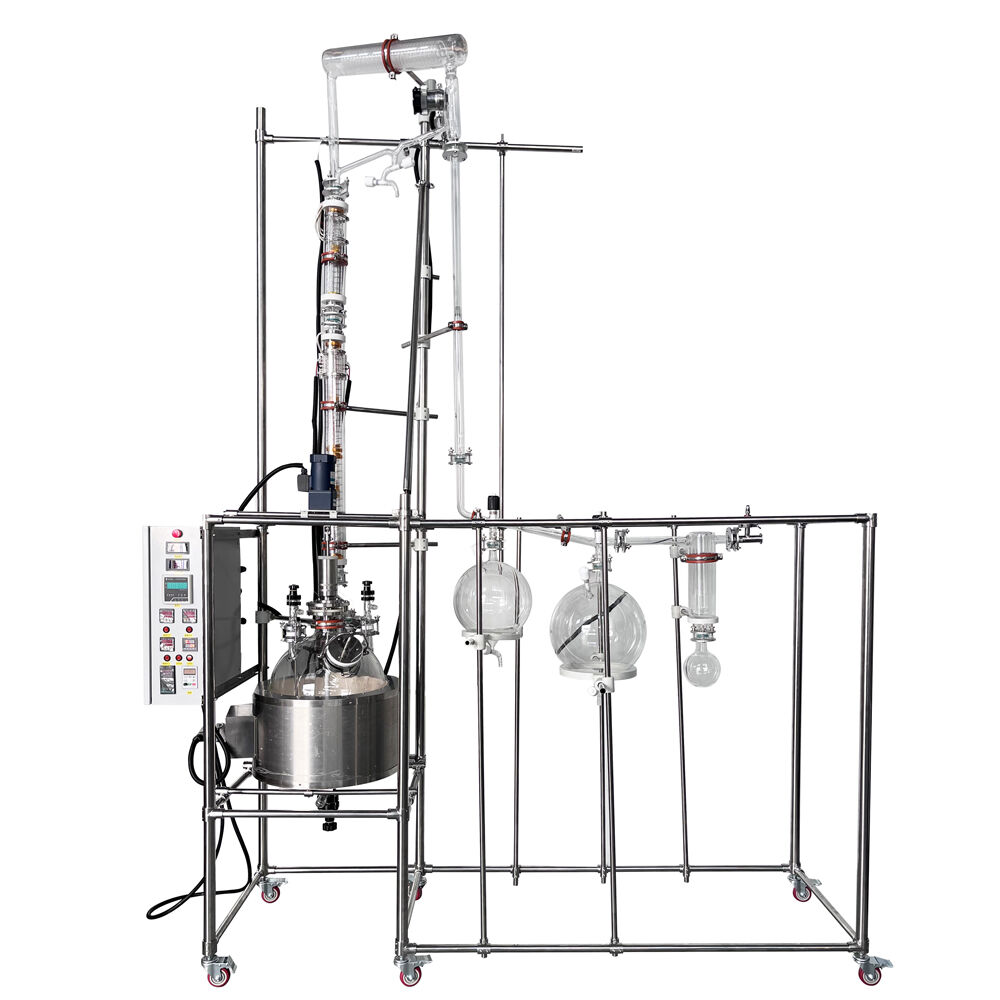
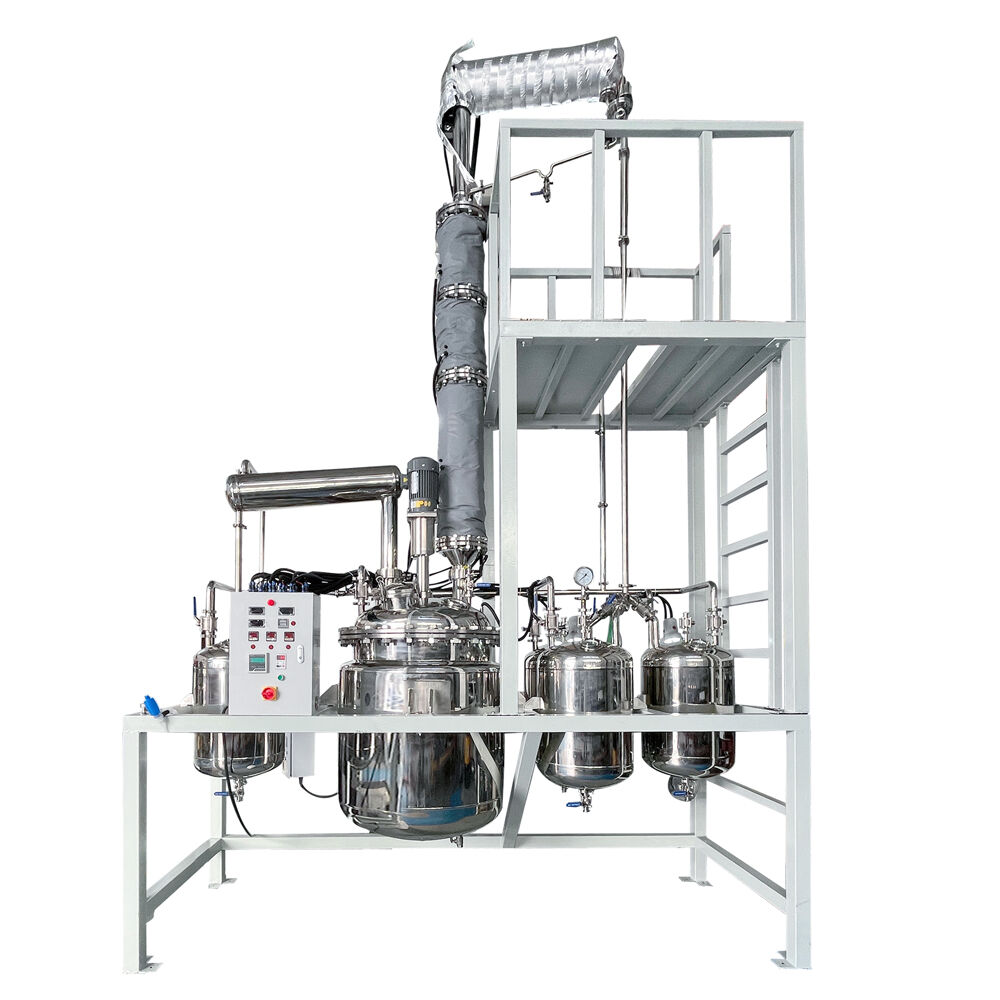
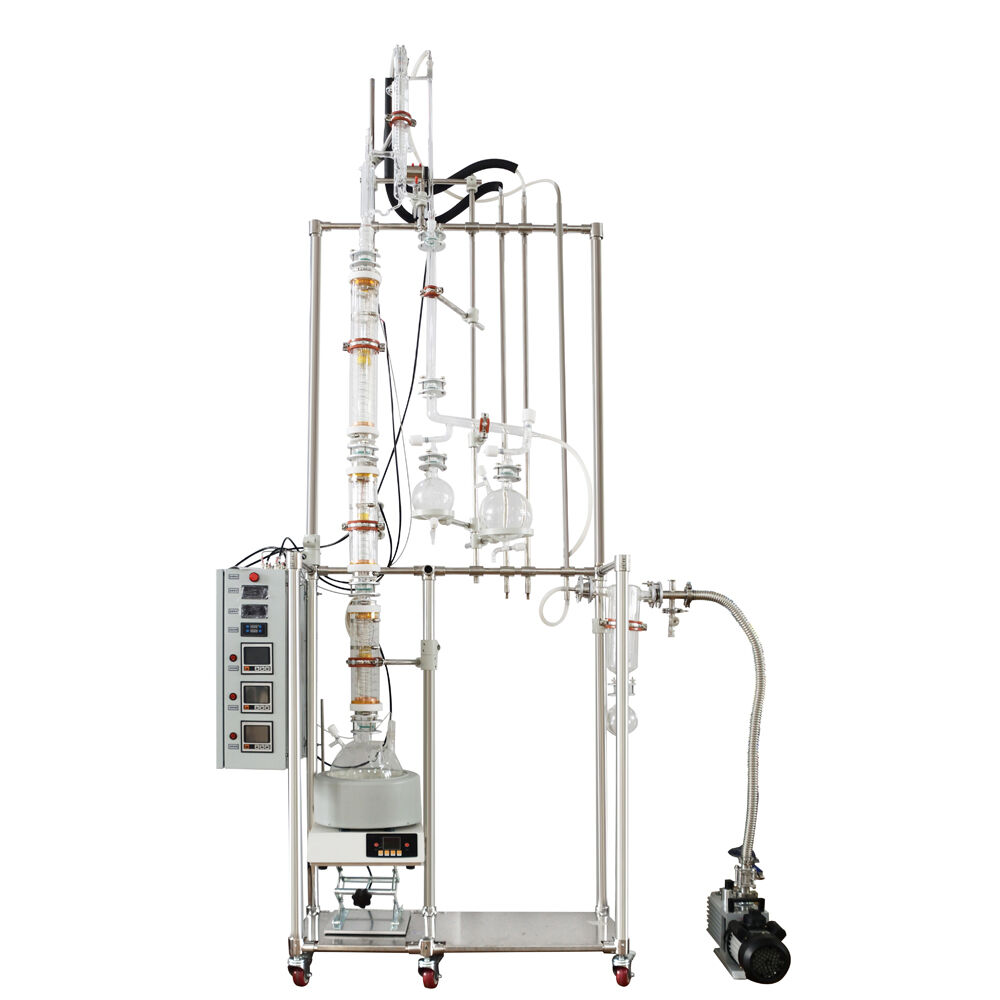
Fractional distillation of fatty acids represents a sophisticated separation technique that enables manufacturers to isolate and purify specific fatty acid compounds from complex mixtures. This thermal separation process operates on the principle that different fatty acids possess distinct boiling points, allowing for precise extraction through controlled temperature gradients. The fractional distillation of fatty acids serves multiple critical functions in industrial applications, including the production of high-purity fatty acids for cosmetics, pharmaceuticals, food additives, and specialty chemicals. The technology employs carefully designed distillation columns equipped with multiple separation stages, where raw fatty acid mixtures undergo systematic heating and cooling cycles. As the mixture travels through these stages, lighter fatty acids vaporize at lower temperatures while heavier compounds remain in liquid form, enabling selective collection of desired fractions. Key technological features of fractional distillation of fatty acids include vacuum operation capabilities that reduce decomposition risks, precise temperature control systems that ensure optimal separation efficiency, and automated monitoring equipment that maintains consistent product quality. The process typically handles various feedstocks, including vegetable oils, animal fats, and synthetic fatty acid mixtures, transforming them into specific fatty acid products with predetermined purity levels. Modern fractional distillation of fatty acids systems incorporate advanced heat recovery mechanisms, reducing energy consumption while maximizing throughput. Applications span across multiple industries where pure fatty acids serve as essential raw materials for manufacturing soaps, detergents, lubricants, plasticizers, and pharmaceutical intermediates. The versatility of fractional distillation of fatty acids makes it indispensable for companies requiring consistent quality standards and specific fatty acid compositions for their end products.

New Product Recommendations

The fractional distillation of fatty acids delivers substantial economic benefits by maximizing raw material utilization and minimizing waste generation. Companies implementing this technology achieve higher profit margins through efficient conversion of low-value fatty acid mixtures into premium-grade products that command superior market prices. The process eliminates the need for expensive chemical purification methods, reducing operational costs while maintaining exceptional product quality standards. Energy efficiency represents another significant advantage of fractional distillation of fatty acids, as modern systems incorporate heat integration technologies that capture and reuse thermal energy throughout the separation process. This energy optimization reduces utility costs by up to forty percent compared to conventional separation methods, making the technology particularly attractive for large-scale manufacturing operations. Quality control advantages emerge from the precise separation capabilities inherent in fractional distillation of fatty acids, enabling manufacturers to produce consistent products that meet stringent industry specifications. The technology provides excellent flexibility in product portfolio management, allowing operators to adjust separation parameters and produce different fatty acid grades from the same feedstock based on market demand fluctuations. Environmental benefits include reduced chemical solvent usage and lower greenhouse gas emissions compared to alternative purification technologies, supporting corporate sustainability initiatives while complying with increasingly strict environmental regulations. The fractional distillation of fatty acids process generates minimal liquid waste streams, as most byproducts can be recycled or used in secondary applications, contributing to circular economy principles. Operational reliability stands out as a crucial advantage, with modern distillation systems requiring minimal maintenance while delivering consistent performance over extended periods. The technology scales effectively from pilot plant operations to full industrial production, providing manufacturers with growth flexibility without requiring complete process redesigns. Time efficiency benefits include faster product turnaround compared to batch purification methods, enabling companies to respond quickly to customer orders and market opportunities while maintaining inventory optimization.

Tips And Tricks

Mastering the Art of Chemical Processing with Jacketed Stainless Steel Reactors

29

Oct

Mastering the Art of Chemical Processing with Jacketed Stainless Steel Reactors

Understanding Jacketed Stainless Steel Reactors: Design and Core Functionality What Are Jacketed Stainless Steel Reactors? Jacketed stainless steel reactors consist of a main reaction area inside what's called a jacket or outer shell. Between these ...
View More
How to Choose the Right Stainless Steel Reactor for Pharmaceutical Production

12

Nov

How to Choose the Right Stainless Steel Reactor for Pharmaceutical Production

Selecting the appropriate stainless steel reactor for pharmaceutical production is a critical decision that directly impacts product quality, manufacturing efficiency, and regulatory compliance. The pharmaceutical industry demands exceptional standar...
View More
How to Optimize Reactor Performance with Stainless Steel Material Selection and Mixing Design

12

Nov

How to Optimize Reactor Performance with Stainless Steel Material Selection and Mixing Design

Industrial chemical processing demands precise control over reaction conditions, temperature management, and material compatibility. The selection of appropriate reactor systems significantly impacts product quality, operational efficiency, and long-...
View More
How Does a Stainless Steel Reactor Support Customization and Scale-Up?

20

Jan

How Does a Stainless Steel Reactor Support Customization and Scale-Up?

The chemical processing industry faces constant pressure to optimize production while maintaining safety and quality standards. A stainless steel reactor serves as the cornerstone of countless manufacturing operations, providing the durability and ve...
View More

Get a Free Quote

Our representative will contact you soon.
Email
Name
Contact Number
Company Name
Message
0/1000

fractional distillation of fatty acids

Superior Purity Control and Product Customization

Superior Purity Control and Product Customization

The fractional distillation of fatty acids excels in delivering exceptional purity control that surpasses conventional separation methods, providing manufacturers with unprecedented capability to customize their product specifications according to exact customer requirements. This advanced technology enables the production of fatty acids with purity levels exceeding ninety-eight percent, meeting the stringent quality standards demanded by pharmaceutical, cosmetic, and food industries. The multi-stage separation process inherent in fractional distillation of fatty acids allows for precise fractionation of complex fatty acid mixtures, isolating specific chain lengths and saturation levels with remarkable accuracy. Customers benefit from this superior control through consistent product performance in their downstream applications, whether formulating high-end skincare products requiring ultra-pure stearic acid or developing specialized lubricants demanding specific oleic acid concentrations. The technology provides manufacturers with the flexibility to adjust separation parameters in real-time, enabling rapid product customization without extensive equipment modifications or lengthy changeover procedures. This adaptability proves invaluable for companies serving diverse market segments with varying quality requirements, as the same fractional distillation of fatty acids system can produce multiple product grades simultaneously. Quality assurance advantages extend beyond purity levels to include consistent physical properties such as color, odor, and stability characteristics that remain uniform across production batches. The precise temperature control achievable through fractional distillation of fatty acids prevents thermal degradation that often compromises product quality in alternative separation methods, ensuring that sensitive fatty acid compounds retain their desired chemical properties. Analytical capabilities integrated into modern systems provide continuous monitoring of product specifications, allowing operators to make immediate adjustments and maintain tight quality control throughout the production process. This comprehensive quality management approach reduces customer complaints, minimizes product recalls, and strengthens long-term business relationships through reliable product consistency.
Enhanced Economic Efficiency and Scalability

Enhanced Economic Efficiency and Scalability

The fractional distillation of fatty acids delivers exceptional economic efficiency through optimized resource utilization and scalable production capabilities that provide substantial return on investment for manufacturers across diverse industry sectors. This technology transforms previously challenging separation processes into cost-effective operations by eliminating expensive chemical reagents and reducing energy consumption through innovative heat integration systems. Companies implementing fractional distillation of fatty acids typically achieve payback periods of less than three years while establishing competitive advantages through lower production costs and superior product quality. The scalability inherent in this technology allows manufacturers to start with smaller production capacities and expand operations incrementally based on market demand, avoiding excessive initial capital investments while maintaining operational flexibility. Energy efficiency represents a cornerstone of the economic benefits offered by fractional distillation of fatty acids, with modern systems incorporating heat exchangers, vapor recompression technologies, and thermal integration that reduce utility costs by thirty to fifty percent compared to traditional separation methods. Raw material utilization reaches optimal levels through the ability to process various feedstock qualities and extract maximum value from each input stream, including the valorization of previously discarded fatty acid fractions. The technology enables manufacturers to diversify their product portfolios without significant additional investments, as the same fractional distillation of fatty acids equipment can produce different product combinations based on market opportunities and pricing dynamics. Operational efficiency gains include reduced labor requirements through automation, minimized maintenance costs due to robust equipment design, and decreased inventory holding costs through flexible production scheduling. Market positioning advantages emerge from the ability to offer premium products at competitive prices, creating opportunities for market share expansion and customer base growth. The fractional distillation of fatty acids process generates valuable co-products that provide additional revenue streams, improving overall project economics and reducing the cost burden on primary product lines.
Environmental Sustainability and Regulatory Compliance

Environmental Sustainability and Regulatory Compliance

The fractional distillation of fatty acids stands at the forefront of environmentally sustainable manufacturing technologies, offering significant ecological benefits while ensuring compliance with increasingly stringent environmental regulations across global markets. This clean separation technology operates without hazardous chemical solvents, eliminating the generation of toxic waste streams that require expensive treatment and disposal procedures. Environmental impact reduction achieved through fractional distillation of fatty acids includes decreased greenhouse gas emissions, minimized water consumption, and elimination of volatile organic compound releases that contribute to air pollution. The closed-loop operation characteristic of modern systems prevents product losses and reduces environmental contamination risks, while energy recovery mechanisms lower the overall carbon footprint of fatty acid production processes. Regulatory compliance advantages become increasingly valuable as governments worldwide implement stricter environmental standards for industrial operations, with fractional distillation of fatty acids naturally meeting or exceeding most current and proposed regulations. The technology supports circular economy principles by enabling the complete utilization of raw materials and facilitating the recycling of process streams that would otherwise become waste products. Companies implementing fractional distillation of fatty acids demonstrate environmental stewardship that enhances their corporate reputation and supports sustainability marketing initiatives, attracting environmentally conscious customers and investors. Resource conservation benefits extend to reduced packaging requirements for higher-purity products, decreased transportation emissions due to concentrated product forms, and elimination of chemical waste disposal costs. The inherent safety advantages of fractional distillation of fatty acids include lower fire and explosion risks compared to solvent-based separation methods, reducing insurance costs and improving workplace safety conditions. Sustainability reporting benefits enable companies to document measurable environmental improvements, supporting green certification programs and sustainable supply chain initiatives that increasingly influence purchasing decisions. Long-term environmental benefits include soil and groundwater protection through elimination of chemical solvent usage, reduced strain on waste treatment facilities, and contribution to cleaner air quality in industrial areas where fractional distillation of fatty acids systems operate.

Get a Free Quote

Our representative will contact you soon.
Email
Name
Contact Number
Company Name
Message
0/1000