Short Path Fractional Distillation Systems: Advanced Separation Technology for High-Purity Processing

Get a Free Quote

Our representative will contact you soon.
Email
Name
Contact Number
Company Name
Message
0/1000

short path fractional distillation

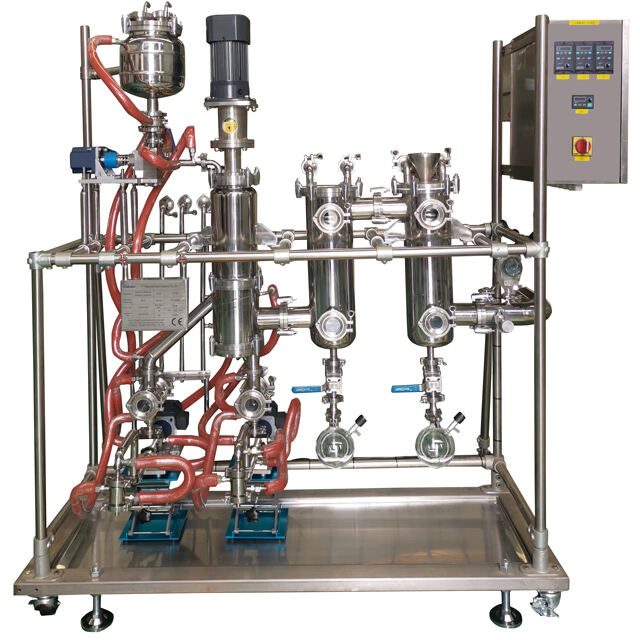
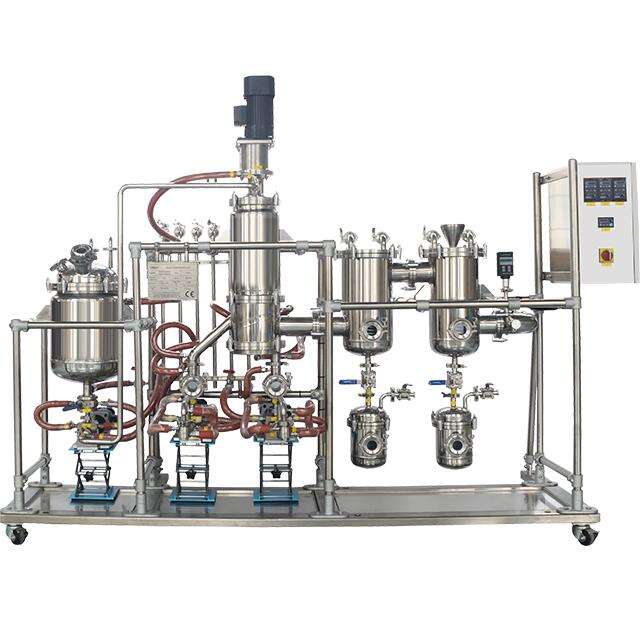
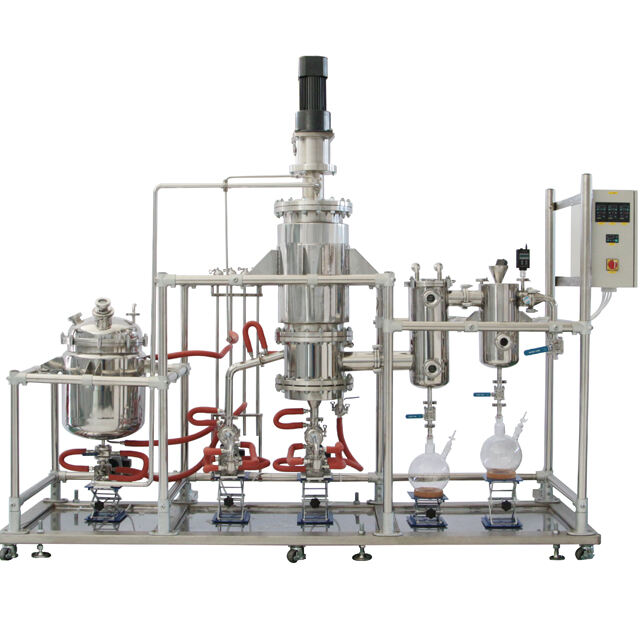
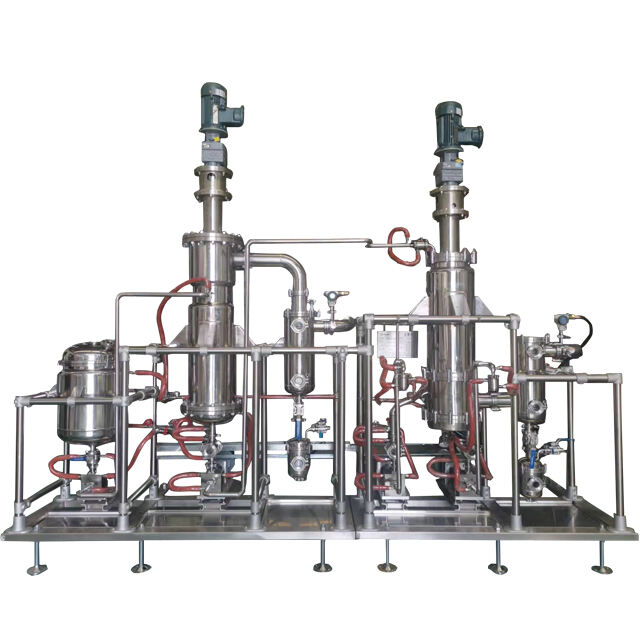
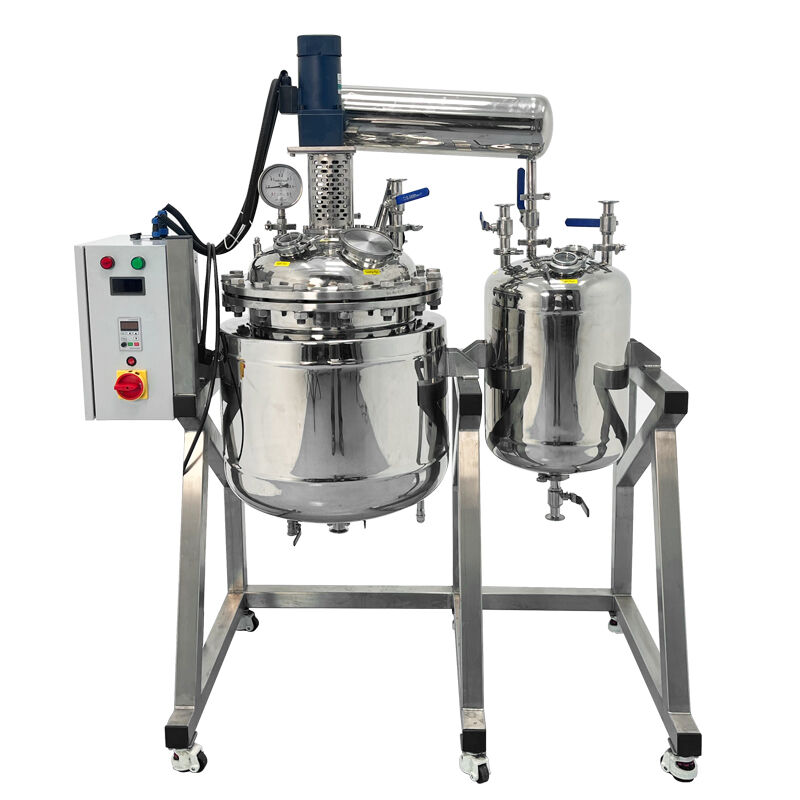
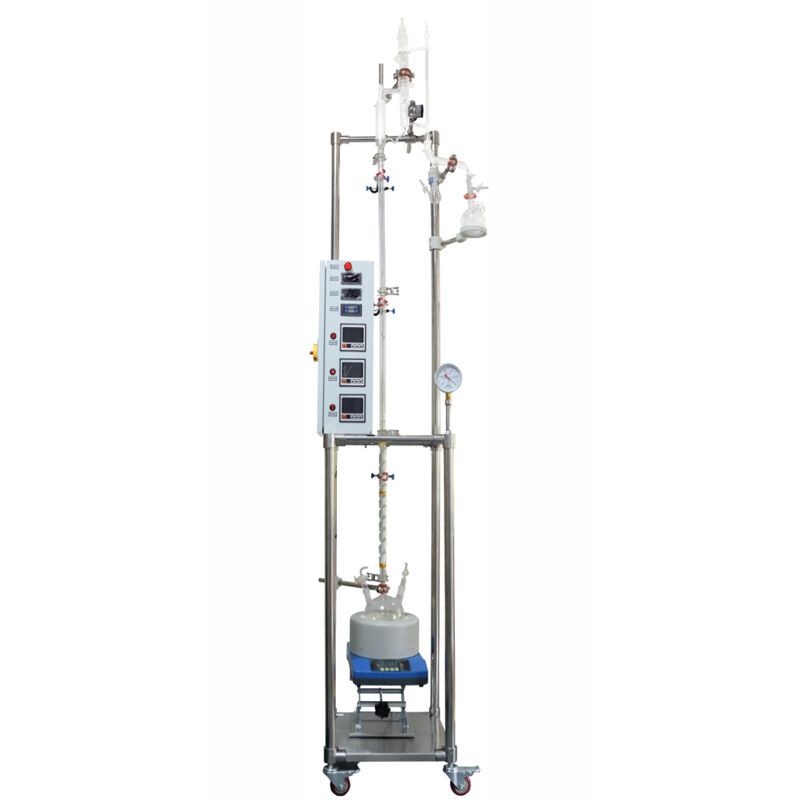
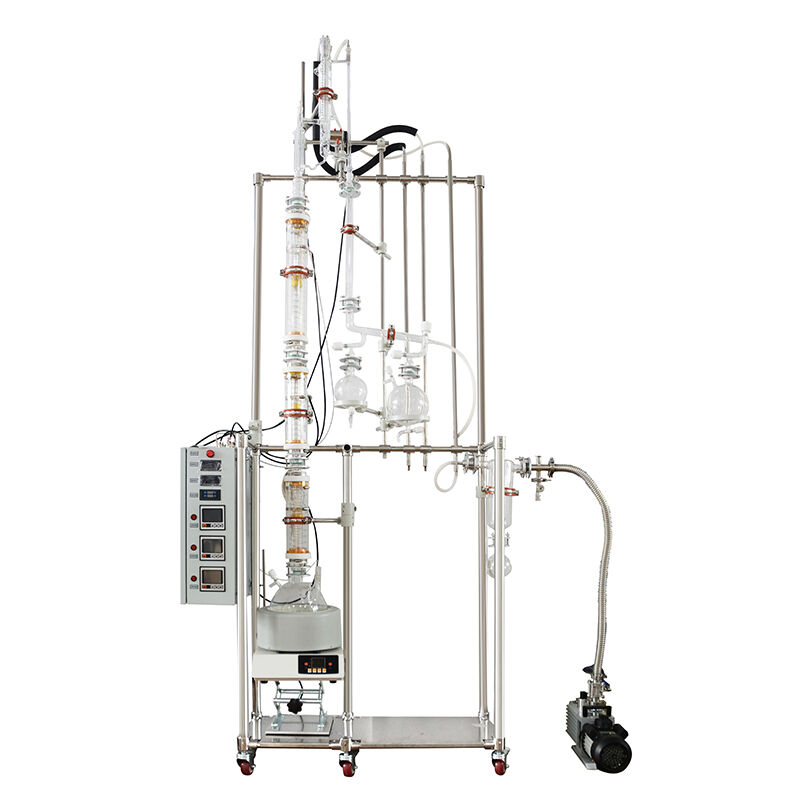
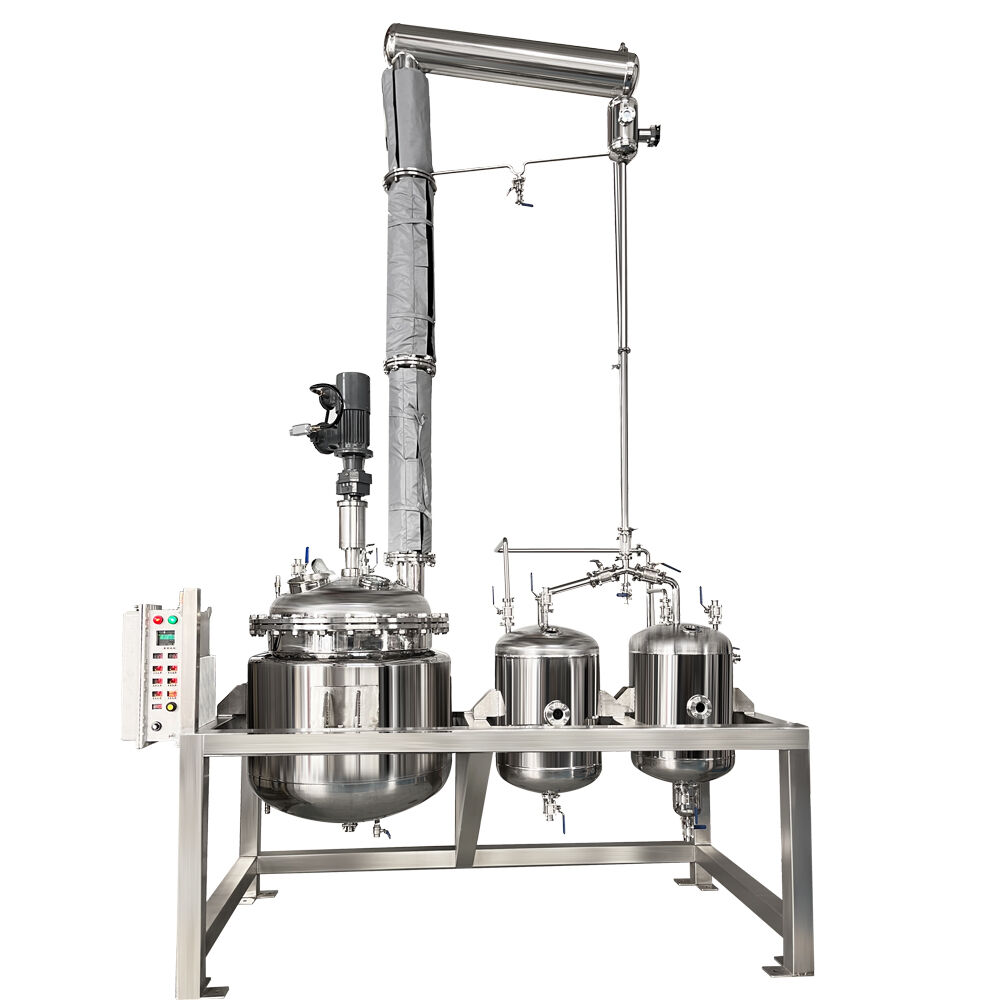
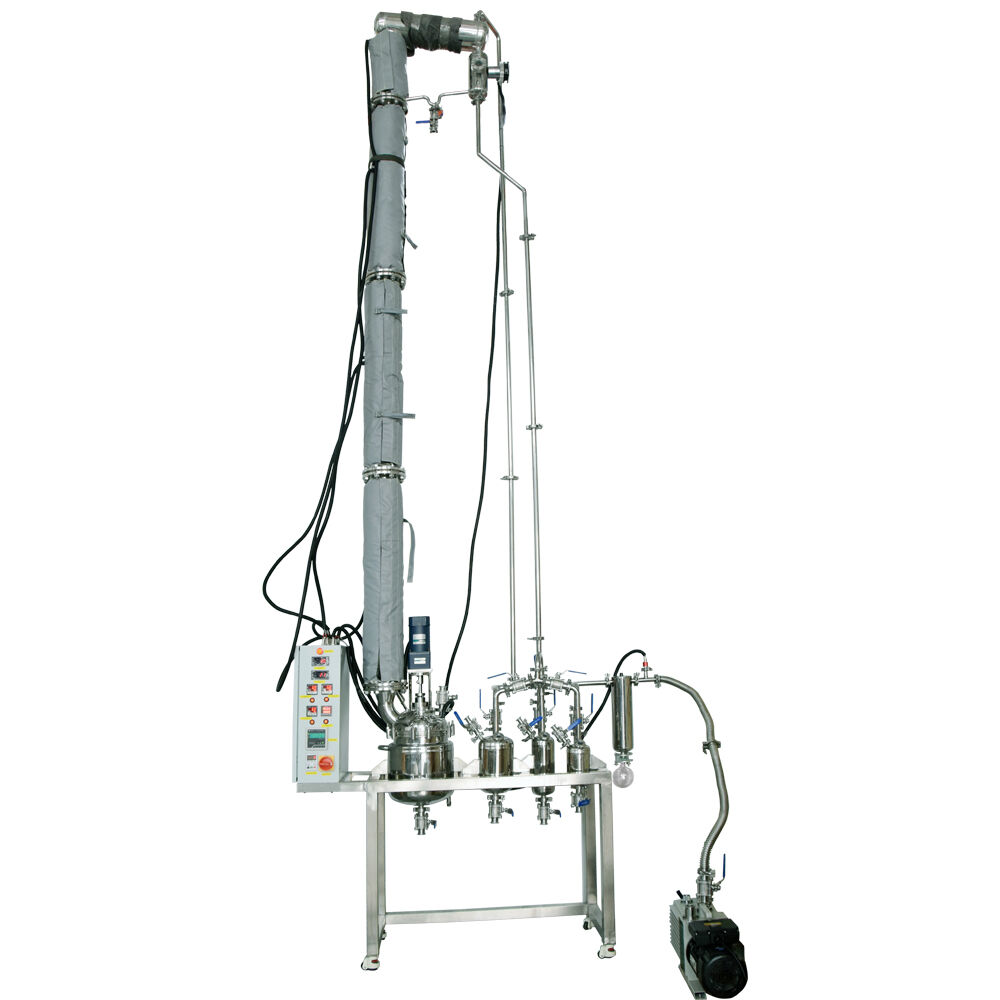
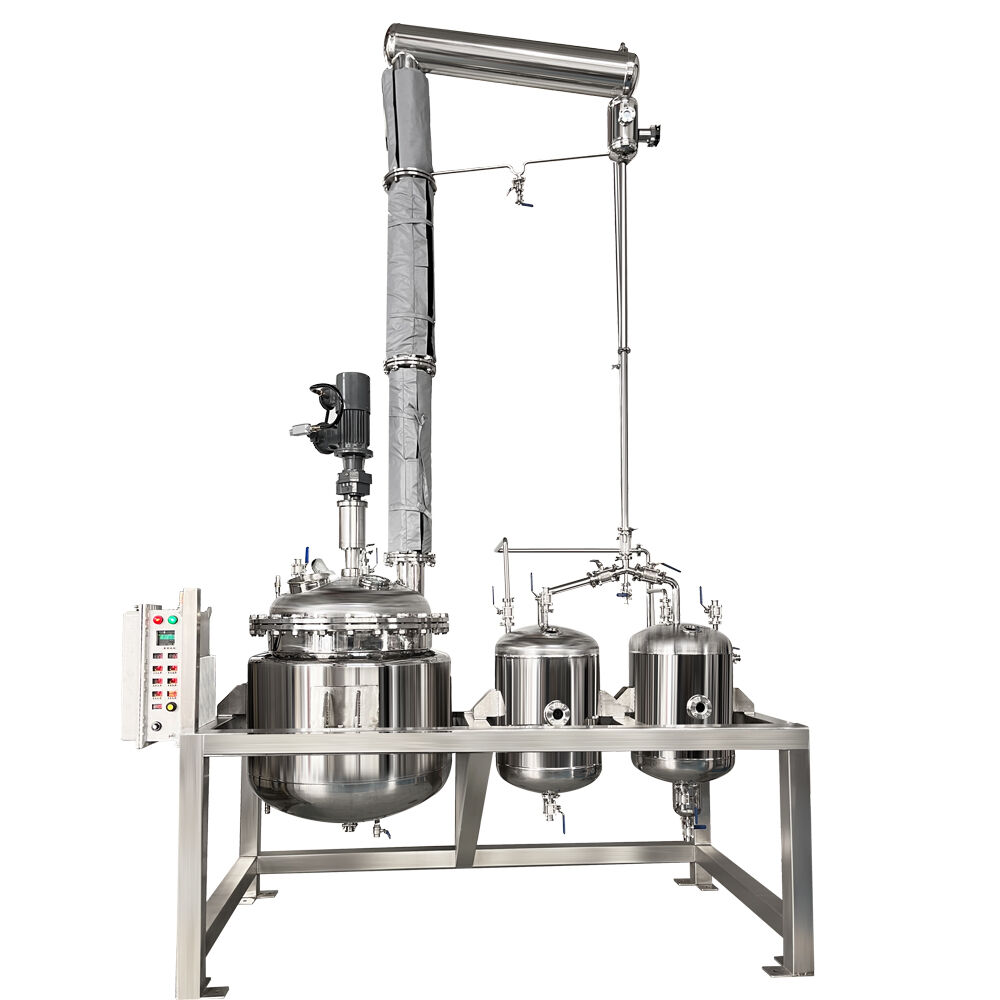
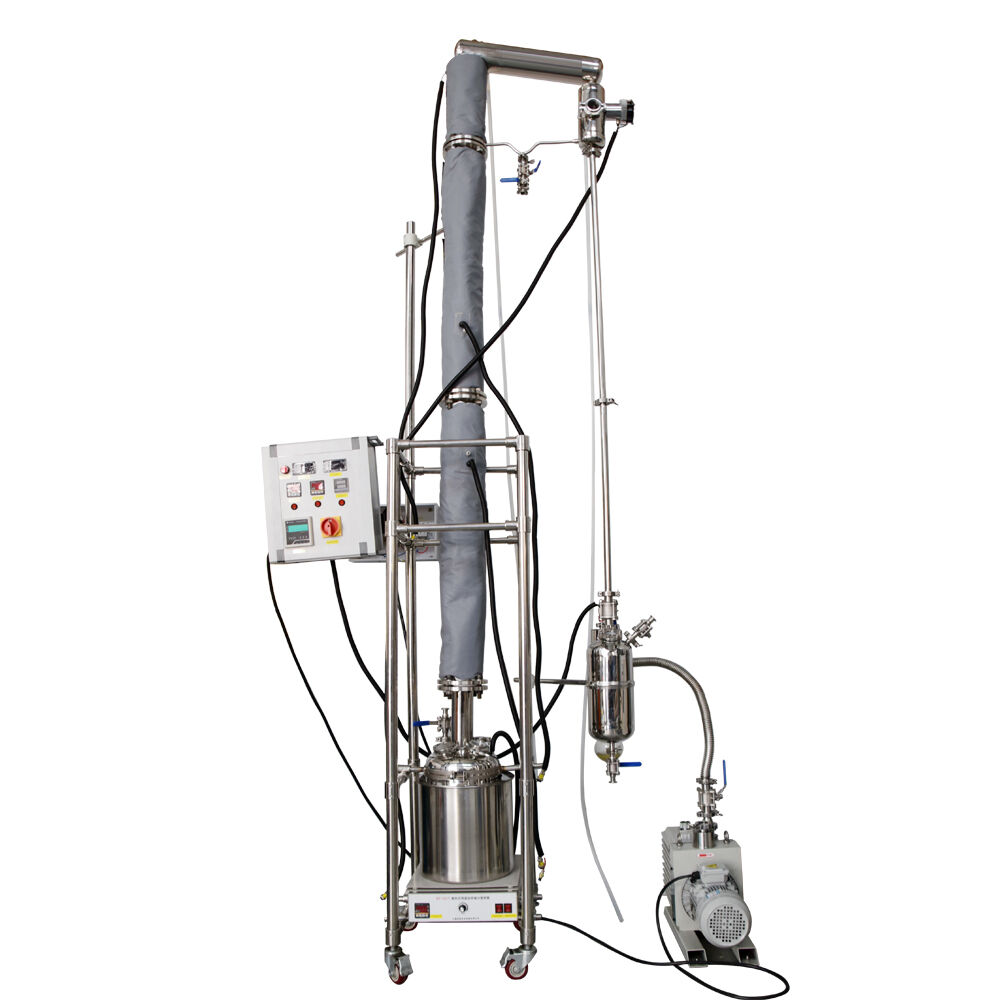
Short path fractional distillation represents an advanced separation technique that operates under high vacuum conditions to enable efficient purification of heat-sensitive materials at significantly reduced temperatures. This sophisticated process utilizes a compact design where the distance between the evaporator and condenser surfaces is minimized, typically ranging from 2 to 5 centimeters, hence the term 'short path.' The technology functions by creating a controlled environment where materials are heated on a rotating evaporator surface while maintaining extremely low pressure conditions, allowing volatile compounds to travel quickly to the condensation surface without thermal degradation. The main functions of short path fractional distillation include molecular separation based on volatility differences, removal of impurities from valuable compounds, concentration of active ingredients, and recovery of solvents or other materials. Technological features encompass precise temperature control systems, advanced vacuum pumps capable of achieving pressures below 0.001 mbar, heated transfer lines to prevent condensation, and automated collection systems for different fractions. The equipment typically incorporates a cylindrical evaporator with internal heating, external condensers, and sophisticated monitoring systems that ensure optimal operating conditions throughout the distillation process. Applications span across pharmaceutical manufacturing for drug purification, essential oil processing, cannabis extract refinement, chemical synthesis cleanup, vitamin concentration, flavor and fragrance isolation, and specialty chemical production. The technique proves particularly valuable in industries requiring high-purity products where traditional distillation methods would cause thermal decomposition or unwanted chemical reactions. Short path fractional distillation systems can handle batch or continuous operations, making them versatile solutions for both research laboratories and commercial production facilities seeking efficient separation of complex mixtures.

New Product Releases

Short path fractional distillation offers numerous compelling advantages that make it an exceptional choice for businesses requiring precise separation and purification processes. The primary benefit lies in its ability to operate at remarkably low temperatures, protecting heat-sensitive compounds from thermal degradation that would occur with conventional distillation methods. This temperature reduction capability allows processors to maintain the integrity of delicate molecules, preserving their desired properties and maximizing product quality. The system delivers exceptional separation efficiency, achieving purities often exceeding 95% in single-pass operations, which translates to higher-value end products and improved profit margins for manufacturers. Energy consumption represents another significant advantage, as the reduced operating temperatures and efficient heat transfer mechanisms result in lower utility costs compared to traditional distillation equipment. The compact design of short path fractional distillation systems requires minimal floor space, making them ideal for facilities with spatial constraints while still providing substantial processing capacity. Processing times are dramatically shortened due to the minimal residence time of materials in the heated zone, reducing the risk of thermal decomposition and increasing overall throughput. The technology offers exceptional versatility, capable of handling a wide range of materials from pharmaceuticals to food-grade extracts, making it a valuable investment for companies serving multiple markets. Automation capabilities reduce labor requirements and human error, ensuring consistent results and freeing personnel for other critical tasks. The closed-system design minimizes product loss and prevents contamination, contributing to higher yields and better product quality. Recovery of valuable solvents and other materials becomes economically attractive, reducing waste disposal costs and creating additional revenue streams. Maintenance requirements remain minimal due to the robust construction and fewer moving parts compared to complex traditional distillation columns. The precise control over operating parameters enables processors to fine-tune their operations for optimal results, adapting to different feedstock compositions and target specifications. Scalability from laboratory to production levels allows businesses to grow their operations without requiring entirely new equipment platforms.

Latest News

Optimizing Efficiency with Jacketed Stainless Steel Reactors

29

Oct

Optimizing Efficiency with Jacketed Stainless Steel Reactors

Understanding Jacketed Stainless Steel Reactors and Their Industrial Role What Are Jacketed Stainless Steel Reactors and Why They Matter in Chemical Processing Jacketed stainless steel reactors basically consist of two walls with space in between fo...
View More
How Does a Stainless Steel Reactor Improve Reaction Efficiency and Safety

12

Nov

How Does a Stainless Steel Reactor Improve Reaction Efficiency and Safety

Chemical processing industries rely heavily on precise reaction control and optimal safety measures to achieve consistent production outcomes. The selection of appropriate reactor materials and design features directly impacts both operational effici...
View More
What Are the Key Advantages of a Rotary and Liftable Stainless Steel Reactor?

20

Jan

What Are the Key Advantages of a Rotary and Liftable Stainless Steel Reactor?

Modern industrial processing demands equipment that combines efficiency, versatility, and durability. A rotary and liftable stainless steel reactor represents a significant advancement in chemical processing technology, offering manufacturers the fle...
View More
Which Industries Benefit Most from Rotary and Liftable Stainless Steel Reactors?

20

Jan

Which Industries Benefit Most from Rotary and Liftable Stainless Steel Reactors?

Modern industrial processes demand equipment that combines durability, versatility, and operational efficiency. Stainless steel reactors have emerged as the cornerstone of numerous manufacturing operations, offering unparalleled performance across di...
View More

Get a Free Quote

Our representative will contact you soon.
Email
Name
Contact Number
Company Name
Message
0/1000

short path fractional distillation

Superior Temperature Control for Heat-Sensitive Materials

Superior Temperature Control for Heat-Sensitive Materials

The exceptional temperature control capability of short path fractional distillation systems represents a revolutionary advancement in separation technology, particularly valuable for processing thermally unstable compounds that would otherwise be damaged or destroyed using conventional methods. This sophisticated control mechanism operates through a combination of vacuum technology and precise heating systems that work in harmony to create optimal processing conditions. The vacuum environment, typically maintained at pressures below 0.001 mbar, dramatically lowers the boiling points of target compounds, enabling distillation to occur at temperatures often 100-200 degrees Celsius below their atmospheric boiling points. This temperature reduction proves crucial when working with pharmaceuticals, essential oils, cannabis extracts, vitamins, and other bioactive compounds that are prone to thermal decomposition, oxidation, or structural changes when exposed to high heat. The heating system employs specialized elements that provide uniform temperature distribution across the evaporator surface, preventing hot spots that could cause localized overheating and product degradation. Advanced temperature sensors monitor conditions continuously, feeding data to sophisticated control systems that make real-time adjustments to maintain optimal processing parameters. The short residence time of materials in the heated zone, typically measured in seconds rather than minutes or hours, further minimizes thermal exposure and preserves product integrity. This combination of reduced temperature and minimal heat exposure time allows manufacturers to process materials that would be impossible to purify using traditional distillation methods, opening new possibilities for product development and market expansion. The economic implications are substantial, as preserved product quality translates directly to higher market values, reduced waste, and improved customer satisfaction. Companies utilizing short path fractional distillation can confidently process even the most delicate materials while maintaining their desired properties, creating competitive advantages in markets where product quality and purity are paramount considerations for success and regulatory compliance.
Exceptional Separation Efficiency and Purity Achievement

Exceptional Separation Efficiency and Purity Achievement

Short path fractional distillation systems deliver unparalleled separation efficiency that consistently achieves remarkable purity levels, making them indispensable tools for industries demanding the highest quality standards. The exceptional performance stems from the unique combination of optimized vapor path geometry, precise temperature gradients, and sophisticated collection mechanisms that work together to maximize separation effectiveness. The short distance between evaporation and condensation surfaces eliminates many variables that can reduce efficiency in traditional distillation systems, creating a more controlled and predictable separation environment. This design allows for sharper separation of compounds with similar boiling points, enabling the isolation of specific fractions that would be difficult or impossible to separate using conventional methods. The system's ability to achieve purities exceeding 95% in single-pass operations represents a significant advancement over traditional techniques that often require multiple processing steps to reach comparable purity levels. This efficiency translates directly to reduced processing costs, as fewer passes mean lower energy consumption, reduced labor requirements, and minimized equipment wear. The precise control over vapor flow patterns ensures that separated fractions maintain their distinct characteristics without cross-contamination, preserving the value and integrity of each collected product. Multiple collection points allow for the simultaneous capture of different fractions, maximizing the value extracted from each batch of feed material and reducing waste generation. The system's ability to handle complex mixtures with numerous components makes it particularly valuable for processing natural extracts, pharmaceutical intermediates, and specialty chemicals where traditional separation methods would be inadequate. Quality consistency represents another crucial advantage, as the automated control systems ensure reproducible results batch after batch, meeting stringent regulatory requirements and customer specifications. The economic benefits of such high separation efficiency extend beyond immediate processing costs to include improved product marketability, reduced regulatory compliance costs, and enhanced customer relationships built on consistent quality delivery. Companies investing in short path fractional distillation technology gain significant competitive advantages through their ability to produce higher-purity products more efficiently than competitors using conventional separation methods.
Compact Design with Maximum Processing Flexibility

Compact Design with Maximum Processing Flexibility

The innovative compact design of short path fractional distillation systems combines space efficiency with remarkable processing flexibility, providing manufacturers with versatile solutions that adapt to diverse operational requirements while maintaining exceptional performance standards. This intelligent engineering approach maximizes processing capability within a minimal footprint, making the technology accessible to facilities with space constraints while delivering industrial-scale processing capacity. The vertical configuration typical of these systems utilizes gravity to assist material flow, reducing the need for complex pumping systems and minimizing potential contamination points throughout the process. The modular construction allows for easy customization and expansion, enabling companies to start with smaller systems and scale up as their business grows without requiring complete equipment replacement. This scalability feature proves particularly valuable for emerging companies in rapidly growing markets such as cannabis processing, essential oils, and specialty pharmaceuticals where market demands can change quickly. The system's ability to process batch or continuous operations provides operational flexibility that traditional distillation equipment cannot match, allowing manufacturers to adapt their production schedules to meet varying customer demands and optimize resource utilization. Advanced automation capabilities integrated into the compact design reduce the need for constant operator attention, enabling efficient operation with minimal staffing requirements while maintaining consistent product quality. The enclosed system design prevents contamination and product loss while facilitating easy cleaning and maintenance procedures, crucial factors for industries operating under strict regulatory oversight. Temperature and pressure monitoring systems provide real-time data that enables operators to optimize processing conditions for different materials, maximizing yield and quality while minimizing processing time and energy consumption. The compact nature of these systems also facilitates easier installation and relocation when necessary, providing businesses with operational flexibility that can adapt to changing facility requirements or market opportunities. Integration capabilities allow short path fractional distillation systems to work seamlessly with other processing equipment, creating comprehensive production lines that maximize efficiency and product quality. This design flexibility enables manufacturers to customize their processing capabilities to meet specific product requirements, regulatory standards, and market demands while maintaining the efficiency and quality advantages that make short path fractional distillation technology superior to conventional separation methods.

Get a Free Quote

Our representative will contact you soon.
Email
Name
Contact Number
Company Name
Message
0/1000