Fractional Distillation Separation: Advanced Technology for Efficient Liquid Mixture Processing

Get a Free Quote

Our representative will contact you soon.
Email
Name
Contact Number
Company Name
Message
0/1000

separation of fractional distillation

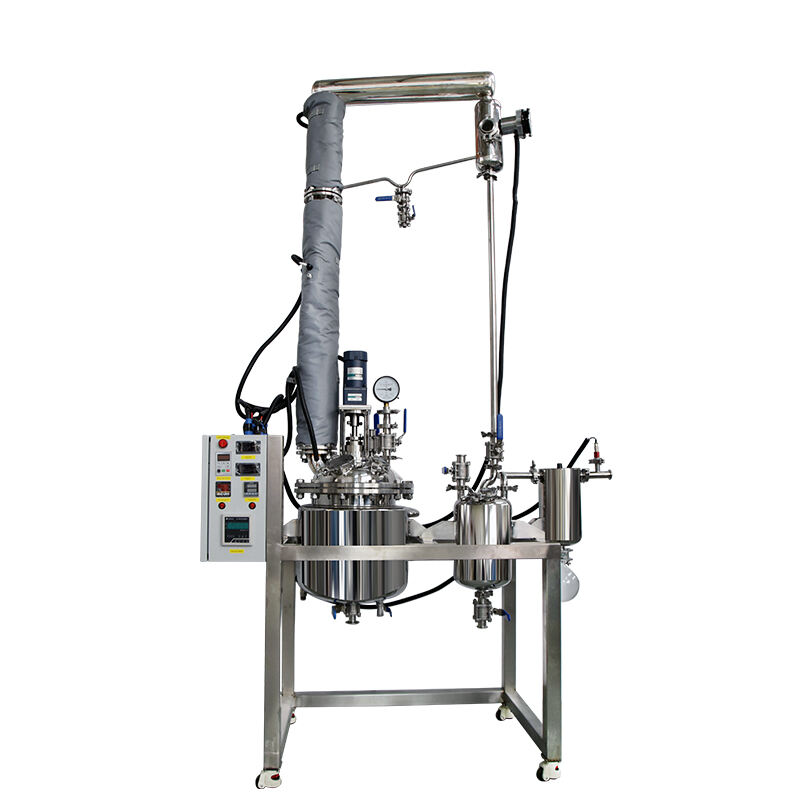
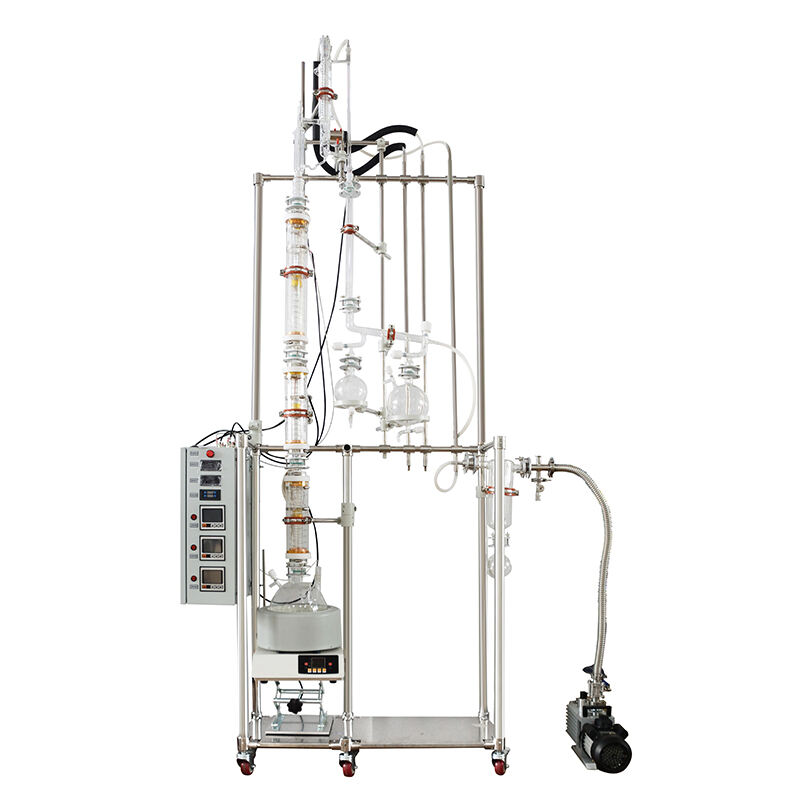
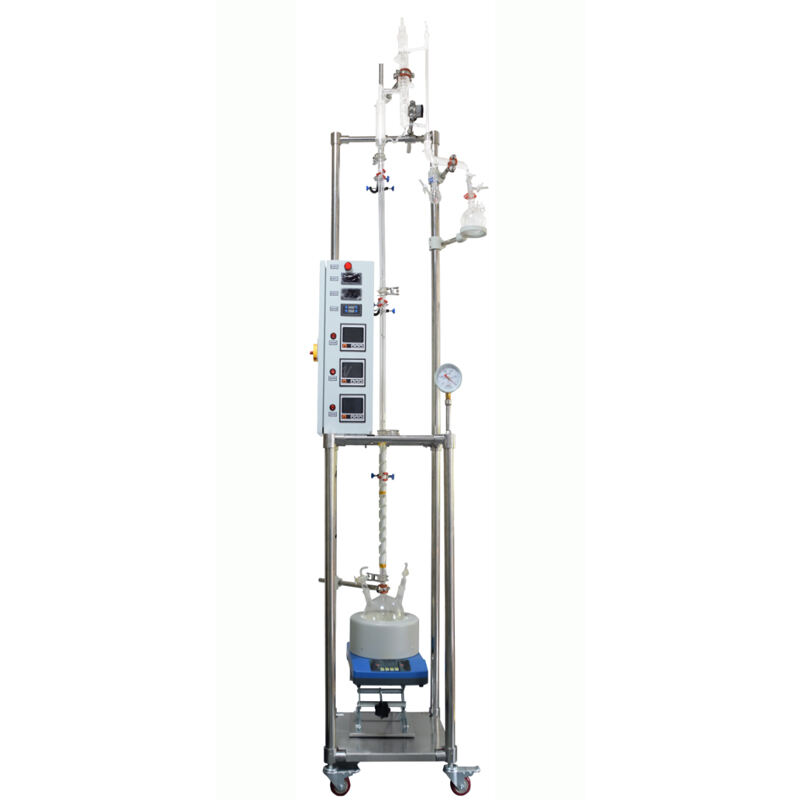
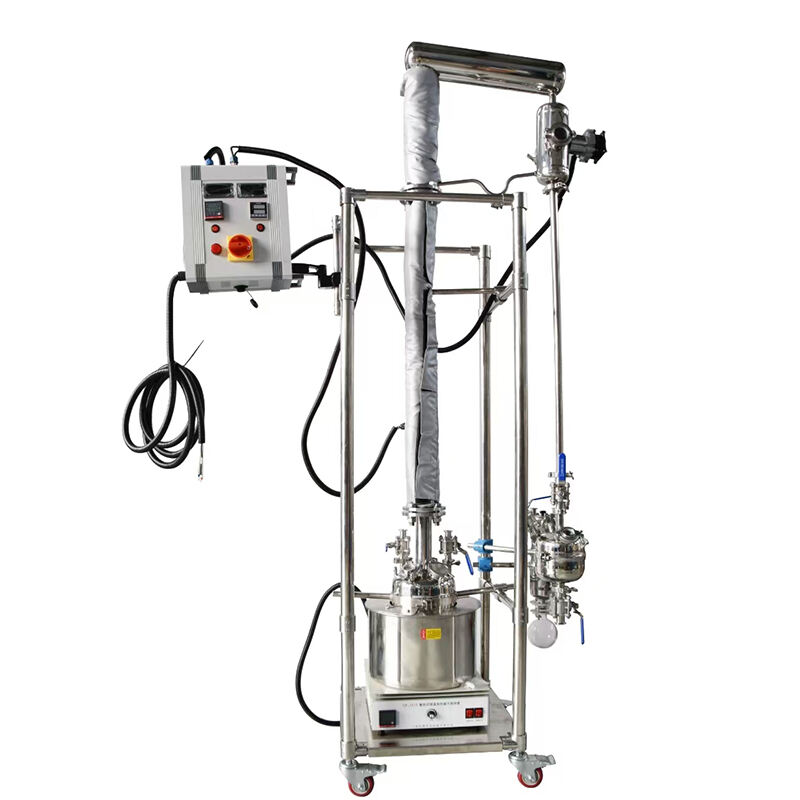
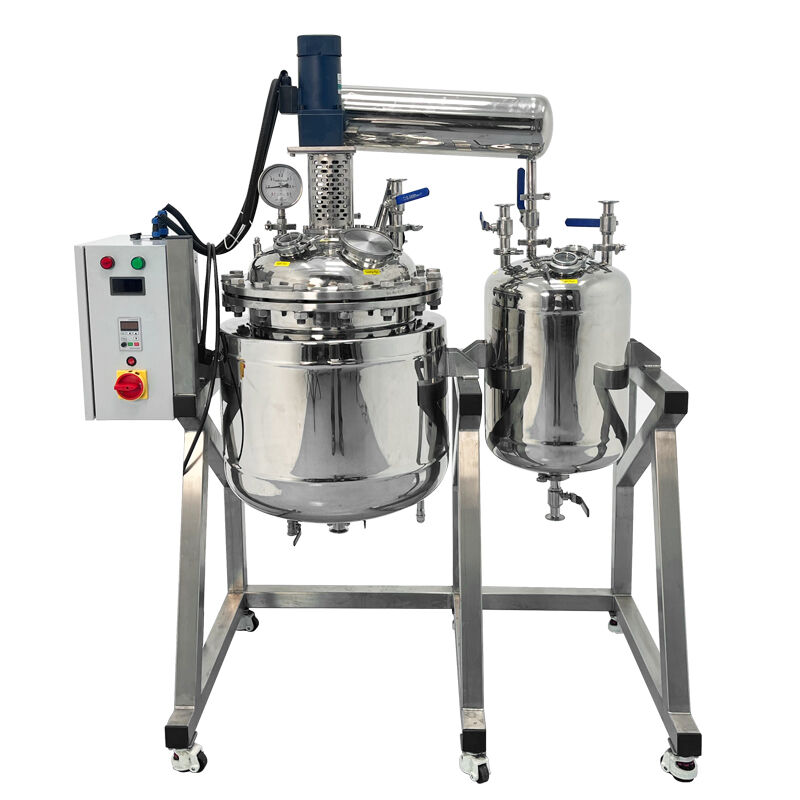
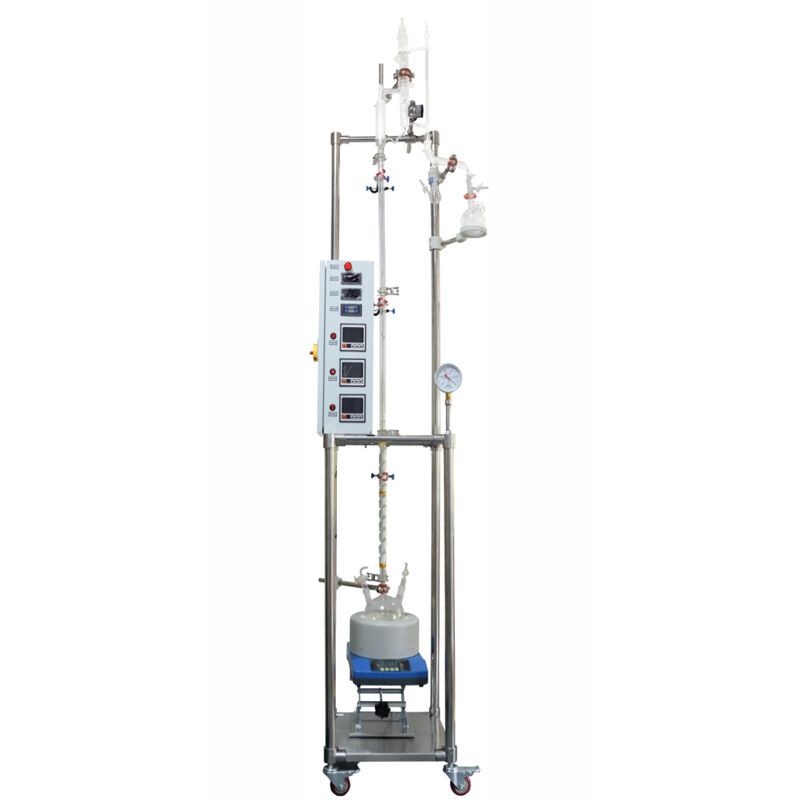
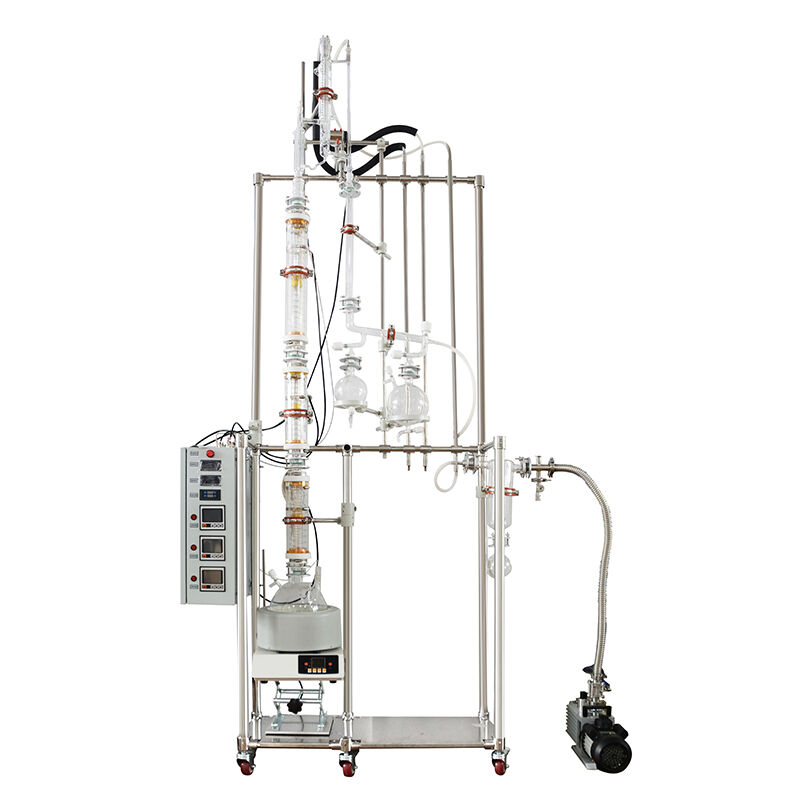
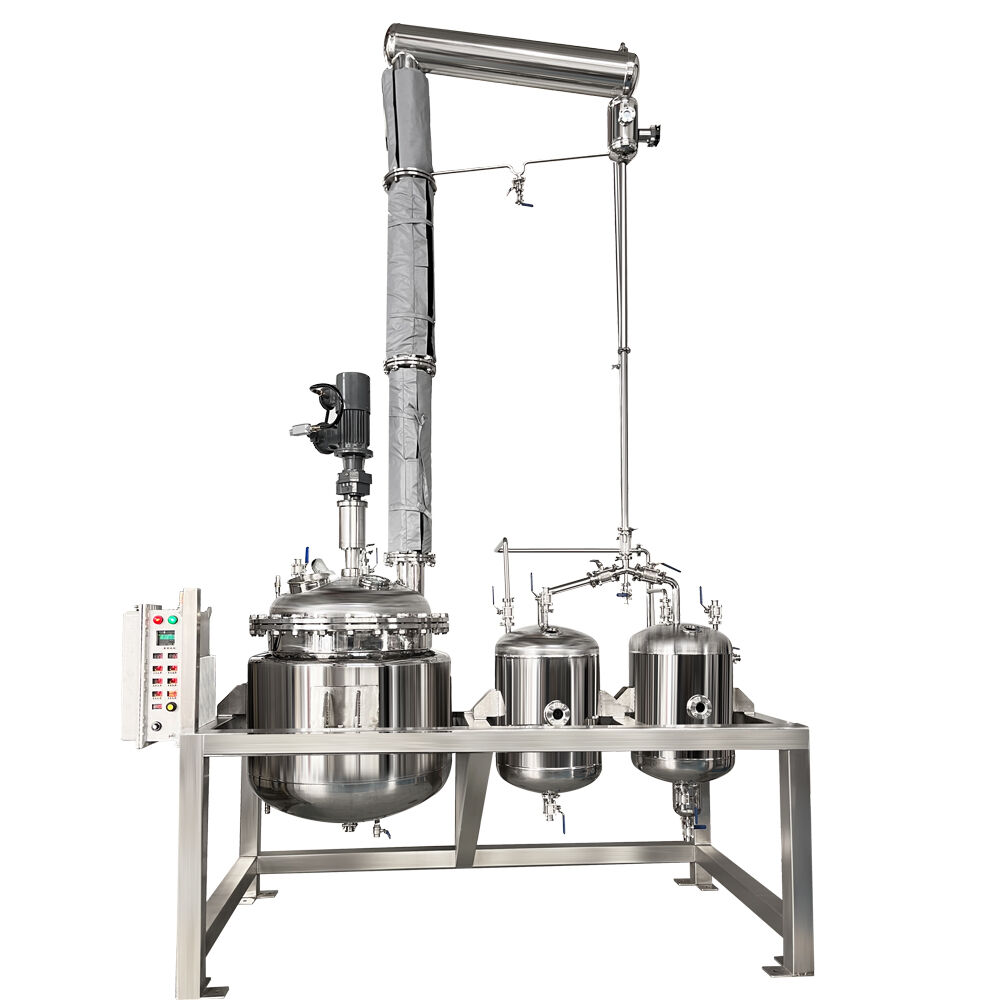
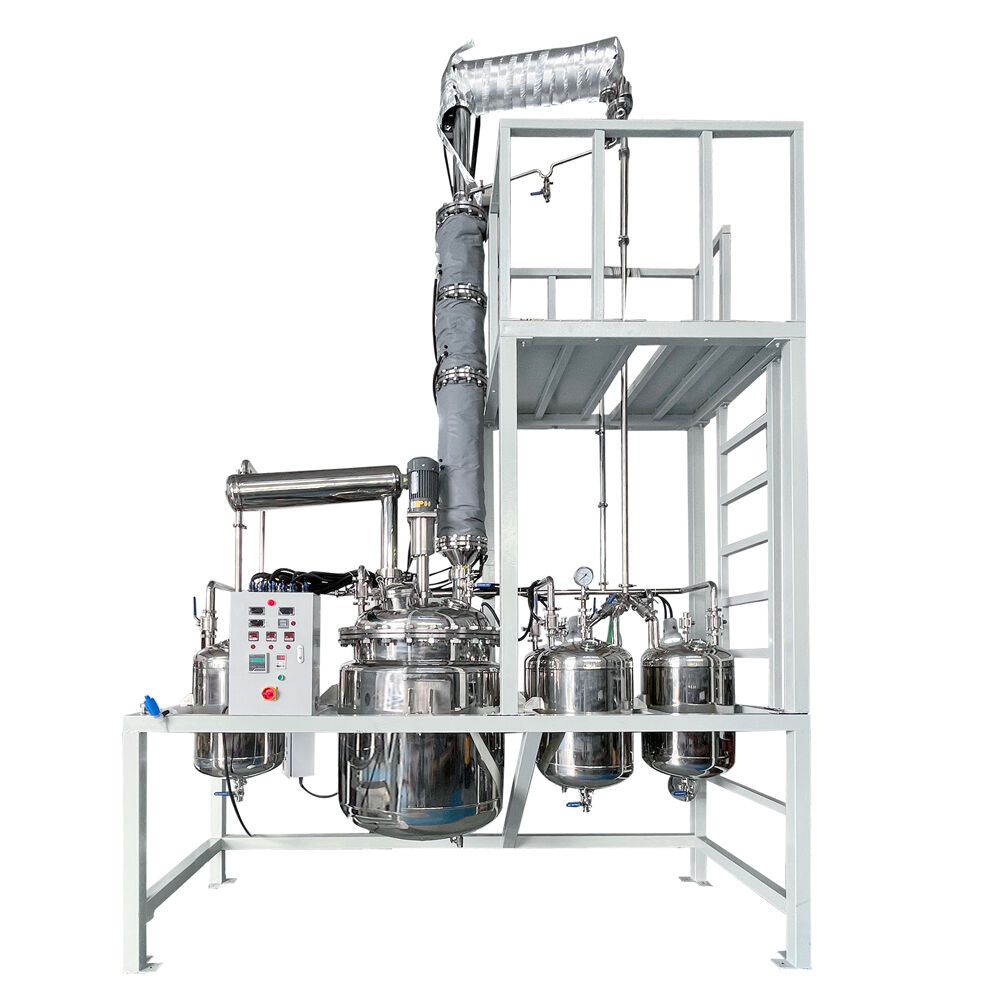
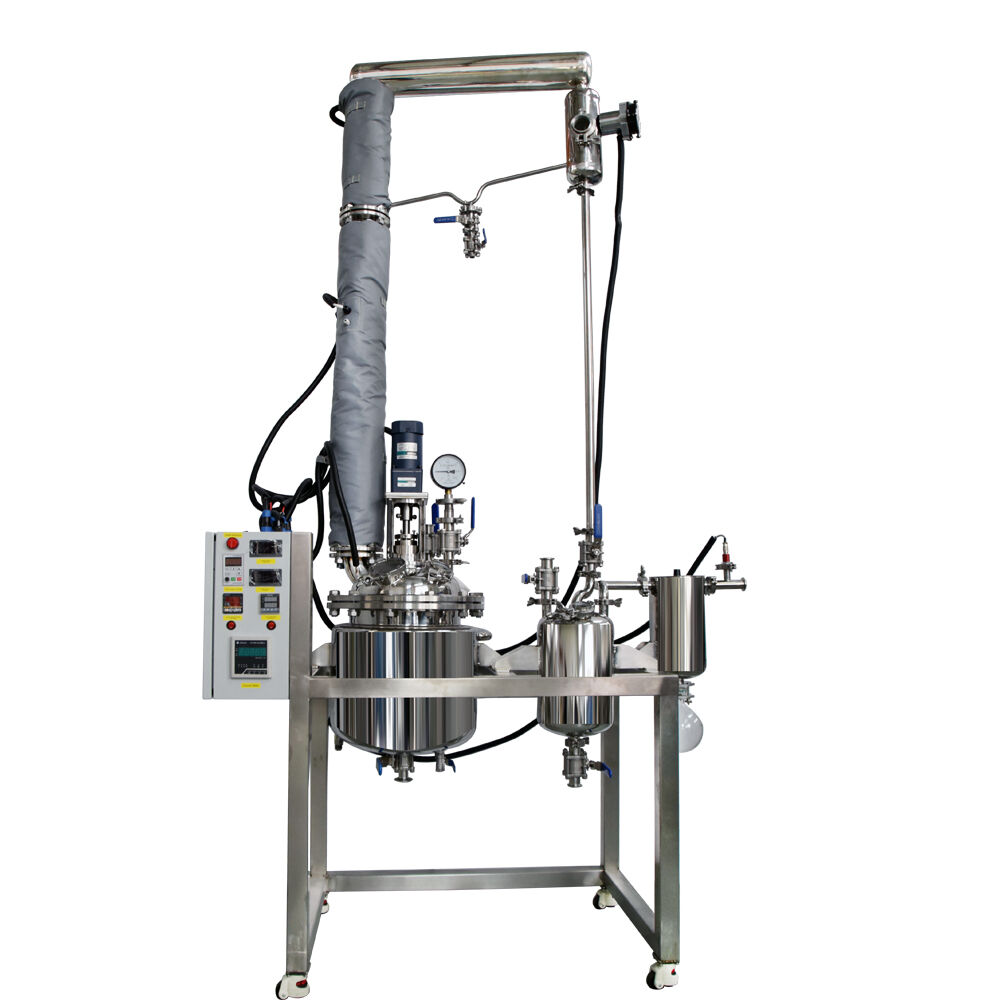
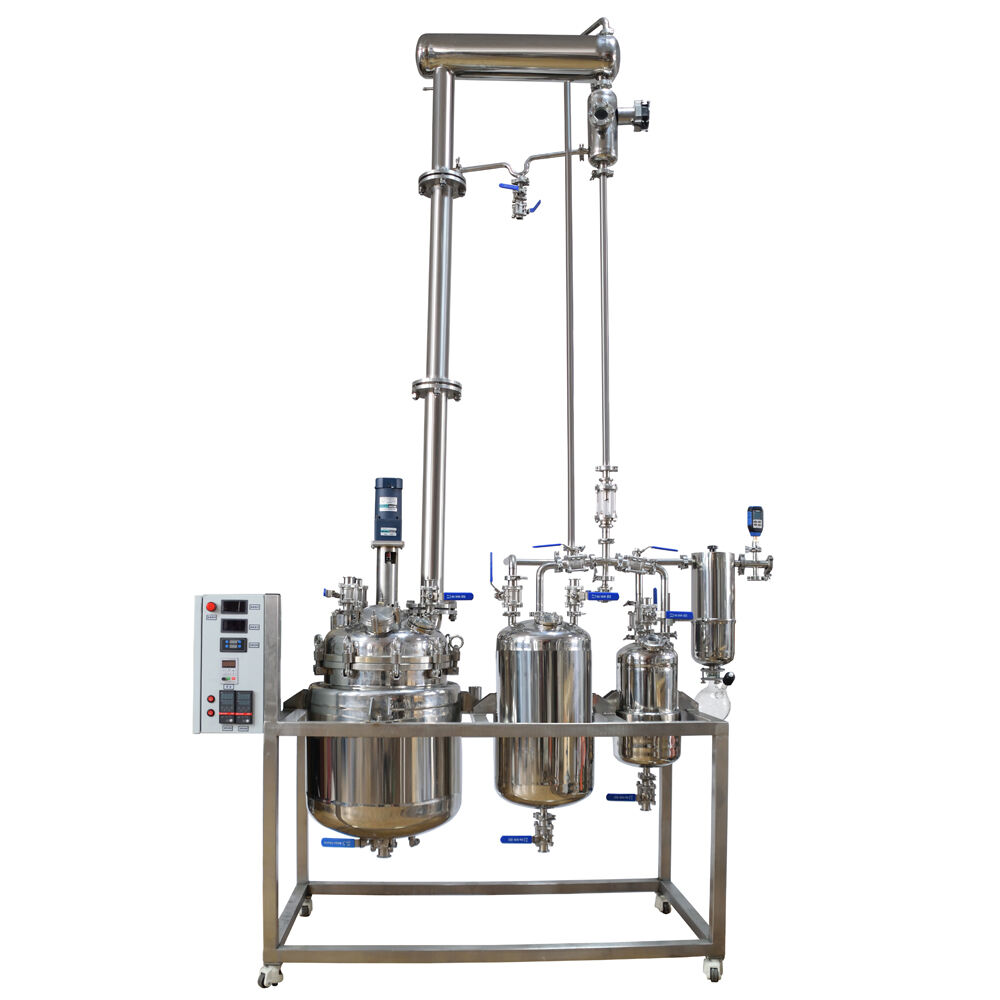
The separation of fractional distillation represents a fundamental chemical engineering process that enables the precise separation of liquid mixtures based on differences in boiling points. This sophisticated technique operates on the principle that components within a mixture vaporize at distinct temperatures, allowing for selective isolation through controlled heating and condensation cycles. The separation of fractional distillation employs a specialized column packed with materials that provide extensive surface area for vapor-liquid contact, creating multiple theoretical plates where equilibrium between phases occurs repeatedly. The main functions of separation of fractional distillation include purifying raw materials, concentrating desired components, and removing impurities to achieve specific product specifications. Technological features encompass precise temperature control systems, reflux mechanisms that enhance separation efficiency, and monitoring equipment that ensures optimal performance throughout the process. The distillation column serves as the heart of the system, featuring carefully designed internals such as trays or packing materials that maximize mass transfer between ascending vapors and descending liquids. Advanced control systems regulate feed rates, reflux ratios, and heat input to maintain steady-state operation and product quality. Applications span numerous industries including petroleum refining where crude oil undergoes separation of fractional distillation to produce gasoline, diesel, and other petroleum products. Chemical manufacturing utilizes this process for solvent recovery, pharmaceutical purification, and specialty chemical production. Food and beverage industries employ separation of fractional distillation for alcohol production, essential oil extraction, and flavor compound isolation. Environmental applications include waste solvent recovery and water treatment processes. The versatility of separation of fractional distillation makes it indispensable for operations requiring high-purity products, cost-effective separation solutions, and environmentally responsible processing methods that minimize waste generation while maximizing resource recovery and product value.

Popular Products

The separation of fractional distillation offers numerous compelling advantages that make it the preferred choice for liquid mixture separation across diverse industries. Energy efficiency stands as a primary benefit, as the process utilizes heat integration and reflux mechanisms to minimize energy consumption while maximizing separation performance. This thermal efficiency translates directly into reduced operational costs and improved profitability for businesses implementing separation of fractional distillation systems. The process delivers exceptional purity levels, routinely achieving product concentrations exceeding 99 percent through multiple equilibrium stages within the distillation column. This high degree of separation ensures that end products meet stringent quality specifications required by regulatory agencies and customer demands. Cost-effectiveness emerges as another significant advantage, with separation of fractional distillation requiring minimal chemical additives or external agents compared to alternative separation methods. The process relies primarily on thermal energy and physical properties, reducing consumable costs and simplifying waste management requirements. Scalability represents a crucial benefit for growing operations, as separation of fractional distillation systems can be designed and constructed to handle production volumes ranging from laboratory scale to industrial processing facilities handling thousands of gallons per hour. This flexibility allows businesses to expand capacity without fundamental process changes. Environmental sustainability characterizes modern separation of fractional distillation installations, which incorporate heat recovery systems, emission controls, and closed-loop designs that minimize environmental impact. The process generates minimal waste streams and enables solvent recovery, supporting circular economy principles and environmental stewardship goals. Operational reliability ensures consistent performance with properly maintained equipment operating continuously for extended periods without interruption. Automated control systems monitor critical parameters and adjust operating conditions to maintain optimal separation efficiency. The proven technology behind separation of fractional distillation has been refined over decades, resulting in well-understood design principles and established best practices that reduce implementation risks. Versatility allows the same basic equipment configuration to handle different feed compositions and product requirements through parameter adjustments, maximizing equipment utilization and return on investment for facility owners.

Latest News

The Durability Advantage of Stainless Steel Extraction Reactors

29

Oct

The Durability Advantage of Stainless Steel Extraction Reactors

Why Stainless Steel Extraction Reactors Last LongerTypical Lifespan of Stainless Steel Reactors in Industrial ApplicationsIndustrial stainless steel extraction reactors built to last decades in tough environments aren't uncommon these days. The big o...
View More
How to Select a High Pressure Reactor for Industrial Chemical Synthesis?

24

Dec

How to Select a High Pressure Reactor for Industrial Chemical Synthesis?

Industrial chemical synthesis often requires precise control over reaction conditions, with pressure being one of the most critical parameters. A high pressure reactor serves as the cornerstone equipment for processes demanding elevated pressures, en...
View More
Rotary and Liftable Stainless Steel Reactor vs Fixed Reactor: Which Is Better?

20

Jan

Rotary and Liftable Stainless Steel Reactor vs Fixed Reactor: Which Is Better?

Modern industrial processing demands precision, efficiency, and adaptability in chemical reactions and material processing. The choice between a rotary and liftable stainless steel reactor versus a traditional fixed reactor represents a critical deci...
View More
How Does a Stainless Steel Reactor Support Customization and Scale-Up?

20

Jan

How Does a Stainless Steel Reactor Support Customization and Scale-Up?

The chemical processing industry faces constant pressure to optimize production while maintaining safety and quality standards. A stainless steel reactor serves as the cornerstone of countless manufacturing operations, providing the durability and ve...
View More

Get a Free Quote

Our representative will contact you soon.
Email
Name
Contact Number
Company Name
Message
0/1000

separation of fractional distillation

Superior Separation Efficiency Through Advanced Column Design

Superior Separation Efficiency Through Advanced Column Design

The separation of fractional distillation achieves unmatched separation efficiency through sophisticated column engineering that maximizes vapor-liquid contact and mass transfer rates. Modern distillation columns incorporate advanced internals such as structured packing or high-efficiency trays that create numerous theoretical separation stages within a compact vertical space. These internals provide extensive surface area where ascending vapors interact with descending liquid streams, allowing for repeated equilibrium contacts that progressively concentrate lighter components in the vapor phase and heavier components in the liquid phase. The separation of fractional distillation process benefits from precise hydraulic design that optimizes liquid and vapor flow patterns, preventing flooding or weeping conditions that could compromise separation performance. Advanced column configurations include features such as intermediate reboilers, side draws, and multiple feed points that enable complex separation schemes and product recovery optimization. Temperature and pressure profiles within the column are carefully controlled to maintain optimal driving forces for mass transfer while preventing thermal degradation of sensitive components. The reflux system, a critical component of separation of fractional distillation, returns a portion of the overhead product as liquid to the top of the column, providing the liquid flow necessary for effective separation and allowing operators to achieve desired product purities. This internal recycling mechanism eliminates the need for external separation agents while maximizing the utilization of thermal energy input. Column diameter and height calculations ensure adequate residence time and separation stages for specific applications, with larger columns providing greater capacity and more separation stages for challenging mixtures. The separation of fractional distillation technology incorporates real-time monitoring systems that track composition profiles, temperature distributions, and flow rates throughout the column, enabling operators to optimize performance and respond quickly to process upsets or feed composition changes.
Energy Integration and Thermal Efficiency Optimization

Energy Integration and Thermal Efficiency Optimization

The separation of fractional distillation excels in energy efficiency through innovative heat integration strategies that significantly reduce utility consumption and operating costs compared to alternative separation technologies. Heat pump configurations enable the recovery and reuse of thermal energy from condensing overhead vapors, with this recovered heat used to provide reboiler duty at the column bottom, creating a thermally integrated system that minimizes external energy requirements. The separation of fractional distillation process incorporates multiple heat exchangers that preheat feed streams using hot product streams, reducing the thermal duty required from external utilities while simultaneously cooling products to desired temperatures. Vapor recompression systems compress overhead vapors to higher pressures and temperatures, allowing this vapor to serve as a heating medium for the reboiler, effectively creating a heat pump cycle that dramatically improves overall thermal efficiency. Advanced control systems optimize reflux ratios and reboiler duties to maintain product specifications while minimizing energy consumption, with model predictive control algorithms adjusting operating parameters in response to changing conditions. The separation of fractional distillation technology benefits from multi-effect configurations where multiple columns operate at different pressure levels, with steam generated in lower-pressure columns providing heating for higher-pressure operations. Thermal integration extends to utility systems, where waste heat from separation of fractional distillation operations provides heating for other plant processes or building climate control, maximizing the value derived from energy inputs. Insulation systems and heat tracing minimize thermal losses to the environment, ensuring that energy input achieves maximum separation work rather than heating surroundings. Process simulation software enables optimization of heat integration networks, identifying opportunities for additional energy recovery and thermal efficiency improvements. The separation of fractional distillation process can incorporate renewable energy sources such as solar thermal or biomass heating systems, reducing dependence on fossil fuels and supporting sustainability objectives while maintaining reliable operation.
Versatile Applications Across Multiple Industries

Versatile Applications Across Multiple Industries

The separation of fractional distillation demonstrates remarkable versatility through its successful application across diverse industries, each leveraging the technology's adaptability to meet specific separation challenges and product requirements. Petroleum refining represents the largest industrial application, where separation of fractional distillation transforms crude oil into valuable products including gasoline, jet fuel, diesel, and heating oil through atmospheric and vacuum distillation units that operate continuously at massive scales. Chemical manufacturing utilizes separation of fractional distillation for purifying raw materials, recovering solvents, and producing high-purity chemicals required for pharmaceutical, electronic, and specialty applications. The pharmaceutical industry relies on separation of fractional distillation for API purification, solvent recovery, and removing impurities that could affect drug efficacy or safety, with specialized designs accommodating temperature-sensitive compounds and maintaining sterile conditions. Food and beverage processing employs separation of fractional distillation for alcohol production, essential oil extraction, flavor concentration, and removing unwanted compounds while preserving desired organoleptic properties. Environmental applications include hazardous waste treatment, contaminated soil remediation, and industrial solvent recovery programs that reduce disposal costs while recovering valuable materials. The separation of fractional distillation technology adapts to handle corrosive materials through specialized metallurgy, high-temperature applications through refractory lining systems, and vacuum operations for thermally sensitive compounds through reduced-pressure designs. Batch distillation configurations enable smaller-scale operations and frequent product changes, while continuous systems provide steady-state operation for high-volume production requirements. The separation of fractional distillation process accommodates feeds with varying compositions, from binary mixtures to complex multi-component streams containing dozens of different compounds with overlapping volatilities. Modular designs enable rapid installation and commissioning, while skid-mounted systems provide portability for temporary or remote operations. Advanced process control ensures consistent product quality regardless of feed variations or external disturbances, with automated systems maintaining optimal separation performance while minimizing operator intervention requirements.

Get a Free Quote

Our representative will contact you soon.
Email
Name
Contact Number
Company Name
Message
0/1000