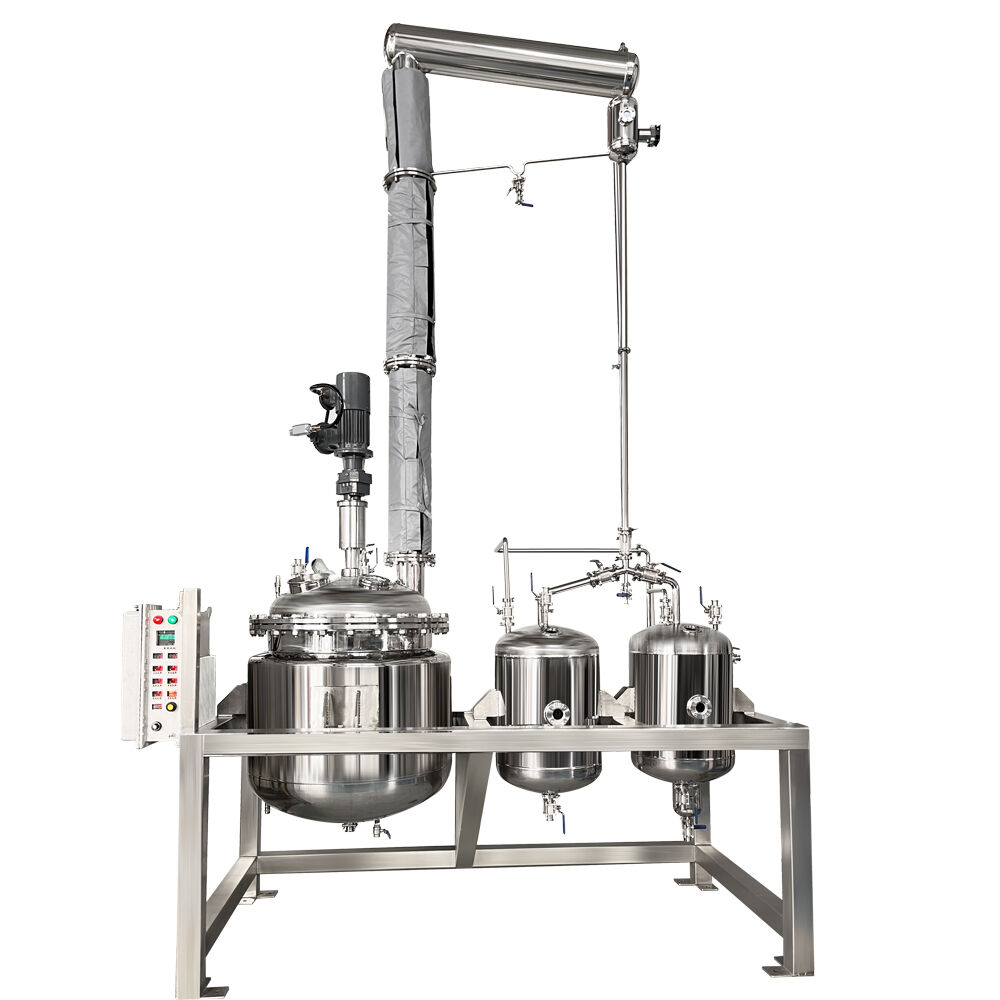
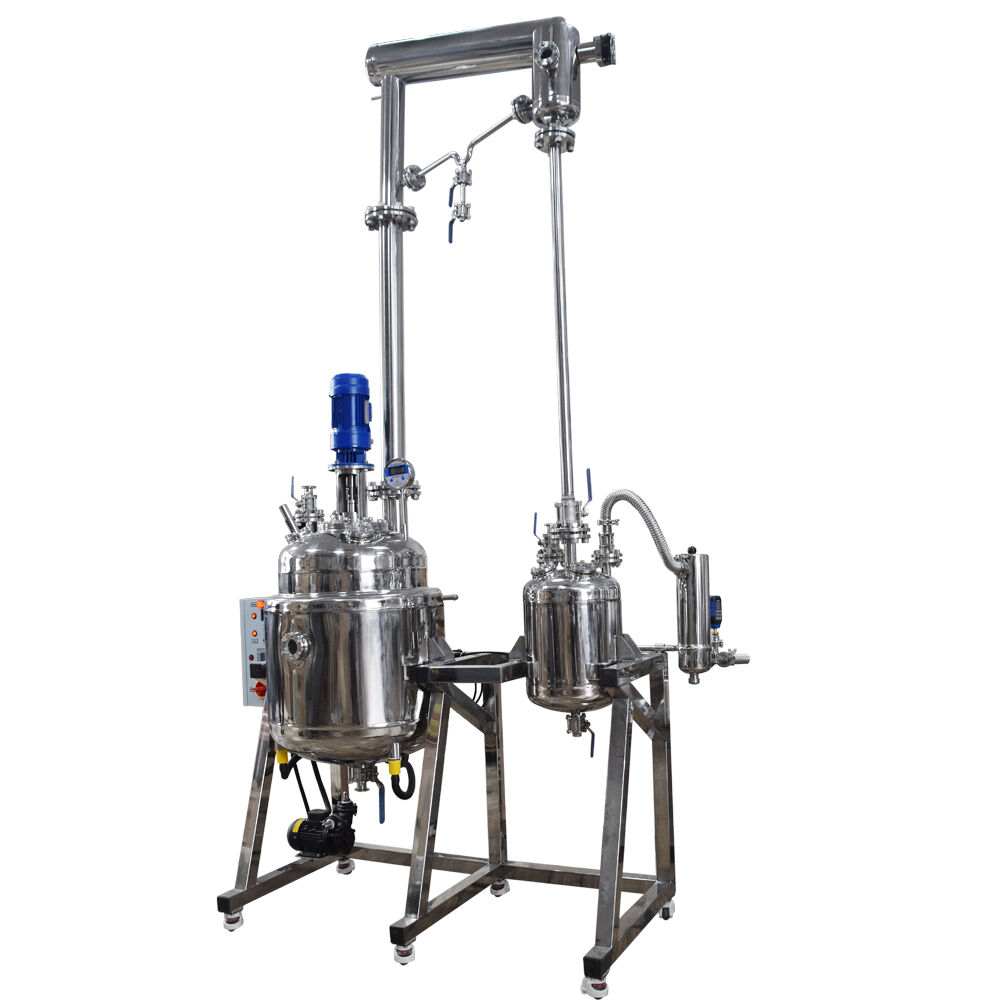
Fractional Distillation Systems: Advanced Separation Technology for Industrial Applications

Get a Free Quote

Our representative will contact you soon.
Email
Name
Contact Number
Company Name
Message
0/1000

the fractional distillation

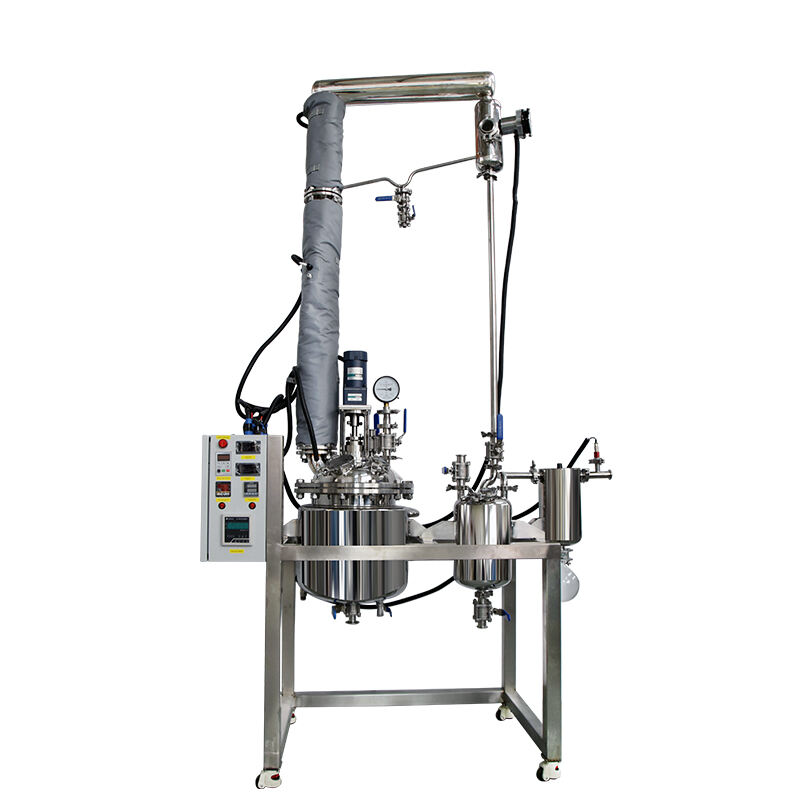
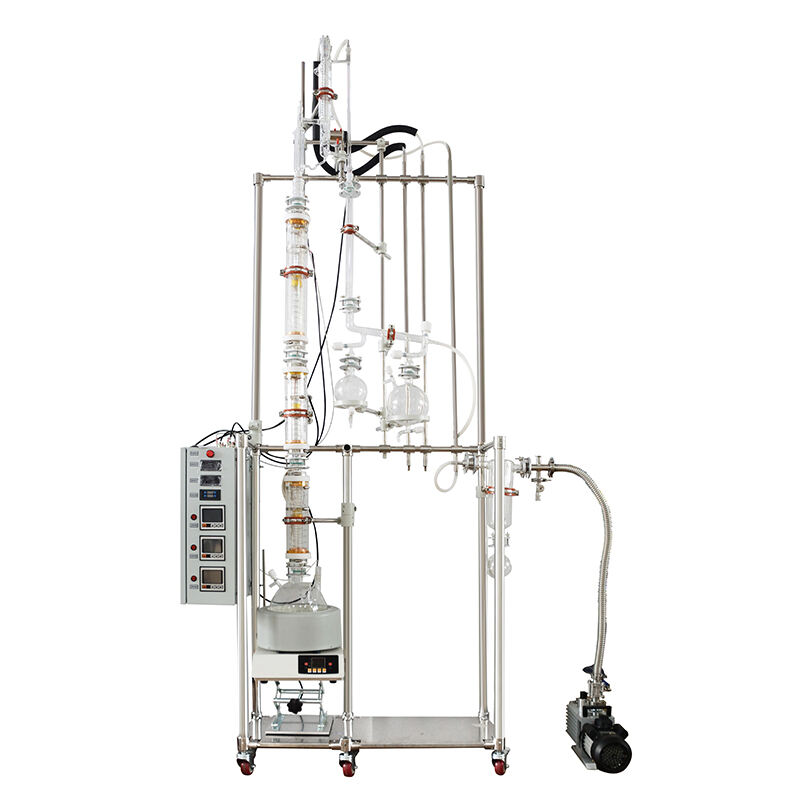
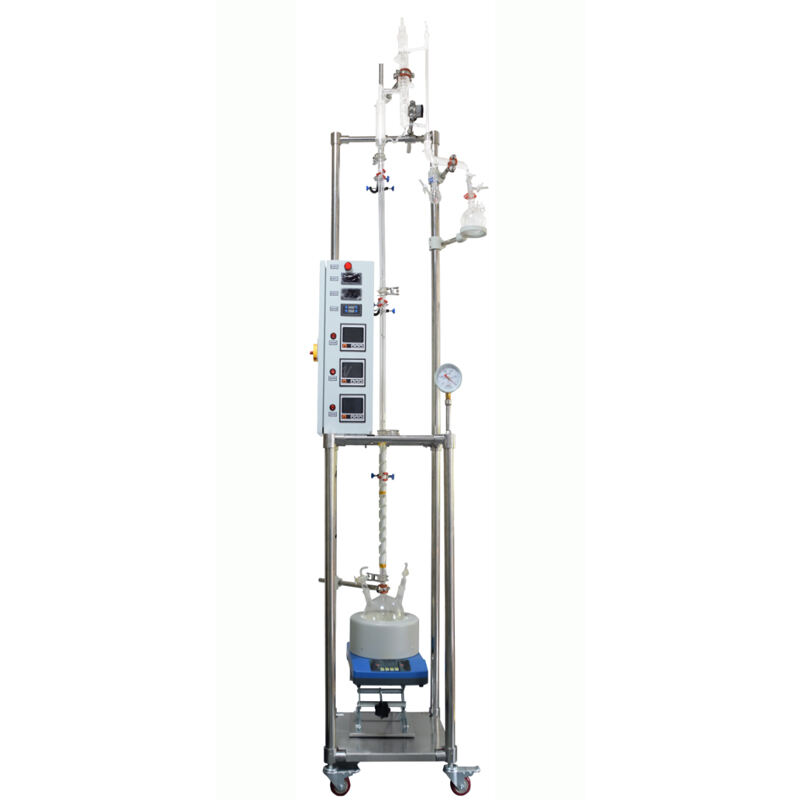
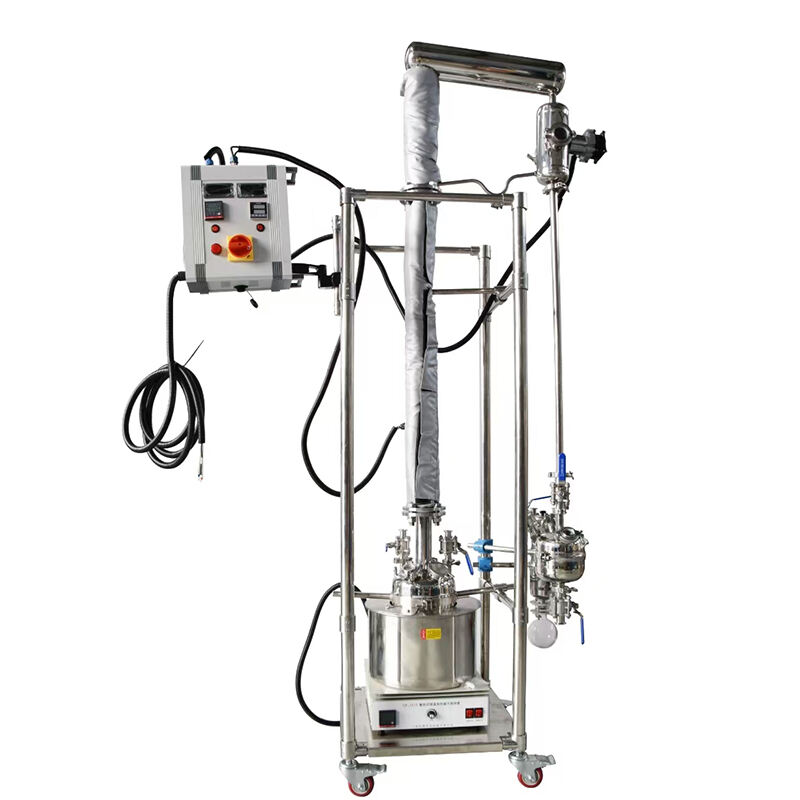
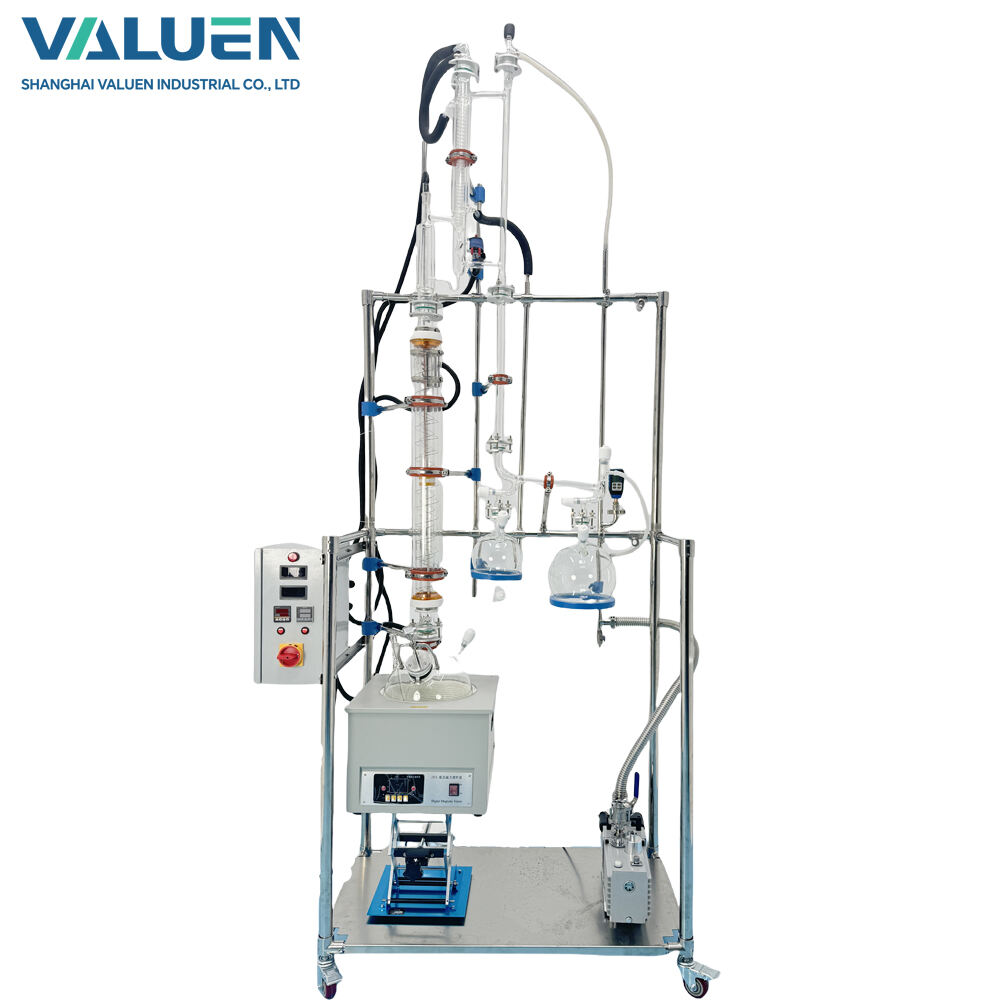
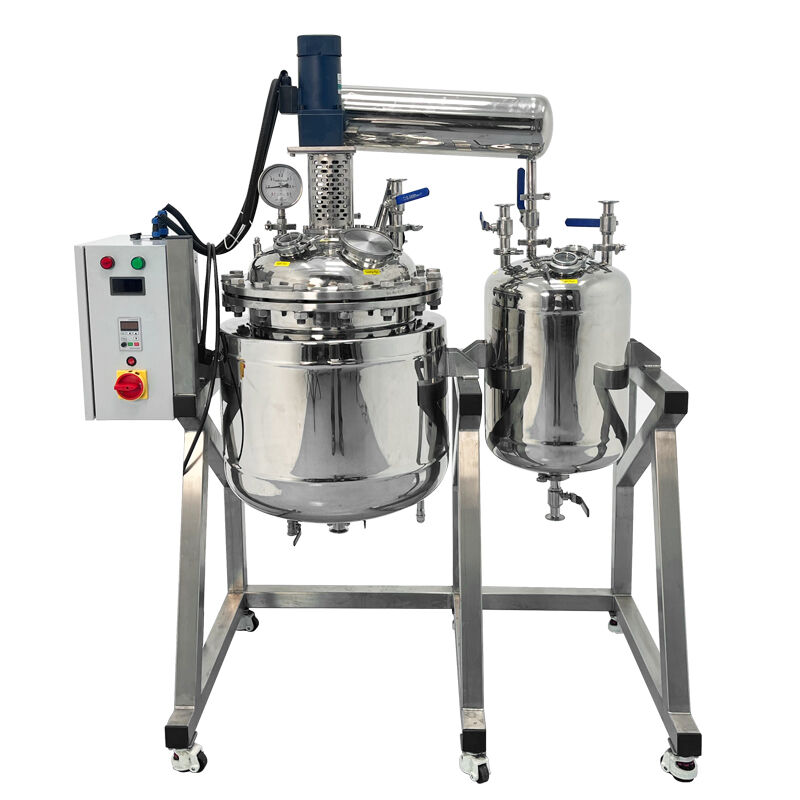
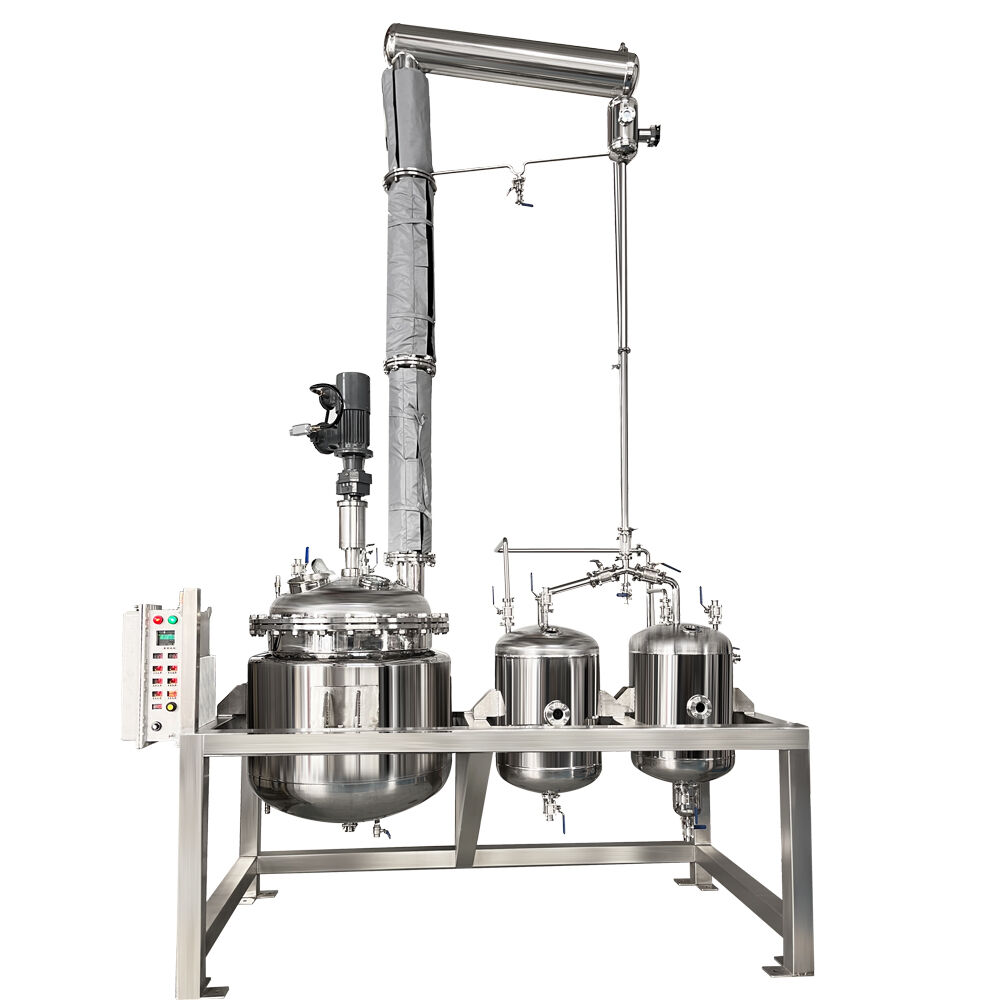
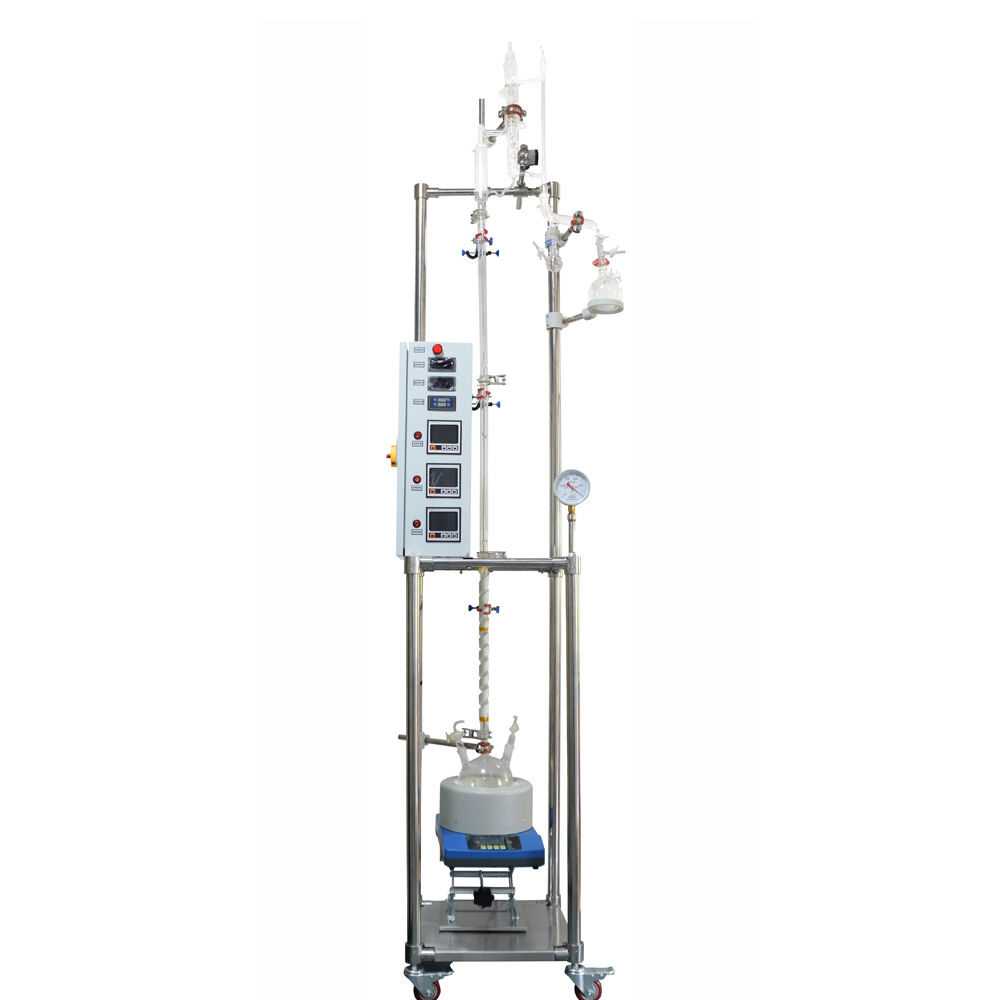
Fractional distillation represents a cornerstone separation technology that enables the precise separation of liquid mixtures based on their distinct boiling points. This sophisticated process operates through controlled heating and selective condensation, making it indispensable across numerous industrial sectors. The fractional distillation system functions by gradually heating a mixture until components vaporize at their respective boiling temperatures, then cooling these vapors to collect purified fractions separately. The technology employs specialized columns packed with materials that create multiple theoretical plates, enhancing separation efficiency dramatically. Each theoretical plate acts as a mini-distillation unit, allowing for remarkably pure product recovery. The fractional distillation process begins when feed material enters the column at an optimal temperature and pressure. As heat applies from the bottom, lighter components rise as vapor while heavier elements descend as liquid. This counter-current flow maximizes contact between vapor and liquid phases, ensuring superior separation performance. Modern fractional distillation systems integrate advanced control mechanisms that monitor temperature profiles, pressure differentials, and reflux ratios continuously. These automated systems maintain optimal operating conditions, preventing product contamination and maximizing yield rates. The technological framework encompasses various column designs including packed towers, tray columns, and structured packing configurations. Each design offers specific advantages depending on mixture characteristics and desired purity levels. Applications span petroleum refining, chemical manufacturing, pharmaceutical production, beverage processing, and essential oil extraction. In petroleum industries, fractional distillation separates crude oil into gasoline, diesel, kerosene, and other valuable products. Chemical plants utilize this technology for solvent recovery, polymer purification, and specialty chemical production. Pharmaceutical companies depend on fractional distillation for active ingredient purification and solvent recycling operations.

New Product Recommendations

Fractional distillation delivers exceptional economic benefits that directly impact operational profitability and resource utilization. Companies implementing fractional distillation systems experience significant cost reductions through efficient raw material utilization and valuable byproduct recovery. The process maximizes material yield by separating mixtures into multiple sellable fractions rather than producing single products with waste streams. This comprehensive separation capability transforms what might otherwise be waste materials into profitable secondary products. Energy efficiency represents another compelling advantage, as modern fractional distillation systems incorporate heat integration strategies that minimize overall energy consumption. Heat exchangers capture thermal energy from hot product streams and preheat incoming feed materials, reducing external heating requirements substantially. The fractional distillation process operates continuously, providing consistent product quality and reliable production schedules that meet demanding market requirements. Quality control becomes inherently superior because the separation mechanism relies on fundamental physical properties rather than chemical reactions. This approach eliminates concerns about reaction byproducts or catalyst contamination that plague alternative separation methods. Flexibility stands out as a crucial operational advantage, enabling operators to adjust product specifications by modifying operating parameters such as reflux ratio, temperature profiles, and pressure conditions. The fractional distillation system adapts to varying feed compositions without requiring major equipment modifications or process redesigns. Environmental benefits emerge through reduced waste generation and improved resource recovery rates. The technology enables complete material utilization, minimizing disposal requirements and associated environmental compliance costs. Maintenance requirements remain relatively minimal compared to more complex separation technologies, as fractional distillation systems contain fewer moving parts and operate under well-understood principles. Operators can predict maintenance schedules accurately, preventing unexpected downtime and production disruptions. Scalability provides additional value, as fractional distillation systems can be designed for small laboratory applications or massive industrial operations. The underlying principles remain consistent across scale ranges, enabling smooth technology transfer from pilot studies to full commercial implementation. Product purity levels achievable through fractional distillation often exceed those possible with alternative separation methods, making it particularly valuable for high-specification applications in pharmaceutical and electronics industries.

Practical Tips

The Durability Advantage of Stainless Steel Extraction Reactors

29

Oct

The Durability Advantage of Stainless Steel Extraction Reactors

Why Stainless Steel Extraction Reactors Last LongerTypical Lifespan of Stainless Steel Reactors in Industrial ApplicationsIndustrial stainless steel extraction reactors built to last decades in tough environments aren't uncommon these days. The big o...
View More
How to Optimize Reactor Performance with Stainless Steel Material Selection and Mixing Design

12

Nov

How to Optimize Reactor Performance with Stainless Steel Material Selection and Mixing Design

Industrial chemical processing demands precise control over reaction conditions, temperature management, and material compatibility. The selection of appropriate reactor systems significantly impacts product quality, operational efficiency, and long-...
View More
What Design Features Matter in a Rotary and Liftable Stainless Steel Reactor?

20

Jan

What Design Features Matter in a Rotary and Liftable Stainless Steel Reactor?

Modern industrial chemical processing demands precision, efficiency, and reliability in every piece of equipment. Among the most critical components in pharmaceutical, chemical, and biotechnology manufacturing is the rotary and liftable stainless ste...
View More
Explosion-Proof Glass Molecular Distillation System: Principles, Design, and Applications

30

Jan

Explosion-Proof Glass Molecular Distillation System: Principles, Design, and Applications

An explosion-proof glass molecular distillation system is a critical solution for the separation and purification of high-value, heat-sensitive, and solvent-based materials. As industries increasingly demand higher purity, safer operation, and gentle...
View More

Get a Free Quote

Our representative will contact you soon.
Email
Name
Contact Number
Company Name
Message
0/1000

the fractional distillation

Superior Separation Efficiency Through Multi-Stage Processing

Superior Separation Efficiency Through Multi-Stage Processing

The fractional distillation system achieves unprecedented separation efficiency through its innovative multi-stage processing architecture that surpasses conventional single-stage separation methods. This advanced approach utilizes theoretical plates within the distillation column, where each plate functions as an individual equilibrium stage, creating a cascade effect that progressively purifies components with each stage. The multi-stage design enables the fractional distillation process to achieve separation factors that would be impossible through simple distillation techniques. As vapor rises through successive stages, it encounters descending liquid in a counter-current flow pattern that maximizes mass transfer efficiency. Each contact point between vapor and liquid phases represents an opportunity for selective component transfer, with lighter materials preferentially moving upward while heavier components migrate downward. This sophisticated interaction pattern ensures that even components with similar boiling points can be separated effectively. The fractional distillation column design incorporates structured packing or tray systems that optimize surface area contact between phases while maintaining proper flow dynamics. Modern packing materials feature engineered geometries that promote turbulent mixing without creating excessive pressure drops that would compromise system performance. The result is a separation process that can achieve product purities exceeding 99 percent for many applications, making fractional distillation indispensable for industries requiring ultra-high purity materials. Temperature gradient management within the column ensures that each stage operates at its optimal efficiency point, with sophisticated control systems monitoring and adjusting conditions continuously. The multi-stage approach also provides inherent flexibility, allowing operators to modify separation performance by adjusting reflux ratios and reboiler duties without physical equipment changes. This adaptability makes fractional distillation systems valuable investments that can accommodate changing product specifications and market demands over extended operational lifespans.
Advanced Process Control and Automation Integration

Advanced Process Control and Automation Integration

Modern fractional distillation systems incorporate cutting-edge process control and automation technologies that deliver unprecedented operational precision and reliability. These advanced control systems utilize sophisticated algorithms that continuously monitor critical process parameters including temperature profiles, pressure differentials, flow rates, and composition measurements throughout the fractional distillation column. Real-time data analysis enables immediate adjustments to maintain optimal separation performance while preventing process upsets that could compromise product quality or system safety. The automation integration encompasses multiple control loops that work synergistically to maintain steady-state operation despite feed composition variations or external disturbances. Distributed Control Systems coordinate various subsystems including reboilers, condensers, reflux pumps, and product withdrawal systems to ensure seamless operation. Advanced sensors provide continuous feedback on column performance, enabling predictive maintenance strategies that prevent equipment failures before they impact production. The fractional distillation control system features adaptive algorithms that learn from historical performance data and automatically optimize operating parameters for maximum efficiency. Machine learning capabilities enable the system to recognize patterns and trends that human operators might miss, leading to improved decision-making and enhanced process stability. Safety systems integrate seamlessly with process controls, providing multiple layers of protection including emergency shutdown capabilities, pressure relief systems, and fire suppression integration. Remote monitoring capabilities allow operators to oversee fractional distillation operations from centralized control rooms or even mobile devices, improving response times and reducing operational costs. The automation framework includes comprehensive data logging and trending capabilities that support regulatory compliance requirements while providing valuable insights for process optimization initiatives. Integration with enterprise resource planning systems enables automatic production scheduling, inventory management, and quality assurance coordination. These advanced control features transform fractional distillation from a manually intensive operation into a highly automated process that delivers consistent results with minimal human intervention while maintaining the flexibility to respond to changing operational requirements.
Versatile Applications Across Multiple Industries

Versatile Applications Across Multiple Industries

The fractional distillation process demonstrates remarkable versatility through its successful implementation across diverse industrial sectors, each benefiting from the technology's unique separation capabilities and operational advantages. In petroleum refining operations, fractional distillation serves as the primary separation method for crude oil processing, where it separates complex hydrocarbon mixtures into valuable products including gasoline, diesel fuel, jet fuel, kerosene, lubricating oils, and asphalt. The process handles feedstocks ranging from light crude oils to heavy bituminous materials, demonstrating exceptional adaptability to varying raw material characteristics. Chemical manufacturing industries rely extensively on fractional distillation for solvent recovery operations, polymer purification processes, and specialty chemical production. The technology enables efficient separation of reaction products from unreacted materials, facilitating high-yield production while minimizing waste generation. Pharmaceutical manufacturers utilize fractional distillation for active pharmaceutical ingredient purification, where the process achieves the stringent purity requirements demanded by regulatory authorities. The technology proves particularly valuable for heat-sensitive compounds when operated under reduced pressure conditions that lower boiling points and prevent thermal degradation. Food and beverage industries employ fractional distillation for alcohol production, essential oil extraction, and flavor compound concentration. Distilleries use the process to produce high-quality spirits with precise alcohol content control, while essential oil producers separate valuable aromatic compounds from plant materials. Environmental applications include waste solvent recovery systems that enable companies to recycle contaminated solvents rather than disposing of them as hazardous waste. This application provides significant cost savings while supporting sustainability objectives. The fractional distillation system adapts to batch or continuous operation modes, accommodating different production requirements and market demands. Laboratory applications utilize small-scale fractional distillation equipment for analytical purposes, quality control testing, and research and development activities. The technology scales seamlessly from laboratory bench-top units processing milliliters to industrial installations handling thousands of barrels per day. Each application benefits from the fundamental advantages of fractional distillation including high separation efficiency, reliable operation, and excellent product quality control, making it a preferred choice across multiple industries seeking dependable separation solutions.

Get a Free Quote

Our representative will contact you soon.
Email
Name
Contact Number
Company Name
Message
0/1000