 EN
EN

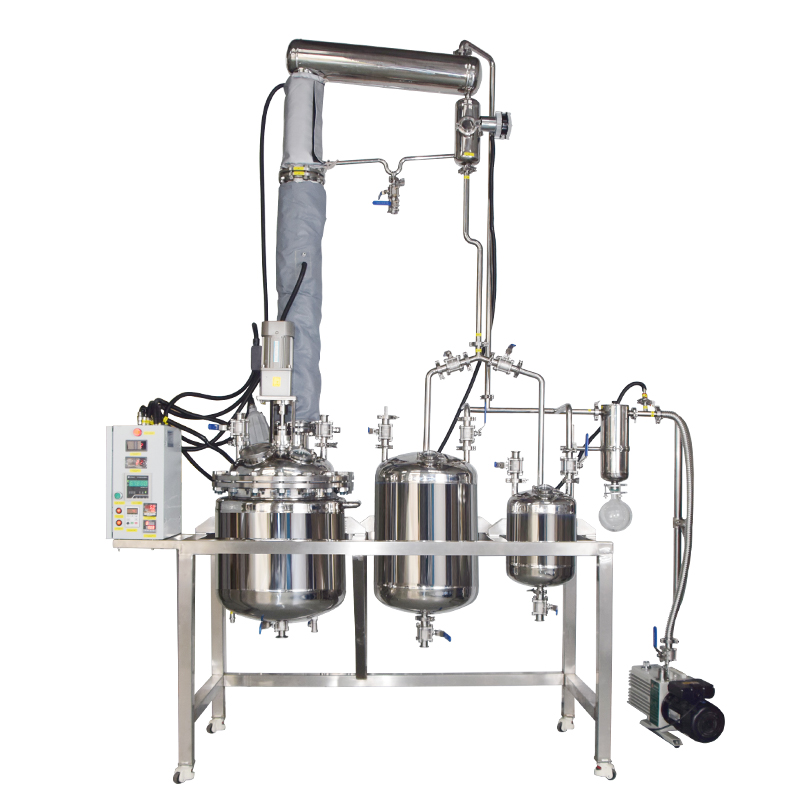
The chemical processing industry continues to evolve with groundbreaking advancements in separation technologies, particularly in the realm of distillation equipment. Modern manufacturing facilities demand superior performance, enhanced efficiency, and uncompromising safety standards when it comes to their distillation operations. The stainless steel distillation vessel has emerged as the gold standard for laboratories and industrial applications worldwide, offering unprecedented reliability and precision in chemical separation processes.
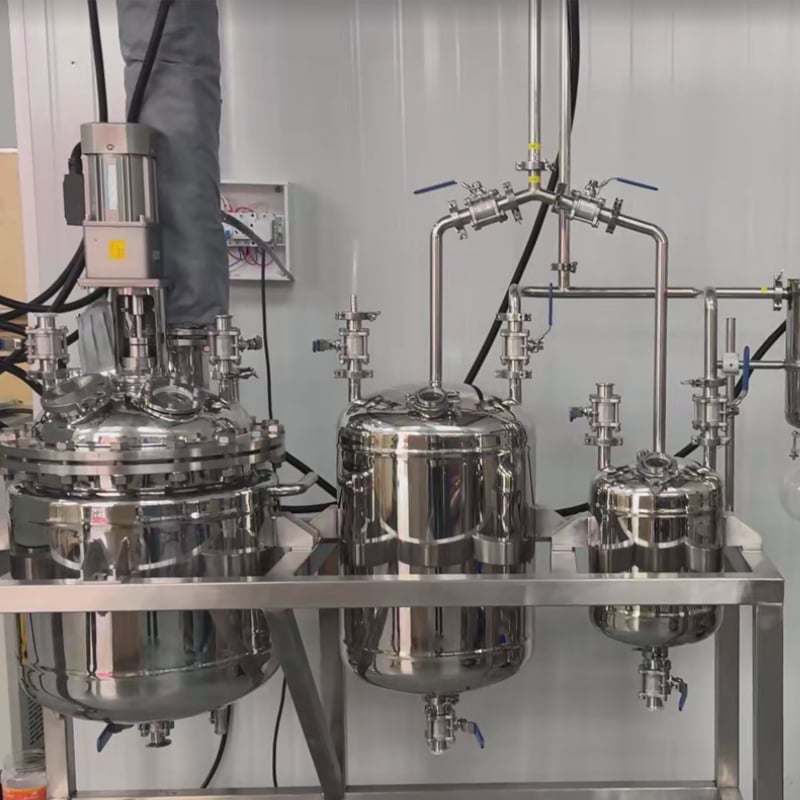
Recent technological breakthroughs have revolutionized how chemical engineers approach distillation challenges, with stainless steel construction leading the charge in material innovation. These advanced systems incorporate cutting-edge design principles that maximize separation efficiency while minimizing energy consumption and operational costs. Industry leaders are increasingly recognizing the superior corrosion resistance and thermal stability that premium stainless steel distillation vessel configurations provide across diverse chemical processing applications.
Advanced Material Composition and Construction Methods
High-Grade Stainless Steel Alloys
Contemporary stainless steel distillation vessel manufacturing utilizes specialized alloy compositions that deliver exceptional performance under extreme operating conditions. Grade 316L stainless steel has become the preferred material choice, offering enhanced corrosion resistance against aggressive chemicals and superior mechanical properties at elevated temperatures. These premium alloys incorporate molybdenum additions that significantly improve pitting resistance and overall durability in demanding distillation environments.
Manufacturing processes now employ advanced metallurgical techniques that ensure uniform grain structure throughout the stainless steel distillation vessel construction. Controlled atmosphere heat treatment procedures optimize the microstructure, resulting in enhanced stress corrosion cracking resistance and improved fatigue life. These innovations enable distillation systems to maintain consistent performance over extended operational periods while reducing maintenance requirements and downtime costs.
Precision Welding and Fabrication Technologies
Modern fabrication techniques utilize automated orbital welding systems that create flawless joints in stainless steel distillation vessel assemblies. These computer-controlled welding processes ensure consistent penetration and eliminate human error factors that could compromise system integrity. Advanced purge gas management during welding operations prevents oxidation and maintains the corrosion-resistant properties of the base materials throughout the entire vessel structure.
Sophisticated quality control procedures incorporate non-destructive testing methods such as radiographic inspection and liquid penetrant testing to verify weld quality. Each stainless steel distillation vessel undergoes comprehensive pressure testing and leak detection protocols before shipment, ensuring compliance with international safety standards and regulatory requirements. These rigorous validation processes guarantee optimal performance and longevity in critical chemical processing applications.
Innovative Design Features and Performance Enhancements
Optimized Internal Components
Revolutionary packing designs and tray configurations within modern stainless steel distillation vessel systems significantly improve separation efficiency and reduce pressure drop across the column. Structured packing materials manufactured from corrosion-resistant stainless steel provide enhanced mass transfer characteristics while maintaining excellent mechanical stability. These advanced internals enable higher throughput rates and improved product purity compared to traditional distillation equipment designs.
Innovative vapor-liquid distribution systems ensure uniform flow patterns throughout the stainless steel distillation vessel, eliminating channeling effects that can compromise separation performance. Specially designed liquid distributors and vapor inlet systems optimize contact between phases, maximizing efficiency while minimizing energy consumption. These enhancements result in superior product quality and reduced operational costs across diverse chemical processing applications.
Advanced Temperature and Pressure Control Systems
State-of-the-art instrumentation packages integrated with stainless steel distillation vessel systems provide precise control over operating parameters and enable real-time optimization of separation processes. Digital temperature sensors and pressure transmitters offer exceptional accuracy and reliability, allowing operators to maintain optimal conditions throughout the distillation cycle. These sophisticated control systems incorporate predictive algorithms that anticipate process variations and automatically adjust operating parameters to maintain consistent product quality.
Modern safety interlock systems protect stainless steel distillation vessel equipment from overpressure conditions and temperature excursions that could damage internal components or compromise operator safety. Emergency shutdown procedures can be initiated automatically based on predetermined alarm setpoints, ensuring rapid response to potentially hazardous situations. These comprehensive safety features exceed industry standards and provide peace of mind for facility operators and management personnel.
Energy Efficiency and Environmental Sustainability
Heat Integration and Recovery Systems
Contemporary stainless steel distillation vessel designs incorporate advanced heat exchanger networks that recover thermal energy from product streams and recycle it back into the process. These heat integration systems can reduce energy consumption by up to forty percent compared to conventional distillation configurations, resulting in substantial operational cost savings and reduced environmental impact. Plate-type heat exchangers constructed from premium stainless steel materials provide excellent heat transfer coefficients while maintaining corrosion resistance.
Innovative reboiler and condenser designs optimize heat transfer performance while minimizing fouling tendencies that can degrade efficiency over time. Advanced surface treatments and specialized alloy compositions in heat transfer components extend cleaning intervals and reduce maintenance requirements. These improvements ensure consistent thermal performance throughout the operational life of the stainless steel distillation vessel system.
Emissions Reduction and Environmental Compliance
Modern stainless steel distillation vessel installations incorporate sophisticated vapor recovery systems that capture and process fugitive emissions, ensuring compliance with stringent environmental regulations. These systems utilize advanced condensation and absorption technologies to recover valuable products while minimizing atmospheric releases. Stainless steel construction ensures long-term reliability and maintains emission control system effectiveness over extended operating periods.
Integrated monitoring systems continuously track emissions and provide real-time feedback to operators regarding environmental performance. Advanced data logging capabilities enable facilities to demonstrate regulatory compliance and identify opportunities for further emission reductions. These comprehensive environmental management features position stainless steel distillation vessel systems as sustainable solutions for modern chemical processing operations.
Automation and Digital Integration Technologies
Smart Sensor Networks and Data Analytics
Advanced stainless steel distillation vessel systems integrate Internet of Things sensor networks that continuously monitor critical operating parameters and equipment health indicators. These smart sensors provide unprecedented visibility into process performance and enable predictive maintenance strategies that minimize unplanned downtime. Machine learning algorithms analyze historical data patterns to identify optimal operating conditions and predict potential equipment failures before they occur.
Cloud-based data analytics platforms process information from multiple stainless steel distillation vessel installations, enabling operators to benchmark performance and identify best practices across their facility networks. Real-time dashboards provide operators with actionable insights that support informed decision-making and process optimization initiatives. These digital transformation capabilities position modern distillation systems at the forefront of Industry 4.0 manufacturing trends.
Remote Monitoring and Control Capabilities
Contemporary stainless steel distillation vessel control systems enable remote monitoring and operation through secure internet connections, allowing expert operators to manage multiple installations from centralized control rooms. Advanced cybersecurity protocols protect against unauthorized access while maintaining operational flexibility and responsiveness. These remote capabilities prove particularly valuable for facilities operating in challenging locations or during emergency situations.
Mobile applications provide facility managers with real-time access to stainless steel distillation vessel performance data and alarm notifications, enabling rapid response to process upsets or equipment issues. Push notification systems ensure critical personnel remain informed of system status regardless of their physical location. These connectivity features enhance operational efficiency and support proactive maintenance management strategies.
Application-Specific Innovations and Customization
Pharmaceutical and Biotechnology Applications
Specialized stainless steel distillation vessel configurations designed for pharmaceutical manufacturing incorporate enhanced sanitary features and validation documentation to support Good Manufacturing Practice requirements. Electropolished internal surfaces eliminate potential contamination sources and facilitate thorough cleaning between production campaigns. Steam-in-place and clean-in-place systems integrated into the vessel design ensure consistent sanitization and validation compliance.
Advanced documentation packages accompanying pharmaceutical-grade stainless steel distillation vessel systems include material certifications, welding procedures, and testing records that support regulatory submissions and facility audits. These comprehensive quality assurance programs ensure compliance with FDA and international pharmaceutical manufacturing standards while maintaining the flexibility required for diverse product applications.
Fine Chemical and Specialty Product Manufacturing
Precision-engineered stainless steel distillation vessel systems for fine chemical production incorporate specialized internals and control systems that achieve exceptional separation performance required for high-value products. Variable reflux ratio capabilities and precise temperature control enable operators to optimize product quality while maximizing yield from expensive raw materials. These advanced systems support the production of pharmaceutical intermediates, electronic chemicals, and specialty materials that demand the highest purity standards.
Modular construction approaches allow stainless steel distillation vessel systems to be easily reconfigured for different product campaigns, providing manufacturing flexibility while minimizing capital investment requirements. Quick-change internals and standardized connections enable rapid transitions between products, reducing downtime and improving overall facility utilization. These versatile designs support the dynamic requirements of modern specialty chemical manufacturing operations.
FAQ
What are the primary advantages of stainless steel construction for distillation vessels?
Stainless steel distillation vessel construction offers superior corrosion resistance, excellent mechanical properties at elevated temperatures, and exceptional durability compared to alternative materials. The non-reactive surface properties prevent contamination of processed materials while maintaining consistent performance over extended operational periods. Additionally, stainless steel construction facilitates thorough cleaning and sanitization, making it ideal for pharmaceutical and food-grade applications where product purity is critical.
How do modern control systems enhance distillation vessel performance?
Contemporary stainless steel distillation vessel systems incorporate advanced digital control platforms that provide precise regulation of temperature, pressure, and flow parameters throughout the separation process. These intelligent systems utilize predictive algorithms to optimize operating conditions automatically, resulting in improved product quality and reduced energy consumption. Real-time monitoring capabilities enable operators to detect and respond to process variations quickly, maintaining consistent performance and preventing quality deviations.
What maintenance requirements are associated with stainless steel distillation vessels?
Modern stainless steel distillation vessel systems require minimal maintenance due to their robust construction and corrosion-resistant properties. Routine maintenance typically involves periodic inspection of internal components, cleaning of heat transfer surfaces, and verification of instrumentation calibration. The inherent durability of stainless steel construction significantly reduces replacement part requirements and extends operational life compared to alternative materials, resulting in lower total cost of ownership over the equipment lifecycle.
How do energy efficiency innovations impact operational costs?
Advanced stainless steel distillation vessel designs incorporate heat integration systems and optimized internal configurations that substantially reduce energy consumption compared to traditional distillation equipment. These efficiency improvements can decrease utility costs by thirty to forty percent while maintaining or improving separation performance. The combination of reduced energy requirements and extended equipment life resulting from superior stainless steel construction provides significant long-term cost savings for industrial facilities operating distillation processes.
Table of Contents
- Advanced Material Composition and Construction Methods
- Innovative Design Features and Performance Enhancements
- Energy Efficiency and Environmental Sustainability
- Automation and Digital Integration Technologies
- Application-Specific Innovations and Customization
-
FAQ
- What are the primary advantages of stainless steel construction for distillation vessels?
- How do modern control systems enhance distillation vessel performance?
- What maintenance requirements are associated with stainless steel distillation vessels?
- How do energy efficiency innovations impact operational costs?