Simple Fractional Vacuum Distillation Systems - Advanced Separation Technology Solutions

Get a Free Quote

Our representative will contact you soon.
Email
Name
Contact Number
Company Name
Message
0/1000

simple fractional vacuum distillation

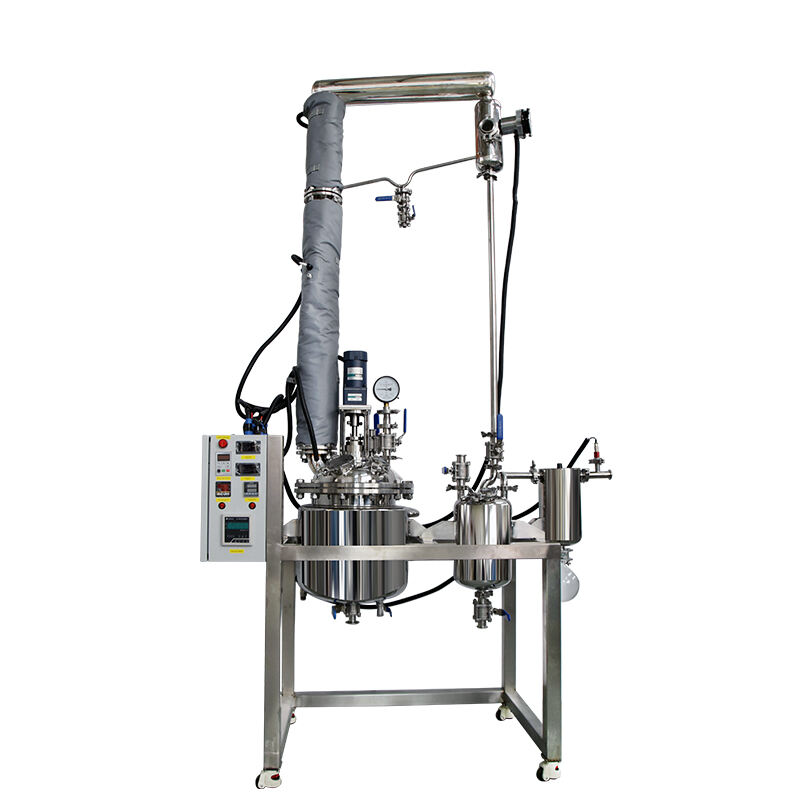
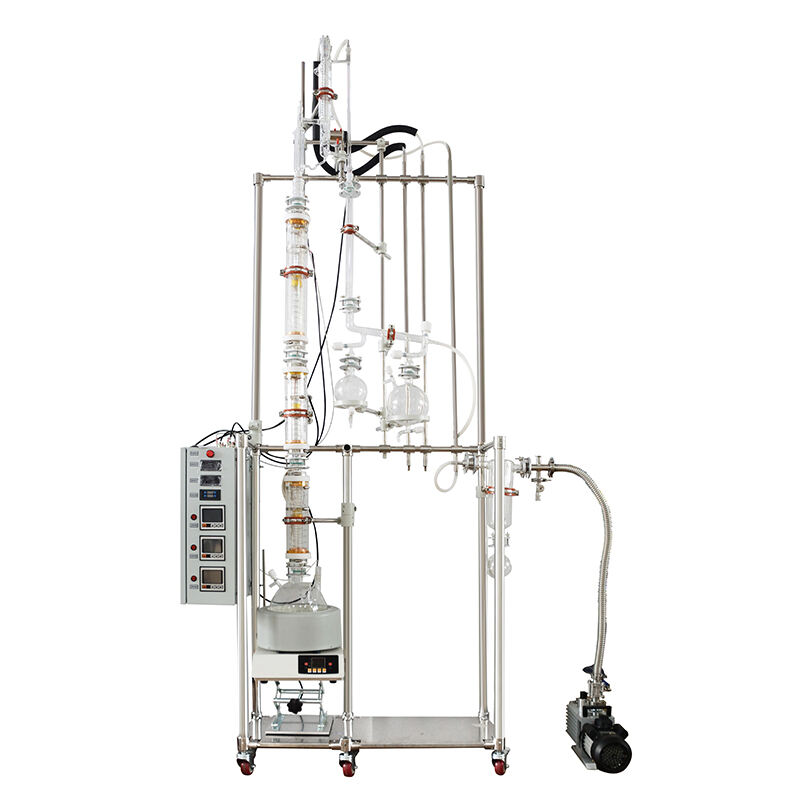
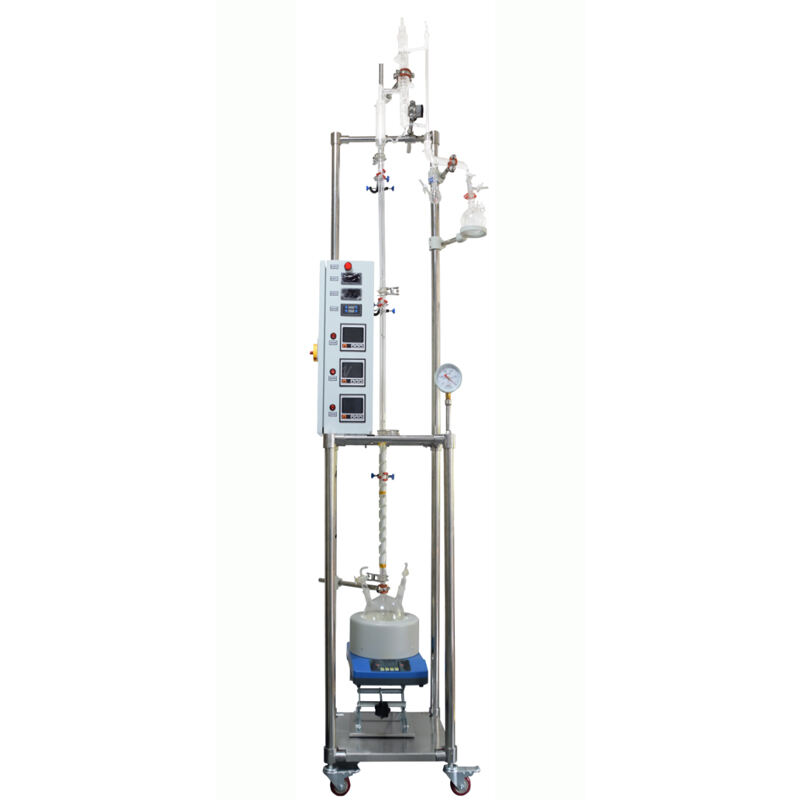
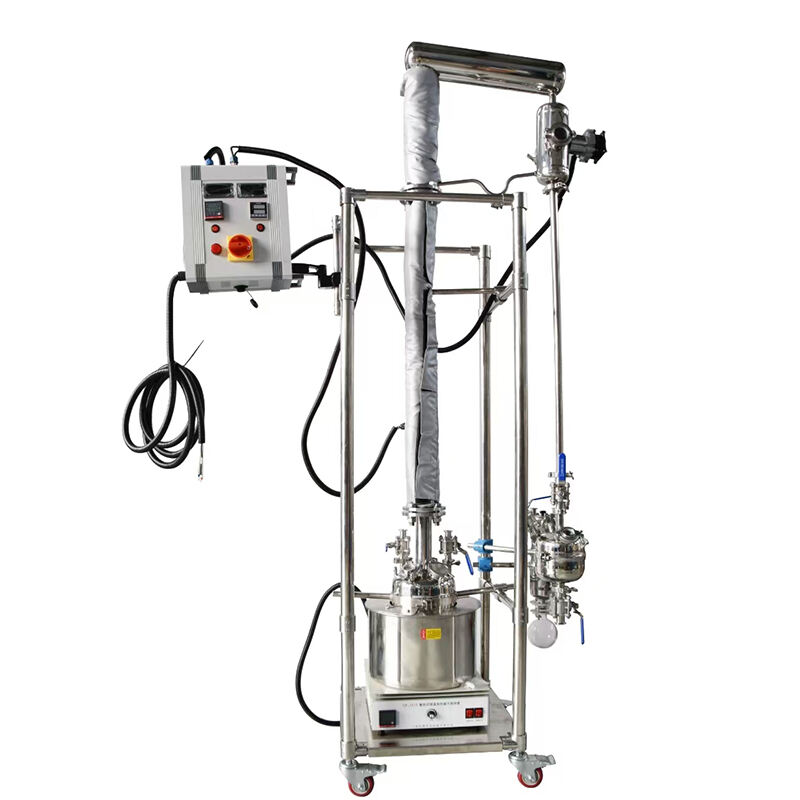
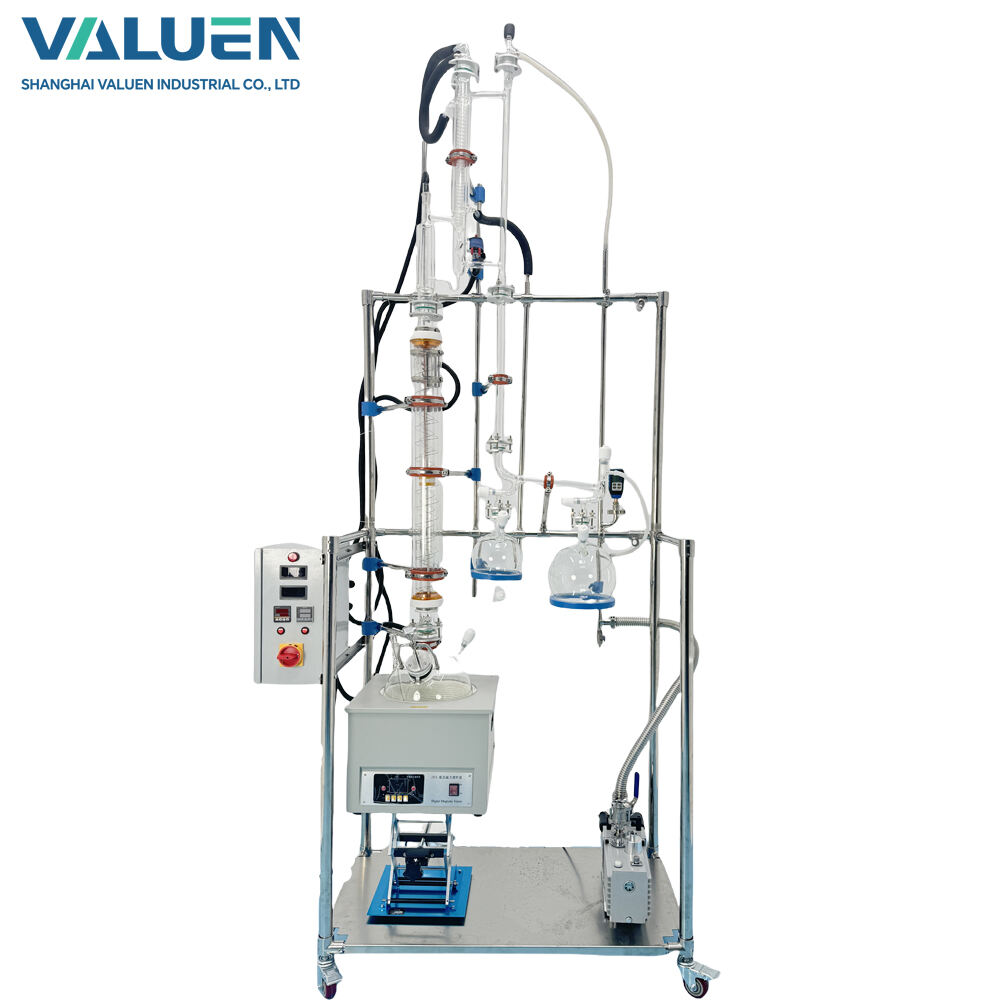
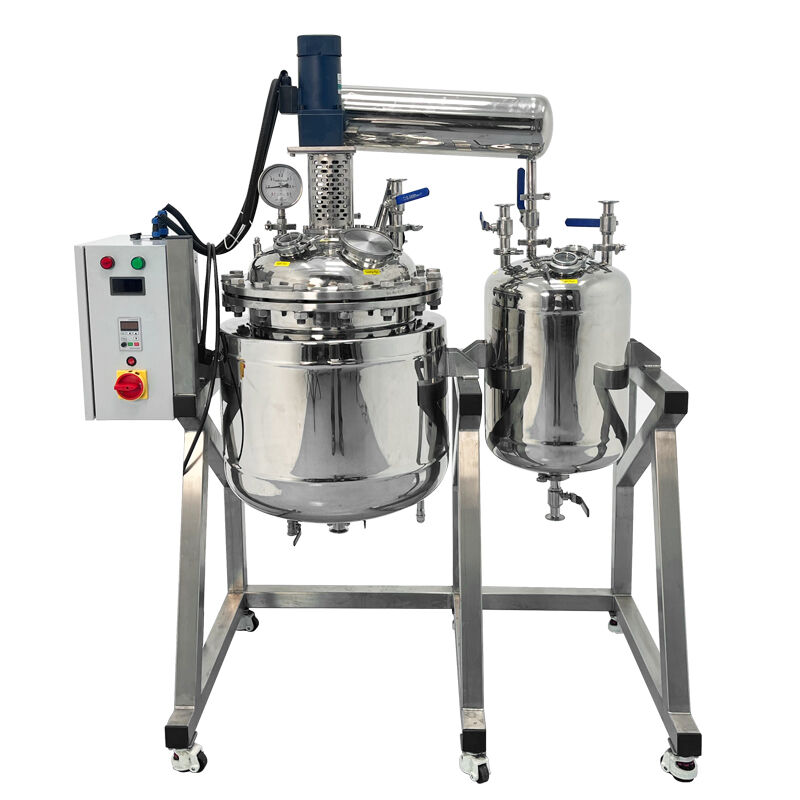
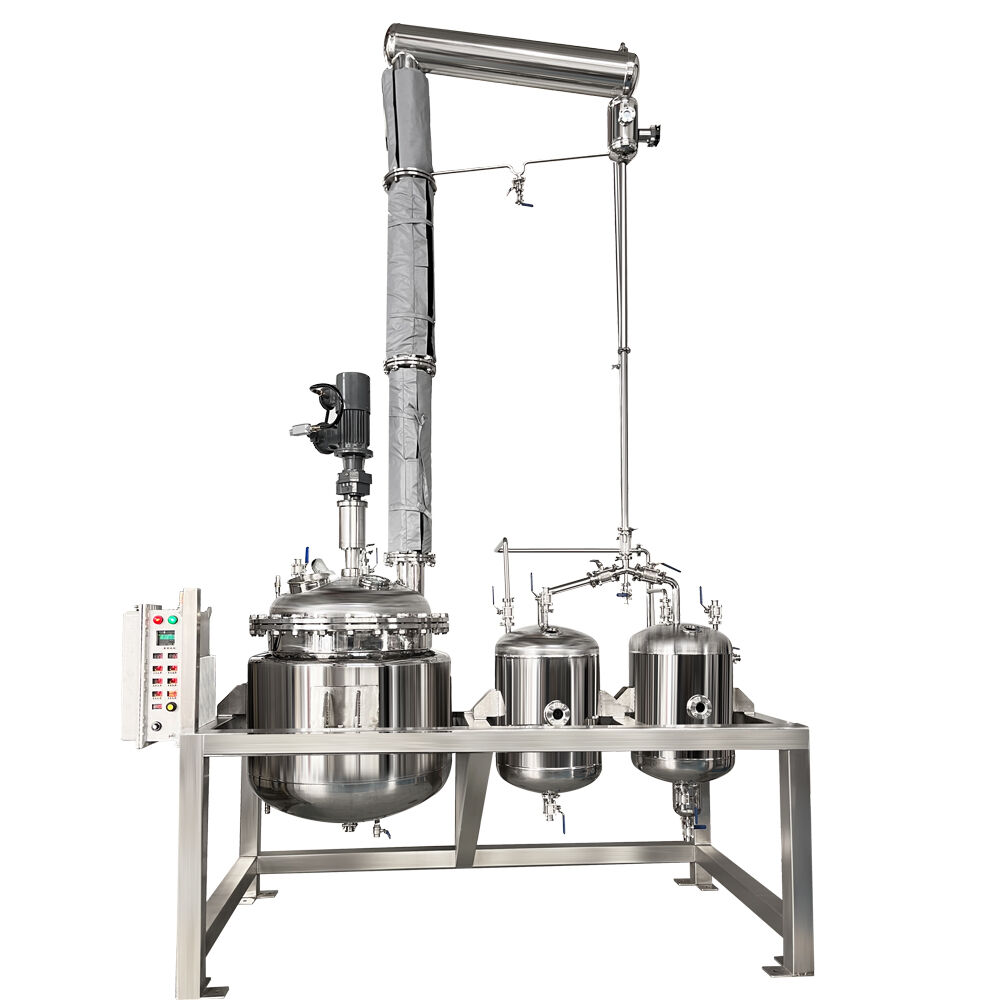
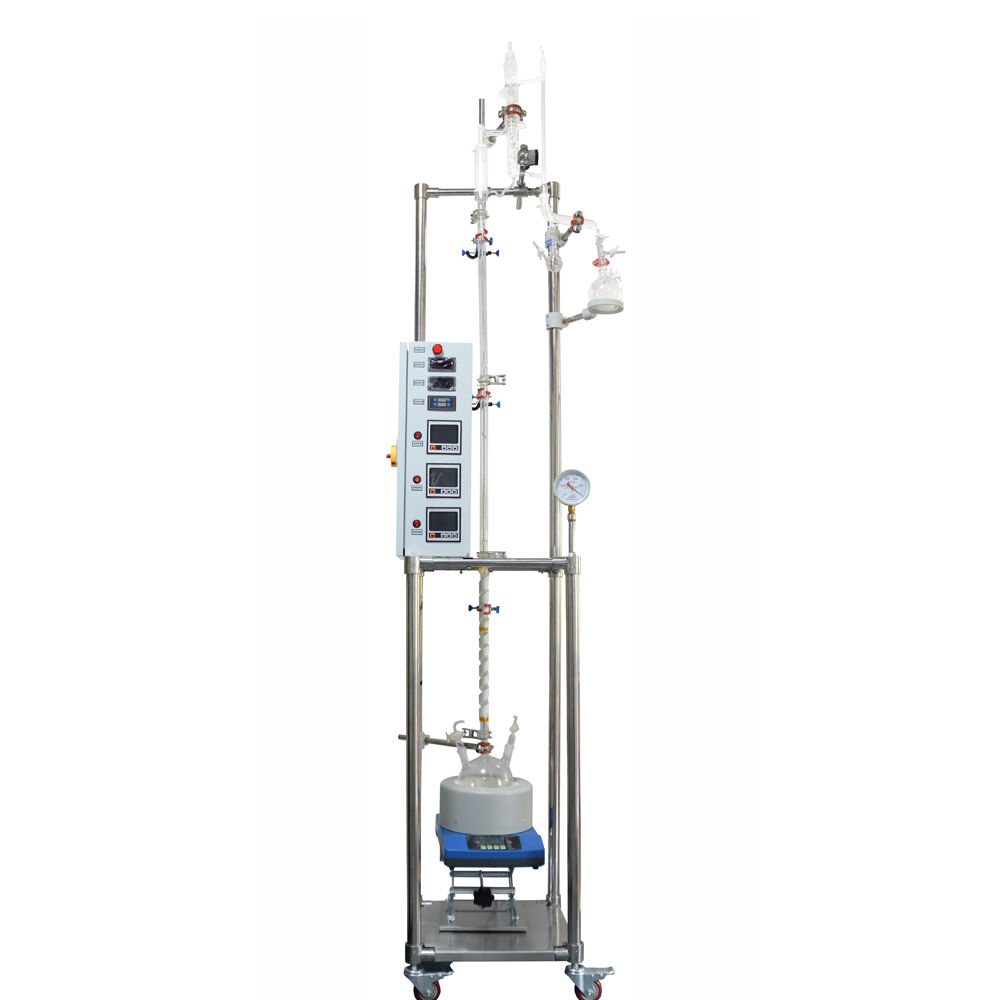
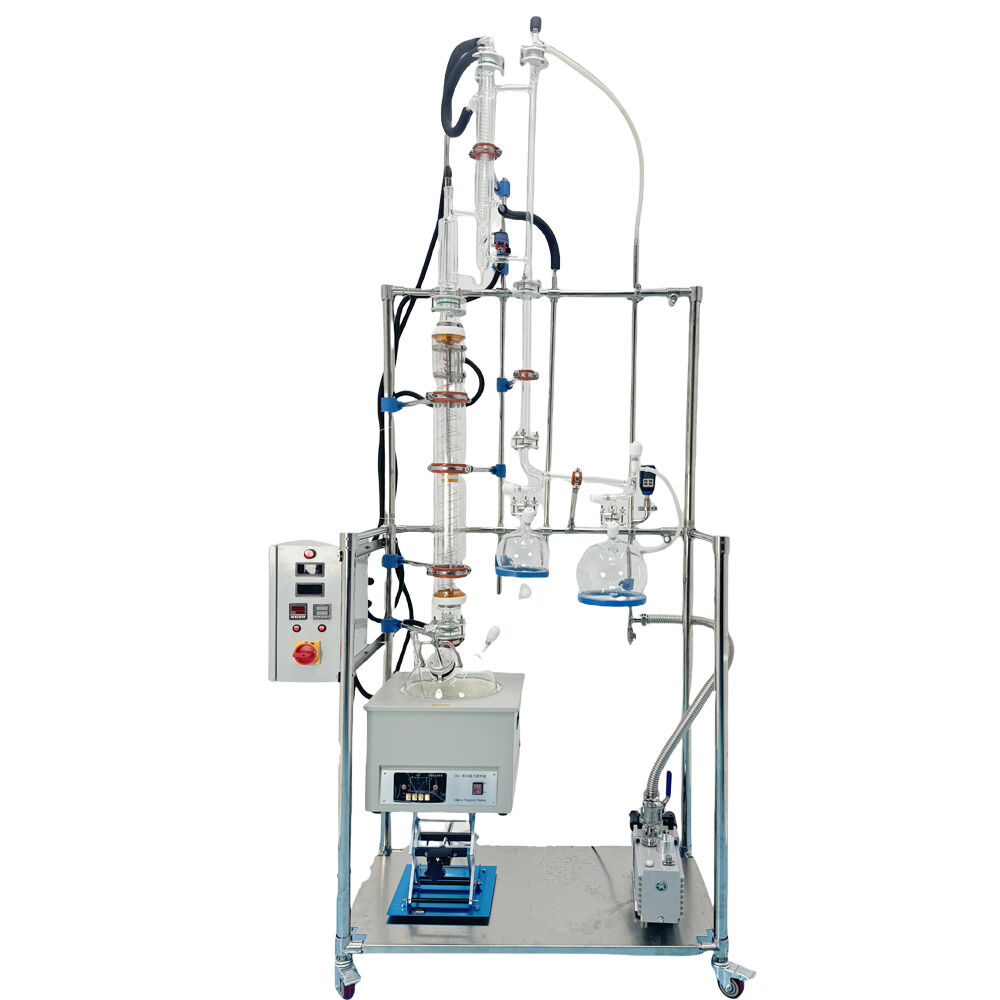
Simple fractional vacuum distillation represents a sophisticated separation technique that combines the principles of fractional distillation with reduced pressure environments to achieve superior purification results. This advanced method operates by lowering the atmospheric pressure within the distillation system, which subsequently reduces the boiling points of various compounds, enabling separation at lower temperatures than conventional atmospheric distillation processes. The main functions of simple fractional vacuum distillation include separating complex mixtures into individual components, purifying heat-sensitive materials, and recovering valuable compounds that would otherwise decompose at higher temperatures. The technological features of this process center around a specialized vacuum system that maintains consistent low pressure throughout the operation. The distillation column contains multiple theoretical plates or packing material that provides extensive surface area for vapor-liquid contact, ensuring efficient separation. Temperature control systems monitor and regulate heating to prevent thermal degradation while maintaining optimal separation conditions. The vacuum pump system removes air and non-condensable gases, creating the reduced pressure environment essential for effective operation. Applications for simple fractional vacuum distillation span numerous industries including pharmaceuticals, where it purifies active ingredients and removes impurities from drug compounds. The petrochemical industry utilizes this technology for refining crude oil fractions and producing high-quality lubricants. Food processing companies employ vacuum distillation to concentrate flavors, extract essential oils, and purify food additives without damaging heat-sensitive components. Chemical manufacturing relies on this process for solvent recovery, waste treatment, and producing high-purity chemicals. The cosmetics industry uses simple fractional vacuum distillation to purify ingredients and create concentrated extracts for skincare products. Research laboratories depend on this technique for analytical purposes and small-scale purification projects. Environmental applications include treating contaminated water and recovering valuable materials from waste streams, making it an environmentally sustainable separation technology.

New Product Recommendations

Simple fractional vacuum distillation offers numerous compelling advantages that make it the preferred choice for demanding separation applications across various industries. The primary benefit lies in its ability to operate at significantly lower temperatures compared to atmospheric distillation, which protects heat-sensitive compounds from thermal decomposition and degradation. This temperature reduction capability allows processors to handle materials that would otherwise be impossible to separate using conventional methods, expanding the range of applications and improving product quality significantly. Energy efficiency represents another major advantage of simple fractional vacuum distillation systems. By reducing operating temperatures, these systems require less energy input for heating, resulting in substantial cost savings over time. The lower energy requirements translate directly into reduced operational costs, making the process more economically viable for large-scale industrial applications. Additionally, the reduced thermal stress on equipment components extends their operational lifespan, decreasing maintenance costs and improving overall system reliability. The enhanced separation efficiency achieved through simple fractional vacuum distillation surpasses conventional distillation methods. The combination of reduced pressure and multiple theoretical stages creates optimal conditions for achieving high-purity separations with improved recovery rates. This superior performance means processors can obtain higher yields of desired products while minimizing waste generation, improving both profitability and environmental sustainability. Product quality improvements represent a significant advantage for manufacturers using simple fractional vacuum distillation. The gentle operating conditions preserve the integrity of sensitive compounds, maintaining their original properties and characteristics. This quality preservation is particularly valuable in pharmaceutical and food applications where product purity and stability are critical requirements. The versatility of simple fractional vacuum distillation systems allows them to handle a wide range of feedstocks and operating conditions. Operators can easily adjust vacuum levels, temperatures, and reflux ratios to optimize separation performance for different applications. This flexibility enables a single system to process multiple products efficiently, maximizing equipment utilization and return on investment. Environmental benefits include reduced emissions and waste generation compared to alternative separation methods. The closed-loop nature of vacuum distillation systems minimizes environmental impact while enabling solvent recovery and reuse, supporting sustainable manufacturing practices and regulatory compliance objectives.

Tips And Tricks

What Industries Benefit Most From Advanced Fractional Distillation Systems?

24

Dec

What Industries Benefit Most From Advanced Fractional Distillation Systems?

Industrial separation processes have evolved significantly over the past century, with fractional distillation equipment emerging as one of the most critical technologies for achieving high-purity separations. This sophisticated process leverages dif...
View More
How to Select a High Pressure Reactor for Industrial Chemical Synthesis?

24

Dec

How to Select a High Pressure Reactor for Industrial Chemical Synthesis?

Industrial chemical synthesis often requires precise control over reaction conditions, with pressure being one of the most critical parameters. A high pressure reactor serves as the cornerstone equipment for processes demanding elevated pressures, en...
View More
What Are the Key Advantages of a Rotary and Liftable Stainless Steel Reactor?

20

Jan

What Are the Key Advantages of a Rotary and Liftable Stainless Steel Reactor?

Modern industrial processing demands equipment that combines efficiency, versatility, and durability. A rotary and liftable stainless steel reactor represents a significant advancement in chemical processing technology, offering manufacturers the fle...
View More
How Does a Stainless Steel Reactor Support Customization and Scale-Up?

20

Jan

How Does a Stainless Steel Reactor Support Customization and Scale-Up?

The chemical processing industry faces constant pressure to optimize production while maintaining safety and quality standards. A stainless steel reactor serves as the cornerstone of countless manufacturing operations, providing the durability and ve...
View More

Get a Free Quote

Our representative will contact you soon.
Email
Name
Contact Number
Company Name
Message
0/1000

simple fractional vacuum distillation

Advanced Temperature Control Technology

Advanced Temperature Control Technology

The advanced temperature control technology integrated into simple fractional vacuum distillation systems represents a revolutionary approach to managing thermal conditions during separation processes. This sophisticated control mechanism operates through a network of precision temperature sensors strategically positioned throughout the distillation column, reboiler, and condenser sections. These sensors continuously monitor temperature variations and transmit real-time data to a centralized control system that automatically adjusts heating and cooling parameters to maintain optimal operating conditions. The importance of this temperature control technology cannot be overstated, as it directly impacts separation efficiency, product quality, and energy consumption. By maintaining precise temperature profiles throughout the distillation column, the system ensures that each component reaches its optimal vaporization point without exceeding thermal degradation thresholds. This level of control is particularly crucial when processing heat-sensitive materials such as pharmaceutical intermediates, essential oils, or specialty chemicals that can lose their effectiveness or develop unwanted byproducts when exposed to excessive temperatures. The value this technology brings to potential customers extends far beyond basic temperature management. Manufacturers benefit from consistent product quality, as the controlled thermal environment prevents batch-to-batch variations that can occur with manual temperature regulation. The automated nature of the control system reduces the need for constant operator supervision, allowing skilled personnel to focus on other critical tasks while ensuring optimal distillation performance. Furthermore, the precise temperature control minimizes energy waste by preventing overheating and reducing the need for excessive cooling, resulting in significant operational cost savings. The advanced algorithms incorporated into the temperature control system can predict and compensate for process disturbances before they impact separation performance. This predictive capability ensures continuous operation and prevents costly production interruptions that could occur due to temperature fluctuations. For pharmaceutical manufacturers, this technology provides the regulatory compliance assurance needed for FDA validation, as the documented temperature control demonstrates consistent manufacturing processes essential for drug approval and market authorization.
Superior Vacuum System Engineering

Superior Vacuum System Engineering

Superior vacuum system engineering forms the cornerstone of effective simple fractional vacuum distillation operations, distinguishing high-performance systems from conventional alternatives. This engineering excellence encompasses the design and integration of multiple vacuum components working in harmony to create and maintain optimal reduced pressure conditions throughout the distillation process. The vacuum system typically incorporates primary and secondary vacuum pumps, designed with redundancy to ensure continuous operation even during maintenance periods. Advanced vacuum controllers monitor pressure levels with exceptional accuracy, automatically adjusting pump speeds and valve positions to maintain predetermined vacuum setpoints regardless of process variations or external conditions. The engineering superiority extends to specialized vacuum line designs that minimize pressure drops and eliminate dead zones where vapors could condense prematurely. These systems feature properly sized piping, strategic placement of vacuum breakers, and innovative vapor distribution systems that ensure uniform vacuum conditions throughout the entire distillation apparatus. The importance of superior vacuum system engineering becomes evident when considering the fundamental physics of vacuum distillation. Maintaining consistent vacuum levels directly correlates with achieving predictable boiling points and separation efficiency. Even minor pressure fluctuations can cause significant changes in component volatility, potentially compromising separation performance and product purity. The engineered vacuum systems prevent these fluctuations through robust design and intelligent control algorithms that compensate for process variations in real-time. The value proposition for potential customers includes dramatically improved separation performance, as the stable vacuum environment enables precise control over component volatility relationships. This control translates into higher product purities, improved recovery rates, and reduced processing times compared to systems with inferior vacuum engineering. Additionally, the reliability of superior vacuum systems reduces unplanned downtime and maintenance costs, as the robust design and quality components withstand the demanding operating conditions typical of industrial distillation applications. For companies processing valuable or difficult-to-separate materials, the investment in superior vacuum system engineering pays dividends through improved yields, consistent quality, and operational reliability that supports continuous production schedules and customer delivery commitments.
Multi-Stage Separation Optimization

Multi-Stage Separation Optimization

Multi-stage separation optimization represents the pinnacle of simple fractional vacuum distillation technology, enabling unprecedented separation efficiency through sophisticated engineering and process control strategies. This optimization approach involves the strategic design and operation of multiple theoretical stages within the distillation column, each contributing to the overall separation performance through carefully controlled vapor-liquid equilibrium conditions. The optimization process begins with advanced modeling software that predicts optimal stage configurations based on feed composition, desired product specifications, and operating constraints. This computational approach ensures that each theoretical stage operates at maximum efficiency, contributing to superior overall separation performance that exceeds conventional distillation capabilities. The multi-stage optimization extends beyond simple stage counting to encompass advanced control strategies that dynamically adjust operating parameters based on real-time process conditions. These strategies include variable reflux ratio control, side-stream optimization, and thermal integration techniques that maximize separation efficiency while minimizing energy consumption. The sophisticated control algorithms continuously monitor column performance and automatically adjust operating parameters to maintain optimal separation conditions despite variations in feed composition or external operating conditions. The importance of multi-stage separation optimization becomes apparent when processing complex mixtures containing components with similar volatilities or when achieving ultra-high purity requirements. Traditional distillation methods often struggle with such challenging separations, requiring excessive energy input or producing suboptimal results. The optimized multi-stage approach overcomes these limitations by providing numerous opportunities for vapor-liquid contact, enabling the separation of even closely related compounds with exceptional efficiency and precision. The customer value derived from multi-stage separation optimization includes significantly improved product purities, often exceeding 99.9% for critical applications. This level of purity is essential for pharmaceutical, electronics, and specialty chemical applications where trace impurities can compromise product performance or regulatory compliance. Additionally, the optimization reduces processing time and energy consumption compared to conventional methods, as the enhanced efficiency means shorter residence times and lower energy requirements for achieving desired separation objectives. The flexibility of optimized multi-stage systems allows processors to adapt quickly to changing product requirements or feed compositions, providing operational versatility that supports diverse production needs and market opportunities while maintaining consistently high separation performance standards.

Get a Free Quote

Our representative will contact you soon.
Email
Name
Contact Number
Company Name
Message
0/1000