Fractional Distillation of Pyrolysis Oil: Advanced Waste-to-Fuel Technology for Sustainable Energy Production

Get a Free Quote

Our representative will contact you soon.
Email
Name
Contact Number
Company Name
Message
0/1000

fractional distillation of pyrolysis oil

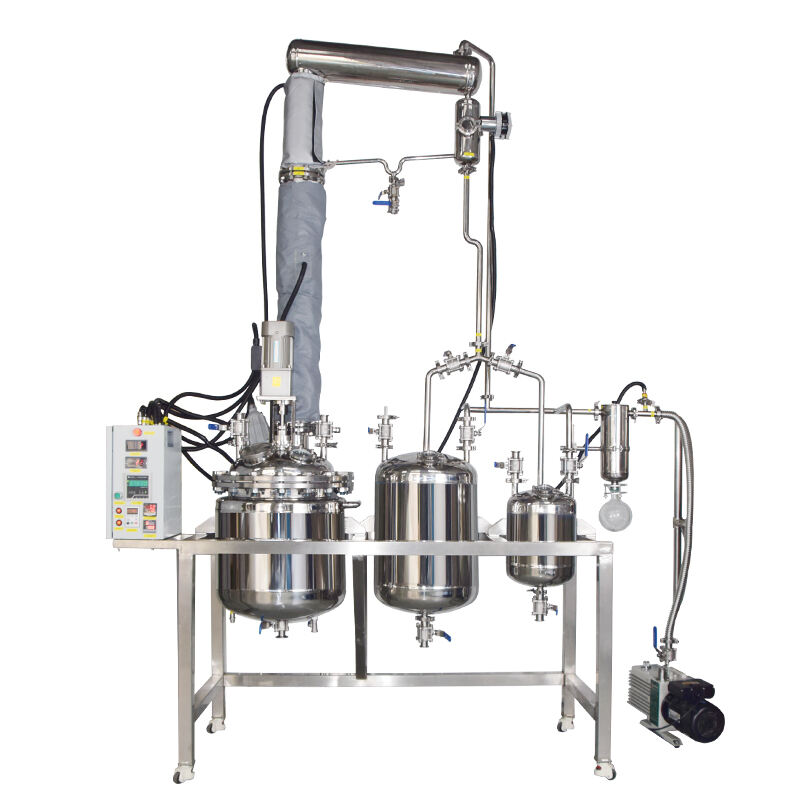
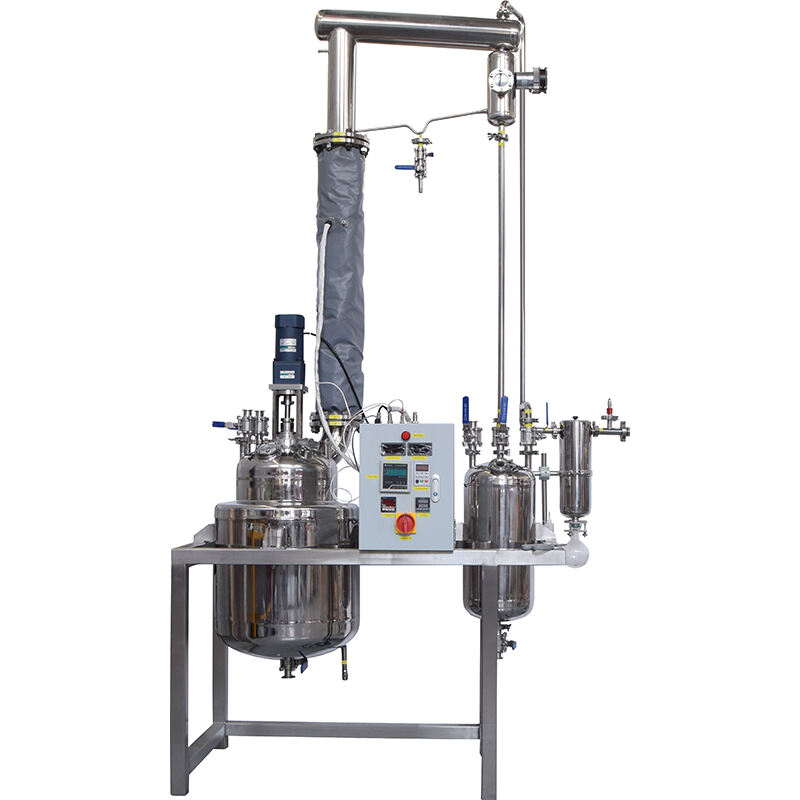
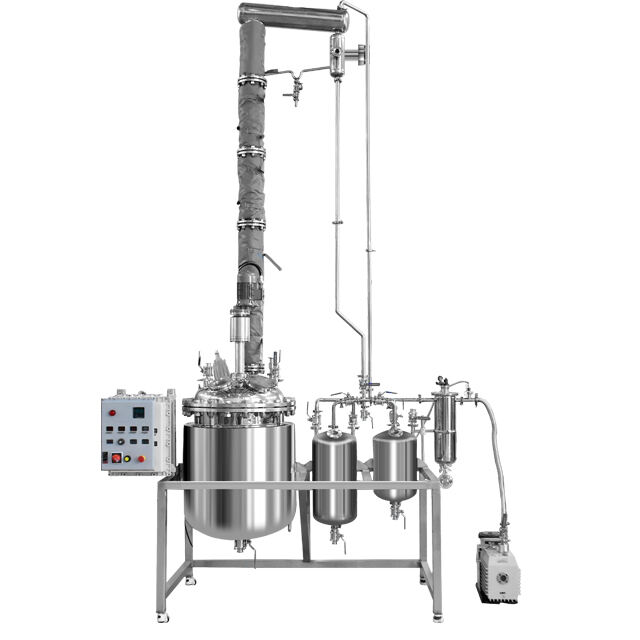
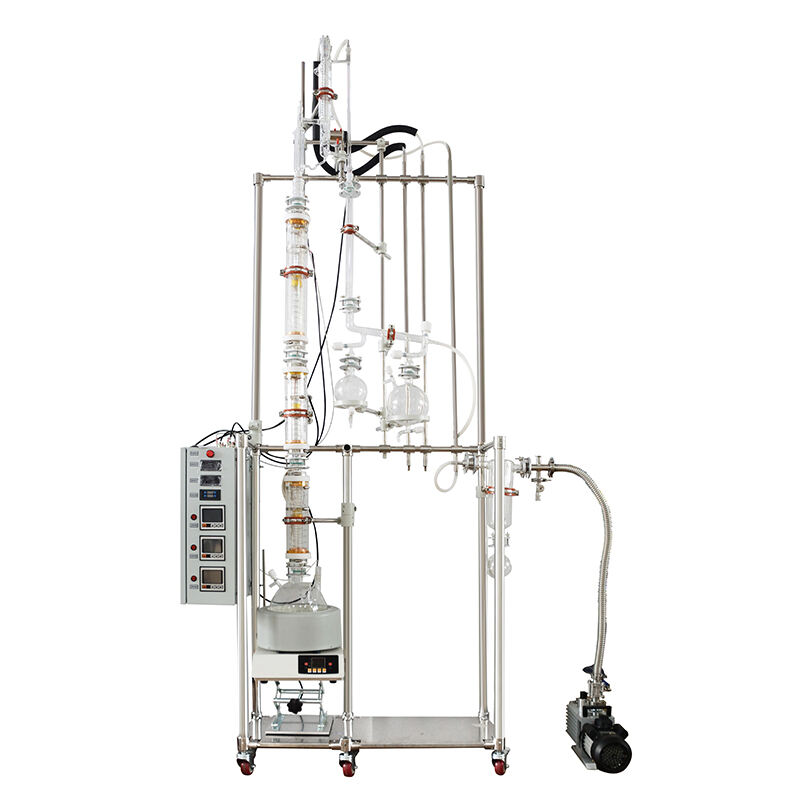
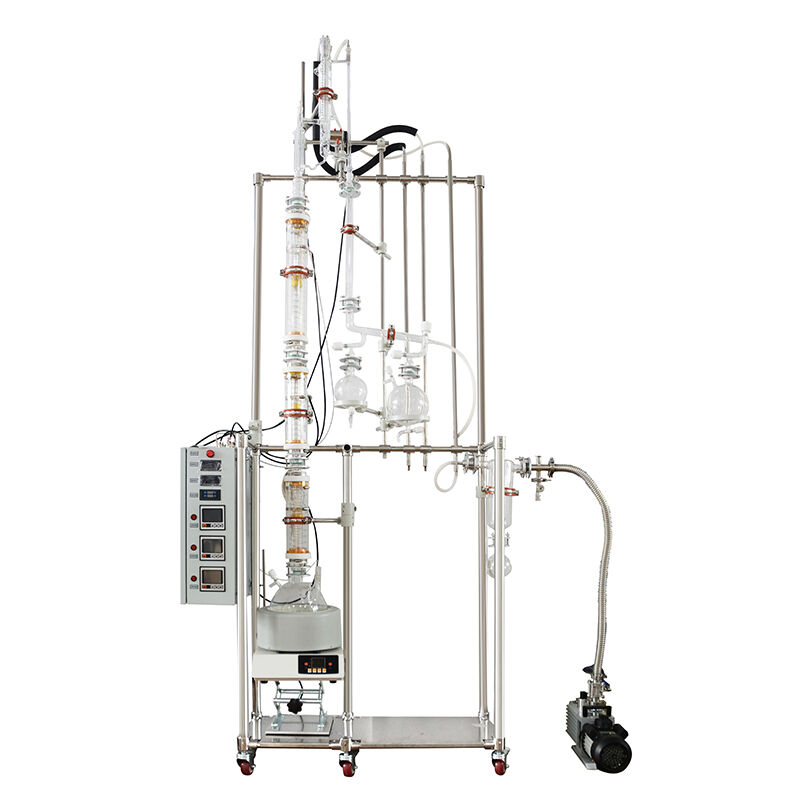
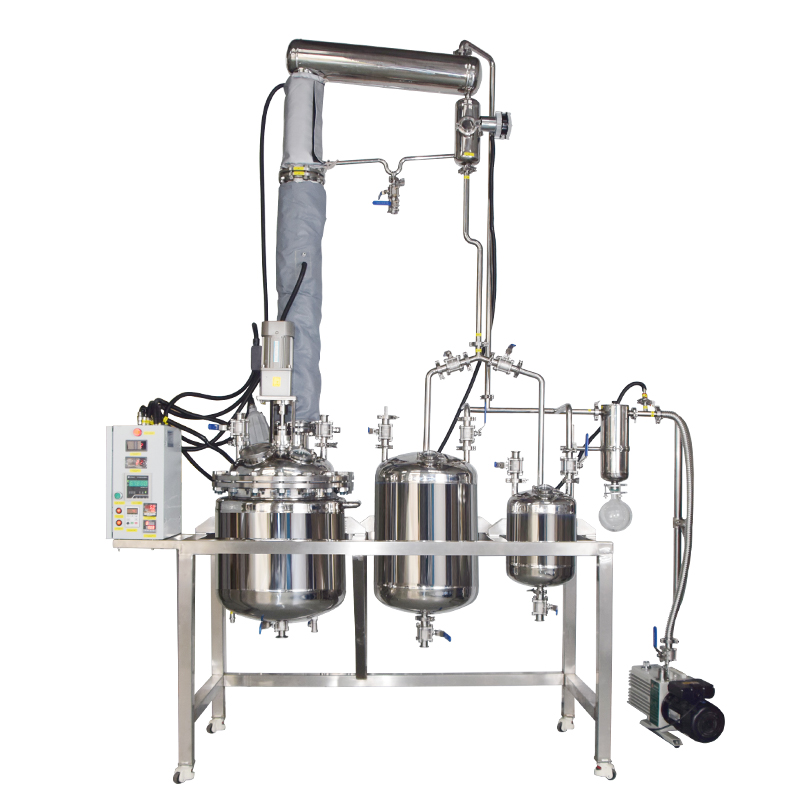
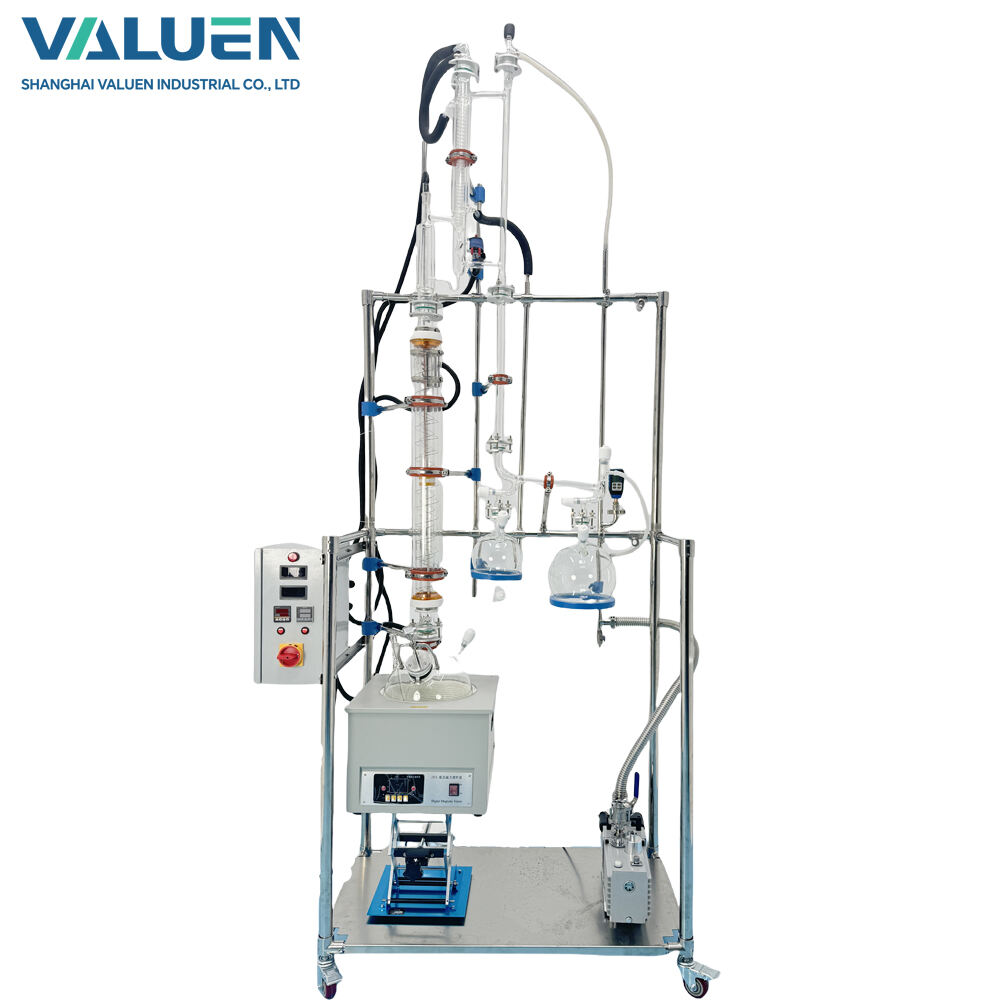
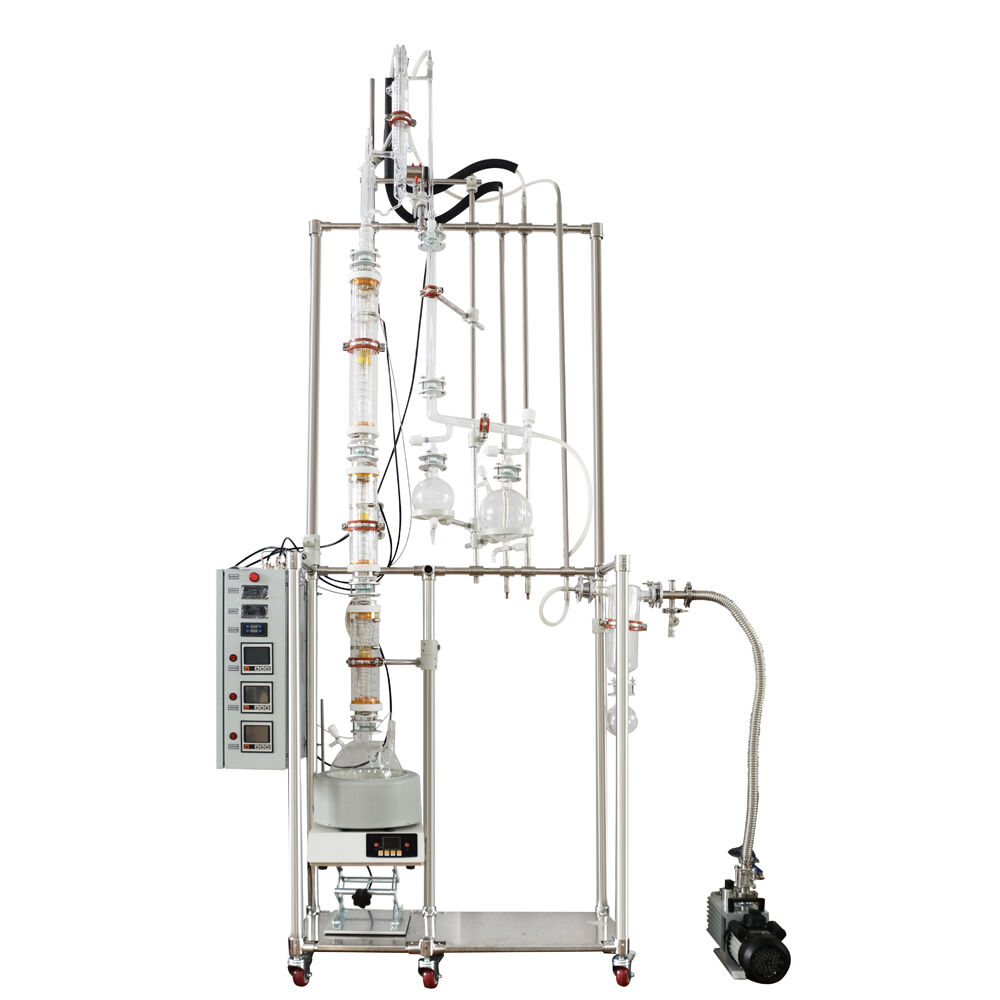
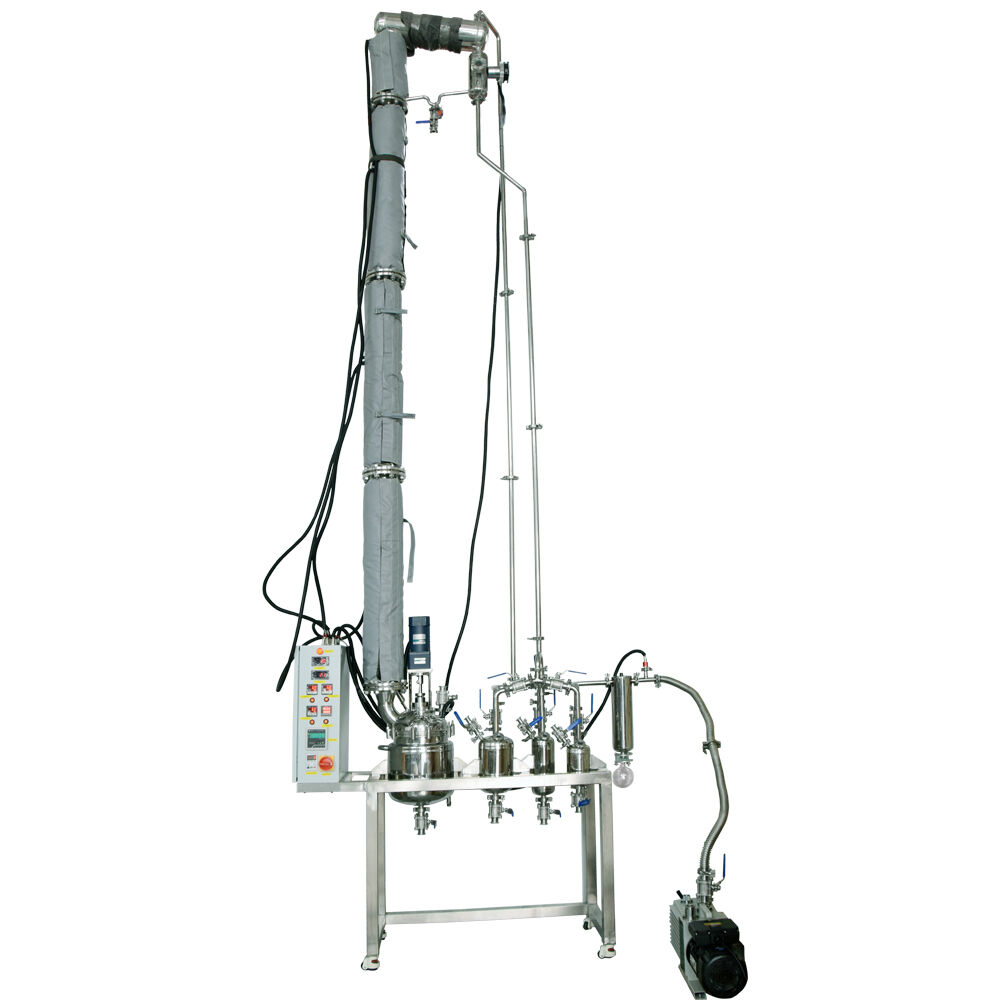
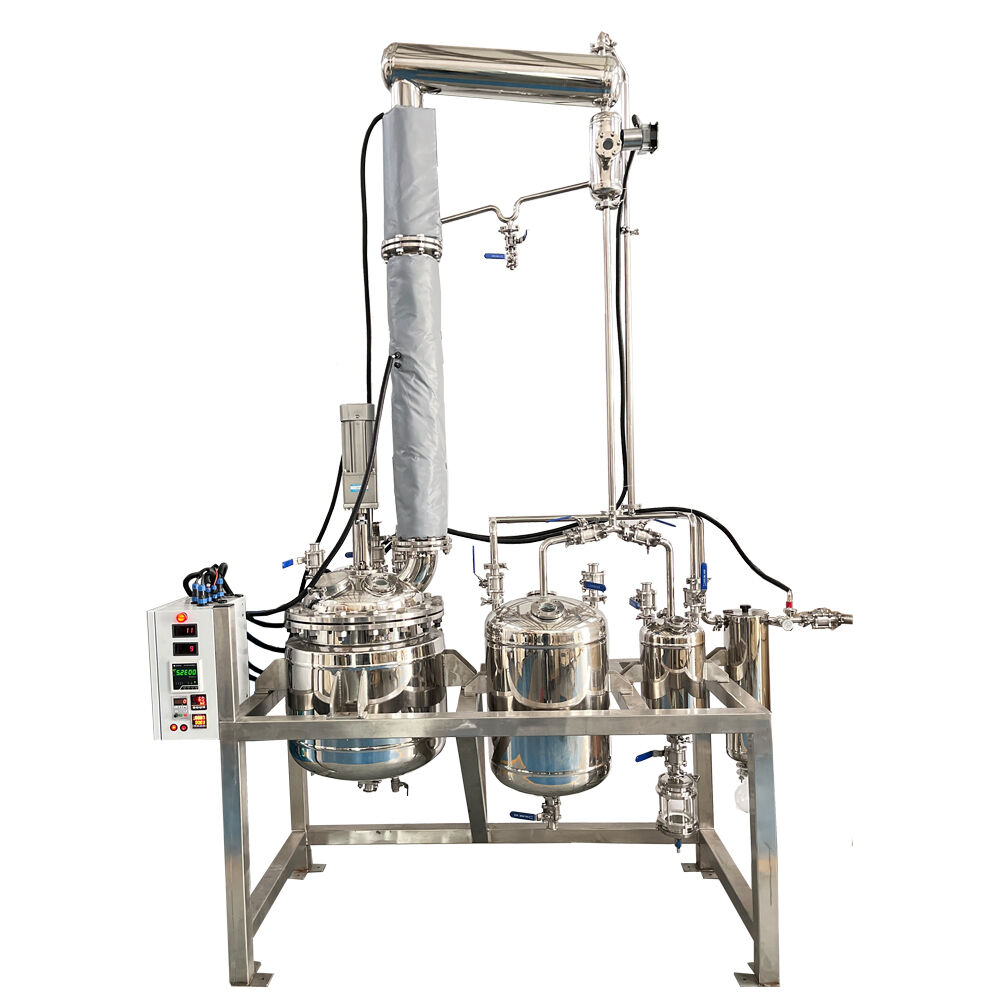
The fractional distillation of pyrolysis oil represents a critical refining process that transforms crude pyrolysis oil into valuable, market-ready fuel products. This advanced separation technique utilizes controlled temperature gradients within specialized distillation columns to segregate different hydrocarbon compounds based on their unique boiling points. The main function of fractional distillation of pyrolysis oil involves purifying and upgrading the raw oil derived from waste plastic, tire, or biomass pyrolysis processes. During this sophisticated operation, the crude pyrolysis oil undergoes systematic heating in distillation towers where various fractions are collected at predetermined temperature ranges. Light fractions typically include gasoline-range hydrocarbons collected between 40-180°C, while medium fractions encompass diesel-range compounds captured at 180-350°C temperatures. Heavy fractions and residual materials are separated at higher temperature thresholds. The technological features of fractional distillation of pyrolysis oil incorporate state-of-the-art heat exchangers, precision temperature control systems, and efficient condensation units that ensure optimal separation efficiency. Modern fractional distillation systems employ bubble cap trays, packed columns, or structured packing materials to maximize mass transfer between vapor and liquid phases. These installations often integrate automated control systems that monitor pressure, temperature, and flow rates continuously. The applications of fractional distillation of pyrolysis oil span multiple industries, including automotive fuel production, heating oil manufacturing, and industrial solvent preparation. Refined products from this process serve as sustainable alternatives to petroleum-derived fuels, supporting environmental conservation efforts while meeting growing energy demands. The process enables waste-to-energy conversion facilities to produce high-quality transportation fuels, heating oils, and chemical feedstocks from previously discarded materials, making fractional distillation of pyrolysis oil an essential component of circular economy initiatives.

Popular Products

The fractional distillation of pyrolysis oil delivers substantial economic benefits by converting low-value waste materials into premium fuel products that command higher market prices. This process transforms crude pyrolysis oil, which typically sells at discounted rates, into refined gasoline, diesel, and heating oil that meet industry specifications and generate significantly improved profit margins. Companies implementing fractional distillation of pyrolysis oil systems experience rapid return on investment through enhanced product quality and expanded market opportunities. The environmental advantages are equally compelling, as this technology supports sustainable waste management practices while reducing dependence on fossil fuel extraction. By processing waste plastics, tires, and organic materials through fractional distillation of pyrolysis oil, facilities actively contribute to pollution reduction and resource conservation efforts. This approach diverts millions of tons of waste from landfills annually while producing clean-burning fuels that emit fewer harmful pollutants compared to traditional petroleum products. The operational flexibility of fractional distillation of pyrolysis oil systems allows facilities to adjust production parameters based on market demands and feedstock characteristics. Operators can modify temperature profiles, residence times, and separation parameters to optimize yields of specific fuel fractions, ensuring maximum profitability under varying market conditions. This adaptability enables producers to respond quickly to changing fuel specifications and customer requirements. Quality improvement represents another significant advantage of fractional distillation of pyrolysis oil processes. The systematic separation removes impurities, reduces sulfur content, and eliminates unwanted compounds that could affect fuel performance or storage stability. Refined products exhibit consistent properties, improved combustion characteristics, and extended shelf life compared to crude pyrolysis oil. Energy efficiency benefits emerge from integrated heat recovery systems that capture and reuse thermal energy throughout the fractional distillation of pyrolysis oil process. These systems reduce overall energy consumption while maintaining optimal operating conditions, resulting in lower production costs and improved environmental performance. Advanced process control technologies further enhance efficiency by minimizing energy waste and maximizing product recovery rates.

Latest News

Why Jacketed Glass Reactors are Essential for Your Lab

29

Oct

Why Jacketed Glass Reactors are Essential for Your Lab

Superior Temperature Control for Consistent Reaction ConditionsJacketed glass reactors achieve ±0.5°C temperature stability through their double-wall design, ensuring precise and consistent reaction conditions critical for sensitive chemic...
View More
What Are the Key Design Features of a High-Performance Stainless Steel Reactor

12

Nov

What Are the Key Design Features of a High-Performance Stainless Steel Reactor

High-performance stainless steel reactors represent the pinnacle of chemical processing equipment, combining robust construction with precision engineering to deliver reliable results across diverse industrial applications. These sophisticated vessel...
View More
What Industries Benefit Most From Advanced Fractional Distillation Systems?

24

Dec

What Industries Benefit Most From Advanced Fractional Distillation Systems?

Industrial separation processes have evolved significantly over the past century, with fractional distillation equipment emerging as one of the most critical technologies for achieving high-purity separations. This sophisticated process leverages dif...
View More
How to Select a High Pressure Reactor for Industrial Chemical Synthesis?

24

Dec

How to Select a High Pressure Reactor for Industrial Chemical Synthesis?

Industrial chemical synthesis often requires precise control over reaction conditions, with pressure being one of the most critical parameters. A high pressure reactor serves as the cornerstone equipment for processes demanding elevated pressures, en...
View More

Get a Free Quote

Our representative will contact you soon.
Email
Name
Contact Number
Company Name
Message
0/1000

fractional distillation of pyrolysis oil

Superior Product Quality Through Advanced Separation Technology

Superior Product Quality Through Advanced Separation Technology

The fractional distillation of pyrolysis oil employs cutting-edge separation technology that delivers exceptional product quality surpassing conventional refining methods. This sophisticated process utilizes precision-engineered distillation columns equipped with high-efficiency packing materials and advanced vapor-liquid contacting systems that ensure optimal separation of hydrocarbon compounds. The technology incorporates multiple theoretical plates within each distillation tower, creating numerous equilibrium stages where lighter and heavier molecules are systematically separated based on their volatility differences. Temperature control systems maintain precise thermal conditions throughout the fractional distillation of pyrolysis oil process, preventing thermal cracking or degradation of valuable compounds while maximizing recovery of target fractions. The resulting fuel products exhibit consistent chemical composition, improved combustion properties, and reduced impurity levels that meet or exceed international fuel standards including ASTM, EN, and ISO specifications. Quality monitoring systems continuously analyze product streams during fractional distillation of pyrolysis oil operations, ensuring real-time quality assurance and immediate process adjustments when necessary. Advanced analytical instrumentation measures key parameters such as density, viscosity, flash point, and distillation curves to verify product compliance with customer requirements. This comprehensive quality control approach enables producers to guarantee consistent fuel performance while building customer confidence and market reputation. The superior quality achieved through fractional distillation of pyrolysis oil translates directly into enhanced market value and expanded sales opportunities, as refined products command premium prices in commercial fuel markets. Customers benefit from reliable fuel performance, reduced maintenance requirements, and improved engine efficiency when using products from properly executed fractional distillation processes.
Exceptional Economic Returns Through Waste Valorization

Exceptional Economic Returns Through Waste Valorization

The fractional distillation of pyrolysis oil transforms waste management from a cost center into a profitable revenue generator, delivering exceptional economic returns through innovative waste valorization strategies. This revolutionary approach converts previously worthless waste materials including plastic bottles, shopping bags, tires, and organic residues into valuable fuel products that generate substantial profit margins. Economic analysis demonstrates that fractional distillation of pyrolysis oil facilities typically achieve payback periods of 2-4 years while generating long-term revenue streams that continue for decades. The process creates multiple revenue opportunities by producing diverse fuel grades from single feedstock sources, allowing operators to optimize product portfolios based on regional market demands and seasonal price fluctuations. Raw material costs remain consistently low since waste feedstocks are often available at negative costs, with waste generators paying tipping fees for disposal services. This unique economic model ensures stable profit margins even during periods of volatile oil prices or economic uncertainty. Market demand for sustainable fuels continues expanding as governments implement stricter environmental regulations and carbon reduction mandates, creating favorable pricing conditions for products from fractional distillation of pyrolysis oil operations. The technology enables local fuel production that reduces transportation costs and supply chain dependencies while supporting regional economic development through job creation and tax revenue generation. Investment requirements for fractional distillation of pyrolysis oil systems are moderate compared to traditional petroleum refining facilities, making this technology accessible to mid-sized enterprises and community-based organizations. Financing options include government incentives, green bonds, and environmental credits that further improve project economics. The scalable nature of fractional distillation systems allows investors to start with smaller installations and expand capacity based on market growth and capital availability.
Environmental Leadership Through Circular Economy Innovation

Environmental Leadership Through Circular Economy Innovation

The fractional distillation of pyrolysis oil represents groundbreaking environmental leadership by implementing circular economy principles that transform waste streams into valuable energy resources while dramatically reducing environmental impact. This innovative technology addresses multiple environmental challenges simultaneously, including plastic pollution, landfill overflow, greenhouse gas emissions, and fossil fuel depletion. Every ton of waste processed through fractional distillation of pyrolysis oil prevents approximately 3.5 tons of carbon dioxide emissions compared to traditional waste incineration or landfill disposal methods. The process eliminates harmful pollutants that would otherwise contaminate soil, water, and air resources while creating clean-burning fuels that reduce vehicle emissions and urban air pollution. Life cycle assessments demonstrate that fractional distillation of pyrolysis oil operations achieve net negative carbon footprints when accounting for avoided emissions from waste disposal and fossil fuel production. Environmental benefits extend beyond direct emissions reductions to include conservation of natural resources, protection of ecosystems, and preservation of biodiversity through reduced petroleum exploration and extraction activities. The technology supports international sustainability goals including the United Nations Sustainable Development Goals and Paris Climate Agreement objectives by providing scalable solutions for waste management and renewable energy production. Regulatory compliance becomes simplified as fractional distillation of pyrolysis oil facilities help communities meet stringent environmental standards while reducing waste management costs and improving public health outcomes. Water consumption requirements are minimal compared to traditional refining processes, and closed-loop systems prevent wastewater discharge while recovering valuable condensates for reuse. The environmental leadership demonstrated through fractional distillation of pyrolysis oil implementation attracts environmentally conscious customers, investors, and partners who prioritize sustainability in their business relationships. This competitive advantage opens new market opportunities and strengthens brand reputation while contributing to global environmental protection efforts.

Get a Free Quote

Our representative will contact you soon.
Email
Name
Contact Number
Company Name
Message
0/1000