 EN
EN

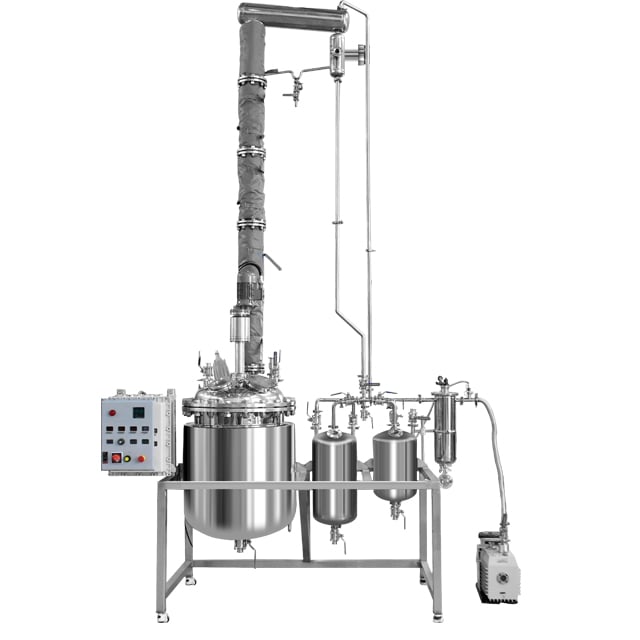
A distillation kettle serves as the fundamental component in separation processes across pharmaceutical, chemical, and research laboratories worldwide. Understanding the various heating methods employed in these essential vessels enables operators to optimize their distillation procedures and achieve superior separation results. The choice of heating method directly impacts the efficiency, safety, and quality of the distillation process, making this knowledge crucial for professionals working with volatile compounds and sensitive materials.
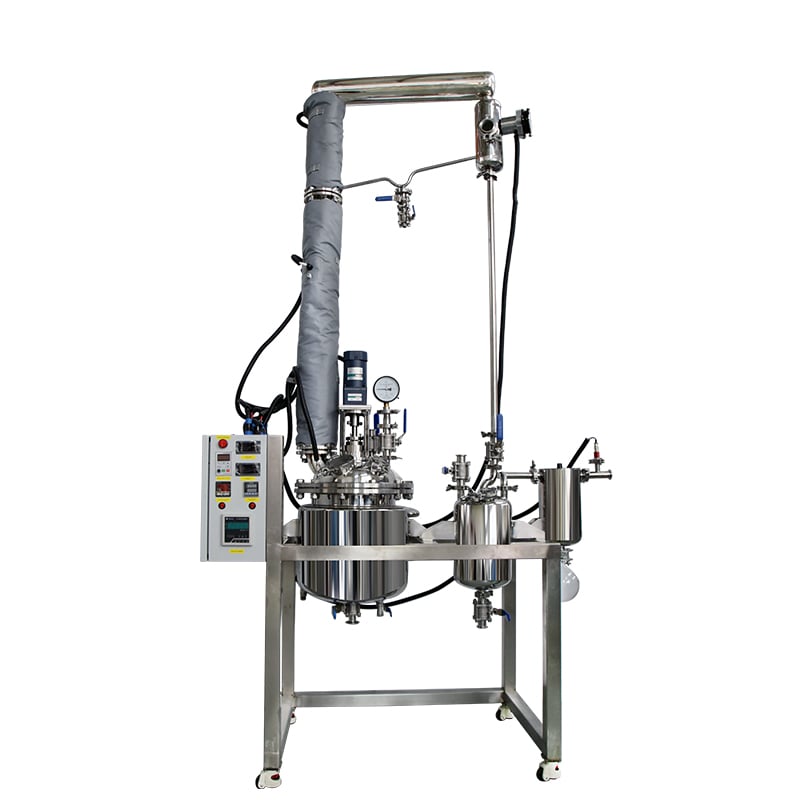
Electric Heating Systems for Distillation Kettles
Heating Mantles and Their Applications
Electric heating mantles represent one of the most popular heating methods for laboratory-scale distillation kettle operations. These specialized heating devices wrap around the bottom portion of the distillation kettle, providing uniform heat distribution through electrical resistance elements. The controlled heating environment prevents hot spots that could cause thermal decomposition of sensitive compounds during the distillation process.
Modern heating mantles feature variable temperature controls and integrated stirring capabilities, allowing precise regulation of heat input to the distillation kettle. This level of control proves essential when working with compounds that require specific temperature ranges to achieve optimal separation. The electrical heating method also eliminates the risks associated with open flames, making it the preferred choice for volatile solvents and flammable materials.
Immersion Heaters and Direct Heating Methods
Immersion heaters provide another electric heating option for distillation kettle applications, particularly in larger industrial systems. These heating elements insert directly into the liquid medium within the distillation kettle, offering rapid heat transfer and responsive temperature control. The direct contact between heating element and liquid ensures efficient energy transfer, reducing overall processing times.
However, immersion heating requires careful consideration of material compatibility and cleaning protocols. The heating elements must resist corrosion from the chemicals being processed in the distillation kettle, and regular maintenance ensures consistent performance. Temperature sensors integrated with immersion heaters provide real-time monitoring and automatic shutoff capabilities for enhanced safety.
Steam and Vapor Heating Techniques
Steam Jacketed Heating Systems
Steam heating systems utilize pressurized steam circulation through jacketed chambers surrounding the distillation kettle. This indirect heating method provides excellent temperature uniformity and precise control, making it ideal for large-scale industrial distillation operations. The steam jacket maintains consistent temperatures across the entire surface area of the distillation kettle, preventing localized overheating that could affect product quality.
The steam heating approach offers several advantages for distillation kettle operations, including rapid heating response and the ability to maintain stable temperatures over extended periods. Steam systems can achieve high temperatures while providing gentle, uniform heat distribution throughout the vessel contents. This heating method proves particularly effective for continuous distillation processes where consistent thermal input remains critical for optimal separation efficiency.
Thermal Fluid Circulation Systems
Thermal fluid heating systems represent an advanced heating method for distillation kettle applications requiring precise temperature control at elevated temperatures. These systems circulate heated thermal oil or synthetic fluids through external heating circuits connected to the distillation kettle jacket. The thermal fluid approach enables operation at high temperatures without the pressure limitations associated with steam systems.
Modern thermal fluid systems incorporate sophisticated control mechanisms that monitor and adjust heating rates based on distillation kettle requirements. The closed-loop circulation ensures consistent heat transfer while minimizing energy consumption. This heating method particularly suits applications involving high-boiling-point compounds or processes requiring gradual temperature ramping to prevent thermal shock to sensitive materials.
Oil Bath and Liquid Heating Methods
Traditional Oil Bath Systems
Oil bath heating represents a time-tested method for laboratory distillation kettle operations, providing gentle and uniform heat distribution through immersion in heated oil. The high thermal mass of oil baths creates stable temperature conditions that prevent sudden temperature fluctuations during distillation processes. This heating method proves especially valuable when working with temperature-sensitive compounds that require gradual heating and cooling cycles.
Oil bath systems typically employ silicone oils or mineral oils with high flash points and thermal stability. The distillation kettle sits partially submerged in the heated oil, allowing precise temperature control through thermostat regulation. The thermal buffer provided by the oil mass ensures smooth temperature transitions and reduces the risk of thermal shock to delicate glassware or sensitive chemical compounds.
Sand Bath and Alternative Heating Media
Sand baths offer an alternative liquid-free heating method for distillation kettle applications where oil contamination must be avoided. The sand medium provides excellent heat retention and distribution while maintaining clean working conditions around the distillation kettle setup. This heating approach proves particularly useful in analytical laboratories where trace contamination could compromise results.
Modern sand bath systems incorporate magnetic stirring capabilities and precise temperature control mechanisms. The heating elements embedded within the sand medium create uniform temperature zones that accommodate various sizes of distillation kettle configurations. Sand baths also provide excellent visibility of the distillation kettle contents, allowing operators to monitor the separation process visually while maintaining optimal heating conditions.
Gas and Flame Heating Applications
Bunsen Burner and Open Flame Methods
Traditional gas burner heating methods continue to find applications in certain distillation kettle operations, particularly in educational settings and basic research laboratories. Open flame heating provides rapid temperature response and unlimited maximum temperatures, making it suitable for high-temperature distillation processes. However, this heating method requires careful attention to safety protocols and flame adjustment techniques.
Modern gas heating systems for distillation kettle applications incorporate flame spreaders and heat distribution plates to create more uniform heating patterns. These accessories help eliminate hot spots that could cause bumping or thermal decomposition within the distillation kettle. Proper flame adjustment ensures complete combustion while providing consistent heat input throughout the distillation process.
Enclosed Gas Heating Systems
Enclosed gas heating systems provide improved safety and control compared to open flame methods while maintaining the rapid response characteristics of gas combustion. These systems house the gas burner within protective enclosures that direct heated air around the distillation kettle. The enclosed design reduces fire hazards while providing more uniform heat distribution than traditional open flame approaches.
Advanced enclosed gas heating systems feature temperature sensors and automatic gas flow regulation to maintain consistent heating conditions for distillation kettle operations. The improved combustion efficiency of enclosed systems reduces fuel consumption while providing better temperature stability. These heating methods prove particularly effective for field applications where electrical power may be limited or unavailable.
Microwave and Advanced Heating Technologies
Microwave-Assisted Distillation Systems
Microwave heating represents an innovative approach to distillation kettle operations, providing rapid and selective heating of polar compounds within the mixture. This heating method generates heat directly within the liquid medium through molecular agitation, resulting in faster heating rates and improved energy efficiency compared to conventional methods. Microwave systems prove particularly effective for distillation processes involving water or other polar solvents.
Modern microwave heating systems for distillation kettle applications feature precise power control and integrated temperature monitoring capabilities. The selective heating characteristics of microwave energy enable preferential heating of specific compounds within complex mixtures, potentially improving separation efficiency. This technology continues to evolve with applications in pharmaceutical and fine chemical manufacturing where rapid processing and energy efficiency are priorities.
Induction Heating Applications
Induction heating systems provide contactless heating for distillation kettle applications using electromagnetic fields to generate heat within ferromagnetic materials. This heating method offers rapid response times and precise temperature control while eliminating direct contact between heating elements and the vessel. Induction systems prove particularly valuable for distillation kettle operations requiring sterile conditions or contamination-free processing.
The efficiency of induction heating systems makes them attractive for large-scale distillation kettle operations where energy consumption represents a significant operational cost. These systems can achieve rapid heating while maintaining excellent temperature uniformity throughout the vessel contents. Induction heating also provides improved safety characteristics by eliminating hot surfaces and reducing fire hazards associated with traditional heating methods.
FAQ
What factors determine the best heating method for a specific distillation kettle application?
The selection of heating method for a distillation kettle depends on several critical factors including the nature of compounds being separated, required temperature ranges, safety considerations, and scale of operation. Temperature-sensitive materials typically require gentle heating methods like oil baths or steam systems, while high-temperature applications may need thermal fluid circulation or gas heating. Laboratory-scale operations often favor electric heating mantles for safety and control, whereas industrial distillation kettle systems may utilize steam or thermal fluid heating for efficiency and scalability.
How does heating method selection affect the quality of distillation products?
The choice of heating method significantly impacts distillation kettle performance and product quality through temperature uniformity, heating rate control, and thermal stress prevention. Uniform heating methods like steam jackets or heating mantles reduce the formation of hot spots that can cause thermal decomposition or unwanted side reactions. Gentle heating approaches prevent bumping and ensure smooth vaporization, leading to cleaner separations and higher product purity from the distillation kettle process.
What safety considerations apply to different distillation kettle heating methods?
Safety considerations for distillation kettle heating methods vary significantly based on the energy source and application. Electric heating systems eliminate fire hazards but require proper electrical grounding and overheating protection. Gas heating methods demand adequate ventilation, flame arrestors, and emergency shutoff systems. Steam and thermal fluid heating require pressure relief systems and thermal insulation to prevent burns. All heating methods for distillation kettle operations should include temperature monitoring, automatic shutoff capabilities, and appropriate personal protective equipment for operators.
How do modern heating technologies improve distillation kettle efficiency?
Modern heating technologies enhance distillation kettle efficiency through improved temperature control, energy conservation, and process automation. Advanced heating systems feature precise temperature regulation, reducing energy waste and improving product consistency. Automated control systems monitor heating parameters and adjust output based on distillation kettle requirements, minimizing operator intervention while maintaining optimal conditions. Technologies like induction heating and microwave systems provide rapid heating response and selective energy application, reducing processing times and improving overall system efficiency.
Table of Contents
- Electric Heating Systems for Distillation Kettles
- Steam and Vapor Heating Techniques
- Oil Bath and Liquid Heating Methods
- Gas and Flame Heating Applications
- Microwave and Advanced Heating Technologies
-
FAQ
- What factors determine the best heating method for a specific distillation kettle application?
- How does heating method selection affect the quality of distillation products?
- What safety considerations apply to different distillation kettle heating methods?
- How do modern heating technologies improve distillation kettle efficiency?