 EN
EN

Industrial separation processes demand equipment that combines durability, efficiency, and operational reliability. The stainless steel distillation vessel has emerged as the gold standard for large-scale operations across pharmaceutical, chemical, and petrochemical industries. These sophisticated separation units offer unparalleled performance characteristics that make them indispensable for processing high-volume materials while maintaining strict quality standards. Manufacturing facilities worldwide rely on these robust systems to achieve consistent product purity and maximize operational efficiency throughout demanding production cycles.
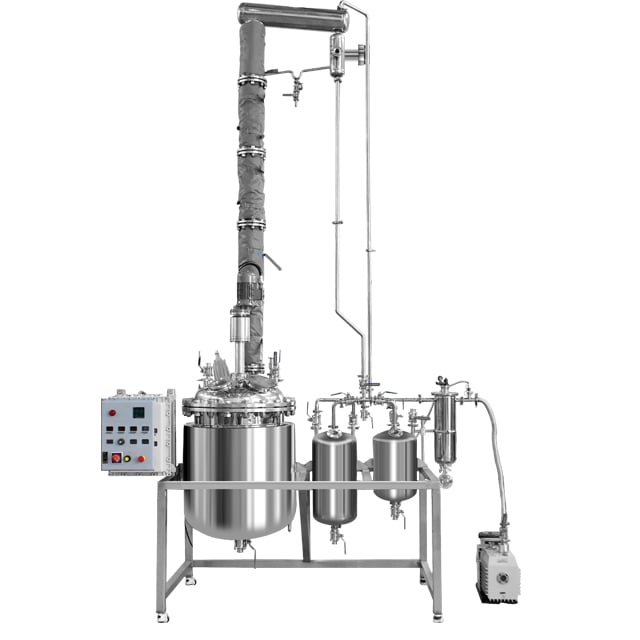
Superior Material Properties for Industrial Applications
Corrosion Resistance and Chemical Compatibility
The stainless steel distillation vessel provides exceptional resistance against chemical attack from aggressive solvents, acids, and bases commonly encountered in industrial processes. Grade 316L stainless steel, frequently used in these applications, contains molybdenum additions that enhance corrosion resistance particularly in chloride environments. This superior chemical compatibility allows operators to process diverse feedstocks without concern for vessel degradation or contamination issues that could compromise product quality.
Unlike carbon steel or other metallic alternatives, stainless steel maintains its integrity when exposed to varying pH levels and temperature fluctuations. The passive oxide layer that naturally forms on stainless steel surfaces provides continuous protection against oxidation and pitting corrosion. This inherent resistance translates to extended equipment lifespan and reduced maintenance requirements, making the stainless steel distillation vessel a cost-effective choice for long-term operations.
Structural Integrity Under Operating Conditions
Large-scale distillation operations subject vessels to significant mechanical stresses from internal pressures, thermal expansion, and dynamic loading conditions. Stainless steel exhibits excellent strength-to-weight ratios that enable the construction of robust vessels capable of withstanding these demanding conditions. The material's ductility prevents catastrophic failure modes, providing operators with reliable performance even under unexpected pressure excursions or temperature variations.
The uniform grain structure of properly processed stainless steel ensures consistent mechanical properties throughout the vessel walls. This homogeneity eliminates weak points that could lead to premature failure or operational disruptions. Additionally, stainless steel's favorable thermal expansion characteristics minimize stress concentrations at weld joints and connection points, further enhancing the overall reliability of the stainless steel distillation vessel system.
Thermal Performance and Energy Efficiency
Heat Transfer Optimization
Effective heat transfer represents a critical factor in distillation efficiency, directly impacting separation performance and energy consumption. The stainless steel distillation vessel offers excellent thermal conductivity that facilitates rapid and uniform heat distribution throughout the vessel walls. This enhanced heat transfer capability enables precise temperature control across different sections of the column, optimizing vapor-liquid equilibrium conditions necessary for effective separation.
The smooth surface finish achievable with stainless steel minimizes fouling tendencies that can impede heat transfer over time. Unlike rougher surfaces that trap deposits and create insulating layers, properly finished stainless steel maintains its thermal performance throughout extended operating periods. This consistency ensures that energy input requirements remain stable, allowing operators to maintain optimal efficiency levels without frequent cleaning interventions or performance degradation.
Temperature Uniformity and Control
Large-scale operations require precise temperature management to achieve target separation specifications and product quality standards. The stainless steel distillation vessel provides excellent thermal stability that minimizes hot spots and temperature gradients within the separation zone. This uniform temperature distribution ensures consistent vapor generation rates and prevents localized overheating that could degrade heat-sensitive components or create undesirable side reactions.
The thermal mass of stainless steel construction helps buffer against rapid temperature fluctuations that might otherwise disrupt the separation process. This thermal stability is particularly valuable during startup and shutdown procedures when temperature control becomes challenging. The stainless steel distillation vessel maintains consistent operating conditions that promote stable reflux ratios and separation efficiency throughout varying load conditions.
Scalability and Manufacturing Advantages
Fabrication Flexibility for Large Volumes
Manufacturing large-scale distillation equipment requires materials that can be reliably welded, formed, and machined to precise specifications. Stainless steel offers exceptional fabrication characteristics that enable the construction of complex vessel geometries and internal configurations necessary for optimal separation performance. The material's workability allows manufacturers to incorporate sophisticated internal structures such as structured packing supports, redistribution devices, and multiple feed points without compromising structural integrity.
The standardized welding procedures developed for stainless steel construction ensure consistent joint quality and mechanical properties throughout large vessel assemblies. This reliability in fabrication processes enables manufacturers to build stainless steel distillation vessel units with confidence in their long-term performance. Additionally, the availability of various stainless steel grades allows designers to optimize material selection based on specific process requirements and operating conditions.
Modular Construction Capabilities
Large-scale installations often require modular approaches to facilitate transportation and site assembly constraints. The stainless steel distillation vessel design readily accommodates modular construction techniques that allow sections to be fabricated off-site and assembled at the installation location. This flexibility reduces construction timeframes and enables quality control in controlled manufacturing environments rather than field conditions.
The mechanical properties of stainless steel support reliable flanged connections and bolted joints that maintain leak-tight seals under operating conditions. These connection methods facilitate maintenance access and enable future modifications or upgrades without extensive vessel reconstruction. The modular approach also allows operators to expand capacity incrementally by adding additional stainless steel distillation vessel sections as production requirements grow.
Maintenance and Operational Benefits
Cleaning and Sanitization Protocols
Industries such as pharmaceuticals and food processing require equipment that can be thoroughly cleaned and sanitized between product campaigns. The stainless steel distillation vessel provides smooth, non-porous surfaces that resist bacterial adhesion and facilitate complete cleaning using standard sanitization procedures. The chemical resistance of stainless steel allows the use of aggressive cleaning agents and high-temperature sanitization cycles without material degradation.
The elimination of crevices and dead spaces in properly designed stainless steel construction prevents the accumulation of residues that could harbor contaminants or create cross-contamination risks. This cleanability is essential for maintaining product quality standards and regulatory compliance in sensitive applications. The ability to achieve validated cleanliness levels makes the stainless steel distillation vessel particularly valuable for multipurpose facilities that process different products in the same equipment.
Inspection and Quality Assurance
Large-scale operations require comprehensive inspection and maintenance programs to ensure continued safe and efficient operation. Stainless steel construction facilitates various non-destructive testing methods including ultrasonic thickness measurements, dye penetrant inspections, and radiographic examinations. These inspection techniques enable operators to monitor vessel condition and identify potential issues before they impact production or safety.
The predictable aging characteristics of stainless steel allow maintenance teams to establish reliable inspection schedules based on actual operating experience rather than conservative estimates. This data-driven approach to maintenance planning optimizes resource allocation and minimizes unnecessary downtime. The long service life typical of stainless steel distillation vessel installations provides excellent return on investment while maintaining consistent performance throughout their operational lifetime.
Economic Considerations and Return on Investment
Initial Capital Investment Analysis
While the initial cost of a stainless steel distillation vessel may exceed alternatives such as carbon steel with protective coatings, the total cost of ownership typically favors stainless steel construction for large-scale applications. The elimination of coating maintenance, reduced corrosion allowances, and extended service life contribute to favorable economic performance over the equipment lifetime. Additionally, the higher salvage value of stainless steel provides residual asset value at the end of the operational period.
The reduced maintenance requirements associated with stainless steel construction translate to lower lifecycle costs and improved production availability. Unplanned maintenance events that could result from corrosion-related failures are virtually eliminated, providing operators with predictable operating costs and improved budget planning capabilities. The reliability of stainless steel distillation vessel systems also reduces the need for redundant equipment or extensive spare parts inventories.
Productivity and Quality Benefits
The superior performance characteristics of stainless steel construction enable higher productivity levels through improved separation efficiency and reduced processing times. The thermal properties and surface characteristics of the stainless steel distillation vessel contribute to more consistent product quality that meets strict specifications without requiring extensive post-processing or rework. This quality consistency translates directly to improved profitability and customer satisfaction.
The operational flexibility provided by stainless steel construction allows facilities to process a wider range of feedstocks and products without equipment modifications. This versatility enables operators to respond quickly to market opportunities and changing customer demands. The ability to achieve rapid product changeovers without extensive cleaning or preparation procedures maximizes equipment utilization and revenue generation potential.
Safety and Regulatory Compliance
Process Safety Considerations
Large-scale distillation operations involve significant safety considerations related to flammable vapors, high temperatures, and pressurized systems. The stainless steel distillation vessel provides inherent safety advantages through its resistance to stress corrosion cracking and uniform mechanical properties that prevent unexpected failures. The material's non-sparking characteristics reduce ignition risks in potentially explosive atmospheres commonly encountered in petrochemical and solvent recovery applications.
The predictable failure modes of stainless steel construction enable more accurate risk assessments and safety system design. Unlike materials that may experience sudden brittle failures, stainless steel typically exhibits warning signs such as localized deformation that allow operators to take corrective action before catastrophic events occur. This predictability supports comprehensive safety management systems and helps maintain excellent safety records in industrial operations.
Environmental and Regulatory Standards
Regulatory agencies increasingly focus on environmental protection and emission control requirements that affect distillation operations. The stainless steel distillation vessel construction supports tight sealing requirements that minimize fugitive emissions and environmental releases. The corrosion resistance of stainless steel ensures that vessel integrity remains intact throughout the design life, preventing leaks that could result in environmental contamination or regulatory violations.
The recyclability of stainless steel aligns with corporate sustainability goals and environmental stewardship objectives. At the end of service life, stainless steel vessels can be completely recycled into new products without quality degradation, supporting circular economy principles. This environmental benefit increasingly influences equipment selection decisions as companies seek to reduce their environmental footprint and meet sustainability commitments.
FAQ
What makes stainless steel superior to other materials for large distillation vessels
Stainless steel offers exceptional corrosion resistance, mechanical strength, and thermal properties that make it ideal for demanding distillation applications. Unlike carbon steel or other alternatives, stainless steel maintains its integrity without protective coatings, reduces maintenance requirements, and provides consistent performance throughout extended service life. The material's chemical compatibility allows processing of diverse feedstocks without contamination concerns or vessel degradation.
How does vessel size affect the choice of stainless steel construction
Large-scale vessels benefit significantly from stainless steel construction due to the material's excellent strength-to-weight ratio and fabrication flexibility. The ability to create complex internal configurations and support structures becomes increasingly important as vessel size grows. Additionally, the modular construction capabilities of stainless steel facilitate transportation and site assembly of large vessels that might be challenging with other materials.
What are the typical maintenance requirements for stainless steel distillation vessels
Stainless steel distillation vessels require minimal maintenance compared to other materials, primarily involving periodic inspections and routine cleaning procedures. The corrosion resistance eliminates the need for protective coating maintenance or corrosion monitoring systems. Standard maintenance includes gasket replacement, instrumentation calibration, and internal inspection according to applicable codes and standards. The smooth surfaces facilitate cleaning and sanitization procedures required in pharmaceutical and food applications.
How do operating costs compare between stainless steel and alternative vessel materials
While initial capital costs may be higher for stainless steel construction, total operating costs are typically lower due to reduced maintenance requirements, extended service life, and improved operational reliability. The elimination of coating maintenance, corrosion allowances, and unexpected failures results in lower lifecycle costs. Additionally, the energy efficiency and consistent performance of stainless steel vessels contribute to reduced operating expenses and improved profitability over the equipment lifetime.
Table of Contents
- Superior Material Properties for Industrial Applications
- Thermal Performance and Energy Efficiency
- Scalability and Manufacturing Advantages
- Maintenance and Operational Benefits
- Economic Considerations and Return on Investment
- Safety and Regulatory Compliance
-
FAQ
- What makes stainless steel superior to other materials for large distillation vessels
- How does vessel size affect the choice of stainless steel construction
- What are the typical maintenance requirements for stainless steel distillation vessels
- How do operating costs compare between stainless steel and alternative vessel materials