Versatile Multi-Industry Applications
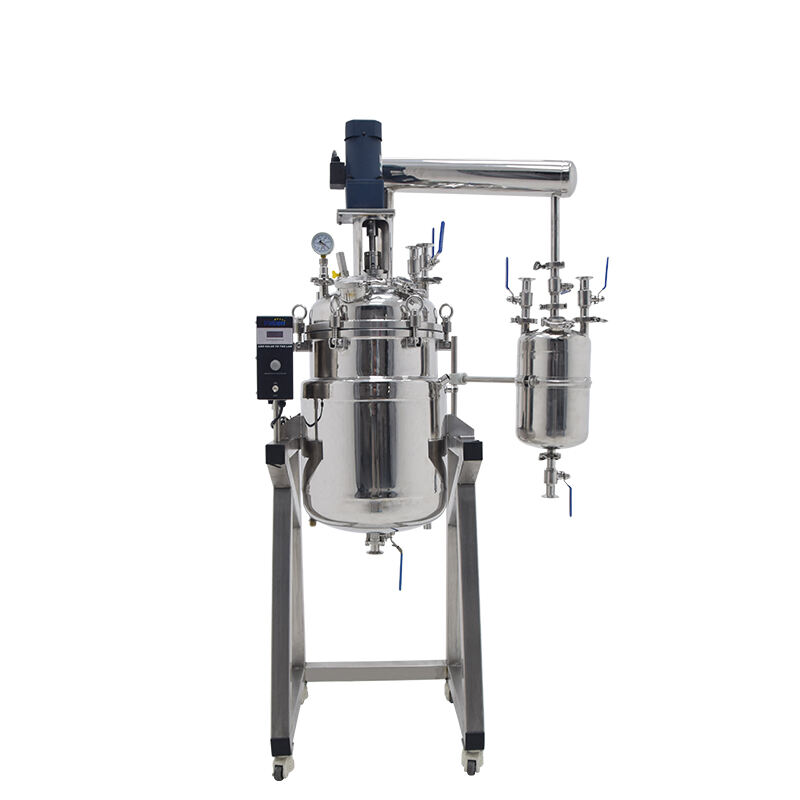
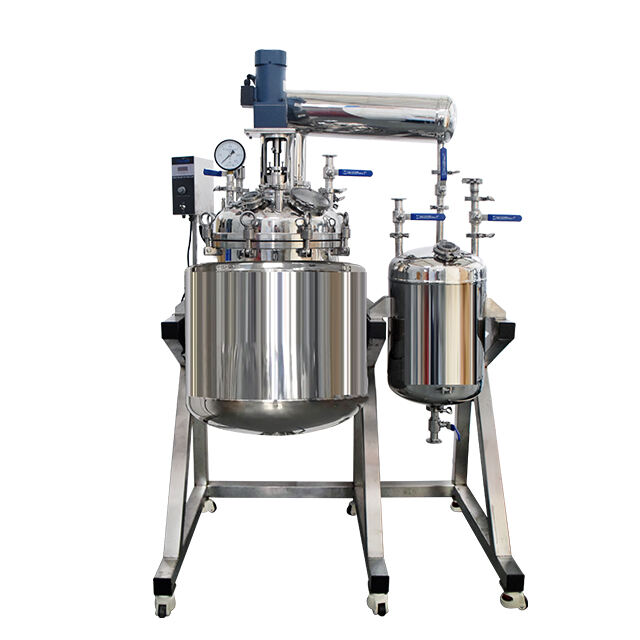
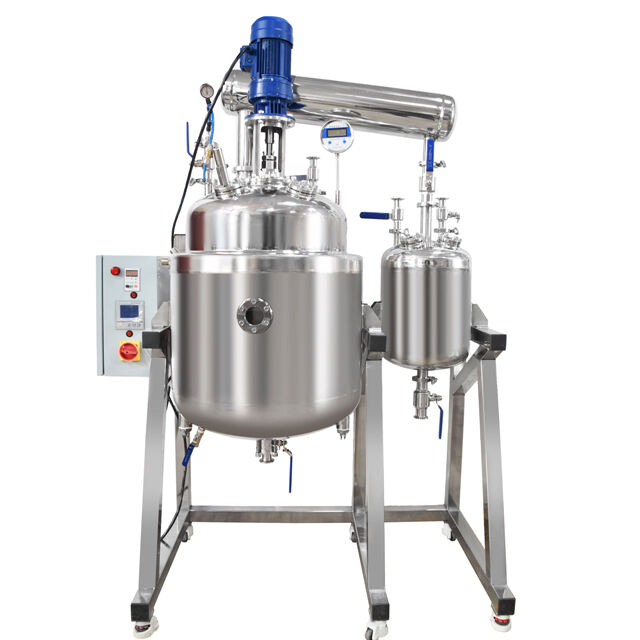
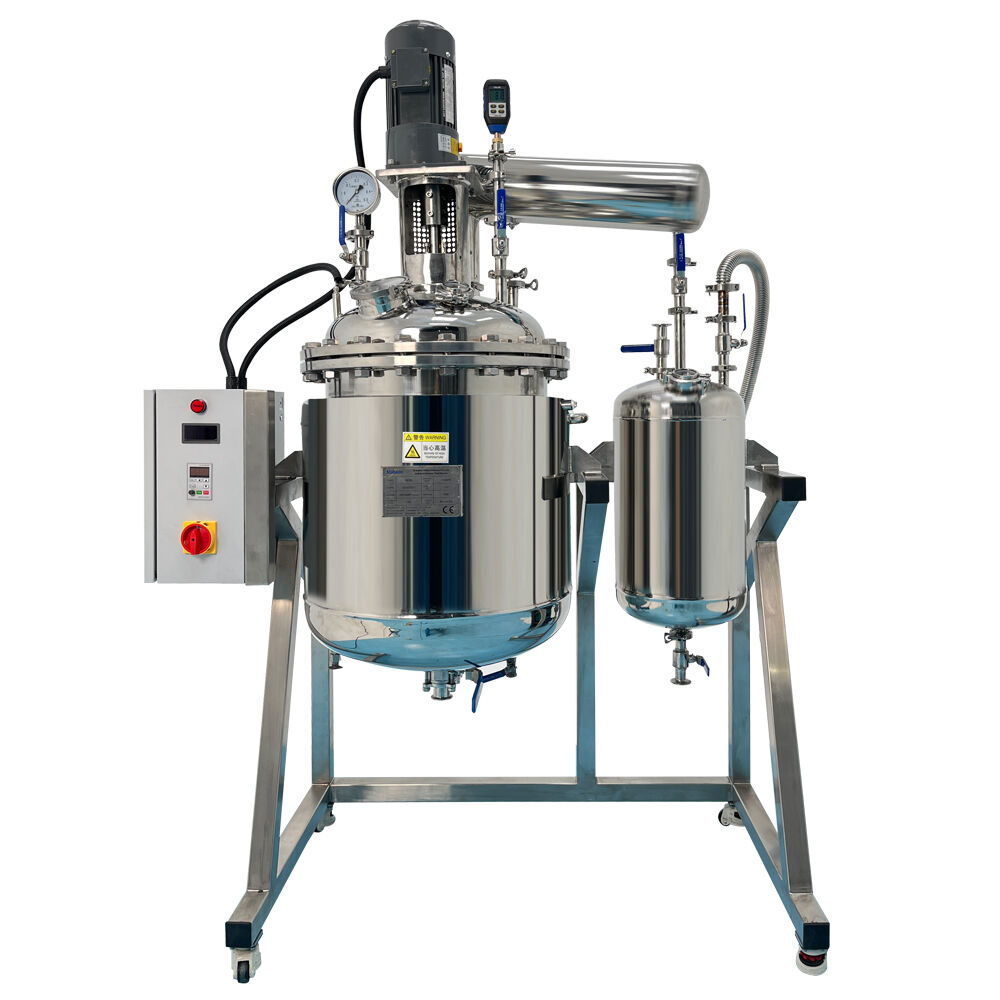
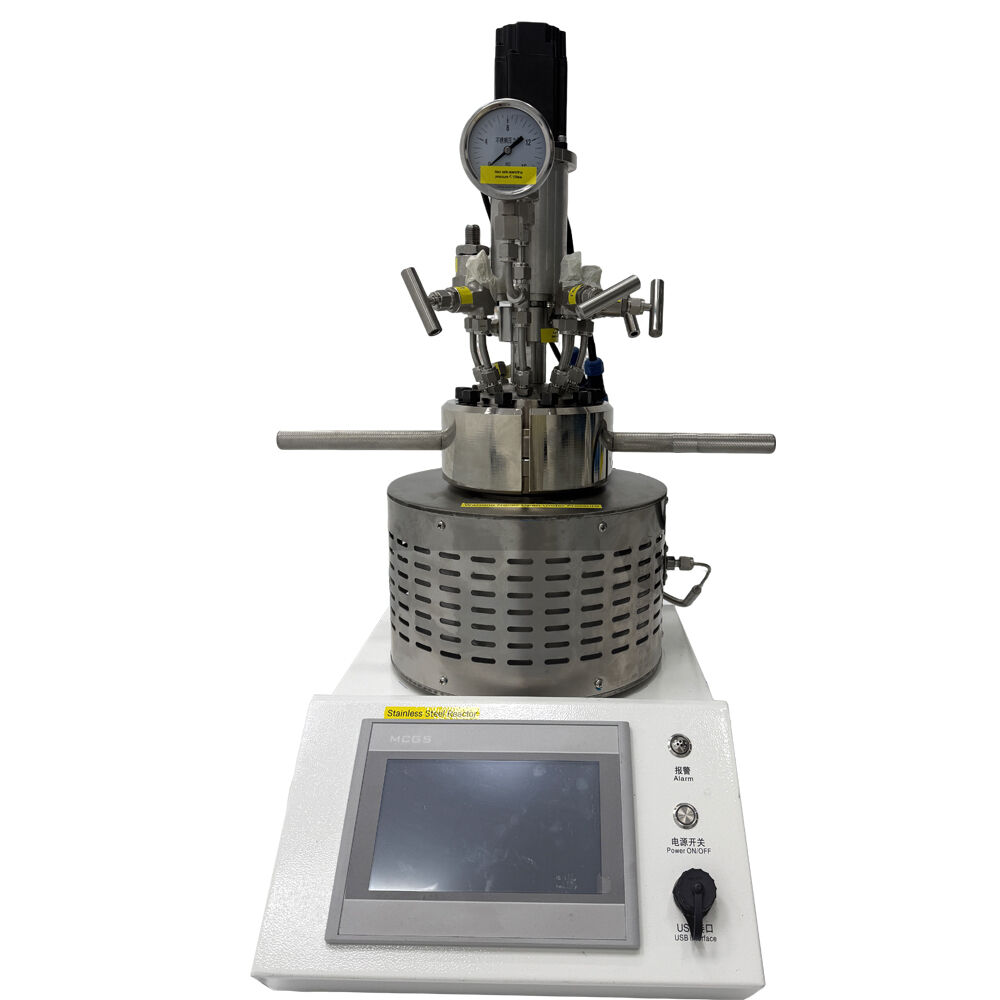
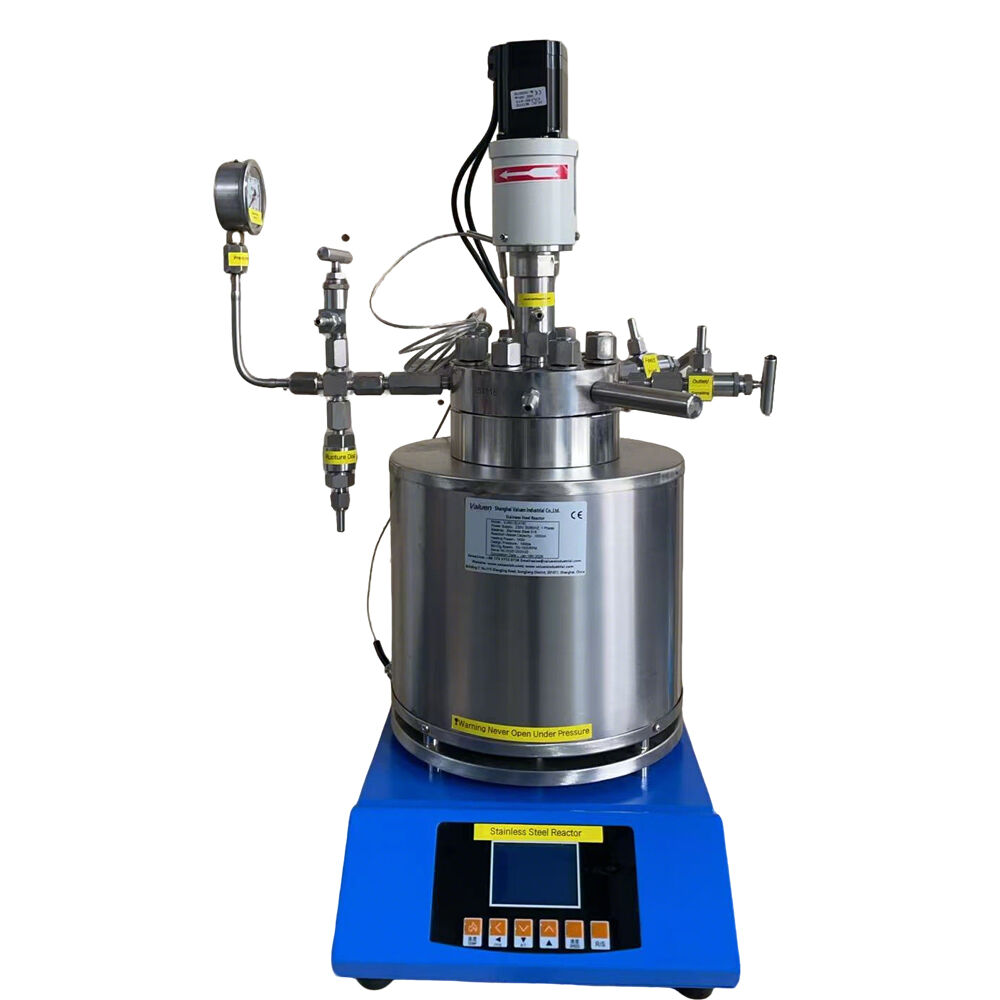
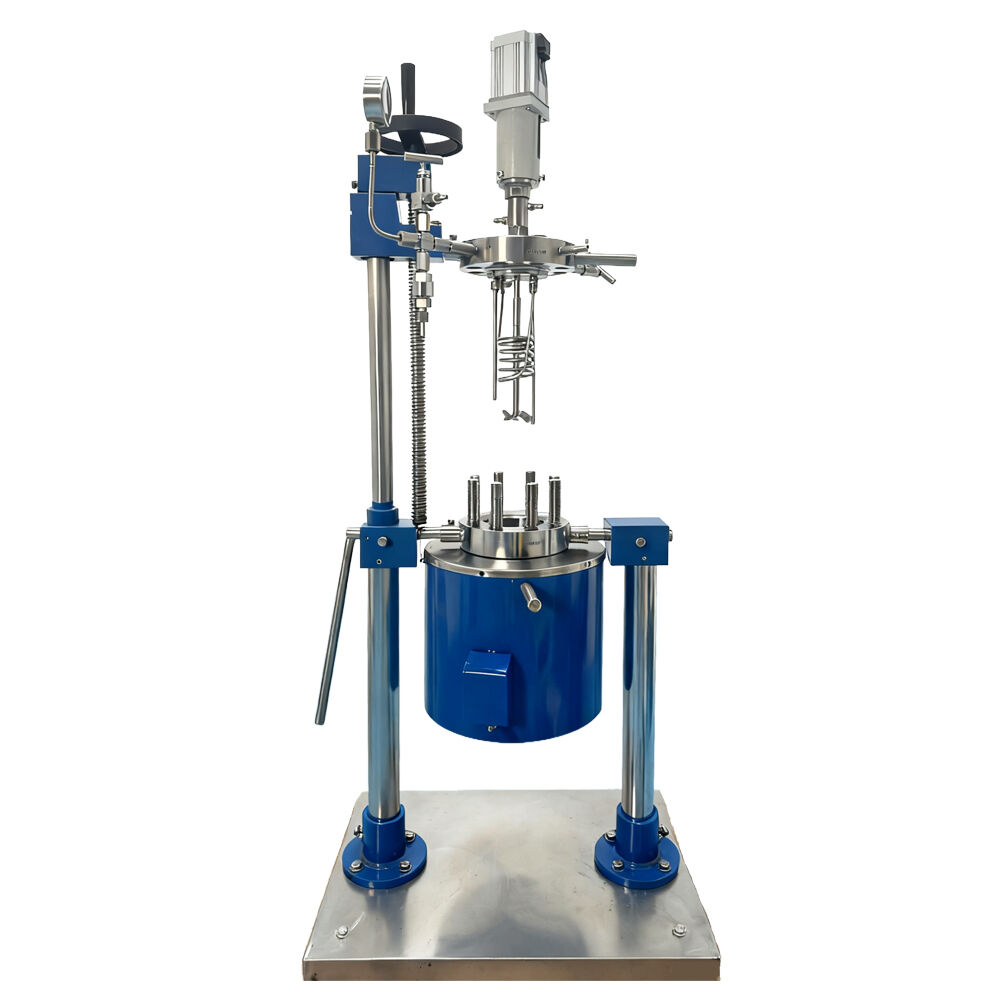
The remarkable versatility of the stainless steel autoclave reactor makes it an invaluable asset across numerous industries, providing flexible processing capabilities that adapt to diverse manufacturing requirements and research applications with exceptional efficiency. This adaptability stems from the fundamental design principles that prioritize chemical compatibility, thermal performance, and operational flexibility, enabling a single reactor system to serve multiple purposes throughout its operational lifetime. In pharmaceutical manufacturing, the stainless steel autoclave reactor enables the synthesis of complex active pharmaceutical ingredients under sterile conditions, supporting both small-scale development work and large-scale production operations. The ability to maintain strict contamination control while processing sensitive compounds makes these reactors essential for drug development and manufacturing processes that require FDA compliance and Good Manufacturing Practice adherence. Biotechnology applications benefit from the precise environmental control capabilities, enabling cell culture processes, fermentation reactions, and bioprocessing operations that require specific temperature, pressure, and sterility conditions. The chemical processing industry utilizes stainless steel autoclave reactors for polymer synthesis, catalyst development, and specialty chemical manufacturing, where high-pressure and high-temperature conditions are essential for achieving desired molecular structures and properties. Materials science research applications include the development of advanced composites, nanoparticle synthesis, and crystal growth processes that require precise control over processing parameters to achieve specific material characteristics. Environmental applications encompass waste treatment processes, remediation technologies, and the development of sustainable chemical pathways that support green chemistry initiatives and pollution reduction goals. Food processing applications include extraction of natural compounds, sterilization processes, and the development of functional food ingredients that require high-pressure processing to maintain nutritional value while ensuring safety. Academic research institutions rely on stainless steel autoclave reactors for teaching applications and fundamental research that advances scientific understanding across multiple disciplines. The scalability of these systems enables seamless transition from laboratory-scale research to pilot-plant operations and full-scale manufacturing, providing a clear development path for new processes and products. Energy sector applications include the development of alternative fuel technologies, battery materials synthesis, and hydrogen generation processes that require high-pressure operation and chemical compatibility with aggressive environments. Quality control applications utilize these reactors for accelerated testing procedures that simulate long-term environmental exposure in compressed timeframes. The ability to process both aqueous and organic solvent systems expands application possibilities across virtually every chemical processing sector. Custom configuration options allow optimization for specific applications while maintaining the core benefits of stainless steel construction and reliable operation.
 EN
EN