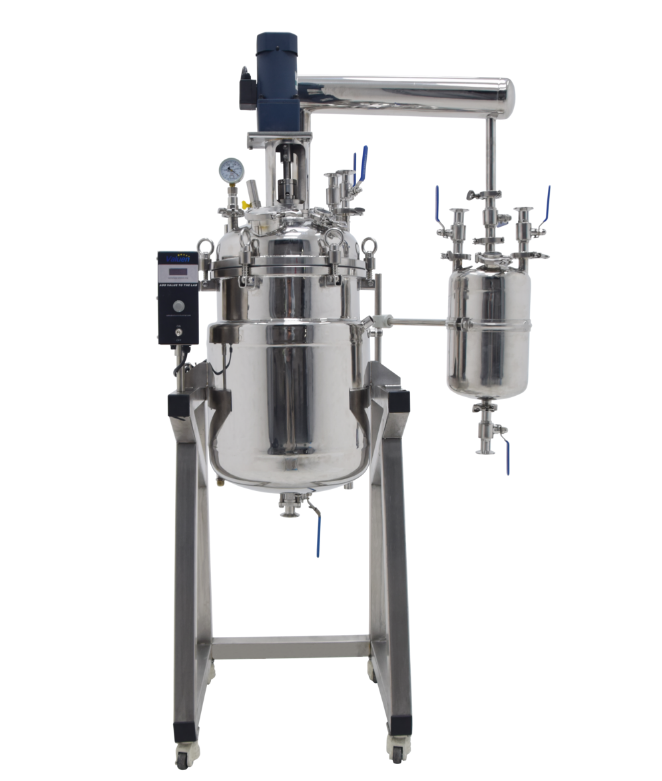
stainless steel batch reactor
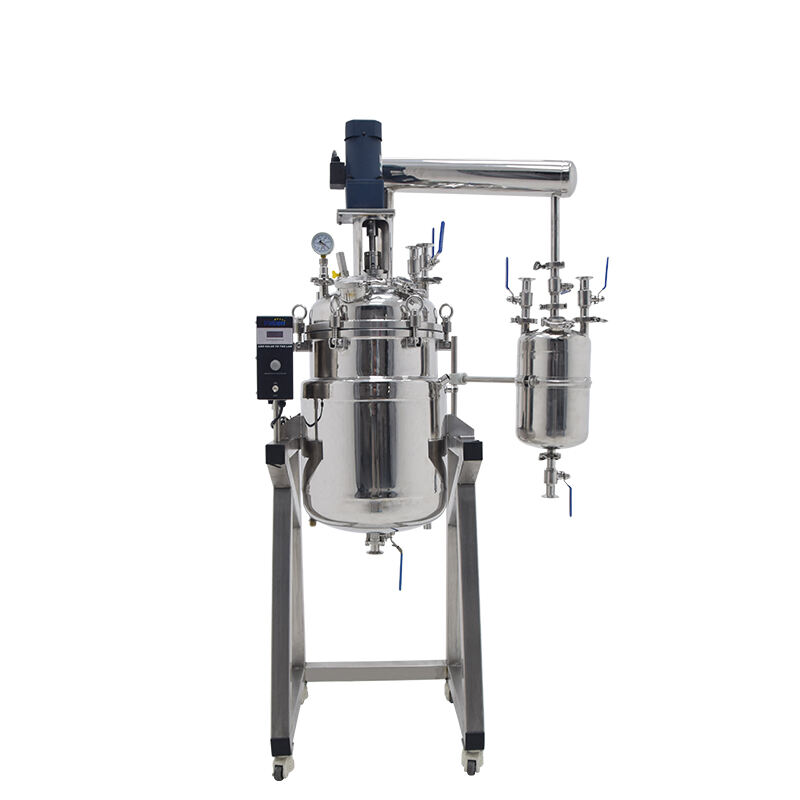
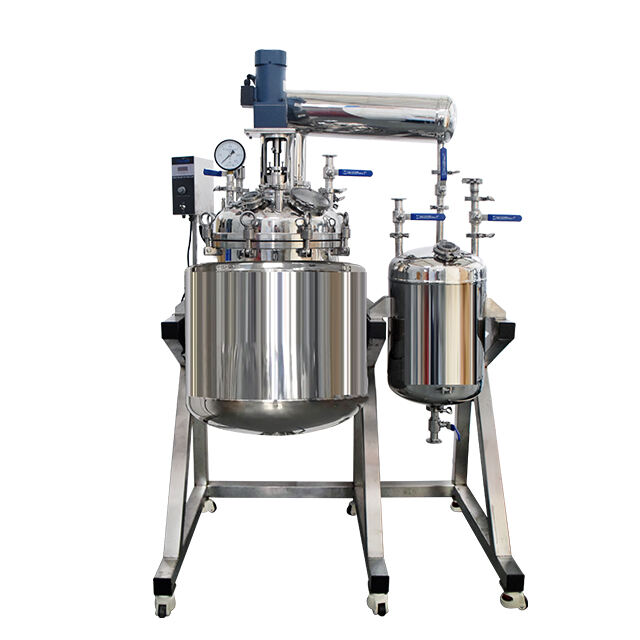
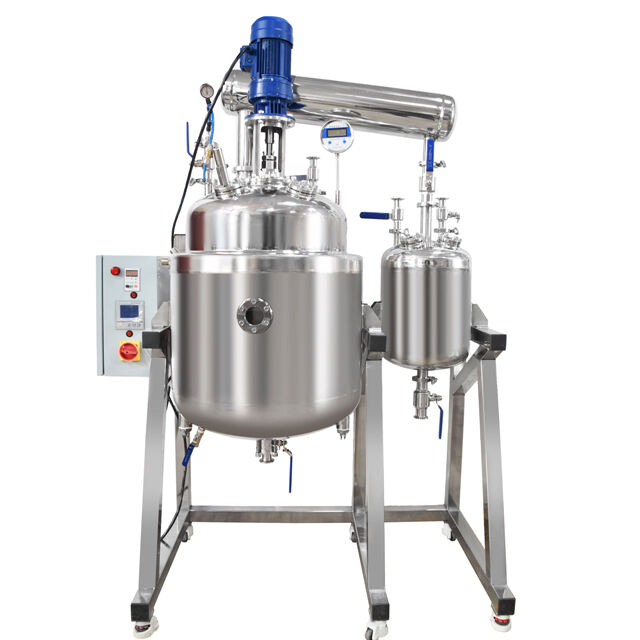
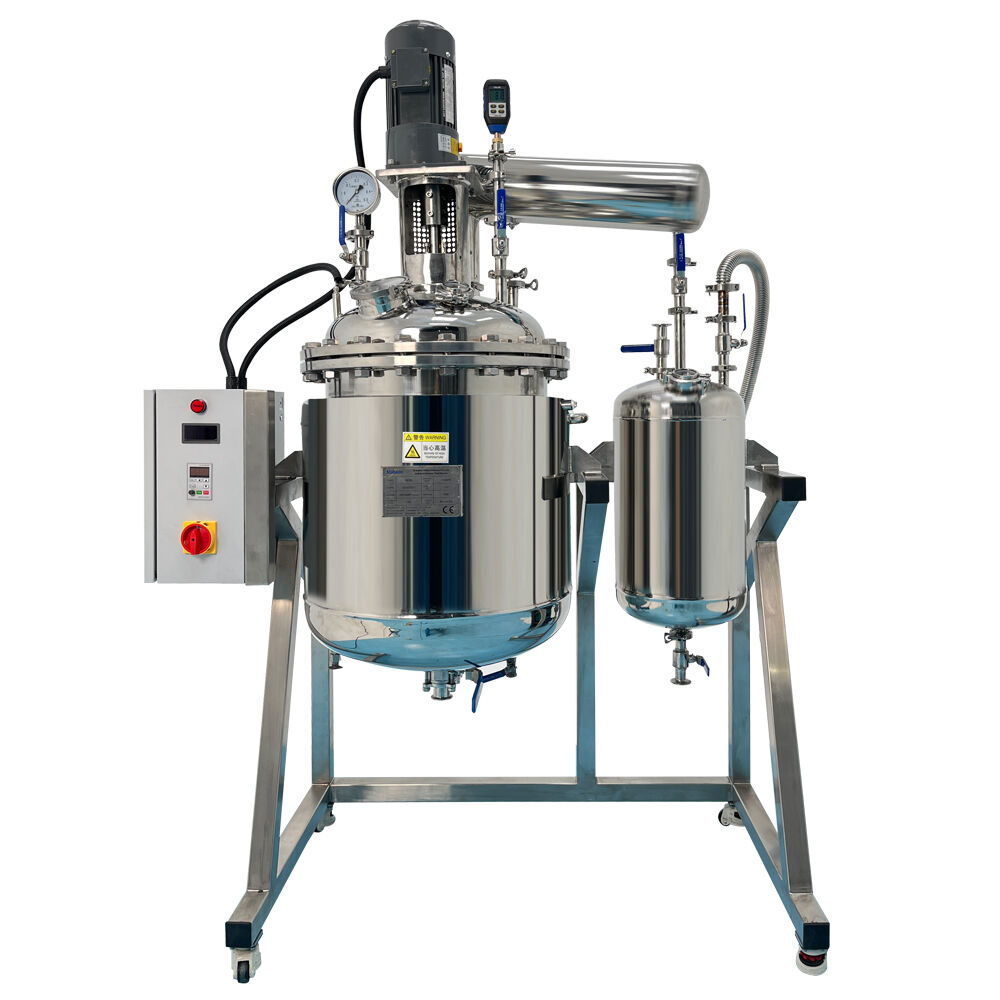
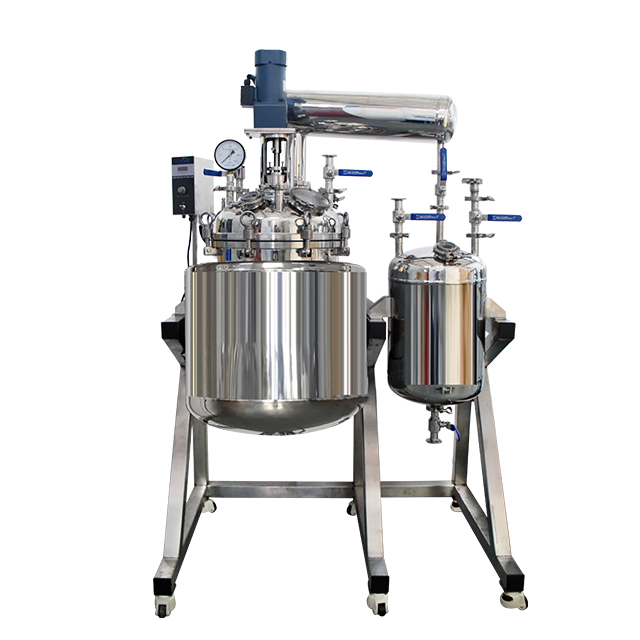
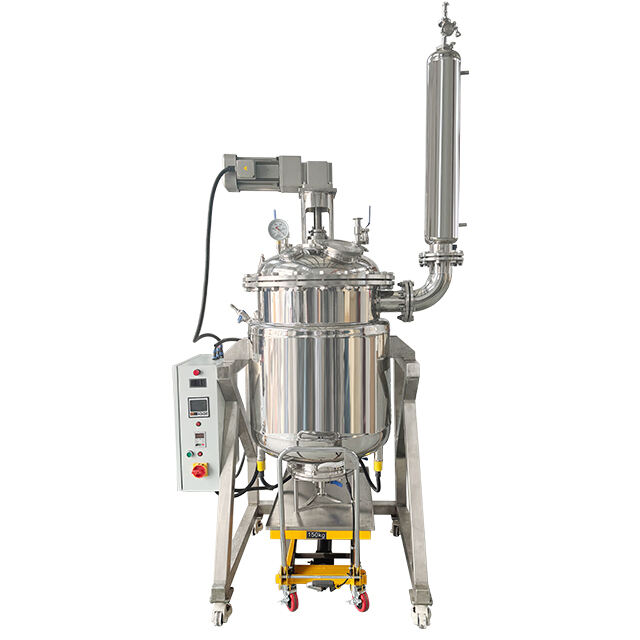
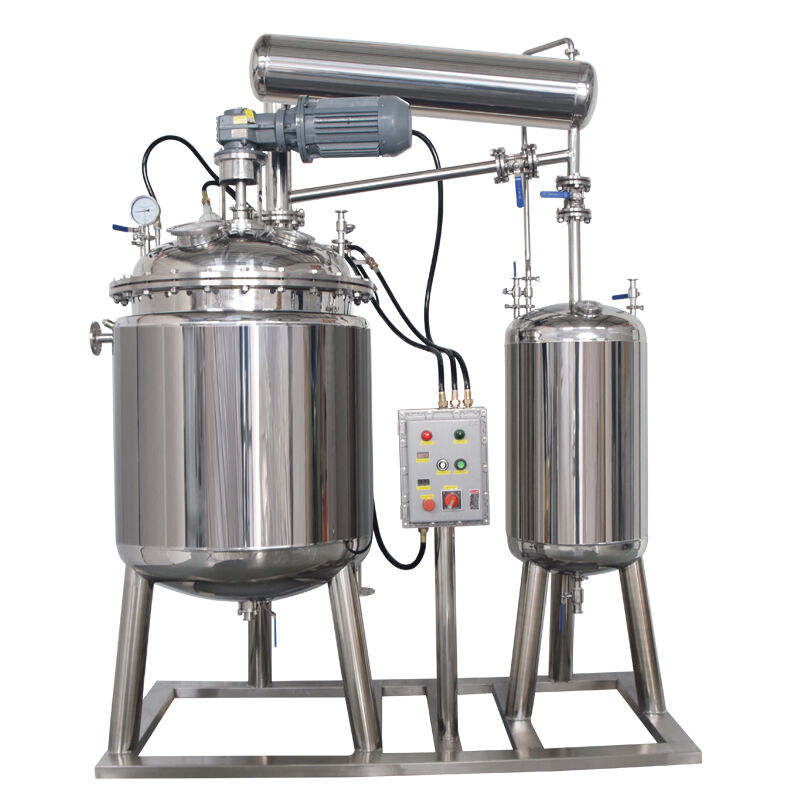
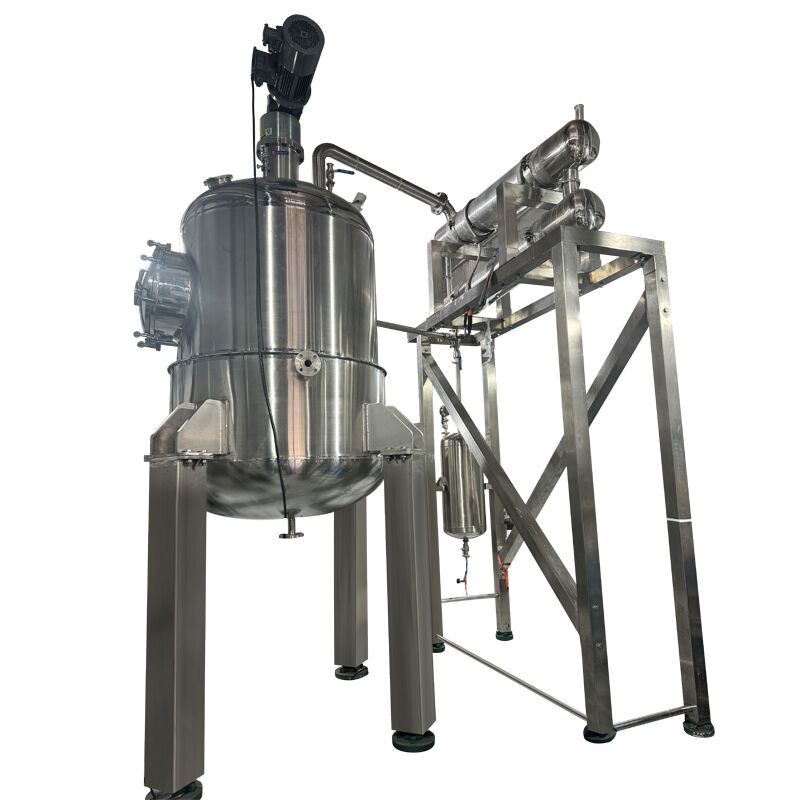
A stainless steel batch reactor represents a cornerstone technology in modern chemical processing, pharmaceutical manufacturing, and industrial production facilities. This sophisticated equipment operates on a batch processing principle, where raw materials are loaded, processed under controlled conditions, and then discharged as finished products in discrete batches. The reactor's construction utilizes high-grade stainless steel materials, typically 316L or 304 stainless steel, providing exceptional resistance to corrosion, chemical attack, and temperature fluctuations. The main functions of a stainless steel batch reactor encompass mixing, heating, cooling, chemical reactions, and product synthesis under precisely controlled environmental parameters. These reactors feature advanced temperature control systems, pressure monitoring capabilities, and sophisticated agitation mechanisms that ensure uniform mixing and optimal reaction conditions throughout the processing cycle. Technological features include programmable logic controllers for automated operation, jacketed vessel designs for efficient heat transfer, variable-speed agitators for customizable mixing patterns, and comprehensive safety systems including pressure relief valves and emergency shutdown protocols. The reactor's interior surfaces are mirror-polished to prevent product contamination and facilitate thorough cleaning between batches. Applications span across pharmaceutical drug synthesis, specialty chemical production, food processing operations, cosmetic formulation, paint manufacturing, and research laboratory environments. Industries rely on stainless steel batch reactors for producing high-value products requiring strict quality control, precise formulation consistency, and contamination-free processing environments. The batch processing approach allows manufacturers to produce multiple product variations using the same equipment, making it ideal for facilities handling diverse product portfolios or custom formulations. Advanced models incorporate features such as inert gas blanketing systems, vacuum capabilities, and integrated filtration systems that expand processing versatility and product quality assurance.
 EN
EN