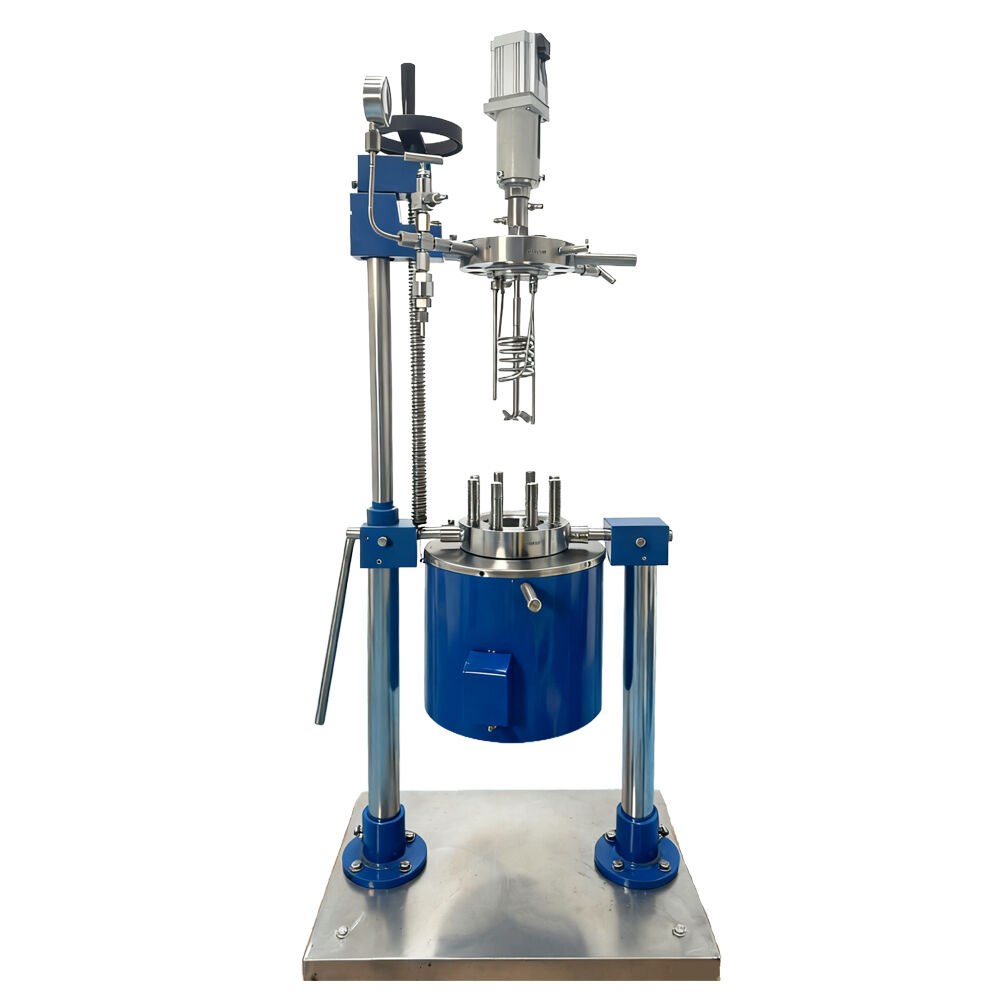
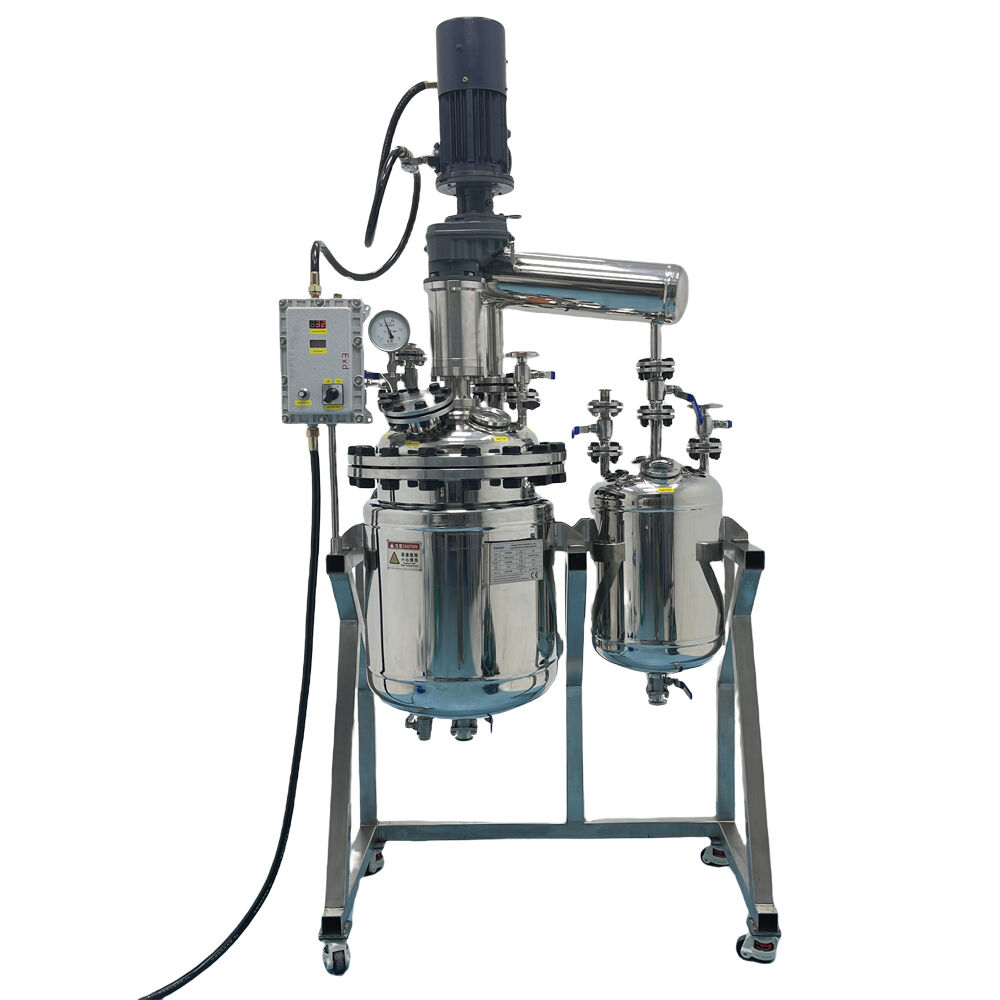
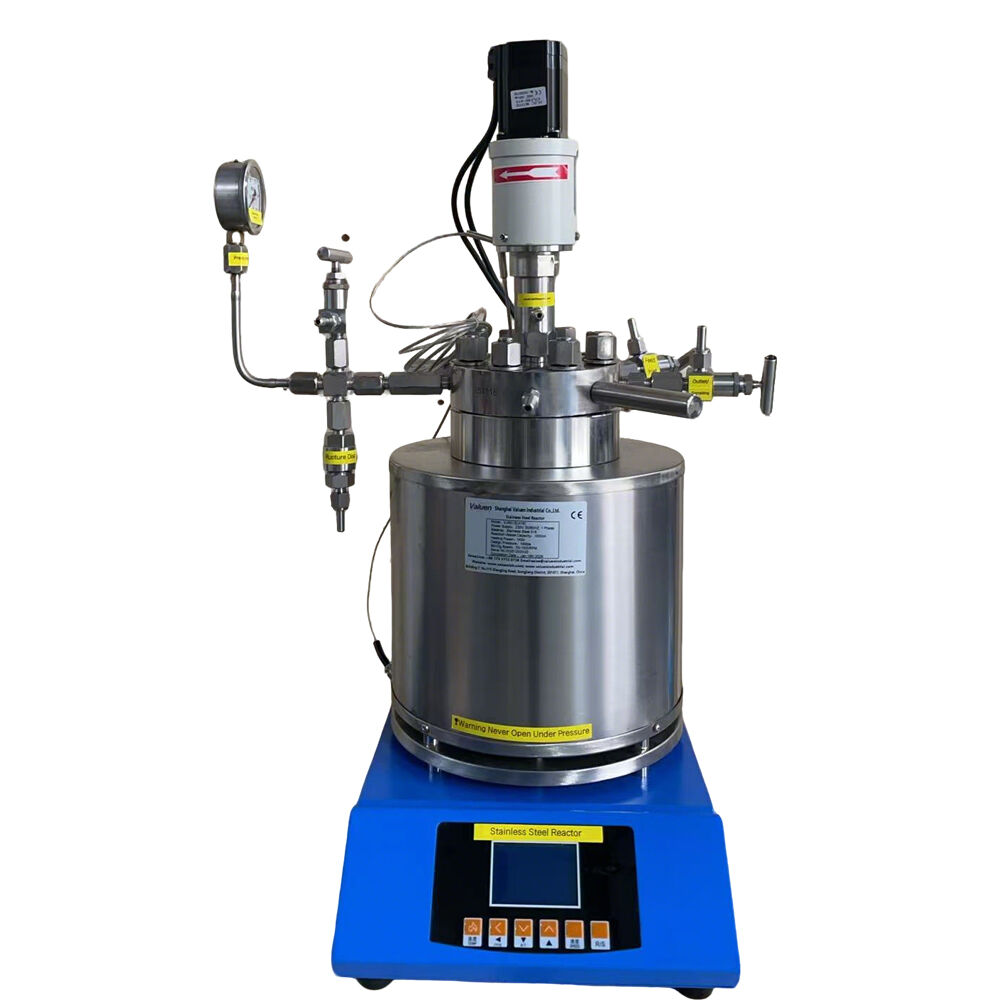
Stainless Steel High Pressure Reactor - Advanced Industrial Chemical Processing Equipment

Get a Free Quote

Our representative will contact you soon.
Email
Name
Contact Number
Company Name
Message
0/1000

stainless steel high pressure reactor

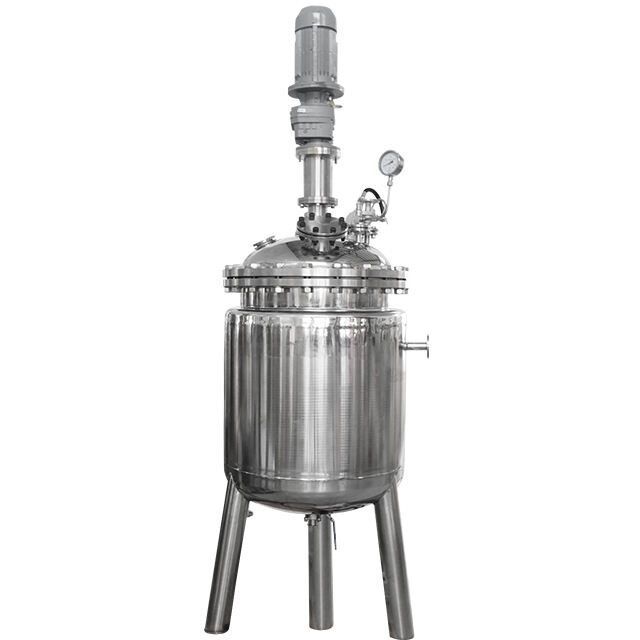
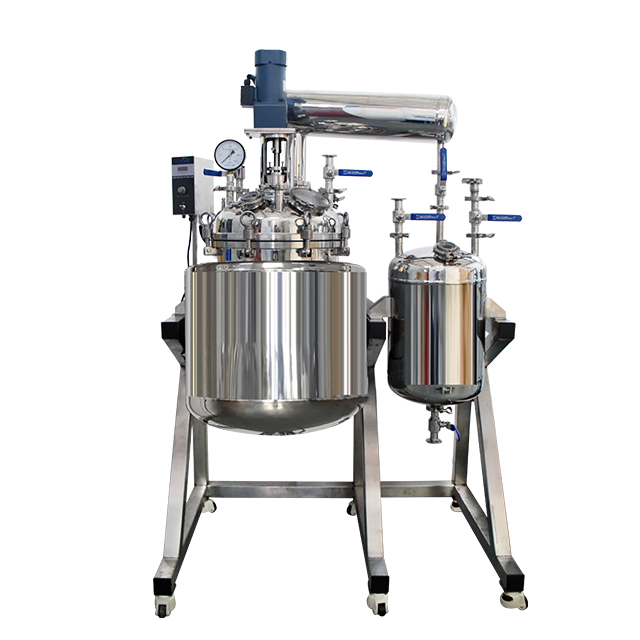
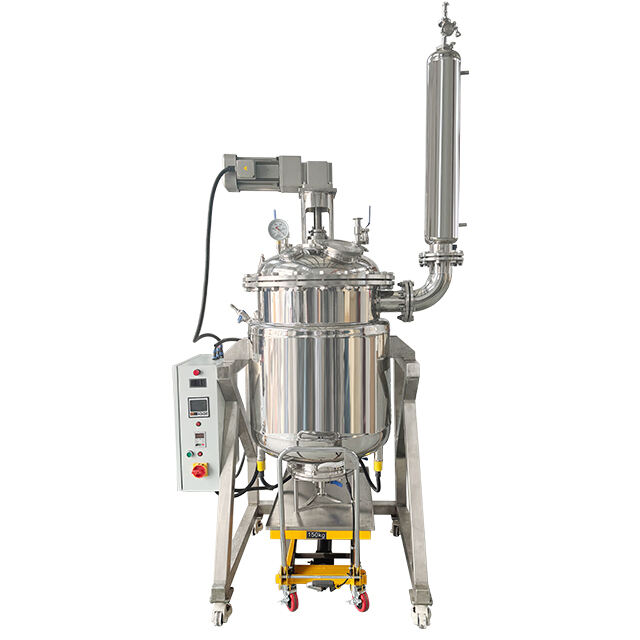
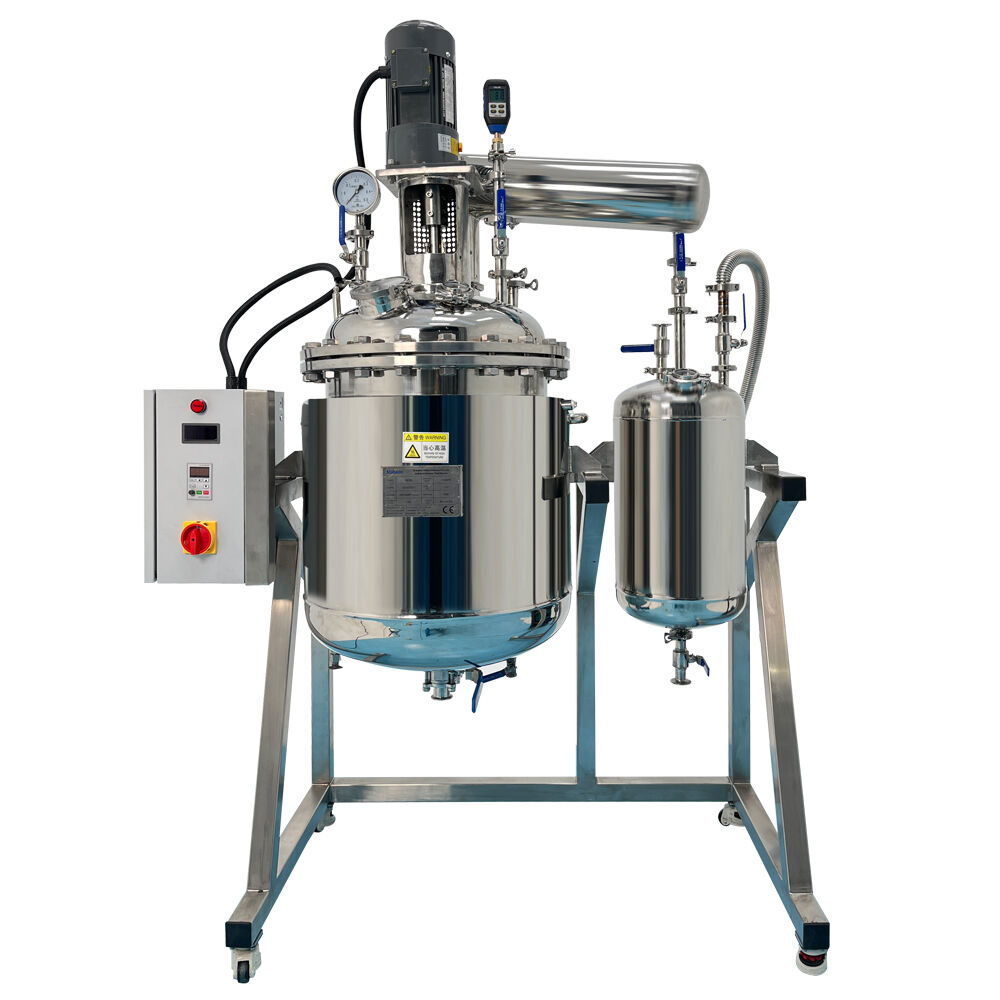
A stainless steel high pressure reactor represents a sophisticated piece of industrial equipment designed to facilitate chemical reactions, material processing, and synthesis operations under elevated pressure and temperature conditions. This robust vessel combines the corrosion-resistant properties of stainless steel with advanced engineering to create a reliable platform for various industrial processes. The stainless steel high pressure reactor serves as the cornerstone of modern chemical manufacturing, pharmaceutical production, and materials science research. Its primary function involves containing and controlling chemical reactions that require pressurized environments to achieve optimal conversion rates, selectivity, and product quality. The reactor's stainless steel construction ensures exceptional durability and resistance to aggressive chemicals, making it suitable for handling corrosive substances that would damage conventional materials. Key technological features include precision pressure control systems, advanced temperature regulation mechanisms, and sophisticated mixing capabilities that ensure uniform reaction conditions throughout the vessel. The reactor incorporates safety systems such as pressure relief valves, temperature monitoring devices, and emergency shutdown protocols to protect operators and equipment. Its design typically features a cylindrical vessel with hemispherical or torispherical heads, providing optimal pressure distribution and structural integrity. The stainless steel high pressure reactor finds applications across diverse industries including petrochemicals, pharmaceuticals, food processing, specialty chemicals, and polymer manufacturing. In pharmaceutical applications, these reactors enable the synthesis of active pharmaceutical ingredients under controlled conditions. The petrochemical industry utilizes them for hydrogenation, polymerization, and catalytic processes. Food processors employ these reactors for sterilization, extraction, and concentration operations. The reactor's versatility extends to research and development environments where scientists explore new reaction pathways and optimize process parameters. Advanced models feature computerized control systems that monitor and adjust operational parameters in real-time, ensuring consistent product quality and process efficiency. The stainless steel construction provides excellent cleanability, making these reactors ideal for applications requiring stringent hygiene standards.

New Products

The stainless steel high pressure reactor offers numerous practical benefits that make it an essential investment for businesses requiring reliable pressure vessel technology. First and foremost, the corrosion resistance of stainless steel construction ensures long-term durability and reduces maintenance costs significantly. Unlike carbon steel or other materials that may deteriorate when exposed to aggressive chemicals, stainless steel maintains its structural integrity and surface finish over extended periods. This translates to lower replacement costs and minimal downtime for repairs or maintenance activities. The superior strength-to-weight ratio of stainless steel allows the reactor to withstand extreme pressures while remaining relatively lightweight compared to alternative materials. This characteristic facilitates easier installation, reduces foundation requirements, and simplifies transportation logistics. Temperature stability represents another crucial advantage, as stainless steel high pressure reactors can operate effectively across wide temperature ranges without experiencing thermal shock or dimensional changes that could compromise seal integrity. The smooth, non-porous surface of stainless steel prevents contamination buildup and enables thorough cleaning between batches, ensuring product purity and meeting strict quality standards. Energy efficiency benefits arise from excellent heat transfer properties, allowing faster heating and cooling cycles that reduce processing time and energy consumption. The reactor's ability to maintain consistent pressure and temperature conditions leads to improved reaction yields, reduced waste generation, and enhanced product quality. Safety advantages include the material's non-toxic nature, fire resistance, and ability to contain high-pressure reactions without catastrophic failure risks. The stainless steel high pressure reactor provides exceptional versatility, accommodating various chemical processes, reaction types, and operating conditions within a single vessel. This flexibility reduces capital investment requirements and maximizes equipment utilization across different production campaigns. Automated control systems integrated with modern stainless steel high pressure reactors enable precise process control, reducing human error and ensuring reproducible results. The reactor's compatibility with various heating and cooling methods, including steam, electric, and thermal oil systems, provides operational flexibility. Easy scalability allows businesses to transition from laboratory-scale research to pilot plant and full production scales using similar technology platforms. Regulatory compliance becomes straightforward due to stainless steel's acceptance across industries and its ability to meet stringent hygiene and safety standards.

Practical Tips

Mastering the Art of Chemical Processing with Jacketed Stainless Steel Reactors

29

Oct

Mastering the Art of Chemical Processing with Jacketed Stainless Steel Reactors

Understanding Jacketed Stainless Steel Reactors: Design and Core Functionality What Are Jacketed Stainless Steel Reactors? Jacketed stainless steel reactors consist of a main reaction area inside what's called a jacket or outer shell. Between these ...
View More
The Durability Advantage of Stainless Steel Extraction Reactors

29

Oct

The Durability Advantage of Stainless Steel Extraction Reactors

Why Stainless Steel Extraction Reactors Last LongerTypical Lifespan of Stainless Steel Reactors in Industrial ApplicationsIndustrial stainless steel extraction reactors built to last decades in tough environments aren't uncommon these days. The big o...
View More
What Are the Key Advantages of a Rotary and Liftable Stainless Steel Reactor?

20

Jan

What Are the Key Advantages of a Rotary and Liftable Stainless Steel Reactor?

Modern industrial processing demands equipment that combines efficiency, versatility, and durability. A rotary and liftable stainless steel reactor represents a significant advancement in chemical processing technology, offering manufacturers the fle...
View More
Explosion-Proof Glass Molecular Distillation System: Principles, Design, and Applications

30

Jan

Explosion-Proof Glass Molecular Distillation System: Principles, Design, and Applications

An explosion-proof glass molecular distillation system is a critical solution for the separation and purification of high-value, heat-sensitive, and solvent-based materials. As industries increasingly demand higher purity, safer operation, and gentle...
View More

Get a Free Quote

Our representative will contact you soon.
Email
Name
Contact Number
Company Name
Message
0/1000

stainless steel high pressure reactor

Superior Corrosion Resistance and Material Longevity

Superior Corrosion Resistance and Material Longevity

The exceptional corrosion resistance of stainless steel high pressure reactors stands as their most significant advantage, providing unmatched durability in challenging chemical environments. This superior resistance stems from the chromium content in stainless steel, which forms a passive oxide layer that protects the underlying metal from chemical attack. Unlike conventional materials that may suffer from pitting, crevice corrosion, or general degradation when exposed to acids, bases, or organic solvents, stainless steel maintains its structural integrity and surface quality throughout extended service life. This characteristic proves particularly valuable in pharmaceutical manufacturing, where reactors must resist aggressive cleaning agents, sterilizing chemicals, and various pharmaceutical intermediates without introducing metallic contamination into products. The corrosion resistance translates directly into reduced maintenance requirements, as operators spend less time on surface treatments, repairs, or component replacements. Businesses benefit from increased uptime and productivity, as the stainless steel high pressure reactor continues operating reliably without frequent shutdowns for maintenance activities. The material's resistance to stress corrosion cracking under high-pressure conditions ensures safe operation even when processing challenging chemical combinations. This reliability factor becomes critical in continuous production environments where equipment failure could result in significant financial losses and safety hazards. The smooth, passive surface of stainless steel also prevents the formation of deposits and scale that could compromise heat transfer efficiency or create contamination risks. Over the reactor's lifetime, the initial investment in stainless steel construction pays dividends through reduced replacement costs, lower maintenance expenses, and consistent performance that maintains product quality standards. Environmental benefits include reduced waste generation from corroded components and decreased need for protective coatings or treatments that might introduce environmental concerns. The longevity of stainless steel high pressure reactors supports sustainable manufacturing practices by minimizing resource consumption over equipment lifecycles.
Advanced Pressure and Temperature Control Capabilities

Advanced Pressure and Temperature Control Capabilities

The sophisticated pressure and temperature control capabilities of stainless steel high pressure reactors enable precise process optimization that directly impacts product quality, reaction efficiency, and operational safety. These reactors incorporate advanced control systems that maintain exact pressure and temperature parameters within narrow tolerances, ensuring consistent reaction conditions that are crucial for achieving desired product specifications. The stainless steel construction provides excellent thermal conductivity and uniform heat distribution, eliminating hot spots that could cause unwanted side reactions or product degradation. Modern pressure control systems utilize electronic sensors and automated valves that respond instantly to pressure fluctuations, maintaining stable operating conditions even during dynamic reaction phases. Temperature control systems feature multiple heating and cooling options, including jacket heating, internal coils, and external heat exchangers that provide rapid response times and precise temperature regulation. This level of control becomes essential in pharmaceutical synthesis where reaction temperatures must remain within specific ranges to ensure proper stereochemistry and avoid impurity formation. The ability to program temperature and pressure profiles allows operators to implement complex reaction sequences, including staged heating, controlled pressure release, and gradual cooling cycles that optimize conversion rates and selectivity. Safety systems integrated into the stainless steel high pressure reactor include multiple pressure relief devices, temperature alarms, and emergency shutdown procedures that protect personnel and equipment from overpressure or overtemperature conditions. Real-time monitoring capabilities enable operators to track reaction progress, identify potential issues before they become problems, and make adjustments that optimize process performance. Data logging features provide complete documentation of operating conditions, supporting quality assurance requirements and regulatory compliance needs. The reactor's ability to operate at elevated pressures enables reactions that would be impossible at atmospheric conditions, opening up new synthesis pathways and improving reaction rates for many chemical processes. Precise control also reduces energy consumption by minimizing overshooting of target conditions and optimizing heating and cooling cycles.
Exceptional Versatility and Multi-Application Capability

Exceptional Versatility and Multi-Application Capability

The remarkable versatility of stainless steel high pressure reactors makes them invaluable assets for businesses requiring flexible manufacturing capabilities across diverse product lines and process requirements. This adaptability stems from the reactor's robust construction, comprehensive accessories, and modular design features that accommodate various reaction types, from simple mixing operations to complex multi-step syntheses. The stainless steel high pressure reactor can handle liquid-liquid, gas-liquid, and solid-liquid reaction systems with equal effectiveness, supporting processes such as hydrogenation, polymerization, crystallization, and extraction operations within the same vessel. Interchangeable internal components, including different agitator designs, baffle configurations, and heating elements, allow operators to optimize the reactor for specific applications without requiring separate equipment for each process. This flexibility proves particularly valuable for contract manufacturing organizations and multi-product facilities that must accommodate varying customer requirements and production campaigns. The reactor's compatibility with different pressure ranges enables processing from vacuum conditions to high-pressure operations, expanding the range of feasible reactions and process conditions. Temperature versatility allows operation from cryogenic conditions to high-temperature applications, supporting diverse chemical transformations and physical processes. The stainless steel high pressure reactor accommodates various batch sizes through different vessel volumes and can be configured for continuous processing applications with appropriate inlet and outlet systems. Cleaning and changeover procedures are streamlined due to the smooth stainless steel surfaces and accessible design features, minimizing downtime between different products or processes. The reactor's ability to handle both corrosive and non-corrosive materials makes it suitable for industries ranging from specialty chemicals to food processing and biotechnology applications. Advanced versions offer multiple ports for sampling, addition of reactants, and installation of analytical probes, enabling real-time process monitoring and control. The modular approach to reactor design allows businesses to upgrade capabilities incrementally, adding features such as automated control systems, specialized mixing equipment, or enhanced safety systems as needs evolve. This scalability ensures that the initial investment continues providing value as business requirements change and grow.

Get a Free Quote

Our representative will contact you soon.
Email
Name
Contact Number
Company Name
Message
0/1000