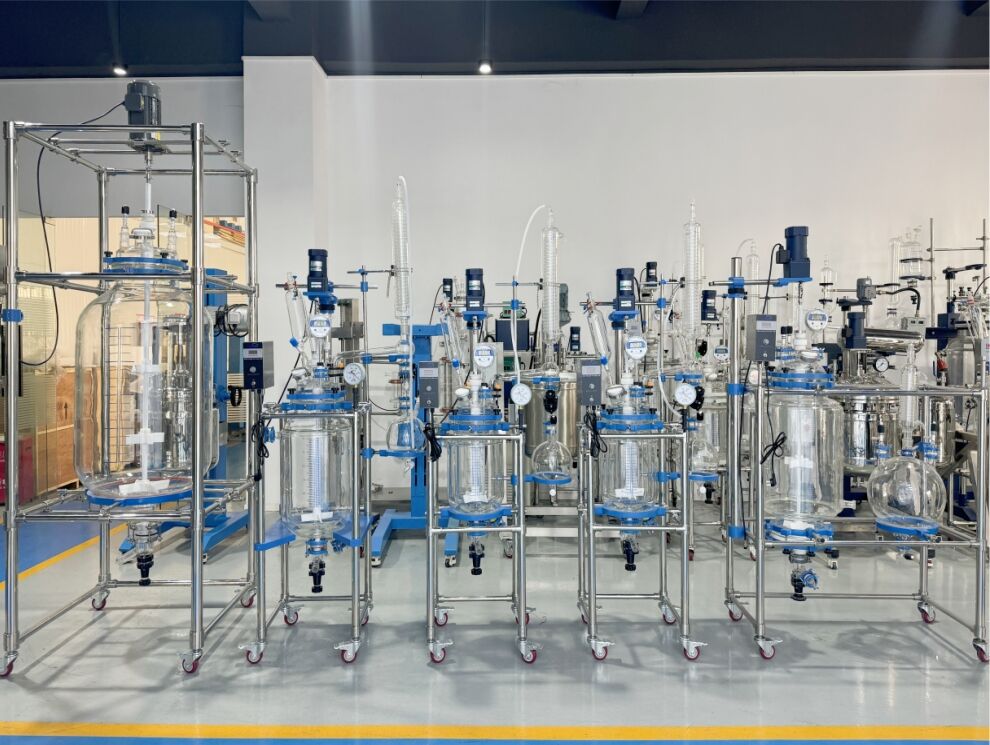
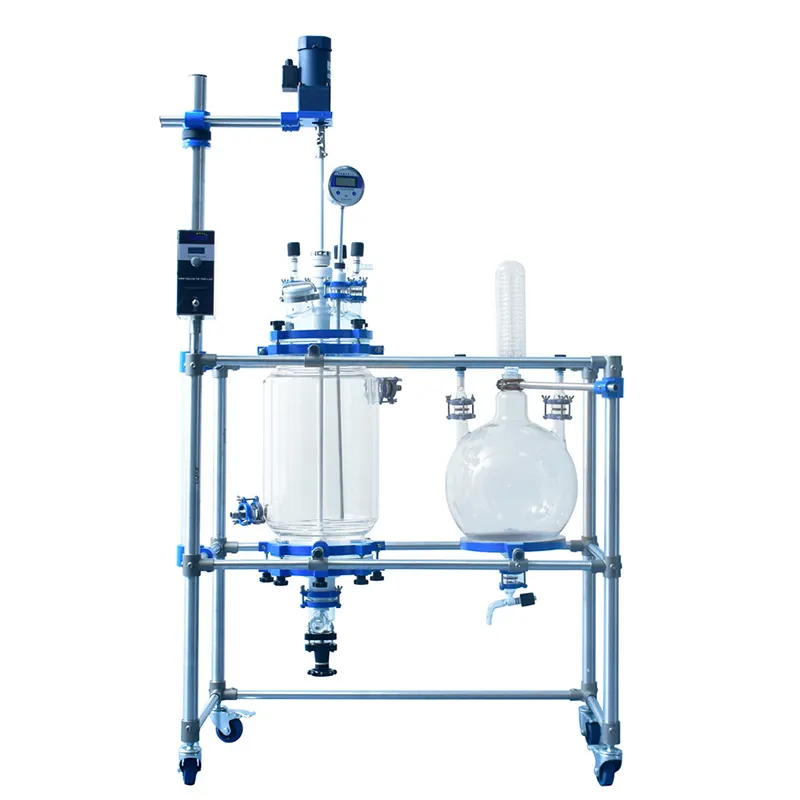
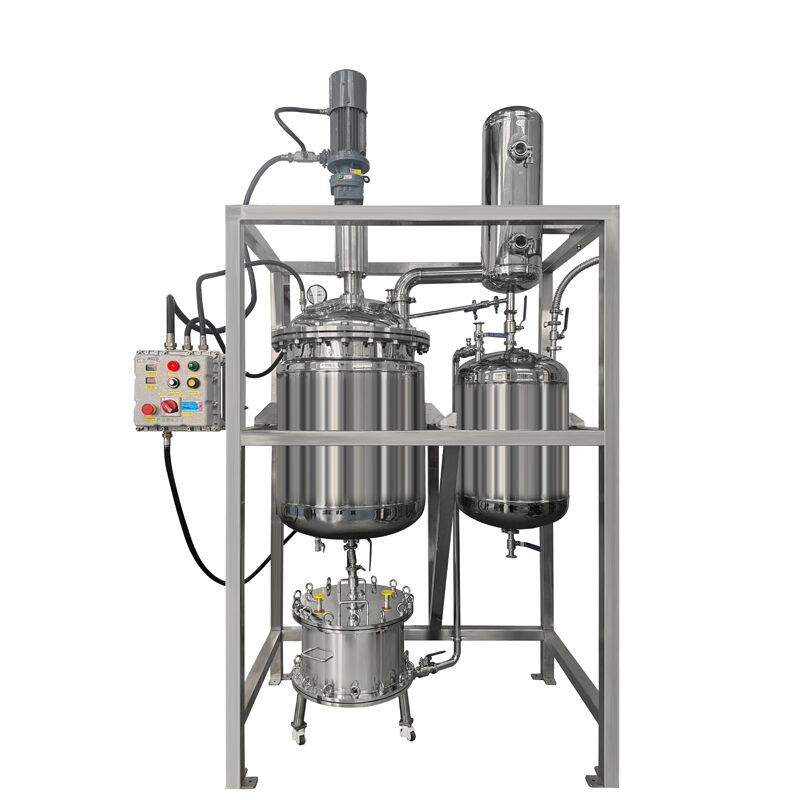
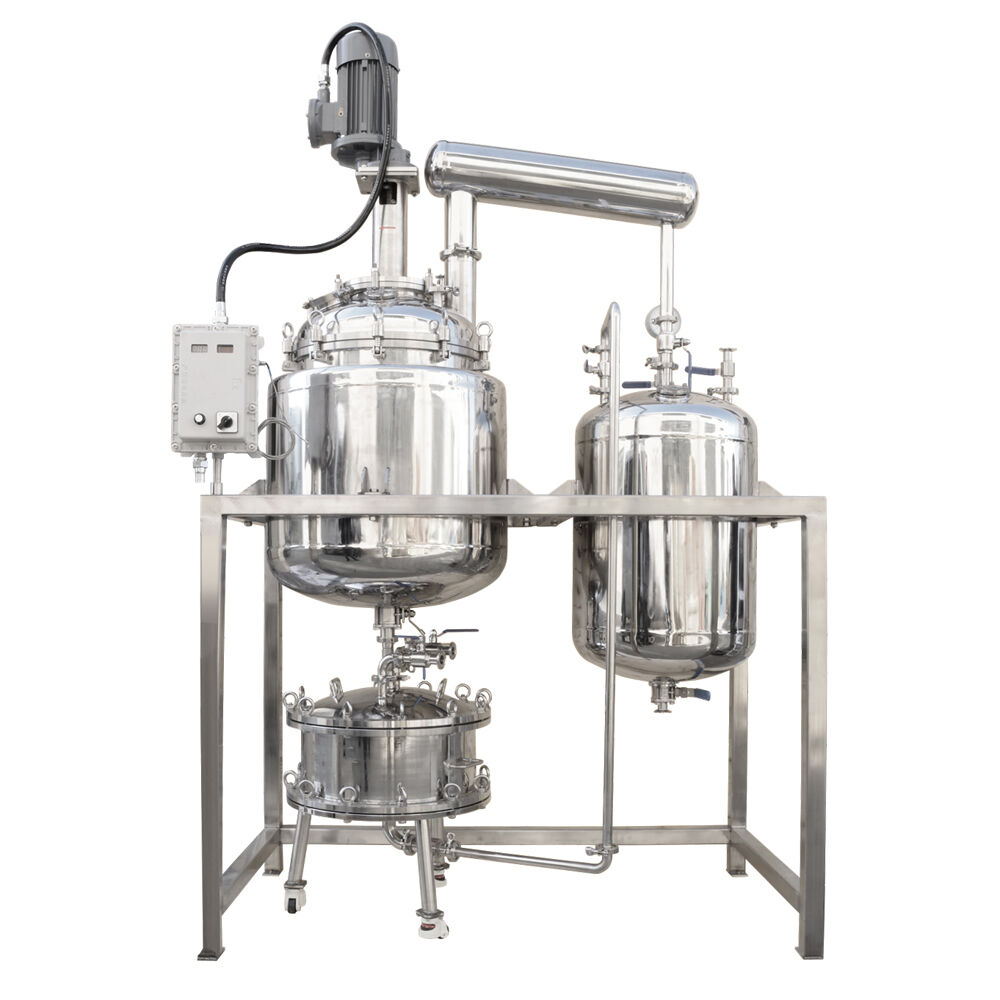
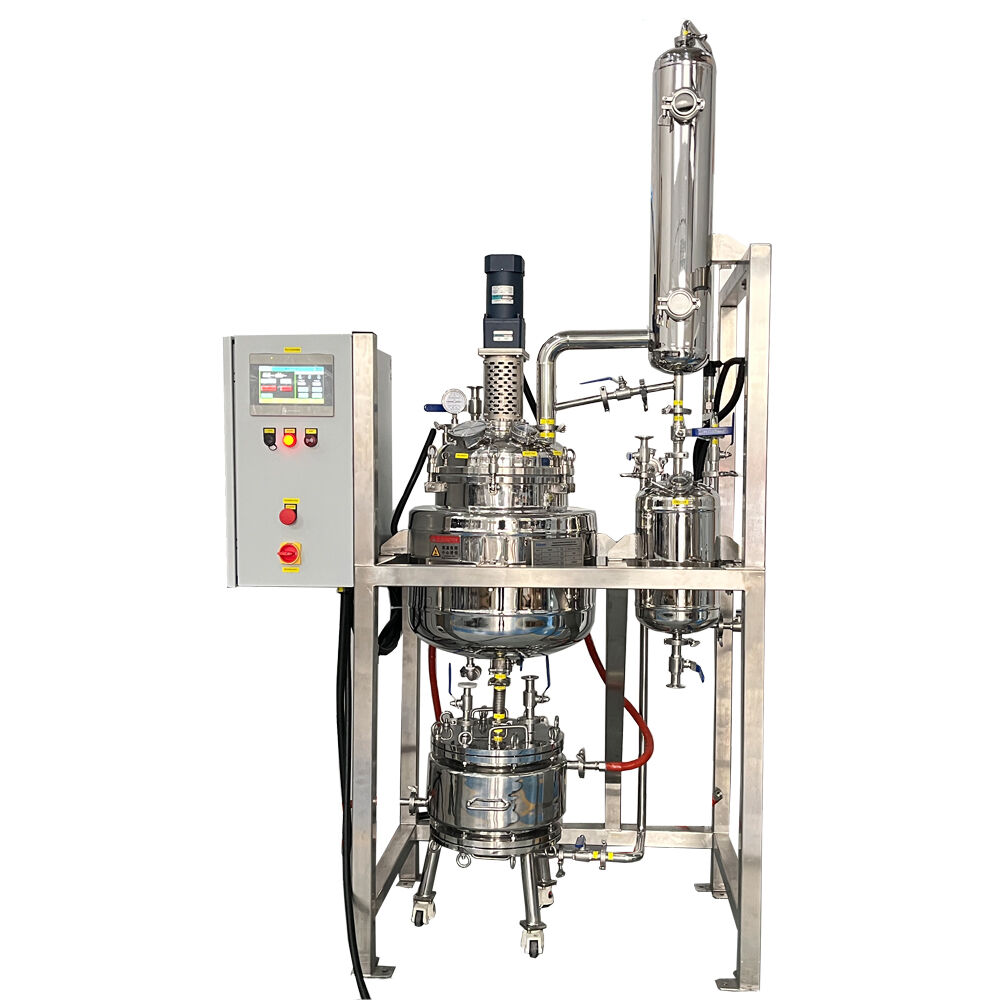
Stainless Steel Crystallization Reactor - Advanced Industrial Crystallization Equipment

Get a Free Quote

Our representative will contact you soon.
Email
Name
Contact Number
Company Name
Message
0/1000

stainless steel crystallization reactor

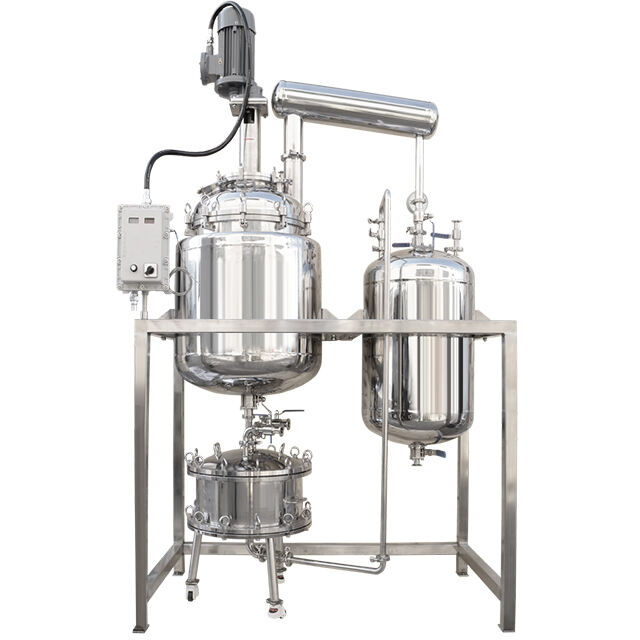
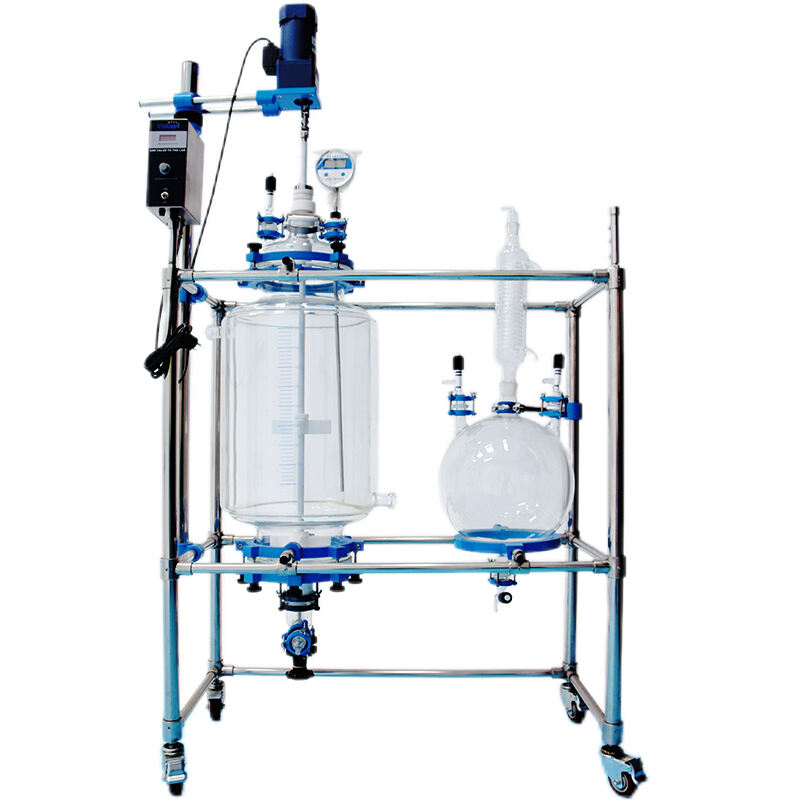
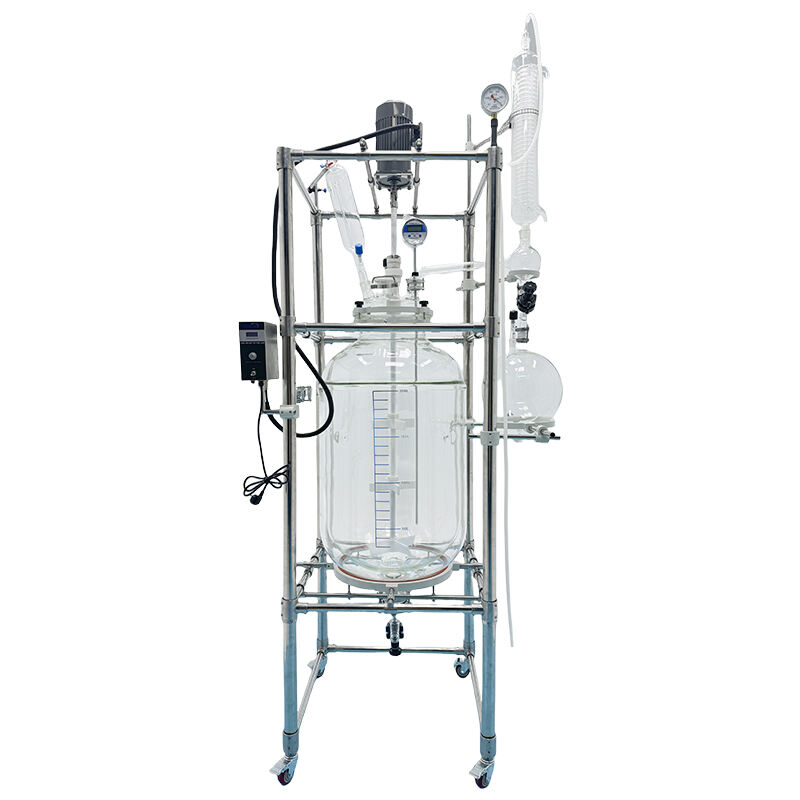
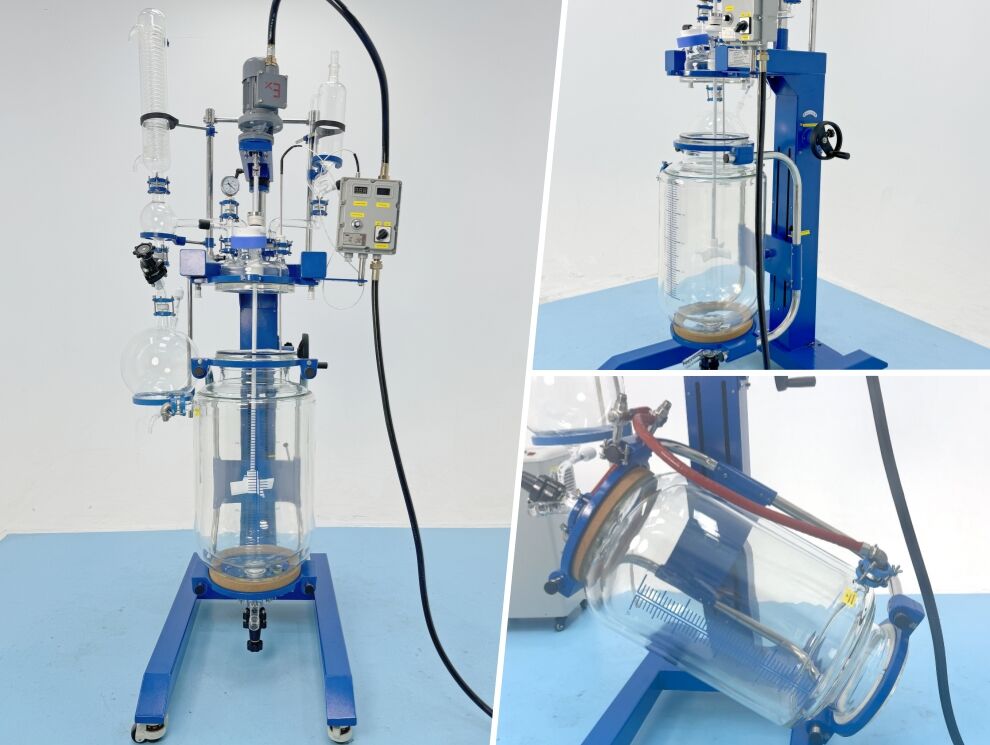
A stainless steel crystallization reactor represents a sophisticated piece of industrial equipment designed to facilitate controlled crystal formation processes across various manufacturing sectors. This specialized vessel combines advanced engineering principles with corrosion-resistant materials to deliver consistent, high-quality crystallization results. The primary function of a stainless steel crystallization reactor involves creating optimal conditions for nucleation and crystal growth through precise temperature, pressure, and mixing control. The reactor's stainless steel construction ensures chemical compatibility with aggressive solvents and maintains product purity throughout the crystallization cycle. Modern stainless steel crystallization reactor systems incorporate multiple technological features that distinguish them from conventional processing equipment. These units typically feature jacketed walls for enhanced thermal management, allowing operators to implement complex heating and cooling profiles essential for controlling crystal morphology. Advanced agitation systems within the stainless steel crystallization reactor ensure uniform mixing while preventing crystal breakage, maintaining desired particle size distributions. Temperature sensors and automated control systems provide real-time monitoring capabilities, enabling precise process optimization. The versatility of stainless steel crystallization reactor applications spans pharmaceutical manufacturing, where API crystallization requires strict quality standards, chemical processing for specialty compounds, and food industry applications involving sugar and salt crystal formation. Semiconductor manufacturing also relies on stainless steel crystallization reactor technology for producing high-purity materials. The robust construction and sanitary design make these reactors suitable for continuous operation in demanding production environments. Each stainless steel crystallization reactor can be customized with specific volume capacities, ranging from laboratory-scale units to large industrial systems. This scalability ensures seamless process development from research phases through full-scale manufacturing implementation.

Popular Products

The stainless steel crystallization reactor offers numerous practical benefits that directly impact operational efficiency and product quality for manufacturing facilities. Superior corrosion resistance stands as the primary advantage, allowing these reactors to handle aggressive chemicals without degradation. This durability translates to reduced maintenance costs and extended equipment lifespan compared to alternative materials. The non-reactive surface of stainless steel prevents contamination, ensuring product purity remains consistent batch after batch. Easy cleaning and sterilization capabilities make the stainless steel crystallization reactor ideal for pharmaceutical and food applications where hygiene standards are paramount. The smooth interior surfaces facilitate thorough cleaning protocols, reducing downtime between production runs. Temperature control precision represents another significant advantage, as stainless steel construction enables rapid heat transfer and uniform temperature distribution throughout the reactor volume. This thermal efficiency allows for tighter process control, resulting in more consistent crystal characteristics and improved yield rates. The mechanical strength of stainless steel construction enables higher operating pressures and temperatures, expanding the range of crystallization processes that can be performed safely. Operators benefit from reduced risk of equipment failure and improved workplace safety. Flexibility in design modifications allows manufacturers to customize each stainless steel crystallization reactor according to specific process requirements. Port configurations, agitator designs, and internal components can be tailored to optimize performance for particular applications. The recyclable nature of stainless steel aligns with environmental sustainability goals while maintaining long-term value retention. Investment returns improve through reduced replacement frequency and lower operating costs. Quality assurance becomes more manageable with stainless steel crystallization reactor systems due to consistent material properties and predictable performance characteristics. Validation protocols for regulated industries are simplified when using proven stainless steel construction. Integration capabilities with existing plant infrastructure are enhanced through standardized connection methods and control system compatibility. This seamless integration reduces installation complexity and commissioning time, accelerating time-to-market for new products.

Practical Tips

Cost-Effective Solutions: Jacketed Stainless Steel Reactors

15

Apr

Cost-Effective Solutions: Jacketed Stainless Steel Reactors

Understanding Jacketed Stainless Steel Reactors and Core Components Core Components of Stainless Steel Jacketed Reactors Stainless steel jacketed reactors have this special double wall setup where there's basically two layers one inside the other. ...
View More
Maximizing Productivity with Jacketed Stainless Steel Reactors

16

Apr

Maximizing Productivity with Jacketed Stainless Steel Reactors

Robust Construction for High-Pressure and Corrosive Environments Stainless steel's structural superiority makes it the material of choice for jacketed stainless steel reactors operating in harsh industrial conditions. Its combination of mechanical ...
View More
The Benefits of Jacketed Stainless Steel Reactors in Industrial Applications

16

Apr

The Benefits of Jacketed Stainless Steel Reactors in Industrial Applications

Superior Temperature Control Through Advanced Heating and Cooling Systems How Jacketed Design Enables Precise Thermal Regulation Stainless steel reactors with jackets keep things at just the right temperature because they have this outer shell wher...
View More
How Fractional Distillation Systems Improve Product Purity in Chemical Processing

16

Apr

How Fractional Distillation Systems Improve Product Purity in Chemical Processing

Chemical processing industries constantly seek methods to enhance product purity and achieve precise separation of components. Fractional distillation systems represent one of the most effective and widely adopted separation technologies, offering un...
View More

Get a Free Quote

Our representative will contact you soon.
Email
Name
Contact Number
Company Name
Message
0/1000

stainless steel crystallization reactor

Advanced Temperature Control System

Advanced Temperature Control System

The temperature control system integrated into every stainless steel crystallization reactor represents a cornerstone of precise crystallization processing. This sophisticated thermal management capability enables manufacturers to execute complex temperature profiles with exceptional accuracy, directly influencing crystal formation kinetics and final product characteristics. The stainless steel construction facilitates superior heat transfer properties, allowing rapid temperature changes while maintaining uniform distribution throughout the entire reactor volume. Multi-zone heating and cooling systems can be implemented within the stainless steel crystallization reactor design, providing independent temperature control for different reactor sections. This advanced thermal control prevents hot spots and ensures consistent nucleation conditions across the entire crystallization medium. Operators can program specific heating and cooling ramps tailored to individual crystallization processes, optimizing crystal size distribution and morphology. The thermal mass characteristics of stainless steel construction provide excellent temperature stability, minimizing fluctuations that could negatively impact crystal quality. Insulation systems complement the stainless steel crystallization reactor design to improve energy efficiency and temperature control precision. Digital control interfaces allow real-time monitoring and adjustment of thermal parameters, enabling immediate response to process variations. The ability to maintain precise temperature control throughout extended crystallization cycles ensures reproducible results and consistent product quality. Safety features integrated into the temperature control system include over-temperature protection and emergency cooling protocols, protecting both equipment and personnel. The robust construction of stainless steel crystallization reactor units withstands thermal cycling without structural degradation, maintaining performance integrity over thousands of operational cycles. This temperature control advantage translates directly into improved product quality, reduced waste, and enhanced process reliability for manufacturers across diverse industries.
Superior Chemical Compatibility

Superior Chemical Compatibility

Chemical compatibility represents one of the most critical advantages offered by stainless steel crystallization reactor systems, enabling safe and effective processing of aggressive chemical compounds. The inherent corrosion resistance of stainless steel construction allows these reactors to handle strong acids, bases, and organic solvents without material degradation or contamination concerns. This compatibility extends the range of crystallization processes that can be performed safely within a single reactor system. The passive oxide layer that forms on stainless steel surfaces provides continuous protection against chemical attack, maintaining reactor integrity throughout extended service life. Unlike alternative materials that may require protective coatings, the stainless steel crystallization reactor offers intrinsic chemical resistance that cannot wear away or require periodic renewal. This reliability ensures consistent performance without unexpected maintenance interruptions. Various stainless steel grades can be selected for specific chemical environments, allowing customization of the stainless steel crystallization reactor to match particular process requirements. High-alloy stainless steels provide enhanced resistance to chloride attack and other aggressive conditions. The non-porous surface characteristics of stainless steel prevent chemical absorption and subsequent contamination of future batches. This feature proves essential in pharmaceutical manufacturing where cross-contamination must be eliminated completely. Cleaning validation becomes more straightforward with stainless steel crystallization reactor systems due to the inert surface properties and smooth finish that prevents residue accumulation. The chemical stability of stainless steel construction ensures that trace metals or other contaminants are not leached into the crystallization medium, maintaining product purity standards. Compatibility with cleaning agents and sterilization chemicals allows thorough decontamination between different products or batches. This versatility enables multi-product manufacturing capabilities within the same stainless steel crystallization reactor system, maximizing equipment utilization and return on investment.
Scalable Design Architecture

Scalable Design Architecture

The scalable design architecture of stainless steel crystallization reactor systems provides manufacturers with unprecedented flexibility to adapt their crystallization processes from laboratory development through full-scale commercial production. This scalability advantage eliminates the uncertainty associated with process scale-up by maintaining consistent geometric and thermal characteristics across different reactor sizes. The modular approach to stainless steel crystallization reactor design enables systematic capacity increases without fundamental changes to process parameters or control strategies. Heat transfer coefficients, mixing patterns, and mass transfer characteristics remain proportional across scales, ensuring predictable performance at any production volume. The standardized design elements used in stainless steel crystallization reactor construction facilitate easy replication and modification as production requirements evolve. Component interchangeability between different reactor sizes reduces spare parts inventory and maintenance complexity. Engineering principles applied to small-scale stainless steel crystallization reactor units translate directly to larger systems, minimizing development risk and validation requirements. This consistency proves particularly valuable in regulated industries where process changes require extensive documentation and approval. The robust construction methods used in stainless steel crystallization reactor manufacturing ensure structural integrity at any scale, from benchtop laboratory units to multi-thousand-liter industrial systems. Advanced computational fluid dynamics modeling can be applied consistently across different stainless steel crystallization reactor sizes, enabling accurate performance prediction before construction begins. Automation and control systems scale proportionally with reactor size, maintaining operational simplicity regardless of production volume. The economic benefits of scalable design include reduced capital investment risk, shorter project timelines, and improved return on investment through flexible production capacity. Manufacturing facilities can start with smaller stainless steel crystallization reactor systems and expand capacity as market demand grows, optimizing capital allocation and reducing financial risk. This scalable architecture represents a strategic advantage for companies seeking to maintain competitive flexibility in dynamic markets while ensuring consistent product quality across all production scales.

Get a Free Quote

Our representative will contact you soon.
Email
Name
Contact Number
Company Name
Message
0/1000