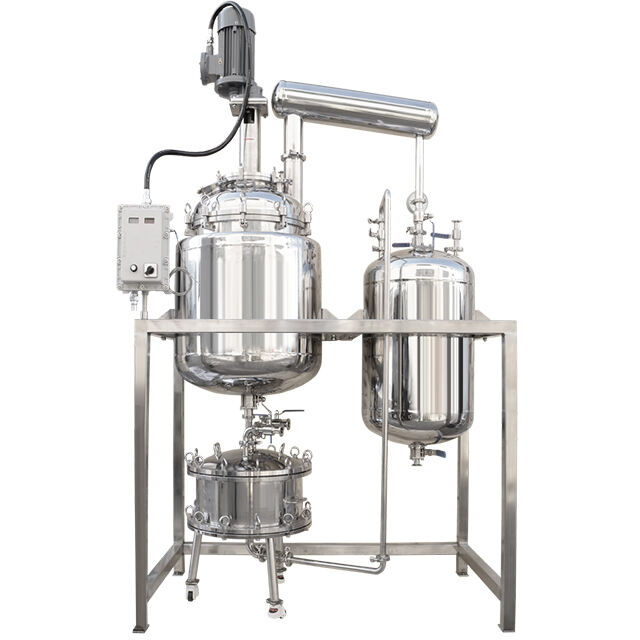
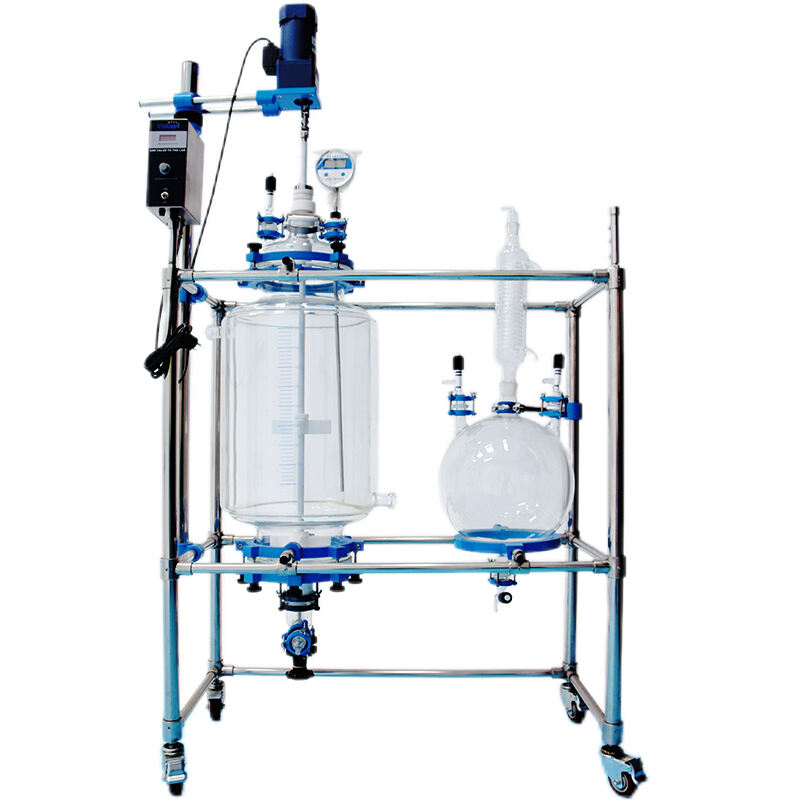
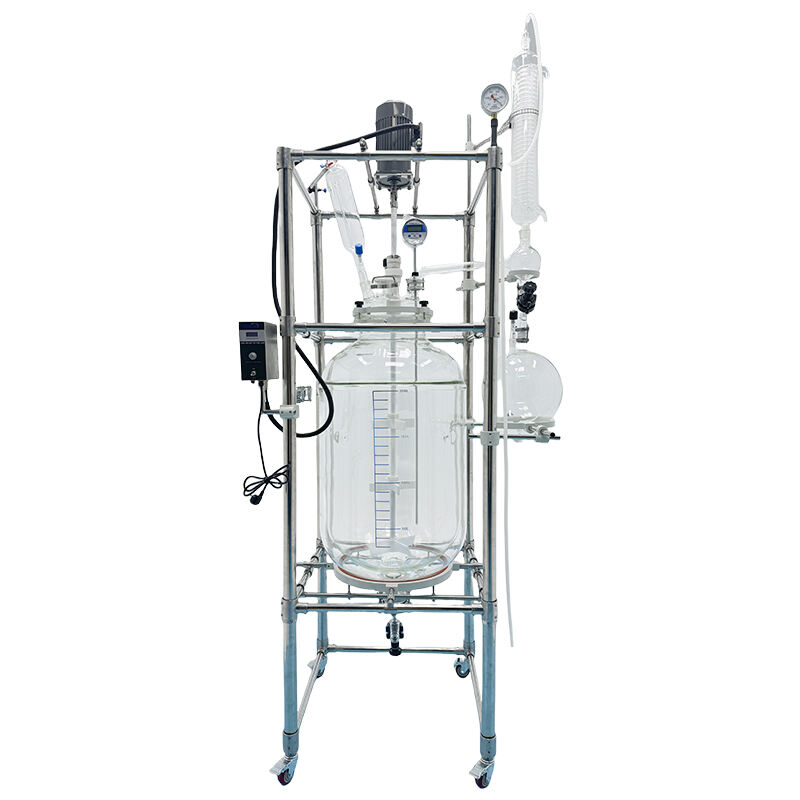
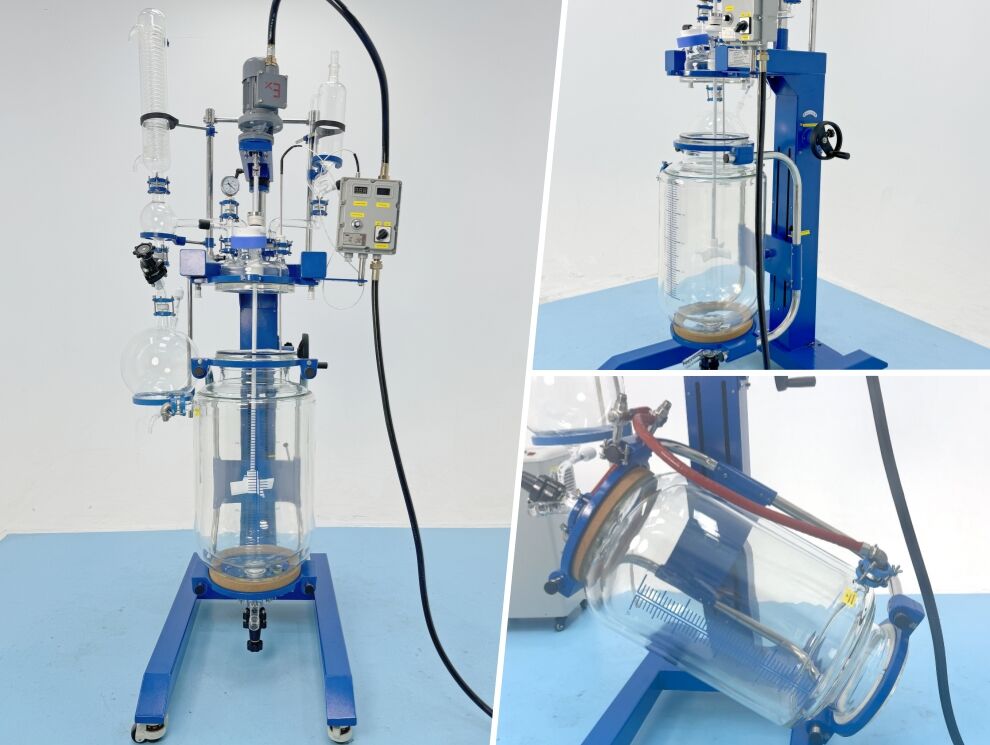
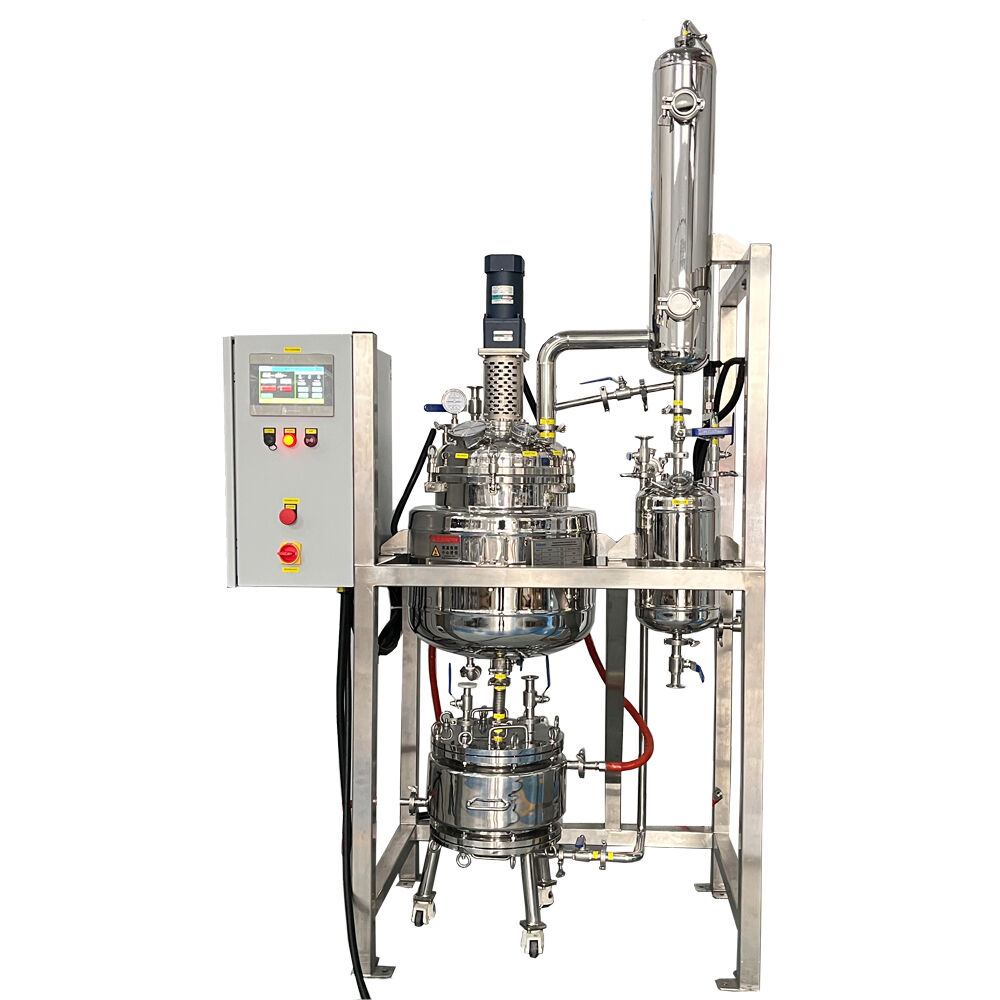
stainless steel crystallization reactor manufacturer
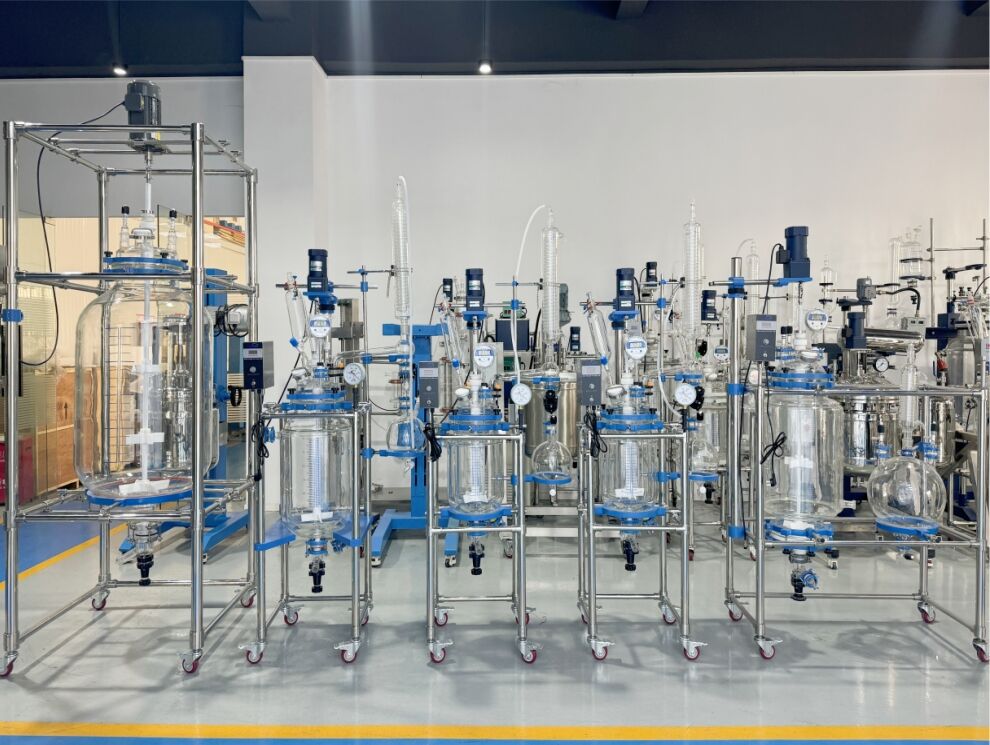
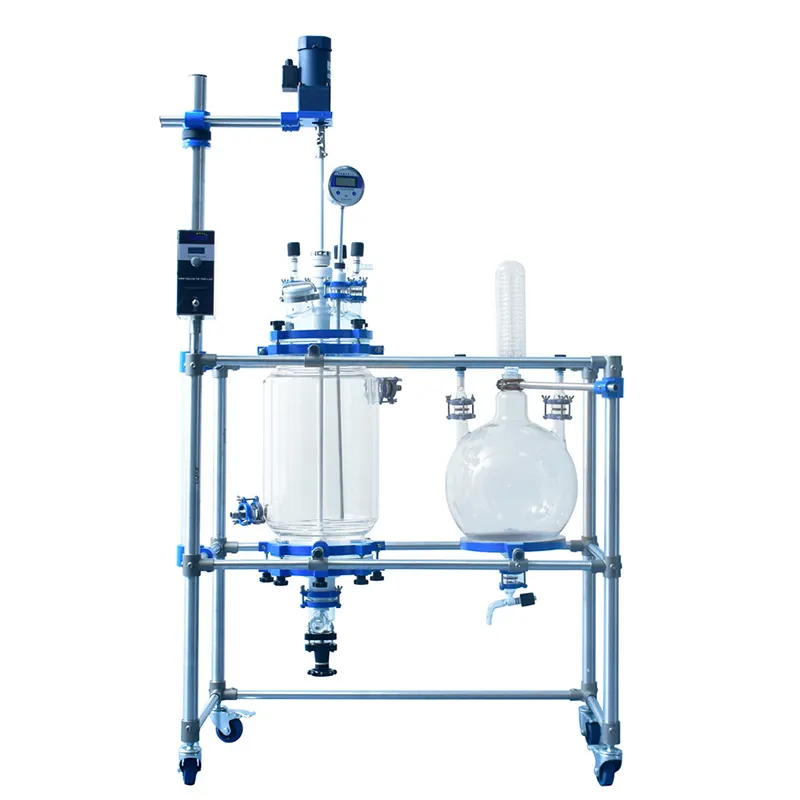
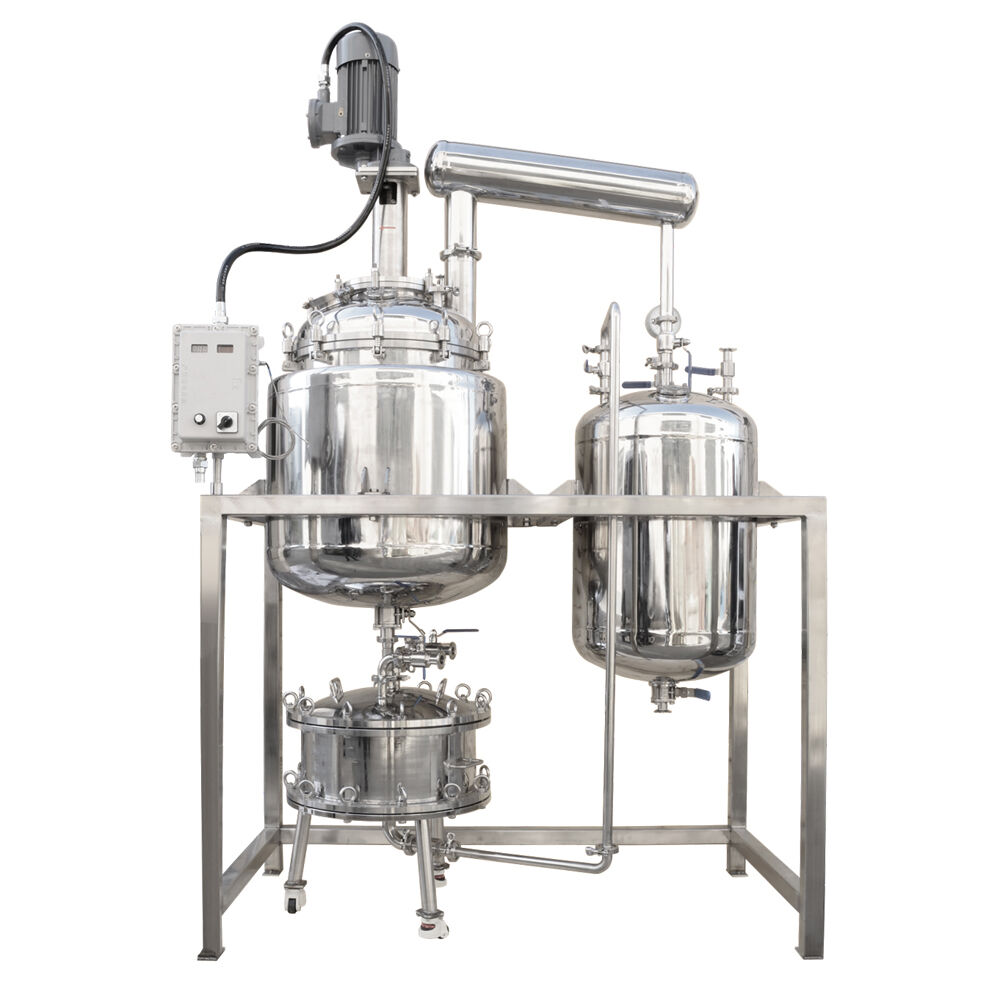
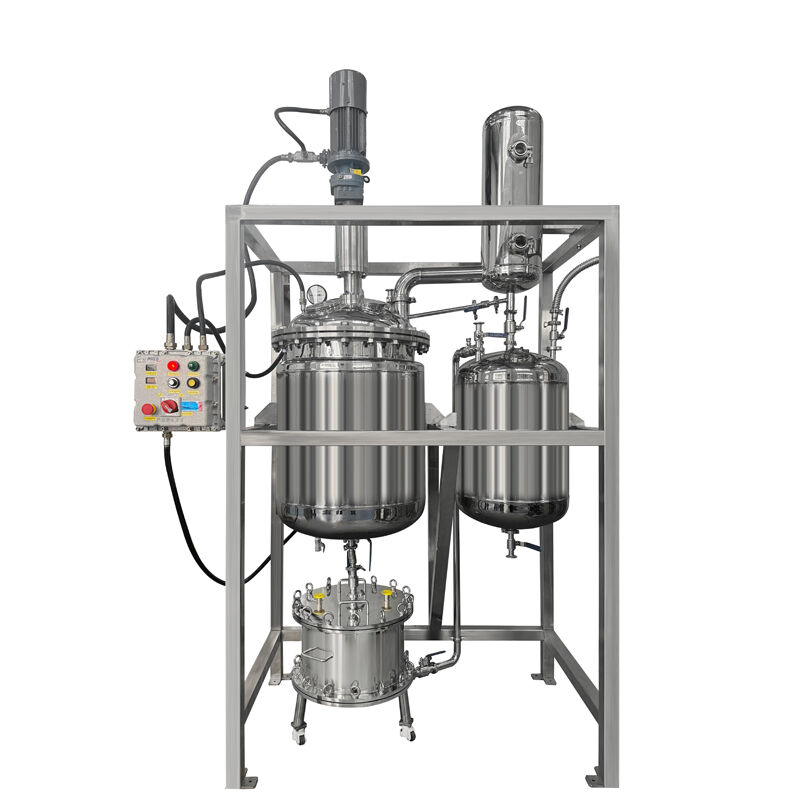
A stainless steel crystallization reactor manufacturer specializes in designing and producing advanced equipment for crystallization processes across various industries. These manufacturers create sophisticated vessels that facilitate controlled crystal formation through precise temperature, pressure, and mixing parameters. The primary function of these reactors involves creating optimal conditions for nucleation and crystal growth, enabling consistent product quality and yield optimization. Stainless steel crystallization reactor manufacturers utilize premium-grade materials, typically 316L or 304 stainless steel, ensuring excellent corrosion resistance and durability in challenging chemical environments. The technological features include advanced heat transfer systems, precision agitation mechanisms, and automated control interfaces that monitor critical process variables. These reactors incorporate specialized internals such as baffles, cooling coils, and draft tubes to enhance mass transfer and heat distribution throughout the vessel. Modern stainless steel crystallization reactor manufacturers integrate cutting-edge instrumentation for real-time monitoring of temperature profiles, concentration gradients, and particle size distribution. The equipment serves multiple applications including pharmaceutical synthesis, fine chemical production, food processing, and specialty material manufacturing. In pharmaceutical applications, these reactors enable API crystallization with stringent purity requirements and particle size specifications. Chemical processing industries rely on these systems for purification processes, salt production, and organic compound isolation. Food industry applications encompass sugar crystallization, salt refinement, and additive processing. The manufacturing process involves precision engineering, quality welding techniques, and comprehensive testing protocols to ensure operational reliability. Leading manufacturers provide customization options for vessel geometry, agitation systems, and auxiliary equipment integration. Quality assurance programs include material certification, pressure testing, and surface finish verification. These manufacturers maintain strict adherence to international standards such as ASME, PED, and cGMP requirements, ensuring regulatory compliance across different markets and applications.
 EN
EN