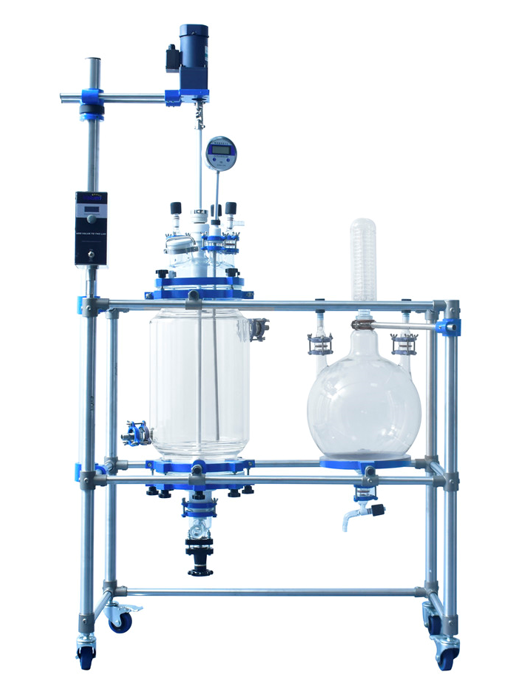
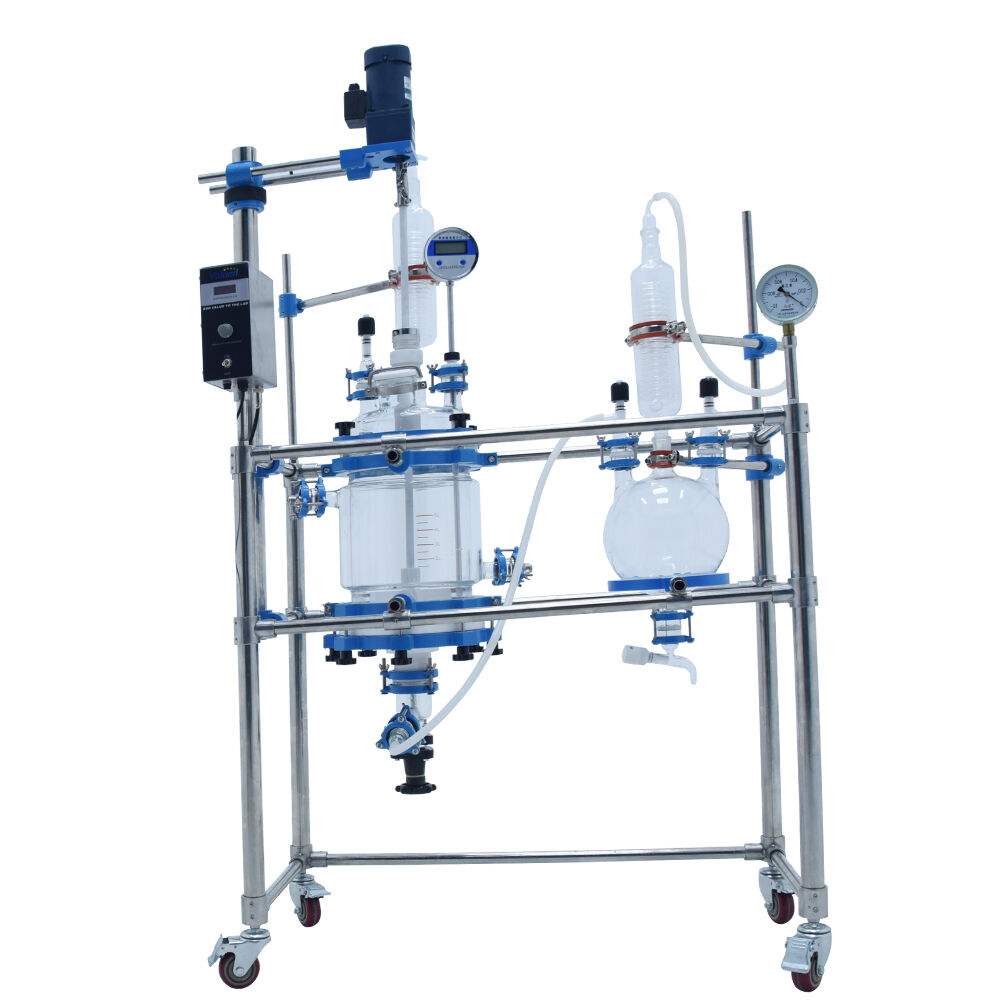
glass chemical crystallization reactor
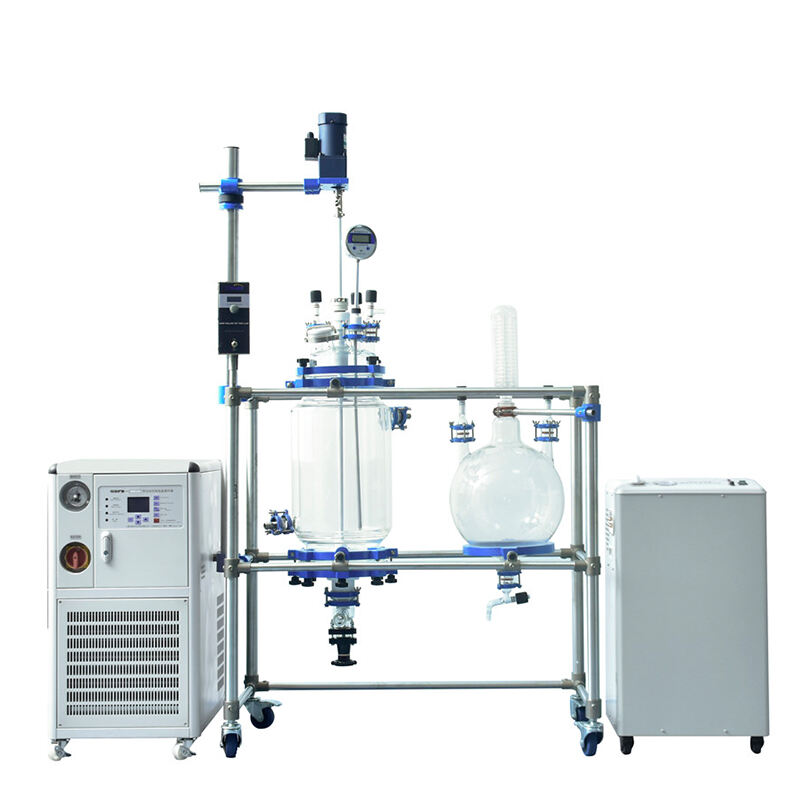
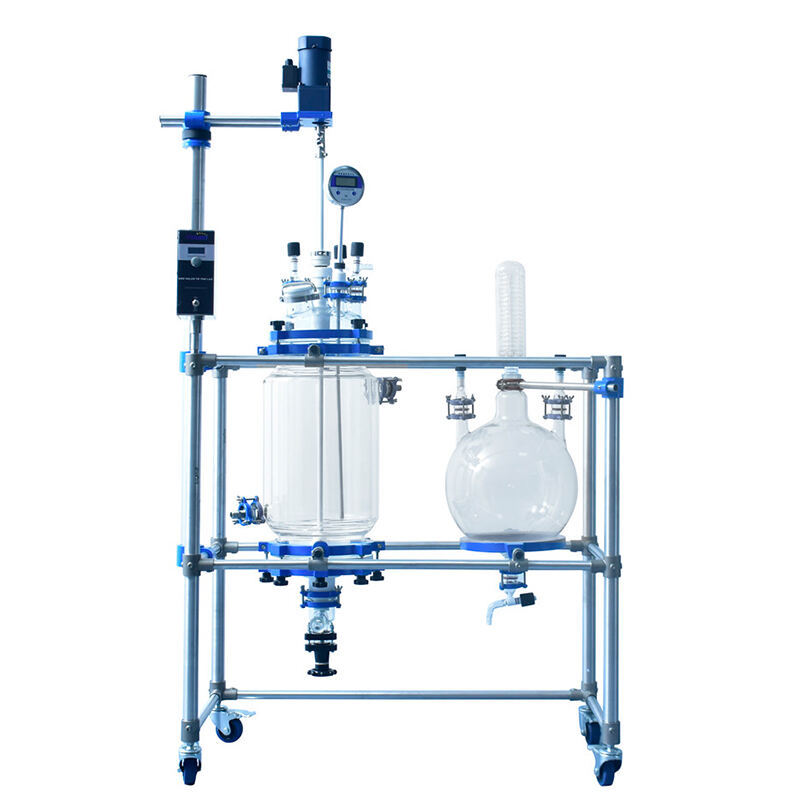
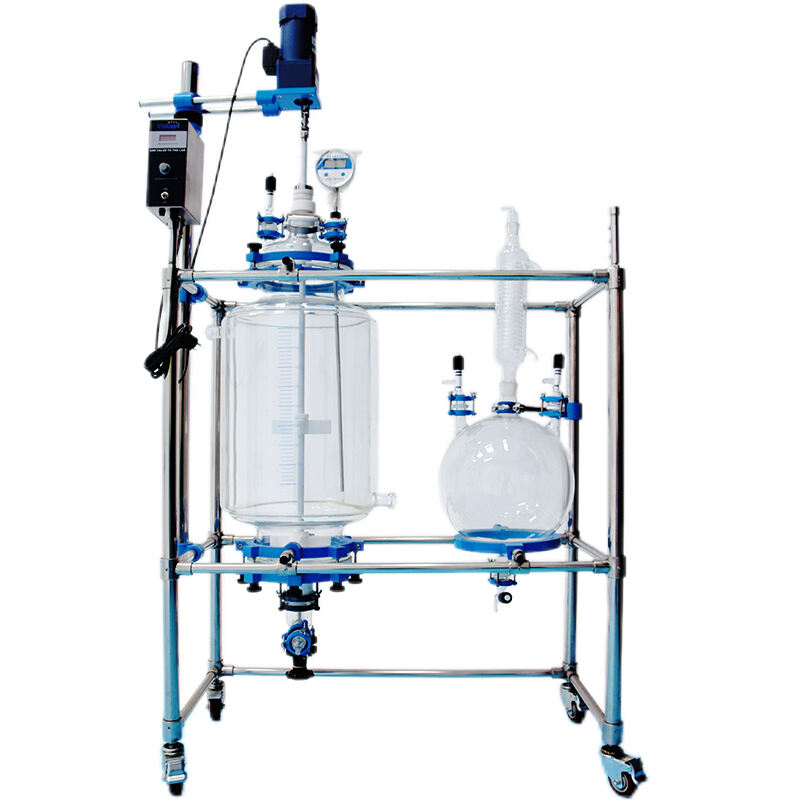
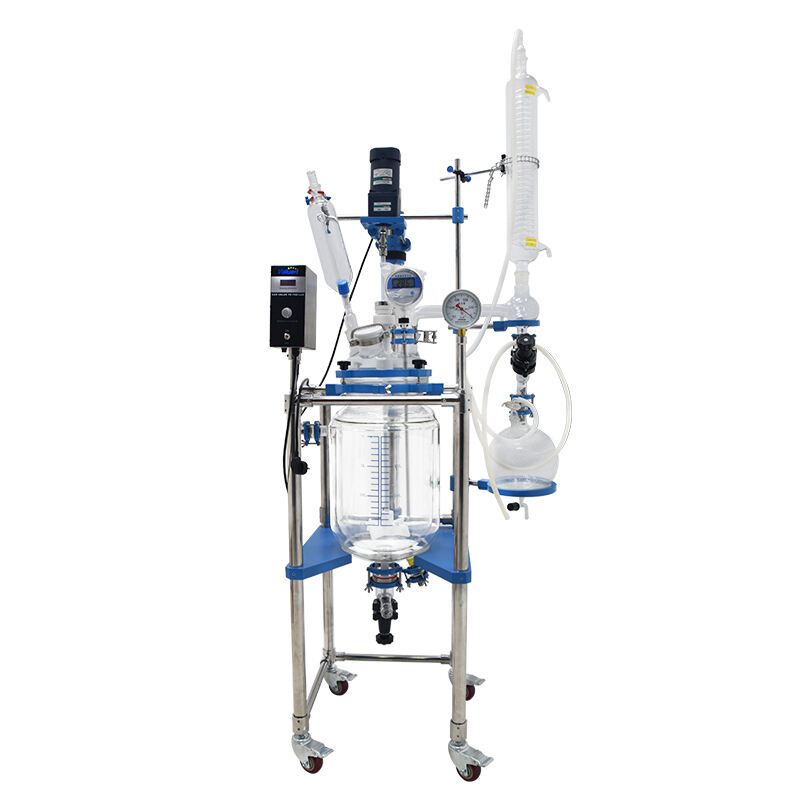
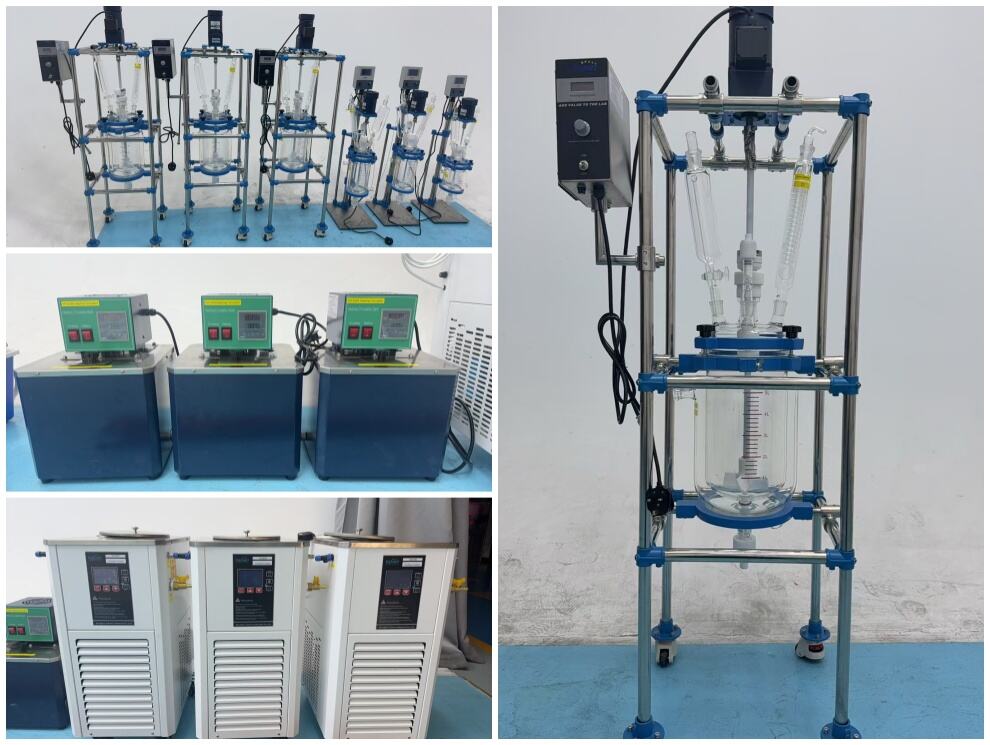
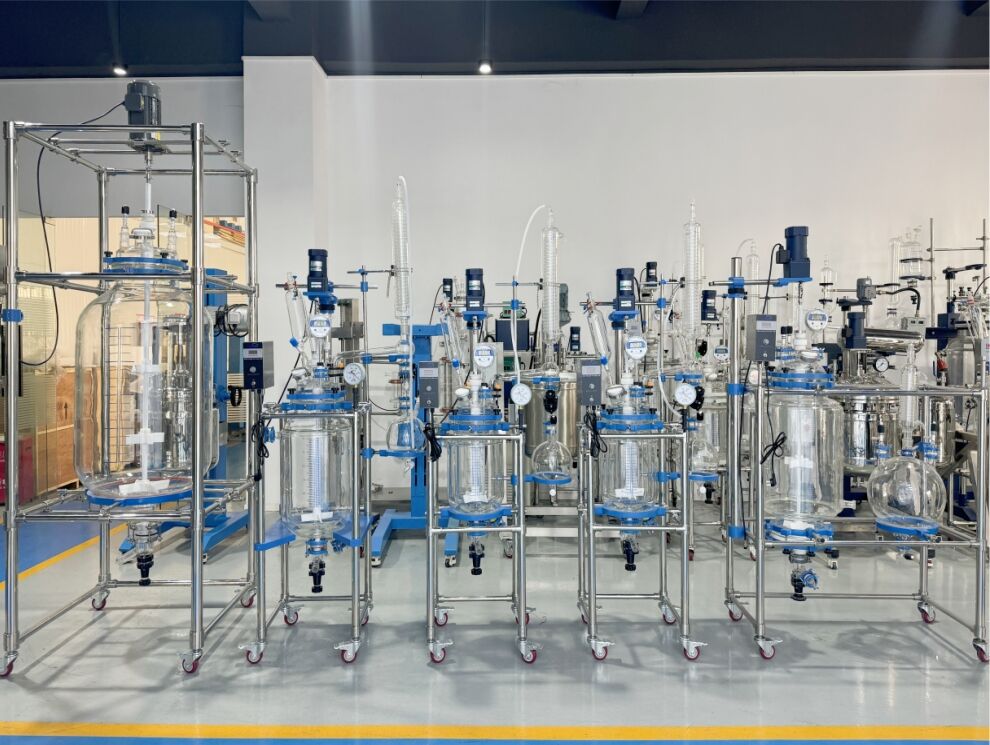
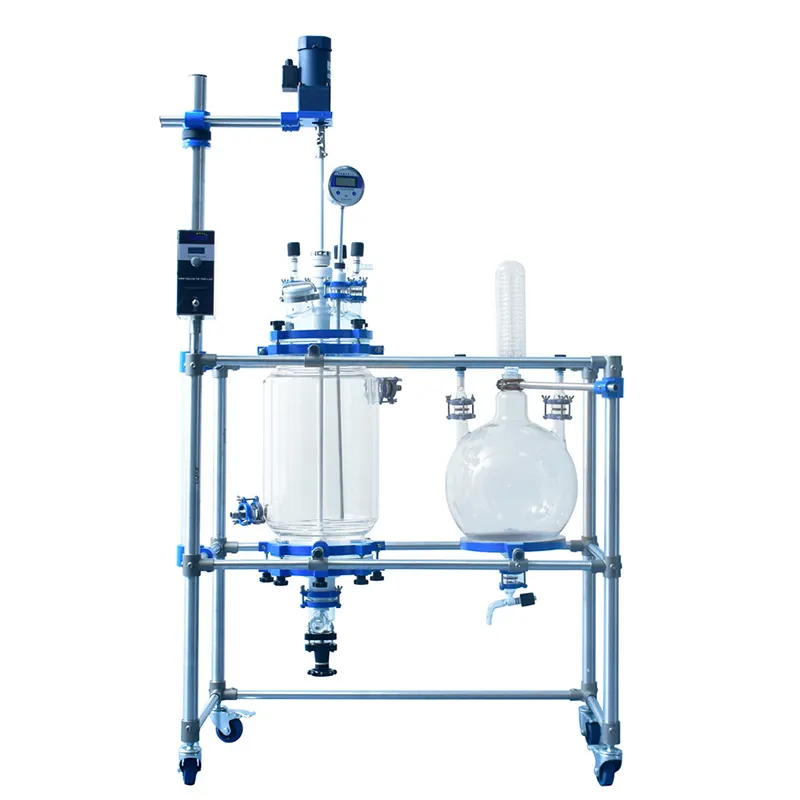
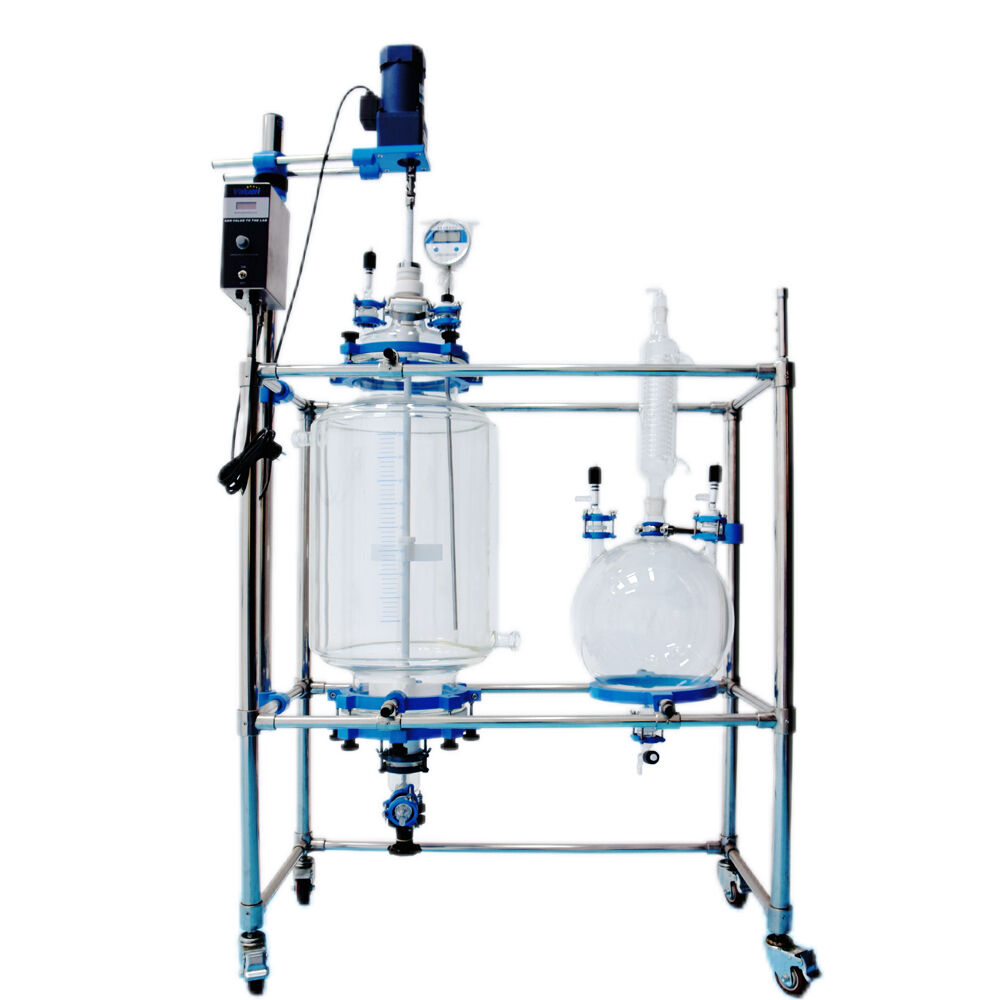
The glass chemical crystallization reactor represents a sophisticated laboratory and industrial equipment designed to facilitate controlled crystallization processes across various chemical applications. This specialized apparatus combines transparent borosilicate glass construction with advanced temperature control systems to create optimal conditions for crystal formation and growth. The primary function of a glass chemical crystallization reactor centers on providing precise environmental control during crystallization procedures, enabling researchers and manufacturers to achieve consistent, high-quality crystal structures. The reactor's transparent glass walls allow for continuous visual monitoring of the crystallization process, making it invaluable for both research and production environments. Key technological features include double-wall glass construction for superior thermal insulation, integrated heating and cooling systems for temperature regulation, and multiple ports for sample introduction and product removal. The glass chemical crystallization reactor incorporates sophisticated stirring mechanisms that ensure uniform mixing and temperature distribution throughout the vessel. Advanced models feature digital temperature controllers, automated timing systems, and pressure monitoring capabilities. These reactors typically operate within temperature ranges from sub-zero conditions to several hundred degrees Celsius, depending on specific design specifications. The equipment supports various crystallization techniques including cooling crystallization, evaporative crystallization, and reactive crystallization processes. Applications span pharmaceutical manufacturing, chemical synthesis, materials science research, and specialty chemical production. In pharmaceutical industries, the glass chemical crystallization reactor enables the production of active pharmaceutical ingredients with controlled particle size and polymorphic form. Chemical manufacturers utilize these reactors for purifying compounds, recovering valuable materials from waste streams, and developing new crystalline materials with enhanced properties. Research institutions employ glass chemical crystallization reactors for investigating crystal growth mechanisms, optimizing crystallization parameters, and developing novel crystalline structures for advanced applications.
 EN
EN