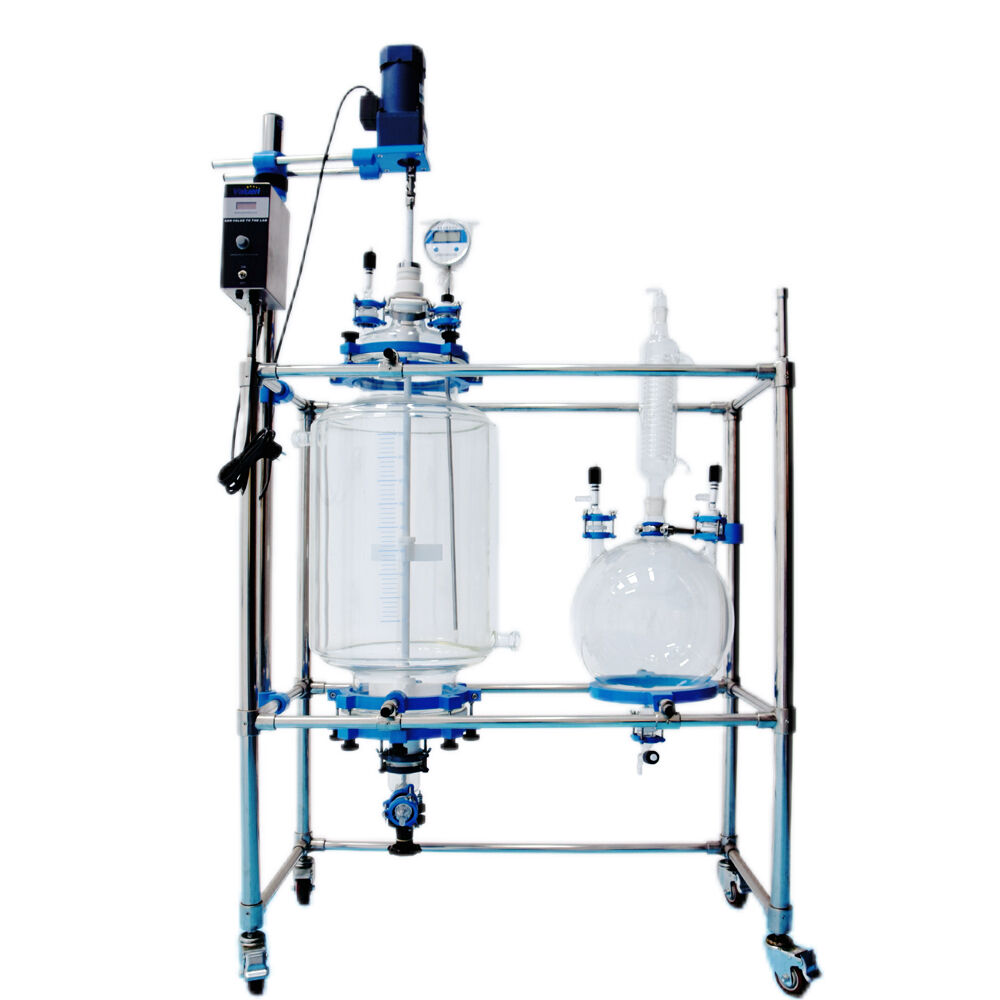
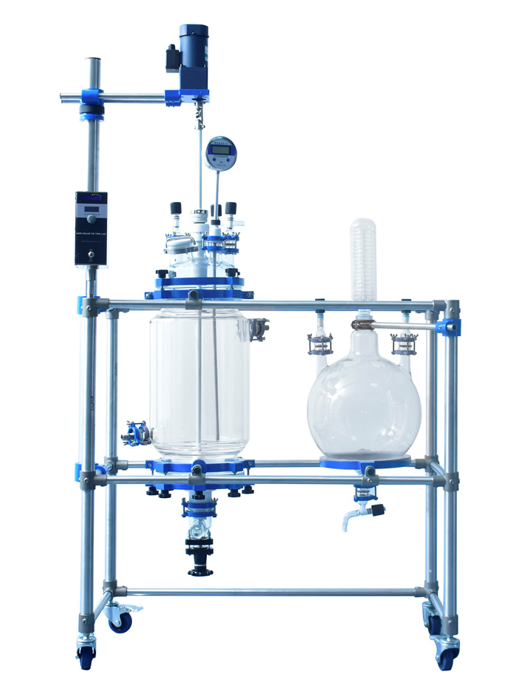
lab glass crystallization reactor
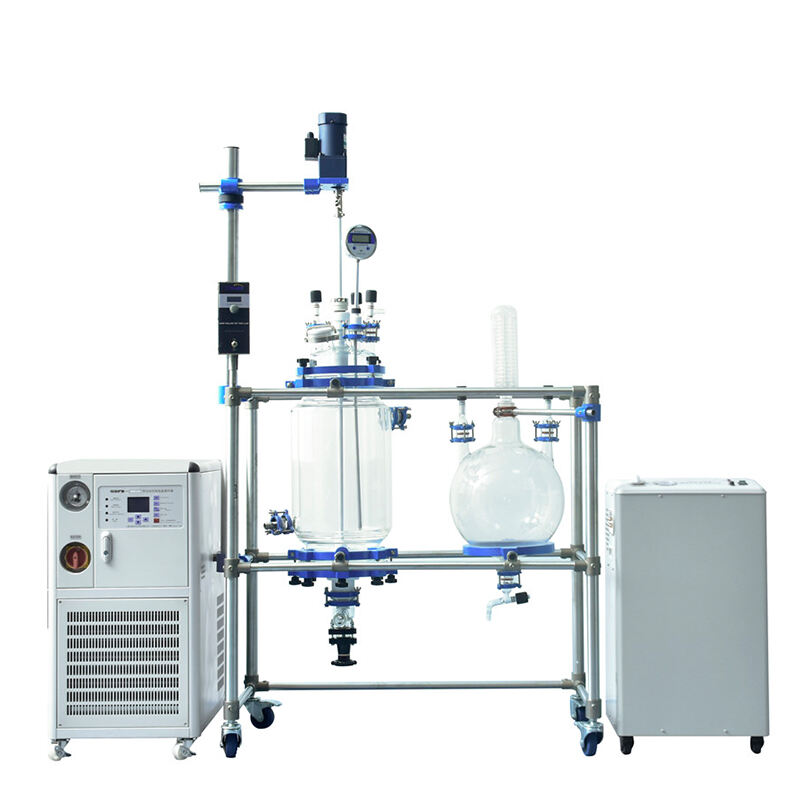
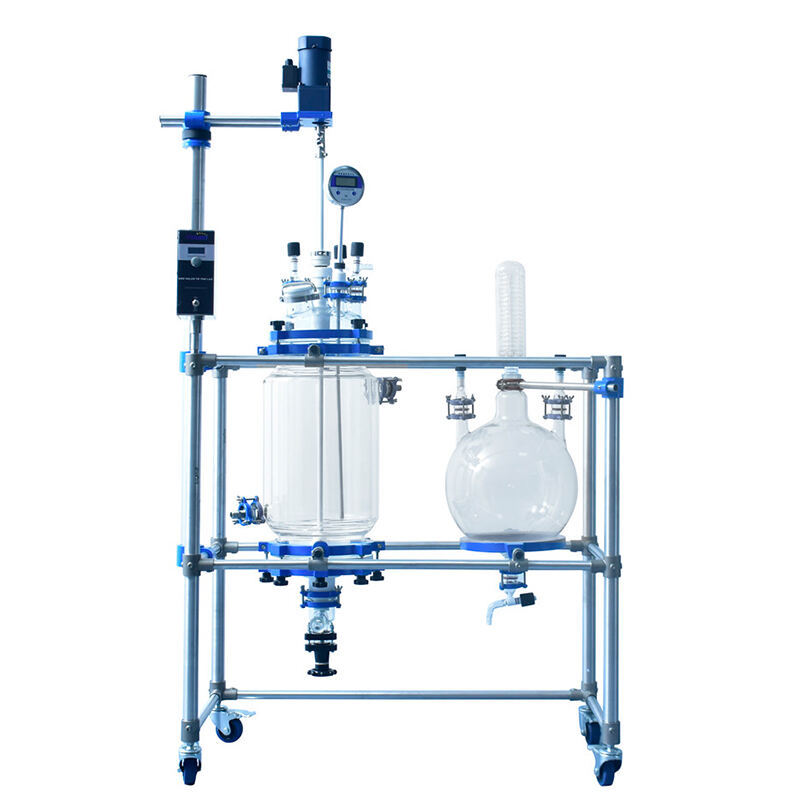
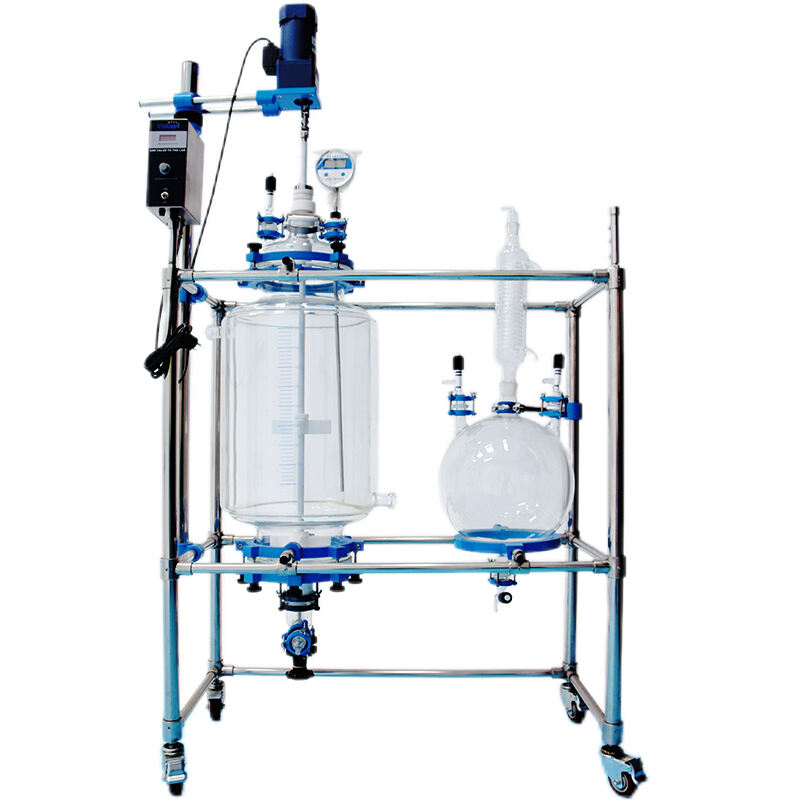
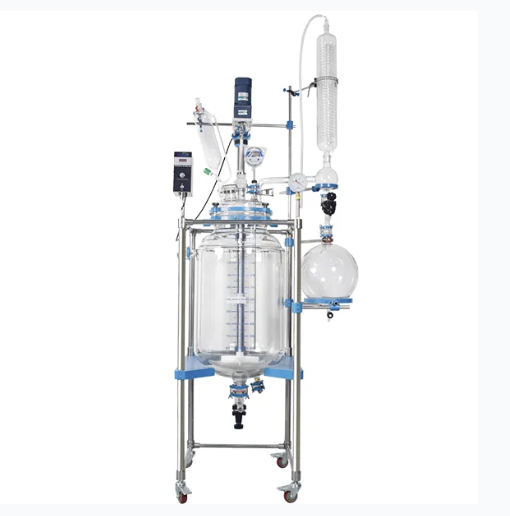
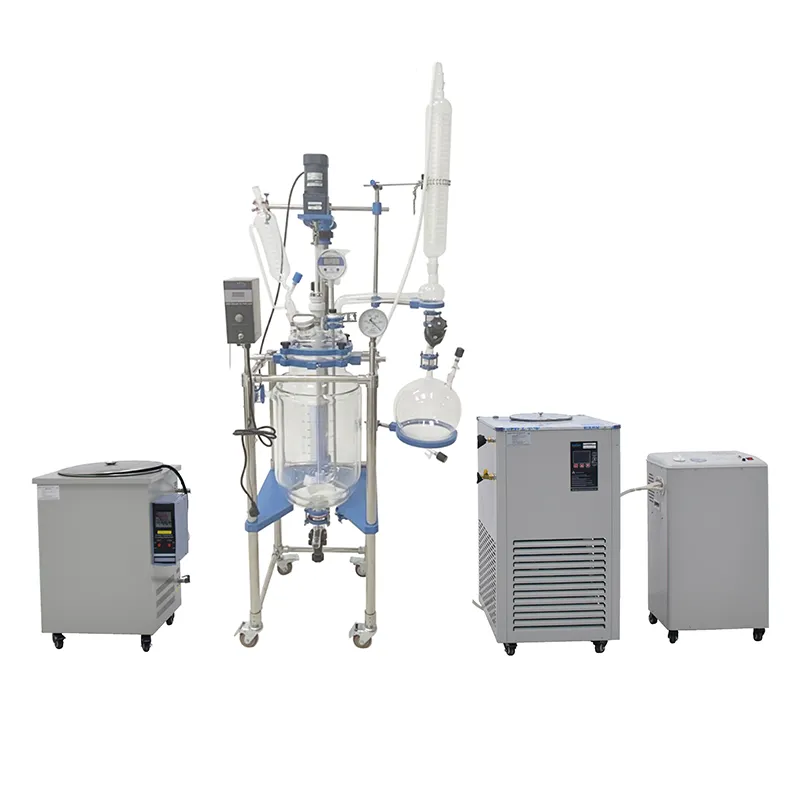
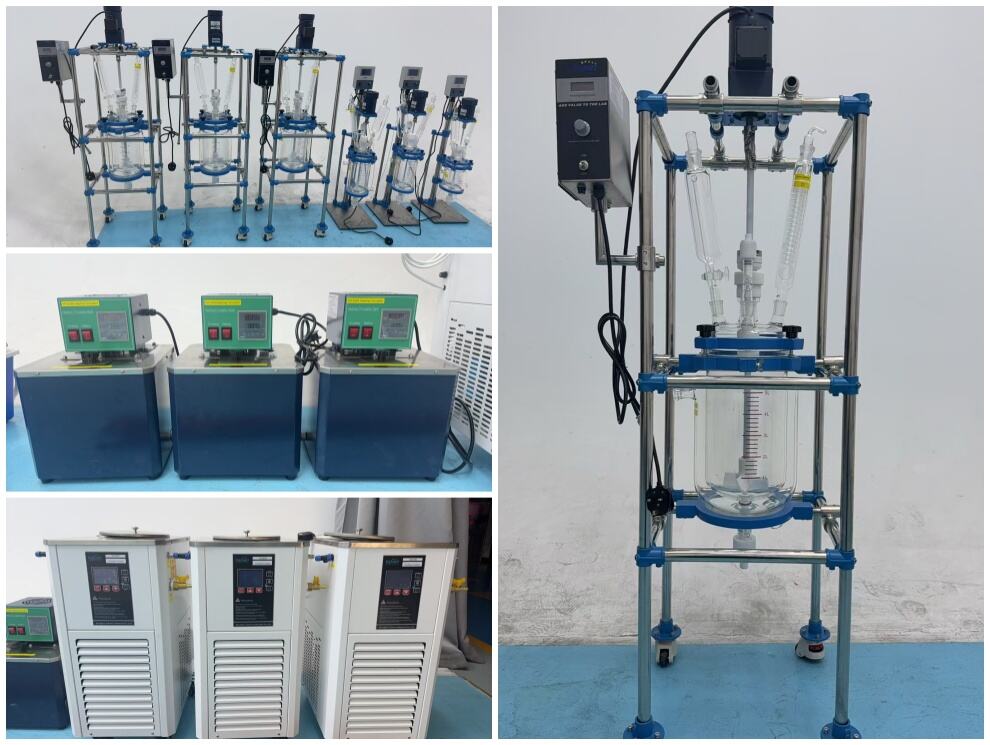
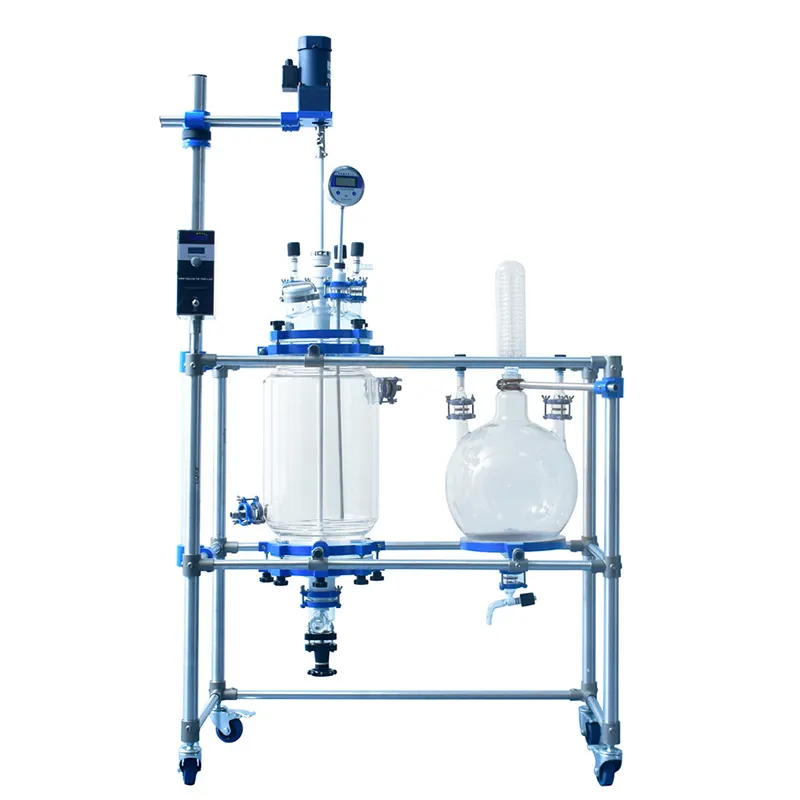
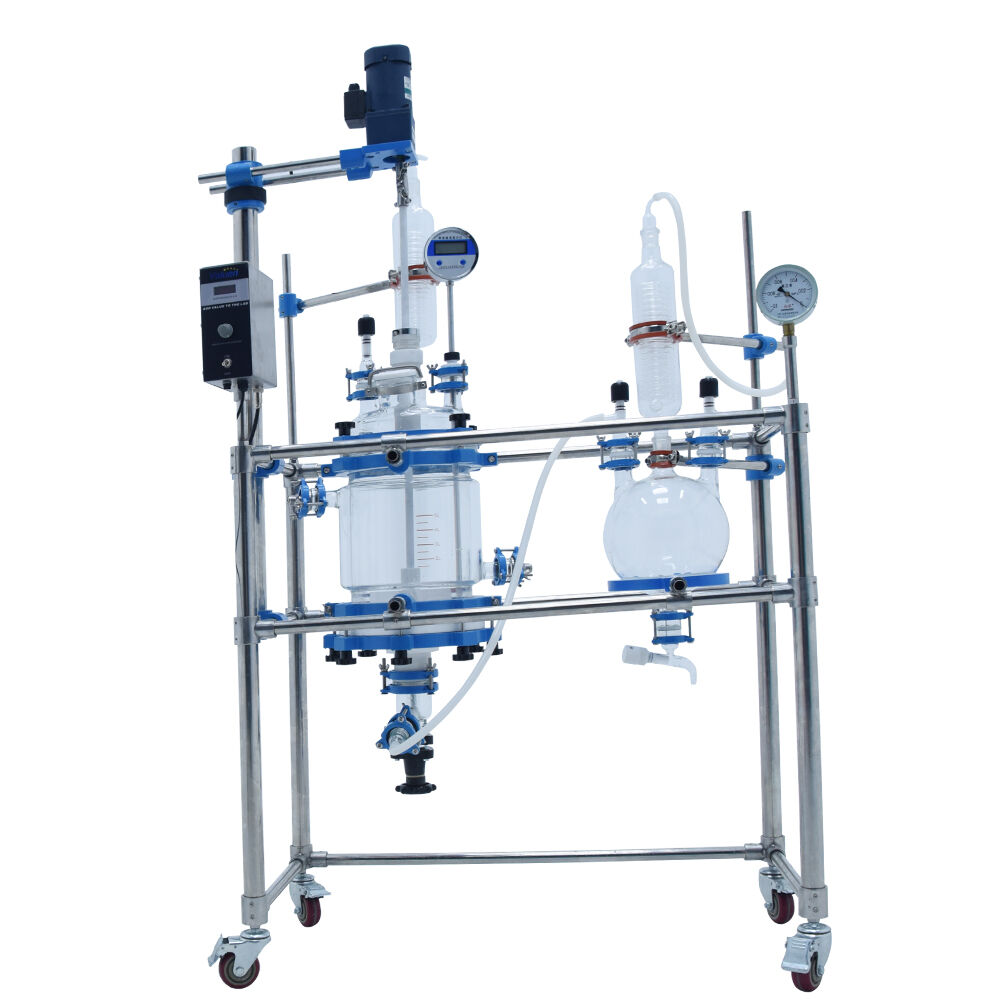
A lab glass crystallization reactor represents a sophisticated piece of laboratory equipment designed specifically for controlled crystal formation processes in research and development environments. This specialized vessel combines the transparency of high-quality borosilicate glass with precise temperature control mechanisms to facilitate optimal crystallization conditions. The reactor features a double-walled construction that enables efficient heat transfer while maintaining thermal stability throughout extended experimental procedures. Modern lab glass crystallization reactors incorporate advanced stirring systems with variable speed controls, allowing researchers to achieve uniform mixing and prevent unwanted crystal agglomeration during formation processes. The transparent nature of the glass construction provides continuous visual monitoring capabilities, enabling scientists to observe crystal nucleation, growth patterns, and morphological changes in real-time without interrupting the crystallization process. These reactors typically include multiple ports for sample collection, temperature probes, and additional instrumentation integration. The temperature control system maintains precise thermal conditions ranging from ambient temperatures to elevated heating requirements, supporting various crystallization techniques including cooling crystallization, evaporative crystallization, and anti-solvent crystallization methods. Safety features include pressure relief systems and thermal protection mechanisms to prevent equipment damage and ensure operator safety during high-temperature operations. The modular design allows for easy cleaning and maintenance between experiments, while the chemical-resistant glass material ensures compatibility with a wide range of solvents and chemical compounds commonly used in crystallization research. Advanced models incorporate digital control interfaces with programmable temperature profiles and data logging capabilities for comprehensive experimental documentation and reproducibility.
 EN
EN