 EN
EN

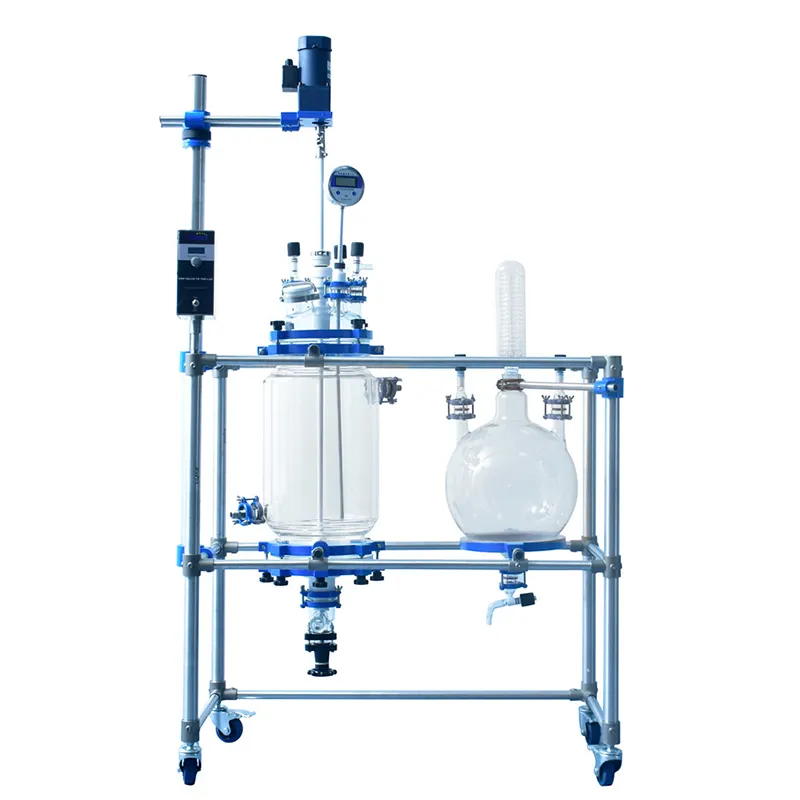
Selecting the right crystallization reactor for pharmaceutical crystallization is a critical decision that directly impacts product purity, yield, process efficiency, and regulatory compliance. Pharmaceutical crystallization is not simply about precipitation—it involves precise control over nucleation, crystal growth kinetics, particle size distribution, polymorphic form, and impurity rejection. The crystallization reactor serves as the engineered environment where all these factors converge, making its selection a matter of both scientific rigor and operational pragmatism. Whether you are scaling up a laboratory process, optimizing an existing production line, or designing a new facility, understanding how to evaluate and choose a crystallization reactor requires a systematic approach that balances thermodynamic principles, mechanical design, material compatibility, and process analytical technology integration.
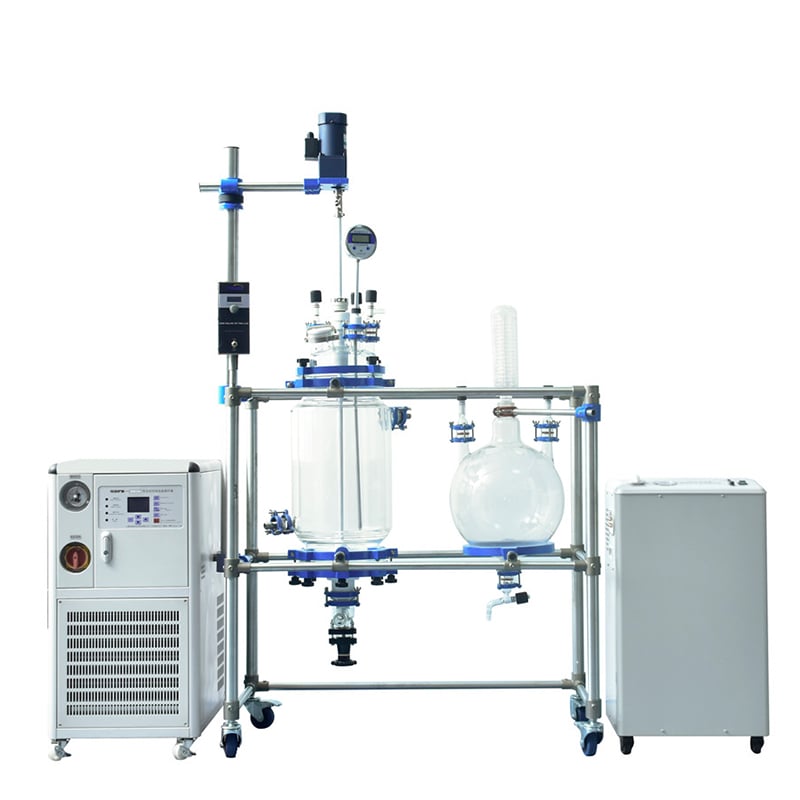
The selection process begins with a clear understanding of your crystallization mechanism—whether it is cooling crystallization, evaporative crystallization, reactive crystallization, or anti-solvent crystallization—and how each mechanism dictates the reactor's thermal, mixing, and monitoring requirements. Beyond mechanism, factors such as solvent compatibility, temperature range, pressure requirements, batch size, and cleaning protocols must all inform your choice. This article provides a structured methodology for selecting a crystallization reactor tailored to pharmaceutical applications, covering vessel design, agitation systems, heat transfer capabilities, material construction, instrumentation, and scalability considerations. By the end, you will have a practical framework to evaluate options, compare configurations, and make an informed decision that aligns with your process development goals and quality assurance standards.
Understanding the Role of the Crystallization Reactor in Pharmaceutical Processes
Core Functions of a Crystallization Reactor in API Manufacturing
A crystallization reactor in pharmaceutical manufacturing is fundamentally a controlled environment designed to facilitate the phase transition from a dissolved solute to a solid crystalline form. This transformation is not spontaneous or arbitrary; it is governed by supersaturation, nucleation kinetics, and crystal growth rates, all of which must be managed with precision. The reactor must provide uniform temperature distribution to avoid hot or cold zones that could trigger uncontrolled nucleation or lead to uneven crystal growth. It must also ensure consistent mixing to maintain homogeneous supersaturation throughout the solution, preventing localized concentration gradients that compromise crystal quality. The crystallization reactor thus functions as both a thermodynamic driver and a kinetic controller, enabling reproducible crystallization outcomes that meet stringent pharmaceutical specifications.
In active pharmaceutical ingredient production, the crystallization reactor is often the final purification step before filtration and drying. The quality of crystals produced—measured by particle size distribution, polymorphic purity, and residual impurity levels—directly affects downstream processing efficiency and final drug product performance. A well-selected crystallization reactor allows precise manipulation of cooling rates, seeding strategies, and residence times, which in turn influence crystal morphology and filterability. Poor reactor selection can lead to oiling out, agglomeration, attrition, or polymorphic transformation, all of which can compromise batch quality and increase production costs. Therefore, understanding the reactor's role in achieving desired crystallization outcomes is the first step in making an informed selection.
How Crystallization Mechanism Influences Reactor Requirements
The type of crystallization mechanism employed in your process dictates the primary functional requirements of the crystallization reactor. Cooling crystallization, one of the most common methods in pharmaceutical applications, relies on decreasing solubility with temperature. Here, the reactor must provide efficient heat removal through jacketed walls, internal coils, or external heat exchangers, and must allow precise temperature ramping to control nucleation and growth phases. Evaporative crystallization, by contrast, requires the reactor to handle solvent removal under vacuum or atmospheric conditions, necessitating overhead vapor disengagement zones, condenser integration, and pressure control systems. Reactive crystallization, where a chemical reaction generates the crystallizing species, demands excellent mixing to ensure rapid and uniform reactant contact, along with pH and temperature control to manage reaction kinetics and supersaturation simultaneously.
Anti-solvent crystallization, another widely used technique in pharmaceutical synthesis, involves adding a miscible non-solvent to reduce solute solubility and induce crystallization. This method requires precise anti-solvent addition control, often through metering pumps or automated dosing systems, and the reactor must accommodate rapid mixing to prevent localized high supersaturation that could cause excessive nucleation and fine particles. Each mechanism also imposes different demands on agitation design: cooling crystallization may benefit from slower, gentler mixing to promote larger crystals, while reactive crystallization often requires high-shear agitation to maximize reactant contact. Recognizing these mechanism-specific requirements is essential when evaluating potential crystallization reactor configurations and ensuring alignment between process chemistry and equipment capabilities.
Key Design Parameters to Evaluate When Selecting a Crystallization Reactor
Vessel Geometry and Volume Considerations
The physical geometry of the crystallization reactor vessel plays a significant role in mixing efficiency, heat transfer performance, and crystallization kinetics. Standard cylindrical vessels with dished or hemispherical bottoms are most common, as they facilitate effective agitation and minimize dead zones where crystals might settle and form hard cakes. The aspect ratio—height-to-diameter ratio—should typically range between 1:1 and 2:1 for batch crystallization processes, balancing adequate liquid depth for heat transfer with manageable mixing requirements. Vessels that are too tall can lead to poor circulation and stratification, while overly wide reactors may suffer from inadequate heat exchange surface area per unit volume. The working volume of the reactor must also account for headspace to accommodate foaming, vapor disengagement in evaporative processes, and safe filling levels that do not compromise agitator performance or heat transfer efficiency.
Sizing the Crystallization Reactor appropriately requires careful consideration of batch size, process duration, and throughput targets. Oversized reactors may lead to long batch times, inefficient heat transfer, and excessive solvent usage, while undersized reactors force multiple batches, increasing labor, cleaning cycles, and contamination risk. Pilot-scale testing and computational fluid dynamics modeling can help predict how vessel geometry influences mixing patterns, temperature uniformity, and crystal suspension behavior, allowing you to select a reactor size and shape that optimizes both crystallization performance and operational efficiency. Additionally, reactors designed with sloped bottoms or conical discharge sections facilitate complete product recovery and minimize heel losses, which is particularly important when handling high-value pharmaceutical compounds.
Heat Transfer Capabilities and Temperature Control Precision
Effective heat transfer is arguably the most critical design parameter for a crystallization reactor, as it directly governs the rate and uniformity of temperature change during cooling or heating cycles. Jacketed reactors are the most common configuration, using circulating heat transfer fluid in the outer jacket to control vessel temperature. The jacket design—whether full jacket, half-coil jacket, or dimple jacket—affects heat transfer area, fluid flow distribution, and thermal response time. Full jackets provide maximum heat exchange surface but may have less uniform temperature distribution, while half-coil or dimple jackets offer better fluid turbulence and more consistent heat transfer coefficients. For processes requiring rapid cooling or precise temperature ramping, internal coils or external circulation loops with heat exchangers can supplement or replace jacketed systems, providing greater heat transfer capacity and faster response times.
Temperature control precision is equally important, as even small deviations can shift supersaturation levels and alter nucleation rates. Modern crystallization reactors should be equipped with advanced temperature control systems featuring programmable logic controllers, PID algorithms, and multiple temperature sensors positioned at different vessel locations to monitor thermal gradients. The ability to program complex cooling profiles—such as linear, exponential, or stepped cooling ramps—enables fine-tuning of crystallization kinetics to achieve desired crystal size distributions and polymorphic outcomes. Additionally, the reactor's thermal mass, insulation quality, and heat transfer fluid properties all influence thermal inertia and responsiveness, making it essential to evaluate these factors holistically when assessing a reactor's suitability for your specific crystallization process.
Agitation System Design and Mixing Efficiency
The agitation system in a crystallization reactor must balance competing demands: it must provide sufficient mixing to maintain homogeneous supersaturation and prevent settling, yet avoid excessive shear that could cause crystal attrition, breakage, or secondary nucleation. Impeller selection is therefore a critical consideration, with options including pitched-blade turbines, marine propellers, anchor or helical ribbon impellers, and specialized crystallization impellers designed to minimize shear while maximizing circulation. Pitched-blade turbines are effective for suspending crystals and promoting bulk circulation, making them suitable for most pharmaceutical crystallization applications. Anchor or helical ribbon impellers are preferred for highly viscous slurries or when gentle mixing is required to preserve fragile crystal morphologies, though they typically provide lower heat transfer efficiency.
Agitation speed is another key variable that must be optimized based on crystal properties, slurry density, and desired crystal size. Too slow agitation can lead to incomplete suspension, settling, and agglomeration, while excessive agitation generates high shear forces that fragment crystals and increase fines formation. The power input per unit volume, often expressed in watts per liter, provides a useful metric for comparing mixing intensity across different reactor scales and geometries. Modern crystallization reactors often incorporate variable-speed drives that allow dynamic adjustment of agitation rates throughout the crystallization cycle, enabling gentle mixing during nucleation phases and increased mixing during growth phases. Computational fluid dynamics modeling and experimental validation during pilot trials are invaluable tools for optimizing agitator design and operating parameters before committing to full-scale equipment procurement.
Material Selection and Chemical Compatibility for Pharmaceutical Applications
Evaluating Material Corrosion Resistance and Solvent Compatibility
Material selection for a pharmaceutical crystallization reactor must prioritize chemical compatibility, corrosion resistance, and compliance with regulatory standards for product contact surfaces. Stainless steel, particularly 316L grade, is the most common choice for pharmaceutical reactors due to its excellent corrosion resistance, mechanical strength, and compatibility with a wide range of solvents and process conditions. However, certain aggressive solvents, halogenated compounds, or acidic mixtures may require upgraded materials such as Hastelloy, tantalum-lined vessels, or glass-lined reactors to prevent corrosion and contamination. Glass-lined reactors offer superior chemical resistance and visual transparency for process monitoring but are more fragile and require careful handling to avoid chipping or cracking, which can compromise both performance and product purity.
Borosilicate glass reactors are another option for laboratory and pilot-scale crystallization, providing excellent visibility, inertness, and ease of cleaning, though they are limited in scale and pressure rating. When selecting materials, it is essential to consult solvent compatibility charts, conduct coupon testing if necessary, and consider long-term exposure effects including stress corrosion cracking and crevice corrosion. Internal surfaces should be electropolished to a smooth finish, typically 0.5 micrometers Ra or better, to minimize particle adhesion, facilitate cleaning, and reduce contamination risk. All wetted components including agitator shafts, baffles, temperature probes, and port fittings must be constructed from compatible materials and designed to avoid crevices or dead legs where product residues or cleaning agents might accumulate.
Surface Finish and Cleanability Requirements
Pharmaceutical manufacturing demands rigorous cleaning and validation protocols to prevent cross-contamination and ensure batch-to-batch consistency. The internal surface finish of the crystallization reactor is therefore a critical factor, as rough or poorly finished surfaces can harbor product residues, microorganisms, and cleaning agent residues that compromise subsequent batches. Electropolished stainless steel surfaces with a Ra value of 0.5 micrometers or less are industry standard for pharmaceutical reactors, providing a smooth, passive oxide layer that resists corrosion and facilitates effective cleaning-in-place procedures. The reactor design should minimize the number of internal projections, welds, and fittings, and all welds should be ground flush and polished to match the surrounding surface finish.
Cleanability extends beyond surface finish to include reactor geometry and accessibility. Top-entry agitators with mechanical seals or magnetic drive couplings eliminate shaft penetrations through the vessel bottom, reducing potential contamination points and simplifying cleaning. Spray balls or rotating jet heads integrated into the reactor provide automated cleaning coverage, ensuring that all internal surfaces are effectively rinsed during cleaning cycles. Drain valves and bottom outlets should be flush-mounted or feature sanitary tri-clamp connections to prevent product hold-up and facilitate complete drainage. Validation of cleaning procedures, including swab testing and rinse sampling, must demonstrate that residual product and cleaning agents are reduced to acceptable levels as defined by regulatory guidelines and internal quality standards.
Instrumentation and Process Analytical Technology Integration
Essential Monitoring and Control Parameters
A well-instrumented crystallization reactor provides real-time visibility into critical process parameters, enabling proactive adjustments and ensuring consistent crystallization outcomes. At a minimum, the reactor should be equipped with accurate temperature measurement at multiple points—inlet and outlet of heat transfer fluid, bulk liquid temperature, and jacket temperature—to monitor thermal gradients and validate heat transfer performance. Pressure monitoring is essential for vacuum or pressurized crystallization processes, with pressure transmitters connected to automated control systems that maintain setpoints and trigger alarms if deviations occur. Agitation speed should be monitored and controlled through variable-frequency drives, with feedback loops that adjust motor power to maintain desired mixing intensity regardless of slurry density changes during crystallization.
Advanced crystallization reactors increasingly incorporate in-line process analytical technology instruments that provide real-time characterization of crystallization progress and crystal properties. Focused beam reflectance measurement probes can monitor chord length distribution, providing insight into crystal size and shape evolution throughout the batch. Attenuated total reflectance Fourier-transform infrared spectroscopy enables real-time monitoring of solution concentration, polymorphic form, and impurity levels, allowing process adjustments based on chemical composition rather than indirect parameters. Turbidity or optical density sensors can detect the onset of nucleation and track slurry density, informing seeding strategies and endpoint determination. Integrating these advanced sensors into the reactor design from the outset ensures compatibility, proper positioning, and seamless data integration with distributed control systems for comprehensive process monitoring and optimization.
Data Logging and Regulatory Compliance Considerations
Pharmaceutical manufacturing operates under stringent regulatory oversight, requiring comprehensive documentation of process parameters, equipment performance, and batch history to demonstrate product quality and process consistency. The crystallization reactor's control system must therefore include robust data logging capabilities that capture all critical process variables—temperature profiles, agitation speeds, pressure trends, flow rates, and analytical measurements—at defined intervals throughout the batch cycle. Data integrity principles, including audit trails, electronic signatures, and secure storage, must be embedded into the system architecture to comply with FDA 21 CFR Part 11 and equivalent international regulations. The control system should support automated report generation, trending analysis, and statistical process control charting to facilitate batch release decisions and continuous improvement initiatives.
Traceability extends to equipment qualification and maintenance records, with the crystallization reactor undergoing installation qualification, operational qualification, and performance qualification protocols before entering production service. Preventive maintenance schedules, calibration records for instrumentation, and change control documentation must be maintained throughout the reactor's operational life. Modern distributed control systems with integrated manufacturing execution system modules streamline these documentation requirements, automatically linking batch records to equipment performance data and facilitating regulatory inspections. When selecting a crystallization reactor, ensure that the vendor provides comprehensive documentation packages, validation support, and control system architectures that align with your facility's quality management system and regulatory compliance framework.
Scalability and Technology Transfer Considerations
Bridging Laboratory Development to Production Scale
Successful scale-up of crystallization processes from laboratory to production scale requires careful attention to dimensionless numbers and process scaling principles that govern heat and mass transfer, mixing, and crystallization kinetics. The crystallization reactor selected for production should maintain geometric similarity with pilot-scale equipment, ensuring that aspect ratios, impeller-to-tank diameter ratios, and baffle configurations remain consistent. Maintaining constant power per unit volume across scales is a common strategy to preserve mixing intensity and shear environment, though adjustments may be necessary based on heat transfer limitations or crystal suspension requirements. Temperature ramping rates, which are often limited by heat transfer capacity at larger scales, must be validated during scale-up trials to ensure that supersaturation profiles and crystallization kinetics remain within the process design space.
Technology transfer protocols should include detailed process mapping, identification of critical quality attributes and critical process parameters, and establishment of proven acceptable ranges for all key variables. Pilot-scale crystallization trials conducted in a reactor with similar design features to the intended production equipment provide invaluable data for scale-up modeling and risk assessment. These trials should explore the edges of the design space, testing sensitivity to variations in cooling rate, seeding strategy, agitation speed, and solvent composition to ensure robustness when transferred to production scale. The production crystallization reactor should be specified to accommodate the proven acceptable ranges identified during development, with control system flexibility to implement advanced strategies such as feedback-controlled cooling or adaptive seeding based on real-time analytical measurements.
Flexibility for Future Process Optimization and Product Changes
Pharmaceutical development pipelines evolve, and production facilities must accommodate new products, process improvements, and changing regulatory expectations over time. Selecting a crystallization reactor with inherent flexibility and adaptability can significantly reduce capital investment requirements and accelerate time-to-market for new products. Modular reactor designs that allow interchangeable agitators, easy integration of additional instrumentation ports, and scalable heating-cooling systems provide operational flexibility without requiring complete equipment replacement. Multi-purpose reactors that can accommodate different crystallization mechanisms—cooling, evaporative, anti-solvent, or reactive—maximize asset utilization and reduce the number of dedicated vessels required in a production suite.
Future-proofing also involves selecting control systems and instrumentation platforms that support integration with emerging digital manufacturing technologies, including advanced process control algorithms, machine learning models for predictive quality, and digital twin simulations. Cloud-based data platforms and industrial Internet of Things connectivity enable remote monitoring, predictive maintenance, and collaborative troubleshooting with equipment vendors and process development teams. When evaluating crystallization reactor options, consider not only current process requirements but also anticipated future needs, regulatory trends toward continuous manufacturing, and opportunities for process intensification that could enhance productivity and reduce environmental footprint over the equipment's service life.
FAQ
What is the most important factor when selecting a crystallization reactor for pharmaceutical use?
The most important factor is ensuring that the reactor's design aligns with your specific crystallization mechanism and process requirements, including precise temperature control, appropriate mixing intensity, and material compatibility with your solvents and product. Heat transfer capability and temperature control precision are particularly critical, as they directly govern supersaturation profiles and crystallization kinetics, which in turn determine crystal quality, polymorphic purity, and process reproducibility. Additionally, regulatory compliance features such as proper instrumentation, data logging, and cleanability must be prioritized to meet pharmaceutical manufacturing standards.
How do I determine the appropriate size for a production crystallization reactor?
Determining the appropriate size requires analyzing your target batch size, process duration, annual production volume, and facility throughput requirements. Start with pilot-scale data to establish the relationship between batch size and crystallization performance, then apply scale-up principles to estimate production-scale requirements. Consider working volume versus total volume, allowing adequate headspace for vapor disengagement and foam management, and account for solvent volumes, product concentration, and yield expectations. It is also prudent to incorporate future growth projections and product pipeline considerations to avoid premature capacity constraints that would necessitate additional capital investment.
Can a single crystallization reactor handle multiple different pharmaceutical compounds?
Yes, a well-designed multi-purpose crystallization reactor can handle multiple different pharmaceutical compounds, provided that it offers sufficient flexibility in operating parameters, compatible materials of construction, and robust cleaning validation protocols. The reactor should accommodate the full range of temperature, pressure, and agitation requirements across your product portfolio, and all wetted materials must be compatible with the most aggressive solvents and compounds encountered. Comprehensive cleaning-in-place systems, validated cleaning procedures, and appropriate surface finishes are essential to prevent cross-contamination between different products. However, if compounds have vastly different process requirements or particularly aggressive chemistries, dedicated reactors may be more practical and cost-effective in the long term.
What are the advantages of glass versus stainless steel crystallization reactors?
Glass crystallization reactors, typically made from borosilicate glass, offer excellent visual transparency for process observation, superior chemical inertness, and ease of cleaning, making them ideal for laboratory and pilot-scale applications where process understanding and development are priorities. However, they are limited in scale, pressure rating, and mechanical robustness, making them unsuitable for large-scale production. Stainless steel reactors, particularly 316L grade, provide superior mechanical strength, scalability, and durability, accommodating higher pressures, larger volumes, and more aggressive mixing conditions. For production-scale pharmaceutical crystallization, stainless steel is generally preferred, though glass-lined or exotic alloy reactors may be specified when dealing with highly corrosive or reactive chemistries that would attack stainless steel.
Table of Contents
- Understanding the Role of the Crystallization Reactor in Pharmaceutical Processes
- Key Design Parameters to Evaluate When Selecting a Crystallization Reactor
- Material Selection and Chemical Compatibility for Pharmaceutical Applications
- Instrumentation and Process Analytical Technology Integration
- Scalability and Technology Transfer Considerations
-
FAQ
- What is the most important factor when selecting a crystallization reactor for pharmaceutical use?
- How do I determine the appropriate size for a production crystallization reactor?
- Can a single crystallization reactor handle multiple different pharmaceutical compounds?
- What are the advantages of glass versus stainless steel crystallization reactors?