Lab Scale Crystallization Reactor: Advanced Process Control and Optimization Solutions

Get a Free Quote

Our representative will contact you soon.
Email
Name
Contact Number
Company Name
Message
0/1000

lab scale crystallization reactor

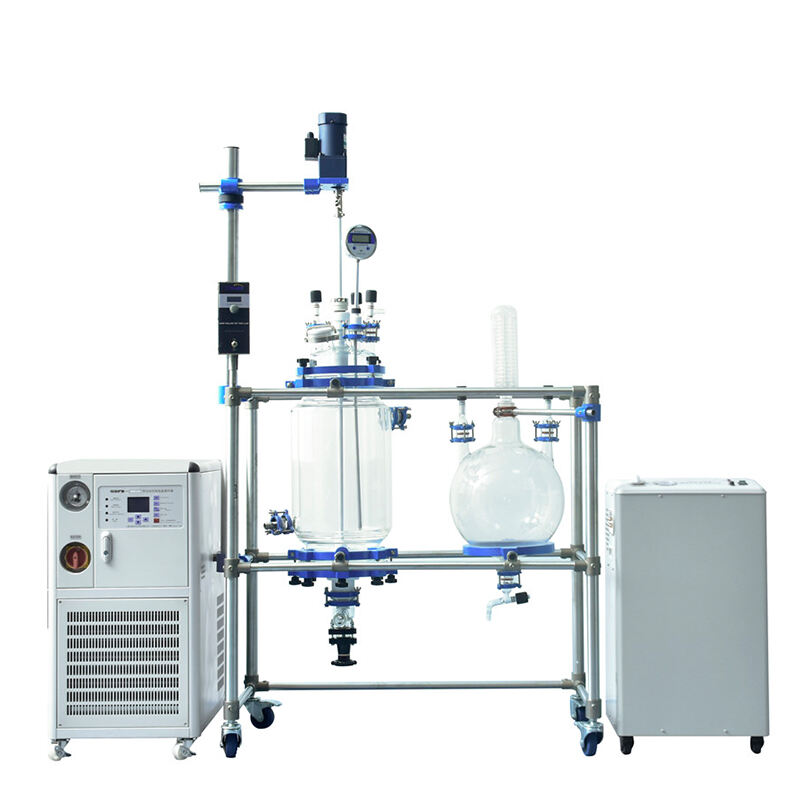
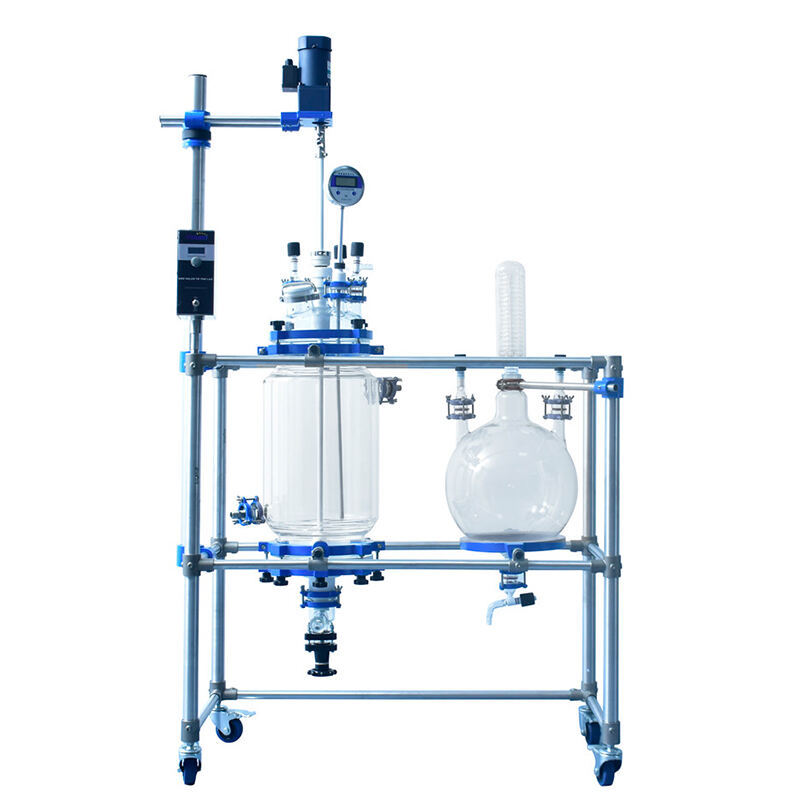
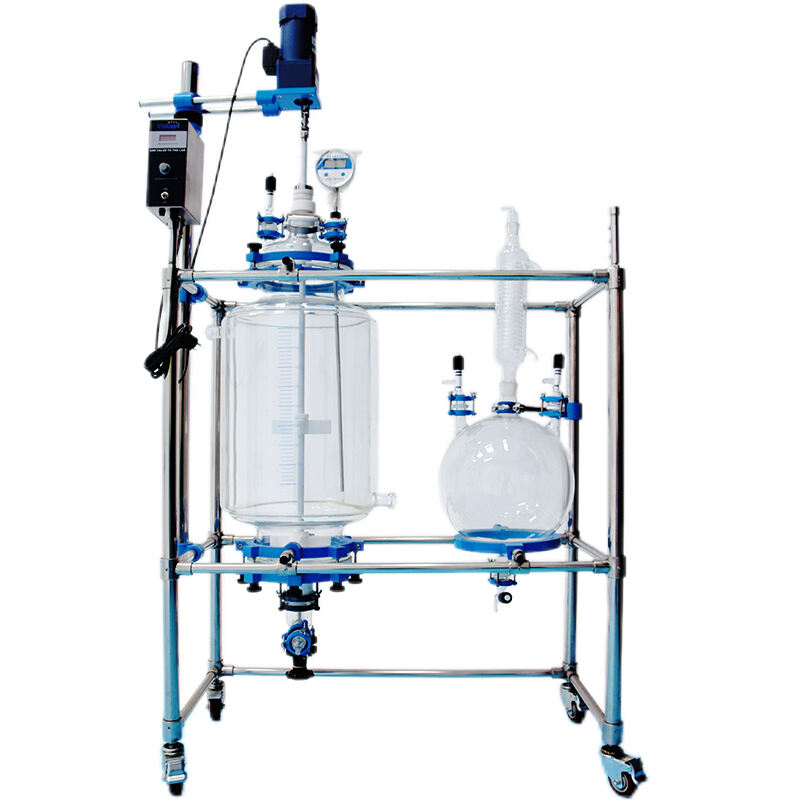
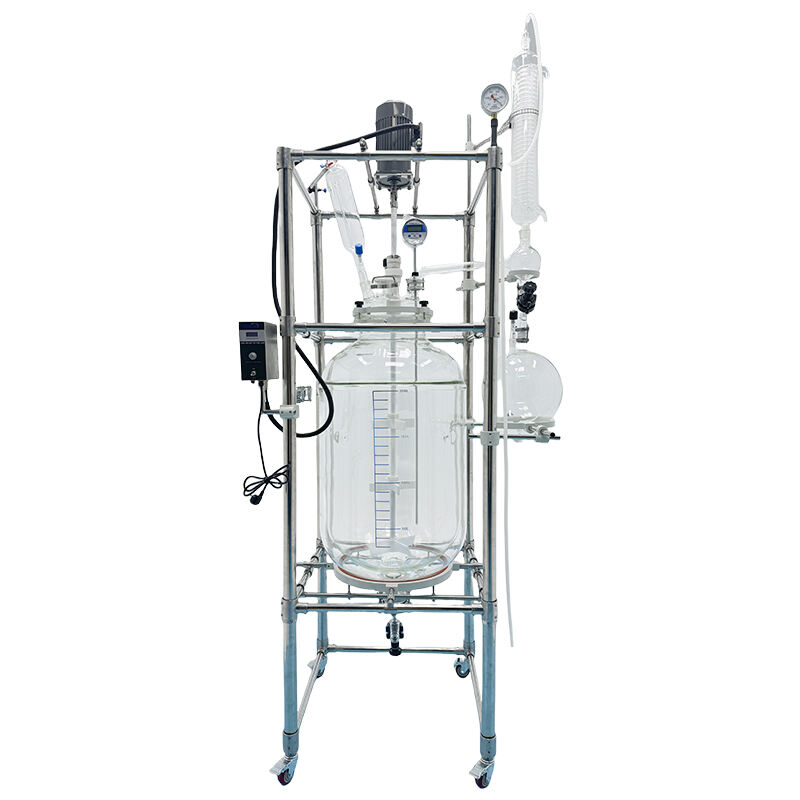
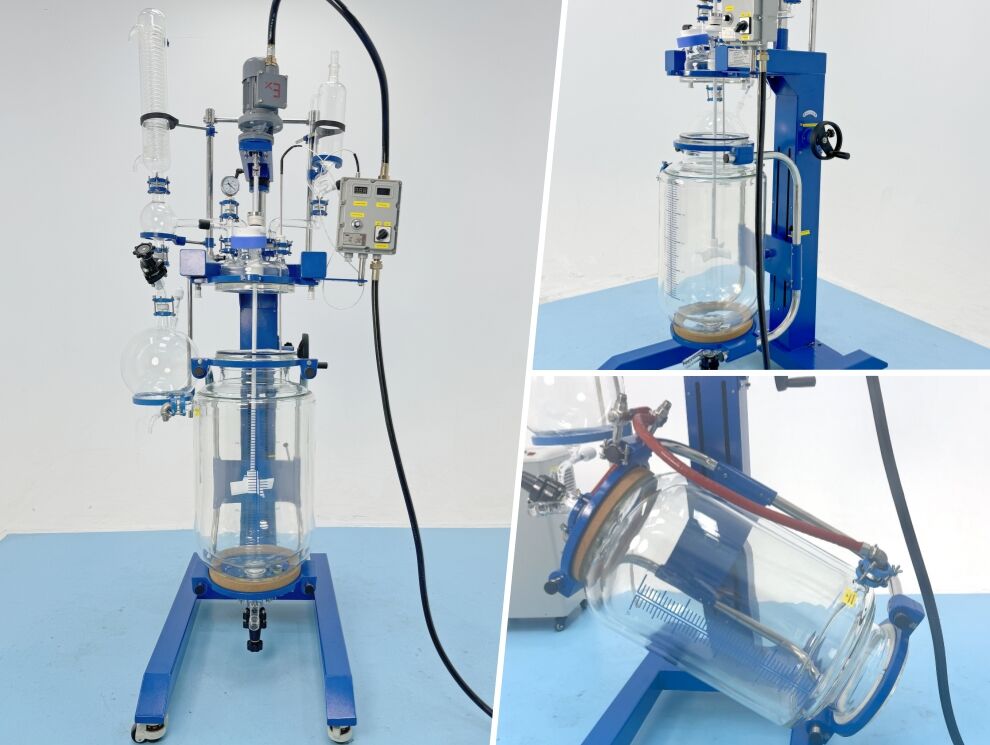
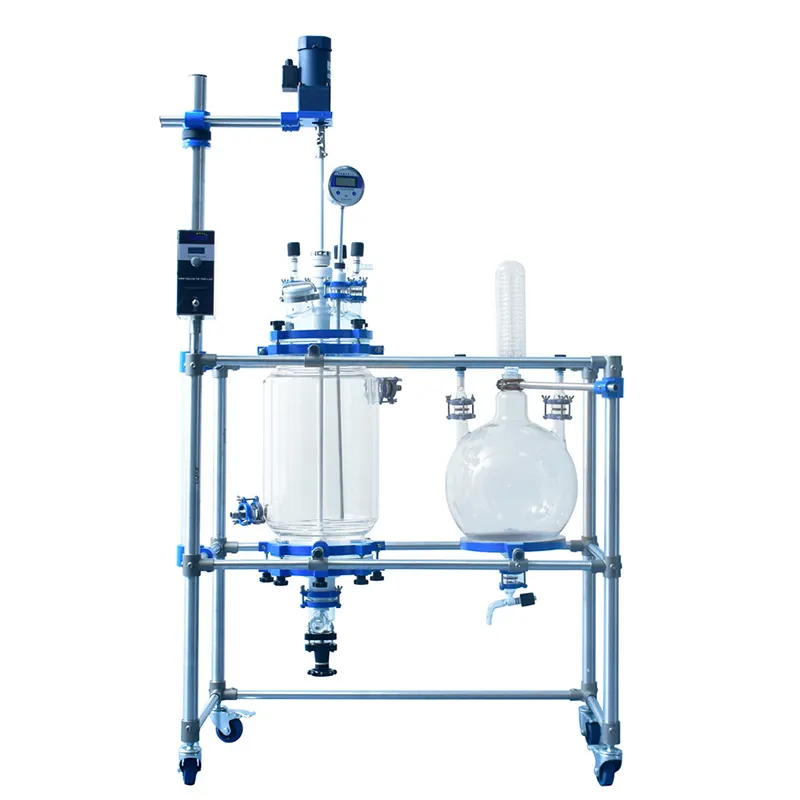
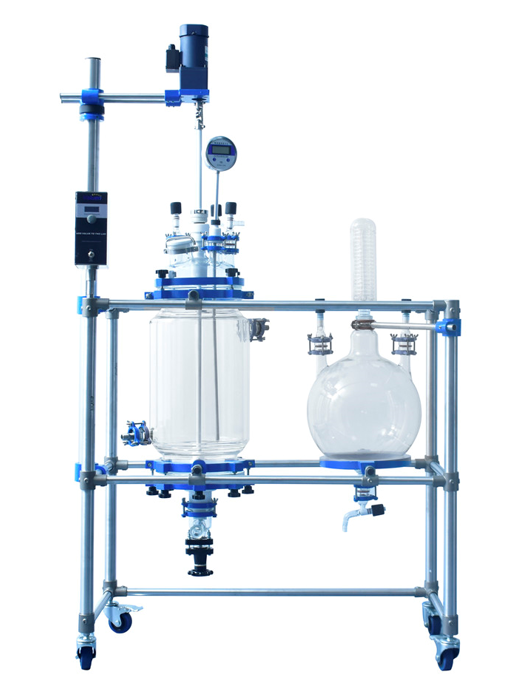
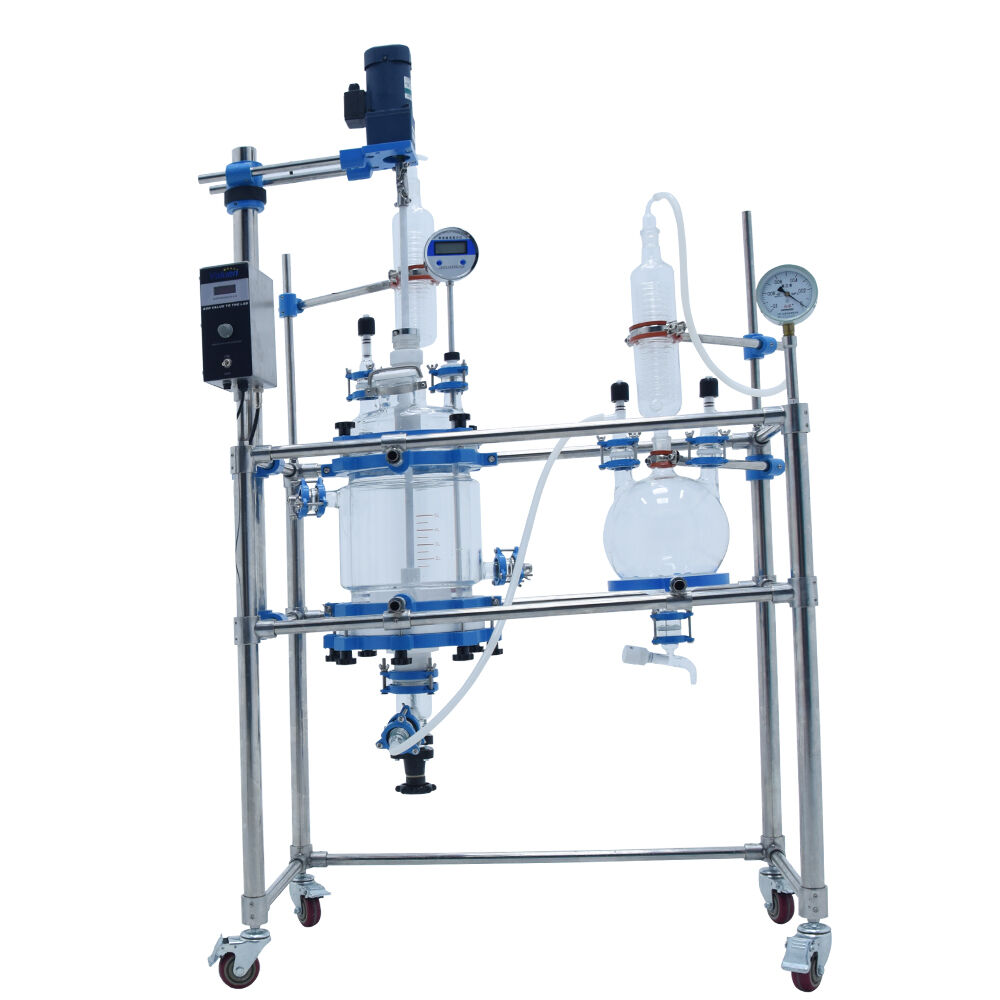
A lab scale crystallization reactor serves as a fundamental piece of equipment in research and development facilities, enabling scientists and engineers to study crystallization processes under controlled conditions. This specialized apparatus facilitates the formation of crystals from solutions, melts, or vapor phases through precise temperature, pressure, and concentration management. The lab scale crystallization reactor operates by creating optimal environments where supersaturation occurs, allowing molecules to arrange themselves into ordered crystal structures. Modern lab scale crystallization reactor systems incorporate advanced monitoring capabilities that track critical parameters such as temperature gradients, mixing speeds, cooling rates, and nucleation events. These reactors typically feature jacketed vessels with heating and cooling systems, overhead stirring mechanisms, and multiple sampling ports for real-time analysis. The design allows researchers to examine different crystallization techniques including cooling crystallization, evaporative crystallization, and antisolvent crystallization. Lab scale crystallization reactor units provide valuable data for process scale-up, helping determine optimal operating conditions before transitioning to pilot or production scales. The equipment supports pharmaceutical development by enabling polymorph screening, where different crystal forms of the same compound can be identified and characterized. Chemical manufacturers utilize lab scale crystallization reactor systems to optimize product purity, particle size distribution, and crystal morphology. The reactor's versatility extends to academic research, where students and researchers investigate fundamental crystallization phenomena. Safety features integrated into modern lab scale crystallization reactor designs include pressure relief systems, temperature alarms, and emergency shutdown protocols. Data logging capabilities allow comprehensive documentation of experimental conditions, supporting regulatory compliance and intellectual property protection. The lab scale crystallization reactor represents an essential investment for organizations developing crystalline products or studying crystal formation mechanisms.

New Products

Lab scale crystallization reactor systems deliver significant cost savings by enabling thorough process optimization before expensive pilot-scale trials. Organizations reduce material waste and minimize development timeframes through efficient small-scale testing capabilities. The reactor allows researchers to conduct multiple experiments simultaneously, accelerating product development cycles and improving time-to-market performance. Precise control systems built into lab scale crystallization reactor units ensure reproducible results, eliminating variability that could compromise research outcomes. Companies achieve better product quality through systematic optimization of crystallization parameters using these specialized reactors. The equipment provides comprehensive data collection capabilities, enabling detailed analysis of crystal growth kinetics, nucleation rates, and thermodynamic properties. Lab scale crystallization reactor systems offer exceptional flexibility, accommodating various solvents, temperatures, and pressure conditions to meet diverse research requirements. Safety enhancements protect personnel while maintaining experimental integrity, reducing liability concerns and ensuring regulatory compliance. The reactor's compact design minimizes laboratory space requirements while maximizing experimental capacity, improving facility utilization efficiency. Advanced automation features reduce manual intervention, decreasing human error potential and improving experimental consistency. Lab scale crystallization reactor units support sustainable development practices by optimizing solvent usage and minimizing environmental impact through efficient process design. The equipment enables rapid hypothesis testing, allowing researchers to evaluate multiple crystallization strategies quickly and cost-effectively. Real-time monitoring capabilities provided by modern lab scale crystallization reactor systems facilitate immediate process adjustments, preventing batch failures and optimizing yield outcomes. Integration capabilities with analytical instruments create seamless workflows, enhancing productivity and data quality. The reactor supports intellectual property development by providing detailed documentation of novel crystallization processes. Training benefits emerge as researchers develop expertise using lab scale crystallization reactor systems before operating larger equipment. Maintenance requirements remain minimal due to robust construction and simplified designs, reducing operational costs. Scalability features ensure smooth transition from laboratory to production environments, maintaining process consistency across different scales. The lab scale crystallization reactor ultimately delivers superior return on investment through accelerated development timelines, improved product quality, and reduced operational risks.

Tips And Tricks

Cost-Effective Solutions: Jacketed Stainless Steel Reactors

15

Apr

Cost-Effective Solutions: Jacketed Stainless Steel Reactors

Understanding Jacketed Stainless Steel Reactors and Core Components Core Components of Stainless Steel Jacketed Reactors Stainless steel jacketed reactors have this special double wall setup where there's basically two layers one inside the other. ...
View More
Maximizing Productivity with Jacketed Stainless Steel Reactors

16

Apr

Maximizing Productivity with Jacketed Stainless Steel Reactors

Robust Construction for High-Pressure and Corrosive Environments Stainless steel's structural superiority makes it the material of choice for jacketed stainless steel reactors operating in harsh industrial conditions. Its combination of mechanical ...
View More
Unlocking the Power of Jacketed Glass Reactors in Chemical Processing

16

Apr

Unlocking the Power of Jacketed Glass Reactors in Chemical Processing

How Jacketed Glass Reactors Work: Design, Components, and Functionality Definition and Core Components of Jacketed Glass Reactors Jacketed glass reactors are specialized systems featuring a primary reaction vessel encased in an outer thermal-regula...
View More
The Ultimate Guide to Jacketed Reactors: Temperature Control & Industrial Applications

16

Apr

The Ultimate Guide to Jacketed Reactors: Temperature Control & Industrial Applications

How Jacketed Reactors Enable Precision Temperature Control What Are Jacketed Reactors and How Do They Enable Temperature Control? Jacketed reactors have this special double wall setup where either heating or cooling fluids run through the space bet...
View More

Get a Free Quote

Our representative will contact you soon.
Email
Name
Contact Number
Company Name
Message
0/1000

lab scale crystallization reactor

Advanced Process Control and Monitoring Systems

Advanced Process Control and Monitoring Systems

Modern lab scale crystallization reactor systems incorporate sophisticated process control and monitoring technologies that revolutionize how researchers approach crystallization studies. These advanced systems feature integrated sensors that continuously track multiple parameters including temperature profiles, pressure variations, pH levels, conductivity measurements, and supersaturation ratios. The precision of these monitoring capabilities enables researchers to detect subtle changes in crystallization conditions that could significantly impact final product quality. Real-time data acquisition systems capture thousands of data points per second, providing unprecedented insight into crystallization kinetics and thermodynamics. The lab scale crystallization reactor utilizes advanced algorithms to maintain optimal operating conditions automatically, reducing human intervention requirements and eliminating potential operator errors. Temperature control systems achieve accuracy within ±0.1°C, ensuring consistent nucleation and growth environments essential for reproducible crystal formation. Pressure monitoring capabilities detect minute changes that could indicate gas evolution, solvent evaporation, or other critical process events. The integration of turbidity probes allows real-time monitoring of crystal formation, enabling researchers to identify optimal seeding points and monitor crystal growth progression. Advanced stirring control systems maintain precise agitation rates, ensuring uniform mixing without inducing undesirable secondary nucleation. Data logging capabilities store comprehensive experimental records automatically, supporting regulatory compliance and facilitating process troubleshooting. The lab scale crystallization reactor systems feature intuitive human-machine interfaces that display real-time process parameters graphically, enabling immediate recognition of trends or anomalies. Alarm systems provide instant notification when parameters exceed predetermined limits, preventing batch failures and ensuring operator safety. Remote monitoring capabilities allow researchers to oversee experiments from multiple locations, improving laboratory efficiency and enabling round-the-clock operations. The sophisticated control systems support complex crystallization protocols including programmed cooling profiles, controlled antisolvent addition, and staged seeding strategies. These monitoring and control capabilities transform the lab scale crystallization reactor into a powerful research tool that accelerates discovery while ensuring consistent, high-quality results.
Versatile Experimental Capability and Flexibility

Versatile Experimental Capability and Flexibility

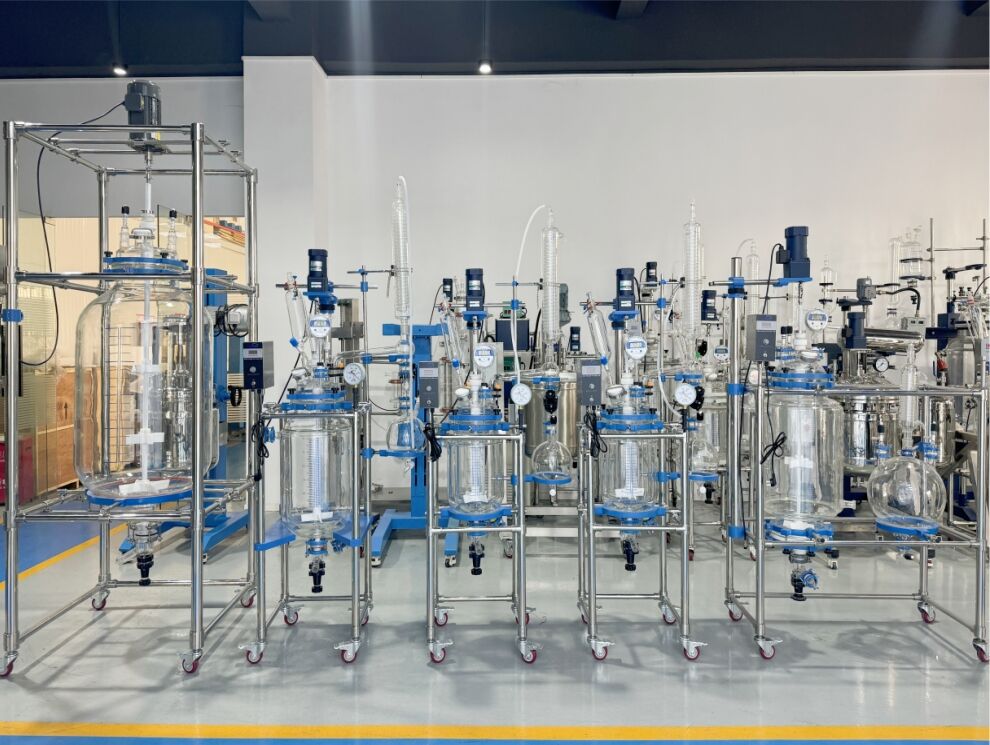
The lab scale crystallization reactor demonstrates exceptional versatility through its ability to accommodate diverse experimental requirements and crystallization methodologies across multiple industries and research applications. This flexibility stems from modular design concepts that allow researchers to configure the reactor for specific experimental needs without compromising performance or safety standards. The reactor supports various crystallization techniques including cooling crystallization, where controlled temperature reduction induces supersaturation and crystal formation. Evaporative crystallization capabilities enable solvent removal under controlled conditions, concentrating solutions to achieve desired supersaturation levels. Antisolvent crystallization methods are readily accommodated through precise antisolvent addition systems that maintain optimal mixing and temperature conditions. The lab scale crystallization reactor handles diverse solvent systems ranging from aqueous solutions to organic solvents, including hazardous or corrosive materials when equipped with appropriate safety features. Temperature operating ranges typically span from -20°C to 200°C, enabling crystallization studies across various compounds and solvent systems. Pressure capabilities extend from vacuum conditions to elevated pressures, supporting crystallization of compounds requiring specific pressure environments. Multiple vessel configurations accommodate batch sizes from 50mL to several liters, providing scalability within laboratory constraints. The reactor supports both seeded and unseeded crystallization experiments, allowing researchers to investigate nucleation phenomena and control crystal size distributions. Sampling systems enable withdrawal of samples during crystallization without disrupting the process, facilitating kinetic studies and real-time analysis. The lab scale crystallization reactor accommodates various analytical techniques including in-situ microscopy, laser diffraction particle sizing, and spectroscopic analysis. Heating and cooling systems provide programmable temperature profiles, enabling complex thermal treatments and controlled crystallization pathways. The equipment supports continuous and semi-continuous operation modes, expanding research capabilities beyond traditional batch processing. Material compatibility features ensure the reactor can handle corrosive substances, high-purity requirements, and specialized chemical environments. This comprehensive versatility makes the lab scale crystallization reactor an invaluable tool for pharmaceutical development, chemical research, materials science, and academic investigations, providing researchers with the flexibility needed to explore innovative crystallization approaches and optimize process conditions effectively.
Seamless Scale-Up and Technology Transfer

Seamless Scale-Up and Technology Transfer

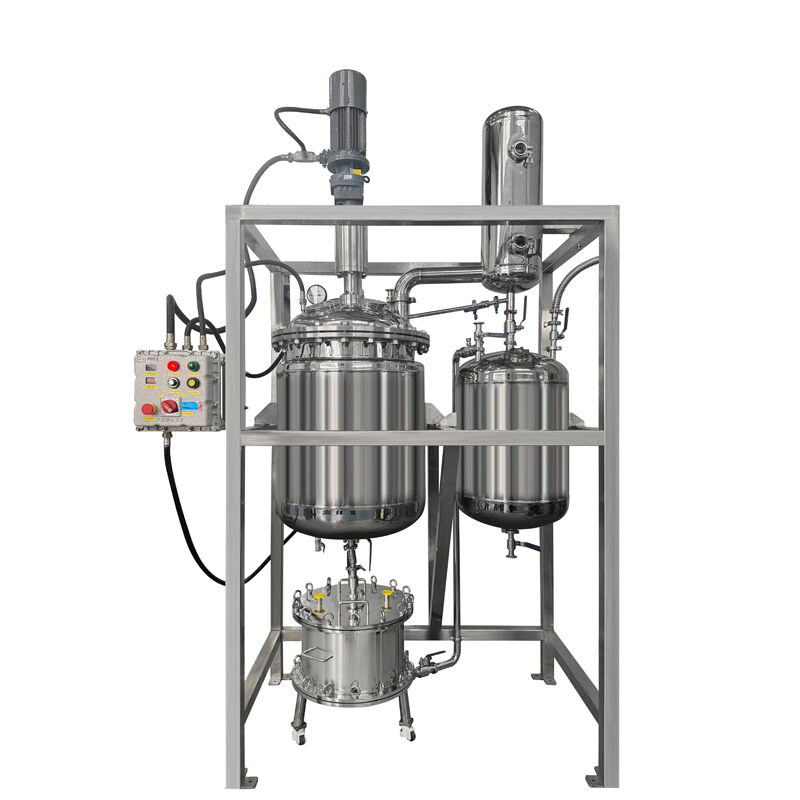
The lab scale crystallization reactor excels in facilitating smooth technology transfer and scale-up processes, addressing one of the most critical challenges in crystallization development. This capability stems from the reactor's design philosophy that maintains geometric and dynamic similarity with larger industrial equipment, ensuring that fundamental crystallization mechanisms remain consistent across different scales. The lab scale crystallization reactor incorporates design principles that mirror industrial crystallizers, including similar agitation patterns, heat transfer mechanisms, and mixing characteristics. This similarity enables researchers to develop reliable correlations between laboratory results and production-scale performance, reducing scale-up risks and development costs. Advanced scaling methodologies built into the reactor design account for differences in surface-to-volume ratios, heat transfer coefficients, and mixing intensities that typically complicate scale-up processes. The equipment provides comprehensive data sets that support computational fluid dynamics modeling and process simulation, enabling accurate prediction of larger-scale behavior. Dimensionless analysis capabilities allow researchers to maintain critical process parameters such as Reynolds numbers, heat transfer coefficients, and mass transfer rates during scale-up. The lab scale crystallization reactor supports systematic studies of mixing effects, enabling optimization of impeller designs and agitation speeds for larger vessels. Heat transfer studies conducted in the laboratory reactor provide valuable data for designing heating and cooling systems in production equipment. The reactor facilitates investigation of wall effects, nucleation site density, and crystal-wall interactions that become increasingly important at larger scales. Process development using the lab scale crystallization reactor generates detailed operating procedures, safety protocols, and quality control measures directly applicable to production environments. The equipment supports validation studies that demonstrate process robustness and identify critical process parameters requiring tight control during manufacturing. Technology transfer documentation benefits from comprehensive data generated by the lab scale crystallization reactor, supporting regulatory submissions and manufacturing approvals. The reactor enables pilot-scale verification studies by providing baseline performance data and process understanding developed through systematic laboratory investigations. Quality by design principles are readily implemented using lab scale crystallization reactor data, establishing design spaces and control strategies for commercial manufacturing. Risk assessment capabilities support identification of potential scale-up challenges before they impact production timelines or product quality. The lab scale crystallization reactor ultimately serves as a crucial bridge between research discoveries and commercial success, providing the foundation for confident scale-up decisions and successful technology transfer to manufacturing operations.

Get a Free Quote

Our representative will contact you soon.
Email
Name
Contact Number
Company Name
Message
0/1000