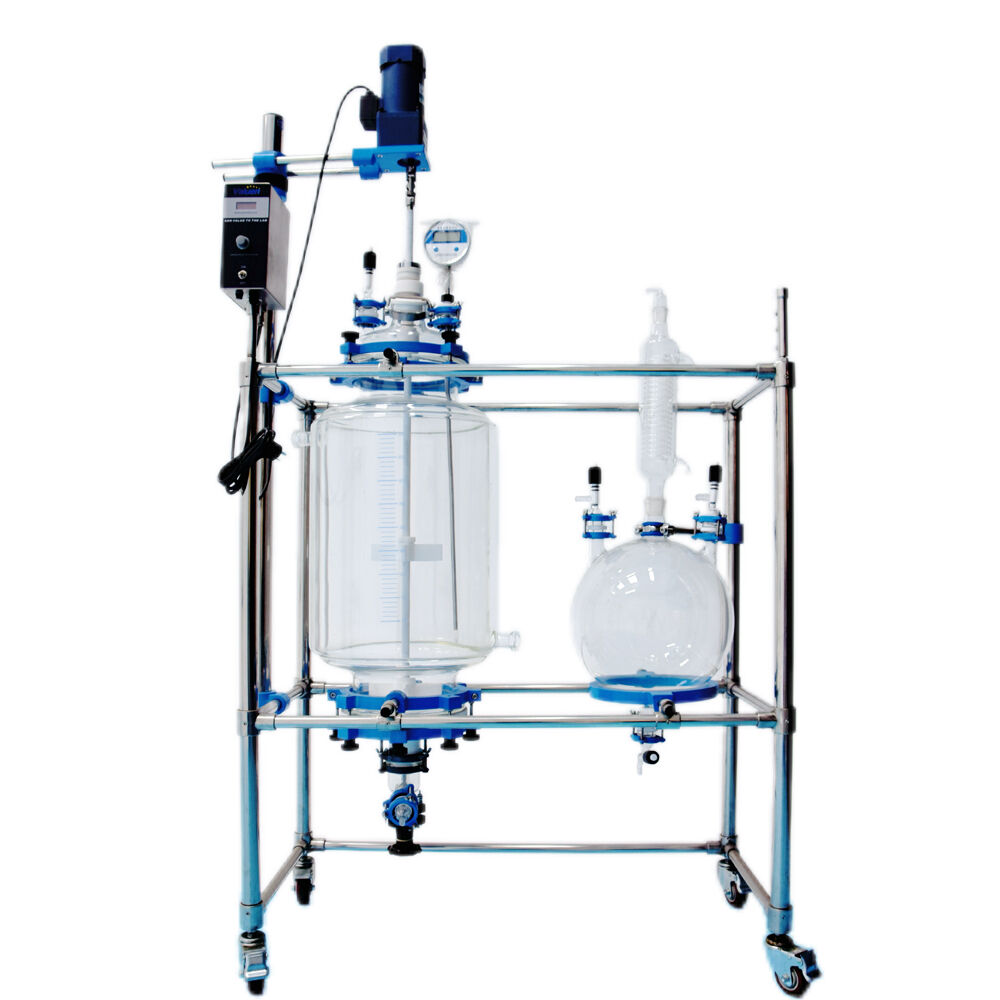
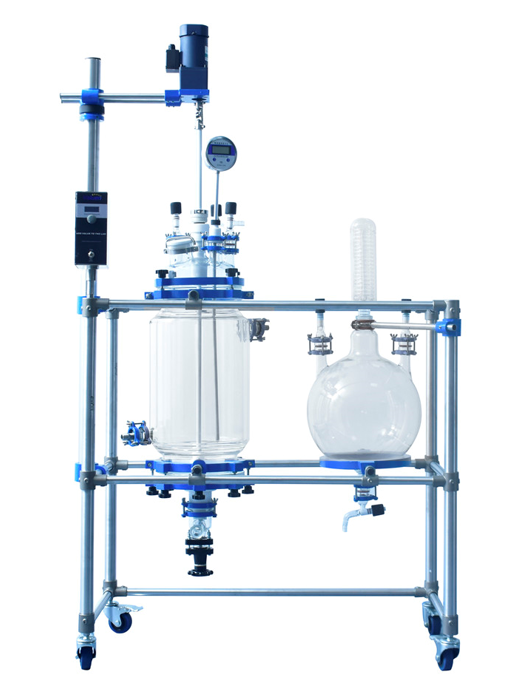
borosilicate glass crystallization reactor
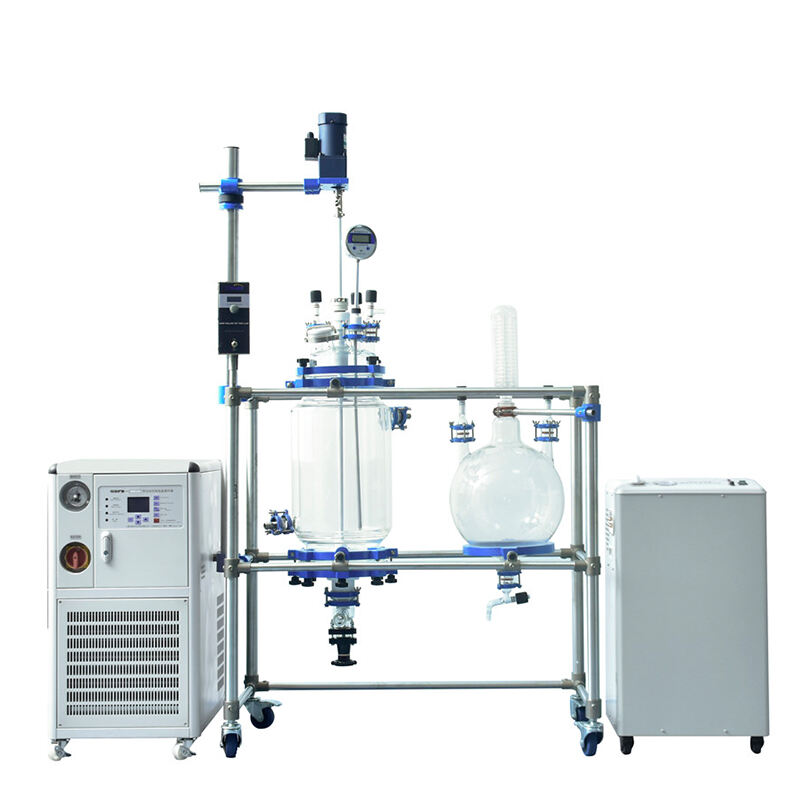
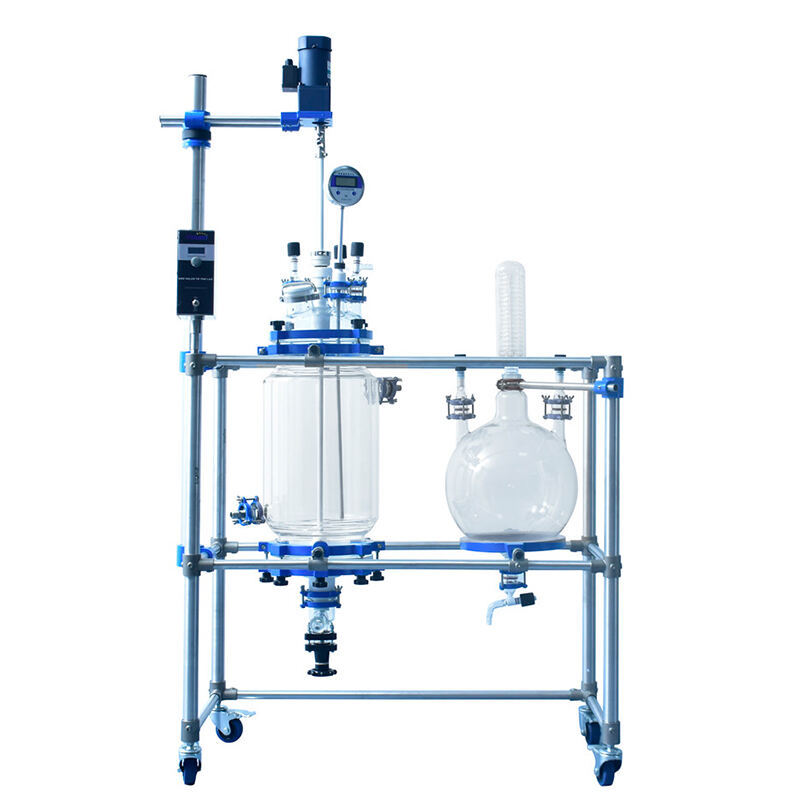
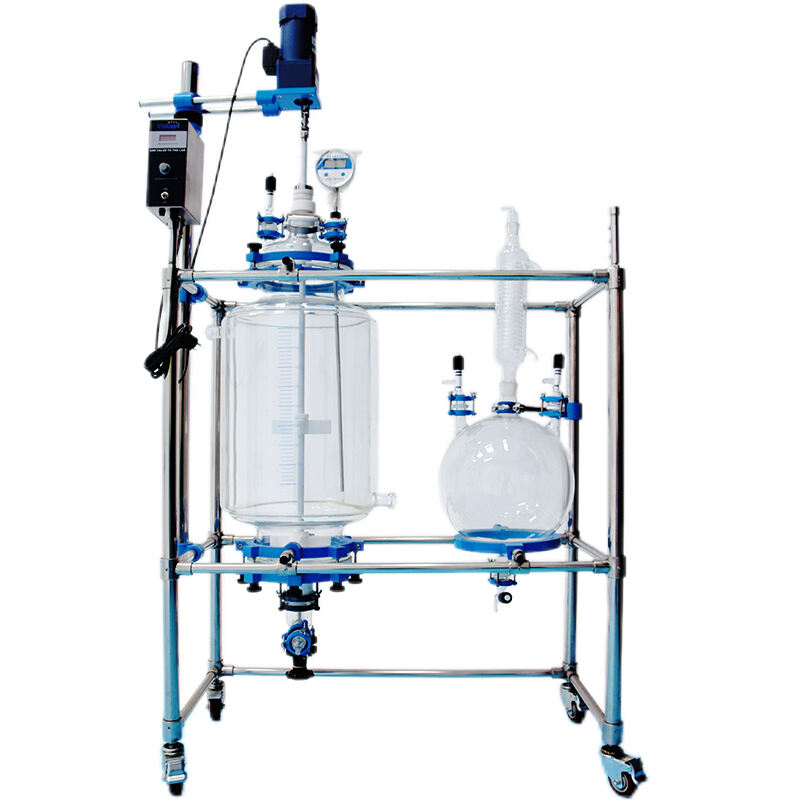
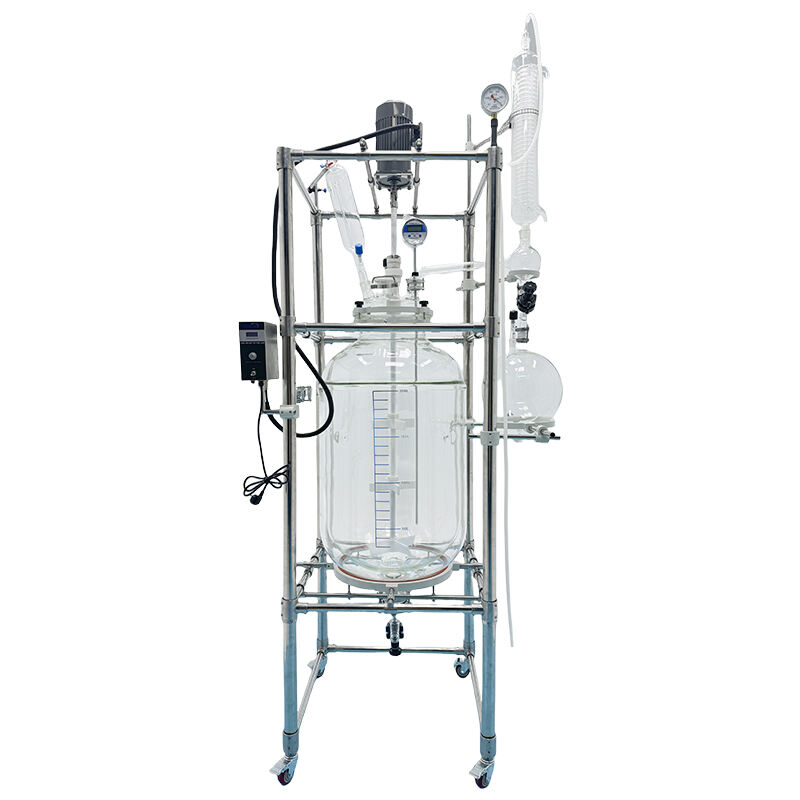
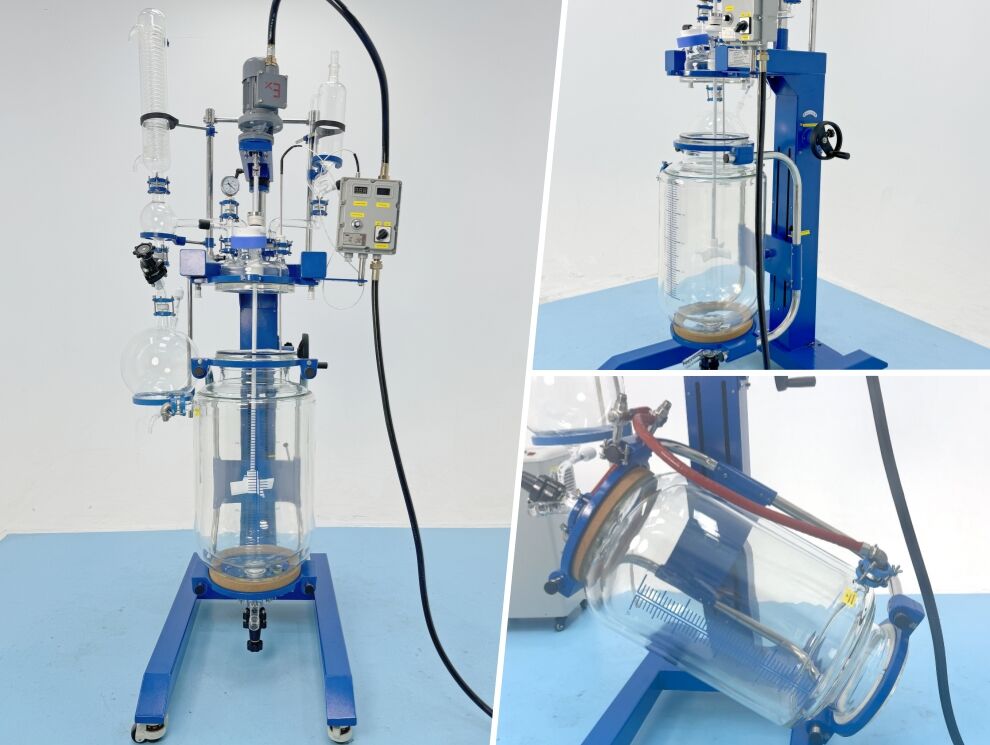
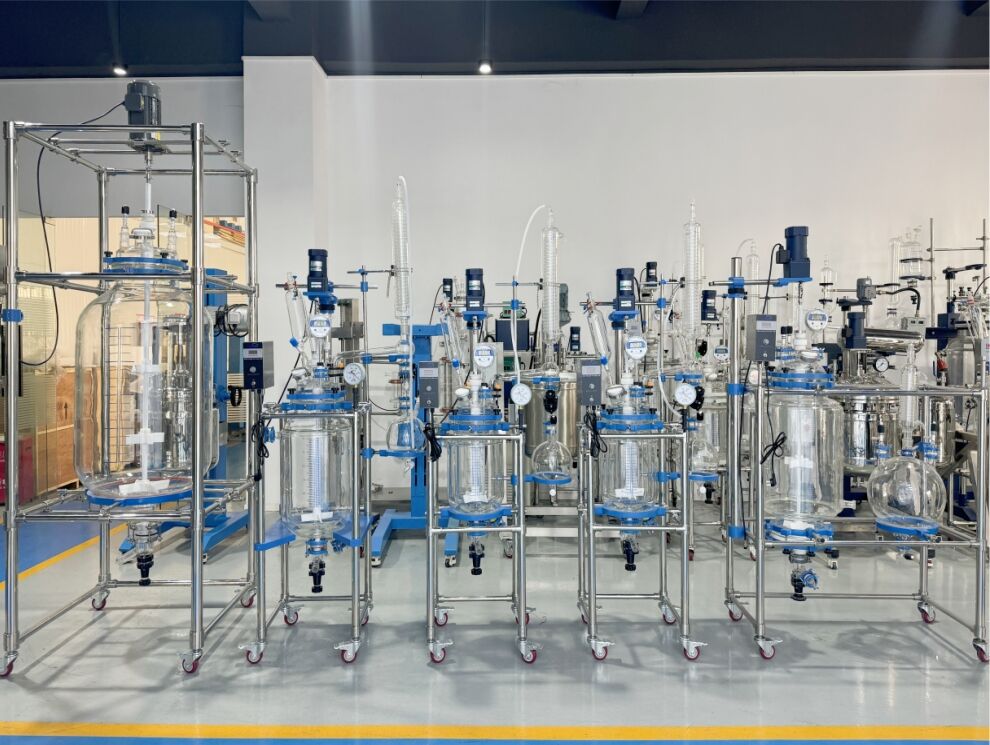
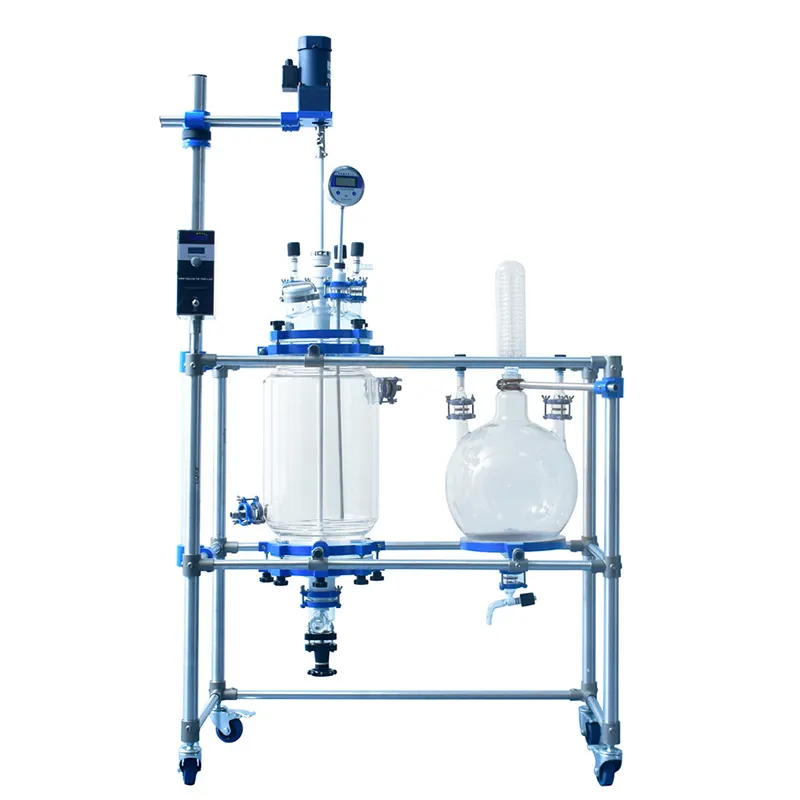
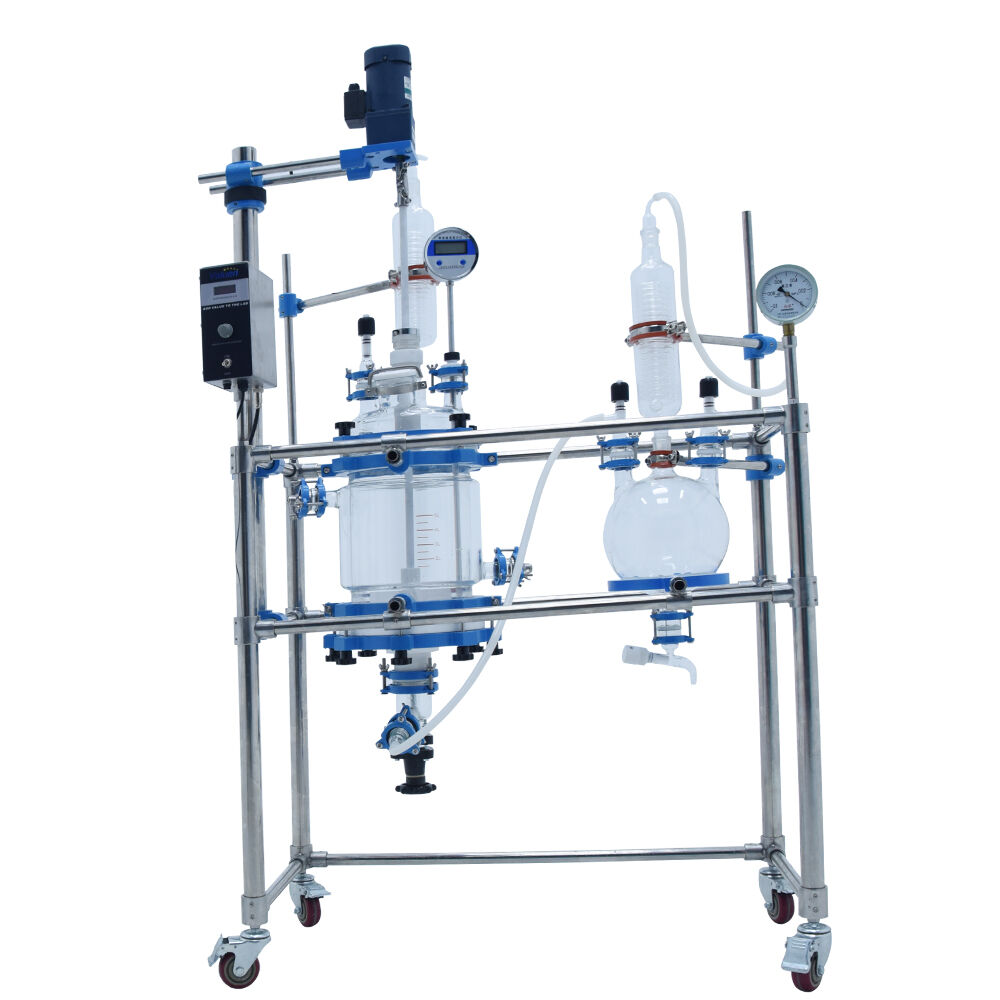
A borosilicate glass crystallization reactor represents a sophisticated piece of laboratory equipment designed to facilitate controlled crystallization processes in research and industrial applications. This specialized vessel combines the exceptional chemical resistance and thermal stability of borosilicate glass with advanced reactor technology to create optimal conditions for crystal formation and growth. The borosilicate glass crystallization reactor serves multiple critical functions in pharmaceutical development, chemical synthesis, and materials science research. Its primary purpose involves providing a controlled environment where supersaturated solutions can undergo systematic crystallization under precisely monitored conditions. The reactor enables researchers to manipulate temperature gradients, stirring rates, and cooling profiles to achieve desired crystal morphology, size distribution, and purity levels. Key technological features include integrated temperature control systems that maintain uniform heating and cooling throughout the crystallization process. The borosilicate glass construction offers superior transparency, allowing real-time visual monitoring of crystal formation and growth patterns. Advanced models incorporate automated stirring mechanisms, precise temperature sensors, and computerized control interfaces that enable reproducible experimental conditions. The reactor design typically features jacketed walls for efficient heat transfer, multiple ports for sampling and instrumentation, and specialized fittings that accommodate various analytical probes. Applications span across pharmaceutical research where drug substance crystallization requires careful control to achieve specific polymorphic forms and particle characteristics. Chemical manufacturing industries utilize these reactors for producing high-purity crystalline products with consistent quality parameters. Academic research institutions employ borosilicate glass crystallization reactors for fundamental studies in crystal engineering, investigating nucleation mechanisms, and developing new crystallization methodologies. The versatility of these reactors makes them indispensable tools for optimizing crystallization parameters, scaling up laboratory processes to pilot production levels, and ensuring reproducible results across different experimental campaigns.
 EN
EN