 EN
EN

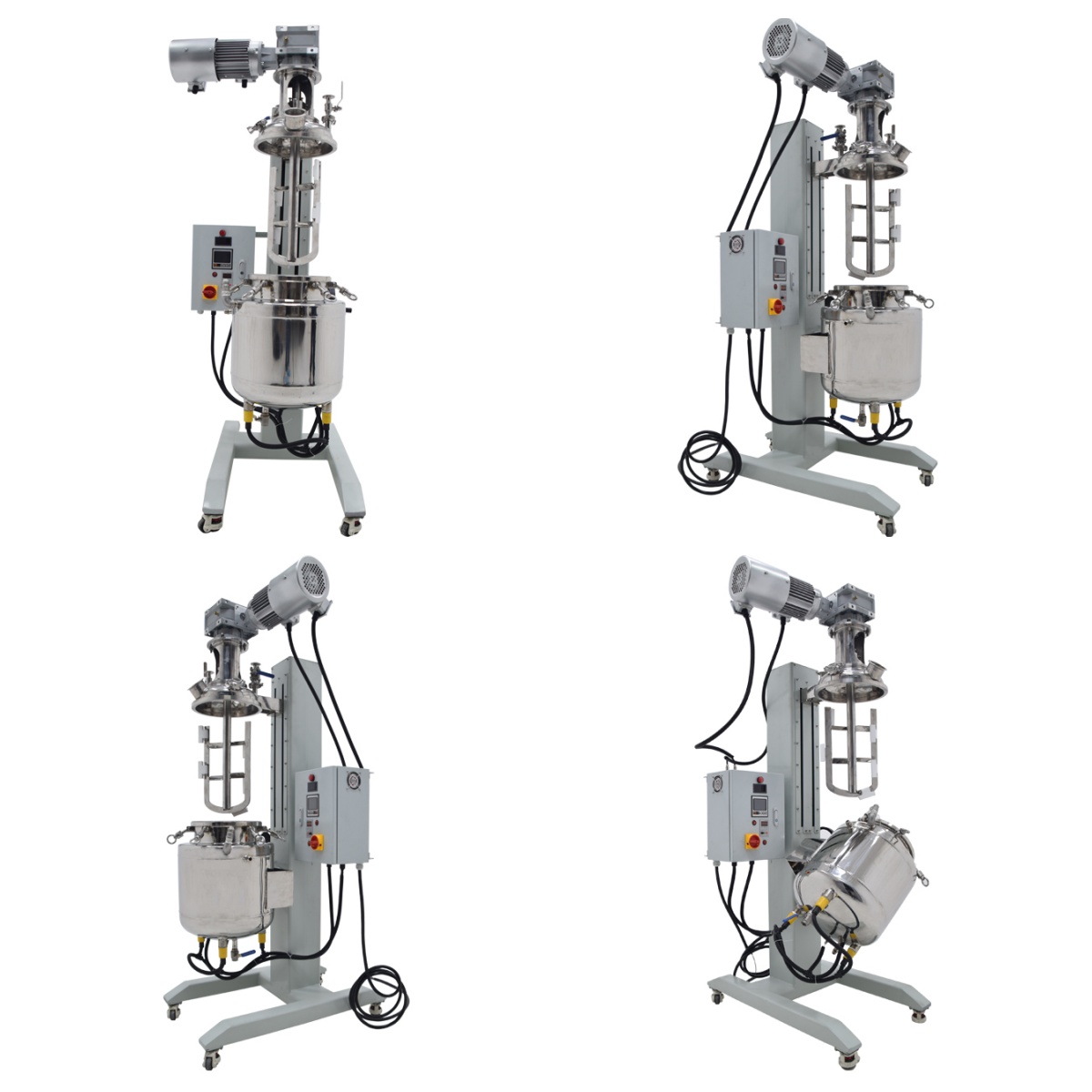
Modern industrial processing demands precision, efficiency, and adaptability in chemical reactions and material processing. The choice between a rotary and liftable stainless steel reactor versus a traditional fixed reactor represents a critical decision that can significantly impact operational efficiency, product quality, and overall production costs. Understanding the fundamental differences between these reactor configurations enables engineers and facility managers to make informed decisions that align with their specific processing requirements and long-term operational goals.
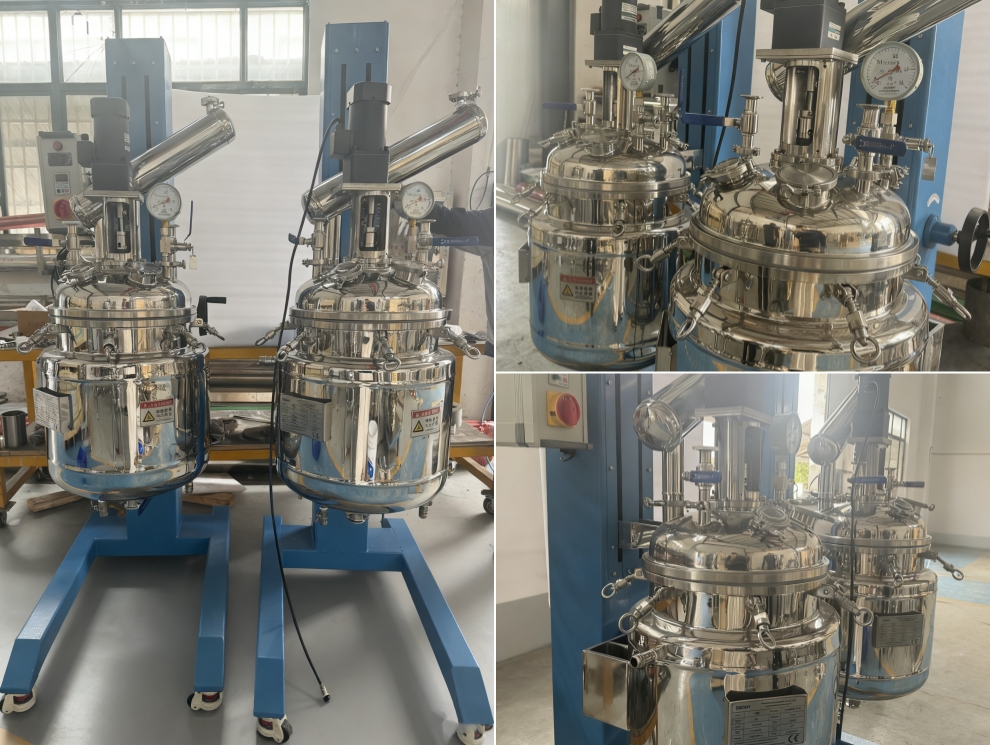
The evolution of reactor design has led to sophisticated systems that offer enhanced control over reaction parameters while maintaining the durability and corrosion resistance that makes stainless steel the material of choice for industrial applications. Each reactor type presents unique advantages and considerations that must be carefully evaluated against specific operational requirements, maintenance capabilities, and budget constraints.
Understanding Rotary and Liftable Stainless Steel Reactor Technology
Mechanical Design and Operation Principles
The rotary and liftable stainless steel reactor incorporates advanced mechanical systems that enable both rotational movement and vertical positioning capabilities. This dual-functionality design allows operators to optimize mixing patterns while providing enhanced accessibility for maintenance, cleaning, and product discharge operations. The rotation mechanism typically employs precision bearings and motor-driven systems that ensure consistent and controllable agitation throughout the reaction process.
The lifting mechanism utilizes hydraulic or pneumatic systems that can raise or lower the entire reactor vessel, facilitating easier access to internal components and enabling gravity-assisted discharge of processed materials. This mechanical versatility extends beyond basic operational convenience, offering significant advantages in terms of process control and maintenance efficiency that translate directly into improved production outcomes.
Enhanced Mixing and Heat Transfer Characteristics
The rotational capability of these advanced reactor systems creates superior mixing patterns that ensure more uniform distribution of reactants, catalysts, and thermal energy throughout the reaction mass. This enhanced mixing efficiency directly impacts reaction kinetics, product quality consistency, and overall process yield. The ability to adjust rotation speed provides operators with precise control over shear rates and mixing intensity, accommodating different reaction requirements and material properties.
Heat transfer efficiency in rotary systems benefits from the continuous movement of the reaction mass against the heated or cooled vessel walls, reducing thermal gradients and preventing localized hot spots that could compromise product quality or safety. The stainless steel reactor construction ensures excellent thermal conductivity while maintaining chemical inertness across a wide range of processing conditions.
Fixed Reactor Systems and Their Industrial Applications
Structural Simplicity and Reliability
Fixed stainless steel reactor systems represent the traditional approach to industrial reaction processing, featuring stationary vessels with internal agitation systems such as paddle mixers, turbine impellers, or magnetic stirring mechanisms. This design philosophy emphasizes structural simplicity, reduced mechanical complexity, and proven reliability in continuous operation environments where minimal maintenance intervention is desired.
The absence of complex lifting and rotation mechanisms in fixed reactors contributes to lower initial capital costs and simplified installation requirements. These systems excel in applications where consistent, long-term operation is prioritized over operational flexibility, making them particularly suitable for standardized production processes with well-established parameters and minimal variation in processing requirements.
Maintenance and Operational Considerations
Fixed reactor maintenance typically focuses on internal agitation components, sealing systems, and routine cleaning procedures that can be performed without major equipment repositioning. However, access limitations inherent in fixed designs may require more complex maintenance procedures for certain components, potentially extending downtime periods during scheduled maintenance or unexpected repairs.
The operational stability of fixed stainless steel reactor systems provides advantages in automated production environments where consistent performance parameters and minimal operator intervention are essential. These reactors often integrate seamlessly with existing process control systems and can operate continuously for extended periods without the need for frequent adjustments or mechanical maintenance.
Comparative Analysis of Performance Metrics
Processing Efficiency and Product Quality
When evaluating processing efficiency, rotary and liftable reactors demonstrate superior performance in applications requiring variable mixing intensities, complex reaction profiles, or frequent product changeovers. The ability to adjust both rotation speed and vessel position enables operators to optimize processing parameters for different materials and reaction types, resulting in improved yield and product consistency.
Fixed reactors excel in applications with standardized processing requirements where consistent agitation patterns and established operational parameters deliver reliable results. The stainless steel reactor construction in both configurations ensures product purity and prevents contamination, but the operational flexibility of rotary systems often translates to better adaptation to varying raw material properties and reaction conditions.
Energy Consumption and Operating Costs
Energy consumption patterns differ significantly between reactor types, with rotary and liftable systems requiring additional power for rotation and positioning mechanisms. However, the improved mixing efficiency and enhanced heat transfer characteristics often result in reduced heating and cooling requirements, potentially offsetting the additional mechanical energy consumption through shorter processing cycles and improved thermal efficiency.
Operating cost analysis must consider factors beyond energy consumption, including maintenance requirements, cleaning efficiency, and product yield optimization. The enhanced accessibility of rotary and liftable stainless steel reactor systems often reduces cleaning time and maintenance complexity, contributing to lower overall operational costs despite higher initial capital investment requirements.
Installation and Infrastructure Requirements
Space and Layout Considerations
The installation of rotary and liftable reactor systems requires careful consideration of overhead clearance, floor loading capacity, and access requirements for maintenance operations. The lifting mechanism necessitates additional vertical space allocation, while the rotation components may require specialized foundation designs to accommodate dynamic loading conditions and vibration isolation requirements.
Fixed stainless steel reactor installations typically require less complex foundation and support structures, making them suitable for facilities with limited space or structural constraints. The simplified installation process often results in shorter project timelines and reduced construction costs, particularly in retrofit applications where existing infrastructure must accommodate the new reactor system.
Utility and Service Connections
The dynamic nature of rotary and liftable reactors requires flexible utility connections for steam, cooling water, electrical power, and process instrumentation. These flexible connections must accommodate both rotational movement and vertical positioning while maintaining seal integrity and preventing contamination risks. Advanced swivel joint designs and retractable connection systems address these challenges but add complexity to the overall installation.
Fixed reactor systems utilize conventional rigid utility connections that simplify installation and reduce potential leak points. The static nature of these connections enhances long-term reliability and reduces maintenance requirements for utility interfaces, contributing to overall system dependability and operational efficiency.
Maintenance and Service Life Considerations
Preventive Maintenance Requirements
Rotary and liftable stainless steel reactor systems require comprehensive preventive maintenance programs that address mechanical drive components, lifting mechanisms, flexible utility connections, and structural support systems. The increased mechanical complexity necessitates more frequent inspection intervals and specialized maintenance expertise to ensure optimal performance and prevent unexpected failures.
The enhanced accessibility provided by the lifting function significantly simplifies internal cleaning and inspection procedures, potentially reducing maintenance time and improving thoroughness of service operations. This accessibility advantage often compensates for the additional mechanical maintenance requirements by enabling more efficient routine maintenance and extending the service life of internal components.
Component Replacement and Upgrades
The modular design characteristics of many rotary reactor systems facilitate component replacement and system upgrades without major facility modifications. Individual mechanical systems can often be serviced or upgraded independently, providing flexibility for performance enhancement and technology advancement integration over the reactor's operational life.
Fixed stainless steel reactor systems typically offer longer service intervals for mechanical components but may require more extensive facility modifications for major upgrades or component replacements. The trade-off between operational simplicity and upgrade flexibility represents a key consideration in long-term facility planning and technology evolution strategies.
Cost-Benefit Analysis and Return on Investment
Initial Capital Investment Comparison
The initial capital cost for rotary and liftable reactor systems typically exceeds fixed reactor installations by 30-50%, reflecting the additional mechanical complexity, precision manufacturing requirements, and specialized installation procedures. However, this premium investment often generates returns through improved processing efficiency, reduced maintenance downtime, and enhanced operational flexibility that enables facility adaptation to changing market demands.
Fixed stainless steel reactor systems offer lower entry costs and simpler financing structures, making them attractive for budget-constrained projects or applications with well-defined processing requirements that do not require operational flexibility. The predictable cost structure and established performance characteristics facilitate accurate project planning and financial forecasting.
Long-term Value Proposition
The long-term value proposition of rotary and liftable reactors emerges through operational advantages that compound over time, including reduced cleaning cycles, improved product quality consistency, enhanced maintenance efficiency, and greater process adaptability. These benefits often justify the higher initial investment through accumulated operational savings and increased production capacity utilization.
Return on investment calculations must consider facility-specific factors such as product mix variability, maintenance labor costs, cleaning frequency requirements, and future expansion plans. The stainless steel reactor selection decision significantly impacts long-term operational efficiency and should align with strategic business objectives and operational requirements.
Industry Applications and Selection Criteria
Pharmaceutical and Biotechnology Applications
The pharmaceutical and biotechnology industries particularly benefit from rotary and liftable reactor technology due to stringent cleaning requirements, frequent product changeovers, and the need for precise process control. The enhanced accessibility and superior mixing capabilities support good manufacturing practices while reducing contamination risks and improving batch-to-batch consistency.
Fixed stainless steel reactor systems remain viable for dedicated production lines with standardized processes, where the emphasis on operational simplicity and validation requirements favor proven, stable reactor designs with minimal mechanical complexity and reduced validation burden.
Chemical Processing and Specialty Materials
Chemical processing applications often require variable reaction conditions, different mixing intensities, and frequent equipment cleaning between different chemical systems. The operational flexibility of rotary and liftable reactors accommodates these demanding requirements while maintaining the chemical compatibility and corrosion resistance essential for harsh chemical environments.
Specialty materials production, including advanced polymers, catalysts, and engineered materials, benefits from the precise process control and enhanced mixing uniformity achievable with rotary reactor technology. The ability to optimize processing parameters for each product formulation contributes to improved material properties and production consistency.
FAQ
What are the main advantages of rotary and liftable stainless steel reactors over fixed reactors
Rotary and liftable stainless steel reactor systems provide superior mixing efficiency through controlled rotation, enhanced accessibility for cleaning and maintenance through the lifting mechanism, and greater operational flexibility for handling different reaction types and processing requirements. These advantages often result in improved product quality, reduced maintenance downtime, and better adaptation to changing production needs compared to fixed reactor configurations.
How do maintenance costs compare between rotary and fixed reactor systems
While rotary and liftable reactors have higher mechanical complexity requiring more frequent preventive maintenance on drive systems and lifting mechanisms, the enhanced accessibility often reduces cleaning time and simplifies internal maintenance procedures. Fixed stainless steel reactor systems have lower mechanical maintenance requirements but may incur higher costs for complex cleaning procedures and limited access maintenance operations. Overall maintenance costs depend on specific operational requirements and facility capabilities.
Which reactor type is better suited for pharmaceutical applications
Pharmaceutical applications often favor rotary and liftable reactors due to superior cleaning accessibility, enhanced mixing uniformity for better product consistency, and operational flexibility for handling different formulations. However, fixed stainless steel reactor systems may be preferred for dedicated production lines where operational simplicity, validation requirements, and proven reliability are prioritized over operational flexibility and enhanced performance characteristics.
What factors should influence the selection between rotary and fixed reactor designs
Key selection factors include product mix variability, cleaning frequency requirements, available maintenance expertise, budget constraints, facility space limitations, and long-term production strategy. Facilities with frequent product changeovers, complex cleaning requirements, or variable processing needs typically benefit from rotary and liftable stainless steel reactor technology, while standardized production environments may find fixed reactors more suitable for their operational requirements and cost objectives.
Table of Contents
- Understanding Rotary and Liftable Stainless Steel Reactor Technology
- Fixed Reactor Systems and Their Industrial Applications
- Comparative Analysis of Performance Metrics
- Installation and Infrastructure Requirements
- Maintenance and Service Life Considerations
- Cost-Benefit Analysis and Return on Investment
- Industry Applications and Selection Criteria
-
FAQ
- What are the main advantages of rotary and liftable stainless steel reactors over fixed reactors
- How do maintenance costs compare between rotary and fixed reactor systems
- Which reactor type is better suited for pharmaceutical applications
- What factors should influence the selection between rotary and fixed reactor designs