Pilot Scale Chemical Reactor: Advanced Process Development and Scale-Up Solutions

Get a Free Quote

Our representative will contact you soon.
Email
Name
Contact Number
Company Name
Message
0/1000

pilot scale chemical reactor

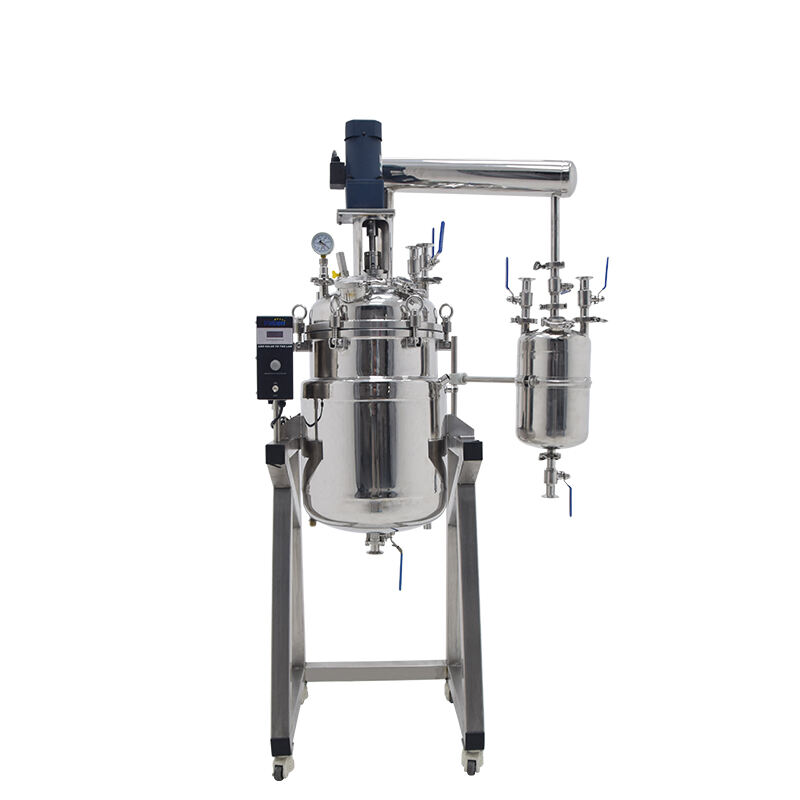
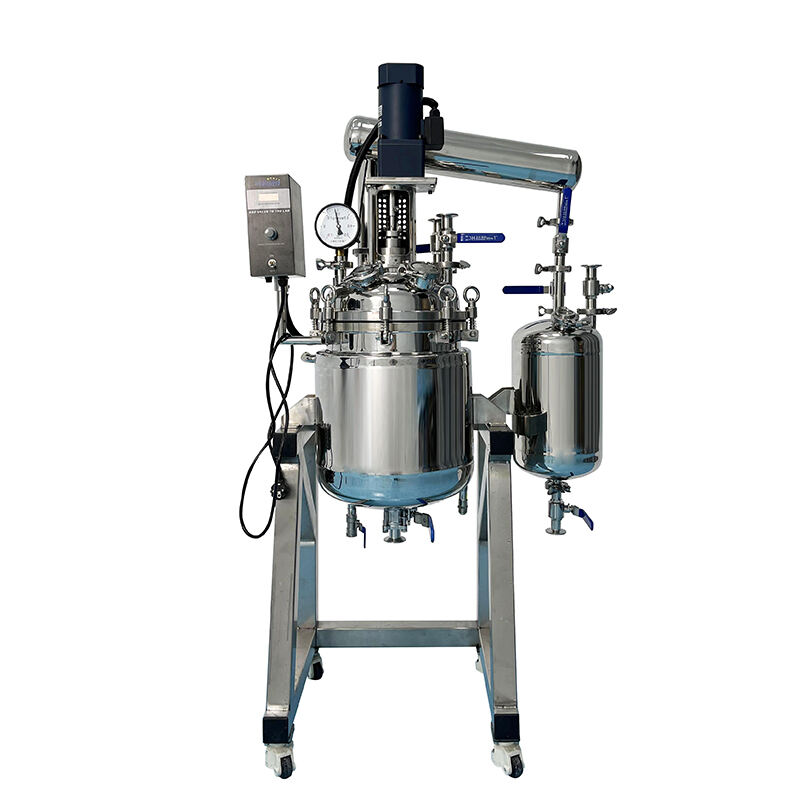
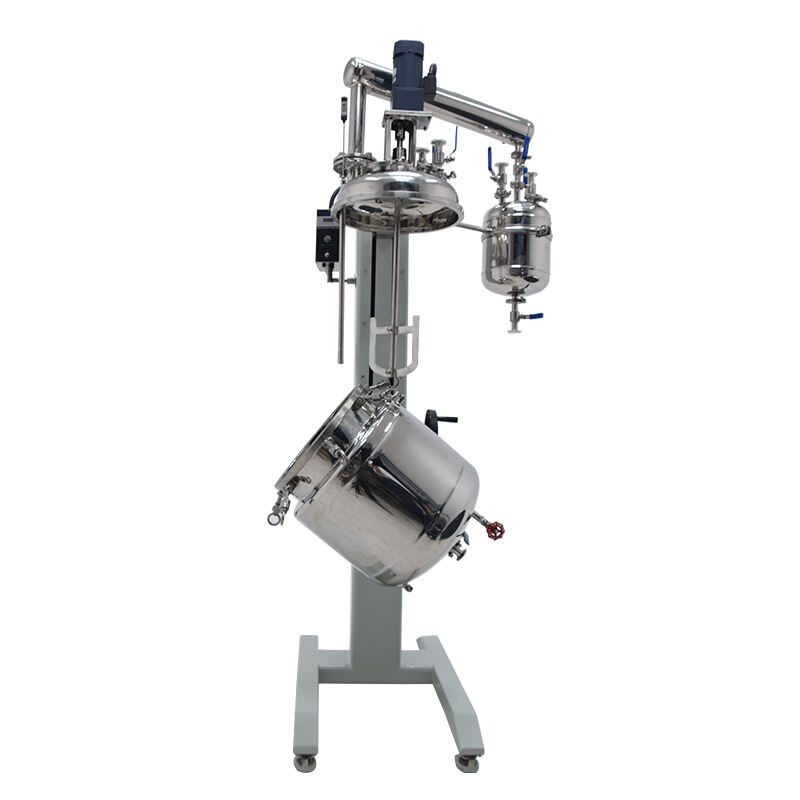
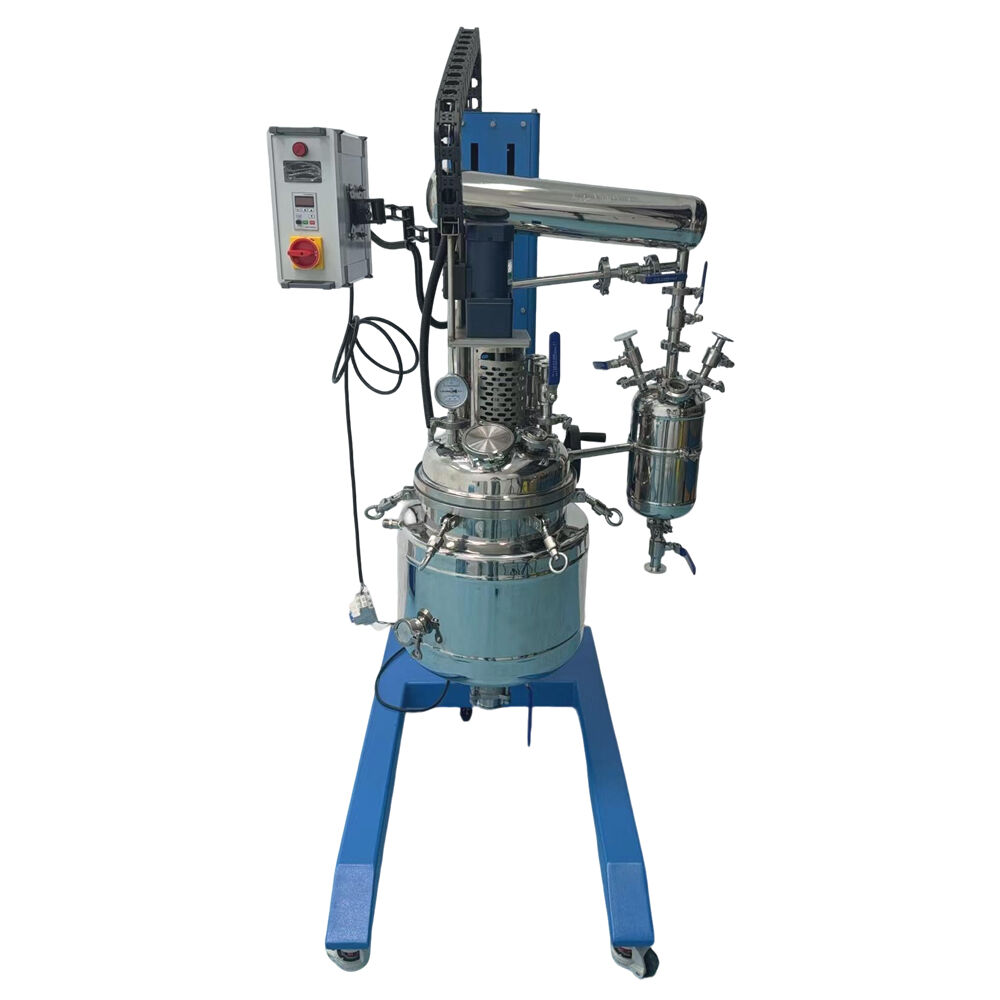
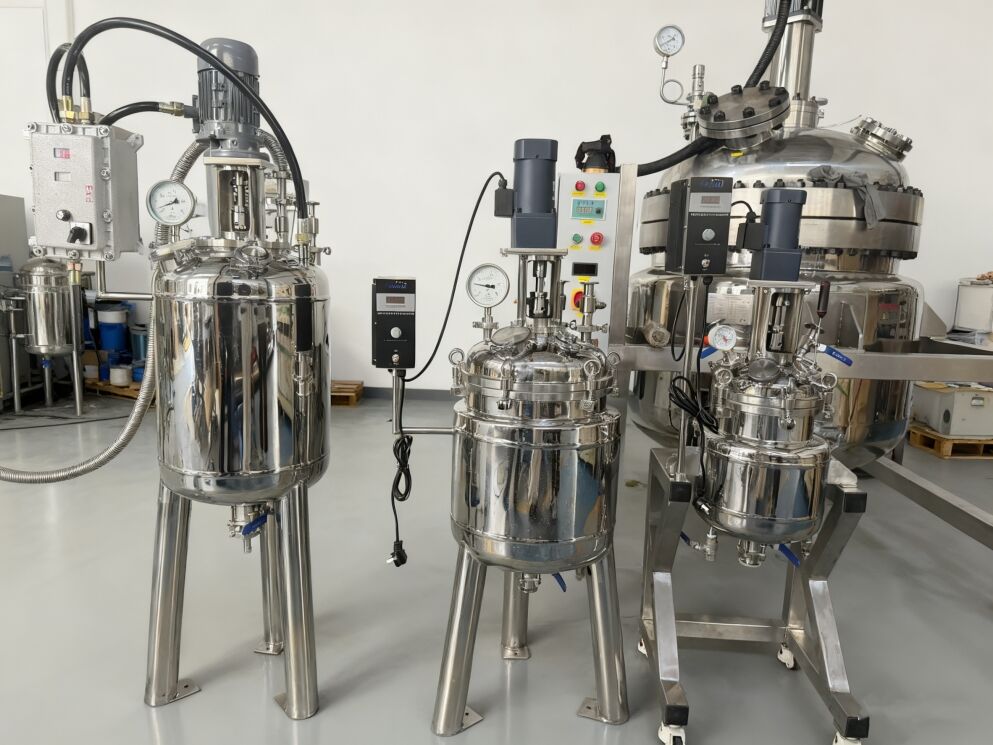
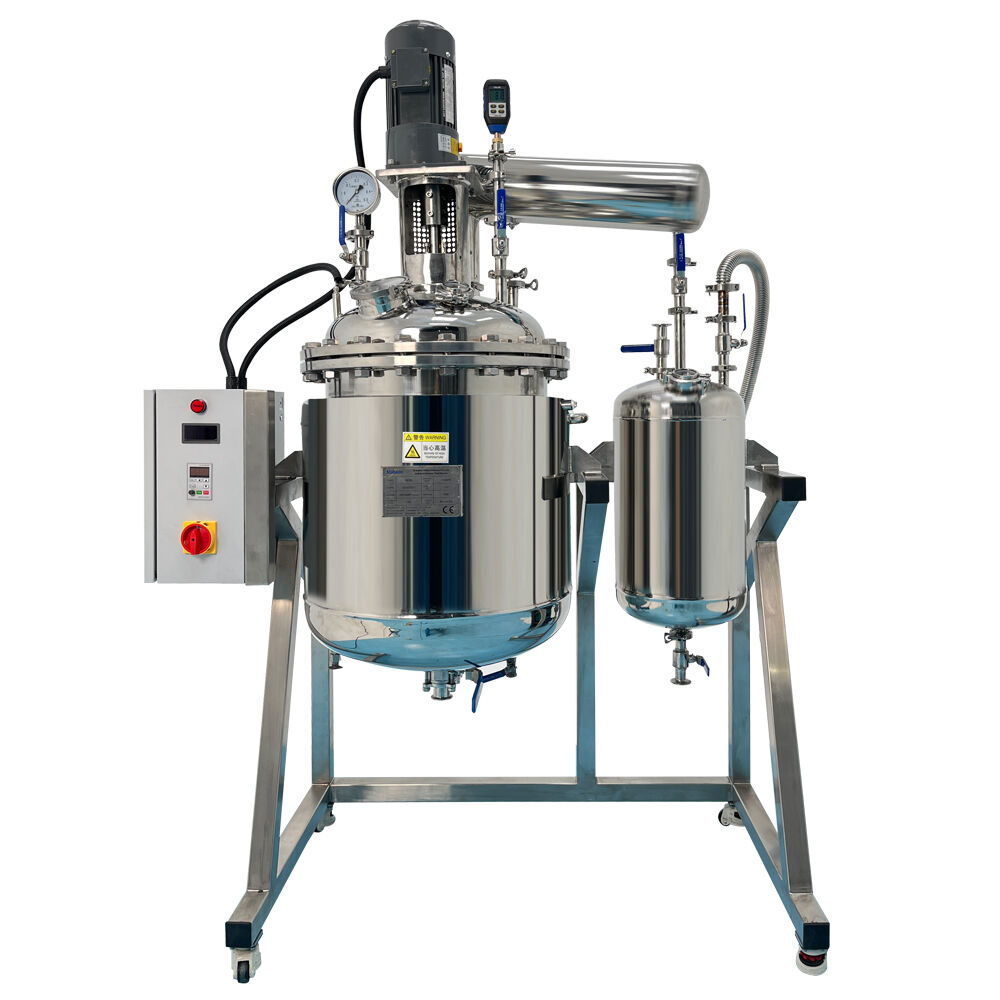
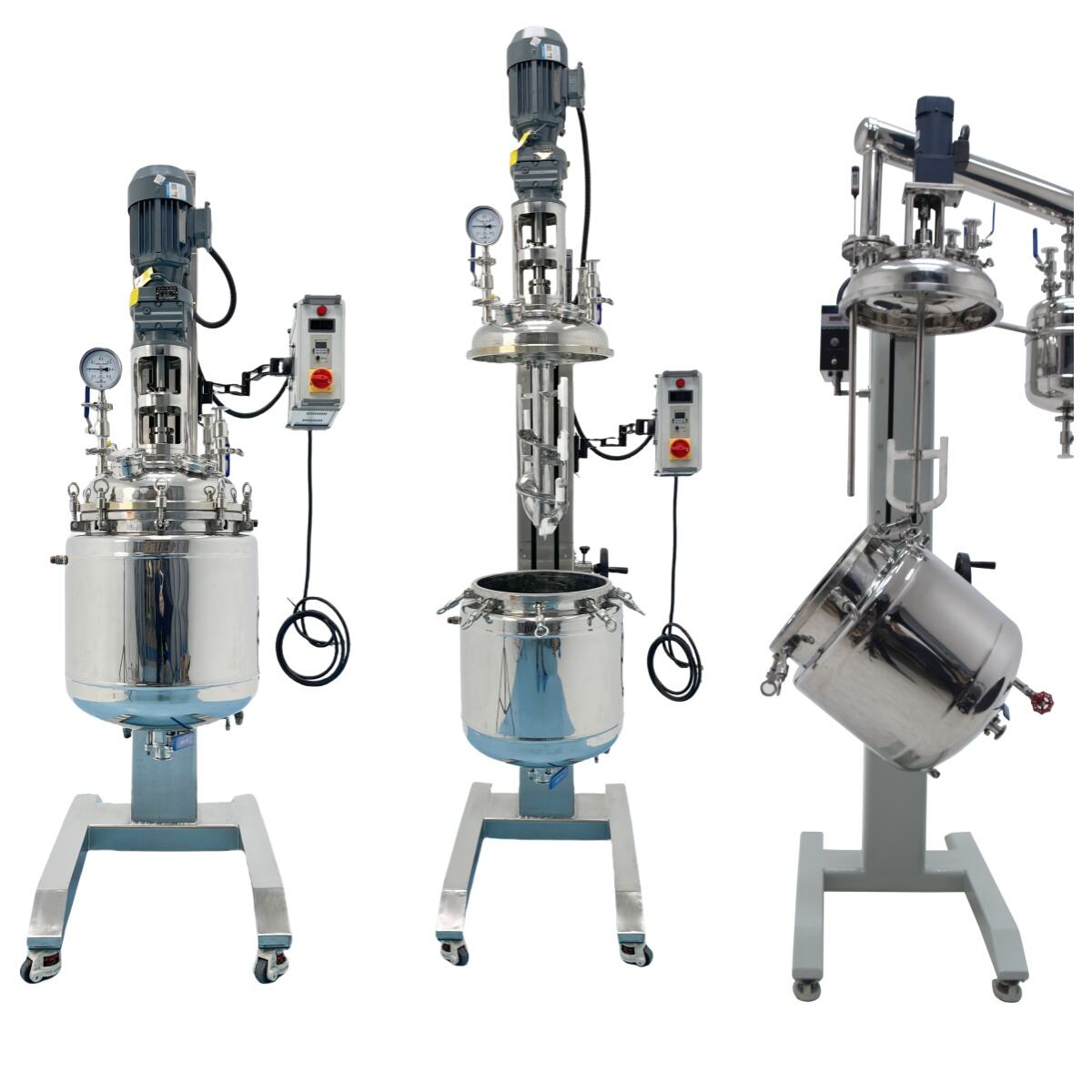
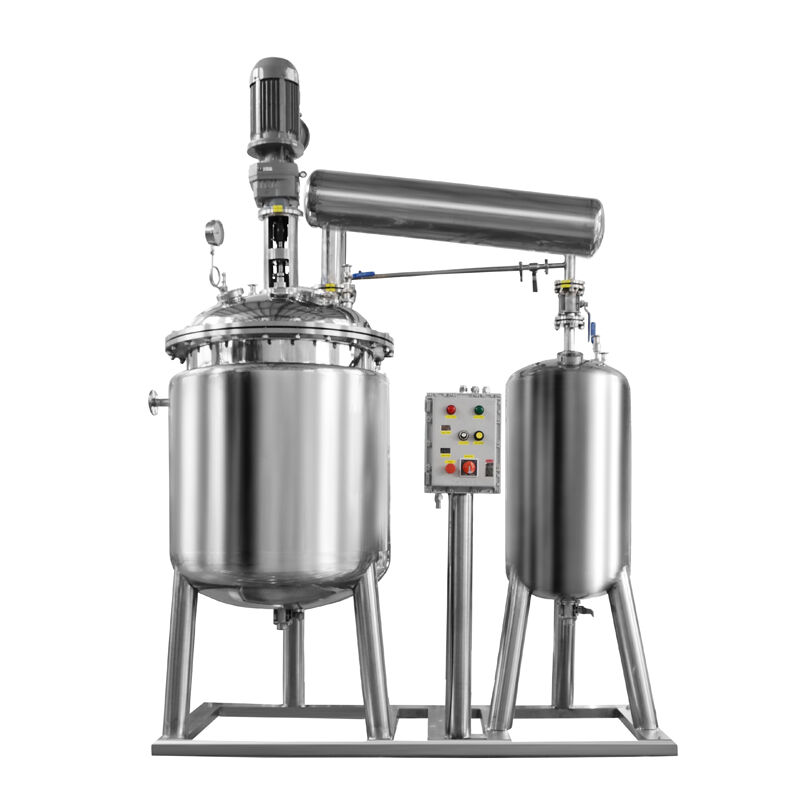
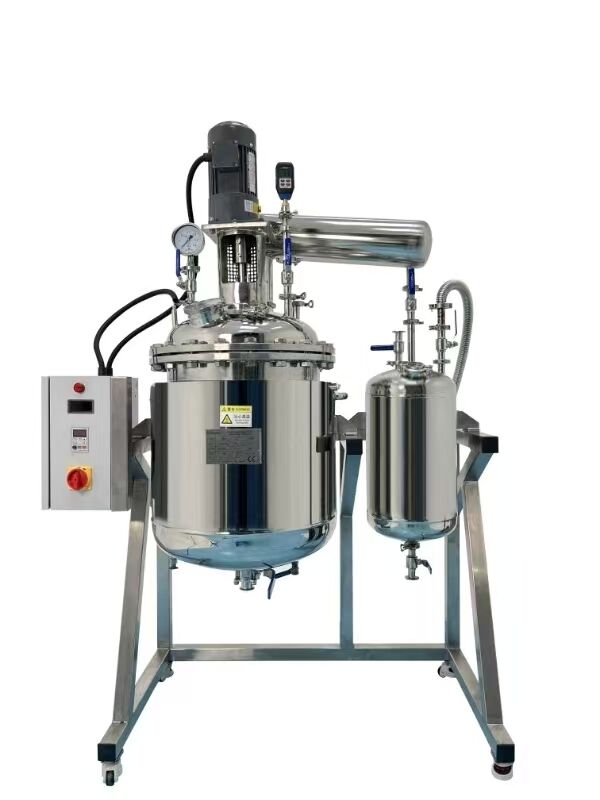
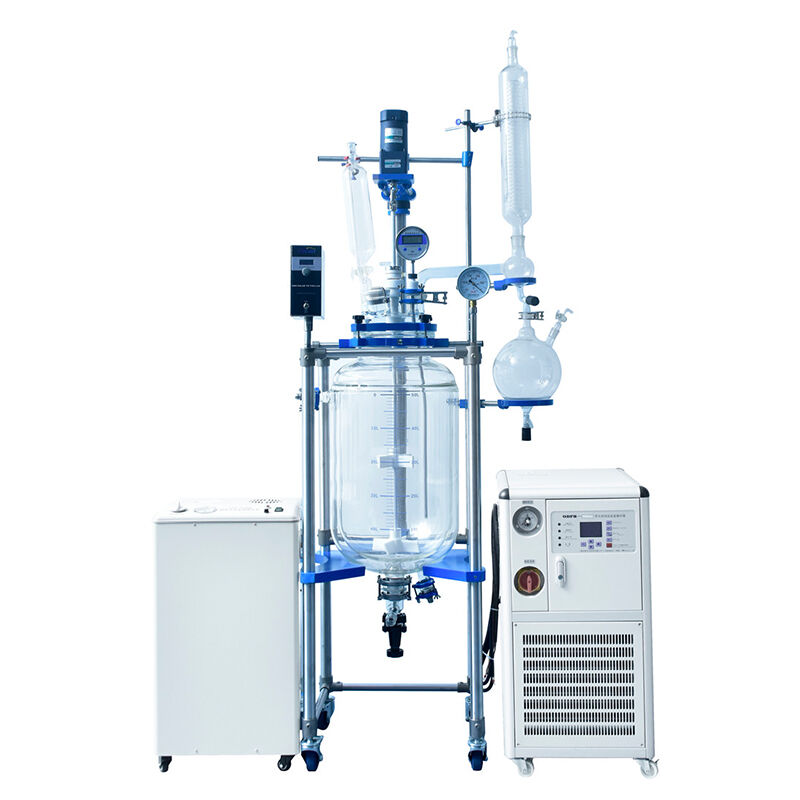
A pilot scale chemical reactor represents a critical intermediate step in the chemical process development journey, bridging the gap between laboratory research and full-scale industrial production. This sophisticated equipment operates at a scale significantly larger than bench-top laboratory reactors but smaller than commercial manufacturing units, typically handling volumes ranging from several liters to hundreds of liters. The pilot scale chemical reactor serves as a comprehensive testing platform where chemical engineers and researchers can validate process parameters, optimize reaction conditions, and evaluate equipment performance under controlled yet realistic operating environments. The primary function of a pilot scale chemical reactor involves demonstrating process feasibility while generating sufficient product quantities for comprehensive testing and market evaluation. These reactors incorporate advanced monitoring and control systems that enable precise regulation of temperature, pressure, flow rates, and chemical composition throughout the reaction process. The technological features of modern pilot scale chemical reactors include sophisticated heat transfer mechanisms, efficient mixing systems, and comprehensive data acquisition capabilities that provide real-time insights into reaction kinetics and process dynamics. Advanced materials of construction ensure compatibility with various chemical environments, while modular designs allow for flexible configuration based on specific process requirements. Safety systems integrated into pilot scale chemical reactors include emergency shutdown protocols, pressure relief mechanisms, and containment features that protect operators and surrounding equipment. The reactor design incorporates multiple sampling ports for continuous monitoring of reaction progress and product quality assessment. Automated control systems enable reproducible operation and facilitate scale-up calculations for eventual commercial implementation. Applications of pilot scale chemical reactors span numerous industries including pharmaceuticals, petrochemicals, specialty chemicals, and materials science, where process validation and product development require intermediate-scale testing before committing to full production investments.

New Product Recommendations

Pilot scale chemical reactors deliver substantial cost savings by identifying and resolving process issues before expensive commercial-scale implementation begins. Companies avoid millions of dollars in potential losses by testing reactions, optimizing conditions, and troubleshooting problems at this intermediate scale rather than discovering complications during full production startup. The reactor enables comprehensive process validation that builds confidence among stakeholders, investors, and regulatory bodies who require evidence of successful scale-up potential before approving major capital investments. Time efficiency represents another significant advantage, as pilot scale chemical reactors accelerate the development timeline by providing rapid feedback on process modifications and optimization strategies. Engineers can test multiple operating scenarios within weeks rather than months, dramatically shortening the path from laboratory concept to commercial reality. The flexibility offered by pilot scale chemical reactors allows researchers to explore various process configurations, catalyst systems, and operating parameters without the constraints and costs associated with full-scale equipment modifications. This adaptability proves invaluable when developing new products or improving existing processes, as teams can quickly pivot strategies based on experimental results. Risk mitigation emerges as a crucial benefit, as pilot scale chemical reactors reveal potential safety hazards, environmental concerns, and operational challenges under controlled conditions where corrective actions can be implemented safely and economically. The reactor generates valuable data for regulatory submissions, environmental impact assessments, and safety analyses required for commercial operation permits. Quality control capabilities inherent in pilot scale chemical reactors ensure consistent product characteristics and help establish manufacturing specifications that guide future production operations. The intermediate scale allows for meaningful statistical analysis of process variables and product properties, providing robust data sets for process optimization and quality assurance protocols. Market validation becomes possible through pilot scale chemical reactor operations, as sufficient product quantities can be generated for customer trials, market testing, and application development without the enormous costs of commercial production. Training opportunities emerge naturally from pilot scale operations, allowing personnel to develop expertise and familiarity with process equipment, safety procedures, and quality control measures before transitioning to full-scale manufacturing responsibilities.

Practical Tips

The Durability Advantage of Stainless Steel Extraction Reactors

29

Oct

The Durability Advantage of Stainless Steel Extraction Reactors

Why Stainless Steel Extraction Reactors Last LongerTypical Lifespan of Stainless Steel Reactors in Industrial ApplicationsIndustrial stainless steel extraction reactors built to last decades in tough environments aren't uncommon these days. The big o...
View More
What Are the Key Design Features of a High-Performance Stainless Steel Reactor

12

Nov

What Are the Key Design Features of a High-Performance Stainless Steel Reactor

High-performance stainless steel reactors represent the pinnacle of chemical processing equipment, combining robust construction with precision engineering to deliver reliable results across diverse industrial applications. These sophisticated vessel...
View More
How Does Fractional Distillation Improve Separation Accuracy in Production?

24

Dec

How Does Fractional Distillation Improve Separation Accuracy in Production?

Modern industrial production demands precise separation techniques to achieve high-purity compounds and maximize operational efficiency. Among various separation methods, fractional distillation stands as a cornerstone technology that significantly e...
View More
How to Select a High Pressure Reactor for Industrial Chemical Synthesis?

24

Dec

How to Select a High Pressure Reactor for Industrial Chemical Synthesis?

Industrial chemical synthesis often requires precise control over reaction conditions, with pressure being one of the most critical parameters. A high pressure reactor serves as the cornerstone equipment for processes demanding elevated pressures, en...
View More

Get a Free Quote

Our representative will contact you soon.
Email
Name
Contact Number
Company Name
Message
0/1000

pilot scale chemical reactor

Advanced Process Control and Monitoring Systems

Advanced Process Control and Monitoring Systems

The sophisticated control architecture of pilot scale chemical reactors represents a quantum leap in process monitoring and automation capabilities, delivering unprecedented visibility into reaction dynamics and process performance. These systems integrate multiple sensor technologies including temperature, pressure, flow, level, and analytical instrumentation that continuously monitor critical process variables with exceptional accuracy and reliability. The distributed control system architecture enables real-time data acquisition, processing, and storage while providing intuitive operator interfaces for process visualization and control. Advanced algorithms automatically adjust operating parameters to maintain optimal reaction conditions, compensating for disturbances and variations that could impact product quality or yield. The control system incorporates predictive maintenance capabilities that monitor equipment health and performance trends, alerting operators to potential issues before they impact operations. Historical data trending and analysis tools enable process engineers to identify optimization opportunities and establish correlations between operating variables and product characteristics. The pilot scale chemical reactor control system features redundant safety interlocks and emergency shutdown sequences that protect personnel, equipment, and the environment from potential hazards. Remote monitoring capabilities allow experts to observe and guide operations from any location, facilitating collaboration between research teams, production specialists, and technical support personnel. The system generates comprehensive batch reports and process documentation that support regulatory compliance, quality assurance, and technology transfer activities. Statistical process control features help identify process variations and guide optimization efforts by highlighting the relationship between input variables and output quality metrics. The modular software architecture accommodates future upgrades and expansions while maintaining compatibility with existing plant systems and corporate data networks. Integration with laboratory information management systems enables seamless data transfer and analysis, supporting informed decision-making throughout the development process.
Scalable Design Architecture for Seamless Commercial Transition

Scalable Design Architecture for Seamless Commercial Transition

The inherent scalability of pilot scale chemical reactor design ensures smooth transition from development to commercial production while minimizing technical risks and unexpected complications during scale-up activities. Engineers specifically design these reactors using geometric scaling principles that maintain critical process ratios such as surface area to volume relationships, mixing characteristics, and heat transfer coefficients that directly influence reaction performance and product quality. The modular construction approach allows components and subsystems to be systematically scaled up while preserving the fundamental process chemistry and engineering relationships established during pilot testing. Material selection criteria mirror those used in commercial reactor construction, ensuring compatibility and performance consistency across different scales of operation. The reactor geometry incorporates standard industrial configurations that facilitate straightforward scale-up calculations and equipment design for full-scale implementation. Mixing systems utilize commercially proven impeller designs and power input relationships that can be accurately scaled to larger vessels while maintaining equivalent mass transfer and reaction kinetics. Heat transfer systems employ industrial-standard heat exchange configurations that enable precise thermal control scaling and accurate prediction of commercial-scale cooling and heating requirements. Sampling and analytical systems reflect commercial practice, providing representative samples and measurement techniques that translate directly to production environments. The pilot scale chemical reactor design incorporates standard industrial flanges, connections, and component specifications that simplify procurement and maintenance activities during commercial operation. Process piping and instrumentation layouts follow industrial standards, enabling direct application of pilot-scale process flow diagrams to commercial plant design activities. The reactor foundation and structural support systems utilize design criteria consistent with commercial installations, ensuring structural integrity and safety compliance throughout the scaling process. Quality control procedures and testing protocols developed during pilot operations transfer seamlessly to commercial manufacturing, maintaining product consistency and regulatory compliance across all production scales.
Versatile Multi-Purpose Configuration for Diverse Applications

Versatile Multi-Purpose Configuration for Diverse Applications

The exceptional versatility of pilot scale chemical reactors stems from their modular design philosophy that accommodates diverse chemical processes, reaction types, and operational requirements across multiple industries and applications. This flexibility enables organizations to maximize their equipment investment by utilizing a single reactor system for various development projects, process optimization studies, and product manufacturing campaigns throughout the equipment lifecycle. The reactor vessel construction utilizes corrosion-resistant materials and specialized coatings that provide compatibility with aggressive chemicals, extreme temperatures, and challenging process environments encountered in pharmaceutical, petrochemical, and specialty chemical applications. Interchangeable internal components including agitators, baffles, heat transfer surfaces, and sparging systems allow rapid reconfiguration for different process requirements without extensive modification costs or extended downtime periods. The heating and cooling systems incorporate multiple thermal control options including electrical heating elements, steam coils, thermal fluid circuits, and direct cooling systems that accommodate various temperature profiles and heat duty requirements. Pressure rating options enable operation across a wide range of conditions from vacuum applications to high-pressure synthesis reactions, expanding the range of chemistry that can be explored and optimized. The pilot scale chemical reactor supports both batch and continuous operation modes, providing flexibility for different process development strategies and manufacturing philosophies. Sampling capabilities include multiple port locations, different sample line configurations, and various analytical interfaces that support comprehensive process monitoring and product characterization activities. The control system architecture accommodates different automation levels from manual operation for research applications to fully automated sequences for production campaigns, adapting to varying operator skill levels and process complexity requirements. Cleaning and maintenance procedures utilize industry-standard practices that minimize turnaround time between different products or processes, maximizing equipment utilization and productivity. The reactor design incorporates provisions for future modifications and upgrades, ensuring long-term value and adaptability as process requirements evolve and new applications emerge over time.

Get a Free Quote

Our representative will contact you soon.
Email
Name
Contact Number
Company Name
Message
0/1000