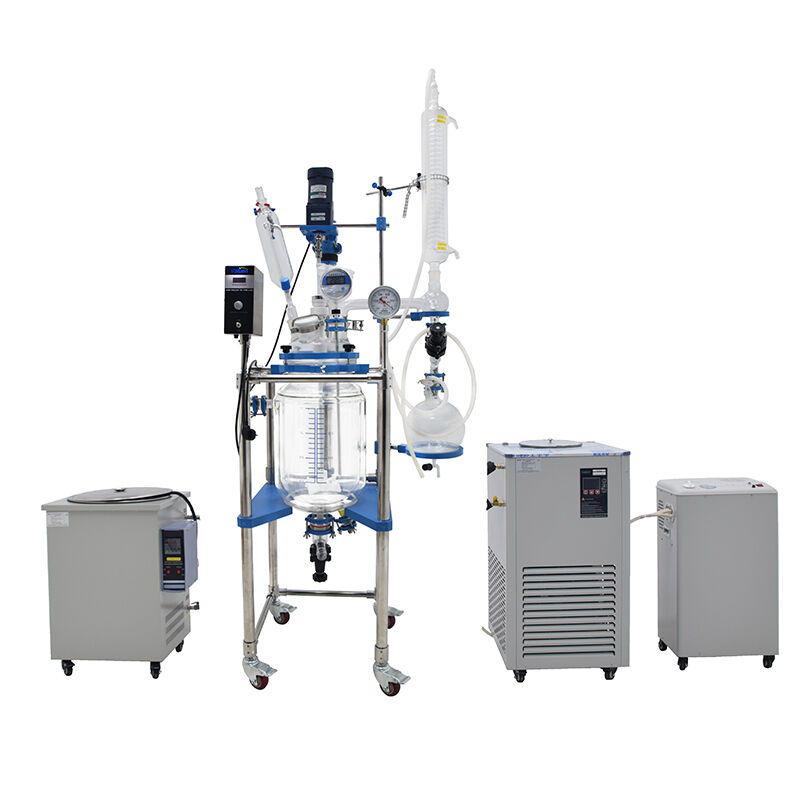
Laboratory Chemical Reactor: Advanced Process Control & Superior Chemical Resistance Solutions

Get a Free Quote

Our representative will contact you soon.
Email
Name
Contact Number
Company Name
Message
0/1000

laboratory chemical reactor

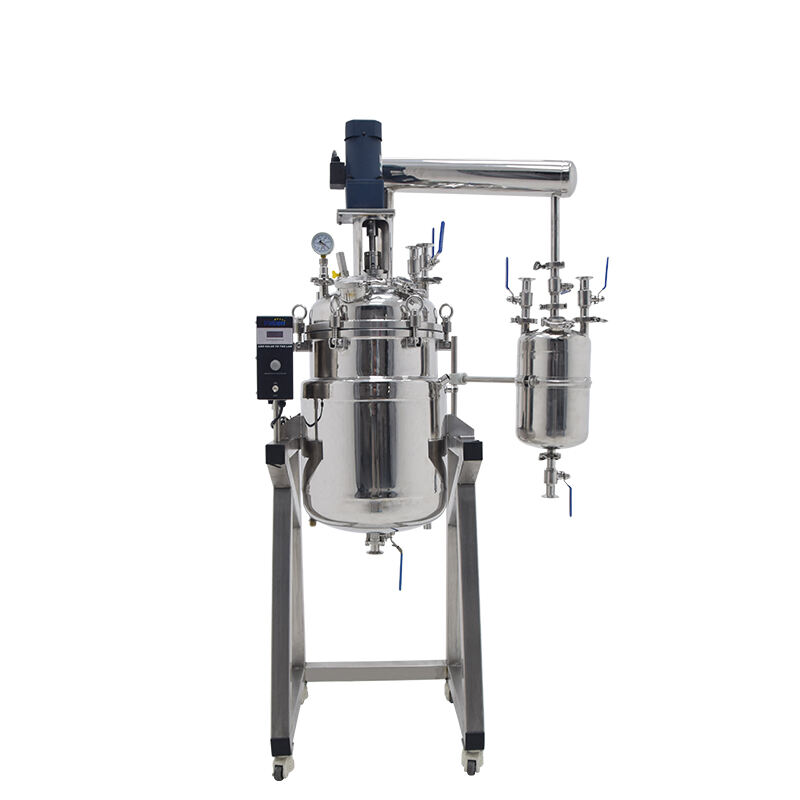
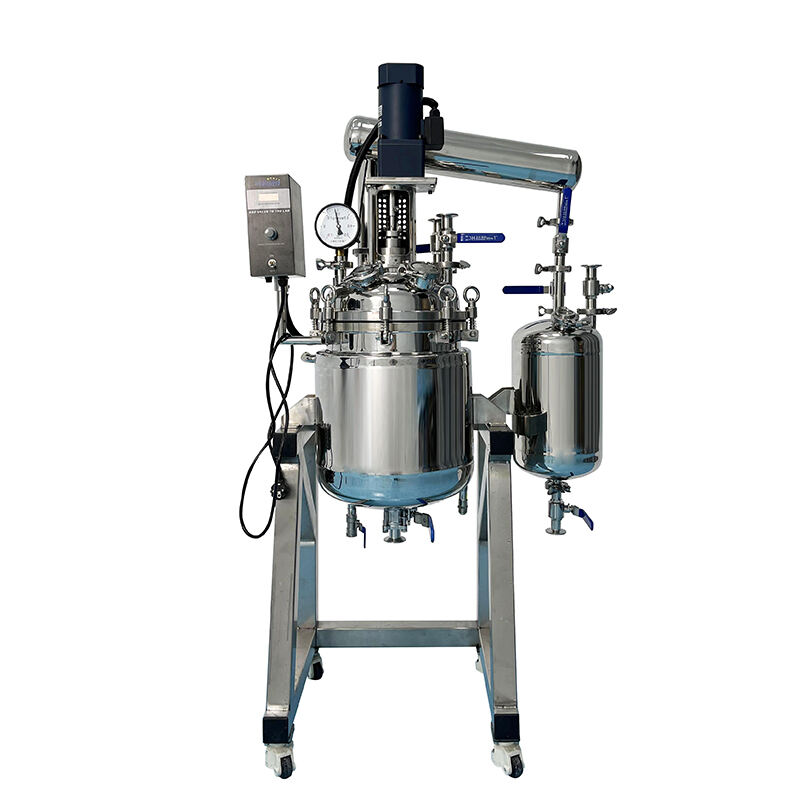
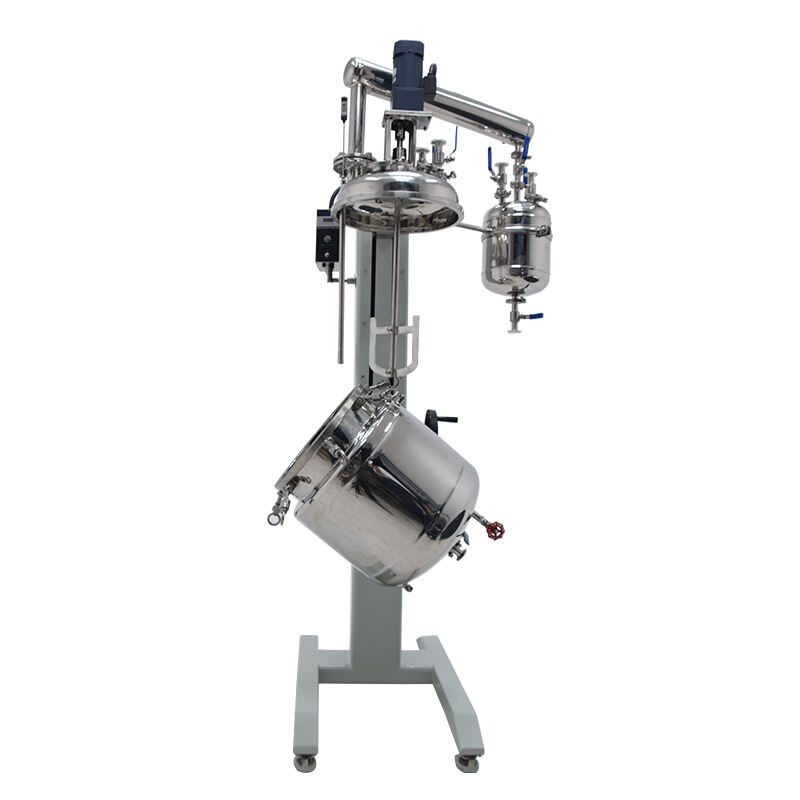
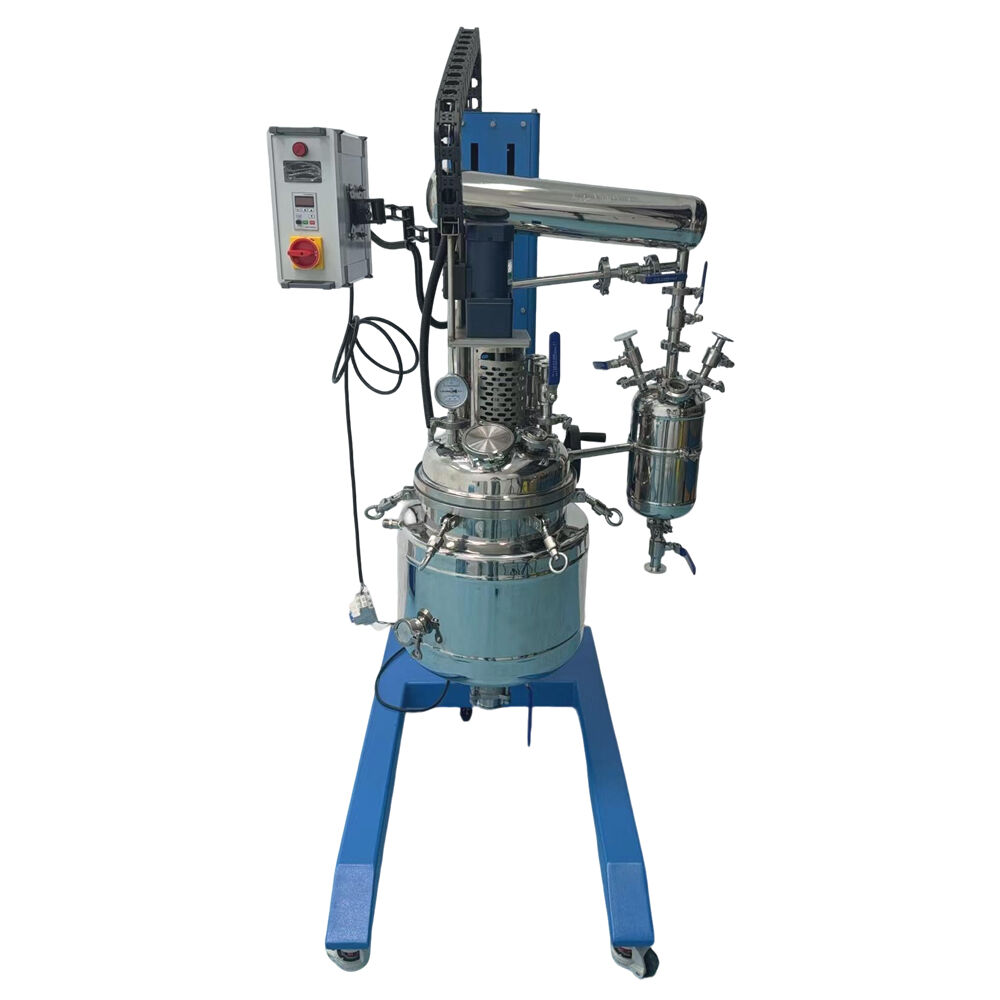
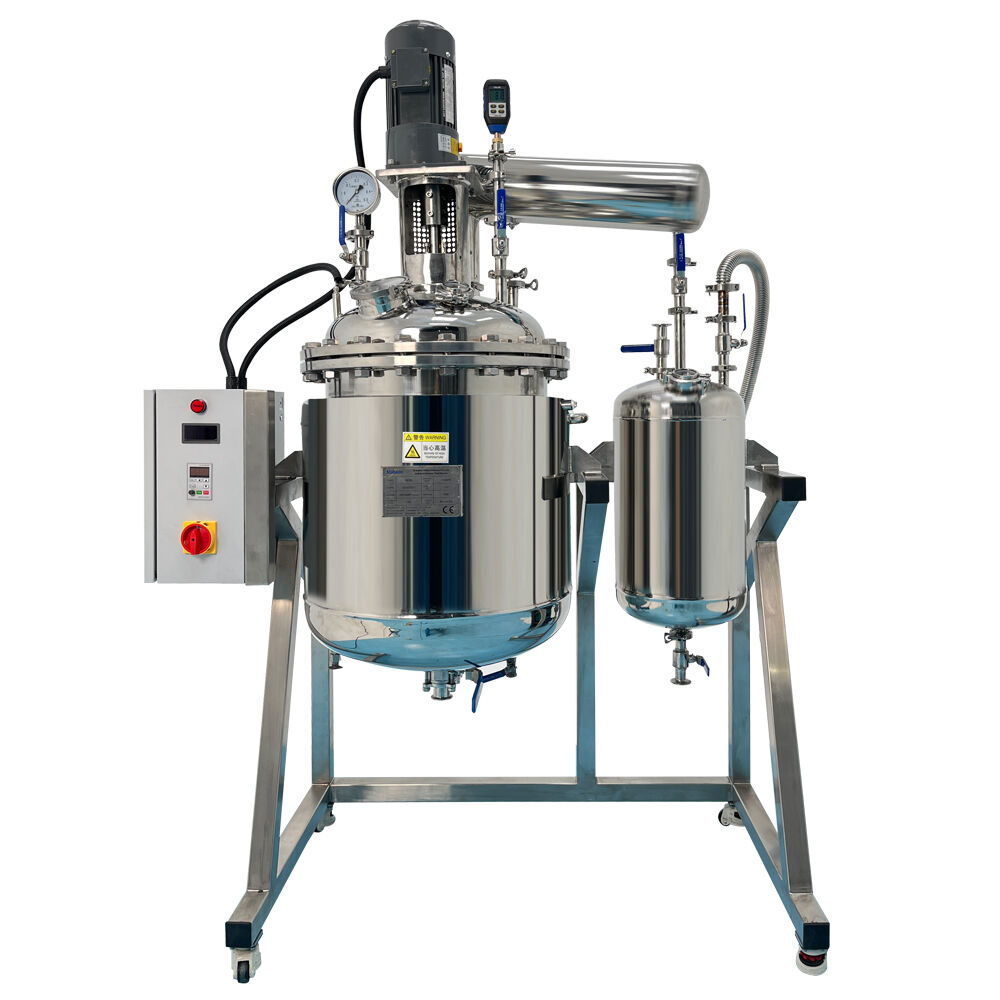
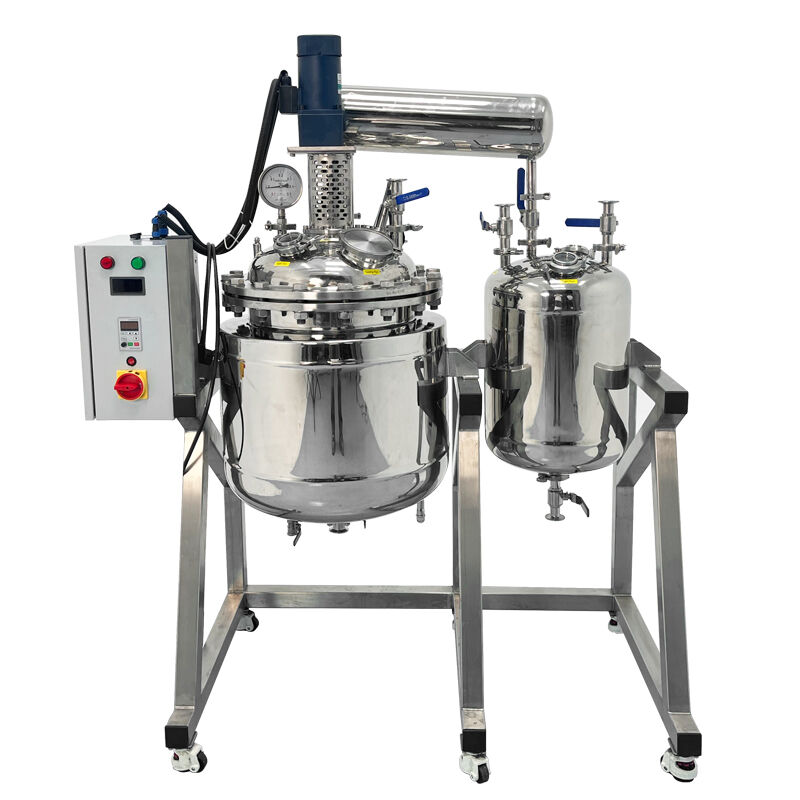
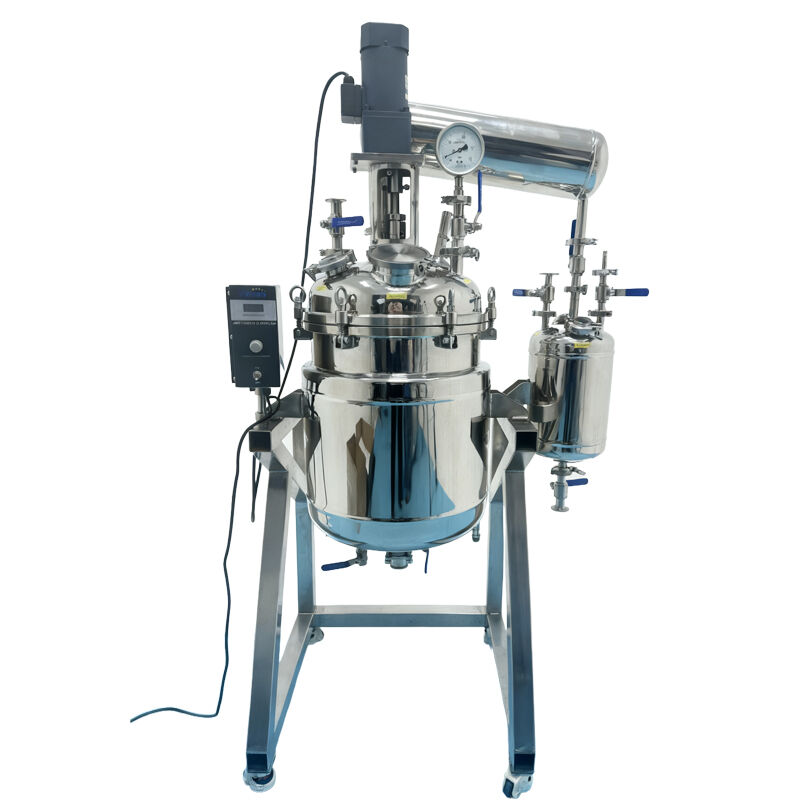
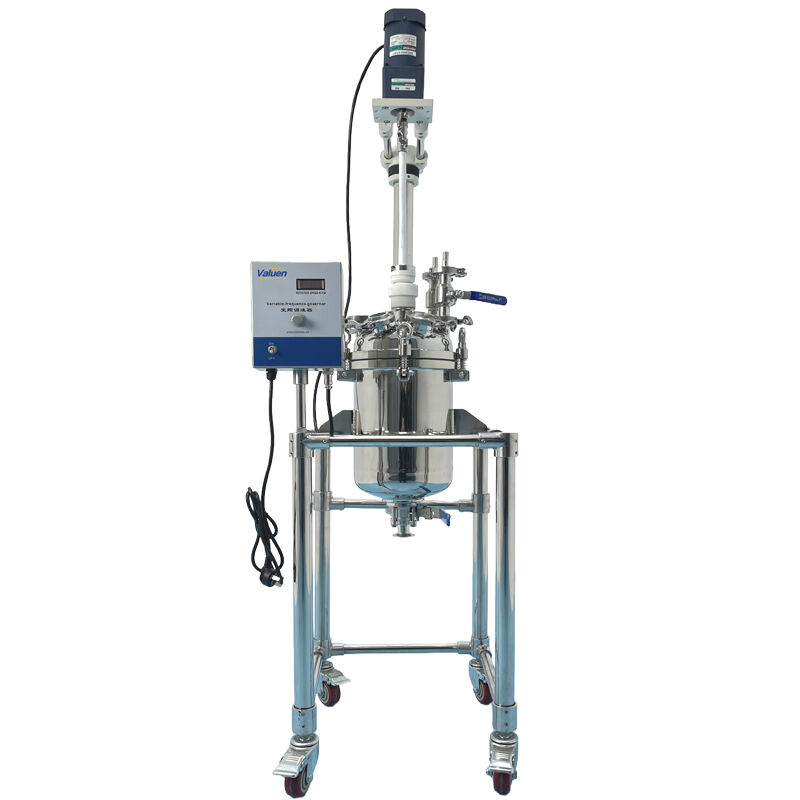
A laboratory chemical reactor serves as the cornerstone of modern chemical research and development, providing scientists and researchers with a controlled environment for conducting precise chemical reactions. This sophisticated equipment enables the systematic study of reaction kinetics, optimization of process parameters, and development of new chemical compounds. The laboratory chemical reactor operates under carefully monitored conditions, allowing researchers to manipulate variables such as temperature, pressure, mixing speed, and residence time to achieve desired outcomes. These versatile instruments accommodate various reaction types, including batch processes, continuous flow operations, and semi-batch procedures. The reactor vessel typically features corrosion-resistant materials like stainless steel or specialized alloys to ensure compatibility with diverse chemical substances. Advanced control systems integrated into modern laboratory chemical reactors provide real-time monitoring of critical parameters through digital displays and automated feedback mechanisms. Safety features include pressure relief valves, emergency shutdown systems, and containment protocols to protect operators and surrounding environments. The modular design of contemporary laboratory chemical reactors allows for customization based on specific research requirements, with options for different vessel sizes, heating and cooling systems, and agitation methods. These reactors support pharmaceutical development, petrochemical research, polymer synthesis, and catalyst testing applications. The precision engineering ensures reproducible results, making them invaluable for process scale-up studies and quality control procedures. Enhanced mixing capabilities through various impeller designs promote uniform heat and mass transfer, crucial for achieving consistent reaction outcomes. The laboratory chemical reactor represents an essential investment for institutions engaged in chemical innovation and process development.

Popular Products

Laboratory chemical reactors deliver exceptional value through their precise control capabilities, enabling researchers to achieve consistent and reproducible results across multiple experimental runs. The advanced temperature regulation systems maintain precise thermal conditions within narrow tolerances, ensuring optimal reaction environments for sensitive chemical processes. This precise control translates directly into improved product quality and reduced experimental variability, saving valuable time and resources during research phases. The robust construction of laboratory chemical reactors provides long-term reliability and durability, withstanding demanding operating conditions while maintaining performance standards. These reactors feature efficient mixing systems that promote uniform distribution of reactants, leading to enhanced reaction rates and improved yields compared to conventional laboratory equipment. The automated control interfaces simplify operation procedures, reducing the learning curve for new users while minimizing human error during critical experiments. Safety enhancements built into modern laboratory chemical reactors protect personnel and facilities through comprehensive monitoring systems and emergency response mechanisms. The versatile design accommodates diverse reaction types and scales, from small-scale screening experiments to larger preparative syntheses, maximizing equipment utilization across research projects. Energy-efficient heating and cooling systems reduce operational costs while maintaining precise temperature control throughout extended reaction periods. The corrosion-resistant materials ensure compatibility with aggressive chemicals and solvents, extending equipment lifespan and reducing maintenance requirements. Data logging capabilities integrated into laboratory chemical reactors enable comprehensive documentation of experimental conditions, supporting regulatory compliance and facilitating knowledge transfer between research teams. The modular construction allows for easy maintenance and component replacement, minimizing downtime and ensuring continuous productivity. Real-time monitoring features provide immediate feedback on reaction progress, enabling timely adjustments to optimize outcomes and prevent potential issues. The compact footprint of laboratory chemical reactors maximizes laboratory space utilization while providing full-scale reactor functionality, making them ideal for resource-constrained research environments.

Latest News

What Are the Key Design Features of a High-Performance Stainless Steel Reactor

12

Nov

What Are the Key Design Features of a High-Performance Stainless Steel Reactor

High-performance stainless steel reactors represent the pinnacle of chemical processing equipment, combining robust construction with precision engineering to deliver reliable results across diverse industrial applications. These sophisticated vessel...
View More
What Industries Benefit Most From Advanced Fractional Distillation Systems?

24

Dec

What Industries Benefit Most From Advanced Fractional Distillation Systems?

Industrial separation processes have evolved significantly over the past century, with fractional distillation equipment emerging as one of the most critical technologies for achieving high-purity separations. This sophisticated process leverages dif...
View More
How to Select a Crystallization Reactor for Pharmaceutical Crystallization?

24

Dec

How to Select a Crystallization Reactor for Pharmaceutical Crystallization?

Selecting the right crystallization reactor for pharmaceutical manufacturing requires careful consideration of multiple technical and operational factors that directly impact product quality, yield, and process efficiency. The pharmaceutical industry...
View More
What Design Features Matter in a Rotary and Liftable Stainless Steel Reactor?

20

Jan

What Design Features Matter in a Rotary and Liftable Stainless Steel Reactor?

Modern industrial chemical processing demands precision, efficiency, and reliability in every piece of equipment. Among the most critical components in pharmaceutical, chemical, and biotechnology manufacturing is the rotary and liftable stainless ste...
View More

Get a Free Quote

Our representative will contact you soon.
Email
Name
Contact Number
Company Name
Message
0/1000

laboratory chemical reactor

Advanced Process Control and Automation Systems

Advanced Process Control and Automation Systems

Modern laboratory chemical reactors incorporate sophisticated process control and automation systems that revolutionize how researchers conduct chemical experiments and develop new processes. These advanced control platforms feature intuitive touchscreen interfaces that allow operators to program complex reaction sequences, monitor multiple parameters simultaneously, and implement automated safety protocols with unprecedented precision. The integrated control systems utilize advanced algorithms to maintain optimal reaction conditions throughout the entire process cycle, automatically adjusting heating, cooling, agitation, and feeding rates based on real-time feedback from multiple sensors. This level of automation significantly reduces the potential for human error while ensuring consistent results across repeated experiments, which proves invaluable for process validation and scale-up studies. The data acquisition capabilities built into these systems capture comprehensive process information, including temperature profiles, pressure variations, pH changes, and mixing parameters, creating detailed experimental records that support regulatory submissions and intellectual property documentation. Remote monitoring capabilities enable researchers to observe and control laboratory chemical reactor operations from multiple locations, enhancing flexibility and enabling round-the-clock experimentation without requiring constant physical presence. The predictive maintenance features analyze equipment performance data to identify potential issues before they impact experimental outcomes, reducing unexpected downtime and maintenance costs. Advanced safety interlocks prevent dangerous operating conditions by automatically shutting down systems when parameters exceed safe limits, protecting both personnel and equipment from potential hazards. The user-friendly programming environment allows researchers to create custom control recipes tailored to specific experimental requirements, accommodating unique reaction profiles and specialized testing protocols. Integration with laboratory information management systems streamlines data transfer and analysis, enabling seamless workflow integration and enhanced research productivity across diverse chemical development projects.
Superior Material Compatibility and Chemical Resistance

Superior Material Compatibility and Chemical Resistance

Laboratory chemical reactors demonstrate exceptional material compatibility and chemical resistance through carefully selected construction materials and specialized surface treatments designed to withstand the most demanding chemical environments. The reactor vessels typically utilize high-grade stainless steel alloys, such as 316L or Hastelloy, which provide superior corrosion resistance against aggressive acids, bases, and organic solvents commonly encountered in chemical research applications. These premium materials maintain structural integrity and surface finish even after prolonged exposure to harsh chemicals, ensuring consistent performance throughout extended service life. The specialized coating technologies applied to internal surfaces create additional barriers against chemical attack, further enhancing durability and preventing contamination that could compromise experimental results. The comprehensive material selection extends beyond the main vessel to include all wetted components, such as agitators, baffles, probes, and piping systems, ensuring uniform chemical compatibility throughout the entire system. This attention to material compatibility eliminates the risk of unwanted side reactions or catalytic effects that could skew experimental data or compromise product purity. The superior chemical resistance capabilities enable researchers to work with a broader range of chemicals and reaction conditions, expanding experimental possibilities and supporting diverse research applications. Easy cleaning and sterilization procedures facilitated by the smooth, non-porous surfaces reduce cross-contamination risks between different experiments, maintaining the integrity of sensitive analytical work. The long-term cost benefits of superior material compatibility become evident through reduced replacement needs, minimal maintenance requirements, and consistent performance over years of operation. Specialized gaskets and sealing materials complement the reactor construction, providing reliable containment even under extreme pressure and temperature conditions while maintaining chemical inertness. The validated material certifications and compliance with international standards ensure that laboratory chemical reactors meet stringent quality requirements for pharmaceutical, biotechnology, and fine chemical applications where material purity and consistency remain paramount.
Flexible Scalability and Modular Design Options

Flexible Scalability and Modular Design Options

The flexible scalability and modular design features of laboratory chemical reactors provide unmatched versatility for research and development applications, allowing institutions to adapt their equipment configurations to evolving research needs and project requirements. This innovative approach enables researchers to start with basic reactor configurations and gradually expand capabilities through modular additions, optimizing capital equipment investments while maintaining operational flexibility. The scalable vessel options range from small-scale screening reactors suitable for initial feasibility studies to larger preparative units capable of producing substantial quantities for further testing and evaluation. Interchangeable reactor heads and accessories allow researchers to modify heating methods, cooling systems, and agitation configurations without requiring complete equipment replacement, maximizing utilization across diverse experimental programs. The modular design philosophy extends to control systems, enabling seamless integration of additional monitoring equipment, analytical instruments, and process control modules as research requirements evolve. Standard interface connections facilitate rapid reconfiguration of laboratory chemical reactor setups, reducing changeover times between different experimental protocols and maximizing equipment productivity. The flexible design accommodates various experimental modes, including batch processing, semi-batch operations, and continuous flow configurations, supporting comprehensive process development from initial screening through optimization phases. Portable modules and wheeled configurations enable laboratory chemical reactors to be relocated within facilities as needed, optimizing space utilization and supporting collaborative research efforts across multiple laboratory areas. The standardized component interfaces ensure compatibility between different reactor sizes and configurations, enabling researchers to transfer validated procedures and control recipes across various scales seamlessly. Custom modification options allow for specialized applications requiring unique geometries, specialized materials, or specific process capabilities, ensuring that laboratory chemical reactors can address virtually any research requirement. The investment protection provided by modular designs ensures that initial equipment purchases remain valuable as research needs change, supporting long-term budget planning and equipment lifecycle management strategies essential for sustainable research operations.

Get a Free Quote

Our representative will contact you soon.
Email
Name
Contact Number
Company Name
Message
0/1000