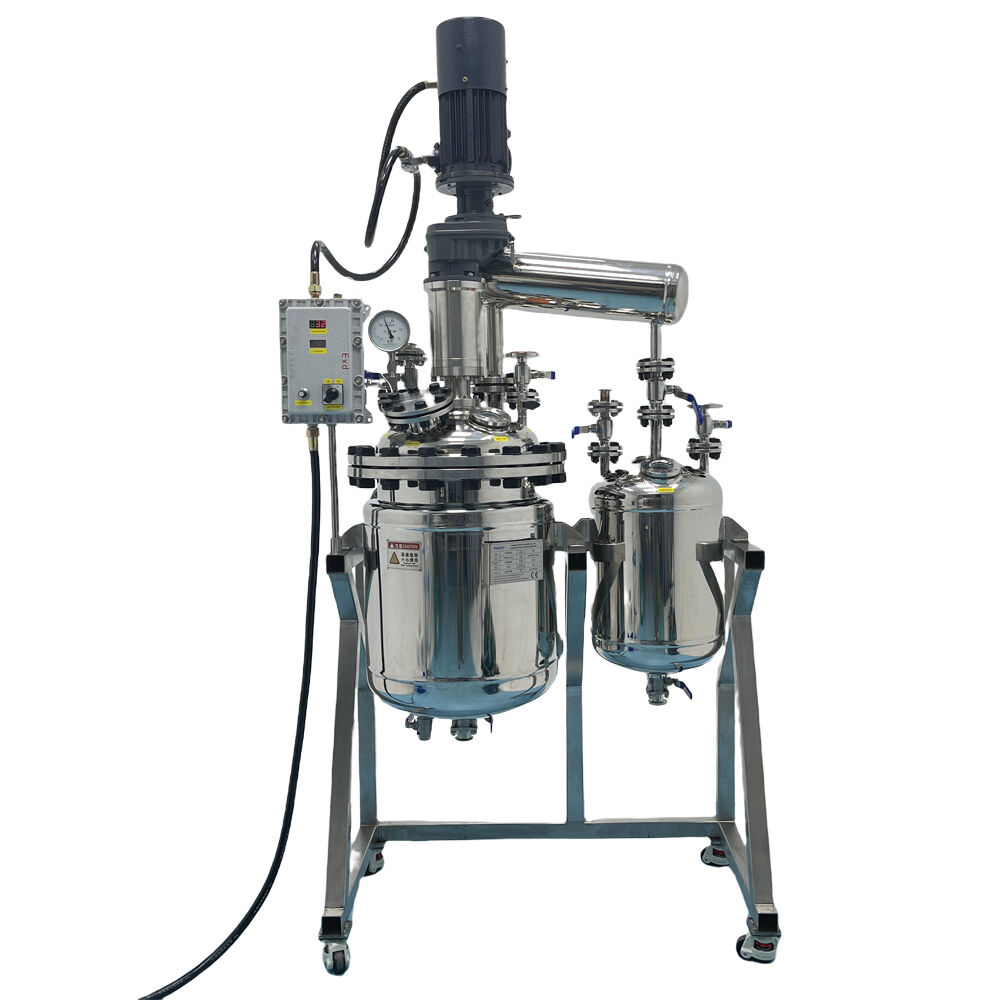
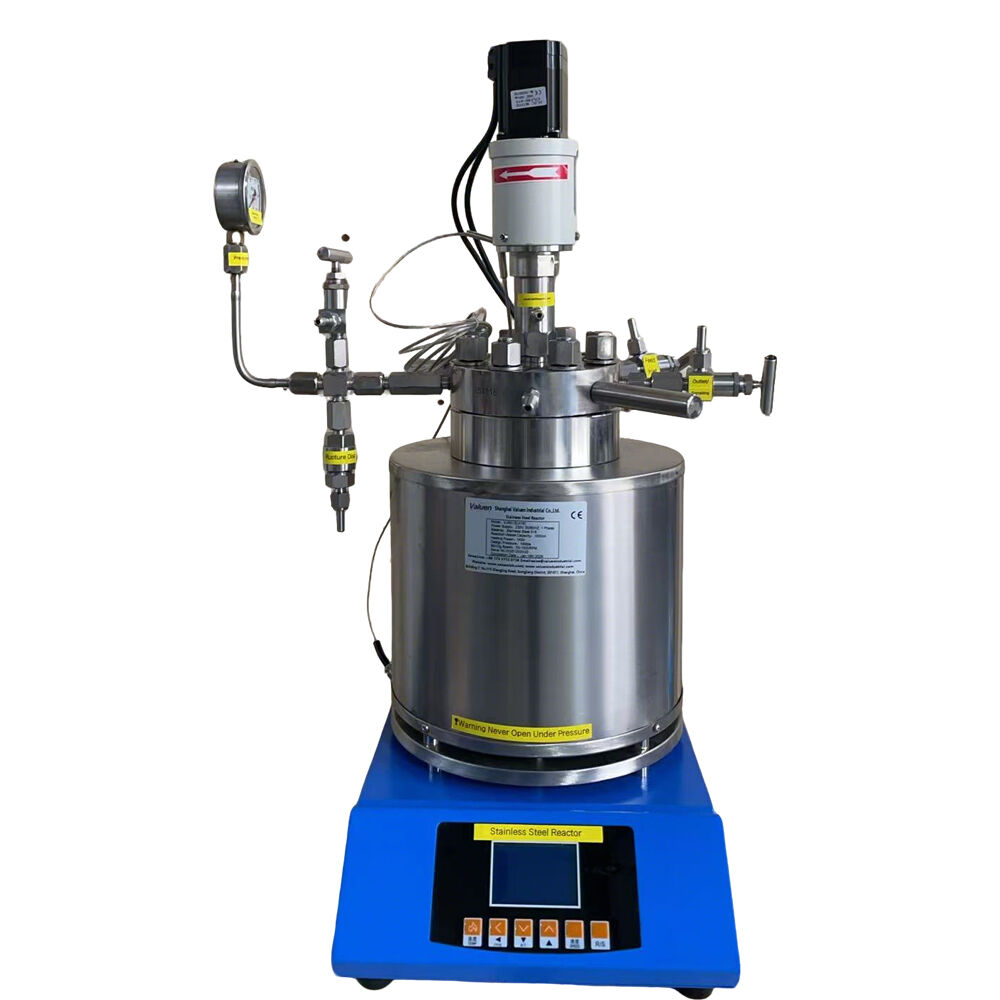
high-pressure chemical reactor
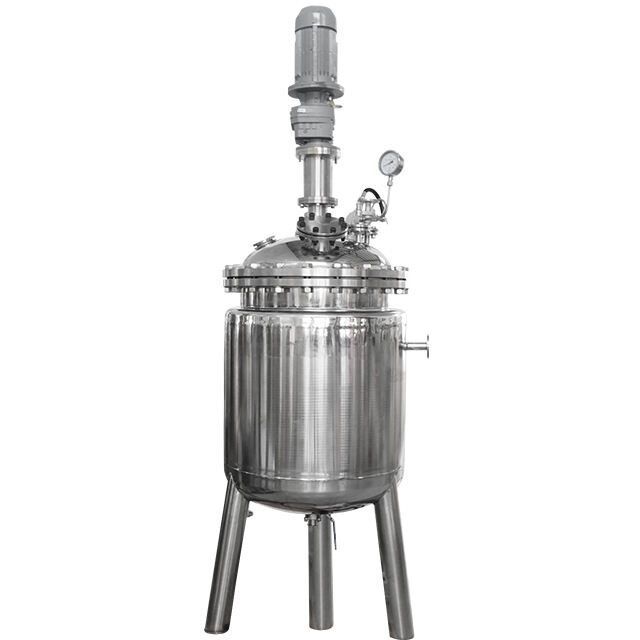
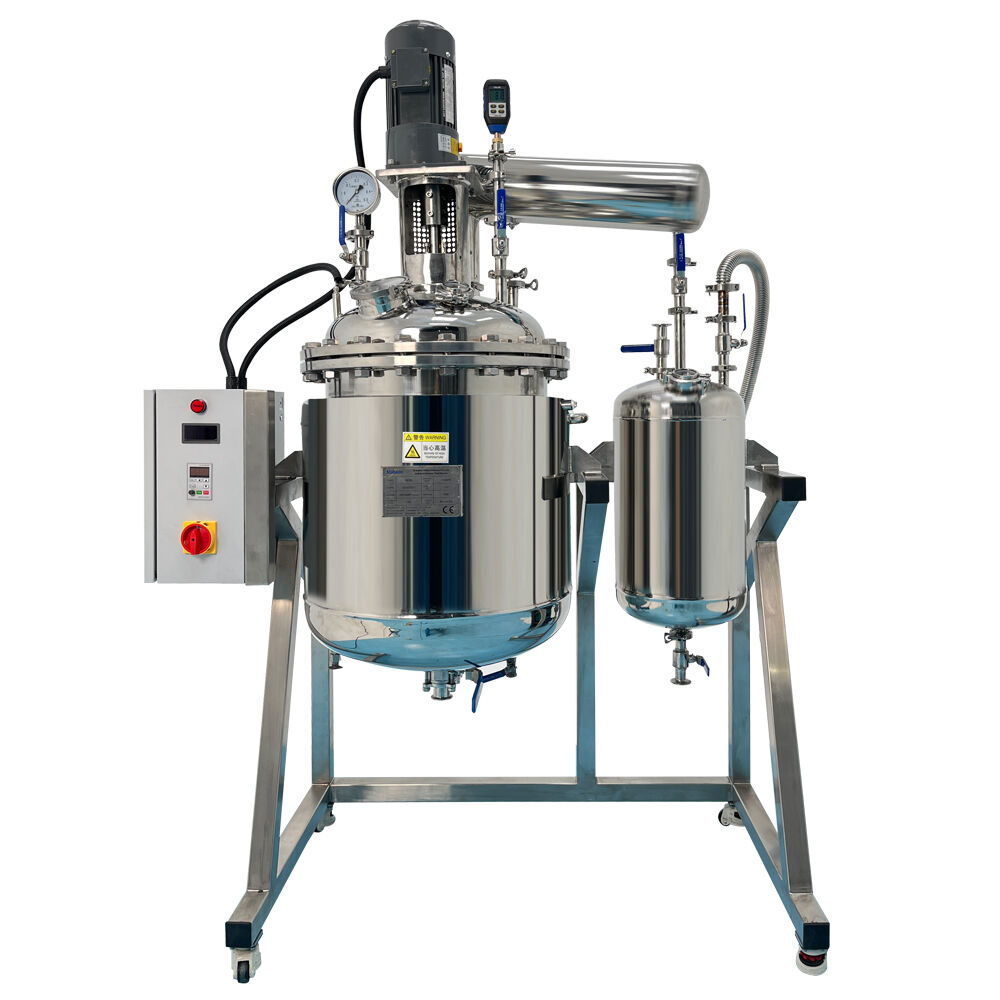
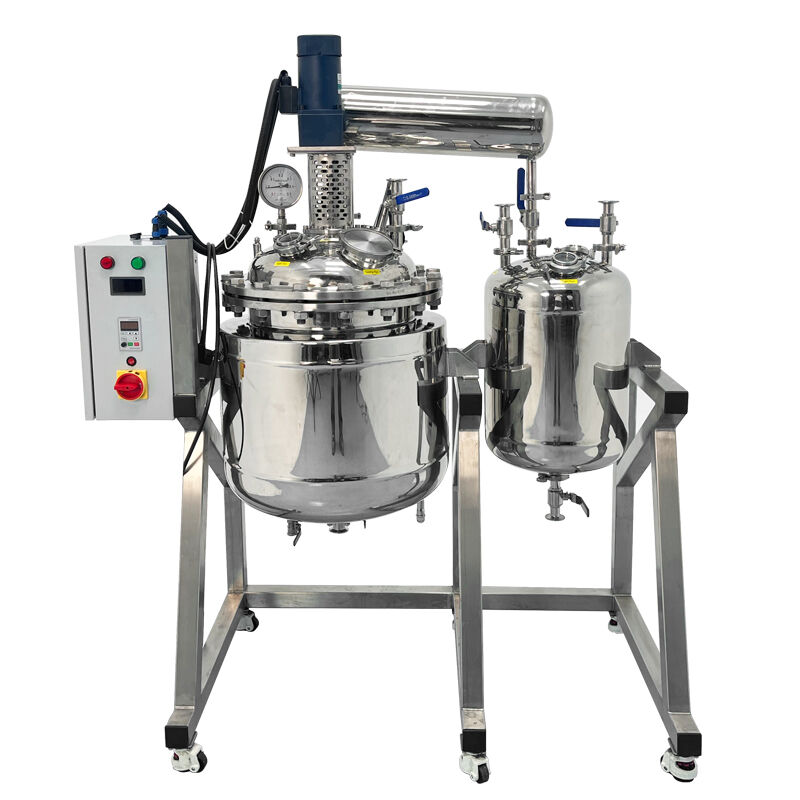
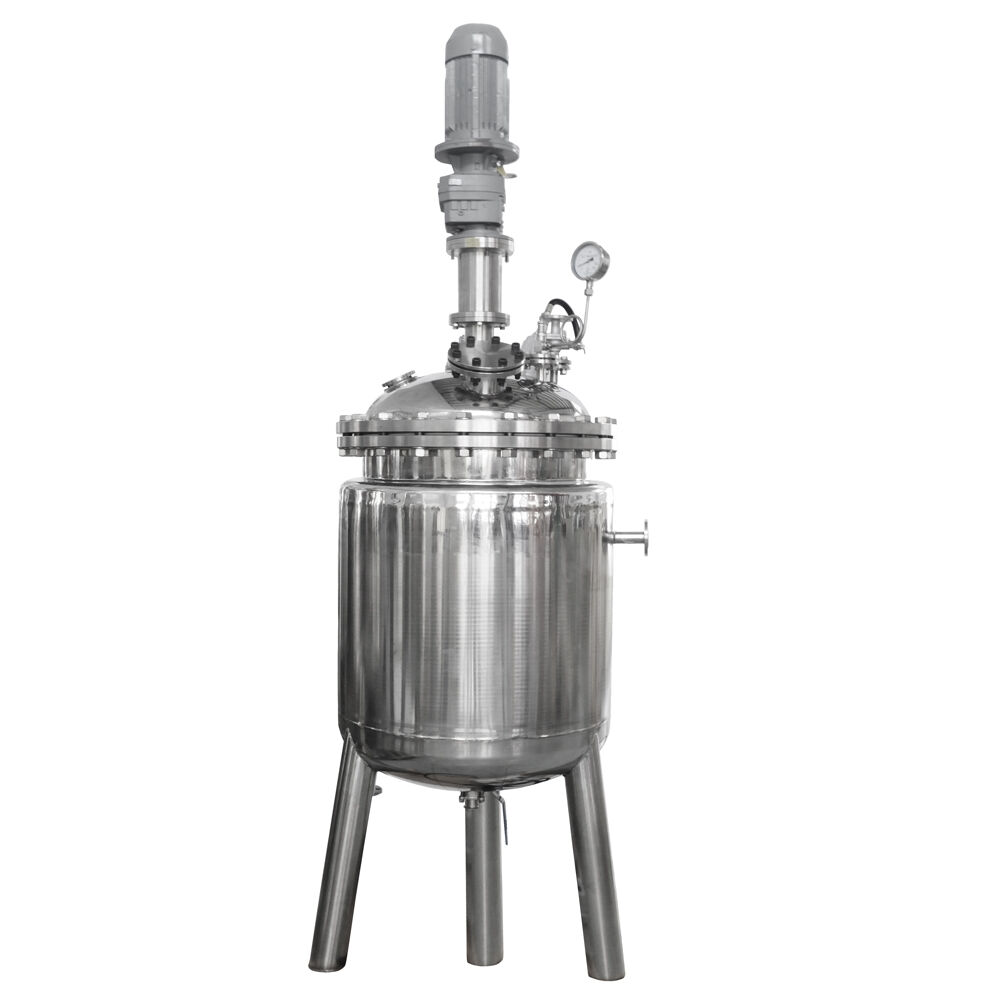
A high-pressure chemical reactor represents a sophisticated piece of industrial equipment designed to facilitate chemical reactions under elevated pressure conditions, typically ranging from several atmospheres to hundreds of bars. These reactors serve as the cornerstone of modern chemical processing, enabling manufacturers to conduct reactions that would be impossible or inefficient under standard atmospheric conditions. The primary function of a high-pressure chemical reactor involves creating a controlled environment where reactants can interact at pressures significantly above normal atmospheric levels, thereby accelerating reaction rates, improving yields, and enabling unique chemical transformations. The technological architecture of these reactors incorporates robust pressure vessels constructed from specialized materials such as stainless steel alloys, Hastelloy, or other corrosion-resistant metals capable of withstanding extreme pressure differentials. Advanced monitoring systems continuously track critical parameters including pressure, temperature, flow rates, and chemical composition throughout the reaction process. Modern high-pressure chemical reactor designs feature sophisticated control mechanisms that maintain precise operating conditions while ensuring operator safety through multiple redundant safety systems. These reactors find extensive applications across diverse industries including petrochemicals, pharmaceuticals, specialty chemicals, catalysis research, and materials science. In hydrogenation processes, high-pressure chemical reactors enable the addition of hydrogen molecules to organic compounds, creating essential products like margarine, plastics, and pharmaceutical intermediates. The pharmaceutical industry relies heavily on high-pressure chemical reactor technology for synthesizing complex molecular structures that require specific pressure conditions to achieve optimal reaction kinetics. Catalytic processes benefit tremendously from high-pressure environments, as elevated pressures often enhance catalyst effectiveness and selectivity. The versatility of high-pressure chemical reactor systems allows for batch, semi-continuous, or continuous operation modes, providing flexibility to accommodate various production requirements and scale-up scenarios from laboratory research to full-scale manufacturing operations.
 EN
EN