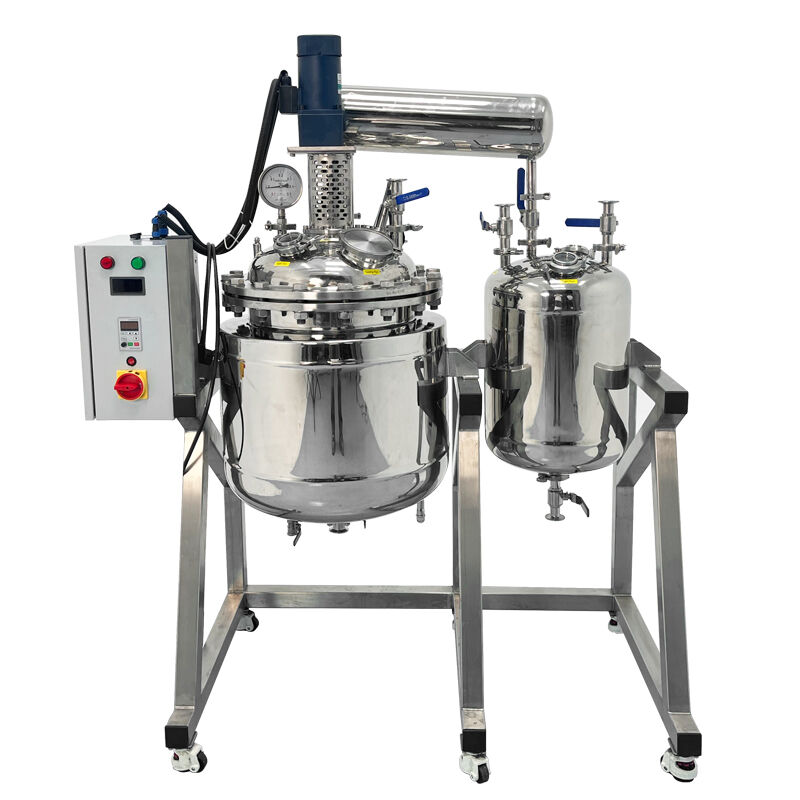
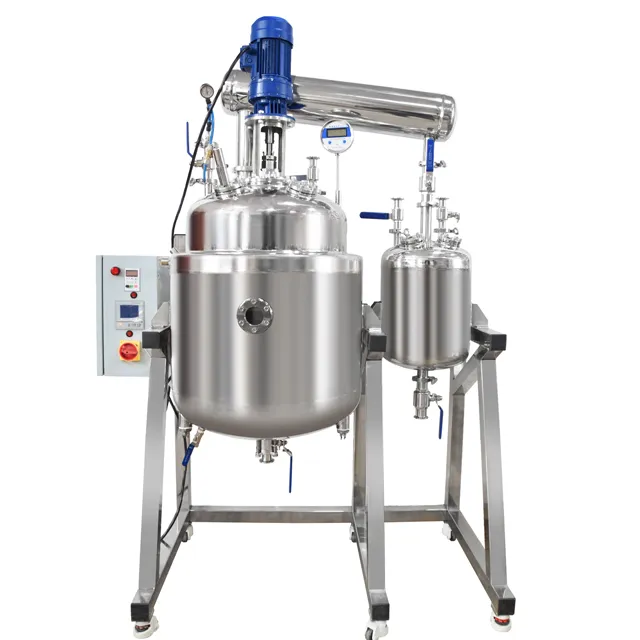
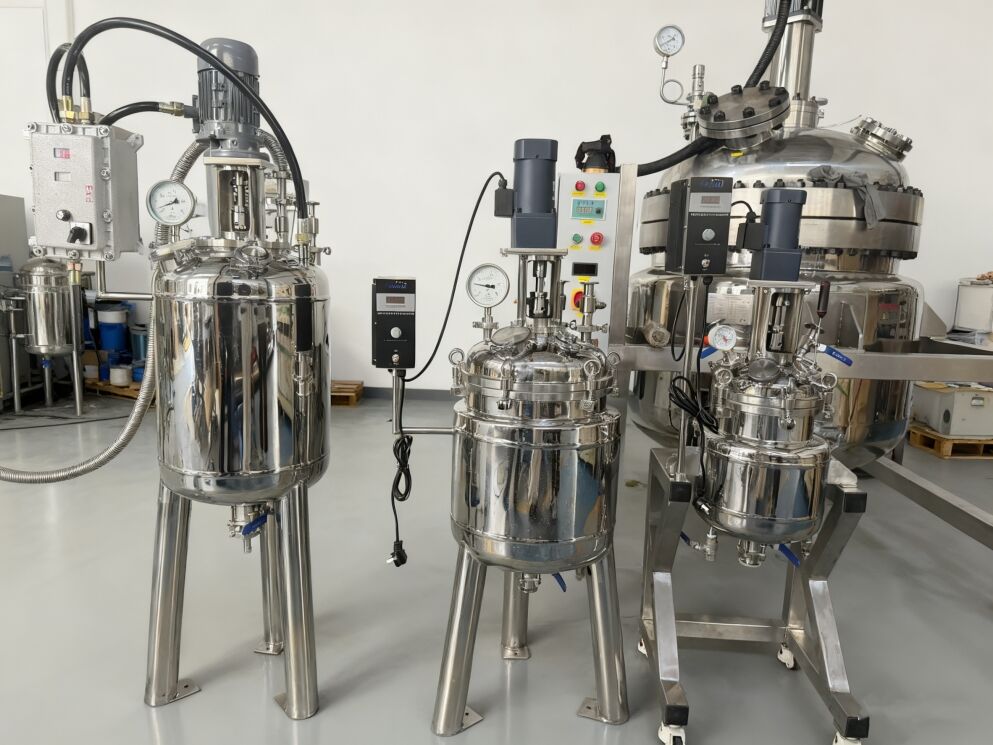
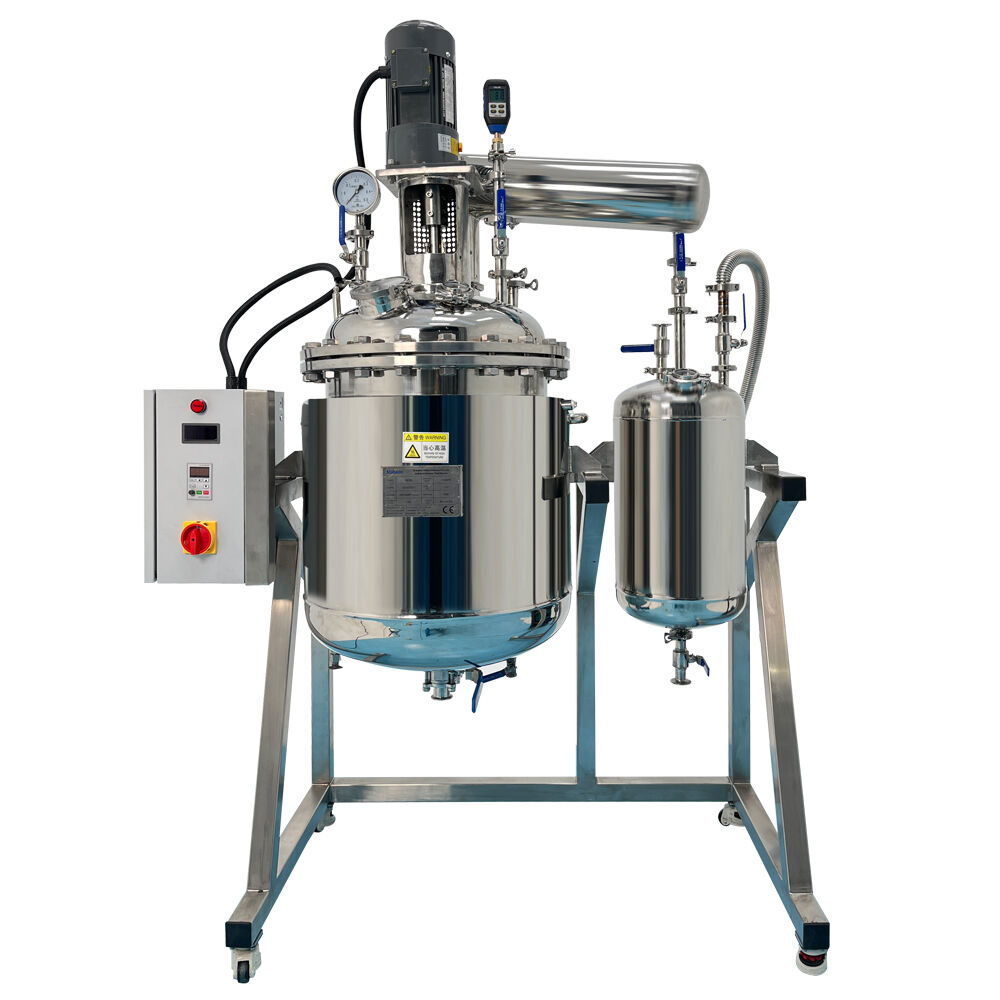
reaction vessel chemistry
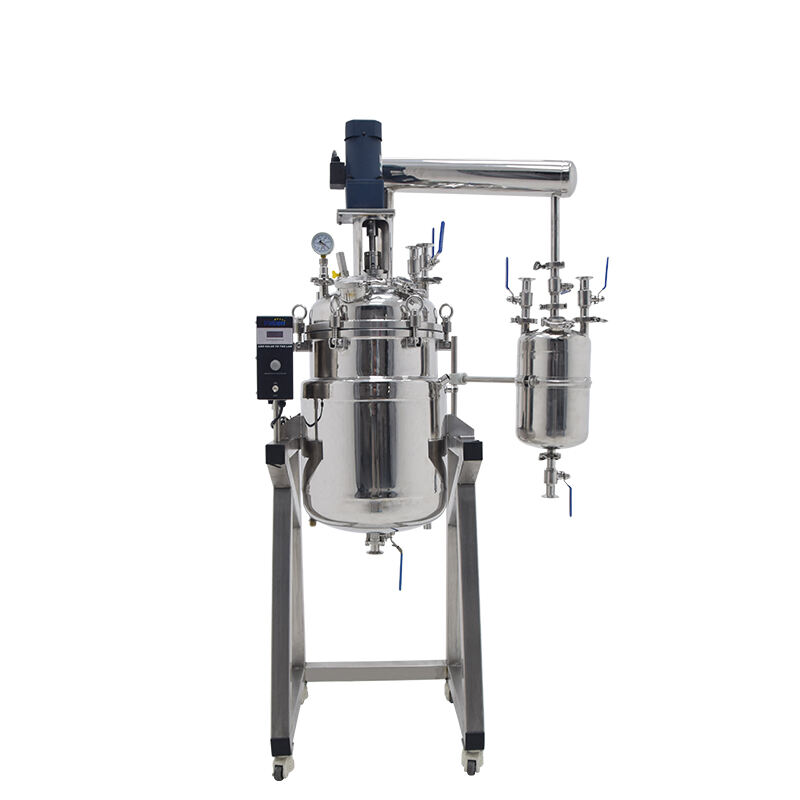
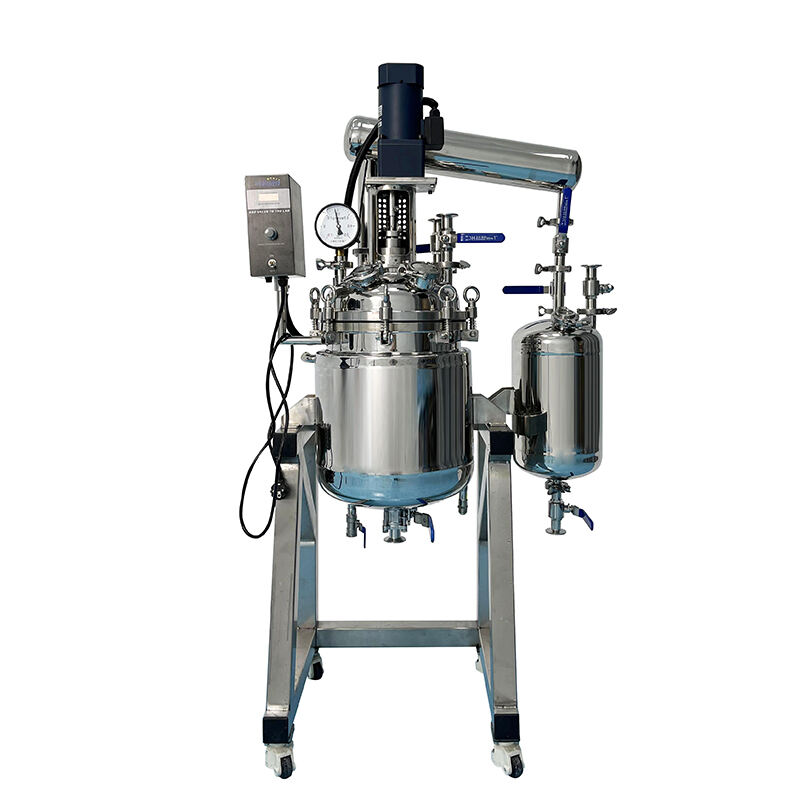
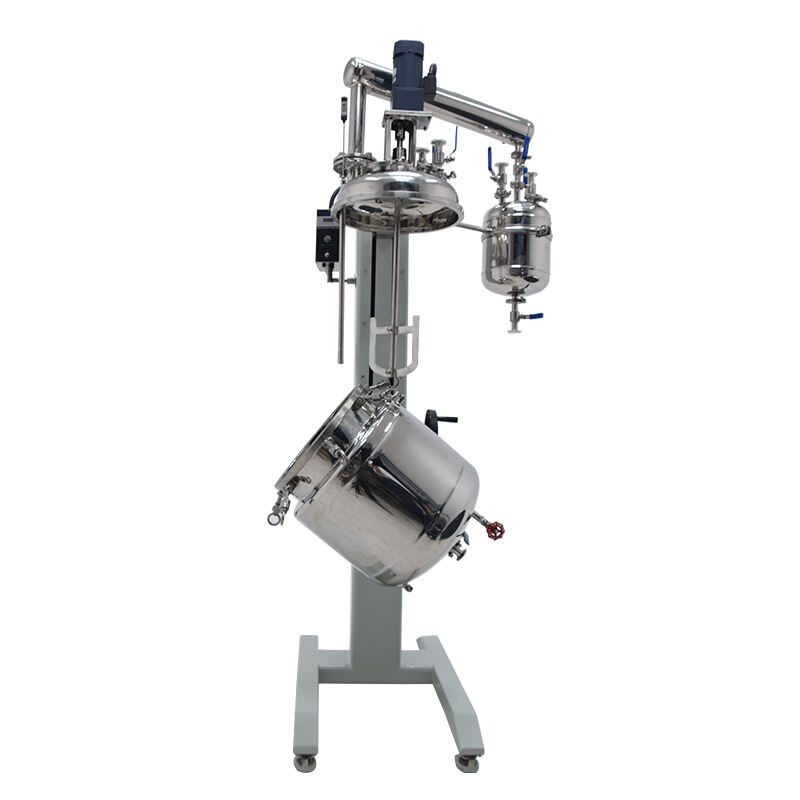
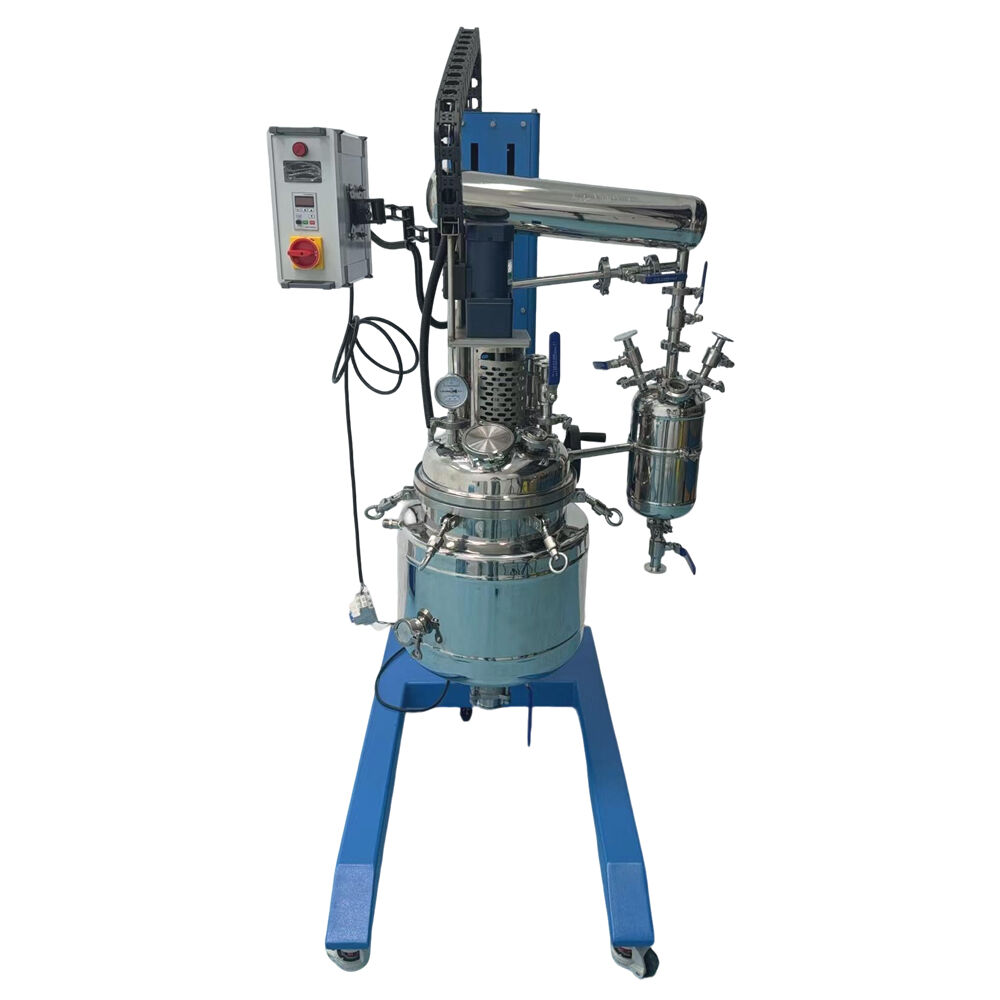
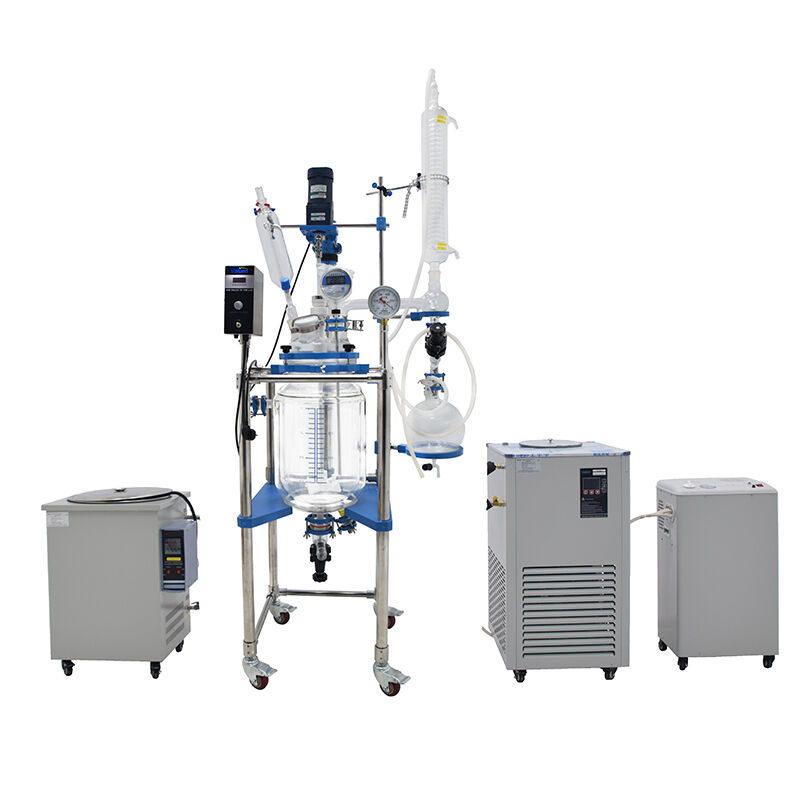
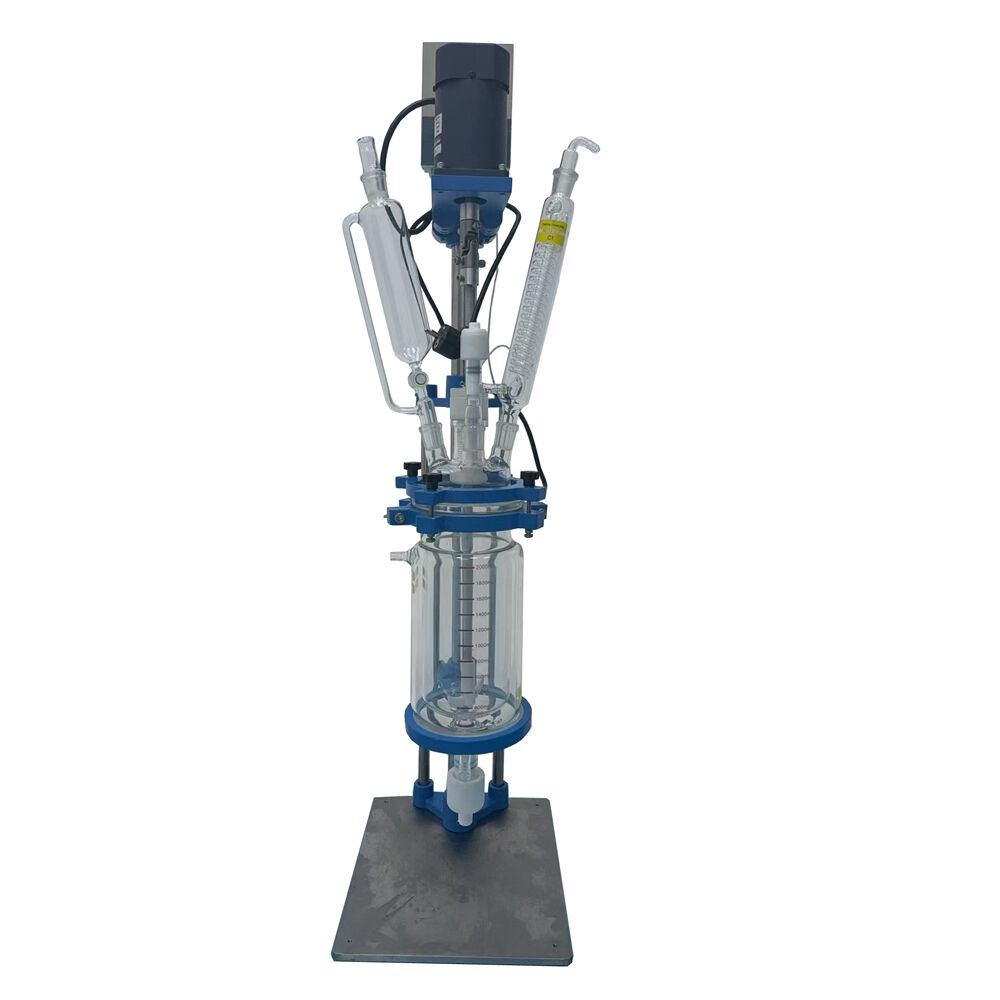
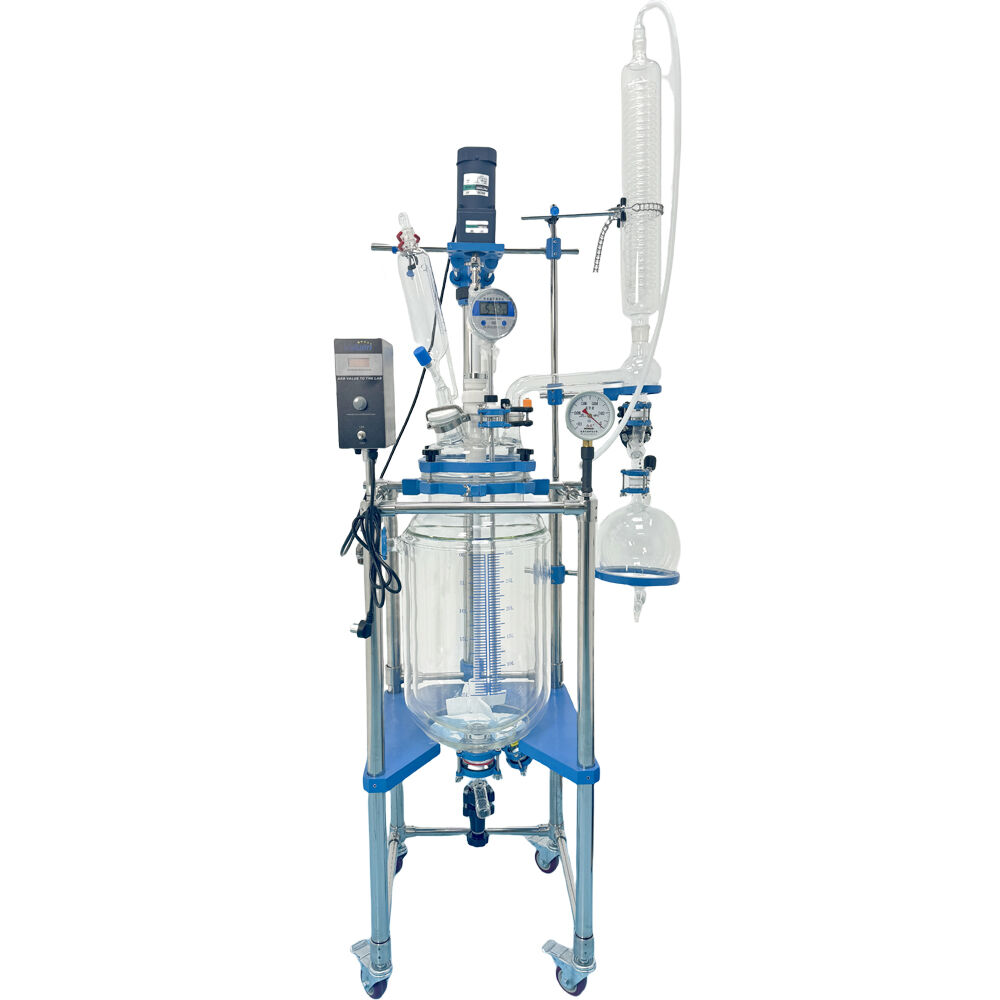
Reaction vessel chemistry represents a fundamental cornerstone of modern chemical processing, serving as the controlled environment where chemical transformations occur with precision and efficiency. These specialized containers are engineered to facilitate, monitor, and optimize chemical reactions across diverse industrial applications. The primary function of reaction vessel chemistry involves creating optimal conditions for chemical processes while maintaining safety standards and ensuring consistent product quality. These vessels incorporate sophisticated design elements that regulate temperature, pressure, mixing dynamics, and atmospheric conditions to achieve desired reaction outcomes. The technological features of reaction vessel chemistry include advanced materials construction, typically utilizing corrosion-resistant alloys, specialized coatings, or glass-lined surfaces that withstand harsh chemical environments. Modern reaction vessels integrate digital monitoring systems, automated control mechanisms, and safety protocols that enhance operational reliability. Temperature control systems within reaction vessel chemistry utilize heating and cooling jackets, internal coils, or external heat exchangers to maintain precise thermal conditions. Pressure management capabilities allow these systems to operate under vacuum conditions or elevated pressures as required by specific chemical processes. Agitation systems incorporated into reaction vessel chemistry ensure homogeneous mixing, proper heat transfer, and optimal mass transfer between phases. Applications of reaction vessel chemistry span pharmaceutical manufacturing, petrochemical processing, fine chemicals production, specialty materials synthesis, and research development activities. In pharmaceutical applications, reaction vessel chemistry enables the controlled synthesis of active pharmaceutical ingredients with stringent purity requirements. Petrochemical industries rely on reaction vessel chemistry for catalytic processes, polymerization reactions, and hydrocarbon transformations. The versatility of reaction vessel chemistry allows customization for batch processes, continuous operations, or semi-batch configurations depending on production requirements and economic considerations.
 EN
EN